In a recent article titled ‘Challenges for Resolving Complex Conflicts’, I pointed out that existing conflict theory pays little attention to the extinction-causing conflict being ongoingly generated by human over-consumption in the finite planetary biosphere (and, among other outcomes, currently resulting in 200 species extinctions daily). I also mentioned that this conflict is sometimes inadequately identified as a conflict caused by capitalism’s drive for unending economic growth in a finite environment.
I would like to explain the psychological origin of this biosphere-annihilating conflict and how this origin has nurtured the incredibly destructive aspects of capitalism (and socialism, for that matter) from the beginning. I would also like to explain what we can do about it.
Before I do, however, let me briefly illustrate why this particular conflict configuration is so important by offering you a taste of the most recent research evidence in relation to the climate catastrophe and biosphere annihilation and why the time to resolve this conflict is rapidly running out (assuming, problematically, that we can avert nuclear war in the meantime).
In an article reporting a recent speech by Professor James G. Anderson of Harvard University, whose research led to the Montreal Protocol in 1987 to mitigate CFC damage to the Ozone Layer, environmental journalist Robert Hunizker summarizes Anderson’s position as follows: ‘the chance of permanent ice remaining in the Arctic after 2022 is zero. Already, 80% is gone. The problem: Without an ice shield to protect frozen methane hydrates in place for millennia, the Arctic turns into a methane nightmare.’ See ‘There Is No Time Left’.
But if you think that sounds drastic, other recent research has drawn attention to the fact that the ‘alarming loss of insects will likely take down humanity before global warming hits maximum velocity…. The worldwide loss of insects is simply staggering with some reports of 75% up to 90%, happening much faster than the paleoclimate record rate of the past five major extinction events’. Without insects ‘burrowing, forming new soil, aerating soil, pollinating food crops…’ and providing food for many bird species, the biosphere simply collapses. See ‘Insect Decimation Upstages Global Warming’.
So, if we are in the process of annihilating Earth’s biosphere, which will precipitate human extinction in the near term, why aren’t we paying much more attention to the origin of this fundamental conflict? And then developing a precisely focused strategy for transcending it?
The answer to these two questions is simply this: the origin of this conflict is particularly unpalatable and, from my careful observation, most people, including conflict theorists, aren’t anxious to focus on it.
So why are human beings over-consuming in the finite planetary biosphere? Or more accurately, why are human beings who have the opportunity to do so (which doesn’t include those impoverished people living in Africa, Asia, Central/South America or anywhere else) over-consuming in the finite planetary biosphere?
They are doing so because they were terrorized into unconsciously equating consumption with a meaningful life by parents and other adults who had already internalized this same ‘learning’.
Let me explain how this happens.
At the moment of birth, a baby is genetically programmed to feel and express their feelings in response to the stimuli, both internal and external, that the baby registers. For example, as soon after birth as a baby feels hungry, they will signal that need, usually by crying or screaming. An attentive parent (or other suitable adult) will usually respond to this need by feeding the baby and the baby will express their satisfaction with this outcome, perhaps with a facial expression, in a way that most aware parents and adults will have no difficulty identifying. Similarly, if the baby is cold, in pain or experiencing any other stimulus, the baby will express their need, probably by making a loud noise. Given that babies cannot immediately use a cultural language, they use the language that was given to them by evolution: particularly audibly expressed noise of various types that an aware adult will quickly learn to interpret.
Of course, from the initial moments after birth and throughout the next few months, a baby will experience an increasing range of stimuli – including internal stimuli such as the needs for listening, understanding and love, as well as external stimuli ranging from a wet nappy to a diverse set of parental, social, climate and environmental stimuli – and will develop a diverse and expanding range of ways, now including a wider range of emotional expression but eventually starting to include spoken language, of expressing their responses, including satisfaction and enjoyment if appropriate, to these stimuli.
At some vital point, however, and certainly within the child’s first eighteen months, the child’s parents and the other significant adults in the child’s life, will start to routinely and actively interfere with the child’s emotional expression (and thus deny them satisfaction of the unique needs being expressed in each case) in order to compel the child to do as the parent/adult wishes. Of course, this is essential if you want the child to be obedient – a socially compliant slave – rather than to follow their own Self-will.
One of the critically important ways in which this denial of emotional expression occurs seems benign enough: Children who are crying, angry or frightened are scared into not expressing their feelings and offered material items – such as food or a toy – to distract them instead. Unfortunately, the distractive items become addictive drugs. Unable to have their emotional needs met, the child learns to seek relief by acquiring the material substitutes offered by the parent. But as this emotional deprivation endlessly expands because the child has been denied the listening, understanding and love to develop the capacity to listen to, love and understand themself, so too does the ‘need’ for material acquisition endlessly expand.
As an aside, this explains why most violence is overtly directed at gaining control of material, rather than emotional, resources. The material resource becomes a dysfunctional and quite inadequate replacement for satisfaction of the emotional need. And, because the material resource cannot ‘work’ to meet an emotional need, the individual is most likely to keep using direct and/or structural violence to gain control of more material resources in an unconscious and utterly futile attempt to meet unidentified emotional needs. In essence, no amount of money and other assets can replace the love denied a child that would allow them to feel and act on their feelings.
Of course, the individual who consumes more than they need and uses direct violence, or simply takes advantage of structural violence, to do so is never aware of their deeply suppressed emotional needs and of the functional ways of having these needs met. Although, I admit, this is not easy to do given that listening, understanding and love are not readily available from others who have themselves been denied these needs. Consequently, with their emotional needs now unconsciously ‘hidden’ from the individual, they will endlessly project that the needs they want met are, in fact, material.
This is the reason why members of the Rothschild family, Jeff Bezos, Bill Gates, Warren Buffett, Amancio Ortega, Mark Zuckerberg, Carlos Slim, the Walton family and the Koch brothers, as well as the world’s other billionaires and millionaires, seek material wealth and are willing to do so by taking advantage of structures of exploitation held in place by the US military. They are certainly wealthy in the material sense; unfortunately, they are emotional voids who were never loved and do not know how to love themself or others now.
Tragically, however, this fate is not exclusive to the world’s wealthy even if they illustrate the point most graphically. As indicated above, virtually all people who live in material cultures have suffered this fate and this is readily illustrated by their ongoing excessive consumption – especially their meat-eating, fossil-fueled travel and acquisition of an endless stream of assets – in a planetary biosphere that has long been signaling ‘Enough!’
As an aside, governments that use military violence to gain control of material resources are simply governments composed of many individuals with this dysfunctionality, which is very common in industrialized countries that promote materialism. Thus, cultures that unconsciously allow and encourage this dysfunctional projection (that an emotional need is met by material acquisition) are the most violent both domestically and internationally. This also explains why industrialized (material) countries use military violence to maintain political and economic structures that allow ongoing exploitation of non-industrialized countries in Africa, Asia and Central/South America.
In summary, the individual who has all of their emotional needs met requires only the intellectual and few material resources necessary to maintain this fulfilling life: anything beyond this is not only useless, it is a burden.
For those adults who feel incapable of nisteling or living out such a promise, I encourage you to consider doing the emotional healing necessary by ‘Putting Feelings First’.
If you already feel capable of responding powerfully to this extinction-threatening conflict between human consumption and the Earth’s biosphere, you are welcome to consider joining those who are participating in the fifteen-year strategy to reduce consumption and achieve self-reliance explained in ‘The Flame Tree Project to Save Life on Earth’ and/or to consider using sound nonviolent strategy to conduct your climate or environment campaign. See Nonviolent Campaign Strategy.
As the material simplicity of Mohandas K. Gandhi demonstrated: Consumption is not life.
If you are not able to emulate Gandhi (at least ‘in spirit’) by living modestly, it is your own emotional dysfunctionality – particularly unconscious fear – that is the problem that needs to be addressed.
Biodata: Robert J. Burrowes has a lifetime commitment to understanding and ending human violence. He has done extensive research since 1966 in an effort to understand why human beings are violent and has been a nonviolent activist since 1981. He is the author of ‘Why Violence?’ http://tinyurl.com/whyviolence His email address is flametree@riseup.net and his website is here. http://robertjburrowes.wordpress.com
Robert J. Burrowes
P.O. Box 68
Daylesford, Victoria 3460
Australia
Several years ago in Cameroon, a country in West Africa, a Western Black Rhinoceros was killed. It was the last of its kind on Earth.
Hence, the Western Black Rhinoceros, the largest subspecies of rhinoceros which had lived for millions of years and was the second largest land mammal on Earth, no longer exists.
But while you have probably heard of the Western Black Rhinoceros, and may even have known of its extinction, did you know that on the same day that it became extinct, another 200 species of life on Earth also became extinct?
This is because the sixth mass extinction event in Earth’s history is now accelerating at an unprecedented rate with 200 species of plants, birds, animals, fish, amphibians, insects and reptiles being driven to extinction on a daily basis. And the odds are high that you have never even heard of any of them. For example, have you heard of the Christmas Island Pipistrelle, recently declared extinct? See ‘Christmas Island Pipistrelle declared extinct by IUCN’.
Is anything being done to end this omnicide (the destruction of all life)?
Not really, although there is plenty of rhetoric and limited action in some contexts as all bar a few committed individuals and organizations ignore this onslaught while even fewer take action that addresses the underlying cause and/or fundamental drivers of this killing. Unfortunately, most effort is still wasted on lobbying elites.
Of course, all of this is done at immediate cost to human beings, particularly indigenous peoples – see, for example, ‘Five ways climate change harms indigenous people’ – and those who are in the worst position to resist – see ‘Global Poverty: How the Rich Eat the Poor and the World: The Big Lies’ – but elites know they can ignore our lobbying and occasional, tokenistic and disorganized protests while relying on the fear and powerlessness of most of us to ensure that we do nothing strategic to fight back.
And given the unrelenting criminal onslaught of the insane global elite – see ‘The Global Elite is Insane’ – directed against Earth’s biosphere, together with the elite’s many sycophantic academic, bureaucratic, business, legal, media, military, political and scientific servants who deny science and threaten human survival in the interests of short-term personal privilege, corporate profit and social control, it is long past time when those of us who are genuinely concerned should be developing and implementing a strategy that recognises the elite and its many agents as opponents to be resisted with a careful and powerful strategy.
So, in essence, the problem is this: Human beings are destroying the biosphere and driving countless lifeforms, including ourselves, to extinction. And there is little strategic resistance to this onslaught.
There is, of course, an explanation for this and this explanation needs to be understood if we are to implement a strategy to successfully halt our omnicidal assault on Earth’s biosphere in time to save ourselves and as many other species as possible in a viable ecological setting.
This is because if you want to solve a problem or resolve a conflict, then it is imperative to know and act on the truth. Otherwise you are simply acting on a delusion and whatever you do can have no desirable outcome for yourself, others, the Earth or its multitude of creatures. Of course, most people are content to live in delusion: it averts the need to courageously, intelligently and conscientiously analyse what is truly happening and respond to it powerfully. In short: it makes life ‘easier’ (that is, less frightening) even if problems keep recurring and conflicts are suppressed, to flare up periodically, rather than resolved.
And, of course, this is how elites want it. They do not want powerful individuals or organizations interfering with their scheme to (now rapidly) consolidate their militarized control over the world’s populations and resources.
This is why, for example, elites love ‘democracy’: it ensures disempowerment of the population. How so? you might ask. The fundamental flaw of democracy is that people have been deceived into surrendering their personal power to act responsibly – in relation to the important social, political, economic, environment and climate issues of the day – to elected ‘representatives’ in government who then fearfully represent the elites who actually control them (whether through financial incentives, electoral support or other means), assuming they aren’t members of the elite themselves and simply represent elite priorities out of shared interest (as does Donald Trump).
And because we delegate responsibility to those powerless politicians who fearfully (or out of shared interest) act in response to elite bidding, the best scientific information in relation to the state of the Earth is simply ignored or rejected while conservative ‘scientific warnings’ advocating ‘strategies’ that must fail are widely circulated. See, for example, ‘World Scientists’ Warning to Humanity: A Second Notice’.
So this widespread failure to respond thoughtfully and powerfully is a fundamental reason that we are killing the biosphere and destroying life on Earth. Too few humans are willing to accept personal responsibility to understand why the violence is occurring and to participate in a carefully designed strategy to avert our own extinction, let alone save countless other species from premature entry into the fossil record. It is easier to leave responsibility to others. See ‘The Delusion “I Am Not Responsible”’.
And, clearly, time is running out, unless you are gullible enough to believe the elite-sponsored delusion that promotes inaction, and maximizes corporate profits in the meantime, because we are supposed to have until ‘the end of the century’. Far from it, however. As some courageous scientists, invariably denied access to mainstream news outlets, explain it: near-term human extinction is now the most likely outcome.
One of these scientists is Professor Guy McPherson who offers compelling evidence that human beings will be extinct by 2030. For a summary of the evidence of this, which emphasizes the usually neglected synergistic impacts of many of these destructive trends (some of which are noted above) and cites many references, listen to the lecture by Professor McPherson on ‘Climate Collapse and Near Term Human Extinction’.
Why 2030? Because, according to McPherson, the ‘perfect storm’ of environmental assaults that we are now inflicting on the Earth, including the 28 self-reinforcing climate feedback loops that have already been triggered, is so far beyond the Earth’s capacity to absorb, that there will be an ongoing succession of terminal breakdowns of key ecological systems and processes – that is, habitat loss – over the next decade that it will precipitate the demise of homo sapiens sapiens.
In relation to the climate alone, another scientist, Professor Kevin Anderson, who is Deputy Director of the UK’s premier climate modelling institution, the Tyndall Centre for Climate Change Research, has warned that emissions are now out of control and we are heading for a world that is 6 degrees hotter; he pointed out that even the International Energy Agency, and conservative organisations like it, are warning that we are on track for a 4 degree increase (on the pre-industrial level) by 2040. He also accused too many climate scientists of keeping quiet about the unrealistic assessments put out by governments. See ‘What They Won’t Tell You About Climate Catastrophe’.
So be wary of putting any credence on ‘official’ explanations, targets and ‘action-plans’ in relation to the climate that are approved by large gatherings, whether governmental or scientific. Few people have the courage to tell the truth when it guarantees unpopularity and can readily manifest as career-extinction and social and scientific marginalization.
As an aside, it is perhaps worth mentioning that most people have long forgotten that a decade ago (when the global temperature was .8 degrees above the pre-industrial level) it had been suggested that a decrease in global temperature to not more than .5 degrees above the pre-industrial level was actually necessary to achieve a safe climate, with the Arctic intact (although there was no clear feasible method for humans to reduce the global temperature to this level with any speed). Sadly we have made little progress in the past decade apart from to keep raising the ‘acceptable’ limit (whether to 2 degrees or ‘only’ 1.5). Most humans love to delude themselves to avoid dealing with the truth.
Hence, for those of us committed to responding powerfully to this crisis, the fundamental question is this: Why, precisely, are human beings destroying life on Earth? Without an accurate answer to this question, any strategy to address this crisis must be based on either guesswork or ideology.
So let us briefly consider some possible answers to this question.
Some people argue that it is genetic: human beings are innately violent and, hence, destructive behaviors towards themselves, others and the Earth are ‘built-in’ to the human organism; for that reason, violence cannot be prevented or controlled and humans must endlessly destroy.
However, any argument that human beings are genetically-predisposed to inflict violence is easily refuted by the overwhelming evidence of human cooperation throughout the millennia and there are endless examples, ranging from the interpersonal to the international, of humans cooperating to resolve conflict without violence, even when these conflicts involve complex issues and powerful vested interests. There are also plentiful examples of humans, particularly indigenous communities, living in harmony with, rather than destroying, nature.
Other analysts argue that human violence and destructiveness are manifestations of political, economic and/or social structures – such as patriarchy, capitalism and the state, depending on the perspective – and while I agree that (massive) structural violence actually occurs, I do not believe that these structures, by themselves, constitute an adequate explanation of the cause of violence.
This is simply because any structural explanation cannot account for violence in all contexts (including the violence that led to creation of the structure in the first place) or explain why it doesn’t happen in some contexts where a particular perspective indicates that it should.
So is there another plausible explanation for human violence? And can we do anything about it? Let me offer an explanation and a way forward that also takes advantage of the insights of those traditions that have critiqued structural violence in its many forms.
I have been researching why human beings are violent since 1966 and the evidence has convinced me that the origin of all human violence is the violence inflicted by adults on children under the guise of what sociologists call ‘socialization’. This violence takes many forms – what I call ‘visible’, ‘invisible’ and ‘utterly invisible’ violence – and it creates enormously damaged individuals who then personally inflict violence on themselves, those around them (including their own children) and the Earth, while creating, participating in, defending and/or benefiting from structures of violence and exploitation. For a full explanation of this point, see ‘Why Violence?’ and ‘Fearless Psychology and Fearful Psychology: Principles and Practice’.
Hence, in my view, the evidence is overwhelming that if we want to end human violence, whether inflicted on ourselves, others or the Earth, then the central feature of our strategy must be to end adult violence against children. See ‘My Promise to Children’. I claim that this must be ‘the central feature of our strategy’ for the simple reason that each damaged child grows up to become a willing and active perpetrator of violence when, if they were not so damaged, they would be powerful agents of peace, justice and sustainability committed to resisting violence and exploitation in all contexts until it is eliminated.
This profound evolutionary inheritance – to be an individual of integrity who consciously chooses and lives out their own unique, powerful and nonviolent life path – has been denied to virtually all of us because humans endlessly terrorize their children into mindless obedience and social conformity, leaving them powerless to access and live out their conscience.
And this makes it very easy for elites: By then using a combination of our existing fear, indoctrination (via the education system, corporate media and religion) and intimidation (via the police, legal and prison systems), sometimes sweetened with a few toys and trinkets, national elites maintain social control and maximize corporate profits by coercing the rest of us to waste our lives doing meaningless work, in denial of our Selfhood, in the corporate-controlled economy.
As I implied above, however, we need not be content with just working to end violence against children. We can also work to end all other manifestations of violence – including violence against women, indigenous peoples, people of color, Islamic and working class people, and violence against the Earth – but recognize that if we tackle this violence without simultaneously tackling violence at its source, we fundamentally undermine our effort to tackle these other manifestations of violence too.
Moreover, tackling structural violence (such as capitalism) by using direct violence cannot work either. Because violence always feeds off fear it will always proliferate and remanifest, whether as direct, structural, cultural or ecological violence, however beneficial any short-term outcome may appear.
Importantly then, apart from understanding and addressing the fundamental cause of this crisis, we must implement a comprehensive strategy that takes into account and addresses each and every component of it. There is no point working to achieve a single objective that might address one problem no matter how important that particular problem might be. The crisis is too far advanced to settle for piecemeal action.
And if you would like to publicly commit yourself to participate in the effort to end all human violence, you can do so by signing the online pledge of ‘The People’s Charter to Create a Nonviolent World’.
Killing the biosphere is the most effective way to destroy life on Earth because it destroys the ecological foundation – the vast array of incredibly diverse and interrelated habitats – on which organisms depend for their survival. And we are now very good at this killing which is why averting human extinction is already going to be extraordinarily difficult.
Hence, unless and until you make a conscious personal decision to participate strategically in the struggle to save life on Earth, you will be one of those individuals who kills the biosphere as a byproduct of living without awareness and commitment: A person who simply over-consumes their way to extinction.
So next time you ponder the fate of humanity, which is inextricably tied to the fate of the Earth, it might be worth considering the unparalleled beauty of what Earth has generated. See, for example, ‘Two White Giraffes Seen in Kenyan Conservation Area’.
And as you do this, ask yourself how hard you are willing to fight to save life on Earth.
Biodata: Robert J. Burrowes has a lifetime commitment to understanding and ending human violence. He has done extensive research since 1966 in an effort to understand why human beings are violent and has been a nonviolent activist since 1981. He is the author of ‘Why Violence?’ His email address is flametree@riseup.net and his website is here.
—
Robert J. Burrowes
P.O. Box 68
Daylesford
Victoria 3460
Australia
We are living amid contradictions whether we like it or not, driving expectations about the future toward opposite extremes. Increasingly plausible are fears that the ‘sixth extinction’ will encompass the human species, or at least, throw human society back to a technology of sticks and stones, with a habitat limited to caves and forests. This dark vision is countered by gene editing designer promises of virtual immortality and super-wise beings programming super-intelligent machines, enabling a life of leisure, luxury, and security for all. Whether the reality of such a scientistic future would be also dark is a matter of conjecture, but from a survival perspective, it offers an optimistic scenario.
On political levels, a similar set of polar scenarios are gaining ground in the moral imagination, producing national leaders who seem comfortable embracing an apocalyptic telos without a second thought. The peoples of the world, entrapped in a predatory phase of global capitalism, are using their democratic prerogative to shut down dissent, rationality, and science. On one side, 122 governments pledge a legal commitment to the prohibition of nuclear weapons as an unprecedented prelude to the abolition of the weaponry; on the other side, all nine nuclear weapons states, and their closest allies, oppose the prohibition and opt for modernizing their nuclear weapons arsenals even devising strategic plans for their possible use, prompting an urgent search for counter measures.
John Pilger issues a solemn reminder that Nevile Shute’s On the Beach depicting a post-nuclear human future that is now more resonant than when it was published in 1957. Leaders that could bluff their way to shared catastrophe bellow forth in Washington and Pyongyang, each deluded by the belief that military options even with nuclear weapons are the only geopolitical security blanket worth relying upon, projecting a reckless obliviousness to the risk of losing their balance while engaging in inflammatory rhetorical posturing alarmingly close to the nuclear precipice.
As Pilger also points out, the liberal opposition to this right wing populism in the West is also dangerously disposed toward warmongering. Donald Trump is being pilloried by a bipartisan anti-Russian hysteria that imposes harsh sanctions, seemingly intent on driving Putin’s Kremlin into a corner from which there is no retreat except by way of confrontation, and possibly war.
We read of record heat waves, extreme weather events, extended droughts, and wild fires as common as clouds in the sky without blinking. The newspapers report that climate scientists are ready to push the panic button in reaction to the latest studies of grim global warning trends, while the Trump factor renews coal mining and treats denial a political virtue.
While these alarming realities dim the light of hope for many of us, the American stock market, a barometer of capitalist expectations by the shrewdest investors, achieves record heights. At the same time famine warnings have been officially endorsed for a series of long suffering populations: Syria, Yemen, South Sudan, northern Nigeria, Gaza. The entire Middle East is being turned into a war and conflict zone, with an anti-Iran warmongering coalition pressuring Iran to choose between nuclear deterrence and sectarian warfare inflamed by militarist Israeli/U.S. grand strategy that appears to be motivated by a regional vision of geopolitical pacification.
How best to endure in the face of such fatalistic dualisms? That may be the question of our time, dodged for the sake of sanity by almost all of us, at least most of the time. Business as usual, while living with therapeutic forms of cultural blindness, the opioids of those fortunate enough to live for now in gated communities, whether on the scale of private dwellings or walled off countries.
Recently a lively young woman told me that many of her friends had decided not to have children because they are so fearful of the storm clouds of the future, and refuse to wait around for liberating rainbows. At the other extreme, today’s International Edition of the New York Times contains a front page ad of enticement encouraging attendance at an International Luxury Conference to be held in Brussels, November 13-14, on the demeaning theme of “What’s Next: Luxury in a Turbulent World.” My somewhat impatient response—‘whatever turns out to be next, it will not be and should not be luxury!’ More likely, those grown accustomed to luxury will shift their residences to those underground homes built by Silicon Valley billionaires on vast tracts of lands in the New Zealand countryside as the ultimate hedge against an imminent global catastrophe. It could be that the NYT conference will devote its attention to this form of post-apocalyptic luxury living! Yet that assumes a quite unlikely focus on how the world of luxury is adapting to the unpleasant realities of the Sixth Extinction.
Human beings are now waging war against life itself as we continue to destroy not just individual lives, local populations and entire species in vast numbers but also destroy the ecological systems that make life on Earth possible.
By doing this we are now accelerating the sixth mass extinction event in Earth’s history and virtually eliminating any prospect of human survival.
‘Earth’s sixth mass extinction is more severe than perceived when looking exclusively at species extinctions…. That conclusion is based on analyses of the numbers and degrees of range contraction … using a sample of 27,600 vertebrate species, and on a more detailed analysis documenting the population extinctions between 1900 and 2015 in 177 mammal species.’ Their research found that the rate of population loss in terrestrial vertebrates is ‘extremely high’ – even in ‘species of low concern’.
In their sample, comprising nearly half of known vertebrate species, 32% (8,851 out of 27,600) are decreasing; that is, they have decreased in population size and range. In the 177 mammals for which they had detailed data, all had lost 30% or more of their geographic ranges and more than 40% of the species had experienced severe population declines. Their data revealed that ‘beyond global species extinctions Earth is experiencing a huge episode of population declines and extirpations, which will have negative cascading consequences on ecosystem functioning and services vital to sustaining civilization. We describe this as a “biological annihilation” to highlight the current magnitude of Earth’s ongoing sixth major extinction event.’
Illustrating the damage done by dramatically reducing the historic geographic range of a species, consider the lion. Panthera leo ‘was historically distributed over most of Africa, southern Europe, and the Middle East, all the way to northwestern India. It is now confined to scattered populations in sub-Saharan Africa and a remnant population in the Gir forest of India. The vast majority of lion populations are gone.’
Why is this happening? Ceballos, Ehrlich and Dirzo tell us: ‘In the last few decades, habitat loss, overexploitation, invasive organisms, pollution, toxification, and more recently climate disruption, as well as the interactions among these factors, have led to the catastrophic declines in both the numbers and sizes of populations of both common and rare vertebrate species.’
Further, however, the authors warn ‘But the true extent of this mass extinction has been underestimated, because of the emphasis on species extinction.’ This underestimate can be traced to overlooking the accelerating extinction of local populations of a species.
‘Population extinctions today are orders of magnitude more frequent than species extinctions. Population extinctions, however, are a prelude to species extinctions, so Earth’s sixth mass extinction episode has proceeded further than most assume.’ Moreover, and importantly from a narrow human perspective, the massive loss of local populations is already damaging the services ecosystems provide to civilization (which, of course, are given no value by government and corporate economists).
As Ceballos, Ehrlich and Dirzo remind us: ‘When considering this frightening assault on the foundations of human civilization, one must never forget that Earth’s capacity to support life, including human life, has been shaped by life itself.’ When public mention is made of the extinction crisis, it usually focuses on a few (probably iconic) animal species known to have gone extinct, while projecting many more in future. However, a glance at their maps presents a much more realistic picture: as much as 50% of the number of animal individuals that once shared Earth with us are already gone, as are billions of populations.
Furthermore, they claim that their analysis is conservative given the increasing trajectories of those factors that drive extinction together with their synergistic impacts. ‘Future losses easily may amount to a further rapid defaunation of the globe and comparable losses in the diversity of plants, including the local (and eventually global) defaunation-driven coextinction of plants.’
They conclude with the chilling observation: ‘Thus, we emphasize that the sixth mass extinction is already here and the window for effective action is very short.’
Of course, it is too late for those species of plants, birds, animals, fish, amphibians, insects and reptiles that humans have already driven to extinction or will yet drive to extinction in the future. 200 species yesterday. 200 species today. 200 species tomorrow. 200 species the day after…. And, as Ceballos, Ehrlich and Dirzo emphasize, the ongoing daily extinctions of a myriad local populations.
If you think that the above information is bad enough in assessing the prospects for human survival, you will not be encouraged by awareness or deeper consideration of even some of the many variables adversely impacting our prospects that were beyond the scope of the above study.
While Ceballos, Ehrlich and Dirzo, in addition to the problems they noted which are cited above, also identified the problems of human overpopulation and continued population growth, as well as overconsumption (based on ‘the fiction that perpetual growth can occur on a finite planet’) and even the risks posed by nuclear war, there were many variables that were beyond the scope of their research.
For example, in a recent discussion of that branch of ecological science known as ‘Planetary Boundary Science’, Dr Glen Barry identified ‘at least ten global ecological catastrophes which threaten to destroy the global ecological system and portend an end to human beings, and perhaps all life. Ranging from nitrogen deposition to ocean acidification, and including such basics as soil, water, and air; virtually every ecological system upon which life depends is failing’. See ‘The End of Being: Abrupt Climate Change One of Many Ecological Crises Threatening to Collapse the Biosphere‘.
Apart from the above, there is a host of other critical issues – such as destruction of the Earth’s rainforests, destruction of waterways and the ocean habitat and the devastating impact of animal agriculture for meat consumption – that international governmental organizations such as the UN, national governments and multinational corporations will continue to refuse to decisively act upon because they are controlled by the insane global elite. See ‘The Global Elite is Insane‘ with more fully elaborated explanations in ‘Why Violence?‘ and ‘Fearless Psychology and Fearful Psychology: Principles and Practice‘.
So time may be short, the number of issues utterly daunting and the prospects for life grim. But if, like me, you are inclined to fight to the last breath, I invite you to consider making a deliberate choice to take powerful personal action in the fight for our survival.
If you do nothing else, consider participating in the fifteen-year strategy of ‘The Flame Tree Project to Save Life on Earth‘. You can do this as an individual, with family and friends or as a neighbourhood.
If you are involved in (or considering becoming involved in) a local campaign to address a climate issue, end some manifestation of war (or even all war), or to halt any other threat to our environment, I encourage you to consider doing this on a strategic basis. See Nonviolent Campaign Strategy.
And if you would like to join the worldwide movement to end violence in all of its forms, environmental and otherwise, you are also welcome to consider signing the online pledge of ‘The People’s Charter to Create a Nonviolent World‘.
We might be annihilating life on Earth but this is not something about which we have no choice.
In fact, each and every one of us has a choice: we can choose to do nothing, we can wait for (or even lobby) others to act, or we can take powerful action ourselves. But unless you search your heart and make a conscious and deliberate choice to commit yourself to act powerfully, your unconscious choice will effectively be the first one (including that you might take some token measures and delude yourself that these make a difference). And the annihilation of life on Earth will continue, with your complicity.
Extinction beckons. Will you choose powerfully?
Biodata: Robert J. Burrowes has a lifetime commitment to understanding and ending human violence. He has done extensive research since 1966 in an effort to understand why human beings are violent and has been a nonviolent activist since 1981. He is the author of ‘Why Violence?‘ His email address is flametree@riseup.net and his website is at http://robertjburrowes.wordpress.com
— Robert J. Burrowes P.O. Box 68 Daylesford Victoria 3460 Australia Email: flametree@riseup.net
It’s delicate confronting these priests of the golden bull They preach from the pulpit of the bottom line Their minds rustle with million dollar bills You say Silver burns a hole in your pocket And Gold burns a hole in your soul Well, uranium burns a hole in forever It just gets out of control. – Buffy Sainte-Marie, “The Priests of the Golden Bull”1
What if we told you that humanity is being driven to the brink of extinction by an illness? That all the poverty, the climate devastation, the perpetual war, and consumption fetishism we see all around us have roots in a mass psychological infection? What if we went on to say that this infection is not just highly communicable but also self-replicating, according to the laws of cultural evolution, and that it remains so clandestine in our psyches that most hosts will, as a condition of their infected state, vehemently deny that they are infected? What if we then told you that this ‘mind virus’ can be described as a form of cannibalism. Yes, cannibalism. Not necessarily in the literal flesh-eating sense but rather the idea of consuming others—human and non-human—as a means of securing personal wealth and supremacy.
You may dismiss this line of thinking as New Age woo-woo or, worse, a lefty conspiracy theory. But this approach of viewing the transmission of ideas as a key determinant of the emergent reality is increasingly validated by various branches of science, including evolutionary theory, quantum physics, cognitive linguistics, and epigenetics.
The history of this infection is long, strange, and dark. But it leads to hope.
Viruses of the Mind
The New World fell not to a sword but to a meme. ~ Daniel Quinn2
One of the most well-accepted scientific theories that helps explain the power of idea-spreading is memetics.
Memes are to culture what genes are to biology: the base unit of evolution. The term was originally coined by the evolutionary biologist Richard Dawkins in his 1976 book, The Selfish Gene. Dawkins writes, “I think that a new kind of replicator has recently emerged . . . It is still drifting clumsily about in its primeval soup, but already it is achieving evolutionary change at a rate which leaves the old gene panting far behind.” He goes on, “Examples of memes are tunes, ideas, catch-phrases, clothes fashions, ways of making pots or of building arches. Just as genes propagate themselves in the gene pool by leaping from body to body via sperms or eggs, so memes propagate themselves in the meme pool by leaping from brain to brain, via a process which, in the broad sense, can be called imitation.”3
One of the high priests of rationalism, the scientific method, and atheism, is also the father of the meme of ‘memes.’ However, like all memes or ideas, there can be no ownership in a traditional sense, only the entanglement that quantum physics reminds us characterizes our intra-actions.4
Of course, similar notions of how ideas move between us have been around in Western traditions for centuries. Plato was the first to fully articulate this through his Theory of Forms, which argues that non-physical forms—i.e., Ideas—represent the perfect reality from which material reality is derived.
Modern articulations of the Theory of Forms can be seen in Pierre Teilhard de Chardin’s idea of the Noosphere (the sphere of human thought) and Carl Jung’s Collective Unconscious, where structures of the unconscious are shared among beings of the same species. For Jung, the idea of the marauding cannibal would first be an archetype that manifests in the material world through the actions of those who channel or embody it.
For those who prefer their science more empirical, the growing field of epigenetics provides some intellectual concrete. Epigenetics studies changes in organisms caused by modification of gene expression rather than any physical alteration of the gene itself. In other words, how traits vary from generation to generation is not solely a question of material biology but is partly determined by environmental and contextual factors that affected our ancestors.5
The Wetiko Virus
We did not think of the great open plains, the beautiful rolling hills, and the winding streams with tangled growth as “wild.” Only to the White man was nature a “wilderness” and only to him was the land infested by “wild” animals and “savage” people. To us it was tame. Earth was bountiful and we were surrounded with the blessings of the Great Mystery. Not until the hairy man from the east came and with brutal frenzy heaped injustices upon us and the families we loved was it “wild” for us. ~ Luther Standing Bear, Land of the Spotted Eagle6
Many spiritual traditions, including Buddhism, Sufism (the mystical branch of Islam), Taoism, Gnosticism, as well as many Indigenous cultures, have long understood the mind-based nature of creation. These worldviews have at their core a recognition of the power of thought-forms to determine the course of physical events.
Various First Nations traditions of North America have specific and long established lore relating to cannibalism and a term for the thought-form that causes it: wetiko. We believe understanding this offers a powerful way of understanding the deepest roots of our current global polycrisis.
Wetiko is an Algonquin word for a cannibalistic spirit that is driven by greed, excess, and selfish consumption (in Ojibwa it is windigo, wintiko in Powhatan). It deludes its host into believing that cannibalizing the life-force of others (others in the broad sense, including animals and other forms of Gaian life) is a logical and morally upright way to live.
Wetiko short-circuits the individual’s ability to see itself as an enmeshed and interdependent part of a balanced environment and raises the self-serving ego to supremacy. It is this false separation of self from nature that makes this cannibalism, rather than simple murder. It allows—indeed commands—the infected entity to consume far more than it needs in a blind, murderous daze of self-aggrandizement. Author Paul Levy, in an attempt to find language accessible for Western audiences, describes it as ‘malignant egophrenia’—the ego unchained from reason and limits, acting with the malevolent logic of the cancer cell. We will use the term wetiko as it is the original, and reminds us of the wisdom to be found in Indigenous cultures, for those who have the ears to hear.
Wetiko can describe both the infection and the body infected; a person can be infected by wetiko or, in cases where the infection is very advanced, can personify the disease: ‘a wetiko.’ This holds true for cultures and systems; all can be described as being wetiko if they routinely manifest these traits.
In his now classic book Columbus and Other Cannibals, Native American historian Jack D. Forbes describes how there was a commonly-held belief among many Indigenous communities that the European colonialists were so chronically and uniformly infected with wetiko that it must be a defining characteristic of the culture from which they came. Examining the history of these cultures, Forbes laments, “Tragically, the history of the world for the past 2,000 years is, in great part, the story of the epidemiology of the wetiko disease.”7
We would presumably all agree that behavior of the European colonialists in North America can be described as cannibalistic. Their drive for conquest and material accumulation was a violent act of consumption. The engine of the invading culture suckedin lives and resources of millions of others and turned them into wealth and power for themselves. The figures are still disputed, but it is safe to place the numbers killed in the tens of millions, certainly one of the most brutal genocides in history. And the impact on non-human life was equally vast. Moreover, it was all done with a moral certainty that all destruction was justified in the name of ‘progress’ and ‘civilization.’
This framing belies the extent of the wetiko infection in the invader culture. So blinded were they by self-referential ambition that they could not see other life as being as important as their own. They could not see past ideological blinders to the intrinsic value of life or the interdependent nature of all things, despite this being the dominant perspective of the Indigenous populations they encountered. Their ability to see and know in ways different from their own was, it seems, amputated.
This is not an anti-European rant. This is the description of a disease whose vector was determined by deep patterns of history, including those that empowered Europeans to drive ‘global exploration’ as certain technologies emerged.
The wetiko meme has almost certainly existed in individuals since the dawn of humanity. It is, after all, a sickness that lives through and is born from the human psyche. But the origin of wetikocultures is more identifiable.
Memes can spread at the speed of thought but they usually require generations to change the core characteristics of cultures. What we can say is that the fingerprints of wetiko-like beliefs can be traced at least as far back as the Neolithic revolution, when humans in the Fertile Crescent first learned to dominate their environment by what author Daniel Quinn calls ‘totalitarian agriculture’ — i.e., settled agricultural practices that produce more food than is strictly needed for the population, and that see the destruction of any living entity that gets in the way of that (over-)production—be it other humans, ‘pests’ or landscaping—as not only legitimate but moral.
This early form of wetiko-logic received an amplifying power of indescribable magnitude with the arrival of Christianity. “Let us make mankind . . . rule over the fish in the sea and the birds in the sky, over the livestock and all the wild animals, and over all the creatures that move along the ground,” said an authority no less than God in Genesis 1:26. After 8,000 years of totalitarian agriculture spreading slowly across the region, it is perhaps not surprising that the logic finds voice in the holy texts that emerged there. Regardless, it was driven across Europe at the point of Roman swords in the two hundred years after Christ’s death. It is no coincidence that, in order for Christianity to become dominant, the existing pagan belief-system, with its understanding of humanity’s place within rather than above nature, had to be all but annihilated.8
The point is that the epidemiology of wetiko has left clear indicators of its lineage. And although it cannot be pathologized along geographic or racial lines, the cultural strain we know today certainly has many of its deepest roots in Europe. It was, after all, European projects—from the Enlightenment to the Industrial Revolution, to colonialism, imperialism, and slavery—that developed the technology that opened up the channels that facilitated the spread of wetiko culture all around the world. In this way, we are all heirs and inheritors of wetiko colonialism.
We are all host carriers of wetiko now.
Wetiko Capitalism: Removing the Veils of Context
I don’t know who discovered water, but I can tell you it wasn’t a fish.
~ Attributed to Marshall McLuhan
When Western anthropologists first started to study wetiko, they believed it to be only a disease of the individual and a literal form of flesh-eating cannibalism.9 On both counts, as discussed, their understanding was, if not wrong, certainly limited. They did, however, accurately isolate two traits that are relevant for thinking about cultures: (1) the initial act, even when driven by necessity, creates a residual, unnatural desire for more; and (2) the host carrier, which they called the ‘victim,’ ended up with an ‘icy heart’— i.e., their ability for empathy and compassion was amputated.
The reader can probably already sense from the two traits mentioned above the wetiko nature of modern capitalism. Its insatiable hunger for finite resources; its disregard for the pain of groups and cultures it consumes; its belief in consumption as savior; its overriding obsession with its own material growth; and its viral spread across the surface of the planet. It is wholly accurate to describe neoliberal capitalism as cannibalizing life on this planet. It is not the only truth—capitalism has also facilitated an explosion of human life and ingenuity—but when taken as a whole, capitalism is certainly eating through the life-force of this planet in service of its own growth.
Of course, capitalism is a human conception and so we can also say that we are phenomenal hosts of the wetiko mind virus. To understand what makes us such, it is useful to consider a couple of the traits that guide the evolution of human cultures.
We have decades of evidence from social science describing just what highly contextual beings we are. Almost all aspects of our behavior, including our moral judgments and limits, are significantly shaped in response to the cultural signifiers that surround us. The Good Samaritan studies, for example, show that even when people are primed with the idea of altruism, they will walk by others in need when they are in a rush or some other contextual variable changes.10 And the infamous Stanley Milgram experiments show how a large majority of people are capable of shocking another human to a point they know can cause death simply because an authority figure in a white lab coat insists they do so.11
We really are products of our environment, and so it should be taken as inevitable that those who live in a wetiko culture will manifest, to one degree or other, wetiko beliefs and behaviors.
Looking through the broader contextual lens, we must also account for the self-perpetuating nature of complex systems. Any living network that becomes sufficiently complex will become self-organizing, and from that point on will demonstrate an instinct to survive. In practical terms, this means that it will distribute its resources to support behavior that best mimics its own logic and ensures its survival.12
In other words, any system that is sufficiently infected by wetiko logic will reward cannibalistic behavior. Or, in Jack Forbes’ evocative language, “Those who squirm upwards [in a wetiko system] are, or become, wetiko, and they only perpetuate the system of corruption or oppression. Thus the communist leaders in the Soviet Union under Stalin were at least as vicious, deceitful and exploitative as their czarist predecessors. They obtained ‘power’ without changing their wetiko culture.”13
This ensures that the essential logic of cultures spreads down through generations as well as across them. And it explains why they self-organize resources to maintain a high degree of continuity in distributions of power, when those distributions efficiently serve their survival and growth. When this continuity is interrupted or broken, revolutions occur and the system is put under threat.
However, as the above quote suggests, the disruption must happen at the right level. Merely trading one wetiko for another at the top of an otherwise unchanged wetiko infrastructure (as in the case of Stalin replacing the czars or, more contemporarily, Obama replacing Bush) is largely pointless. At best, it might result in the softening of the cruelest edges of a wetiko machine. At worse, it does nothing except distract us from seeing the true infection.
The question, then, for anyone interested in excising the wetiko infection from a culture is, where is it? In one respect, because it is a psychic phenomenon that lives in potential in all of us, it is non-local. But this, though ultimately important to understand, is not the whole truth. It is also true that there is a conceptual place where the most powerful wetiko logic is held, and that, at least in theory, makes it vulnerable.
In the same way that a colony of bees will instinctively house its queen in the deepest chambers of the hive, so a complex adaptive system buries its most important operating logic furthest from the forces that can challenge them. This means two things: first, it means siting the logic in the deep rules that govern the whole. Not just this national economy or that, this government or that, but the mother system—the global operating system. And second, it means making these rules feel as intractable and inevitable as possible.
So what is this deep logic of the global operating system?
It comes in two parts. First, there is the ultimate purpose, which we might call the Prime Directive, which is to increase capital.
We often dress this up in a narrative that says capital generation is not the end but the means, the engine of progress. This makes the idea of dethroning it feel dangerous and even contrary to common sense. But the truth is, we have created a system that artificially treats money as sacred. At this point in capitalism’s history, life is controlled by, more than it controls, the forces of capital. The clue is really in the name. But if you need further proof, look no further than how we define and measure progress: GDP. More on that below.
Then, there is the logic for how we, the living components of this system, should behave, which we would summarize with the following epithet:
Selfishness is rational and rationality is everything; therefore selfishness is everything.14
This dictates that if we all prioritize ourselves and maximize our own material wealth, an invisible hand (ah, what a seductive meme!) will create an equilibrium state and life everywhere will be made better. We are pitted against each other in a form of distributed fascism where we cocoon ourselves in the immediate problems of our own circumstances and consume what we can. We then couch this behavior in the benign language of family matters, national interests, job creation, GDP growth, and other upstanding endeavors.
Put these two parts of the puzzle together and it’s easy to see why the banker who generates excess capital receives vast rewards and is labelled ‘productive’ and ‘successful,’ almost regardless of the damage s/he causes. Those who are less ‘successful’ at producing excess capital, meanwhile, are rewarded far less, regardless of the life-affirming good they may be doing. Nurses, mothers, teachers, journalists, activists, scientists—all receive far less reward because they are less efficient at obeying the Prime Directive and may even be countermanding the ‘self-interest’ operating principle. And as for those who are actually poor—well, they are effortlessly labelled not just as practical but also moral failures.
This infection is so far advanced that the system now requires exponential capital growth. The World Bank tells us that we have to grow the global economy by at least 3 percent per year to avoid recession.15 Let’s think about what this means. Global GDP in 2014 (the last full year of data) was roughly USD $78 trillion.16 We grew that pie by 2.4% in 2015, which resulted in the commodification and subsequent consumption of roughly another $2 trillion in human labor and natural resources. That’s roughly the size of the entire global economy in 1970. It took us from the dawn of civilization to 1970 to reach $2 trillion in global GDP, and now we need that just in the differential so the entire house of cards doesn’t crumble. In order to achieve this rate of growth year-on-year, we are destroying our planet, ensuring mass species extinction, and displacing millions of our brothers and sisters (who we commonly refer to as ‘poor people’) from around the world.
So when people tell us that the market knows best, or technology will save us, or philanthrocapitalism will redistribute opportunities (pace Bill Gates), we have to understand that all of these seemingly common sense truisms are embedded in a broader operating system, a wetikonomy, with all that that means. And the more they are presented as ‘unchangeable,’ the more often we’re told, ‘there is no alternative,’ the more we should question. There is actually a beautiful irony in the fact that, when we know what we’re up against, such statements are our signposts for where to look.
It is not that we are against markets, technology, or philanthropy — they can all be wonderful, in the right context—but we are against how they are being used as alibis to excuse the insanity of the wetiko paradigm that they are inseparable from. We are reminded of Jack Forbes’ heavy words; “It is not logical to allow the wetikos to carry out their evil acts and then to accept their assessment of the nature of human life. For after all, the wetiko possess a bias created by their own evil lives, by their own amoral or immoral behavior. And too, if I am correct, they were, and are, also insane.”17
Information Tribalism, starring Terence McKenna, Marshall McLuhan and Alan Watts.
Seeing Wetiko: Antidote Logic
Launch your meme boldly and see if it will replicate—just like genes replicate, and infect, and move into the organism of society. And, believing as I do, that society operates on a kind of biological economy, then I believe these memes are the key to societal evolution. But unless the memes are released to play the game, there is no progress. ~ Terence McKenna, Memes, Drugs and Community18
You might just be a black Bill Gates in the making. ~ Beyoncé, Formation19
A key lesson of meme theory is that when we are conscious of the memetic viruses we are less likely to adhere to them blindly. Conscious awareness is like sunlight through the cracks of a window.
Thus, one of the starting points for healing is the simple act of ‘seeing wetiko’ in ourselves, in others, and in our cultural infrastructure. And once we see, we can name, which is critical because words and language are a central battleground. To quote McKenna again:
The world is not made of quarks, electromagnetic wave packets, or the thoughts of God. The world is made of language.. Earth is a place where language has literally become alive. Language has invested matter; it is replicating and defining and building itself. And it is in us.20
His last line is critical for exploring our own agency in the replication of wetiko. We are all entangled in the unfolding of reality that is happening both to and through us. In place of traditional certainties and linear cause-and-effect logic, we can recast ourselves “as spontaneously responsive, moving, embodied living beings—within a reality of continuously intermingling, flowing lines or strands of unfolding, agential activity, in which nothing (no thing) exists in separation from anything else, a reality within which we are immersed both as participant agencies and to which we also owe significant aspects of our own natures.”21
If wetiko exists, it is because it exists within us. It is also entangled with the broader superstructure, relationships, and choice architecture that we are confronted with within a neoliberal system on the brink of collapse.
Forbes reminds us that we cannot ‘fight’ wetiko in any traditional sense: “One of the tragic characteristics of the wetiko psychosis is that it spreads partly by resistance to it. That is, those who try to fight wetiko sometimes, in order to survive, adopt wetiko values.
Thus, when they ‘win,’ they lose.”22 A lot of reform-based initiatives, from the sharing economy to micro-lending have succumbed to the co-optation and retaliation of wetiko capitalism.
However, once we are in the mode of seeingwetiko, we can hack the cultural systems that perpetuate its logic. It is not difficult to figure out where to start. Following the money usually leads us to the core pillars of wetiko machinery. Those of us that are within these structures, from the corporate media to philanthropy to banking to the UN, have access to the heart of the wetiko monster.
For those of us on the outside, we can organize our lives in radically new ways to undermine wetiko structures. The simple act of gifting undermines the neoliberal logic of commodification and extraction. Using alternative currencies undermines the debt–based money system. De-schooling and alternative education models can help decolonize and de-wetikoize the mind. Helping to create alternative communities outside the capitalist system supports the infrastructure for transition. And direct activism such as debt resistance can weaken the wetiko virus, if done with the right intention and state of consciousness.
By contracting new relationships with others, with Nature, and with ourselves, we can build a new complex of entanglements and thought-forms that are fused with post-wetiko, post-capitalist values.
We have to simultaneously go within ourselves and the deep recesses of our own psyches while changing the structure of the system around us. Holding a structural perspective and an unapologetic critique of modern capitalism—i.e., holding a constellational worldview that sees all oppression as connected—serves our ability to see the alternatives, and indeed, all of us, as intricately connected.
Plato believed that ideas are the ‘eyes of the soul.’ Now that the veils obscuring wetiko are starting to be lifted, let us give birth to, and become, living antigens, embracing the polyculture of ideas that are challenging the monoculture of wetikocapitalism. Let us be pollinators of new memetic hives built on altruism, empathy, inter-connectedness, reverence, communality, and solidarity, defying the subject-object dualities of Cartesian/Newtonian/Enlightenment logic. Let us reclaim our birth right as sovereign entities, free of deluded beliefs in market systems, invisible hands, righteous greed, chosen ones, branded paraphernalia, techno utopianism and even the self-salvation of the New Age. Let us dance with thought-forms through a deeper understanding of ethics, knowing, and being,23 and the intimate awareness that our individual minds and bodies are a part of the collective battleground for the soul of humanity, and indeed, life on this planet. And let us re-embrace the ancient futures of our Indigenous ancestors that represent the only continuous line of living in symbiosis with Mother Nature. The dissolution of wetiko will be as much about remembering as it will be about creation.
Endnotes
1 These are lyrics from a song entitled “The Priests of the Golden Bull” by the Na-
tive Canadian singer/songwriter Buffy Sainte-Marie from her 1992 album entitled Coincidence and Likely Stories. The authors believe this was their first encounter
with the memetic mind virus of wendigo (a version of wetiko). This will all make sense at the end of this article.
2 Quinn, D. Beyond civilization: Humanity’s next great adventure. Broadway Books (2008), p. 50.
3 Dawkins, R. The selfish gene. Oxford University Press (1990).
4 ‘Intra-action’ is a neologism created by Karan Barad and described in her book, Meeting the Universe Halfway (2007). Barad writes about intra-action, rather than interaction, to illustrate how entanglement precedes thingness. In other words, there are no things as such, just relationships—and these ongoing relational dynamics are co-responsible for how things emerge.
5 Recent research, for example, has shown how the grandchildren of Holocaust survivors have different stress hormone profiles than those from otherwise very similar circumstances but whose grandparents did not suffer through the Holocaust. Rodriguez, T. “Descendants of Holocaust survivors have altered stress hormones,” Scientific American (March 2015), accessed at: http://www.scientificamerican.com/article/descendants-of-holocaust-survivors-have-altered-stress-hormones/
6 Luther Standing Bear. Land of the spotted eagle. Bison Books (2006).
7 Forbes, Jack D. Columbus and other cannibals: The wetiko disease of exploitation, imperialism and terrorism. Seven Stories Press (2008), p.46.
8 See Not in His Image (2006) by John Lamb Lash for a comprehensive account of the systematic annihilation of paganism by the new Christian religion.
9 Cooper, J.M. “The Cree Witiko Psychosis” in Primitive Man, Vol. 6, No. 1 (Jan., 1933), pp. 20-24: The George Washington University Institute for Ethnographic Research.
10 Darley, J. M., and Batson, C.D. “From Jerusalem to Jericho: A study of situational and dispositional variables in Helping Behavior.” Journal of Personality and Social Psychology (1973), Vol. 27, Number 1, pp. 100-108.
11 See https://en.wikipedia.org/wiki/Milgram_experiment.
12 Capra F, Luisi P, A systems view of life: A unifying vision. Cambridge (2014), Chapter 8.
13 Forbes, Jack D. Columbus and other cannibals: The wetiko disease of exploitation, imperialism and terrorism. Seven Stories Press (2008), p.46.
14 A version of this argument was originally published on Occupy.com by the authors in a two-part essay entitled “Capitalism is Just a Story and Other Dangerous Thoughts.” See more at: http://www.occupy.com/article/capitalism-just-story-and-other-dangerous-thoughts-part-i#sthash.INKCFdNs.dpuf.
15 For example, see this forecast report by the World Bank: http://www.worldbank.org/content/dam/Worldbank/GEP/GEP2016a/Global-Economic-Prospects-January-2016-Global-Outlook.pdf
16 See http://databank.worldbank.org/data/download/GDP.pdf
17 Forbes, Jack D. Columbus and other cannibals: The wetiko disease of exploitation, imperialism and terrorism. Seven Stories Press (2008), p.37.
18 See https://www.youtube.com/watch?v=NO6-1sqQme0
19 These lyrics are from Beyoncé’s song “Formation,” which was originally debuted at the 2015 Super Bowl. For a critical analysis, see Dianca London’s article entitled Beyoncé’s capitalism, masquerading as radical change.
20 McKenna, T. The archaic revival: Speculations on psychedelic mushrooms, the Amazon, virtual reality, UFOs, evolution, shamanism, the rebirth of the goddess, and the end of history. Harper Collins (1992).
21 John Shotter, “Agential realism, social constructionism, and our living relations to our surroundings: Sensing similarities rather than seeing patterns’’ Theory and Psychology, 2014.
22 Forbes, Jack D. Columbus and other cannibals: The wetiko disease of exploitation, imperialism and terrorism. Seven Stories Press (2008), p.61.
23 Karan Barad talks about the confluence of ethics, knowing, and being as an ‘onto-ethico-politico-epistemology.’ Ontology refers to what is in the world. Epistemology is about how we know what is in the world. And ethics is how we should engage in the world. These are not separate, but emerge materially in an ongoing dynamic. The nature of reality and the nature of knowledge are entangled—not fixed or final or determinate— and thus cannot be divorced from power and what we find valuable or just.
As the evidence mounts that we are fast approaching the final point-of-no-return beyond which it will be impossible to take sufficient effective action to prevent climate catastrophe – see ‘The World Passes 400 PPM Threshold. Permanently‘– the evidence of ineffective official responses climbs too. See, for example, ‘Climate Con: why a new global deal on aviation emissions is really bad news’.
Even worse, we continue to be given response options that, even when they are well meaning, are naïve and inadequate whether they are suggested by individuals – see, for example, ‘Committing Geocide: Climate Change and Corporate Capture‘– or major environment organizations such as Greenpeace, 350.org and
Friends of the Earth.
Moreover, given the myriad indications of progressive environmental breakdown in domains unrelated to the climate catastrophe, one must be terrified and delusional to suggest or even believe that anything less than a comprehensive strategy, which goes well beyond anything governments and corporations will ever endorse, gives us any chance of averting the sixth mass extinction event in planetary history. A mass extinction that will include us.
As an aside, if you believe the ‘end of century’ scenario (for human extinction) being driven by the same corporate interests that drove climate denial for so long, then you are simply a victim of their latest attempt to drive ‘business as usual’ while delaying action for as long as possible at any cost.
Another problem, if you understand anything about human psychology and political organization, is that mobilizing people in large numbers to act strategically and powerfully is not easy. Of course, if it wasn’t so difficult, this crisis would not have arisen in the first place. We would have responded intelligently and strategically decades ago as some aware individuals, starting with Mohandas Karamchand Gandhi 100 years ago, suggested.
To briefly recap the wider nature of the crisis we face: Consider our synergistic and devastating assaults on the environment through military violence (often leaving vast areas uninhabitable), rainforest destruction, industrial farming, mining, commercial fishing and the spreading radioactive contamination from Fukushima. We are also systematically destroying the limited supply of fresh water on the planet which means that water scarcity is becoming a frequent reality for many people and the collapse of hydrological systems is now likely by 2020. Human activity drives 200 species of life (plants, birds,animals, fish, amphibians, insects, reptiles) to extinction each day and 80% of the world’s forests and over 90% of the large fish in the ocean are already gone. Despite this readily available information, governments continue to prioritize spending $US2,000,000,000 each day on military violence, the sole purpose of which is to terrorize and kill fellow human beings.
So what are we to do?
Well, if you are inclined to assess the evidence and to design a response strategy that has the possibility of success built into it,then I invite you to consider the strategy outlined on the Nonviolent Campaign Strategy website. This strategy identifies all twelve components of a nonviolent strategy to end the climate catastrophe, including the myriad of strategic goals for such a strategy to be comprehensive and effective. You are very welcome to suggest improvements in this strategy and to invite other individuals and groups to participate in helping to implement it.
One final point: a tragic outcome of modern humans terrorizing their children into obedience (to maintain social control) is that most of the human population is (unconsciously) terrified, self-hating and powerless. For a full explanation of this, see ‘Why Violence?‘ and ‘Fearless Psychology and Fearful Psychology: Principles and Practice‘.
So don’t wait around waiting for others to act first. It is your leadership that is required in this circumstance. And it is your leadership that might ultimately make the difference.
Biodata: Robert J. Burrowes has a lifetime commitment to understanding and ending human violence. He has done extensive research since 1966 in an effort to understand why human beings are violent and has been a nonviolent activist since 1981. He is the author of ‘Why Violence?‘ His email address is flametree@riseup.netand his website is at http://robertjburrowes.wordpress.com
Robert J. Burrowes P.O. Box 68 Daylesford Victoria 3460 Australia Email: flametree@riseup.net
A film about civilization, why we should bring it down and why most civilized people don’t.
[THE FUCK-IT POINT]
‘When you have had enough. When you decide to take matters into your own hands and don’t care what’s going to happen to you. When you know that from now on you will resist with whatever tactic you think is most effective.’
Not all that long ago the curators of this blog started talking about the possibility of the palliative care of the Earth. Recently dmf posted up a podcast dealing with the same topic. I haven’t listened to it yet so won’t be drawing on it in this post. I wanted to take a few minutes to experiment with the senses of the phrase “palliative care of the Earth”.
First of all, what is palliative care? Like all attempts at sense it is a contested battleground rife with bullet holes and no-man’s lands with various armies massed and pressing on it. One such army is the global institutional Roman legion that is the World Health Organisation. The WHO loves definitions. One could almost assume it employed nothing but glossophiliacs who spent their days and night writing endless variations on definitions who, in their frenzied madness, ended up trying to murder the words they were seeking to play midwife to. The WHO definition is long. And vague. You can read it here. Operationalising a little we can extract the fundamentals: palliative care seeks to make life as liveable as possible for the dying body and for the bodies who will mourn it.
The Earth as a system of ecosystems, an ecological metasystem, is considered as a body composed of bodies that play habitat and inhabitant, catalyst and anticatalyst, metabolism and metabolite, and so on, to one another [1]. Not all of these bodies are living but as with any machinic assemblage this Earth emerges as a necessarily heterogenetic improvisation (the imposition of unpredictability) that depends on both organic and machinic kinds [2]. A cyborg of a different order than Robocop the Earth is more akin to the Half-Faced Man, a machine that wants to be human. This isn’t to say the Earth wants to be human, or that it wants anything in any way we’d recognise as desire, although interspecies sexuality clearly indicates a queer promiscuity among nonhuman organisms, but that the Earth has assembled in such a way that the organic has come out of the inorganic. From a certain perspective: so what? It’s all just interlocking mechanism. Well, fine. But its dying is what.
But the Earth won’t die. Not yet. Far more likely- and if we stop being so anthropophobic- we’re talking about ourselves. It is us that is dying. It is the palliative care of the human that we should really consider. We open with a discussion of the dying Earth because it is this dying that is killing us: a vicarious species-suicide? These are dark thoughts that imply a loathing so great in our species that we’d take out everything else just to slit our own throats once and for all. But we’re not that grand, we’re all too limited, all too human still. Like smokers in the 1950s we didn’t know what we were doing, then we did and did nothing about it, then everyone said it was too late. We’re not quite sure of the periodicity. We don’t know if it is too late. What we do know is that we’ve had a mass terminal diagnosis and there is no consensus on the prognosis. What are we dying of then, if not some anthropathology [3]?
Does the species have a body? Or is the species also a hallucination? Hallucinations can die too- ask a “schizophrenic” on Clozapine. The WHO is an ensemble of equipment and technique in the same way Guattari once spoke of the unconscious. It is almost as if the WHO invented health (“a total state”) and must administer it. What is it that the WHO wants to say about palliative care? It has things to say about the reduction of suffering; the affirmation of life and death; it seeks neither the hastening nor the postponing of death; it looks to psychology and spirituality; produces support systems; is multidisciplinary; is life enhancing; it’s never too early to start.
How does this map onto humanity? We’re just scale in a sense, where “humanity” stands in for “person”. So it is the reduction of the suffering of species and the enhancement of its existence. This follows nicely from Lacanian ideas that we live both by the reality-principle and jouissance, by both aversion and hedonics. We’re also not talking about killing ourselves off, so no reproductions of Zapffe’s conclusion to ‘The Last Messiah’- we aren’t about to go forth to be fruitless and let the Earth be silent after us (as if it would be). I think it’s safe to say fuck Messiahs, especially last ones.
We’re also looking to the psychology and spirituality of humanity? Doesn’t this translate quite well to looking at the cognitive biases and metacognitive illusions and the affects and emotions in their normativity and pragmatics? Support systems like what? New technologies and alternative energy sources? Sure. But it can’t be limited to that- what if extinction is much closer than this than we think? Well think about it for a second. The process has already begun. And I’m not just talking about Tim Morton’s plutonium, or irreversible glacial melting, or any other particular doomsday protocol. If we’ve been paying attention to the three ecologies then we should have spotted multiple extinctions have been in process for a long time now. Systems of systems have been disintegrating within whatever it is- or was- that we called the human for decades. By 2050 or so even the strange hominid form will have been eradicated, recorded in images that no creature surviving us will care much about.
So palliative care is about easing our way into dying off. It is about quietly doing our best to assemble societies in which we can humanely coexist with wild being until our time’s really up. That was certainly my feeling two years ago when I wrote a post on extinction. Back in 2012 I declared that
Any post-nihilistic pragmatics will require that we operate consciously within catastrophic time and that we surrender the impossible task of removing precariousness from the human condition. These are the same project in fact, given that the former reveals to us the anthropocentrism of the latter…the benign revelation that precariousness is the condition of all things. IF this garners the accusation of privelging the perspective of extinction and heat death then this is a necessary part of the pragmatic ethics of a self-management of extinction. As I have said before, the task now is to think the ethics of palliative care for the species. The dream of species-being is realised at last.
Today I wonder at the sadness of that post. At the time I’d thought of it as realistic, hard-headed, unsentimental. All that. But ultimately, I think it was a depressive position. If 2050 is the time limit then maybe it is too late, and maybe we should be looking at harm-reduction and palliation. But for me this could lead us to a politics of the worst in which we try to stave off the ‘least of all possible evils’, a mode of thought that Eyal Weizman has convincingly shown to be at work in some of the worst atrocities in modern history. In trying to create the conditions of the least possible harm the scale of the species we might actually end up with a resigned sigh in the face of forces we might be able to do something about. As such, the only way to “self-manage our extinction” has to be truly palliative in that it doesn’t just avoid suffering but also seeks jouissance. In fact, I’d concretise the program into what David Roden has been talking about in terms of a speculative posthumanism in which posthuman beings that emerge out of the human bear as much intuitive relation to us as we do to our ancestral forebears. The jouissance of this is less Lacanian and more about a sweeping mutative recombinatory innovation in the normativity of posthumanity.
In fact the pessimist and transhumanist programs belong together when we view harm reduction without the depressive targeting system, when in fact we dare to accelerate palliative philosophy into a praxis of assisted dying. What is born from the uneven unity of these programs is what I’m (stupidly; deliriously; in a state of panic) calling transpessimism: the speculative conviction that humanity must become extinct by becoming something else.
System of systems is a collection of task-oriented or dedicated systems that pool their resources and capabilities together to create a new, more complex system which offers more functionality and performance than simply the sum of the constituent systems. Currently, systems of systems is a critical research discipline for which frames of reference, thought processes, quantitative analysis, tools, and design methods are incomplete.[1] The methodology for defining, abstracting, modeling, and analyzing system of systems problems is typically referred to as system of systems engineering.
[2] I’ve stolen the term “heterogenetic improvisation” from David Malvinni’s study of Roma music: “heterogenic improvisation…the divided interval where improvisation orginates out of otherness while identifying with itself…grows out of a desire for a purely involved performance, a symbiosis of listener and sound, via an identification of the same with its unpredictable mutation” (p. 47-48).
[3] The term “anthropathology”, a neologism of the “anthro” pertaining to the human and “pathology” pertaining to disease, was coined in 2007 by a practicing counselor and counselling theorist, Colin Feltham, turned pessimist philosopher. Feltham defines the condition of anthropathology at length in his book treatment of the “condition”- as valid as most psychopathological categories- but also presents a condensed definition as follows:
‘the marked, universal tendency of human beings individually and collectively towards suffering deceptiveness, irrationality, destructiveness and dysfunction,including an extreme difficulty in perceiving and freeing ourselves from this state’ (What’s Wrong With Us? The anthropathology thesis. 2007. p.256).



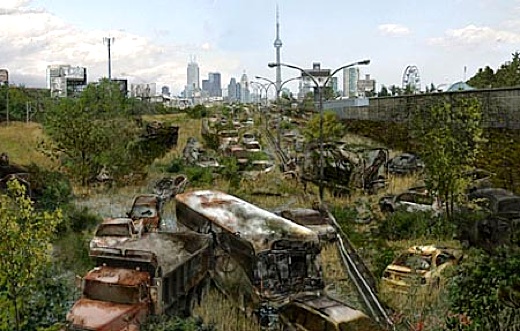
 After the Crash