Why Journalism is Going Extinct

By Peter Van Buren

Source: We Meant Well

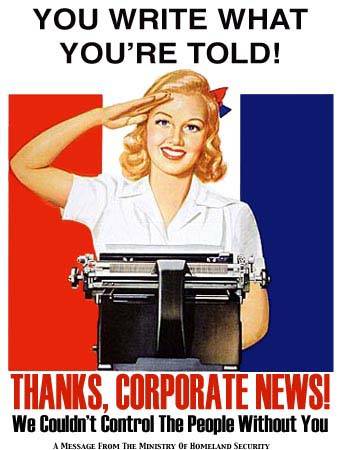
Is journalism going extinct? asks The Atlantic in an article of roughly the same name. The numbers are deadly: the grimmest news was from the Los Angeles Times, the biggest newspaper outside of the east coast. The paper announced it was cutting 115 people, more than 20 percent of its newsroom. In June of last year the Times previously dropped 74 people from its newsroom. Some 2,900 newspapers closed or merged since 2005. Sports Illustrated is in trouble. The Washington Post, NBC News, ABC News, CNN, NPR, ViceVox, and BuzzFeed, among others, have shed hundreds of journalists over the past year, including the author of the Atlantic article himself. Job losses among print, digital, and broadcast-news organizations grew by nearly 50 percent during 2023.

The reason for all this professional carnage according to the article? Something something the Internet something something digital advertising revenues blah blah social media.

One proposed solution calls for тАЬdirect and muscular government interventionтАЭ and legislation forcing Facebook and others to pay for тАЬnewsтАЭ they feature off sources such as the New York Times. Yet, as journalist Glenn Greenwald asked rhetorically, тАЬWill there ever come a moment when liberal journalists who work for corporate outlets, and who are being completely consumed by layoffs and financial failures and audience indifference, ask whether thereтАЩs anything theyтАЩve done to contribute to the professionтАЩs failure?тАЭ

The answer of course is no, no one is going to ask but Glenn. Somewhere along the way (weтАЩll tag it as the beginning of the first Trump campaign of the modern era) journalism lost all pretext of objectivity and decided to devote itself fully toward advocacy. It is clear now the public wants accurate reporting, not advocacy, but never you mind, the media elites on each coast know better what you need. As long as the MSM traffics in falsehoods people will disappear from their audiences.

LetтАЩs look at one almost silly example: did Donald Trump says people should drink bleach to kill off Covid?

No, Donald Trump did not suggest that people should drink bleach to kill off Covid. However, during a White House briefing in April 2020, Trump did make comments about the potential use of disinfectants and ultraviolet light to treat the virus. His remarks were widely criticized because they seemed to suggest the possibility of injecting or ingesting disinfectants, which would be extremely harmful. The media, however, would not be stopped, making the bleach thing into a meme, handing it off to Late Night, then picking it up again throughout the 2020 presidential campaign.

Twelve months after the supposed statement, to keep things alive, Politico wrote тАЬOne year ago today, President Donald Trump took to the White House briefing room and encouraged his top health officials to study the injection of bleach into the human body as a means of fighting Covid. It was a watershed moment, soon to become iconic in the annals of presidential briefings. It arguably changed the course of political history.тАЭ тАЬFor me, it was the craziest and most surreal moment I had ever witnessed in a presidential press conference,тАЭ said ABCтАЩs chief Washington correspondent.

A year after the тАЬfactтАЭ it is bad enough the media could not accurately report what was said but how about some four years later, twice in recent New York Times articles, on January 24 and on January 29, 2024 (тАЬoblivious or worse, peddling bleach as a quack cure.тАЭ)

The thing is Trump never said people should drink or inject bleach; knowing what he said is as easy as listening to what he said. Here it is in its entirety: тАЬSo, supposing we hit the body with a tremendous тАФ whether itтАЩs ultraviolet or just very powerful light тАФ and I think you said that that hasnтАЩt been checked, but youтАЩre going to test it. And then I said, supposing you brought the light inside the body, which you can do either through the skin or in some other way, and I think you said youтАЩre going to test that, too. It sounds interesting. And then I see the disinfectant, where it knocks it out in a minute. One minute. And is there a way we can do something like that, by injection inside or almost a cleaning. Because you see it gets in the lungs, and it does a tremendous number on the lungs. So it would be interesting to check that.тАЭ It was obvious Trump was talking via example, hypothetically in that hyperbolic style of his. It takes a selfish media mind to roll all that into an admonishment to the suffering American people to drink a poisonous substance but thatтАЩs what happened. Even four years later.

There are so many other example which persist in the media as untruths, exaggerations, or something evil done by other presidents but uniquely ascribed to Trump. Think that he wrenched children from their parents at the border into concentration camps, that he denounced fallen soldiers as suckers, and that he incited a bloody insurrection to overturn an election, and still peddles the Big Lie to the point where he is supposedly Constitutionally ineligible to run for president.

Journalism is at a crossroads at best (it may have already crossed into the abyss.) The old models of reader -supported or advertising-supported media no longer are sturdy and seem still to apply only to a few giants like the New York Times. AmericansтАЩ trust in the mass mediaтАЩs reporting matches its lowest point in GallupтАЩs trend line, largely because of DemocratsтАЩ decreased trust (the Republicans were lost an election or two ago, see Russiagate, though independents still lead the two parties in lost trust.) Just 7 percent of Americans have тАЬa great dealтАЭ of trust and confidence in the media, and 27 percent have тАЬa fair amount.тАЭ

Meanwhile, 28 percent of U.S. adults say they do not have very much confidence and 39 percent have none at all in newspapers, TV, and radio. Social media is still the least trustworthy sector, while simultaneously being one of the most read/seen. The declines for the MSM have been steady since peaking in 1977 at about 70 percent trust levels. It has gotten worse since Trump but you canтАЩt blame it all on him. ItтАЩs the mediaтАЩs own fault.

The loss of trust is because of a perception the MSM is biased. Some 78 percent of conservatives think the mass media is biased, as compared with 44 percent of liberals and 50 percent of moderates. Only about 36 percent view mass media reporting as тАЬjust about rightтАЭ. A September 2014 Gallup poll found that a plurality of Americans believe the media is тАЬtoo liberal.тАЭ

Half of Americans in a recent survey indicated they believe national news organizations intend to mislead, misinform or persuade the public to adopt a particular point of view through their reporting. The survey goes beyond others that have shown a low level of trust in the media to the startling point where many believe there is an intent to deceive. Asked whether they agreed with the statement that national news organizations do not intend to mislead, 50 percent said they disagreed. Only 25 percent agreed.

The pattern is pretty clear: as long as the MSM is a significant source of misinformation never mind out-and-out lies, the peopleтАЩs trust in it will continue to fall. WeтАЩve reached a breaking point where many people believe the media intends to deceive. That distrust is entirely a self-own by the media, and finds itself expressed in the most direct terms. People literally are not buying what the MSM is selling.

Trans Psycho Threatens to Murder Critics of Ukraine War

Truly, we live in Bizarro World.

By Kurt Nimmo

Source: Kurt Nimmo On Geopolitics

The latest evidence there are mentally diseased Nazi psychopaths on the loose comes from an AmericanтАФdescribed as тАЬtransтАЭ going by the name of Sarah Ashton-Cirillo, formerly Michael Ashton-CirilloтАФa тАЬreassignedтАЭ former USG military person from Nevada, now spokesperson for UkraineтАЩs тАЬterritorial defense,тАЭ home to the racist, murderous, and Stepan Bandera-worshipping Azov Battalion. It is not an insult to describe Ashton-Cirillo as a wanna-be Nazi. It is also not an insult to characterize this LGBT+ person as a psychopath.

It looks like the corporate war propaganda media has refused to mention the threats issued by Ashton-Cirillo against all critics of the war in Ukraine. The threat to track down and murder journalists and others opposed to the insane war in Ukraine dovetailed with hints dropped post-coup president Zelenskyy.

Tyler Popp posted on X, formerly Twitter:

Sarah Ashton Cirillo recently called for the murder of тАЬpropagandistsтАЭ who oppose the regime in Kiev. The following day, Ukraine President Zelensky made thinly veiled threats of widespread terrorist attacks by Ukrainian refugees in Europe and the American continent.

The corporate war propaganda media has remained silent on threats made by the Nazi-infected territorial defense forces, designed primarily to kill ethnic Russians in the Donbas and southern Ukraine following the USG-orchestrated coup in 2014.

I can only assume the тАЬjournalistsтАЭ and their bosses at CNN, MSNBC, FOX, et al, approve of murdering civilians in direct contradiction to the Geneva Conventions.

Making death threats against civilians and journalists is a grave violation of international humanitarian law and should be regarded as an act of terrorism, regardless of the circumstances. Upholding the principles of distinction and protecting non-combatants are essential for preserving the rights and safety of innocent individuals during times of conflict.

One has only to look at the Myrotvorets website to see the evidence of these violations. Or simply look at the lists of journalists who have disappeared or been murdered within Ukraine since the Maidan coup.

Since Ashton-Cirillo’s proclamation, a friend’s home has been vandalised and 17 death threats were made to her. This is what the collective west is supporting in Ukraine.

Nazis, of course, donтАЩt do international law (or, for that matter, do American neocons). They are the worst sort of Machiavellians. For the racist, violent, hateful Machiavellian, the end justifies the meansтАФand the means include rape, torture, disappearance, and assassinationтАФthe same as it did for real Nazis, their brownshirts, and SS Gestapo henchmen.

Feminists and so-called progressives believe тАЬsilence is violence.тАЭ In the case of the CIA narrative telegraphing corporate media, however, it is fair to say тАЬomission is violence,тАЭ although this does not rhyme.

David Ignatius, favored CIA conduit at The Washington Post, does not need to worry about being double tapped by a Banderite assassin as he departs the WaPo compound at One Franklin Square in DC.

Glenn Greenwald? Maybe he needs a bodyguard. Ditto Seymour Hersh. Scott Ritter and Douglas McGregor might know how to handle such a threat. I donтАЩt think Elon Musk has to worry.

There are thousands of others the Banderite Nazis in Ukraine plan to murder. Following the USG-orchestrated coup on Kyiv, the Banderite-Nazi government established the Myrotvorets website. It contains around 200,000 people, mostly Russians, but also Europeans and Americans the Nazis would love to see tortured, raped, and murdered.

As of October 2019, the Myrotvorets website claims it holds the тАЬrecords of more than 6,000 anti-Ukrainian propagandists and associates of the Russian aggressor who participate in the information war against Ukraine, justify the aggression and war crimes of Russia against Ukraine.тАЭ

The Banderite-Nazi Myrotvorets (alternatively, Mirotvorets, translated as тАЬPeacekeeperтАЭ) website includes a facial recognition function, using the IDentigraF system. The database for this system is described as containing more than two million images of тАЬpersons who have committed crimes against Ukraine and its citizens.тАЭ

The website contains the names of other well-known personalities, including musician Roger Waters, Hungarian president Viktor Orb├бn, Syrian President Bashar al-Assad, the late Italian PM Silvio Berlusconi, Russian pop stars, Henry Kissinger (the global elite donтАЩt get a pass), and even the former PM of Ukraine, Yulia Tymoshenko.

The Banderite-Nazis are using high technology to identify and target individuals able to cut through the patently absurd CIA-USG-SBU narrative propaganda and outright lies fed to largely ignorant populations in America and Europe.

IтАЩm not an influential blogger. I post irregularly. I have around 300-400 subscribers to my Substack. I donтАЩt believe my criticism of Ukraine and its Banderite-Nazis will get me targeted.

However, I am not entirely dismissing the prospect considering I have been threatened in the past for blog posts in opposition to war. That said, the Uko Banderite-Nazis have more important and visible targets than your humble blogger. I did not find my name listed on the website.

However, it is wise to never underestimate ethnic cleansers with a superiority complex. They are extremely radicalized and violently insane. If the opportunity to murder all critics, collectively denounced as Russian collaborators, presents itself, the Banderite-Nazis will respond, especially if they get a nod from the Nazi-infused CIA.

THE INVERSION: HOW WE HAVE BEEN TRICKED INTO PERCEIVING A FALSE REALITY

By Kingsley L. Dennis

Source: Waking Times

Let us begin with a story тАж

Human life is a story. And yet it is not one single story. It is an open book full of rich, amazing, powerful, and sometimes dangerous, stories. Humanity is quite literally living its own 1001 Nights yet across millennia. And just like that book of masterful storytelling, there have been incredible stories that filled the minds, and hearts, of many millions of people throughout the ages. We live upon and within a story each second of our lives. Some of these stories are greater than others тАУ more epic, more powerful, and more influential. Others are daily stories that fill our pockets and arrange our hours. Yet over and above our stories there has always been a grand narrative. It is this grand, sweeping story that narrates, and influences, the general direction in which humanity moves.  And this grand narrative is often so compelling, so full of persuasive detail, that we believe in it wholeheartedly. Like an amazing tale told to a child before bedtime, this tale then becomes woven into that nightтАЩs dream. Upon waking, the dream feels so real that it lingers far long into the day and until it is replenished once again before bedtime. And yet sometimes, within special circumstances, the dream is so captivating and convincing that it causes the dreamer never to awaken. The dreamer continues to dream the dream that they were told before sleeping.

Human history is like a dream within a dream тАУ an inversion within an illusion. And as many dreamers know, there are levels within dreams. Like a Russian Matryoshka doll, there are nesting layers of stories that all combine to create an overarching narrative body or realm. And many people, like good dreamers, find themselves caught up within one of the layers. And it can be almost impossible to get out. Even though we are technically awake, we are also dreaming. Why? Because we are living through particular stories and narratives that have been sown, implanted, or entwined in our heads. They get into our subconscious and from that privileged position they begin to influence our behaviour and thinking from behind the scenes. Even when we think we are awake, we are never free from those stories, narratives, and constructs that manage our perceptions and create the arc of our dreaming lives. To truly be awake, a person would need to know how to drop all these stories and step out of the construct; that is, to turn ourselves the right way up within the inversion. This may actually have been achieved by a few people, yet it has always been considered something odd, esoteric, or mystical to do so. Because to the dreamers, anyone who steps out of the dream must be some weird eccentric, must they not? Or that is perhaps just how the main story goes.

тАШWe are dreaming the wrong dreams.тАЭ ~Anon

The mainstream story doesnтАЩt like very much when dreamers тАУ sorry, people тАУ try to leave. Why would people want to leave when the story is so compelling? Overall, however, this is rarely a problem as so few people ever realize that it is all a dream within a dream, so the issue hardly ever comes up. So, shall we get back to our story?

тАж Things in life are not as they seemтАж Human life is lived as a normalization of this inverted reality construct. That is why life is filled with so many irregularities, oddities, and downright madness. We all know, or instinctively feel, that something has gone astray.

We now believe in anything because nothing seemingly has any truth to it. WeтАЩve become lost within the reflections of our own mirror world. Seeing our reflections smile back at us, we are content with the distraction. Everything must be okay, we tell our reflections тАУ the governments wouldnтАЩt lie to us, would they? WeтАЩre protected by benevolent authoritative structures that care for us like our mothers. Oh dear. Topsy-Turvey.

To let you in on a little secretтАж itтАЩs been like this for a long time. Only that until recently, the waking dream of the Inversion was good at keeping everyone asleep (except the rare few) because the trickle of consciousness within the reality construct was low. But something has been happening тАУ if you havenтАЩt noticed? ThereтАЩs been cracks in the veil; and more consciousness has been seeping through. And itтАЩs been getting into our heads, even if we hadnтАЩt noticed. Gradually, people have been gaining more and more awareness over this thing they call the тАШhuman condition.тАЩ There have been a few exceptional individuals within each generation that spoke about these things, or even wrote about them; but few people listened and fewer still read any of their writings (because they had been kept illiterate). But still, the gradual seeping of consciousness into this reality construct continued. And the insights kept coming. Some people were inspired; others gained revelations. But the numbers remained small. The Inversion continued to impose itself; to keep the blinders on the dreamers whilst turning up the music. Greater distractions were offered; a glittering array of entertainment sprang up. And incentives were given to those people who began to open just one of their eyes. Those few who suspected something were spotted early on and fast-tracked up the hierarchy of the тАШpeople pyramidтАЩ so that they benefited most from the pleasures and gains of the Inversion. Then these higher ups would want to invest in keeping the system exactly how it was тАУ a protection of self-interests. The masses of dreamers тАУ the sleeping mob as they were called тАУ remained swaying to the lullaby. But slowly, the frequency of the lullaby was being changed. A new vibration was being added. I think you get the gist of where this is going.

And it arrives to here: where you are sitting right now.

So тАУ what are you going to do about itтАж?

Saturday Matinee: Bamboozled

By Brian Eggert

Source: Deep Focus Review

Spike LeeтАЩs Bamboozled begs the question: When does artistic representation stop being a creative force and become something destructive? Released in 2000 to divisive assessments from both critics and audiences, the film raises questions through LeeтАЩs flashpoint narrative and many-layered extratextuality. It concerns the history and lasting presence of negative African American stereotypes in mainstream entertainment; at the same time, and perhaps to more penetrating effect, it explores how negative representations in the media, even when they have an ironic or satirical objective, corrode cultural identities. To illustrate the infamous history of Black performers forced into demeaning roles, and the damaging outcome of entertainers who employ those images as commentary without due consideration of their intellectual and social ramifications, Lee dreamt up a transgressive film in which a provocative new television variety show, called Mantan: The New Millennium Minstrel Show, seeks to expose the most disdainful of Black stereotypes by featuring performers of color in minstrel makeup. ItтАЩs a show that employs grotesque caricatures in outrageous comic routines and dance numbers by tap artist Savion Glover, in effect hoodwinking its audience into applauding racist imagery. When the idea backfires and becomes a nationwide pop-culture phenomenon, the complicity of the creators and their audience comes into questionтАФbut so does LeeтАЩs choice of using this imagery to make his point. Therein lies the problem that Lee wields and underscores in his meta-infused discussion. His film is designed to confront the viewer with the history and continued appearance of racial stereotypes in television and cinema, serving as an awakening and exorcism of these images. Whether it is successful has been a matter of some debate. Even so, Bamboozled supplies a necessary discussion about how African Americans are often depicted in television and cinema, and a maddening, deliriously made reminder of the dehumanizing consequences of the mainstream entertainment industry.  

Bamboozled┬аis satire wrapped in irony, with more satire piled on for good measure. Sifting through the influx of fast-paced stimuli, the directorтАЩs self-referential and self-critical humor, and the packed layers of commentary proved to be an understandable challenge for many. This is not an easy film to reconcile, if such a thing is even possible. Some critics, notably Roger Ebert, found the image alone of blackface so offensive that, despite it being used in a satiric format, he wrote in his review that he тАЬhad a struggleтАЭ to see beyond the image itself to find the satirical purpose underneath. тАЬTo ridicule something, you have to show it,тАЭ Ebert wrote. тАЬAnd if what youтАЩre attacking is a potent enough image, the image retains its negative power no matter what you want to say about it.тАЭ Critics other than Ebert called LeeтАЩs approach to the material тАЬunfocusedтАЭ and тАЬheavy-handedтАЭ and deemed it an тАЬintriguing failureтАЭтАФremarks that have accompanied many a Spike Lee joint. The message of the film, although interpreted as a commentary on race in the media, was often misunderstood. Writing in the┬аNew York Observer,┬аAndrew Sarris missed the sweeping commentary and speculated, тАЬIf Mr. Lee meant to bring back blackface entertainment as a metaphor for the current Black performers he finds obnoxious, he has miscalculated.тАЭ Often seen as messy and full of thrilling contradictions,┬аa rare few have judged┬аBamboozled┬аto be one of LeeтАЩs very best and most thought-provoking pictures. Among the few positive notices,┬аThe New York Times┬аcritic Stephen Holden wrote, тАЬIts shelf life may not be long, nor will it probably be a big hit, since the laughter it provokes is the kind that makes you squirm.тАЭ Holden was right about his latter two claims, anywayтАФBamboozled┬аgrossed only $2.2 million on a budget of $10 million for New Line Cinema.┬а

It would not be the first nor last time Lee took the history of representation of people of color, and to a larger extent, mainstream white entertainment, to task. In 1980, during his first year at New York University film school, Lee made a short film called тАЬThe Answer,тАЭ about a struggling African American screenwriter who takes on a fifty-million-dollar remake of D.W. GriffithтАЩs The Birth of a Nation (1915). However, the writer soon comes to his senses and backs out of the project, only to have crosses burned on his lawn by the Klu Klux Klan. LeeтАЩs 20-minute film contains clips from The Birth of a Nation and generally calls out GriffithтАЩs work for its racism. The faculty at NYU was not amused or impressed by LeeтАЩs first effort, and some of them sought to have Lee removed from the program for his aggressive rejection of the film canonтАФas The Birth of a Nation is studied by some film historians and filmmakers as a monument of formal breakthroughs and techniques that other directors have learned from and borrowed. In an interview for The New Yorker, Lee told journalist John Colpatino, тАЬThey taught that D.W. Griffith is the father of cinema [тАж] They talk about all the тАШinnovationsтАЩтАФwhich he did. But they never really talked about the implications of Birth of a Nation, never really talked about how that film was used as a recruiting tool for the KKK.тАЭ Lee would later call out this fact in his thrilling 2018 procedural, BlacKkKlansman

In a similar setup to тАЬThe Answer,тАЭ Bamboozled follows Pierre Delacroix (Damon Wayans), a Harvard graduate with a forced, inflected accent of superiority with which, in traditional film noir fashion (specifically Sunset Boulevard, 1950), he narrates the tale of his own demise. The sole Black television writer for cable network CNS, Delacroix has been reprimandedтАФby his white boss Dunwitty (Michael Rapaport), who says тАЬIтАЩm blacker than youтАЭтАФfor writing material that is тАЬtoo white.тАЭ Delacroix is tasked with creating a new show that represents the racier side of race. In retaliation, Delacroix dreams up Mantan: The New Millennium Minstrel Show. Along with his assistant Sloan (Jada Pinkett Smith), he hires two homeless street performers, Manray (Savion Glover, from Bring in тАШDa Noise, Bring in тАШDa Funk) and Womack (Tommy Davidson), as his stars. Delacroix renames them тАЬMantanтАЭ and тАЬSleep-and-Eat,тАЭ after Black vaudevillian actors Mantan Moreland and Willie Best, and insists that the showтАЩs all-Black cast perform in burnt cork blackfaceтАФthe method used by original minstrel performers. Aside from ManrayтАЩs tap dancing, Delacroix arranges for Mantan to feature a litany of racist images and caricatures, including pickaninnies, Aunt Jemimas, Sambos, mammies, coons, and watermelon patches. After a lengthy and amusing audition process, Delacroix declares, тАЬI donтАЩt want to have anything to do with anything black for at least a weekтАЭтАФa remark that stands as a testament to his self-abasement. Despite some initial objections, Manray and Womack just want to perform, content notwithstanding. And anyway, Delacroix feels assured that no one in their right mind would approve such an over-the-top racist and politically incorrect program. 

But in hoping to make a point about how the white public only wants to see Black people portrayed as buffoons and racist stereotypes, and by extension continue the dehumanizing process of slavery in another form of commodification, DelacroixтАЩs hypothesis ironically proves true when, instead of rejecting┬аMantan, CNS executives, critics, and audiences soon embrace the show. When itтАЩs picked up, Delacroix can say nothing except, тАЬThere must be some mistake.тАЭ In fact, Dunwitty, along with his blond-haired, Swedish-born director Jukka Laks (Jani Blom), insists on injecting тАЬfunnierтАЭ materialтАФcomedy even more offensive than Delacroix conceived. A gaggle of white writers who embrace Black stereotypes all too much carry the material even further. Before long,┬аMantan┬аhas top ratings and race-unspecific live audiences who show their affection for their favorite show by wearing blackface. As the creator of тАЬthe newest sensation across the nation,тАЭ DelacroixтАЩs fame is boundless, yet he cannot control his тАЬFrankensteinтАЩs monsterтАЭ creation. Not unlike Max Bialystock in┬аThe Producers┬а(1967)тАФthe Jewish stage producer whose intended failure, the Nazi-themed musical┬аSpringtime for Hitler, becomes a sensationтАФDelacroixтАЩs guaranteed failure becomes a hit at considerable personal expense. However, after visiting his father, a standup comedian named Junebug (Paul Mooney), who drinks too much and lives from paycheck to paycheck, Delacroix resolves to embrace the success of his show over his fatherтАЩs alternative example. He even enjoys the spoils of his efforts most opportunistically, accepting awards for his writing and becoming what he calls тАЬHollywoodтАЩs favorite Negro.тАЭ

With DelacroixтАЩs love of success and gradual defense of his show, he begins to discount the power of negative African American stereotypes as modes of strengthening a white supremacist worldview. He adopts a тАЬjust go with itтАЭ attitude and concerns himself more with the humor and sensationalism of the show, detaching himself from the social implications. Sloan argues that he cannot afford to deceive himself into ignoring their history as if it doesnтАЩt matter, as itтАЩs a form of soul-crushing self-hatred. But Delacroix dismisses the significance of racialized slavery, which he claims ended тАЬ400 years ago,тАЭ as insignificant in the modern world. тАЬWe need to stop thinking that way, stop crying over тАШthe white man this, the white man that.тАЭ He adds, тАЬThis is the new millennium, and we must join in.тАЭ Sloan refuses to forget, soberly reminding Delacroix, Manray, and Womack about the history of such imagery. Later in the film, after the show becomes a hit, Sloan gives Delacroix a toy from the turn of the twentieth century called a тАЬJolly Nigger BankтАЭ to remind him тАЬof a time in our history in this country when [people of color] were considered inferior, subhuman, and we should never forget that.тАЭ Sloan wants DelacroixтАФwho is so filled with self-hatred, so disgusted with his own identity as a Black man that he has changed his name from Peerless Dothan to the more тАЬwhite-soundingтАЭ nameтАФto look at the toy and ask, тАЬWhose puppet are you?тАЭ

Sloan is DelacroixтАЩs conscience and, therefore, the moral center of Bamboozled. SheтАЩs suspicious of Mantan from the start, and she questions any representation that could become a form of minstrelsy or contain racist overtones. LeeтАЩs greater argument in the film is how blackness itself has become a pop-culture gimmick and warns of the dangers of falling prey to this sales pitch. Consider SloanтАЩs critical attitude toward her brother (Mos Def), a rapper nicknamed Big Blak Afrika, and his Black-obsessed radical outfit called the Mau Maus, named after the anticolonial uprising in Kenya that lasted from 1952 to 1960. The group dons entirely black clothing and produces a new album called тАЬThe Black Album,тАЭ but they also support detrimental stereotypes by drinking 64 oz. malt liquor called тАЬDa BombтАЭ and wearing тАЬTimmy HillniggerтАЭ fashionsтАФtwo products which LeeтАЩs film presents in faux commercials that demonstrate a modern form of stereotyping evident in advertising and media. Lee argues that the popularization of African Americans in culture has resulted in тАЬblacknessтАЭ having a new set of cultural signifiers, which is another, somehow socially acceptable form of racism. Saying тАЬIтАЩm blackтАЭ no longer refers to race or color for characters in the film; blackness becomes less a cultural identity than a pop-culture phenomenon. When the Mau Maus are shot down by the police in the third act of the film, the sole white member remains standing, shouting in desperation, тАЬWhy didnтАЩt you shoot me too? IтАЩm black!тАЭ Elsewhere, Dunwitty claims to have more experience with blackness than Delacroix: тАЬI got a Black wife and three bi-racial children,тАЭ he asserts, defending his overt cultural appropriation. As for DunwittyтАЩs liberal use of the N-word, he will not apologize, in spite of тАЬwhat that prick Spike LeeтАЭ said in his highly publicized debate over Quentin TarantinoтАЩs use of the word in his films. 

As a satire,┬аBamboozled┬аexists in the same realm as Elia KazanтАЩs┬аA Face in the Crowd┬а(1957) and Sidney LumetтАЩs┬аNetwork┬а(1976), each about an unbelievable cultural phenomenon that sweeps through America like a plague. The ignorant masses embrace the sensation, whereas a few characters in each picture see the harmful extent of what they have done. In┬аBamboozled,┬аWomack, who went along with┬аMantan┬аto get off the street and earn some money, finally leaves the show: тАЬItтАЩs the same bullshit,тАЭ he says, тАЬJust done over.тАЭ When Manray too realizes the extent of what heтАЩs done by тАЬThis buck dancing, this blackface shit,тАЭ he makes his way to the stage free of blackface and announces, тАЬCousins, I want you to go to your window, yell out, scream with all the life you can muster up inside your bruised and battered and assaulted bodies, тАШIтАЩm sick and tired of niggers and IтАЩm not gonna take it anymore!тАЩтАЭ This clear nod to Peter FinchтАЩs pronouncement in┬аNetwork,┬атАЬIтАЩm mad as hell, and IтАЩm not going to take this anymore!тАЭ implies that minstrelsy allows the audience to take pleasure in white-comforting racial stereotypes, which by extension assumes the inferiority of another race of human beings and denies their equal share of humanity. But itтАЩs also this moment where┬аBamboozled┬аforgoes sending up these images and routines and transforms itself into a powerful melodrama.

Lee brings his film to a fitting, tragic conclusion. Could Bamboozled end any other way? Confronted by his part on the show and his role in its cultural degradation, Manray quits, only to be kidnapped by the Mau Maus and executed on the internet in retaliation. The authorities then corner the Mau Maus and kill, among the others, Big Blak Afrika. Shaken by Manray and her brotherтАЩs death, Sloan confronts Delacroix in his apartment, where she finds him at his lowest and most guilt-ridden, donning blackface in an act of shame and self-destruction. She accuses Delacroix and his show of causing all this death and cultural anarchy, and she shoots him in the stomachтАФan action for which he immediately forgives by telling her тАЬItтАЩs okay,тАЭ as if he now recognizes that he must die. LeeтАЩs rather classical approach here, harkening back to film noir again, punishes the wicked for their misdeeds in perpetuating racist stereotypes. The ruthless violence with which he excises the filmтАЩs evildoers who have contributed to demeaning minstrel imagery is grandiose and arguably excessive, but nothing about Bamboozled is anything less than heightened, and in this context, the punishment fits the crime. As Delacroix dies, Sloan puts on a videotape with a procession of footage, racist images from American cultural history. In the punishing three-minute montage that follows, the videotape shows images from GriffithтАЩs The Birth of a NationThe Jazz Singer (1927), Gone with the Wind (1939), Holiday Inn (1942), Ub IwerksтАЩ cartoon тАЬLittle Black SamboтАЭ (1935), the Merrie Melodies short тАЬAll This and Rabbit StewтАЭ (1941), and the sitcom Amos тАШn Andy (1951-1953). The list goes on and on, and Lee sets it against a nightmarish laugh track to accentuate its horror with appalling irony. 

As the montage comes to a close, Lee returns to DelacroixтАЩs noirish voiceover for a final, oblique statement that underlines the persistence of Black performers conforming to negative racial stereotypes in American entertainment: тАЬAs I bled to death, as my very life oozed out of me, all I could think of was something that the great Negro James Baldwin had written: тАШPeople pay for what they do, and still more for what they have allowed themselves to become, and they pay for it very simply by the lives they lead.тАЩ Maybe Baldwin was right, maybe he was wrong. But as my father often told me, always keep тАШem laughing.тАЭ With that, Lee returns to an image of Manray in his Mantan garb, an unsettling close-up of his face, dappled with beads of sweat atop the corked-up blackface makeup, holding an exaggerated through-the-pain smile. Manray takes one pose after another as an off-screen crowd cheers, and Lee holds the shot for an unbearably long time. And in doing so, he asks the viewer to think about the roles people of color, such as Hattie McDaniel or Eddie Anderson, were forced to play historically, whereas today, Black entertainers have more choice in the matter. Lee told Allison Samuels in Newsweek, тАЬNowadays we donтАЩt have to do this stuff.тАЭ But LeeтАЩs argument with Bamboozled is that such stereotypes remain prevalent in American entertainment because, in part, too few Black performers have learned from past examples, but worse, the trends in entertainment remain a mere sample of the larger problems within American society.

By conforming to pop-culture demands, Delacroix convinces himself to carry on harmful traditions by distancing himself from his own race and refusing to acknowledge the power of the imagery he resolved to employ, even for satirical and comic purposes. ItтАЩs the very thing that has sparked LeeтАЩs criticism of similar real-life television shows, including Keenen Ivory WayansтАЩ Emmy-winning┬аIn Living Color, a sketch-comedy and variety show that aired on Fox between 1990 and 1994. The show gave a start to comedians and performers like Jamie Foxx, David Alan Grier, Jim Carrey, and Jennifer Lopez, but it also employed negative stereotypes for the sake of comedy, sometimes using motifs that originated in minstrelsy. Lee has been vocal about his critiques of┬аIn Living Color, a show he references in┬аBamboozled.┬аHe also hired the programтАЩs former cast members, Wayans and Davidson, in conspicuous roles that at once atone for and magnify the showтАЩs occasionally problematic representations. Wayans, in particular, has had a complex if bankable career playing sometimes troubling stereotypes, evidenced in the feature films┬аMoтАЩ Money┬а(1992),┬аBlankman┬а(1994), and┬аMajor Payne┬а(1995). The connections between┬аIn Living Color┬аand┬аMantan┬аmay not be one-to-one, but they have a similar effect on their viewers, encouraging a racially diverse mainstream audience to laugh at harmful imagery. LeeтАЩs film incites his audience to question our willingness to laugh at such material and, instead, think about the cultural consequences of that laughter.┬а

LeeтАЩs commentary would prove not only reflective but prescient. A more recent example that follows In Living ColorтАЩs legacy was the oft-scandalous ChappelleтАЩs Show (2003-2006), Comedy CentralтАЩs sketch-comedy hit whose journey through American pop-culture mirrored Bamboozled. The show famously ended at its height after star Dave Chappelle left the production, questioning if his show was making fun of stereotypes or reinforcing them. The catalyst for Chappelle leaving the show came as he filmed a sketch for the third season in November 2004, about тАЬmagic pixies that embody stereotypes about the races.тАЭ In the sketch, Chappelle plays a Black pixie and wears blackface, and he tries to convince people of color to behave in a stereotypical manner. But as Chappelle told Time magazine interviewer Christopher John Farley, when a white crew member laughed, he began to question whether he started reinforcing stereotypes instead of lampooning them, and his crisis of conscience led to Chappelle leaving the show. In the cases of both Delacroix and Chappelle, when they embrace their respective showsтАЩ racist material, they forget that such damaging imagery of African Americans exists and conveniently ignore that fact for the sake of humor and entertainment. Anything to тАЬfeed the idiot box,тАЭ as Delacroix reminds himself. Harsher critics of Bamboozled might argue that Lee engages in the same irresponsible form of representation in his film; however, Bamboozled is not a pure comedy for the masses. It recycles what is appealing about minstrel showsтАФsuch as the talent required to carry out тАЬcoonтАЭ routines, as theyтАЩre referred toтАФand through them represents and opens up a discussion about their dangers in the filmтАЩs violent third act.

LeeтАЩs maximalist aesthetic on the filmтАФreplete with jagged editing by Sam Pollard that switches freely amid cinematographer Ellen KurasтАЩ multiple camerasтАФaligns with his subject matter in its disorienting effect. Bamboozled was shot fast almost entirely on consumer-grade digital cameras, in a period before digital was the industry standard, and then later converted to 35mm for a grainy and dreary-looking outcome. The Mantan show sequences were filmed on Super-16mm film stock to contrast the gritty everyday scenes shot on digital and accentuate the performersтАЩ cork-black and тАЬfire engine redтАЭ makeup. Lee and Kuras steeped the film set with multiple cheap cameras for maximum coverage, which in turn reduced the productionтАЩs costs. The approach is most evident through PollardтАЩs kinetic editing, a style that often repeats a particular moment two or three times for emphasis. Extreme low angles, conversely muted and color-saturated palettes, and a pointedly digital look give the entire film the suspicious quality of home-movie reality. And yet, the exaggerated situations and performances (most expressly Wayans and Rapaport), present a juxtaposition that forces the viewer to think about Bamboozled as a reflection of how African Americans in entertainment and advertising are portrayed. All the while, the forlorn music by Terence Blanchard, in one of his very best scores for Lee, imbues the material with weighty implications far removed from satire alone.

However challenging and outlandish┬аBamboozled┬аmay have seemed in 2000, itтАЩs not such a fantasy todayтАФcertainly not after life imitated LeeтАЩs art to such an extreme with┬аChappelleтАЩs Show. Perhaps this is why critics and scholars have kept returning to the film over the years and discovering, through its many layers, the brilliant complexity of LeeтАЩs film. Admittedly, I was uncomfortable, exhausted, and skeptical about the film upon first seeing it, but gradually, I came to recognize how much of┬аBamboozled┬аproved true in the ensuing years, and along with repeated viewings, I have recognized that much of what Lee discusses in the film continues to play out in our entertainment and society today. One need not look further than the Rachel Dolezal incident in 2015, when the NAACP leader at the Spokane branch turned out to be a white woman posing as African American. And critic Ashley Clark wrote in his book about the film,┬аFacing Blackness, that┬аBamboozled┬аwas тАЬeffectively howling with hallows laughter at the utopian notion of a тАШpost-racial societyтАЩ eight years before the concept gained traction with the election of President Barack Obama.тАЭ Whether itтАЩs entertainment we consume or our response to public figures, LeeтАЩs film leads to bigger questions about appropriationтАФand about what scholar Michael Rogin, writing in┬аCineaste, called minstrelsyтАЩs тАЬwhite form of appropriative access to imagined black experienceтАЭтАФwhich resonates in ways that many American audiences could not recognize in their society or predict for their future at the time of┬аBamboozledтАЩs release.┬а

Then again, maybe we should have anticipated that Lee was ahead of the curve. LeeтАЩs approach had already been thoroughly demonstrated by the time Bamboozled was unleashed into theaters. With School Daze (1988), Do the Right Thing(1989), Malcolm X (1992), and other films, Lee draws historical parallels by using images from the past that relate to our present, reminding us that the roots of history are sometimes right under our feet. ItтАЩs a method he employed on BlacKkKlansmanas wellтАФin a screenplay that finally earned Lee an OscarтАФby drawing comparisons between the KKK in The Birth of a Nation, the KKK in Colorado Springs in the 1970s, and the 2017 Unite the Right rally in Charlottesville. Similarly with Bamboozled, Lee investigates history to call out how television and cinema rarely have a place for African Americans outside of stereotypes, negative or otherwiseтАФeven in Oscar-winning roles for actors of color, from Octavia SpencerтАЩs sassy maid in the white-savior feel-good drama The Help(2011) to Lupita NyongтАЩoтАЩs role as a slave in Steve McQueenтАЩs 12 Years a Slave(2013). Nevertheless, Lee knows that the issues and dynamics concerning race in America are complex and multifaceted, that they demand investigation and debate. And he knew that his appropriately-named film would be met with confusion, anger, misunderstanding, and frustrationтАФbut thatтАЩs the point, evidenced by his use of a clip of Denzel WashingtonтАЩs performance in Malcolm X and his line, тАЬYouтАЩve been hoodwinked. YouтАЩve been had. YouтАЩve been took. YouтАЩve been led astray. Led amok. YouтАЩve been bamboozled.тАЭ 

BamboozledтАЩs passionate and provocative look at the stereotypes faced by African Americans has prompted responses ranging from outrage to laughter, empathy to sadness, anger to acknowledgment. Though a controversial choice, Lee allows his audience to experience first-hand the dangerously entertaining appeal and humor derived from minstrel acts, and through it, he demands that his audience reflects on the consequences of such representations. Just as Delacroix intended for Mantan, Lee wants to offend; he argues that if you arenтАЩt offended or questioning the material, thereтАЩs something very wrong. Lee told Cineaste in a 2001 interview, тАЬI want people to think about the power of images, not just in terms of race, but how imagery is used and what sort of social impact it has [тАж] I want them to see how film and television have historically, from the birth of both mediums, produced and perpetuated distorted images. Film and television started out that way, and here we are, at the dawn of a new century and a lot of that madness is still with us.тАЭ Although no certainty or universality will ever be reached about what representations should be considered appropriate or how far is going too far, the discussion is crucial to understanding our feelings on the subject. Even if LeeтАЩs only intent with Bamboozled was to ignite fiery discourse about race and representation in entertainment, his film remains a rousing achievement as both art and a social prompt.

____________________

Watch Bamboozled on Hoopla here: https://www.hoopladigital.com/title/16138885

Did David Foster Wallace predict the future?

Our world is more dystopian than Infinite Jest

By Sarah Ditum

Source: UnHerd

Infinite Jest is frequently attention-repellent. David Foster WallaceтАЩs brick-sized novel is physically challenging, an 800g book that forces you to flick back and forth to the errata. This is not optional. Major plot points hinge on throwaway glosses. 

I was a bratty, bookish 15-year-old when it was published in 1996. A 1,000-page-plus novel bloated with endnotes that have their own footnotes was an irresistible challenge. David Foster Wallace was not an obscurantist in his own literary taste тАФ he taught Stephen King and Thomas Harris at Illinois state university тАФ but Infinite Jest is a book at bloody-minded war with its own bookness. With its maddening excess of information that you must hold in your hand as best you can, it feels more like the internet.

As well as being attention-repellent, it is also sometimes just repellent. There are scenes of comedically extreme horror: a woman dying after the handbag that holds her artificial heart is snatched from her, a man dying in his own filth while obsessively watching reruns of M*A*S*H, a dog dragged behind a car until all thatтАЩs left is a leash, a collar and a тАЬnubbinтАЭ. Before livestreamed mass shootings and animal cruelty for clicks, Wallace knew that the grisly and grotesque was what the public wanted.

He did not see the future. But he saw the forces shaping the future, and understood the ways they would deform people in turn. 

In an aside, Wallace writes about how, with the introduction of the тАЬTeleputerтАЭ (what we would call a laptop), video calls enjoyed huge popularity, followed by dramatic decline. Users quickly discover that being seen is enormously anxiety-inducing, partly because it means you must visibly be paying attention to the other party at all times, partly because you must also pay attention to how you look when making a call.

The answer to this anxiety is, first, тАЬhigh definition maskingтАЭ тАФ a flattering composite of the userтАЩs face digitally overlaid on the screen. Then comes actual masking тАФ hyperreal rubber versions of the userтАЩs face that can be quickly strapped on for calls. Eventually, in response to this тАЬstressfully vain repulsion at their own videophonic appearanceтАЭ, consumers revert to audio-only, which is now тАЬculturally approved as a kind of chic integrityтАЭ.┬а

This divide between the real and the represented has been borne out by our experience of Zoom, Instagram and TikTok: filters are now so advanced that they can be applied to moving images, and you can digitally beautify yourself while livestreaming. Only instead of resorting to rubber masks, we remodel the flesh itself: тАЬfilter faceтАЭ tweakments, intended to bring the human closer to the digital ideal, are on the rise. Wallace was right about the way pervasive exposure to our own image would break us. ItтАЩs just that the way weтАЩve responded is, somehow, even more dystopian than he imagined.

Infinite JestтАЩs near future is now our near past, and in 2008, Wallace killed himself after suffering decades of profound depression. By the middle of the next decade, his greatest novel had been recast as a byword for tedious white masculinity, the author himself cancelled. This was, at least in the biographical sense, deserved. In 1990, Wallace had met the poet Mary Karr. He was a resident in a halfway house, she was a volunteer, and he became obsessed with her. They dated, they broke up, then he assaulted and stalked her. In 2018, Karr tweeted that he had тАЬtried to buy a gun. kicked me. climbed up the side of my house at night. followed my son age 5 home from school. had to change my number twice, and he still got it. months and months it went on.тАЭ

The novel┬аincludes multiple men in recovery steeping in the shame of their past violence, and it would be nice to imagine that this was Wallace examining his own conscience. On the other hand, it also includes a reciprocated love story between the large, lunkish, David-Foster-Wallace-ish character Don Gately, and the beautiful, idealised, Mary-Karr-ish Joelle van Dyne.┬аInfinite Jest┬аwas, arguably, an implement of his ongoing harassment and should not be dishonestly mined for signs of redemption.

Still, it is a very contemporary thing to demand moral purity in artists: the kind of impulse that, perhaps, comes from seeking simplicity when far too much knowing is possible. тАЬWhat do we do with the art of monstrous men?тАЭ asked Claire Dederer, as though to be an audience is inevitably to be an accomplice. Good art can be made by people whoтАЩve done bad things, and perhaps only a monstrous man can faithfully portray the outlines of his own monstrosity. Reading is not an act of worship, although one of the problems for Infinite Jest is that certain male readers have treated it as such. 

And so, Infinite Jest has plummeted from literary touchstone to confirmed red flag. In a viral tweet from 2020 listing тАЬTop 7 Warning Signs In a ManтАЩs BookshelfтАЭ, the first item was тАЬA dog-eared copy of Infinite JestтАЭ. The тАЬdog-earedтАЭ was important: it was the act of having read it, rather than posing as someone who might read it, that sounded the klaxon.

But unread copies could be equally alarming: when the actor Jason Segal bought Infinite Jest in preparation for playing Wallace in a film, he recalled that the female bookseller rolled her eyes and said: тАЬEvery guy IтАЩve ever dated has an unread copy on his bookshelf.тАЭ Nicole Cliffe made it number four on her catalogue of тАЬBooks that Literally All White Men OwnтАЭ. 

I have never run into a тАЬDFW guyтАЭ тАФ theyтАЩre probably more of an American campus thing. But I ran into the тАЬPhilip Roth guyтАЭ at university and recognise the type: clammy, proprietorial, forcing his literary taste on girls in lieu of forcing himself. That I had read Infinite Jest felt vaguely embarrassing. All that effort, and it turned out the most high-status option would have been to not read it and then be glibly dismissive. 

ItтАЩs perversely appropriate that Infinite Jest ended up holding such a key place in the vocabulary of this irony-bound strand of performative feminism, because irony was one of the things that Wallace was both appalled and fascinated by. In a 1993 essay, he writes that тАЬirony and ridicule are entertaining and effective, and that at the same time they are agents of a great despair and stasis in US culture.тАЭ

Infinite Jest isnтАЩt above irony, but it often pits itself against irony. тАЬItтАЩs like thereтАЩs some rule that real stuff can only get mentioned if everybody rolls their eyes or laughs in a way that isnтАЩt happy,тАЭ thinks one character. Another feels an тАЬaftertaste of shame after revealing passion of any belief and type when with Americans, as if he had made flatulence instead of had revealed beliefтАЭ (the weird syntax is because this character is Quebecois). When sincerity is untenable, it becomes easier to engage with symbols than things. 

Over and again in the novel, the тАЬrealтАЭ gets displaced by the representation, like the rubber faces that can replace flesh ones on video calls. One of the centrepiece scenes of Infinite Jest features a geopolitical strategy game called Eschaton тАФ a kind of Risk, but played by teenagers with balls and rackets to stand for missiles. The game comes violently undone when the players start hitting each other and the referee canтАЩt work out how to distinguish between the territory and the map. As for the M*A*S*H-obsessive, тАЬcrucial distinctions had collapsedтАЭ between the fiction and the real.

And maybe this is connected to the novelтАЩs weirdly well-informed interest in transsexuality. The gender ideology that makes front-page news now was a niche interest in the Nineties, confined mostly to academic papers and message boards for transitioners. WallaceтАЩs inclusion of a young, effeminate, gay, тАЬgender-dysphoricтАЭ character and a middle-aged, masculine, straight crossdresser suggests a hefty familiarity with the sexology literature long before any of this had crossed into the mainstream тАФ itтАЩs effectively a thumbnail sketch of the influential theory, developed by Ray Blanchard in the Eighties and Nineties, that male transsexuality divides into тАЬtwo typesтАЭ, the autogynephiliac and the homosexual.

But it also fits with the vision of an America where the signifiers that stand for тАЬwomanтАЭ hold more weight than the physical fact of femaleness. Gender as we experience it now тАФ the idea of an тАЬessenceтАЭ or тАЬtrue selfтАЭ that renders the material body irrelevant тАФ couldnтАЩt have come to exist without the internet. Only when technology allowed people to present themselves as pure language, signifier unmoored from signified, did it become possible to believe that sex was malleable or unreal. Maybe transsexuality fascinated Wallace because he saw it as another way that humans confuse the symbol with the thing itself, the feminine with the female.

This summer, I started rereading Infinite Jest, mostly out of curiosity. It is, still, a very annoying book. But thereтАЩs something I didnтАЩt understand about it in 1996 that I do now IтАЩm older than Wallace was when he wrote it. He saw American culture as an exhausted force, trapped smirking in a hall of mirrors. And he saw that getting worse as screens extended their influence.

One of WallaceтАЩs influences, Thomas Pynchon, wrote stories about the technology that made America possible: geographical surveys (Mason Dixon), the postal service (The Crying of Lot 49). Infinite Jest is about the technology that could undo a state: a kind of entertainment so compelling that it turns consumers utterly away from reality. It asks whether the real, or something like it, might be worth recovering. 

It is, still, a difficult book тАФ and difficult in new ways. The wheedling presence of my phone is competition that Infinite Jest never had to contend with the first time around. The disturbing fact of WallaceтАЩs own bad acts, too, was not available to me in the Nineties, and even if it had been it probably wouldnтАЩt have struck me as a problem for the novel. But the difficulty is, and always has been, the point. Of course Infinite Jest could be shorter, lighter, less infuriating. But if itтАЩs heavy, itтАЩs because itтАЩs weighing you back down in the physical world.

Fauci and the Hagiographical Style of American Journalism

By Justin Hart

Source: Brownstone Institute

Norah OтАЩDonnell has known Dr. Fauci and his wife for ages: тАЬHow are you guys?тАЭ she starts her interview with Dr. Fauci for InStyle Magazine where Fauci posed for the most hubris-exuding photo of the pandemic.

тАЬWith all due modesty, I think IтАЩm pretty effective!тАЭ тАУ Dr. Anthony Fauci, July 2020, InStyle Magazine

This was 3 years ago this past week:

NorahтАЩs husband, Chef Geoff, owns the Georgetown restaurant, тАЬDeluxe HospitalityтАЭ She admits in her opening that Dr. Fauci and his wife, the bioethicist, Dr. Christine Grady, are frequent patrons there.

тАЬтАж these days mostly for takeout.тАЭ OтАЩDonnell chuckles.

Revisiting this horrible puff piece you canтАЩt help but see the obtuseness of the leader of the pandemic policy in stark relief.

First, as always, the man is incapable of actual reflection:

NO: What have we done wrong?

A F: You know, thatтАЩs almost an unanswerable question. There are so many possibilities. I donтАЩt like to phrase it in the context of what weтАЩve done wrong, as opposed to letтАЩs take a look at what happened and maybe we can have lessons learned.

Showing once again that Dr. Fauci (in July 2020) believed that we did NOT lock down hard enough:

If you look at the European countries, they shut down about 90 to 95 percent of the country. Whereas when we shut down, the calculation is that we shut down about 50 percent. So, put all of those factors together, I canтАЩt say we did anything wrong, you know, but certainly weтАЩve got to do better.

Lambasting any move to тАЬre-openтАЭ he continues: тАЬWhat we need to do now is to learn the lesson of what happened with the recent surges. WeтАЩve got to pause in the opening and maybe even take a step back in our phasesтАжтАЭ

Pushing masks was a high priority for the man who months earlier admitted in an email that they donтАЩt really do anything:

As we try to proceed, we need to really take seriously the issue of wearing masks all the time and not congregating in bars. I think we can stop that by just closing them, because they are certainly an important mechanism of this spread. Keep distances, wash hands, avoid crowds, wear a mask тАж I think if we diligently do those things, we can turn this around.

Norah asks him about the тАЬnoble lieтАЭ he told around masks (which is just ridiculous parsing):

NO: ItтАЩs been recently reminded to us by the White House that you advised against people wearing masks in public, and, of course, that was due to the surge because the concern was about saving PPEs for medical professionals. Do you regret that comment?

A F: No. I donтАЩt regret anything I said then because in the context of the time in which I said it, it was correct.

IтАЩm always struck as to the casual and flippant manner in which Dr. Fauci proscribed the policies. Here he is continuing to defend his noble lie and pushing masks with assertions that STILL have no science behind them тАУ in fact, quite the opposite.

And also, it soon became clear that we had enough protective equipment and that cloth masks and homemade masks were as good as masks that you would buy from surgical supply stores.

The plan to vaccinate millions was already in place as this comments affirms:

By the beginning of the year we should have the first tens of millions and then hundreds of millions of doses. That being the case, I would think we could vaccinate a substantial portion of the population as we get into 2021 тАФ if the vaccine is safe and effective.

The the hubris really kicks in:

NO: And how long do you see yourself at the NIAID?

A F: I donтАЩt see any termination within the near future because I judge [my career] by my energy and my effectiveness. And right now, with all due modesty, I think IтАЩm pretty effective.

Norah turns to Mrs. Fauci (Dr. Grady):

NO: Let me ask you, Chris, as a bioethicist, what do you make of this moment weтАЩre in, when even a mask has become more of a divisive issue?

CG: Well, I would say that masks shouldnтАЩt be divisive. ItтАЩs a relatively easy way to protect oneтАЩs self and others. And so for public health reasons, I think everybody should do it. From an ethical perspective there is always this tension between what you ask people to do that feels like a restriction of their liberty and what is required for public health. And in this case, it seems like a slam dunk. ItтАЩs not restricting liberty much, and itтАЩs very helpful for public health.

She goes on to lament how тАЬunfairтАЭ it all seems to her:

when he gets criticized, it feels unfair to me because he is working so hard for the right reasons.

NO: What feels unfair?

CG: That people are looking for things to criticize тАФ I mean, for anything. They are making things up. They are not putting into perspective the contribution that he is making.

A curious aside, Dr. Fauci and Dr. GradyтАЩs first encounter began with a lie тАУ seems kind of appropriate if youтАЩll forgive my commentary on that.

CG: [laughs] I had just come back from spending two years with Project Hope in Brazil and came to work at the NIH. There was a patient, Pedro, on the unit at the time who was Brazilian and didnтАЩt speak English. One day he asked me if I could speak to his doctors about sending him home because he really wanted to go home. So I set up a meeting with the fellows who were taking care of him and Tony, who was the attending physician. I had not met Tony before that. I was the interpreter. And Tony told him, тАЬHe may go home and be very careful about taking care of his health and doing his dressings and sitting with his leg up and things like that.тАЭ And when I told him that, Pedro said, тАЬThereтАЩs no way IтАЩm doing that. IтАЩve been in the hospital for months. IтАЩm going to the beach, and IтАЩm going dancing at night.тАЭ And I sort of in a split second decided to tell Tony, тАЬHe said heтАЩd do exactly what you said.тАЭ

AF: She lied! [laughs]

CG: I lied! So the next day I was walking down the hall, and Dr. Fauci came by and said, тАЬCan I see you in my office at the end of the day?тАЭ I thought I was going to get fired. But he asked me out to dinner. [laughs]

The entire hagiographical interview in hindsight is a classic look at the elitist bubble around the people in Washington, D.C. during the pandemic. Dr. FauciтАЩs contribution to history will not be seen in a kind light.

Silencing Voices for┬аPeace

By W.J. Astore

Source: Bracing Views

The U.S. Mainstream Media Is Almost Always Pro-War

In the тАЬliberalтАЭ New York Times today, I saw an article on тАЬPutinтАЩs forever warтАЭ that has the following short synopsis: тАЬVladimir Putin wants to lead Russians into a civilizational conflict with the West far larger than Ukraine. Will they follow him?тАЭ

Is this true?  Does Putin truly seek a тАЬcivilizational conflictтАЭ with the West?  One thatтАЩs тАЬfar largerтАЭ than the Ukraine war?  It doesnтАЩt seem likely.  Russian forces have struggled in Ukraine.  Already embroiled in a destructive regional war thatтАЩs become somewhat of a quagmire, why would Putin seek to widen it?  Is Putin always the aggressor, the bad guy, and the West always the aggrieved party, the good guys, holding back a тАЬred storm risingтАЭ?  I thought the West won the Cold War more than 30 years ago.

ItтАЩs remarkable how easy it is to get alarmist articles about Russia or China published in the U.S. mainstream media (MSM).  Wars and rumors of war dominate.  The West is always portrayed as the defender of democracy; other countries such as China and Russia are portrayed as threats to civilization and its тАЬrules-based order.тАЭ  Strictly speaking, this is simplistic, one-sided, propaganda.

Back in 2017, I wrote about how difficult it is in the MSM to read honest accounts of war.  In the runup to the Iraq War in 2003, critical voices were actively suppressed and punished.  Back then, I focused my article on MSNBC, which like the New York Times is allegedly тАЬliberal.тАЭ  At тАЬliberalтАЭ newspapers and networks, shouldnтАЩt America expect at least a few critical critiques of war narratives?  The answer here is тАЬno,тАЭ as I wrote here:

Jesse Ventura, former governor of Minnesota (1999-2003), was a hot media commodity as the Bush/Cheney administration was preparing for its invasion of Iraq in 2003. Ventura, a U.S. Navy veteran who gained notoriety as a professional wrestler before he entered politics, was both popular and outspoken. MSNBC won the bidding war for his services in 2003, signing him to a lucrative three-year contract to create his own show тАУ until, that is, the network learned he was against the Iraq war. VenturaтАЩs show quickly went away, even as the network paid him for three years to do nothing.

I heard this revealing story from a new podcast, the TARFU Report, hosted by Matt Taibbi and Alex Pareene. By his own account, Jesse Ventura was bought off by the network, which back then was owned by General Electric, a major defense contractor that was due to make billions of dollars off the war.

Of course, Ventura was hardly the only war critic to run afoul of GE/NBC. Phil Donahue, the famous talk show host, saw his highly rated show cancelled when he gave dissenters and anti-war voices a fair hearing. Ashleigh Banfield, a reporter who covered the Iraq war, gave a speech in late April 2003 that criticized the antiseptic coverage of the war (extracts to follow below). For her perceptiveness and her honesty, she was reassigned and marginalized, demoted and silenced.

So much for freedom of speech, as well as the press.

As Phil Donahue said, his show тАЬwasnтАЩt good for business.тАЭ NBC didnтАЩt want to lose ratings by being associated with тАЬunpatrioticтАЭ elements when the other networks were waving the flag in support of the Iraq war. In sidelining Ventura and Donahue, NBC acted to squelch any serious dissent from the push for war, and punished Ashleigh Banfield in the immediate aftermath of the war for her honesty in criticizing the coverage shown (and constructed) by the mainstream media, coverage that was facilitated by the U.S. military and rubber-stamped by corporate ownership.

Speaking of BanfieldтАЩs critique, here are some excerpts from her speech on Iraq war coverage in April 2003. Note that her critique remains telling for all U.S. media war coverage since then:

That said, what didnтАЩt you see [in U.S. media coverage of the Iraq war]? You didnтАЩt see where those bullets landed. You didnтАЩt see what happened when the mortar landed. A puff of smoke is not what a mortar looks like when it explodes, believe me. There are horrors that were completely left out of this war. So was this journalism or was this coverage? There is a grand difference between journalism and coverage, and getting access does not mean youтАЩre getting the story, it just means youтАЩre getting one more arm or leg of the story. And thatтАЩs what we got, and it was a glorious, wonderful picture that had a lot of people watching and a lot of advertisers excited about cable news. But it wasnтАЩt journalism, because IтАЩm not so sure that we in America are hesitant to do this again, to fight another war, because it looked like a glorious and courageous and so successful terrific endeavor, and we got rid of a horrible leader: We got rid of a dictator, we got rid of a monster, but we didnтАЩt see what it took to do that.

With admirable honesty, Banfield spoke of the horrific face of war at Kansas State Univ. in 2003. Soon after her speech, she was demoted (Image courtesy of KSU)

I canтАЩt tell you how bad the civilian casualties were. I saw a couple of pictures. I saw French television pictures, I saw a few things here and there, but to truly understand what war is all about youтАЩve got to be on both sidesтАж

Some of the soldiers, according to our embeds had never seen a dead body throughout the entire three-week campaign. It was like Game Boy. I think thatтАЩs amazing in two different ways. It makes you a far more successful warrior because you can just barrel right along but it takes away a lot of what war is all about, which is what I mentioned earlier. The TV technology took that away too. We couldnтАЩt see where the bullets landed. Nobody could see the horrors of this so that we seriously revisit the concept of warfare the next time we have to deal with it.

I think there were a lot of dissenting voices before this war about the horrors of war, but IтАЩm very concerned about this three-week TV show and how it may have changed peopleтАЩs opinions. It was very sanitized.

This TV show [Iraq invasion coverage] that we just gave you was extraordinarily entertaining, and I really hope that the legacy that it leaves behind is not one that shows war as glorious, because thereтАЩs nothing more dangerous than a democracy that thinks this is a glorious thing to do.

War is ugly and itтАЩs dangerous, and in this world the way we are discussed on the Arab street, it feeds and fuels their hatred and their desire to kill themselves to take out Americans. ItтАЩs a dangerous thing to propagateтАж

IтАЩm hoping that I will have a future in news in cable, but not the way some cable news operators wrap themselves in the American flag and patriotism and go after a certain target demographic, which is very lucrative. You can already see the effects, you can already see the big hires on other networks, right wing hires to chase after this effect, and you can already see that flag waving in the corners of those cable news stations where they have exciting American music to go along with their war coverage.

Nothing has changed since BanfieldтАЩs powerful critique. Indeed, the networks have only hired more retired generals and admirals to give тАЬunbiasedтАЭ coverage of AmericaтАЩs military actions. And reporters and тАЬjournalistsтАЭ like Brian Williams have learned too. Recall how Williams cheered the тАЬbeautifulтАЭ U.S. Tomahawk cruise missiles as they were launched against Syria earlier this year [2017].

ItтАЩs not just that U.S. media coverage actively suppresses dissent of AmericaтАЩs wars: it passively does so as well, which is arguably more insidious. Any young journalist with smarts recognizes the way to get ahead is to be a cheerleader for U.S. military action, a stenographer to the powerful. Being a critic leads to getting fired (like Donahue); demoted and exiled (like Banfield); and, in VenturaтАЩs case, if you canтАЩt be fired or demoted or otherwise punished, you can simply be denied air time.

When you consider that billions and billions of dollars are at stake, whether in weapons sales or in advertising revenue tied to ratings, none of this is that surprising. WhatтАЩs surprising is that so few Americans know about how pro-authority and uncritical U.S. media coverage of war and its makers is. If anything, the narrative is often that the U.S. media is too critical of the military to the detriment of the generals. Talk about false narratives and alternative facts!

AmericaтАЩs greed-wars persist for many reasons, but certainly a big one is the lack of critical voices in the mainstream media. TodayтАЩs journalists, thinking about their career prospects and their salaries (and who is ultimately their boss at corporate HQ), learn to censor themselves, assuming they have any radical thoughts to begin with. Some, like Brian Williams, even learn how to stop worrying and love the beautiful bombs.

[After I wrote this in 2017, I added this comment at the site.]

One thing that troubles me is the mindset that criticism of AmericaтАЩs wars undermines the troops. That it could even be a form of betrayal. This mindset is very dangerous. It not only protects the decisions and actions of those at the highest levels of the military and government. It acts to prolong wars and to endanger the lives of the troops (and of their тАЬenemiesтАЭ as well).

During the Iraq war, I recall instances of U.S. troops speaking clearly and frankly against the war. Their voices were heard, yet their advice was not taken. Instead, generals like David Petraeus were trotted out to assure the American people that the war was being won, even if the gains were characterized by weasel words like тАЬfragileтАЭ and тАЬreversible.тАЭ And so those gains have proved тАФ even so, Petraeus remains in demand, and is still trotted out, now in mufti, to explain how we must stay the course and continue to defer to the military.

ThereтАЩs a powerful book to be written here, and it should focus in part on the silencing or marginalization of anti-war voices (even those that wear or wore the uniform), even as pro-war elements are given the main stage as the voices of probity and sanity.

The Dynamics of War Insanity: NATOтАЩs Ukraine Roulette

By Alfred de Zayas

Source: Information Clearing House

Deliberate provocations of a nuclear rival, coups dтАЩ├йtat, colour revolutions, broken promises, broken treaties, escalation of tensions, demonization, invective, double-standards тАФ all this while asserting adherence to international legal norms and playing innocent about our aggressions, our violations of the Hague and Geneva Conventions, of articles 1(2)[1], 2(3)[2], 2(4)[3] and 39[4] of the UN Charter.

Abrams tanks, Leopard tanks, F-16, indiscriminate weapons, depleted uranium, cluster bombs. Summits illustrate how the moral compass of the collective West is lost in the avalanche of fake news[5], fake history, fake law, bellicose rhetoric, media hyperbole, serial mobbing of dissenters, persecution of whistleblowers, censorship. The Western binary mindset continues to divide the world into good and bad countries, democracies and autocracies. There is little room to accommodate a comprehensive picture of the pre-history, root causes of conflicts, and nuances. One observes an almost total absence of a sense for proportions.

The Global Majority in Latin America, Africa and Asia is increasingly alarmed by the surrealistic spectacle of a collective West that seems out of control, developing its own lethal dynamic, displaying a paroxysm of Russophobia and Sinophobia, incitement to hatred, cancel culture, refusal to entertain serious dialogue, doubling-down on eschatological demands. Many non-Western thinkers and politicians are articulating justified warnings that the on-going intestinal conflicts in the West are adversely impacting the economies of third-world countries and may ultimately result in Apocalypse for the entire planet. The West is not playing the classical Russian roulette тАУ it has developed its own version: Ukrainian roulette, compulsive apocalyptic vabanque.

Meanwhile the Western media, notably Reuters, AP, CNN, Fox, New York Times, Washington Post, BBC, Le Monde, Figaro, FAZ, der Spiegel, even the Swiss NZZ ensure the daily indoctrination doses for the Western public, purveying skewed narratives that repeat and embellish what Washington and Brussels ordain, blithely ignoring other views and perspectives and the principle audiatur et altera pars. Freedom of the media in the collective West seems to mean the right to repeat NATO narratives ad nauseam, even when they have been proven wrong. This тАЬfreedomтАЭ also includes the freedom to ignore every critical voice about NATO and to refrain from asking critical questions at NATO press conferences.

Western media systematically fail to report on the fears of billions of human beings in the rest of the world, Brazilians, Mexicans, South Africans, Ugandans, Indians, Chinese, who want peace and stability in the world as well as a chance for sustainable development. Many in these countries blame not Russia but Washington and Brussels for provoking the Ukraine conflict. This Global majority is not interested in whether Crimea lies in Russia or Ukraine. They demand a peaceful solution to an internal Western strife, so that the spill-over does not dislocate the economies of non-Western countries. Peace must be sought and achieved at the negotiating table and not on the battlefield.

The power of propaganda

On the legal, moral and political arenas, truth is less important than the perception of truth. Since time immemorial language has shaped our perception of reality, coloured it according to the political agenda of the powerful. Propaganda was not invented in the 21st century. It has always existed and generated an opportunistic pseudo-reality, an epistemology that subverts our understanding of facts and events. Labels, caricatures, generalizations serve as shortcuts to judgment and influence our daily behaviour in making choices. We are not obliged to use these templates, but most people unthinkingly do so.

The narrative managers of the mainstream media are bent on persuading us into believing who is good and who is bad, what politicians we should like, whom we should despise, what тАЬmetaphysicтАЭ we should consider valid within the mainstream epistemology. Of course, we still have our own brains and can use them тАУ sapere aude! As Horatius used to say[6]. The sad thing is that even highly educated persons, graduates of Harvard, Oxford, Science-Po, continue to put their trust in media outlets that do not deserve our trust. As Julius Caesar put it: quae volumus, ea credimus libenter тАФ we believe what we want to believe[7]. Indeed, it takes temerity to realize that our own politicians and media lie to us, that they are purveyors of dis-information and practitioners of Orwellian doublethink.

The human being has an innate desire to believe in a positive metaphysic, wants to look up to some authority, needs to have benchmarks, orientation points. That is why we are all to some degree negationists, resilient to bad news. In spite of the egregious official dis-information that preceded Western aggressions in Vietnam, Yugoslavia, Afghanistan, Iraq, Libya and Syria, we still want to believe that our governments are really champions of the rule of law and human rights, that they тАЬmean wellтАЭ, even if occasionally they inadvertently тАЬmake mistakes.тАЭ

Of course, it is painful to accept that some things that affect us are ugly, but the realization actually opens new vistas. If we reject blind faith in our leaders and practice a healthy scepticism, if we pro-actively look for other views and perspective, we grow up, become mature and experience a sense of liberation from illusions, acquiring a new purpose based on the facts as they stand, and not as we would like them to be.

The function of law

Law has an epistemological function in defining what is allowed and what is reprehensible. Law is not immutable or God-given, but constitutes a codification of the rules of the game at a particular moment in time and in a particular context. Law should not be confused with justice. Law is only the expression of a certain order of things, past and future generations and other civilizations may have entirely different legal orders and different ideas as to what justice entails.

Education teaches us to respect certain тАЬred linesтАЭ established by the scribes of our society тАУ the law makers in Parliaments, in the United Nations, in international conferences, such as those organized by the International Committee of the Red Cross, which have concretized the ius in bello, the laws of war. These codifications include the rejection of indiscriminate weapons such as land mines and cluster bombs. The international Convention banning Cluster Munition (123 signatories, 111 states parties)[8] of 3 December 2008 was signed by many states that now consider furnishing cluster bombs to Ukraine. Go figure!

Judges apply the laws that have been codified by institutions possessing law-making authority. This is what we like to call the тАЬrule of lawтАЭ, which must not be confused with the тАЬrule of justiceтАЭ. Moreover, the тАЬrule of lawтАЭ is systematically undermined when the legal profession engages in brazen double-standards and international tribunals like the International Criminal Court[9] practice selectivity, investigating only some crimes, while letting the crimes committed by Western countries go unpunished.

Criminal Organizations

Articles 9 and 10 of the London Agreement of 8 August 1945, the Statute of the International Military Tribunal at Nuremberg, as well as the Nuremberg judgment of 1 October 1946[10] created a precedent for a previously uncodified crime тАУ membership in a тАЬcriminal organizationтАЭ. Several NAZI organizations including the SS, the Gestapo and the Reich Cabinet were found to be criminal organizations, a problematic concept that flies in the face of the legal principle of the presumption of innocence.

If we fast-forward to the 21st century and consider the activities of the CIA, MI6, Mossad, targeted assassinations, overt and covert actions in violation of the Hague and Geneva Conventions, what is the relevance of the Nuremberg precedent to these organizations and to the North Atlantic Treaty Organization itself. If we compile the evidence of war crimes and crimes against humanity committed by NATO forces over the past 30 years, this would largely suffice for the International Criminal Court to issue indictments for violations of article 7 (crimes against humanity) and 8 (war crimes) of the Statute of Rome.

Initially NATO had its raison dтАЩ├кtre under its 1949 Treaty. But the moment that the Warsaw Pact was dismantled in 1991 this justification fell away, and it gradually morphed into an imperialistic hegemonic military bloc, bent on imposing the Weltanschauung of the collective West on the rest of the world.

While Chapter VIII of the UN Charter recognizes the legitimacy of тАЬregional arrangementsтАЭ (articles 52-54) in the field of collective security, this requires that these regional arrangements be subordinated to the higher authority of the Security Council, which has a monopoly over the legal use of force. Since the 1990тАЩs NATO has conspired to usurp the functions of the Security Council and thus far gotten away with it, although the NATO treaty must yield to the primacy of the UN Charter, pursuant to article 103 of the Charter, the тАЬsupremacy clauseтАЭ. If States are dissatisfied with the current state of international law, it is for them to seek an amendment to the UN Charter pursuant to article 108.

Undoubtedly it was contrary to the UN Charter for NATO countries to use military force against Yugoslavia in 1999 in the absence of a Security Council resolution under Chapter VII and a finding under article 39 of the Charter that there had been a previous threat or breach of international peace and security and a failure of peaceful negotiations under the auspices of the United Nations. Without approval by the Security Council, NATOтАЩs actions in Yugoslavia and elsewhere were simply illegal and engaged State civil and penal responsibility, including the obligation to pay reparations to the victims of the aggression. NATO actions since the entry into force of the Statute of Rome in 2001 deserve to be investigated under the rubric тАЬcrime of aggressionтАЭ (article 5 off the Rome Statute) as complemented by the Kampala definition of aggression, and, of course under articles 7 and 8.

The end never justifies the means

The Florentine diplomat Nicolo Machiavelli never wrote the phrase тАЬthe end justifies the meansтАЭ in his famous book The Prince. However, the thrust of the entire book is precisely that. Throughout the ages wielders of power have always claimed that because their goals were supposedly noble, the means to achieve those ends should be allowed. The same idea is expressed in the common idiom that you cannot make an omelette without cracking some eggs. But this is a lame excuse. What must be understood is that the evil means contaminate the end and render it evil as well.

Politicians and media in the collective West try to justify the unjustifiable, including the delivery of indiscriminate weapons to Ukraine, covering up the US involvement in the blowing up of the Nordstream pipelines[11], the responsibility of Ukraine for the bombing of the Zaporozhe nuclear plant and the Kakhovka dam[12] and other dams[13]. Politicians and media systematically engage in apologetics about the war crimes committed by NATO forces. Beyond merely whitewashing the crimes, they engage in a form of totalitarian censorship and practice a vicious persecution of whistleblowers who tell us what crimes are being committed in our name. Indeed, secrecy is an enabler of crime. Few people know that the Holocaust, the greatest crime of the twentieth century, was largely perpetrated under the cover of secrecy, that HitlerтАЩs F├╝hrerbefehl Nr. 1 required absolute secrecy about government practices[14], that the killers of the Einzatzgruppen had to sign on pain of death that they would never reveal anything about the killings, why Heinrich Himmler reminded the killers in his 1943 Posen speech of the absolute necessity of secrecy. That is why there was the Nazi Operation 1005[15] to attempt to erase the evidence of the killings by the Einsatzgruppen, digging up mass graves and churning the skeletons, why most concentration camps in the East were evacuated and destroyed before their capture by the Soviet Army. Secrecy and denial were indispensable elements of the criminal conspiracy[16].

UN Rapporteur Nils MelzerтАЩs book The Trial of Julian Assange[17] documents the egregious violations of the rule of law in the US, UK, Sweden, Ecuador in connection with the Assange frame-up and тАЬprosecutionтАЭ. Indeed, Nils Melzer is the Emile Zola of the 21st century, demonstrating far worse judicial misconduct than Zola revealed in the 1890тАЩs in connection with the frame-up of Alfred Dreyfus by a French military court. The Assange scandal is much worse than the Dreyfus Affair[18], but the mainstream media today has totally failed in its watchdog duty and many journalists have even joined the wolves.

What future for NATO?

Professors like John Mearsheimer[19], Richard Falk[20], Jeffrey Sachs[21], Stephen Kinzer[22] and others have expressed their concern about the dangers that NATO poses for the survival of humanity, of the logic that it should be dismantled. The best that could be hoped for is that NATO be phased out and that the Global Majority will succeed in rejecting NATOтАЩs ambition to further expand not only in Europe but also in the Asia-Pacific region. Perhaps if the Global Majority exposes the multiple war crimes of NATO forces over the past 30 years and demands accountability from NATO countries, the perception of NATO as a тАЬdefence allianceтАЭ will be replaced by the label тАЬcriminal organizationтАЭ.

When the media indoctrination and propaganda about NATO is exposed as false, when the perception in Western countries moves from positive to negative, when people realize that NATO is a Machiavellian institution that has exhausted its usefulness, it will be possible to gradually wind it down.

Ultimately, NATO must be recognized not only as a criminal organization, a blustering vestige of a moribund Western imperialism, but as a mortal danger to the survival of civilization on Earth. NATO is on the wrong side of history.

==== 

1. Among the purposes of the UN тАЬTo develop friendly relations among nations based on respect for the principle of equal rights and self-determination of peoples, and to take other appropriate measures to strengthen universal peaceтАЭ тЖС

2. All Members shall settle their international disputes by peaceful means in such a manner that international peace and security, and justice, are not endangered. тЖС

3. All Members shall refrain in their international relations from the threat or use of force against the territorial integrity or political independence of any state, or in any other manner inconsistent with the Purposes of the United Nations. тЖС

4. The Security Council shall determine the existence of any threat to the peace, breach of the peaceтАж. тЖС

5. https://www.abc.net.au/news/2023-07-13/key-takeaways-from-nato-day-two-putin-zelenskyy-matter/102595358.

https://edition.cnn.com/2023/07/12/politics/biden-nato-summit/index.html.Compare https://www.normanfinkelstein.com/the-mask-is-off-why-ukraine-will-never-be-a-nato-member/ тЖС

6. Dare to think by yourself, dare to know! Horatius, First book of Letters (20 BC). Immanuel Kant also used the expression in his 1784 essay тАЬWhat is Enlightenment?тАЭ

7. De bello civile, 2, 27, 2 тЖС

8. https://www.clusterconvention.org/ тЖС

9. A. de Zayas, Chapter 4, The Human Rights History, Clarity Press, Atlanta 2023. тЖС

10. https://avalon.law.yale.edu/imt/judgen.asp тЖС

11. https://seymourhersh.substack.com/p/how-america-took-out-the-nord-stream тЖС

12. https://abcnews.go.com/International/strategically-vital-nova-khakovka-dam-blown-border-ukraine/story?id=99863763

https://www.reuters.com/world/europe/putin-accuses-ukraine-destroying-kakhovka-dam-behest-west-2023-06-07  / тЖС

13. https://www.npr.org/2022/09/06/1121201310/ukraine-flooded-village-dam-blown-up  тЖС

14. https://www.tagesspiegel.de/kultur/staatsgeheimnis-1989490.html  тЖС

15. https://www.jewishvirtuallibrary.org/aktion-1005  тЖС

16. A de Zayas, V├╢lkermord als Staatsgeheimnis, Olzog Verlag, Munich 2011. тЖС

17. Verso Books, New York, 2022. тЖС

18. https://www.britannica.com/place/France/The-Dreyfus-Affair  тЖС

19. The Great Delusion, Yale University Press, 2018. https://www.jstor.org/stable/24483306
https://www.jstor.org/stable/24483306  тЖС

20. https://richardfalk.org/2022/03/31/make-peace-not-war-in-ukraine/  тЖС

21. https://www.commondreams.org/opinion/the-war-in-ukraine-was-provoked-and-why-that-matters-if-we-want-peace  тЖС

22. https://podcasts.apple.com/us/podcast/stephen-kinzer-on-the-uss-immoral-proxy-war-in-ukraine/id1525433436?i=1000605659299  тЖС