Big Pharma and the Rise of Gangster Capitalism

By Charles Hugh Smith

Source: Of Two Minds

$8 per vial in competing developed-world nations and $38,892 in the U.S. That says it all.

Thanks to decades of gangster films, we all know how gangster capitalism works: the cost of “protection” goes up whenever the gangster wants to increase revenues, any competition is snuffed out, and “customer demand” is jacked up by any means available– addiction, for example.

This perfectly describes the pharmaceutical industry and every other cartel in America. You might have read about the price increase in Acthar gel, a medication to treat Infantile Spasms. (via J.F., M.D., who alerted me to the repricing of this medication from $40 in 2001 to the current price of $38,892.)

The compound first received approval in 1950, and various branded versions have been approved in recent years. Let’s be clear: this medication did not require billions of dollars in research and development, or decades of testing to obtain FDA approval; it’s been approved for use for the past 68 years.

Yes, you read that correctly: a medication that’s been in use for 68 years went from $40 a dose in 2001 to $38,892 today. Don’t you love the pricing? Not a round 38 grand, but $38,892. You gotta love these gangsters!

There’s another related term to describe this form of capitalism: racketeering.That’s what mobsters do–operate rackets.

The Big Pharma racket enriches a number of gangs practicing gangster capitalism: the drug companies themselves, of course, but some doctors are profiting from the racket, and so are pharmaceutical lobbyists:

Study highlights role of doctor conflicts of interest in Medicare spending on Mallinckrodt drug Acthar Study published in JAMA indicates nearly 90 percent of doctors prescribing HP Acthar Gel took payments from drug’s manufacturer.

Here are the money quotes:

In 2014 Mallinckrodt raised the price of Acthar further to $34,000. The Federal Trade Commission and attorneys general from five states sued Mallinckrodt for anti-competitive behavior with regard to the acquisition of Synacthen Depot and the monopolistic pricing of Acthar, and in January 2017 the company settled, agreeing to pay $100 million and to license Synacthen Depot to a competitor. According to Kaiser Health News, Mallinckrodt responded by increasing its Congressional lobbying to $610,000, and its contributions to Congress members to $44,000, in the first quarter of 2017.

As an off-patent pharmaceutical, a similar drug, differing in formulation, available in Europe, made by a different manufacturer, sells for $8 per vial.

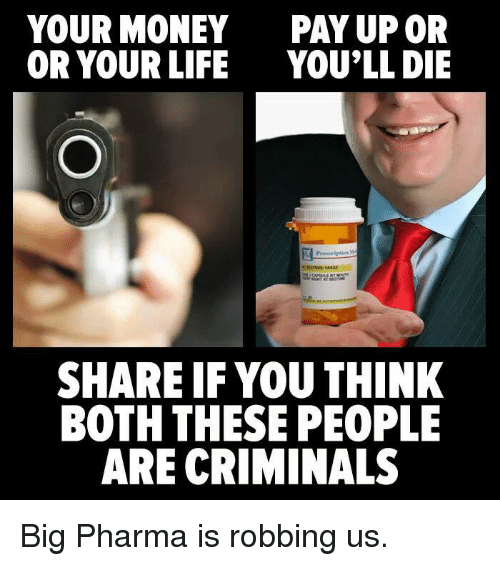
So a medication to treat infants costs $8 per vial in Europe and $38,892 in the U.S. Don’t you just love gangster capitalism to death? Because death and suffering is the gangsters’ ultimate threat: pay up or die.

Here’s another example of Big Pharma gangster capitalism at work: Insulin Drug Price Inflation: Racketeering or Perverse Competition?

Don’t you wish you had a racket where you could raise prices by 10% a year like clockwork, or triple the price of your “product” every decade?

Pfizer just raised prices on 100 medications:

The increases are effective as of July 1. In most cases, the increases are just over 9%, which is in line with the annual 10% price hikes adopted by most drug companies. Putting that number in context, core inflation printed at 2% last week.

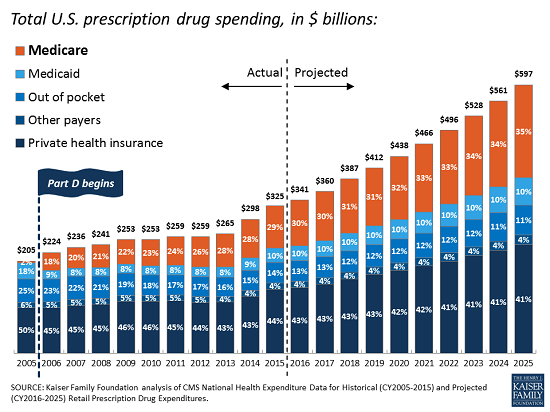
Here’s a chart of the net result of gangster capitalism:

Gangster capitalism is the new model of “growth” in America, the model used by every cartel from higher education to Pentagon contractors. Eliminate actual competition, raise prices in lockstep with other cartel members, lobby the government to pay your extortionist prices, and threaten any resisters with severe consequences.

Try resisting your local government’s property tax increases to cover insiders’ pensions and healthcare benefits: it’s always “for the children,” of course, and if you don’t pay up, we’ll just auction off your house.

There’s no difference between that and being told you’re gonna be wearing concrete overshoes if you don’t comply.

The U.S. economy is nothing more than an exploitive jumble of rackets, insider plundering and gangster capitalism. $8 per vial competing developed-world nations and $38,892 in the U.S. That says it all.

THE MONOPOLIZATION OF AMERICA: The biggest economic problem you’re hearing almost nothing about

By Robert Reich

Source: Nation of Change

Not long ago I visited some farmers in Missouri whose profits are disappearing. Why? Monsanto alone owns the key genetic traits to more than 90 percent of the soybeans planted by farmers in the United States, and 80 percent of the corn. Which means Monsanto can charge farmers much higher prices.

Farmers are getting squeezed from the other side, too, because the food processors they sell their produce to are also consolidating into mega companies that have so much market power they can cut the prices they pay to farmers.

This doesn’t mean lower food prices to you. It means more profits to the monopolists.

Monopolies all around

America used to have antitrust laws that stopped corporations from monopolizing markets, and often broke up the biggest culprits. No longer. It’s a hidden upward redistribution of money and power from the majority of Americans to corporate executives and wealthy shareholders.

You may think you have lots of choices, but take a closer look:

1. The four largest food companies control 82 percent of beef packing, 85 percent of soybean processing, 63 percent of pork packing, and 53 percent of chicken processing.

2. There are many brands of toothpaste, but 70 percent of all of it comes from just two companies.

3. You may think you have your choice of sunglasses, but they’re almost all from one company: Luxottica – which also owns nearly all the eyeglass retail outlets.

4. Practically every plastic hanger in America is now made by one company, Mainetti.

5. What brand of cat food should you buy? Looks like lots of brands but behind them are basically just two companies.

6. What about your pharmaceuticals? Yes, you can get low-cost generic versions. But drug companies are in effect paying the makers of generic drugs to delay cheaper versions. Such “pay for delay” agreements are illegal in other advanced economies, but antitrust enforcement hasn’t laid a finger on them in America. They cost you and me an estimated $3.5 billion a year.

7. You think your health insurance will cover the costs? Health insurers are consolidating, too. Which is one reason your health insurance premiums, copayments, and deductibles are soaring.

8. You think you have a lot of options for booking discount airline tickets and hotels online? Think again. You have only two. Expedia merged with Orbitz, so that’s one company. And then there’s Priceline.

9. How about your cable and Internet service? Basically just four companies (and two of them just announced they’re going to merge).

Why the monopolization of America is a huge problem

The problem with all this consolidation into a handful of giant firms is they don’t have to compete. Which means they can – and do – jack up your prices.

Such consolidation keeps down wages. Workers with less choice of whom to work for have a harder time getting a raise. When local labor markets are dominated by one major big box retailer, or one grocery chain, for example, those firms essentially set wage rates for the area.

These massive corporations also have a lot of political clout. That’s one reason they’re consolidating: Power.

Antitrust laws were supposed to stop what’s been going on. But today, they’re almost a dead letter. This hurts you.

We’ve forgotten history

The first antitrust law came in 1890 when Senator John Sherman responded to public anger about the economic and political power of the huge railroad, steel, telegraph, and oil cartels – then called “trusts” – that were essentially running America.

A handful of corporate chieftains known as “robber barons” presided over all this – collecting great riches at the expense of workers who toiled long hours often in dangerous conditions for little pay. Corporations gouged consumers and corrupted politics.

Then in 1901, progressive reformer Teddy Roosevelt became president. By this time, the American public was demanding action.

In his first message to Congress in December 1901, only two months after assuming the presidency, Roosevelt warned, “There is a widespread conviction in the minds of the American people that the great corporations known as the trusts are in certain of their features and tendencies hurtful to the general welfare.”

Roosevelt used the Sherman Antitrust Act to go after the Northern Securities Company, a giant railroad trust run by J. P. Morgan, the nation’s most powerful businessman. The U.S. Supreme Court backed Roosevelt and ordered the company dismantled.

In 1911, John D. Rockefeller’s Standard Oil Trust was broken up, too. But in its decision, the Supreme Court effectively altered the Sherman Act, saying that monopolistic restraints of trade were objectionable if they were “unreasonable” – and that determination was to be made by the courts. What was an unreasonable restraint of trade?

In the presidential election of 1912, Roosevelt, running again for president but this time as a third party candidate, said he would allow some concentration of industries where there were economic efficiencies due to large scale. He’d then he’d have experts regulate these large corporations for the public benefit.

Woodrow Wilson, who ended up winning the election, and his adviser Louis Brandeis, took a different view. They didn’t think regulation would work, and thought all monopolies should be broken up.

For the next 65 years, both views dominated. We had strong antitrust enforcement along with regulations that held big corporations in check.

Most big mergers were prohibited. Even large size was thought to be a problem. In 1945, in the case of United States v. Alcoa (1945), the Supreme Court ruled that even though Alcoa hadn’t pursued a monopoly, it had become one by becoming so large that it was guilty of violating the Sherman Act.

What happened to antitrust?

All this changed in the 1980s, after Robert Bork – who, incidentally, I studied antitrust law with at Yale Law School, and then worked for when he became Solicitor General under President Ford – wrote an influential book called The Antitrust Paradox, which argued that the sole purpose of the Sherman Act is consumer welfare.

Bork argued that mergers and large size almost always create efficiencies that bring down prices, and therefore should be legal. Bork’s ideas were consistent with the conservative Chicago School of Economics, and found a ready audience in the Reagan White House.

Bork was wrong. But since then, even under Democratic administrations, antitrust has all but disappeared.

The monopolization of high tech

We’re seeing declining competition even in cutting-edge, high-tech industries.

In the new economy, information and ideas are the most valuable forms of property. This is where the money is.

We haven’t seen concentration on this scale ever before.

Google and Facebook are now the first stops for many Americans seeking news. Meanwhile, Amazon is now the first stop for more than a half of American consumers seeking to buy anything. Talk about power.

Contrary to the conventional view of an American economy bubbling with innovative small companies, the reality is quite different. The rate at which new businesses have formed in the United States has slowed markedly since the late 1970s.

Big Tech’s sweeping patents, standard platforms, fleets of lawyers to litigate against potential rivals, and armies of lobbyists have created formidable barriers to new entrants. Google’s search engine is so dominant, “Google” has become a verb.

The European Union filed formal antitrust charges against Google, accusing it of forcing search engine users into its own shopping platforms. And last June, it fined Google a record $2.7 billion.

But not in America.

It’s time to revive antitrust

Economic and political power cannot be separated because dominant corporations gain political influence over how markets are organized, maintained, and enforced – which enlarges their economic power further.

One of the original goals of the antitrust laws was to prevent this.

Big Tech – along with the drug, insurance, agriculture, and financial giants – is coming to dominate both our economy and our politics.

There’s only one answer: It is time to revive antitrust.

Big Pharma, Big Oil and Big Banks Meet the Definition of Terrorists

Common threads persist throughout definitions of terrorism: violence, injury or death, intimidation, intentionality, multiple targets and political motivation. Big pharma, big oil and big banks meet them all.

By Paul Buchheit

Source: Mint Press News

Various definitions of terrorism have been proposed in recent years, by organizations such as the FBI, the State DepartmentHomeland Security, and the ACLU. Some common threads persist throughout the definitions: violence, injury or death, intimidation, intentionality, multiple targets, political motivation. All the criteria are met by pharmaceutical and oil and financial companies. They have all injured and intimidated the American public, and caused people to die, with intentionality shown by their refusal to acknowledge evidence of their misdeeds, and political motives clear in their lobbying efforts, where among all U.S. industries Big Pharma is #1, Big Oil is #5, and Securities/Investment #8.

The terror inflicted on Americans is real, and is documented by the facts to follow.

Big Pharma: Qualifying for Trump’s Call for Capital Punishment for Drug Dealers

In a Time Magazine article a young man named Chad Colwell says “I got prescribed painkillers, Percocet and Oxycontin, and then it just kind of took off from there.” Time adds: “Prescriptions gave way to cheaper, stronger alternatives. Why scrounge for a $50 pill of Percocet when a tab of heroin can be had for $5?” About 75% of heroin addicts used prescription opioids before turning to heroin.

Any questions about Big Pharma’s role in violence and death in America have been answered by the Centers for Disease Control and the American Journal of Public Health. Any doubts about Big Pharma’s intentions to intimidate the public have been put to rest by the many occasions of outrageous price gouging. And any uncertainty about political pressure is removed by its #1 lobbying ranking.

As for malicious intentions, Bernie Sanders noted, “We know that pharmaceutical companies lied about the addictive impacts of opioids they manufactured.” Purdue Pharma knew all about the devastating addictive effects of its painkiller Oxycontin, and even pleaded guilty in 2007 to misleading regulators, doctors, and patients about the drug’s risk. Now Purdue and other drug companies are facing a lawsuitfor “deceptively marketing opioids” and ignoring the misuse of their drugs.

No jail for the opioid pushers, though, just slap-on-the-wrist fines that can be made up with a few price increases. But partly as a result of Pharma-related violence, Americans are suffering “deaths of despair”— death by drugs, alcohol and suicide. Suicide is at its highest level in 30 years.

Big Oil: Decades of Terror

Any doubts about the ecological terror caused by fossil fuel companies have been dispelled by the World Health Organization, the American Lung Association, the United Nations, the Pentagon, cooperating governments, and independent research groups, all of whom agree that human-induced climate change is killing people.

The oil industry’s intentionality and political motives have been demonstrated by their refusal to admit the known truth, starting with Exxon, which has covered up its own climate research for 40 years, and continuing through multi-million dollar lobbying efforts by Amoco, the US Chamber of Commerce, General Motors, Koch Industries, and other corporations in their effort to dismantle the Kyoto Protocol against global warming.

Big Banks: Leaving Suicidal Former Homeowners Behind

Any doubts about the violence stemming from the 2008 mortgage crisis have been resolved by studies of recession-caused suicides. Both the British Journal of Psychiatry and the National Institutes of Healthfound definite links between the recession and the rate of suicides.

As with Big Pharma and Big Oil, intentionality and political motives are evident in the banking industry’s lobbying efforts on behalf of deregulation — leading to the same conditions that threatened American homeowners in 2008. There has also been a surge in the number of non-bank lenders, who are less subject to regulation.

Making it all worse are private developers, who make most of their profits by building fancy homes for the rich. And by avoiding affordable housing. Since the recession, Blackstone and other private equity firms — with government subsidies — have been buying up foreclosed houses, holding them till prices appreciate, and in the interim renting them back at exorbitant prices.

This is leaving more and more Americans out in the cold — literally. A head of household in the U.S. needs to make $21.21 an hour to afford a two-bedroom apartment at HUD standards, much more than the $16.38 they actually earn. Since the recession, the situation has continually worsened. From 2010 to 2016 the number of housing units priced for very low-income families plummeted 60 percent.

Here’s the big picture: Since the 1980s there’s been a massive redistribution of wealth from middle-class housing to the investment portfolios of people with an average net worth of $75 million. It’s not hard to understand the “deaths of despair” caused by the terror inflicted on people losing their homes.


A 2% Financial Wealth Tax Would Provide A $12,000 Annual Stipend To Every American Household

Careful analysis reveals a number of excellent arguments for the implementation of a Universal Basic Income.

By Paul Buchheit

Source: Nation of Change

It’s not hard to envision the benefits in work opportunities, stress reduction, child care, entrepreneurial activity, and artistic pursuits for American households with an extra $1,000 per month. It’s also very easy to justify a financial wealth tax, given that the dramatic stock market surge in recent years is largely due to an unprecedented degree of technological and financial productivity that derives from the work efforts and taxes of ALL Americans. A 2% annual tax on financial wealth is a small price to pay for the great fortunes bestowed on the most fortunate Americans.

The REASONS? Careful analysis reveals a number of excellent arguments for the implementation of a Universal Basic Income (UBI).

(1) Our Jobs are Disappearing

A 2013 Oxford study determined that nearly HALF of American jobs are at risk of being replaced by computers, AI, and robots. Society simply can’t keep up with technology. As for the skeptics who cite the Industrial Revolution and its job-enhancing aftermath (which actually took 60 years to develop), the McKinsey Global Institute says that society is being transformed at a pace “ten times faster and at 300 times the scale” of the radical changes of two hundred years ago.

(2) Half of America is Stressed Out or Sick

Half of Americans are in or near poverty, unable to meet emergency expenses, living from paycheck to paycheck, and getting physically and emotionally ill because of it. Numerous UBI experiments have led to increased well-being for their participants. A guaranteed income reduces the debilitating effects of inequality. As one recipient put it, “It takes me out of depression…I feel more sociable.”

(3) Children Need Our Help

This could be the best reason for monthly household stipends. Parents, especially mothers, are unable to work outside the home because of the all-important need to care for their children. Because we currently lack a UBI, more and more children are facing hunger and health problems and educational disadvantages.

(4) We Need More Entrepreneurs

A sudden influx of $12,000 per year for 126 million households will greatly stimulate the economy, potentially allowing millions of Americans to TAKE RISKS that could lead to new forms of innovation and productivity.

Perhaps most significantly, a guaranteed income could relieve some of the pressure on our newest generation of young adults, who are deep in debt, underemployed, increasingly unable to live on their own, and ill-positioned to take the entrepreneurial chances that are needed to spur innovative business growth. No other group of Americans could make more productive use of an immediate boost in income.

(5) We Need the Arts & Sciences

A recent Gallup poll found that nearly 70% of workers don’t feel ‘engaged’ (enthusiastic and committed) in their jobs. The work chosen by UBI recipients could unleash artistic talents and creative impulses that have been suppressed by personal financial concerns, leading, very possibly, to a repeat of the 1930s, when the Works Progress Administration hired thousands of artists and actors and musicians to help sustain the cultural needs of the nation.

Arguments against

The usual uninformed and condescending opposing argument is that UBI recipients will waste the money, spending it on alcohol and drugs and other ‘temptation’ goods. Not true. Studies from the World Bank and the Brooks World Poverty Institute found that money going to poor families is used primarily for essential needs, and that the recipients experience greater physical and mental well-being as a result of their increased incomes. Other arguments against the workability of the UBI are countered by the many successful experiments conducted in the present and recent past: FinlandCanada, Netherlands, Kenya, IndiaGreat Britain, Uganda, Namibia, and in the U.S. in Alaska and California.

How to pay for it

Largely because of the stock market, U.S. financial wealth has surged to $77 trillion, with the richest 10% owning over three-quarters of it. Just a 2 percent tax on total financial wealth would generate enough revenue to provide a $12,000 annual stipend to every American household (including those of the richest families).

It’s easy to justify a wealth tax. Over half of all basic research is paid for by our tax dollars. All the technology in our phones and computers started with government research and funding. Pharmaceutical companies wouldn’t exist without decades of support from the National Institutes of Health. Yet the tech and pharmaceutical companies claim patents on the products paid for and developed by the American people.

The collection of a wealth tax would not be simple, since only about half of U.S. financial wealth is held directly in equities and liquid assets (Table 5-2). But it’s doable. As Thomas Piketty notes, “A progressive tax on net wealth is better than a progressive tax on consumption because first, net wealth is better defined for very wealthy individuals..”

And certainly a financial industry that knows how to package worthless loans into A-rated mortgage-backed securities should be able to figure out how to tax the investment companies that manage the rest of our ever-increasing national wealth.


US Technological Transformations and the Narcotic-Fueled Genocide of American Workers

By James Petras

Source: The Unz Review

Introduction

During his recent visit to New Hampshire on 3/20/18, President Trump declared once again that the US is facing a ‘drug epidemic’. This time he advocated the death penalty for criminal drug dealers as the solution to a national crisis that has killed over 1 million Americans since the 1990’s (when the blockbuster prescription opiate Oxycontin was first released on the market). Trump promised that the Justice Department would develop the most severe penalties for criminal drug traffickers, by which he meant foreigners. He argued that his proposed “Wall” (between the Mexican- US border) would cut the flow of drugs responsible for the ongoing addiction of millions of US citizens – as though the prescription opiate addiction epidemic resulted from a foreign invasion, and not corporate decisions from Big Pharma.

President Trump’s claim that 116 ‘drug deaths’ occur every day (42,000 a year) is a major underestimate. In 2017, alone over 64,000 drug overdose deaths were reported in official statistics (with many unreported cases signed off as natural or undetermined, especially in counties too poor to afford autopsies and expensive forensic toxicology). Another 4 million Americans, at least, are currently addicted to opioids and at risk for overdose.

In comparative terms, more American workers have been killed or devastated by narcotics (mostly via prescription) in 2017 alone, than in the entire decade of the Vietnam War with its 58,000 dead and 500,000 wounded. In 2017, 40,000 Americans died in motor vehicle accidents and another 39,000 by gun violence – and these statistics are not broken down to include vehicular accidents due to drug intoxication or gun violence over drugs. Prescription or illegal opiates, alone or mixed with other sedative drugs, like Valium, or alcohol, are the most prominent and preventable cause of premature death in the United States today.

This pattern is unique to the United States, where the irresponsible medical prescription of highly addicting narcotics has been the primary portal of entry into the degrading life of addiction for millions. Despite President Trump’s claims, the addiction crisis is not a product of urban Afro-American street dealers or Mexican narco-traffickers: This uniquely American crisis has been created and fueled by billionaire-owned US pharmaceutical corporations, which produced, distributed and wildly profited from legal narcotics. They were aided by the irresponsible prescription practice of tens of thousands of doctors and other ‘providers’ who introduced millions of vulnerable patients to the world of narcotic dependency – including youngsters with sports injuries and workers with job-related pain. These are physicians and medical providers who rarely stopped to examine their own responsibility, even when their otherwise healthy patients overdosed or were destroyed by addiction. It is especially outrageous that doctors and ‘Big Pharma’ worked hand in hand for over 20 years to create this epidemic, enjoying wild profits and almost total legal immunity. Few have dared to openly question their irresponsibility and greed. In the poorest and most vulnerable areas of this country, the most irresponsible and unaccountable incompetence has replaced real medical care and created a health care apartheid.

The Federal Drug Enforcement Agency (FDA) and the Drug Enforcement Agency (DEA) have protected the corporate drug traffickers and ensured the manicured and cultured narco-bosses the highest rates of return on their products. These polished pushers have their names engraved on the walls of museums and opera houses around the country.

The majority of Presidential, Federal, State and municipal candidates from both major parties have received millions of dollars in electoral campaign funds from these huge legal narcotic manufacturers and distributors, as well as from physicians and other representative of the ‘pain-treatment industry’. Over the past decades, politicians have openly or secretly opposed or weakened legislation designed to address this crisis.

Why not just ask President Trump to direct his Justice Department to impose the death penalty on the board of directors of the big corporate narcotic manufacturers or distributors or on the CEOs of major ‘pain clinics’ or on the owners of local rural ‘health centers’ that drove the villagers of West Virginia into their life-destroying downward spirals?

When will the DEA finally storm the medical centers to arrest the over-prescribing ‘providers’ of narcotics and benzodiazepine tranquilizers (a very common deadly combination)?

When will the SWAT teams seize the vacation homes of the CEOs of major US hospitals where the convenient and fake ideology of promising a ‘pain-free’ experience (‘make it Zero on the Pain Scale’) led to the generalized promotion of highly addicting narcotics for minor injuries, arthritic pain, or chronic back discomfort due to work or obesity? Responsible alternatives existed and were used in the rest of the world – largely untouched by this prescription-fueled crisis.

No doubt what President Trump has in mind is something else: the expulsion of Latin American workers under the pretext of going after the drug dealers and the even more massive incarceration of petty street dealers in the African American community.

Trump will then turn to further monitoring and arresting small-scale American marijuana farmers, who earn a basic income from growing a product that many believe is safe, non-addicting, and significantly reduces demand for dangerous narcotics.

As ugly as this all seems, the complicity of the political, economic and the medical elite in exponentially spreading deadly narcotics among the poor, working class and downwardly mobile middle class, points to a deeper and more sinister policy goal: the systematic elimination of millions of American workers made redundant in the new economy. This is a ‘gentler genocide’, where millions of workers die prematurely seeking an escape from pain as they have been replaced by a new technology and a new ideology: Robots, artificial intelligence and digitalization have rendered them disposable, while the out-sourcing of work to low paid overseas laborers and immigrants have guaranteed unimaginable profits for the elite decision makers.

This highly profitable process, benefiting the political, pharmaceutical, financial, police and judicial elites, conveniently blames the victims, a significant proportion of whom come from the poor and working class in this country, including white rural and small town addicts, especially youth, stuck at minimum wage jobs with no prospects of a decent future – injured construction workers, 15% of whom abuse prescription narcotics for work-related injuries, as well as the marginalized petty drug dealers from the urban slums and desperate Latino immigrants forced to accommodate the cartels. These people have little rights and are easily monitored, incarcerated, expelled and just written-off in one-line obituaries.

The narcotic-fueled genocide had grown out of a calculated corporate strategy meant to cull and subdue a huge population of potentially restive marginalized workers and their families, blaming the overdosing victims for their own ‘irresponsible’ choices, their reliance on prescription opiates, their lack of access to competent medical care, and their untimely deaths as though this were all a collective suicide as the great nation marches forward.

The higher the death toll among marginalized Americans, the greater the reliance on political distractions and racist deceptions. President Trump loudly blames street-level retail distributors, while ignoring the links between tax-exempt mega-billionaires who have profited from the shortened life-expectancies of addicted workers (scores of billions of dollars already saved in future pension and health care expenses) and the millions fired for addiction and denied jobless benefits and treatment. Trump has yet to even mention the actions of the legal pharma-medical industry that set this in motion.

Meanwhile, the Democratic Party leaders denounce the worker-victims of addiction and their communities as ‘irresponsible and racist’, for having believed the populist rhetoric of candidate Trump. Trump’s most intense rural areas of support coincided with areas of the worst opioid addiction and suicide rates. Trump’s rival, Hillary Clinton wrote off scores of millions of vulnerable Americans as ‘deplorables’ and never once addressed the addiction crisis that grew exponentially during her husband’s administration.

Since the implementation of NAFTA during the 1990’s, scores of millions of American workers have been relegated to unstable, low paid jobs, deprived of health benefits and subject to grueling work, prone to physical and mental injuries. Workplace injuries set the stage for the prescription narcotic crisis. Even worse, today workers are constantly distracted by electronic gadgets at the workplace, with their orders from above arriving digitally. These highly profitable gadgets have created enormous distractions and contributed to workplace death and injuries. The plaything of choice for the masses, the I-phone, has added to the addiction crisis, by increasing the rate of injury. This mind-numbing distraction, produced abroad at incredible profit, has played an unexplored role in the increase in premature death in the US.

The corporate narcotic elites, like the ultra-cultured Sackler clan owners of Perdue Pharmaceuticals, and their allies in the finance sector, support the diverse ideological distractions fashioned by their politician pawns: Eager to please her donor-owners, Hillary Clinton and the Democrats blame the working class for their backwardness and genetic propensity to addiction and degradation. Meanwhile, President Trump and the Republicans blame ‘outside’ suppliers and distributors including Mexican narco-cartels, illegal immigrant traffickers, black urban street dealers and now point to overseas Chinese fentanyl labs – as though the entire crisis came from the outside. Trump’s approach flies in the face of the unquestionable source of most narcotic addiction in the US: Irresponsible prescribing of highly addicting legal narcotics.

No other industrialized country is experiencing this scale of addiction and pre-mature death. No other industrialized country relies on a private, for-profit, unregulated system of delivering medical care to its citizens. Only the US.

Both elite political parties avoid the basic issue of the long-term, large-scale structural imperatives underlying the transformation of the US work places. They refuse to address the marginalization of tens of millions of American workers and their families, made disposable by corporate economic and political decisions.

The US corporate elite are completely incapable of developing, let alone favoring, any policy that addresses the needs of millions of surplus office and factory workers and their family members replaced by new technology and ‘global’ economic policies. The American financial and political elite is not about to support an economic, political and cultural ‘GI’ bill to save the scores of millions shoved to the wayside in their rush to obscene wealth and power.

The unstated, but clearly implemented, ‘final solution’ is a Social Darwinian policy of active and passive neglect, the unleashing of profitable prescription narcotics into the population of vulnerable disposable workers, offering them a convenient, painless way out – the opioid solution to the over-population problem of redundant rural and small town ‘Helots’. The political elite’s willing complicity with Big Pharma, the medical profession, the financial oligarchs and the prison-industrial complex has transformed the country in many ways. Shortened lives and depopulation of rural and small town communities translates into lower demand for public services, such as schools, health care, pensions and housing. This is guaranteeing a greater concentration of national wealth in the hands of a tiny elite. The financial press has openly celebrated the projected decrease in pension liabilities as a result of the drop in worker life expectancy.

The ongoing mass genocide by opioids may have started to arouse popular discontent among working people who do not want to continue dying young and miserable! Social services and child protective services for the millions of orphaned or abandoned children of this crisis have been demanding real policies. Unfortunately, the usual platitudes and failed policies prevail. Drug education and ‘opioid addiction treatment’ programs (currently among the largest expense in some union health plans) are pointless Band-Aids when confronted by the larger policy decisions fuelling this crisis. Nevertheless, thousands of health care professionals are beginning to resist corporate pressure to prescribe cheap opioids – and fight for more expensive, but less dangerous, alternative for addressing their patients’ pain. Even if all medical providers stopped over-prescribing narcotics today, there are still millions of addicts already created by past practice, who seek the most deadly street drugs, like fentanyl, to feed their addiction.

Politicians now publicly denounce ‘Big Pharma’, while privately winking at the lobbyists and accepting millions from their ‘donor-owners’.

Public critics in the corporate media are quick to condemn the workers’ susceptibility to narcotic addiction but not the underlying causative imperatives of global capitalism.

Mainstream academics celebrate corporate technological advances with occasional neo-Malthusian warnings about the dangers of millions of redundant workers, while ignoring the profit-driven role of narcotics in reducing the social threat of excess workers!

Finally the role of an elite and respected profession must be re-evaluated in a historic context: In the 1930’s German doctors helped develop an ideology of ‘racial hygiene’ and a technology to demonize and eliminate millions of human beings deemed redundant and inferior, through overwork in slave camps, starvation and active genocide – serving the ambitions of Nazi expansionism and deriving significant profit for select individuals and corporations. US physicians and the broader medical community have less consciously assisted in the ongoing ‘culling of the herd’ of American laborers and rural residents rendered superfluous and undesirable by the decisions of a global oligarchy increasingly unwilling to share public wealth with its masses. There are similarities.

Once prosperous, industrial cities and towns, as well as rural villages, in the US have seen marked declines in populations and a premature death crisis among those who remain.

This must be reversed.


The Global Elite is Insane Revisited

By Robert J. Burrowes

In 2014 I wrote an article titled ‘The Global Elite is Insane’. I want to elaborate what I explained in the earlier article so that people have a clearer sense of what we are up against in our struggle to create a world of peace, justice and ecological sustainability.

Of course, as I explained previously, it is not just the global elite that is insane. All those individuals – politicians, businesspeople, academics, corporate media editors and journalists, judges and lawyers, bureaucrats…. – who serve the elite, including by not exposing and resisting it, are also insane. And it is important to understand this if we are to develop and implement effective strategies to resist elite violence, exploitation and destruction but also avert the now-imminent human extinction driven by their insane desire for endless personal privilege, corporate profit and political control whatever the cost to Earth’s biosphere and lifeforms (human and non-human alike).

But first, who constitutes the global elite? Essentially, it is those extremely wealthy individuals – notably including the Rothschild family, Jeff Bezos, Bill Gates, Warren Buffett, Amancio Ortega, Mark Zuckerberg, Carlos Slim, the Walton family and the Koch brothers – as well as the world’s other billionaires and millionaires. See ‘Bloomberg Billionaires Index’.

Testament to their secretly and long-accumulated wealth and power, a 2012 investigation concluded that rich individuals and their families have as much as $32 trillion of hidden financial assets – which excludes non-financial assets such as real estate, gold, yachts and racehorses – in offshore tax havens. See the Tax Justice Network.

If this sum was devoted to programs of social uplift then starvation, poverty, homelessness and other privations would vanish immediately and environmental restoration projects as well as research, development and implementation of visionary sustainability initiatives would flourish instantly. The idea of an ‘underdeveloped’ or ‘developing’ national economy would vanish from the literature on Africa, Asia and Central/South America.

In addition to these individuals, however, the global elite includes the major multinational corporations, particularly including the following – although, it should be noted, this list simplifies the picture considerably by ignoring the conglomerate nature of many of these corporations and not including many of the (more difficult to identify) private corporations that should be listed in any comprehensive presentation:

* the major weapons manufacturers (such as Lockheed Martin, Boeing, BAE Systems, Raytheon, Northrop Grumman and General Dynamics)

* the major banks (including Industrial & Commercial Bank of China, China Construction Bank, HSBC Holdings, JPMorgan Chase, Mitsubishi UFJ Financial Group and Bank of America) and their ‘industry groups’ like the International Monetary Conference

* the major investment companies (including BlackRock, Capital Group Companies, FMR, AXA, and JP Morgan Chase)

* the major financial services companies (including Berkshire Hathaway, AXA, Allianz and BNP Paribas)

* the major energy corporations including coal companies (such as Coal India, Adani Enterprises, China Shenhua Energy, China Coal Energy, Mechel, Exxaro Resources, Public Power, Glencore and Peabody Energy) as well as the oil and gas corporations (such as Saudi Aramco, Gazprom, Rosneft, PetroChina, ExxonMobil, Lukoil, BP, Royal Dutch Shell, Petrobras, Chevron, Novatek, Total S.A. and Eni)

* the major media corporations (including Alphabet [Google owner], Comcast, Disney, AT&T, News Corporation, Time Warner, Fox, Facebook, Bertelsmann and Baidu)

* the major marketing and public relations corporations (including Edelman, W2O Group, APCO Worldwide, Deksia, BrandTuitive, Fearless Media, and Citizen Group)

* the major agrochemical (pesticides, seeds, fertilizers) giants (including Bayer, Syngenta, Dow, Monsanto and DuPont)

* the major pharmaceutical corporations (including Johnson & Johnson, Roche, Pfizer, Novartis, Sanofi and GlaxoSmithKline)

* the major biotechnology (genetic mutilation) corporations (again including Johnson & Johnson, Roche, Pfizer and Novartis)

* the major mining corporations (including Glencore Xtrata, BHP Billiton, Rio Tinto, Vale, Anglo American, China Shenhua Energy, Freeport McMoRan Copper & Gold, and Barrick Gold)

* the major nuclear power corporations (including Areva, Rosatom, General Electric/Hitachi, Kepco, Mitsubishi, Babcock & Wilcox, BNFL, Duke Energy, McDermott International, Southern, NextEra Energy, American Electric Power, and Westinghouse)

* the major food multinationals (including Cargill, Archer Daniels Midland Company [ADM], Nestlé, PepsiCo, Coca-Cola, Unilever, Danone, General Mills, Kellogg’s, Mars, Associated British Foods and Mondelez)

* the major water corporations (including Veolia, Suez Environnement, ITT Corporation, United Utilities, Severn Trent, Thames Water, American Water Works).

Of course, the global elite also includes elite fora where various combinations of elite individuals from the corporate, political, media and academic worlds gather to plan their continuing violence against, and exploitation of, the Earth and its inhabitants. This is intended to consolidate and extend t heir control over populations, markets and resources to maximize their privilege, profit and power at the expense of the rest of us and life generally. Among intergovernmental organizations, it includes the United Nations, the World Bank and the International Monetary Fund.

A quick perusal of the agenda of such elite gatherings – including the World Economic Forum, the Bilderberg Group and the Trilateral Commission – reveals a comprehensive lack of interest, despite rhetoric and the occasional token mention, of pressing issues ranging from the threat of nuclear war and the climate catastrophe to the many ongoing wars, deepening exploitation within the global economy, extensive range of environmental threats and the refugee crisis, each of which they generated and now continue to deliberately exacerbate. See, for example, the agenda of the recent WEF meeting in Davos.

Primary servants of the global elite include political leaders in major industrialized countries (who legislate to progressively expand elite power, profit and privilege, such as Donald Trump’s recent tax cuts for the wealthy at the expense of social programs), the judges and lawyers (who defend elite power using the elite-designed and manipulated legal system: ever heard of a wealthy individual convicted in court and given any serious punishment or of any major corporation genuinely held to legal account for its exploitation of indigenous peoples or destruction of the natural environment?), as well as corporate media editors and journalists, entertainment industry personnel, academics, industry organizations (such as the European Round Table of Industrialists) that represent the interests of major corporations, so-called ‘think tanks’ (such as the Council on Foreign Relations and the Brookings Institution) and ‘philanthropic trusts’ (such as the Rockefeller, Carnegie and Ford foundations) all of which justify, ignore or divert attention from elite violence and exploitation.

Importantly too, primary servants of the global elite include those who work within elite-directed agencies, notably including those in the so-called ‘intelligence community’ (such as the US CIA, British MI6, Russian SVR RF, Chinese Ministry for State Security and Israeli Mossad), who perform elite functions in relation to spying, surveillance and secret assassinations (particularly of grassroots activists), ostensibly under the direction of national governments. But it also includes many lower-level servants such as those who work as political lobbyists or in the bureaucracy as well as the education, police and prison systems.

So why do I claim that the elite and those who serve them are insane?

Any dictionary will offer a simple definition of ‘sanity’ along the lines of ‘soundness of judgment or reason’ and ‘the ability to think and speak in a reasonable way and to behave normally’.

But if we use this definition of sanity then, obviously, ‘sanity’ must be interpreted to mean that it is ‘sound judgment, reasonable and normal’ to further perpetrate the violence and exploitation that are overwhelmingly characteristic of our world. After all, most people powerlessly accept this incredibly violent state of affairs and, if they discuss it, do so in terms of its merits, politically, economically, morally or otherwise. Few people argue, simply, that violence is just insane.

So I would like to propose a more rigorous definition of sanity: Sanity is the capacity to consider a set of circumstances, to carefully analyze the evidence pertaining to those circumstances, to identify the cause of any conflict or problem, and to respond appropriately, both emotionally and intellectually, to that conflict or problem with the intention of resolving it, preferably at a higher level of need satisfaction for all parties (including those of the Earth and all of its living creatures).

Clearly, my proposed definition of sanity is designed to imply that any conceptions we have of ‘sound judgment’, ‘reasonable’ and ‘normal’ mean that they are qualities we associate with individuals who possess the desirable capacity to improve the overall state of human affairs, whether an interpersonal relationship or geopolitically. This means, as an absolute minimum, the capacity to reduce violence or exploitation in one context or another.

You might, of course, accuse me of writing a definition of ‘sanity’ that serves my agenda to dramatically improve world order in the direction of peace, justice and sustainability. And you are right! But whose interest does it serve to have sanity defined as behavior that involves ‘sound judgment’ and is considered ‘reasonable and normal’ in the context of perpetuating extraordinary violence?

Alternatively, you might argue that my definition of insanity is too broad. Surely, you might say, we can account for many of the behaviors outlined above in terms of different belief systems, ideologies and religions. Doesn’t a person who believes in killing people to win wars (or for other reasons) just have a worldview different from those who believe that people should resolve conflict nonviolently? Doesn’t a capitalist just have a worldview different from those who believe that people should share resources equally? Doesn’t a person who believes in the unlimited accumulation of wealth just have a worldview different from those who believe in ecological sustainability?

But there is a more fundamental issue here. As I explained in my original article, cited at the beginning of this one: Do you really believe that someone who is capable of perpetrating extraordinary violence, inequity and biosphere-threatening behavior – and thus clearly incapable of experiencing and expressing the love, compassion, empathy and sympathy that would drive a nonviolent approach to the world – is sane? Given that emotional qualities such as love, compassion, empathy and sympathy are an evolutionary gift to those not seriously damaged during childhood, what happened to those individuals who do not possess them? See Why Violence?’ and Fearless Psychology and Fearful Psychology: Principles and Practice.

Or, to explain it based on my longer definition of sanity highlighted above: Casual observation of the state of our world, including the primary threat of near-term human extinction through climate catastrophe or nuclear war – see ‘On Track for Extinction: Can Humanity Survive?’ – clearly reveals that none of the elite is paying considered attention to the perilous state of our world, analyzing the evidence in relation to it, identifying the cause(s) driving it or responding powerfully to end it. Why is this?

In essence, it is because one manifestation of their insanity drives them to deny reality to make huge profits from weapons production used to kill people, the burning of climate-destroying fossil fuels, environmental destruction (through, for example, mining and rainforest logging), commercial farming based on the poisoning and genetic mutilation of foods, the mass production and sale of poisoned, processed and nutritionally-depleted foods, the consumption of health-destroying and dependency-creating drugs, and control over the sale of water, once considered a human right. Moreover, insanity makes the elite do everything in its power to maintain this highly profitable state of affairs. See ‘Profit Maximization is Easy: Invest in Violence’.

Moreover, of course, there is no evidence of committed elite engagement in efforts to end the many local wars (from which they make huge profits), end corporate exploitation of human beings (which kills, through starvation alone, 100,000 people every day but from which they make huge profits) and nonhuman beings (which drives 200 species of life to extinction daily but from which they make huge profits) or end local environmental destruction in a myriad ways (from which they make huge profits).

So, in summary, given our ongoing rush to extinction, it is clear that those who exacerbate this threat through failure to consider and act with awareness (as well as encourage aware action by others) fail to satisfy the definition of sanity that I offered above. In short: Gambling on the future of humanity is not sane.

As an aside, it should be noted: Often enough too, the elite can rely on a largely insane population to mindlessly consume the latest consumer product, no matter how unnecessary, or they can rely on their marketing and advertising agents to persuade those of us who show the slightest reluctance to buy the latest inanity.

So with an insane global elite and its many insane servants as well as a largely insane consumer population, what can those of us who have the sanity to respond powerfully to the many threats to our survival do?

Well, if you want a child who is emotionally and intellectually engaged with the world and therefore capable of responding powerfully to their circumstances (which includes being able to resist the lure of serving the elite and being suckered by its marketing), then terrorizing the child into obedience is not the way to go about it. So, you might like to consider making ‘My Promise to Children’.

If you are sane enough to investigate the evidence and to act intelligently and powerfully in response to it, I encourage you to do so. One option you have if you find the evidence in relation to one or more of the threats mentioned above compelling, is to join those participating in ‘The Flame Tree Project to Save Life on Earth’.

If you are self-aware enough to know that you are inclined to avoid ‘difficult issues’ and to take the action that these require, then perhaps you could tackle this problem at its source by ‘Putting Feelings First’. Unfortunately, as mentioned above, few of us had a childhood that nurtured our sanity.

If you want to mobilize people to campaign effectively on the climate, war, rainforest destruction or any other elite-driven violence that threatens our future, consider developing a comprehensive nonviolent strategy to do so. See Nonviolent Campaign Strategy.

And if you want to participate in the worldwide effort to end the insanity we call violence in all of its manifestations, you are welcome to consider signing the online pledge of The Peoples Charter to Create a Nonviolent World.

Elite insanity, if not stopped, will drive us out of existence. If you believe that the elite and their servants will ‘see the light’ before it is too late, I invite you to seek out the evidence to justify your belief. I have found none.

I also see no evidence that individual members of the elite will do the emotional healing necessary to be able to act sanely in response to the extinction-threatening crisis it has generated.

So it is up to those of us who can think and act sanely to stop the rush to extinction before it is too late.

Are you one of those people?


Biodata: Robert J. Burrowes has a lifetime commitment to understanding and ending human violence. He has done extensive research since 1966 in an effort to understand why human beings are violent and has been a nonviolent activist since 1981. He is the author of Why Violence? His email address is flametree@riseup.net and his website is here.

Robert J. Burrowes
P.O. Box 68
Daylesford, Victoria 3460
Australia

Email: flametree@riseup.net

Websites:
Nonviolence Charter
Flame Tree Project to Save Life on Earth
‘Why Violence?’
Feelings First
Nonviolent Campaign Strategy
Nonviolent Defense/Liberation Strategy
Anita: Songs of Nonviolence
Robert Burrowes
Global Nonviolence Network

Junk Planet: Is Earth the Largest Garbage Dump in the Universe?

By Robert J. Burrowes

Is Earth the largest garbage dump in the Universe? I don’t know. But it’s a safe bet that Earth would be a contender were such a competition to be held. Let me explain why.

To start, just listing the types of rubbish generated by humans or the locations into which each of these is dumped is a staggering task beyond the scope of one article. Nevertheless, I will give you a reasonably comprehensive summary of the types of garbage being generated (focusing particularly on those that are less well known), the locations into which the garbage is being dumped and some indication of what is being done about it and what you can do too.

But before doing so, it is worth highlighting just why this is such a problem, prompting the United Nations Environment Programme to publish this recent report: ‘Towards a pollution-free planet’.

As noted by Baher Kamal in his commentary on this study: ‘Though some forms of pollution have been reduced as technologies and management strategies have advanced, approximately 19 million premature deaths are estimated to occur annually as a result of the way societies use natural resources and impact the environment to support production and consumption.’ See ‘Desperate Need to Halt “World’s Largest Killer” – Pollution’ and ‘Once Upon a Time a Planet… First part. Pollution, the world’s largest killer’.

And that is just the cost in human lives.

So what are the main types of pollution and where do they end up?


Atmospheric Pollution

The garbage, otherwise labelled ‘pollution’, that we dump into our atmosphere obviously includes the waste products from our burning of fossil fuels and our farming of animals. Primarily this means carbon dioxide, methane and nitrous oxide generated by driving motor vehicles and burning coal, oil and gas to generate electricity, and agriculture based on the exploitation of animals. This is having a devastating impact on Earth’s climate and environment with a vast array of manifestations adversely impacting all life on Earth. See, for example, ‘The World Is Burning’ and ‘The True Environmental Cost of Eating Meat’.

But these well-known pollutants are not the only garbage we dump into the atmosphere. Airline fuel pollutants from both civil and military aircraft have a shocking impact too, with significant adverse public health outcomes. Jet emissions, particularly the highly carcinogenic benzpyrene, can cause various cancers, lymphoma, leukemia, asthma, and birth defects. Jet emissions affect a 25 mile area around an airport; this means that adults, children, animals and plants are ‘crop dusted’ by toxic jet emissions for 12 miles from a runway end. ‘A typical commercial airport spews hundreds of tons of toxic pollutants into our atmosphere every day. These drift over heavily populated areas and settle onto water bodies and crops.’ Despite efforts to inform relevant authorities of the dangers in the USA, for example, they ‘continue to ignore the problem and allow aviation emissions to remain unregulated, uncontrolled and unreported’. See Aviation Justice. It is no better in other countries.

Another category of atmospheric pollutants of which you might not be aware is the particulate aerosol emitted into the atmosphere by the progressive wear of vehicle parts, especially synthetic rubber tyres, during their service life. Separately from this, however, there are also heavier pollutants from wearing vehicle tyres and parts, as well as from the wearing away of road surfaces, that accumulate temporarily on roads before being washed off into waterways where they accumulate.

While this substantial pollution and health problem has attracted little research attention, some researchers in a variety of countries have been investigating the problem.

In the USA as early as 1974, ‘tire industry scientists estimated that 600,000 metric tonnes of tire dust were released by tire wear in the U.S., or about 3 kilograms of dust released from each tire each year’. In 1994, careful measurement of air near roadways with moderate traffic ‘revealed the presence of 3800 to 6900 individual tire fragments in each cubic meter of air’ with more than 58.5% of them in the fully-breathable size range and shown to produce allergic reactions. See ‘Tire Dust’.

A study in Japan reported similar adverse environmental and health impacts. See ‘Dust Resulting from Tire Wear and the Risk of Health Hazards’.

Even worse, a study conducted in Moscow reported that the core pollutant of city air (up to 60% of hazardous matter) was the rubber of automobile tyres worn off and emitted as a small dust. The study found that the average car tyre discarded 1.6 kilograms of fine tyre dust as an aerosol during its service life while the tyre from a commercial vehicle discarded about 15 kilograms. Interestingly, passenger tyre dust emissions during the tyre’s service life significantly exceeded (by 6-7 times) emissions of particulate matters with vehicle exhaust gases. The research also determined that ‘tyre wear dust contains more than 140 different chemicals with different toxicity but the biggest threat to human health is poly-aromatic hydrocarbons and volatile carcinogens’. The study concluded that, in the European Union: ‘Despite tightening the requirements for vehicle tyres in terms of noise emission, wet grip and rolling resistance stipulated by the UN Regulation No. 117, the problem of reduction of tyre dust and its carcinogenic substance emissions due to tyre wear remains unaddressed.’ See ‘Particulate Matter Emissions by Tyres’.

As one toxicologist has concluded: ‘Tire rubber pollution is just one of many environmental problems in which the research is lagging far behind the damage we may have done.’ See ‘Road Rubber’.

Another pollution problem low on the public radar results from environmental modification techniques involving geoengineering particulates being secretly dumped into the atmosphere by the US military for more than half a century, based on research beginning in the 1940s. This geoengineering has been used to wage war on the climate, environment and ultimately ourselves. See, for example, ‘Engineered Climate Cataclysm: Hurricane Harvey’, ‘Planetary Weapons and Military Weather Modification: Chemtrails, Atmospheric Geoengineering and Environmental Warfare’, ‘Chemtrails: Aerosol and Electromagnetic Weapons in the Age of Nuclear War’ and ‘The Ultimate Weapon of Mass Destruction: “Owning the Weather” for Military Use’.

With ongoing official denials about the practice, it has fallen to the ongoing campaigning of committed groups such as GeoEngineering Watch to draw attention to and work to end this problem.

Despite the enormous and accelerating problems already being generated by the above atmospheric pollutants, it is worth pausing briefly to highlight the potentially catastrophic nature of the methane discharges now being released by the warming that has already taken place and is still taking place. A recent scientific study published by the prestigious journal Palaeoworld noted that ‘Global warming triggered by the massive release of carbon dioxide may be catastrophic, but the release of methane from hydrate may be apocalyptic.’ This refers to the methane stored in permafrost and shelf sediment. Warning of the staggering risk, the study highlights the fact that the most significant variable in the Permian Mass Extinction event, which occurred 250 million years ago and annihilated 90 percent of all the species on Earth, was methane hydrate. See Methane Hydrate: Killer cause of Earth’s greatest mass extinction’ and Release of Arctic Methane “May Be Apocalyptic,” Study Warns’.

How long have we got? Not long, with a recent Russian study identifying 7,000 underground [methane] gas bubbles poised to “explode” in Arctic’.

Is much being done about this atmospheric pollution including the ongoing apocalyptic release of methane? Well, there is considerable ‘push’ to switch to renewable (solar, wind, wave, geothermal) energy in some places and to produce electric cars in others. But these worthwhile initiatives aside, and if you ignore the mountain of tokenistic measures that are sometimes officially promised, the answer is ‘not really’ with many issues that critically impact this problem (including rainforest destruction, vehicle emissions, geoengineering, jet aircraft emissions and methane releases from animal agriculture) still being largely ignored.

If you want to make a difference on this biosphere-threatening issue of atmospheric pollution, you have three obvious choices to consider. Do not travel by air, do not travel by car and do not eat meat (and perhaps other animal products). This will no doubt require considerable commitment on your part. But without your commitment in these regards, there is no realistic hope of averting near-term human extinction. So your choices are critical.


Ocean Garbage

Many people will have heard of the problem of plastic rubbish being dumped into the ocean. Few people, however, have any idea of the vast scale of the problem, the virtual impossibility of cleaning it up and the monumental ongoing cost of it, whether measured in terms of (nonhuman) lives lost, ecological services or financially. And, unfortunately, plastic is not the worst pollutant we are dumping into the ocean but I will discuss it first.

In a major scientific study involving 24 expeditions conducted between 2007 and 2013, which was designed to estimate ‘the total number of plastic particles and their weight floating in the world’s oceans’ the team of scientists estimated that there was ‘a minimum of 5.25 trillion particles weighing 268,940 tons’. See ‘Plastic Pollution in the World’s Oceans: More than 5 Trillion Plastic Pieces Weighing over 250,000 Tons Afloat at Sea’ and ‘Full scale of plastic in the world’s oceans revealed for first time’.

Since then, of course, the problem has become progressively worse. See Plastic Garbage Patch Bigger Than Mexico Found in Pacific’ and ‘Plastic Chokes the Seas’.

‘Does it matter?’ you might ask. According to this report, it matters a great deal. See New UN report finds marine debris harming more than 800 species, costing countries millions’.

Can we remove the plastic to clean up the ocean? Not easily. The US National Oceanic and Atmospheric Adminstration has calculated that ‘if you tried to clean up less than one percent of the North Pacific Ocean it would take 67 ships one year’. See ‘The Great Pacific Garbage Patch’. Nevertheless, and despite the monumental nature of the problem – see ‘“Great Pacific garbage patch” far bigger than imagined, aerial survey shows’ – organizations like the Algalita Research Foundation, Ocean Cleanup and Positive Change for Marine Life have programs in place to investigate the nature and extent of the problem and remove some of the rubbish, while emphasizing that preventing plastic from entering the ocean is the key.

In addition, the UN Convention on Biological Diversity outlined a series of measures to tackle the problem in its 2016 report ‘Marine Debris Understanding, Preventing and Mitigating the Significant Adverse Impacts on Marine and Coastal Biodiversity’. In February 2017, the UN launched its Clean Seas Campaign inviting governments, corporations, NGOs and individuals to sign the pledge to reduce their plastic consumption. See #CleanSeas Campaign and ‘World Campaign to Clean Torrents of Plastic Dumped in the Oceans’.

Sadly, of course, it is not just plastic that is destroying the oceans. They absorb carbon dioxide as one manifestation of the climate catastrophe and, among other outcomes, this accelerates ocean acidification, adversely impacting coral reefs and the species that depend on these reefs.

In addition, a vast runoff of agricultural poisons, fossil fuels and other wastes is discharged into the ocean, adversely impacting life at all ocean depths – see Staggering level of toxic chemicals found in creatures at the bottom of the sea, scientists say’ – and generating ocean ‘dead zones’: regions that have too little oxygen to support marine organisms. See Our Planet Is Exploding With Marine “Dead Zones”’.

Since the Fukushima nuclear reactor disaster in 2011, and despite the ongoing official coverup, vast quantities of radioactive materials are being ongoingly discharged into the Pacific Ocean, irradiating everything within its path. See ‘Fukushima: A Nuclear War without a War: The Unspoken Crisis of Worldwide Nuclear Radiation’.

Finally, you may not be aware that there are up to 70 ‘still functional’ nuclear weapons as well as nine nuclear reactors lying on the ocean floor as a result of accidents involving nuclear warships and submarines. See ‘Naval Nuclear Accidents: The Secret Story’ and ‘A Nuclear Needle in a Haystack The Cold War’s Missing Atom Bombs’.

Virtually nothing is being done to stem the toxic discharges, contain the Fukushima radiation releases or find the nuclear weapons and nuclear reactors on the ocean floor.


Waterways and Groundwater Contamination

Many people would be familiar with the contaminants that find their way into Earth’s wetlands, rivers, creeks and lakes. Given corporate negligence, this includes all of the chemical poisons and heavy metals used in corporate farming and mining operations, as well as, in many cases around the world where rubbish removal is poorly organised, the sewage and all other forms of ‘domestic’ waste discharged from households. Contamination of the world’s creeks, rivers, lakes and wetlands is now so advanced that many are no longer able to fully support marine life. For brief summaries of the problem, see ‘Pollution in Our Waterways is Harming People and Animals – How Can You Stop This!’, ‘Wasting Our Waterways: Toxic Industrial Pollution and the Unfulfilled Promise of the Clean Water Act’ and ‘China’s new weapon against water pollution: its people’.

Beyond this, however, Earth’s groundwater supplies (located in many underground acquifers such as the Ogallala Aquifer in the United States) are also being progressively contaminated by gasoline, oil and chemicals from leaking storage tanks; bacteria, viruses and household chemicals from faulty septic systems; hazardous wastes from abandoned and uncontrolled hazardous waste sites (of which there are over 20,000 in the USA alone); leaks from landfill items such as car battery acid, paint and household cleaners; and the pesticides, herbicides and other poisons used on farms and home gardens. See ‘Groundwater contamination’.

However, while notably absent from the list above, these contaminants also include radioactive waste from nuclear tests – see ‘Groundwater drunk by BILLIONS of people may be contaminated by radioactive material spread across the world by nuclear testing in the 1950s’ – and the chemical contamination caused by hydraulic fracturing (fracking) in search of shale gas, for which about 750 chemicals and components, some extremely toxic and carcinogenic like lead and benzene, have been used. See ‘Fracking chemicals’.

There are local campaigns to clean up rivers, creeks, lakes and wetlands in many places around the world, focusing on the primary problems – ranging from campaigning to end poison runoffs from mines and farms to physically removing plastic and other trash – in that area. But a great deal more needs to be done and they could use your help.


Soil Contamination

Our unsustainable commercial farming and soil management practices are depleting the soil of nutrients and poisoning it with synthetic fertilisers, herbicides, pesticides and antibiotics (the latter contained in animal manure) at such a prodigious rate that even if there were no other adverse impacts on the soil, it will be unable to sustain farming within 60 years. See ‘Only 60 Years of Farming Left If Soil Degradation Continues’.

But not content to simply destroy the soil through farming, we also contaminate it with heavy metal wastes from industrial activity, as well as sewer mismanagement – see ‘“Black Soils” Excessive Use of Arsenic, Cadmium, Lead, Mercury…’ – the waste discharges from corporate mining – see, for example, ‘The $100bn gold mine and the West Papuans who say they are counting the cost’ – and the radioactive and many other toxic wastes from military violence, discussed below.

We also lose vast quantities of soil by extensive clearfelling of pristine forests to plant commercially valuable but ecologically inappropriate ‘garbage species’ (such as palm oil trees – see ‘The Great Palm Oil Scandal’ – soya beans – see ‘Soy Changes Map of Brazil, Set to Become World’s Leading Producer’ – and biofuel crops). This leaves the soil vulnerable to rainfall which carries it into local creeks and rivers and deposits it downstream or into the ocean.

Staggering though it may sound, we are losing tens of billions of tonnes of soil each year, much of it irreversibly.

Is anything being done? A little. In response to the decades-long push by some visionary individuals and community organizations to convert all farming to organic, biodynamic and/or permaculture principles, some impact is being made in some places to halt the damage caused by commercial farming. You can support these efforts by buying organically or biodynamically-certified food (that is, food that hasn’t been poisoned) or creating a permaculture garden in your own backyard. Any of these initiatives will also benefit your own health.

Of course, there is still a long way to go with the big agricultural corporations such as Monsanto more interested in profits than your health. See ‘Killing Us Softly – Glyphosate Herbicide or Genocide?’, Top 10 Poisons that are the legacy of Monsanto’ and Monsanto Has Knowingly Been Poisoning People for (at Least) 35 Years’.

One other noteworthy progressive change occurred in 2017 when the UN finally adopted the Minimata Convention, to curb mercury use. See ‘Landmark UN-backed treaty on mercury takes effect’ and ‘Minamata Convention, Curbing Mercury Use, is Now Legally Binding’.

As for the other issues mentioned above, there is nothing to celebrate with mining and logging corporations committed to their profits at the expense of the local environments of indigenous peoples all over the world and governments showing little effective interest in curbing this or taking more than token interest in cleaning up toxic military waste sites. As always, local indigenous and activist groups often work on these issues against enormous odds. See, for example, ‘Ecuador Endangered’.

Apart from supporting the work of the many activist groups that work on these issues, one thing that each of us can do is to put aside the food scraps left during meal preparation (or after our meal) and compost them. Food scraps and waste are an invaluable resource: nature composts this material to create soil and your simple arrangement to compost your food scraps will help to generate more of that invaluable soil we are losing.


Antibiotic Waste

One form of garbage we have been producing, ‘under the radar’, in vast quantities for decades is antiobiotic and antifungal drug residue. See ‘Environmental pollution with antimicrobial agents from bulk drug manufacturing industries… associated with dissemination of… pathogens’.

However, given that the bulk of this waste is secretly discharged untreated into waterways by the big pharmaceutical companies – see ‘Big Pharma fails to disclose antibiotic waste leaked from factories’ – the microbes are able to ‘build up resistance to the ingredients in the medicines that are supposed to kill them’ thus ‘fueling the creation of deadly superbugs’. Moreover, because the resistant microbes travel easily and have multiplied in huge numbers all over the world, they have created ‘a grave public health emergency that is already thought to kill hundreds of thousands of people a year.’

Are governments acting to end this practice? According to the recent and most comprehensive study of the problem ‘international regulators are allowing dirty drug production methods to continue unchecked’. See ‘Big Pharma’s pollution is creating deadly superbugs while the world looks the other way’.

Given the enormous power of the pharmaceutical industry, which effectively controls the medical industry in many countries, the most effective response we can make as individuals is to join the rush to natural health practitioners (such as practitioners of homeopathy, ostepathy, naturopathy, Ayurvedic medicine, herbal medicine and Chinese medicine) which do not prescribe pharmaceutical drugs. For further ideas, see ‘Defeating the Violence in Our Food and Medicine’.


Genetic Engineering and Gene Drives

Perhaps the most frightening pollutant that we now risk releasing into the environment goes beyond the genetic mutilation of organisms (GMOs) which has been widely practiced by some corporations, such as Monsanto, for several decades. See, for example, ‘GM Food Crops Illegally Growing in India: The Criminal Plan to Change the Genetic Core of the Nation’s Food System’.

Given that genetic engineering’s catastrophic outcomes are well documented – see, for example, ‘10 Reasons to Oppose Genetic Engineering’ – what are gene drives? ‘Imagine that by releasing a single fly into the wild you could genetically alter all the flies on the planet – causing them all to turn yellow, carry a toxin, or go extinct. This is the terrifyingly powerful premise behind gene drives: a new and controversial genetic engineering technology that can permanently alter an entire species by releasing one bioengineered individual.’

How effective are they? ‘Gene drives can entirely re-engineer ecosystems, create fast spreading extinctions, and intervene in living systems at a scale far beyond anything ever imagined.’ For example, if gene drives are engineered into a fast-reproducing species ‘they could alter their populations within short timeframes, from months to a few years, and rapidly cause extinction.’ This radical new technology, also called a ‘mutagenic chain reaction’, combines the extreme genetic engineering of synthetic biology and new gene editing techniques with the idea ‘that humans can and should use such powerful unlimited tools to control nature. Gene drives will change the fundamental relationship between humanity and the natural world forever.’

The implications for the environment, food security, peace, and even social stability are breathtaking, particularly given that existing ‘government regulations for the use of genetic engineering in agriculture have allowed widespread genetic contamination of the food supply and the environment.’ See ‘Reckless Driving: Gene drives and the end of nature’.

Consistent with their track records of sponsoring, promoting and using hi-tech atrocities against life, the recently released (27 October 2017) ‘Gene Drive Files’ reveal that the US military and individuals such as Bill Gates have been heavily involved in financing research, development and promotion of this grotesque technology. See ‘Military Revealed as Top Funder of Gene Drives; Gates Foundation paid $1.6 million to influence UN on gene drives’ and the ‘Gene Drive Files’.

‘Why would the US military be interested?’ you might ask. Well, imagine what could be done to an ‘enemy’ race with an extinction gene drive.

As always, while genuinely life-enhancing grassroots initiatives struggle for funding, any project that offers the prospect of huge profits – usually at enormous cost to life – gets all the funding it needs. If you haven’t realised yet that the global elite is insane, it might be worth pondering it now. See ‘The Global Elite is Insane’.

Is anything being done about these life-destroying technologies? A number of groups campaign against genetic engineering and SynBioWatch works to raise awareness of gene drives, to carefully explain the range of possible uses for them and to expose the extraordinary risks and dangers of the technology. You are welcome to participate in their efforts too.


Nanowaste

A nanoparticle is a microscopic particle whose size is measured in nanometers. One nanometer is one billionth of a meter. In simple English: Nanoparticles are extraordinarily tiny.

Nanoparticles are already being widely used including during the manufacture of cosmetics, pharmacology products, scratchproof eyeglasses, crack- resistant paints, anti-graffiti coatings for walls, transparent sunscreens, stain-repellent fabrics, self-cleaning windows and ceramic coatings for solar cells. ‘Nanoparticles can contribute to stronger, lighter, cleaner and “smarter” surfaces and systems.’ See ‘What are the uses of nanoparticles in consumer products?’

Some researchers are so enamored with nanoparticles that they cannot even conceal their own delusions. According to one recent report: ‘Researchers want to achieve a microscopic autonomous robot that measures no more than six nanometers across and can be controlled by remote. Swarms of these nanobots could clean your house, and since they’re invisible to the naked eye, their effects would appear to be magical. They could also swim easily and harmlessly through your bloodstream, which is what medical scientists find exciting.’ See ‘What are Nanoparticles?’

Unfortunately, however, nanoparticle contamination of medicines is already well documented. See ‘New Quality-Control Investigations on Vaccines: Micro- and Nanocontamination’.

Another report indicates that ‘Some nanomaterials may also induce cytotoxic or genotoxic responses’. See ‘Toxicity of particulate matter from incineration of nanowaste’. What does this mean? Well ‘cytotoxic’ means that something is toxic to the cells and ‘genotoxic’ describes the property of chemical agents that damage the genetic information within a cell, thus causing mutations which may lead to cancer.

Beyond the toxic problems with the nanoparticles themselves, those taking a wider view report the extraordinary difficulties of managing nanowaste. In fact, according to one recent report prepared for the UN: ‘Nanowaste is notoriously difficult to contain and monitor; due to its small size, it can spread in water systems or become airborne, causing harm to human health and the environment.’ Moreover ‘Nanotechnology is growing at an exponential rate, but it is clear that issues related to the disposal and recycling of nanowaste will grow at an even faster rate if left unchecked.’ See ‘Nanotechnology, Nanowaste and Their Effects on Ecosystems: A Need for Efficient Monitoring, Disposal and Recycling’.

Despite this apparent nonchanlance about the health impacts of nanowaste, one recent report reiterates that ‘Studies on the toxicity of nanoparticles… are abundant in the literature’. See ‘Toxicity of particulate matter from incineration of nanowaste’.

Moreover, in January, European Union agencies published three documents concerning government oversight of nanotechnology and new genetic engineering techniques. ‘Together, the documents put in doubt the scientific capacity and political will of the European Commission to provide any effective oversight of the consumer, agricultural and industrial products derived from these emerging technologies’. See ‘European Commission: Following the Trump Administration’s Retreat from Science-Based Regulation?’

So, as these recent reports makes clear, little is being done to monitor, measure or control these technologies or monitor, measure and control the harmful effects of discharging nanowaste.

Fortunately, with the usual absence of government interest in acting genuinely on our behalf, activist groups such as the Institute for Agriculture and Trade Policy and the Organic Consumers Association campaign against nanotechnology as part of their briefs. Needless to say, however, a lot more needs to be done.


Space Junk

Not content to dump our garbage in, on or under the Earth, we also dump our junk in Space too.

‘How do we do this?’ you may well ask. Quite simply, in fact. We routinely launch a variety of spacecraft into Space to either orbit the Earth (especially satellites designed to perform military functions such as spying, target identification and detection of missile launches but also satellites to perform some civilian functions such as weather monitoring, navigation and communication) or we send spacecraft into Space on exploratory missions (such as the Mars Exploration Rover Opportunity).

However, getting spacecraft into Space requires the expenditure of vast amounts of energy (which adds to pollution of the atmosphere) and the progressive discarding of rocket propulsion sections of the launch craft. Some of these fall back to Earth as junk but much of it ends up orbiting the Earth as junk. So what form does this junk take? It includes inactive satellites, the upper stages of launch vehicles, discarded bits left over from separation, frozen clouds of water and tiny flecks of paint. All orbiting high above Earth’s atmosphere. With Space junk now a significant problem, the impact of junk on satellites is regularly causing damage and generating even more junk.

Is it much of a problem? Yes, indeed. The problem is so big, in fact, that NASA in the USA keeps track of the bigger items, which travel at speeds of up to 17,500 mph, which is ‘fast enough for a relatively small piece of orbital debris to damage a satellite or a spacecraft’. How many pieces does it track? By 2013, it was tracking 500,000 pieces of space junk as they orbited the Earth. See ‘Space Debris and Human Spacecraft’. Of course, these items are big enough to track. But not all junk is that big.

In fact, a recent estimate indicates that the number of Space junk items could be in excess of 100 trillion. See ‘Space Junk: Tracking & Removing Orbital Debris’.

Is anything being done about Space junk? No government involved in Space is really interested: It’s too expensive for that to be seriously considered.

But given the ongoing government and military interest in weaponizing Space, as again reflected in the recent US ‘Nuclear Posture Review 2018’, which would add a particularly dangerous type of junk to Space, the Global Network Against Weapons and Nuclear Power in Space has been conducting an effective worldwide campaign since 1992 to mobilize resistance to weapons and nuclear power being deployed and used in Space.


Military Waste

The carnage and waste produced by preparation for and the conduct of military violence is so vast that it almost defies description and calculation. In its most basic sense, every single item produced to perform a military function – from part of a uniform to a weapon – is garbage: an item that has no functional purpose (unless you believe that killing people is functional). To barely touch on it here then, military violence generates a vast amount of pollution, which contaminates the atmosphere, oceans, all fresh water sources, and the soil with everything from the waste generated by producing military uniforms to the radioactive waste which contaminates environments indefinitely.

For just a taste of this pollution, see the Toxic Remnants of War Project, the film ‘Scarred Lands & Wounded Lives’, ‘U.S. Military World’s Largest Polluter – Hundreds of Bases Gravely Contaminated’, ‘Depleted Uranium and Radioactive Contamination in Iraq: An Overview’ and ‘The Long History of War’s Environmental Costs’.

Many individuals, groups and networks around the world campaign to end war. See, for example, War Resisters’ International, the International Peace Bureau and World Beyond War.

You can participate in these efforts.


Nuclear Waste

Partly related to military violence but also a product of using nuclear power, humans generate vast amounts of waste from exploitation of the nuclear fuel cycle. This ranges from the pollution generated by mining uranium to the radioactive waste generated by producing nuclear power or using a nuclear weapon. But it also includes the nuclear waste generated by accidents such as that at Chernobyl and Fukushima.

Again, for just a taste of the monumental nature of this problem, see Emergency Declared at Nuclear Waste Site in Washington State, ‘Disposing of Nuclear Waste is a Challenge for Humanity’ and ‘Three Years Since the Kitty Litter Disaster at Waste Isolation Pilot Plant’.

While the London Dumping Convention permanently bans the dumping of radioactive and industrial waste at sea (which means nothing in the face of the out-of-control discharges from Fukushima, of course) – see ‘1993 – Dumping of radioactive waste at sea gets banned’ – groups such as Friends of the Earth and Greenpeace continue to campaign against the nuclear industry (including radioactive waste dumping) and to promote renewable energy.

They would be happy to have your involvement.


Our Bodies

Some of the garbage that ends up being dumped is done via our bodies. Apart from the junk food produced at direct cost to the environment, the cost of these poisoned, processed and nutritionally depleted food-like substances also manifests as ill-health in our bodies and discharges of contaminated waste. Rather than eating food that is organically or biodynamically grown and healthily prepared, most of us eat processed food-like substances that are poisoned (that is, grown with large doses of synthetic fertilizers, herbicides and pesticides that also destroy the soil and kill vast numbers of insects – see ‘Death and Extinction of the Bees’ and ‘Insectageddon: farming is more catastrophic than climate breakdown’ – and then cook this food in rancid oils and perhaps even irradiate (microwave) it before eating. Although microwave ovens were outlawed in the Soviet Union in 1976, they remain legal elsewhere. See ‘The Hidden Hazards of Microwave Cooking’, ‘How Your Microwave Oven Damages Your Health In Multiple Ways’ and ‘Microwave Cooking is Killing People’.

Unfortunately, however, considerable official effort still goes into developing new ways to nuclearize (contaminate) our food – see ‘Seven examples of nuclear technology improving food and agriculture’ – despite long-established natural practices that are effective and have no damaging side effects or polluting outcomes.

But apart from poisoned, processed and unhealthily prepared food, we also inject our bodies with contaminated vaccines – see ‘New Quality-Control Investigations on Vaccines: Micro- and Nanocontamination’, ‘Dirty Vaccines: New Study Reveals Prevalence of Contaminants’ and ‘Aluminum, Autoimmunity, Autism and Alzheimer’s’ – consume medically-prescribed antibiotics (see section above) and other drugs – see ‘The Spoils of War: Afghanistan’s Multibillion Dollar Heroin Trade. Washington’s Hidden Agenda: Restore the Drug Trade’ – and leave the environment to deal with the contaminated waste generated by their production and the discharges from our body.

Many individuals and organizations all over the world work to draw attention to these and related issues, including the ‘death-dealing’ of doctors, but the onslaught of corporate media promotion and scare campaigns means that much of this effort is suppressed. Maintaining an unhealthy and medically-dependent human population is just too profitable.

If you want to genuinely care for your health and spare the environment the toxic junk dumped though your body, the ideas above in relation to growing and eating organic/biodynamic food and consulting natural health practitioners are a good place to start.


‘Ordinary’ Rubbish

For many people, of course, dealing with their daily garbage requires nothing more than putting it into a rubbish bin. But does this solve the problem?

Well, for a start, even recycled rubbish is not always recycled, and even when it is, the environmental cost is usually high.

In fact, the various costs of dealing with rubbish is now so severe that China, a long-time recipient of waste from various parts of the world, no longer wants it. See ‘China No Longer Wants Your Trash. Here’s Why That’s Potentially Disastrous’.

Of course there are also special events that encourage us to dump extra rubbish into the Earth’s biosphere. Ever thought about what happens following special celebrations like Christmas – see ‘The Environmental Christmas Hangover’ – or the waste discharged from cruise ships? See ‘16 Things Cruise Lines Never Tell You’.

Does all this pollution really matter? Well, as mentioned at the beginning, we pay an enormous cost for it both in terms of human life but in other ways too. See ‘The Lancet Commission on pollution and health’.


Junk information

One category of junk, which is easily overlooked and on which I will not elaborate, is the endless stream of junk information with which we are bombarded. Whether it is corporate ‘news’ (devoid of important news about our world and any truthful analysis of what is causing it) on television, the radio or in newspapers, letterbox advertising, telephone marketing or spam emails, our attention is endlessly distracted from what matters leaving most humans ill-informed and too disempowered to resist the onslaught that is destroying our world.


So what can we do about all of the junk identified above?

Well, unless you want to continue deluding yourself that some token measures taken by you, governments, international organizations (such as the United Nations) or industry are going to fix all of this, I encourage you to consider taking personal action that involves making a serious commitment.

This is because, at the most fundamental level, it is individuals who consume and then discharge the waste products of their consumption. And if you choose what you consume with greater care and consume less, no one is going to produce what you don’t buy or discharge the waste products of that production on your behalf.

Remember Gandhi? He was not just the great Indian independence leader. His personal possessions at his death numbered his few items of self-made clothing and his spectacles. We can’t all be like Gandhi but he can be a symbol to remind us that our possessions and our consumption are not the measure of our value. To ourselves or anyone else.

If the many itemized suggestions made above sound daunting, how does this option sound?

Do you think that you could reduce your consumption by 10% this year? And, ideally, do it in each of seven categories: water, household energy, vehicle fuel, paper, plastic, metals and meat? Could you do it progressively, reducing your consumption by 10% each year for 15 consecutive years? See ‘The Flame Tree Project to Save Life on Earth’.

I am well aware of the emotional void that makes many people use ‘shopping therapy’ to feel better or to otherwise consume, perhaps by traveling, to distract themselves. If you are in this category, then perhaps you could tackle this problem at its source by ‘Putting Feelings First’.

No consumer item or material event can ever fill the void in your Selfhood. But you can fill this void by traveling the journey to become the powerful individual that evolution gave you the potential to be. If you want to understand how you lost your Selfhood, see Why Violence?’ and Fearless Psychology and Fearful Psychology: Principles and Practice.

You might also help ensure that children do not acquire the consumption/pollution addiction by making ‘My Promise to Children’.

If you want to campaign against one of the issues threatening human survival discussed briefly above, consider planning a Nonviolent Campaign Strategy.

And if you wish to commit to resisting violence of all kinds, you can do so by signing the online pledge of The Peoples Charter to Create a Nonviolent World.

In the final analysis, each of us has a choice. We can contribute to the ongoing creation of Earth as the planet of junk. Or we can use our conscience, intelligence and determination to guide us in resisting the destruction of our world.


Biodata: Robert J. Burrowes has a lifetime commitment to understanding and ending human violence. He has done extensive research since 1966 in an effort to understand why human beings are violent and has been a nonviolent activist since 1981. He is the author of Why Violence? His email address is flametree@riseup.net and his website is here.


Robert J. Burrowes
P.O. Box 68
Daylesford, Victoria 3460
Australia

Email: flametree@riseup.net

Websites:
Nonviolence Charter
Flame Tree Project to Save Life on Earth
‘Why Violence?’
Feelings First
Nonviolent Campaign Strategy
Nonviolent Defense/Liberation Strategy
Anita: Songs of Nonviolence
Robert Burrowes
Global Nonviolence Network
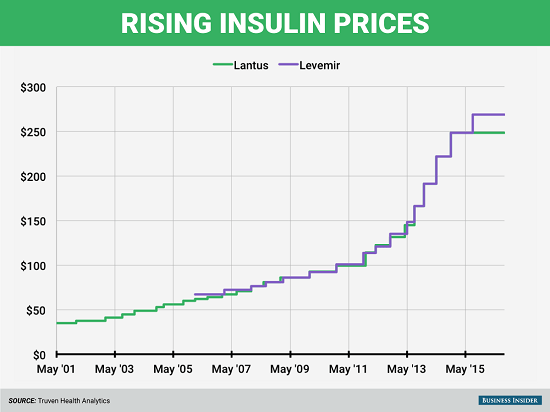
First Do No Harm

By Emmy Bee

Source: Dissident Voice

Let me preface what I am about to say by stating that I have the utmost esteem for mainstream medicine’s skill in emergency situations — the do or die surgeries, the dispensing of powerful life-saving drugs necessary in that setting are second to none; and its mastery of cosmetic surgery in cases of deformities and the advances made in prosthetics are nothing less than spectacular. These are what make mainstream medicine great.

I would also like to add that I am not an expert of any kind. I hold no degrees or certifications, and neither do I represent, belong to, or work for any party, organization or corporation. I speak for myself, a sixty-two year old woman, and from my experiences with, and extensive research of, a topic I find fascinating, intriguing and bothersome — mainstream medicine and how the belief in its infallibility harms us in so many ways.

The pompous certainty of mainstream medicine’s powerful proponents — be they multi-billion dollar pharmaceutical companies, medical associations, disease-specific charities, government agencies, Madison Avenue selling the diseases and the pills, TV or magazines, the news media parroting its cash cow’s every claim — combined have most people, hook, line and sinker, believing in the impeccable record of mainstream medicine. No questions asked.

Here, I would like to throw out some alarming statistics — ones that can be easily found in a variety of journals from Forbes to JAMA to CounterPunch, etc.

The estimated annual mortality rate for adverse drug reactions to “correctly” prescribed drugs is the 5th leading cause of death in the U.S.1 Over the counter (OTC) cold medications are among the top twenty substances causing death in children.2 Used according to direction, NSAIDs (Non-Steroidal Anti-inflammatory Drugs) are responsible for more than 20,000 deaths every year.3 There are over 400,000 deaths each year from drug and medical errors and tens of thousands more deaths from unnecessary procedures.4 Add those together and mainstream medicine is the third leading cause of death in the U.S.

So, why is it that most people trust, without question, the omnipotence of mainstream medicine in the same way religious zealots believe in their chosen religion or atheists in theirs? When well over 200,000 people die in the U.S. each year from prescription drug use alone — not abuse, but use; when we spend more, per capita than any other nation on earth and yet our health indices and life expectancy are near the bottom of all other developed nations5 why is there no sense of outrage (except for price gouging!) or, at the very least, a sense that something is not right, that something is terribly wrong?

Yet, as has happened many times, should a doctor, a scientist, a researcher or a curious layperson question conventional medical creed the herald is quickly battered down with jeers of derision, and swiftly “discredited” and shunned by the medical community. The media then parrots what they are told and soon everyone is asking, “How dare they question science? Haven’t they heard of collateral damage? Every war (and they are constantly reminding us of the war we are fighting against diseases) has collateral damage”. Yet when a few people die from dirty spinach, improper use of some herbal product, or a handful of people (some even vaccinated) catch the measles (and live to tell about it!) panic overruns the media.

Does anyone remember or know of the ad campaigns telling us that “nine out of ten doctors smoke Camel cigarettes” or that DDT pesticide spray is “good for you!”? We may laugh now but what about the more recent debacles such as HRT (hormone replacement therapy), Vioxx, swine flu vaccines and GMOs — all of which received the seal of approval from industry scientists, government agencies and all were pushed by Madison Ave. — just like the cigarettes given to my father for heart disease and the DDT sprayed on everything in sight, including children.

The number of TV commercials for drugs, medical clinics, hospitals, and doctor-related reality TV shows is mind blowing. It is a constant barrage of “a pill for every ill” and “don’t forget to ask your doctor about it”, while people with vapid eyes move in slow motion through white rooms or a meadow filmed through gauze, while a voice, soft and soothing, tells you of the pill’s benefits and then the same voice, just as soft but at breakneck speed, spews a partial list of possible side effects and a series of unwanted symptoms, some of which sound, and are (such as death) worse than the “disease” itself.

And interspersed between the ad for an over-the-counter (OTC) medication that had not long ago been given “by prescription only” and another ad for the new six story billion dollar specialty clinic are yet more commercials inviting us to join in what has become a celebration of you fill in the blank disease. There’s a “walk” or a “run”, even a paddle! for this disease and a different colored “ribbon” for that disease. It is almost as if having a disease has become the new “in” thing — fashionable, admirable, heroic even.  Are we being groomed to embrace our diseases, while at the same time being told to give, give, give to find a “cure”? According to Dr. Robert Sharpe, author of The Cruel Deception, a book about animal testing in medical research,” . . . in our culture treating disease is enormously profitable, preventing it is not.”

We have been told we are living longer but the sad fact is that the trend has reversed and now for the first time in decades life expectancy has dropped in the U.S.6 Even more alarming is that, along with adults, the number of children with chronic diseases has risen sharply. Think about it. How many of us make it past seventy (hell, even sixty!) without some major medical catastrophe (or two) requiring surgery and/or special apparatuses to help us do what used to come naturally and/or prescribed no less than three or four drugs? And how many “new” (iatrogenic) diseases do we then acquire from taking those drugs or undergoing those procedures that require even more drugs and/or more procedures?

And just what is conventional medicine’s track record for curing disease — any disease — not palliation or suppression or masking (all of which suppress and weaken the immune system) — but curing?  Forty years ago I knew one woman with breast cancer while today I know dozens, all of who underwent tortuous procedures, surgeries and drugging, and yes, some of them died. And why is it that when people die after making use of conventional medicine — surgery, chemotherapy, drugs, etc. — there are no cries of foul against their choice of healthcare? Instead they are hailed as heroes who fought a courageous battle, but when someone dies after trying an alternative medicine the cries against their choice are nothing less than vitriolic, as if no one ever dies using mainstream medicine, when in actuality many thousands die each year from mishaps alone, never mind the many hundreds of thousands who die from the diseases that have remained rampant — heart disease, cancer and diabetes, etc.7

Despite unprecedented technical and scientific advances, mainstream medicine’s only answer to disease is to destroy—with toxic substances, ingested or injected, with life-threatening procedures and with the removal of diseased (and often times healthy) body parts.  Kill germs, fight cancer, destroy cells, kick (name a disease)’s ass, crush, terminate, rub out, blast; never build up, heal, cure. Are we, as a society, even capable of imagining alternatives to mainstream medicine? I once told an MD I knew that a friend’s kidney stone passed with relative ease after drinking a herbal tea prescribed by an Acupuncturist. “If there was something out there that can do that,” he told me, “we would know about it”.  Not with that attitude!

When contemplating all that led up to the economic debacle of 2008, I would venture to guess that most people would be leery now (if they weren’t already!) of any advise given by the banking industry and Wall Street concerning, let’s say, home loans. And the same wariness would prevail when listening to the oil or coal industries’ take on environmental issues, or the weapons makers’ spin on whether to go to war or sell arms, or the pesticide- producing conglomerates on the safety of their products. The conflict of interest in each case should be obvious because when one considers that the very ones who profit by limiting the field of allowable research, who selectively choose among research papers to discredit alternative theories or boost their own are the very ones who control the message, it becomes obvious that we are seeing conflict of interest on a massive scale.

And, what of the research done by pharmaceutical companies that tell us a certain drug, or procedure, or vaccine is safe and effective? Does it make you comfortable to know that President Obama’s pick for FDA (Food and Drug Administration) Commissioner, Robert Califf, had received research funds from twenty-five drug companies while director of Duke University clinical research department where a major research fraud scandal had erupted under his watch8 or that Julie Gerderding, former head of the CDC (Center for Disease Control) concealed and then destroyed evidence of a link between the MMR vaccine and autism in African-American boys9, and yet congress refuses to subpoena her and the whistleblower from the CDC and the media never mentions it, and that this same Julie Gerderding left the CDC to become the president of Merck’s vaccine division and then executive VP of Merck, the sole manufacturer of the MMR vaccine? These examples are just two of many that are not only about a colossal conflict of interest but also about a dangerous threat to true scientific discovery affecting millions of lives.

So, why is it that pharmaceutical companies (which, by the way, have more lobbyists than there are members of congress and the senate combined) and which have a woeful track record when it comes to conflict of interest in medical research, drug research and alternative medicine viability research, are given a pass, a green light, a pat on the back of confidence and, besides, are vehemently defended and vociferously cheered on? What marketing magic do they spin that makes people overlook their complicity in fraudulent research, their over-the-top demonizing of opposing viewpoints, and above all their abhorrent safety record?

Why can’t we question the effectiveness, the safety or the necessity of some vaccines without being rudely shouted down?  I wonder if those who shout the, “Shut up! They are safe!” mantra have ever taken the time to study the long history of infectious disease and the history of vaccine use? Do they know there are no long-term studies on the effects of vaccines, or that vaccinated people are not necessarily protected from the diseases they are vaccinated against, or that the pharmaceutical companies and the government agencies refuse to do a vaccinated vs. unvaccinated population study as to their overall health indices, that vaccines, unlike other drugs are not tested against a placebo but against another vaccine, or that childhood infectious diseases had been on a downward trend for many years (measles deaths had declined by almost 100 percent!) well before vaccines were introduced as had many of the other infectious diseases — running their course, improving as our sanitary conditions and treatment of the illness improved?  So, why not let them continue to decline until they naturally disappear? Why introduce crude disease substances and a mixture of lethal chemicals (of which no one knows or bothers to test their long-term effects) into our bodies in an attempt to eradicate diseases that seemed to be doing a fine job of doing just that naturally?

Could there be a connection between the plethora of “new” or increasing diseases and the crude drugs (including vaccines) we have been putting into our bodies for decades now? If we stop to think about it does it make sense to inject ourselves with hazardous material we know nothing about to prevent diseases like the measles, mumps and the flu and others that are now so simple to treat?

But we are told, ad nauseam, to, “Shut up and just get your shots! All your questions have already been answered!”  However, when you look behind the scenes of medical research and find the pharmaceutical companies paying the bills, writing the reports and working closely with government agencies, research colleges, medical journals and the media to get their message out, it should raise a red flag.

What is the great harm brought about by this absolutism of the proponents of mainstream medicine? There are many but two are outstanding. One is that freedom of choice in one’s healthcare decisions can and will be taken away — it has begun already and is picking up momentum. I do not use conventional medicine except in some emergency situations, but that doesn’t mean I wouldn’t fight for the right of others to choose to use it exclusively if they believe it to be their best or only option. Being comfortable with one’s healthcare choice is, I firmly believe, of utmost importance. Yet if it were up to many people I should not be allowed to choose the kind of healthcare I want for my family and me.

And secondly, that same vitriolic certainty and insular thinking is truly harmful to the very essence of scientific inquiry. Great discoveries could be ignored simply because of a refusal to look beyond what we are told is scientifically acceptable today, the realm of inquiry having been limited by the greed of those in power and their manipulation of the masses by way of the fear factor.

  1. To Err is Human: Building a Safer Healthcare System: Institute of Medicine, Committee on Quality of Health Care in America, 2000.
  2. 2009 annual report of the American Association of Poison Control Centers’ National Poison Data System (27th report).
  3. Healing the NSAID Nation, E. Goldman, 2012.
  4. Leah Binder, Stunning News on Preventable Deaths in Hospitals, September 23, 2013; see also: Gary Null, PhD; Carolyn Dean MD, ND; Martin Feldman, MD; Debora Rasio, MD; and Dorothy Smith, PhD. Death by Medicine, Integral Options Cafe, January 12, 2010.
  5. Numbeo. Health Care Index for Country 2016.
  6. Public Health, Life Expectany in the U.S. drops for First Time in Decades, Report Finds, Health News from NPR, December 8, 2016.
  7. The Marshall Protocol Knowledge Base, Autoimmunity Research Foundation.
  8. Martha Rosenberg, Obama’s Latest FDA Nominee: No Hidden Big Pharma Links, They are all in Plain Sight, Counterpunch, November 19, 2015.
  9. Sharyl Attkisson, CDC Scientist:  “We scheduled Meeting to Destroy Vaccine Autism Study Documents“, March 23, 2016.