Saturday Matinee: Prescription Thugs

By Zach Hollwedel

Source: Under the Radar

In 2008, Chris Bell’s Bigger, Stronger, Faster* plunged into the (un)surprisingly rampant reality of athletic doping. Never a fly-on-the-wall documentarian, Bell organically infuses himself into his films, rendering them particularly potent. In the case of his fascinating 2008 exposé, Bell turned his lens on American bodybuilders’ use of steroids, with a particular focus on his own brother, Mike. Mike “Mad Dog” Bell was an aspiring WWE wrestler who, while struggling to achieve the stardom he so fully desired, took to using performance and muscle enhancers.

Now, seven years later, Chris Bell returns with a natural follow-up. Prescription Thugs examines the fallout of another substance abuse problem all too common in, though far from exclusive to professional sports. Perpetually banged and bruised in the ring, Mike Bell took to prescription drugs as a means of curing—or at least numbing—his ailing body. He was by no means alone. Chris Bell and his co-directors, Josh Alexander and Greg Young, interview a number of athletes whose dependency upon over the counter medications got the better of them.

Immensely relatable and genuine as the face of the film, Bell sheds tremendous light on America’s dependence on prescription medication, an addiction which he indicates was largely born in the Reagan years. Given his brother’s history—and, it turns out, his own—Bell approaches the problem from an extremely personal angle, and the honesty pays off in spades. We feel for Bell and his friends and family, as they break down—or defend—their perilous reliance upon pill popping. One of the most extreme cases is Matt “Horshu” Wiese, who at the acme of his addiction, was taking upwards of 90 pills a day. Horshu admits that part of his regimen included two Viagra each morning, “just in case.” Through interviews with his burly subjects—and also with homemakers and students, who inadvertently and unintentionally got hooked—Bell reveals how easily one pill can lead to two, can lead to ten or more. The genesis of the addiction often comes in the form of the “just ask your doctor” Rx ads that inundate television these days. Big pharma colludes to sell medication for virtually any and every imaginable symptom (some of which they basically fabricate), and when side effects present previously unfelt problems, they develop a secondary drug for those. So on and so forth, until consumers are hooked to a habit Bell reveals to be little different from a legalized form of heroin in some cases.

With Prescription Thugs, Bell again proves a consistent, affable filmmaker well versed in investigative filmmaking with a penchant for the personal.

www.prescriptionthugs.com

Watch Prescription Thugs on Kanopy here: https://www.kanopy.com/en/product/582224

Questioning Covid19: Why I Will Never Trust the Medical Establishment about Respiratory Disease. A Case History

By  Anita McKone

If you are interested in finding out the truth about the Covid19 scare, you can look for information in many areas. Understanding the corporate (profit-driven) and petrochemical-based history of the medical establishment helps. Being aware of the lack of scientific empirical and laboratory evidence for microbes, and microscopic particles such as viruses, causing disease helps. Being aware of other proven or highly probable causes of respiratory disease helps. It also helps to understand the emotionally discomforting truth that terrified people who claim to be both authorities and sane will knowingly or unknowingly lie to you in order to try to get you (and their own terror) under control.

In my case, whenever I am confused or unsure about the details of information I receive from the variety of sources I investigate, I am ‘lucky’ to have a fallback position that is unequivocally clear and trustworthy. This knowledge is based on my own experience of suffering acute and chronic respiratory disease, and the outcomes I experienced while spending the first 25 years of my life following the advice of the medical establishment, and the second 25 years of my life totally rejecting ‘assistance’ from the medical establishment and following a variety of natural healing/health maintenance modalities instead. Without having to understand or argue the merits of any particular detail of the science of corporate medicine or natural biological health and healing, I have seen their results.

In brief: I suffered for the first 25 years of my life from chronic respiratory disease, including being hospitalised twice with pneumonia. My chronic bronchitis was first diagnosed as caused by bacterial infection, and later diagnosed as caused by a virus. When I stopped taking the advice of the medical establishment and my parents, who told me that I would die if I did not take antibiotics and that I could never be genuinely well, and switched to a variety of natural healing modalities, my life transformed radically. These modalities included listening to my physical feelings and emotions, changing my diet, understanding my breathing process, and bodywork to release muscle tension.

26 years later, at the age of 51, I use no pharmaceutical drugs or vaccines and experience the health and fitness that was denied me as a child and young person. I have not had bronchitis for 5 years, and have had only two mild colds in the past 3 years (despite the reported increase in the numbers of people suffering ‘seasonal influenza’ and the increasing severity of their symptoms). Other health problems I had when I was younger, including heart dysfunction related to bronchitis, have also been resolved. My experience has taught me that fear of my illness was the most important element keeping me sick, and that the medical establishment had no capacity to accurately diagnose the causes of my illness, nor treat it effectively.

I cannot say what precise factors have led to the development of acute respiratory disease in each individual who is currently suffering or dying from it. However, my experience leads me to believe that it is likely to be a combination of factors, including fear and emotional suppression from living in unsafe social circumstances, toxicity from airborne pollutants and poisonous substances that have been ingested or injected into the body, and lack of complex nutritional elements that allow the body to function optimally and recover from emotional stress and toxic damage.

I therefore make the following suggestions for you to consider if you are experiencing symptoms of respiratory disease in the current social climate of crisis, panic and control.

If you have a choice:

1) Do not get tested for Covid19 – being categorised as having Covid19 will increase both your fear and the fear of others and may limit your options for taking safe and sensible action to support your healing.

2) Do not allow yourself to be hospitalised – you will be isolated from anyone who personally cares about you, in the presence of scared (if well-meaning) hospital staff, and removed from the possibility of any treatment other than toxic drugs and invasive procedures, which will add to your level of stress and fear, and decrease the likelihood of your survival.

3) Understand that your state of health is not dependant on whether or not you are ‘infected with a virus’. Even if pathogenic viruses existed (and there are a number of critiques showing the logical faults and lack of proper scientific process in virology theory and experiments respectively: see, for example, What Really Makes You Ill? Why everything you thought you knew about disease is wrong. But you can read more in ‘Dismantling the Virus Theory – The “measles virus” as an example’ and watch the video interview ‘The Real Science of Germs: Do Viruses Cause Disease?’ ), my experience shows that it is other elements that determine health. You are therefore not responsible for the health of anyone else – you are not a dangerous plague carrier who should feel guilty for harming others if you do not accept the label ‘infected with Covid19’.

4) Consider the four basic principles of health and healing at the end of this article.

A case history of my acute and chronic respiratory disease and healing

I was born in 1969 in New South Wales, Australia, and grew up in Canberra in the Australian Capital Territory. I was injected with a number of vaccines containing toxic substances as a baby, which may have been a contributing factor in my developing pneumonia at the age of 18 months. I was hospitalised at this time, and again at the age of three years. I was treated with antibiotics in hospital and put in an oxygen tent to help me breathe. I was told by my mother that when I was in the oxygen tent when I was a baby, she climbed in with me against the wishes of the nurses. Far from reassuring me, this would have increased my level of fear, as my mother is an extremely anxious and explosively violent person, and she was only holding me to try to relieve herself of her anxiety, not because she was in a state to calmly relieve mine. My fear of being killed by my mother when she violently exploded and the fear generated by her general state of anxiety (caused by her own extremely violent and emotionally deprived upbringing) was a major factor in the disturbances to my breathing and lung function throughout my younger years.

My memory of the hospital when I was three is traumatic – I remember feeling extremely isolated. Visiting hours were limited and strictly upheld, which meant that my father, who I did find reassuring, could not spend significant time with me. Also (bizarre but true) my teddy bear was stolen by another family with a sick child and as any parent knows, familiar soft toys do provide significant reassurance to children, even if artificially so. I survived both hospitalisations, and was told that I would have died without the antibiotics. The doctors and my parents believed that there was no other way of helping me through these crises – it was ‘hospital and drugs’ or ‘nothing’.

As a result of the pneumonia, one small area in my left lung was permanently damaged (at least, it has not healed up to this point) although I did not discover the damage until I was 26 when a naturopath/homeopath asked me if there was any difference in how my left and right lungs felt. This was the first time anyone had asked me to focus on my lungs in detail in order to learn something about them, and I discovered that my left lung was permanently painful, particularly when I coughed for any reason, while my right lung was not.

As a result of the natural healing I have undertaken since, this pain has reduced to one patch about 2 centimetres in diameter. I have heard the medical establishment’s opinion in recent years that lungs don’t have nerves and therefore it is not possible to feel pain in them. This directly contradicts my actual experience of being able to feel a variety of feelings (e.g. tickling caused by breathing something in accidentally, pressure in my right lung when I cough, pain in my left lung when I cough, and the tightening of my airways when asthmatic). When ‘medical science’ contradicts my experience of reality, obviously I question the validity of the theory, not my experience.

I suffered an extreme asthma attack when I was four, when I couldn’t breathe at all for a short amount of time, but after this I had frequent non-acute asthmatic reactions only, mainly when I tried to exercise or when I had bronchitis, which I suffered 3 or 4 times per year up until I was 19. At that time, I left home and the incidence dropped to twice a year. My bouts of bronchitis would last for about 14 days each time and I would not go to school/university for about 10 days because I felt too sick in my body to do so. Among other symptoms, my throat and lungs would become ‘cold’, tense and aggravated, causing me to swallow repeatedly for about 24 hours (with virtually no sleep), before developing an extremely painful, hacking cough and coughing up heaps of green phlegm. The bronchitis was less extreme than my original pneumonia, but ongoingly debilitating, as if my body had worked out a way of managing my symptoms that didn’t risk killing me but instead put me into a ‘holding pattern’ that was endlessly repeated.

I breathed in a powdered drug when I was ill with bronchitis as a child, and then switched at some point to using Ventolin, until the age of 14 when I accidentally overdosed myself, suffering extreme fear and visual distortion brought on by the drug’s artificial stimulation of adrenalin. I was very angry that I had never been warned of the danger and I refused to use Ventolin after this time.

I also took Brondicon, a cough syrup full of alcohol and sugar. I was given antibiotics every time I was sick and I have a lot of memories of waiting in doctors’ surgeries reading children’s books while waiting for my 10 minute appointment (which generally ran along the lines of ‘I’ve got bronchitis again’… ‘Right, here’s a prescription for antibiotics’.) When I was sick I also went to a physiotherapist who would thump my back and encourage me to cough, even when the phlegm was not in a sufficiently fluid state to be coughed up. The theory behind this treatment was that I was clearing my lungs of ‘harmful bacteria’. I later discovered that this deliberate coughing increased the damage and irritability in my left lung and made it more susceptible to aggravation and illness.

Influenced by my parents’ and the doctors’ fears and their incapacity to listen to how I felt and what I needed, I never expected to be well and being sick became a key part of my identity. I lived in dread of my next bout of illness. Since I had never experienced being well, my general state of ill health was utterly normal to me, and I had no idea just how sick I was. I later discovered that my entire oxygenation system, including my heart, was not functioning properly. I therefore found any aerobic exercise both painful and extremely uncomfortable in my body due to the effort of exerting myself without adequate oxygen reaching my cells. Climbing a steep hill, for example, was very difficult for me.

My posture was off kilter because of constant muscle tension caused by the pain in my lung, and this tension and imbalance eventually led to me suffering cartilage, tendon and ligament injuries. Additional illnesses I suffered that were undetected by doctors were low blood sugar (diet related), chronic constipation (caused by diet and by stress) and extreme cramping and blood loss during menstruation (caused by lack of magnesium).

One factor that I believe was important in remaining sick with respiratory disease was the toxic nature of the cleaning fluids used in my childhood home, particularly furniture polish that was sprayed every week as part of the housecleaning routine.

Most important though, was the constant emotional and physical tension I experienced as a result of living with my anxious and violent mother. Her emotional state and behaviour continually triggered me into fear and anger, but I was not allowed to consciously feel or express these things. These feelings became wrapped up, in complex and contradictory ways, with my experience of being physically ill.

The most obvious connection between my emotional state and the state of my lungs is that when I feel afraid that I am going to be attacked, unreasonably controlled or prevented from telling the truth about how I feel and what I need, I have an immediate, strong asthmatic reaction.

The last time I took antibiotics for bronchitis was when I was about 22 and living in Melbourne. The next time I had bronchitis I visited a different doctor than usual and I was told that my symptoms were caused by a virus (‘influenza’) not a bacterial infection, so antibiotics were not appropriate. I imagine this doctor was moving with the tendency to claim that all sorts of previously ‘non-viral’ diseases were now caused by viruses, as the medical establishment began its push towards inventing and selling greater and greater numbers of vaccines. (Vaccines are, obviously, more profitable for corporations than antibiotics because they are recommended for or forced upon everyone as a preventative measure, rather than being used by only those who are showing symptoms of disease.)

I was annoyed that I couldn’t have my ‘reassuring’ antibiotics, and that I was being told that the same symptoms I had been experiencing my whole life were some other disease (‘flu’, not ‘bronchitis’). I don’t know if I was told I should have a flu vaccine, or whether they were available in the early 1990s, but I certainly had no faith in the ‘new’ diagnosis. I had never been treated as if my bronchitis was infectious, as influenza is supposed to be, and I have no memory of my mother, father, sister or (later) boyfriend being ill with respiratory symptoms at the same time as I was when I lived with them.

Ironically, however, this shift in medical establishment diagnostic fashion led to a good outcome for me: the fear that I had had all my life that I would ‘die’ without antibiotics was proven untrue. Without antibiotics, my bronchitis followed exactly the same pattern that it always had – no better, no worse. Although I didn’t think about it then, this proved that however many bacteria may have been in my lungs, breaking down the dead substances, they were not attacking my lungs and ‘causing’ my disease.

Having had my fill of doctor’s surgeries, I never again bothered to visit one when I was sick with respiratory disease.

So, I had stopped poisoning my system unnecessarily with antibiotics, and I was living at a physical distance from my mother, but at this stage I was not actively healing emotionally or physically from all the damage that had been done and I was still very unfit, got bronchitis twice a year and suffered occasionally from candida, as I had done since my late teens.

That changed when I got together with my husband, Robert, when I was 25. As part of his research, he was aware of critiques of the medical establishment, had changed his diet to improve some of his own health problems, and was using a number of natural health approaches. He also, most importantly, listened to me without fear when I expressed how I felt emotionally and physically, and supported me to follow my own feelings. In other words, he allowed me to exist, without interference and without trying to control me, because fundamentally he trusted me to be guided by my own internal communications towards a more whole state of being. He told me, in effect, that I existed, that I mattered and that he trusted me to be sensible, intelligent and capable of learning from my own experiences, including failures and successes.

I was quite stunned to find that Robert was not afraid of my illness. It seemed illogical to me at first simply because a fearful reaction to illness was the only thing I had ever known. The first time I was sick after we were together, he held me for four hours while I could barely breathe because my lungs were so badly clogged and asthmatic. This was a more extreme event than usual, similar to my original pneumonia, but it was a ‘healing crisis’ that marked the beginning of the change in my symptom patterns which has led to my current healthy state. Being held with love and reassured that I wasn’t going to die, I could allow my body to do what it wanted to rebalance itself. Robert’s trust in me allowed me to trust myself, and that trust made all the difference.

Over the next 26 years, my emotional and physical health improved dramatically as I allowed myself to become consciously aware of and physically feel all of my emotions (mostly fear, sadness and anger) related to my mother and other conflicts in my life, as well as feeling the physical pain and asthmatic reactions associated with the damage in my left lung. I stopped trying to make these emotional and physical reactions ‘go away’ and instead experienced them without fear until they went away of their own accord.

I also changed my diet to one of organic, vegetarian wholefood, with no salt, sugar, white flour, caffeine or alcohol. I stopped cooking food in oil or microwaving it. I had never been a recreational drug user, since smoking was impossible with my damaged lung, and my Ventolin experience put me off trying to artificially stimulate my mind and emotions with chemicals. The diet I chose was based on principles explained by Paavo Airola in his book Hypoglycemia: A Better Approach. I also take care not to use or inhale toxic substances wherever possible, including deodorants and perfumes, as well as cleaning fluids, paint fumes, incense, ‘passive’ cigarette smoke and wood smoke. (For those wishing to avoid lung cancer, I have noticed that my damaged lung reacts far more painfully and asthmatically to fragrances – perfume, deodorant, aftershave and incense – than to cigarette smoke.)

I have investigated and found useful many natural healing modalities, which have assisted with my emotional healing, my nutrition and my muscle tension.

These include:

‘Feelings First’ emotional feeling and integration, developed over 14 years by me and my husband Robert J. Burrowes. See ‘Fearless Psychology and Fearful Psychology: Principles and Practice’ and Feelings First.

Gerson Therapy, which involves drinking fresh vegetable juices (for vitamins, minerals, antioxidants and enzymes) and doing coffee enemas (to assist with liver detoxification), among other elements. I have undertaken a scaled-down version of the intensive therapy on a number of occasions and I still drink two juices per day whenever possible and do regular coffee enemas, which are also good for body awareness and ‘meditative’ time. See Healing the Gerson Way: Defeating Cancer and Other Chronic Diseases.

Buteyko breathing method, which explained to me the importance of nose breathing to protect the damaged part of my lung and to maintain the correct balance of CO2 and oxygen in my blood stream to allow effective oxygenation of my cells. It also explained the natural functions of asthmatic reaction in counteracting fear-based hyperventilation and in limiting exposure to toxic substances.

Naturopathy, for a variety of nutritional elements that I have not been able to account for sufficiently in my consumption of fresh food/juices (owing to my living circumstances and the generally decreasing mineral content of even organically grown food). Supplements I take include iron, magnesium and CoQ10 and I am careful to take varieties that my body easily absorbs. Taking CoQ10 fixed my heart dysfunction, iron helps with my energy levels, and magnesium fixed my menstruation cramps and over-bleeding.

Osteopathy, for regular muscle release and manipulations to adjust my spine and limbs.

Rolfing (also known as Structural Integration) to work on the loosening of muscle fascia to allow my muscles to relax and return to balanced positions in my body’s overall structure.

Feldenkrais method (also known as Functional Integration or Awareness Through Movement) to reintegrate the nervous elements of physical movements that have become uncoordinated as a result of injury and fear.

Myotherapy, including dry needling, to release extreme tension in certain muscles and tendons that had not responded to other forms of bodywork.

Deep Recovery massage balls, with the ‘track’ necessary to hold balls in place so that I can regularly do my own muscle/fascia release on any area of my body without having to continually pay for Myotherapy or Rolfing sessions.

Yoga for assistance in stretching, strengthening and coordinating muscles and realigning my spine.

Non-manipulative Chiropractic method for an understanding of subtle whole body communication.

Gym work, to strengthen and reintegrate muscle action around knee and shoulder injuries arising from distorted posture.

I have found all the natural health modalities I have tried to be genuinely complementary (in a way that the medical establishment’s regime is definitely not). That is, there is always something to be learned and integrated from every natural modality into a more complete understanding of the way I function and dysfunction. Obviously, not all practitioners are equally capable, and it is important to find practitioners whose work you trust.

While I recognise that people who are seriously impoverished will have limits on their access to good natural health care, I have done all of the above on an extremely limited budget, having lived below the Australian taxable limit since 1997. I have had no assistance from government Medicare (which does not cover natural healing modalities) or private health insurance.

You may notice that none of the modalities I have mentioned lend themselves to corporate profit. In particular, eating fresh organically grown food works against three corporate industries that are linked by their dependence on the parent industry of artificial chemistry, which developed out of the petrochemical industry. Industrial agriculture relies on artificial fertilizers, pesticides and herbicides; the processed food industry employs chemists to come up with endless varieties of false smells and tastes to cover the fact that processed food that has a long shelf life is tasteless and nutritionless; and the pharmaceutical industry uses artificial chemistry to create toxic drugs, following the age old superstition that by poisoning the body we can control and ‘fix’ it. Many of the products from these industries are easy for corporations to patent, monopolise and sell as long as they can convince people they ‘need’ them. So when the medical establishment screams that natural solutions are not proven to work, are a waste of money, and may be dangerous, one might consider that the threat the establishment is feeling is to its bank balance, rather than to anyone’s actual biological health.

The result of 26 years of taking responsibility for my own health (with the crucial support of people who love me) is that, at the age of 51, I am fit and healthy in a way I never was as a child and teenager or in my early twenties. My oxygenation and posture have dramatically improved and, although I still have some weaknesses in my joints, I am able to work vigorously for some hours at a time in a garden on a steep hillside. I am able to continue working when hungry, showing that my blood sugar levels are significantly improved. I have not had candida since my late 20’s. And, despite the one patch of lung damage which has not yet been resolved (which I protect in the ways mentioned above), I have not had bronchitis in the last 5 years, and indeed have only suffered two colds with mild respiratory and bodily symptoms that lasted 3 days each in the last three years.

Hence, even if I believed that a pathogenic virus labelled Covid19 was genuinely attacking people, I would not be concerned for my own health or theirs on its account. If the four principles of health and healing below are abided by, a physical individual is naturally strong and functional at any age, and does not need the artificial intervention of toxic medicines and vaccines to ‘survive’. The medical establishment’s approach is to ignore and deny all the things that a person needs, biologically and emotionally, and then try to suppress the symptoms of disease that result from this denial. At best, a toxic medicine will shock the body into behaving differently in the short term, while adding to the overall burden of toxicity and ill health of all the body’s systems over time. At worst, your body will not survive the toxic attack and you will be severely incapacitated or killed (as hundreds of thousands of people are by ‘proper’ use of pharmaceuticals each year: see, for example, ‘100,000 deaths per year in the U.S. caused by prescription drugs’ or ‘Table Of Iatrogenic Deaths In The United States’. For an extremely relevant and well researched exposé of the corrupt and toxic nature of the corporate medical industry, read AIDS Inc. by investigative reporter Jon Rappoport.)

If you are currently dependent on pharmaceuticals (for physical or psychological illnesses) you can consult an experienced natural health practitioner to work out how to safely come off the drugs and replace them with the nutrition and other naturally supportive healthcare you really need.

Of course, if at any time the natural healthcare that I need is denied me by forces beyond my control, it is likely that I will suffer further respiratory disease, because of the damage still existing in my lung. However, I will not blame any virus for my illness – the fault will lie with the fear of those humans who cannot see what is needed for genuine health and safety, and whose behaviour is therefore biologically self-destructive.

Four Principles of Health and Healing

Principle 1: Listen to yourself (how you feel emotionally and physically). Remember that you are a complex biological individual in a process of healing and existing, not a simple predictable robot, the same as all the other robots, whose behaviour can (or should) be controlled by a drug.

Principle 2: Give yourself what you need nutritionally to function properly. Keep working on it until you have found a range of things that work for you. Whatever you experiment with and choose (vegan, vegetarian, meat inclusive, supplement inclusive) trust organic/biodynamic, fresh, unrefined foods as the basis for your nutritional health.

Principle 3: Don’t poison yourself (with processed and adulterated ‘food products’ made in factories; with recreational or pharmaceutical drugs and vaccines; with cleaning and personal care products containing toxins; also, limit your exposure to electromagnetic radiation where possible, particularly if you are highly sensitive).

Principle 4: Investigate other healing modalities that encourage you to be aware of how you function physically, and as a whole, integrated organism. (Try anything that sounds reasonable to you, but be honest about whether or not you are experiencing the gains you hoped, and keep experimenting if necessary.)

Finally, although I am aware that as a physical entity I can never be invulnerable, I take responsibility for my own ultimate existence by trusting in myself, despite all attempts to make me afraid that I am undeserving or incapable of full, unified existence, or that existence is not my genuine, true state of being.


Biodata: Anita McKone researches truth and delusion, fearlessness and fear, sanity and insanity, self-awareness and self-destruction, and nonviolence and violence as these exist at the human and universal levels. Her articles can be read on her website.

Death: A Simple Idea with a Powerful Punch

By Edward Curtin

Source: Off-Guardian

Since death is one idea that has no history except as an idea and not a reality any of us have experienced, it is the most frightening idea there is and also quite simple. It is the ultimate unknown. It has always haunted human beings, whether consciously or unconsciously.

It lies at the root of war, violence, religion, art, love, and civilization. The good and the bad, the beautiful and the ugly, why we like to win and not lose, pass and not fail, “pass on” and not die. It is so funny and so sad. We would be lost without it, even when we feel lost when thinking about it. And it is fundamental for understanding the action and reaction to Covid-19.

Societies have always been people banded together in the face of death. And since people are not just physical beings but symbolic creatures who can think and imagine the past and the future, societies are necessarily mythic symbol systems whose job is not only to protect people physically, but symbolically as well.

Sometimes, however, the protection is a protection racket with racketeers holding people hostage to fabricated fears that keep them locked in a living-death.

Thus death, this most potent imaginative idea and reality that doesn’t exist except as a mystery about which anything we say is speculation, can be used for good and evil, depending on who controls society.

Death is the great fear, the human haunting that hangs by a thread over life like the sword of Damocles.

In 1944 in a newspaper column, George Orwell made an astute remark:

There is little doubt that the modern cult of power worship is bound up with the modern man’s feeling that life here and now is the only life there is. If death ends everything, it becomes much harder to believe that you can be in the right even if you are defeated…. I would say that the decay in the belief in personal immortality has been as important as the rise of machine civilization.

Beliefs, of course, like “personal immortality” and all others, such as the recent rise in the belief in atheism, which is as much a belief as belief in God, are, partially at least, relative to time and place, and develop out of social storytelling. The “hard facts” on which many feel their lives and security rest are themselves dependent upon the symbols which give them legitimacy.

Reality is indeed precarious with society suspended by a web of myths and symbols. It is through cultural and social symbol systems that society’s meaning is transmitted to individuals, and it is within the symbol systems that the control and release of action resides.

In today’s electronic mass media world, those who control the mass media that control the narrative flow – the storytelling – control the majority’s beliefs and actions.

Since society is held together by this myth system – the beliefs and values people live for and live by – that sustains it, societies have always had to offer symbolic “answers” to death. For without a meaningful symbolic for coming to terms with death, human action would be stymied and people would be reduced to what the psychiatrist Allan Wheelis termed “intense, preoccupying yearning.”

Today we can hear such yearning everywhere.

Shortly after Orwell made his prescient comment in The Tribune, nuclear weapons were developed and used by the United States to kill hundreds of thousands of innocent Japanese civilians. With those weapons and their use, the ages-old symbolic narrative of life and death was transformed in a flash.

“The significance of the possibility of nuclear death is that it radically affects the meaning of death, of immortality, of life itself,” wrote Hans Morgenthau.

The traditional symbolic sources that once served to allow humans to transcend death were fundamentally undercut, and the search for new modes of death transcendence was carried on beneath the portentous covering of the nuclear umbrella.

A qualitative transformation in the meaning of human existence was thus brought about as humans, who had the weapons, replaced the belief in God as the holder of the power over life and death, since nuclear war could result in the extinction of human life, leaving no one left to die.

This is our world today, and it is where the Covid-19 story takes place. A world not just of nuclear fear, but a host of other fears constantly inflamed by the mass media that hypnotize people through the conjuring of death-fear.

In his great work on group psychology, Freud showed us how it was not just mental contagion and the herd instinct that got people to join in group behavior. People could be induced to become little children and obey their leaders because they have “an extreme passion for authority.”

When leaders speak, the children hear the inner voices of their parents telling them to be careful, be very careful, the bogeyman is everywhere, so listen and obey. Freud, the Jewish atheist, and Dostoevsky, the Russian Orthodox Christian, were in agreement about people’s desire to give up their freedom to authority figures who would allegedly shelter them within their warm embrace.

The easiest way to do this is to convince people that death is stalking them, for the bogeyman is always death in one form or another.

It works to get people to support the terrifying sadism of wars against fabricated “others,” who are always portrayed as aliens who are out to kill the good people.

It works to get people to give up their freedoms out of fear of “terrorists,” who are said to slide and hide in the interstices of everyday life, ready to pounce and kill at any moment.

And it works to get people to obey orders to protect themselves from terrifying viruses that are lying in wait everywhere to strike them dead.

In his novel The Brothers Karamazov, Dostoevsky said that people want miracles, mystery, and authority, not freedom. His Grand Inquisitor, while a fictional creation, lives on in reality.

For the Grand Inquisitor represents those power elites across the world who wish to cower people into accepting their dicta on Covid-19 as truth without questioning its logic or rationale.

To question has become an act of insubordination deserving death by censorship or the defiling of one’s name via the term “conspiracy theorist,” a name used by the CIA to dismiss anyone questioning its murder of President Kennedy. Death comes in many forms, and the fear of it has always been used by the powerful to render the common people speechless and obedient.

How can any thinking person, anyone not totally crippled by fear, not question what is going on with the coronavirus disaster when reading what Peter Koenig, a thirty-year veteran economist of the World Bank and World Health Organization, writes in his article The Farce and Diabolical Agenda of a ‘Universal Lockdown’:

The pandemic was needed as a pretext to halt and collapse the world economy and the underlying social fabric.

There is no coincidence. There were a number of preparatory events, all pointing into the direction of a worldwide monumental historic disaster. It started at least 10 years ago – probably considerably earlier – with the infamous 2010 Rockefeller Report, which painted the first phase of a monstrous Plan, called the “Lock Step” scenario. Among the last preparatory moves for the “pandemic” was Event 201, held in NYC on 18 October 2019.

The event was sponsored by the Johns Hopkins Center for Public Health, the Bill and Melinda Gates Foundation (BMGF) and the World Economic Forum (WEF), the club of the rich and powerful that meets every January in Davos, Switzerland. Participating were a number of pharmaceuticals (vaccine interest groups), as well as the Centers for Disease Control and Prevention (CDC)’s of the US and – of China.

One of the objectives of Event 201 was a computer simulation of a corona virus pandemic. The simulated virus was called SARS-2-nCoV, or later 2019-nCoV. The simulation results were disastrous, killing 65 million people in 18 months and plunging the stock market by more than 30% — causing untold unemployment and bankruptcies. Precisely the scenario of which we are now living the beginning.

The Lock Step scenario foresees a number of ghastly and disturbing events or components of The Plan to be implemented by the so called Agenda ID2020, a Bill Gates creation, fully integrated into the UN’s Sustainable Development Goals (SDG) – target date for completion – 2030 (also called Agenda 2030, the hidden agenda unknown to most of the UN members), the same target date for completion of the Agenda ID02020.

I ask the question but I am afraid I know the answer: miracle, mystery, and authority usually defeat evidence and simple logic. Fear of death and free thought scare children. The Grand Inquisitor lives on:

But man seeks to bow before that only which is recognized by the greater majority, if not by all his fellow-men, as having a right to be worshipped; whose rights are so unquestionable that men agree unanimously to bow down to it.

Death: A simple idea with such a powerful punch.

‘Deaths of despair’ soaring among Gen Z & millennials: ‘It’s the economy, stupid’

By Helen Buyniski

Source: RT.com

Young Americans are killing themselves in record numbers, the victims of a confluence of economic and sociological factors that have singled them out – even above a nationwide surge in so-called “deaths of despair.”

Suicide rates among teens and young adults aged 15 to 24 – the older end of “Generation Z” – spiked in 2017, reaching their highest point since 2000, according to a study published Tuesday in the Journal of the American Medical Association (JAMA). They’ve risen 51 percent in the past 10 years, buoyed by rising rates of anxiety and depression along with social media and drug use, and the figures may be even higher, since some intentional overdoses are not counted as suicides.

Young men saw the steepest rise in deaths, according to the JAMA study, though women are catching up to them at an alarming pace. Teens and young adults report higher rates of anxiety and depression than previous generations, and multiple studies in recent years have shown that social media use exacerbates both conditions, creating a self-perpetuating feedback loop that can have tragic consequences.

But Generation Z is simply following in the footsteps of its predecessors. The much-maligned millennial generation, defined by the Census Bureau as those born between 1982 and 2000 (meaning some are included in the JAMA study), are also killing themselves in record numbers. Drug-related deaths among ages 18 to 34 have increased 108 percent since 2007, while alcohol-related deaths are up 69 percent and suicides are up 35 percent, according to a report published last week by Trust for America’s Health. While millennials have long been written off as entitled, spoiled snowflakes, the media and society are belatedly realizing that they aren’t just layabouts unmotivated to exit their parents’ basement – this “despair” has a cause, and it’s primarily economic.

The rise of millennial and Gen Z “deaths of despair” can be traced to the yawning gap between reality and expectations. Raised on the myths of the American Dream, these are the first Americans to experience a markedly lower standard of living than their parents, the Baby Boomers who grew prosperous on the fruits of the postwar economic boom. The national debt has ballooned, driven by two decades of an unwinnable war whose cost is poised to top $6 trillion, and the Pentagon’s budget has swollen to an unprecedented size even as cuts to social services have decimated what little social safety net Americans could once count on. Multiple rounds of tax cuts for the wealthy and corporations destroyed the government’s revenue base, and perhaps unsurprisingly, economic inequality has grown to exceed even the rates seen during the Great Depression.

And even these concerns are beside the point for a generation that left college already shackled with student loan debt that can run into the hundreds of thousands of dollars and cannot be canceled even by declaring bankruptcy. Millennials who graduated in the aftermath of the 2008 crash entered the “real world” to find no jobs waiting for them. Lucky if they could find an unpaid internship or a waitressing gig, they were forced to retreat back into their parents’ basements, a crushing blow for anyone but particularly for a generation told since birth that they were special, that they could do anything they wanted, that the world was their oyster.

The US, perhaps uniquely in the developed world, views poverty as a sin, and many millennials suffer in silence, believing they are the only ones in their peer group to “flunk out” of the “real world.” Instead of finding support from friends and family, they take advantage of the ready availability of alcohol and opioids, a factor that has caused the number of “deaths of despair” to skyrocket. Some economically-depressed states, like West Virginia, have seen drug overdoses increase more than fivefold in the last 12 years, according to a report published earlier this month by the Commonwealth Fund, and many more have seen their number double and triple. That pharmaceutical companies flooded the market with opioids at the same time the rise of social media devastated the quality and complexity of human relationships is a particularly deadly coincidence.

Since 1996, the average net worth of “consumers” under 35 has declined 35 percent, according to management consultancy Deloitte. Advertisers are starting to realize that targeting this group, while it may seem like a savvy marketing decision – they constitute a quarter of the US population, after all – doesn’t make sense, since they can’t afford to buy anything. Student debt is up 160 percent since 2004 for the under-30 population, and the home-ownership rate for millennials is only 37 percent – fully eight percentage points lower than their parents. Fully 89 percent would like to own a home, according to a survey conducted last year, but nearly half have zero dollars in savings – let alone the 20 percent most mortgages require for a down payment.

Young people aren’t the only ones afflicted by the “deaths of despair” phenomenon. Life expectancy nationwide is down for the third year in a row, and a report from Trust for America’s Health published last year projects that this “epidemic” – which they define as drug and alcohol deaths plus suicide – is on track to kill more than 1.6 million people by 2025 if it continues to grow at its current rate. As the Baby Boomers start to retire only to find they cannot live on their meager savings – assuming they still have any – they, too, are killing themselves more often, with suicide rates up 40 percent from 2007 to 2015.

This is not only a young people’s problem, nor is it an easy one to solve, but acknowledging the systemic poverty afflicting the “richest country in the world” – where two-thirds of the population doesn’t have enough saved to cover a $500 crisis – is a good place to start.

Big Pharma and the Rise of Gangster Capitalism

By Charles Hugh Smith

Source: Of Two Minds

$8 per vial in competing developed-world nations and $38,892 in the U.S. That says it all.

Thanks to decades of gangster films, we all know how gangster capitalism works: the cost of “protection” goes up whenever the gangster wants to increase revenues, any competition is snuffed out, and “customer demand” is jacked up by any means available– addiction, for example.

This perfectly describes the pharmaceutical industry and every other cartel in America. You might have read about the price increase in Acthar gel, a medication to treat Infantile Spasms. (via J.F., M.D., who alerted me to the repricing of this medication from $40 in 2001 to the current price of $38,892.)

The compound first received approval in 1950, and various branded versions have been approved in recent years. Let’s be clear: this medication did not require billions of dollars in research and development, or decades of testing to obtain FDA approval; it’s been approved for use for the past 68 years.

Yes, you read that correctly: a medication that’s been in use for 68 years went from $40 a dose in 2001 to $38,892 today. Don’t you love the pricing? Not a round 38 grand, but $38,892. You gotta love these gangsters!

There’s another related term to describe this form of capitalism: racketeering.That’s what mobsters do–operate rackets.

The Big Pharma racket enriches a number of gangs practicing gangster capitalism: the drug companies themselves, of course, but some doctors are profiting from the racket, and so are pharmaceutical lobbyists:

Study highlights role of doctor conflicts of interest in Medicare spending on Mallinckrodt drug Acthar Study published in JAMA indicates nearly 90 percent of doctors prescribing HP Acthar Gel took payments from drug’s manufacturer.

Here are the money quotes:

In 2014 Mallinckrodt raised the price of Acthar further to $34,000. The Federal Trade Commission and attorneys general from five states sued Mallinckrodt for anti-competitive behavior with regard to the acquisition of Synacthen Depot and the monopolistic pricing of Acthar, and in January 2017 the company settled, agreeing to pay $100 million and to license Synacthen Depot to a competitor. According to Kaiser Health News, Mallinckrodt responded by increasing its Congressional lobbying to $610,000, and its contributions to Congress members to $44,000, in the first quarter of 2017.

As an off-patent pharmaceutical, a similar drug, differing in formulation, available in Europe, made by a different manufacturer, sells for $8 per vial.

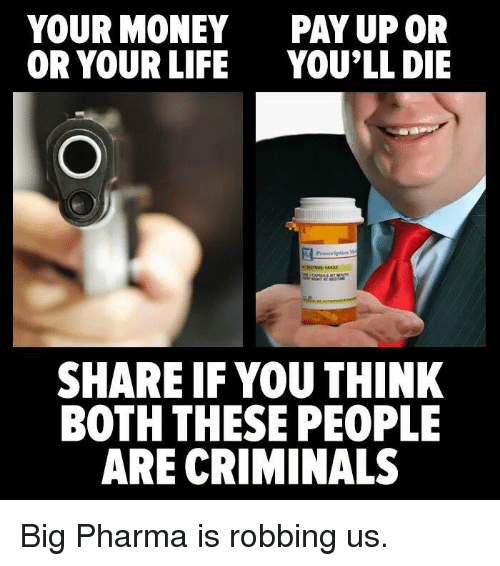
So a medication to treat infants costs $8 per vial in Europe and $38,892 in the U.S. Don’t you just love gangster capitalism to death? Because death and suffering is the gangsters’ ultimate threat: pay up or die.

Here’s another example of Big Pharma gangster capitalism at work: Insulin Drug Price Inflation: Racketeering or Perverse Competition?

Don’t you wish you had a racket where you could raise prices by 10% a year like clockwork, or triple the price of your “product” every decade?

Pfizer just raised prices on 100 medications:

The increases are effective as of July 1. In most cases, the increases are just over 9%, which is in line with the annual 10% price hikes adopted by most drug companies. Putting that number in context, core inflation printed at 2% last week.

Here’s a chart of the net result of gangster capitalism:

Gangster capitalism is the new model of “growth” in America, the model used by every cartel from higher education to Pentagon contractors. Eliminate actual competition, raise prices in lockstep with other cartel members, lobby the government to pay your extortionist prices, and threaten any resisters with severe consequences.

Try resisting your local government’s property tax increases to cover insiders’ pensions and healthcare benefits: it’s always “for the children,” of course, and if you don’t pay up, we’ll just auction off your house.

There’s no difference between that and being told you’re gonna be wearing concrete overshoes if you don’t comply.

The U.S. economy is nothing more than an exploitive jumble of rackets, insider plundering and gangster capitalism. $8 per vial competing developed-world nations and $38,892 in the U.S. That says it all.

US Technological Transformations and the Narcotic-Fueled Genocide of American Workers

By James Petras

Source: The Unz Review

Introduction

During his recent visit to New Hampshire on 3/20/18, President Trump declared once again that the US is facing a ‘drug epidemic’. This time he advocated the death penalty for criminal drug dealers as the solution to a national crisis that has killed over 1 million Americans since the 1990’s (when the blockbuster prescription opiate Oxycontin was first released on the market). Trump promised that the Justice Department would develop the most severe penalties for criminal drug traffickers, by which he meant foreigners. He argued that his proposed “Wall” (between the Mexican- US border) would cut the flow of drugs responsible for the ongoing addiction of millions of US citizens – as though the prescription opiate addiction epidemic resulted from a foreign invasion, and not corporate decisions from Big Pharma.

President Trump’s claim that 116 ‘drug deaths’ occur every day (42,000 a year) is a major underestimate. In 2017, alone over 64,000 drug overdose deaths were reported in official statistics (with many unreported cases signed off as natural or undetermined, especially in counties too poor to afford autopsies and expensive forensic toxicology). Another 4 million Americans, at least, are currently addicted to opioids and at risk for overdose.

In comparative terms, more American workers have been killed or devastated by narcotics (mostly via prescription) in 2017 alone, than in the entire decade of the Vietnam War with its 58,000 dead and 500,000 wounded. In 2017, 40,000 Americans died in motor vehicle accidents and another 39,000 by gun violence – and these statistics are not broken down to include vehicular accidents due to drug intoxication or gun violence over drugs. Prescription or illegal opiates, alone or mixed with other sedative drugs, like Valium, or alcohol, are the most prominent and preventable cause of premature death in the United States today.

This pattern is unique to the United States, where the irresponsible medical prescription of highly addicting narcotics has been the primary portal of entry into the degrading life of addiction for millions. Despite President Trump’s claims, the addiction crisis is not a product of urban Afro-American street dealers or Mexican narco-traffickers: This uniquely American crisis has been created and fueled by billionaire-owned US pharmaceutical corporations, which produced, distributed and wildly profited from legal narcotics. They were aided by the irresponsible prescription practice of tens of thousands of doctors and other ‘providers’ who introduced millions of vulnerable patients to the world of narcotic dependency – including youngsters with sports injuries and workers with job-related pain. These are physicians and medical providers who rarely stopped to examine their own responsibility, even when their otherwise healthy patients overdosed or were destroyed by addiction. It is especially outrageous that doctors and ‘Big Pharma’ worked hand in hand for over 20 years to create this epidemic, enjoying wild profits and almost total legal immunity. Few have dared to openly question their irresponsibility and greed. In the poorest and most vulnerable areas of this country, the most irresponsible and unaccountable incompetence has replaced real medical care and created a health care apartheid.

The Federal Drug Enforcement Agency (FDA) and the Drug Enforcement Agency (DEA) have protected the corporate drug traffickers and ensured the manicured and cultured narco-bosses the highest rates of return on their products. These polished pushers have their names engraved on the walls of museums and opera houses around the country.

The majority of Presidential, Federal, State and municipal candidates from both major parties have received millions of dollars in electoral campaign funds from these huge legal narcotic manufacturers and distributors, as well as from physicians and other representative of the ‘pain-treatment industry’. Over the past decades, politicians have openly or secretly opposed or weakened legislation designed to address this crisis.

Why not just ask President Trump to direct his Justice Department to impose the death penalty on the board of directors of the big corporate narcotic manufacturers or distributors or on the CEOs of major ‘pain clinics’ or on the owners of local rural ‘health centers’ that drove the villagers of West Virginia into their life-destroying downward spirals?

When will the DEA finally storm the medical centers to arrest the over-prescribing ‘providers’ of narcotics and benzodiazepine tranquilizers (a very common deadly combination)?

When will the SWAT teams seize the vacation homes of the CEOs of major US hospitals where the convenient and fake ideology of promising a ‘pain-free’ experience (‘make it Zero on the Pain Scale’) led to the generalized promotion of highly addicting narcotics for minor injuries, arthritic pain, or chronic back discomfort due to work or obesity? Responsible alternatives existed and were used in the rest of the world – largely untouched by this prescription-fueled crisis.

No doubt what President Trump has in mind is something else: the expulsion of Latin American workers under the pretext of going after the drug dealers and the even more massive incarceration of petty street dealers in the African American community.

Trump will then turn to further monitoring and arresting small-scale American marijuana farmers, who earn a basic income from growing a product that many believe is safe, non-addicting, and significantly reduces demand for dangerous narcotics.

As ugly as this all seems, the complicity of the political, economic and the medical elite in exponentially spreading deadly narcotics among the poor, working class and downwardly mobile middle class, points to a deeper and more sinister policy goal: the systematic elimination of millions of American workers made redundant in the new economy. This is a ‘gentler genocide’, where millions of workers die prematurely seeking an escape from pain as they have been replaced by a new technology and a new ideology: Robots, artificial intelligence and digitalization have rendered them disposable, while the out-sourcing of work to low paid overseas laborers and immigrants have guaranteed unimaginable profits for the elite decision makers.

This highly profitable process, benefiting the political, pharmaceutical, financial, police and judicial elites, conveniently blames the victims, a significant proportion of whom come from the poor and working class in this country, including white rural and small town addicts, especially youth, stuck at minimum wage jobs with no prospects of a decent future – injured construction workers, 15% of whom abuse prescription narcotics for work-related injuries, as well as the marginalized petty drug dealers from the urban slums and desperate Latino immigrants forced to accommodate the cartels. These people have little rights and are easily monitored, incarcerated, expelled and just written-off in one-line obituaries.

The narcotic-fueled genocide had grown out of a calculated corporate strategy meant to cull and subdue a huge population of potentially restive marginalized workers and their families, blaming the overdosing victims for their own ‘irresponsible’ choices, their reliance on prescription opiates, their lack of access to competent medical care, and their untimely deaths as though this were all a collective suicide as the great nation marches forward.

The higher the death toll among marginalized Americans, the greater the reliance on political distractions and racist deceptions. President Trump loudly blames street-level retail distributors, while ignoring the links between tax-exempt mega-billionaires who have profited from the shortened life-expectancies of addicted workers (scores of billions of dollars already saved in future pension and health care expenses) and the millions fired for addiction and denied jobless benefits and treatment. Trump has yet to even mention the actions of the legal pharma-medical industry that set this in motion.

Meanwhile, the Democratic Party leaders denounce the worker-victims of addiction and their communities as ‘irresponsible and racist’, for having believed the populist rhetoric of candidate Trump. Trump’s most intense rural areas of support coincided with areas of the worst opioid addiction and suicide rates. Trump’s rival, Hillary Clinton wrote off scores of millions of vulnerable Americans as ‘deplorables’ and never once addressed the addiction crisis that grew exponentially during her husband’s administration.

Since the implementation of NAFTA during the 1990’s, scores of millions of American workers have been relegated to unstable, low paid jobs, deprived of health benefits and subject to grueling work, prone to physical and mental injuries. Workplace injuries set the stage for the prescription narcotic crisis. Even worse, today workers are constantly distracted by electronic gadgets at the workplace, with their orders from above arriving digitally. These highly profitable gadgets have created enormous distractions and contributed to workplace death and injuries. The plaything of choice for the masses, the I-phone, has added to the addiction crisis, by increasing the rate of injury. This mind-numbing distraction, produced abroad at incredible profit, has played an unexplored role in the increase in premature death in the US.

The corporate narcotic elites, like the ultra-cultured Sackler clan owners of Perdue Pharmaceuticals, and their allies in the finance sector, support the diverse ideological distractions fashioned by their politician pawns: Eager to please her donor-owners, Hillary Clinton and the Democrats blame the working class for their backwardness and genetic propensity to addiction and degradation. Meanwhile, President Trump and the Republicans blame ‘outside’ suppliers and distributors including Mexican narco-cartels, illegal immigrant traffickers, black urban street dealers and now point to overseas Chinese fentanyl labs – as though the entire crisis came from the outside. Trump’s approach flies in the face of the unquestionable source of most narcotic addiction in the US: Irresponsible prescribing of highly addicting legal narcotics.

No other industrialized country is experiencing this scale of addiction and pre-mature death. No other industrialized country relies on a private, for-profit, unregulated system of delivering medical care to its citizens. Only the US.

Both elite political parties avoid the basic issue of the long-term, large-scale structural imperatives underlying the transformation of the US work places. They refuse to address the marginalization of tens of millions of American workers and their families, made disposable by corporate economic and political decisions.

The US corporate elite are completely incapable of developing, let alone favoring, any policy that addresses the needs of millions of surplus office and factory workers and their family members replaced by new technology and ‘global’ economic policies. The American financial and political elite is not about to support an economic, political and cultural ‘GI’ bill to save the scores of millions shoved to the wayside in their rush to obscene wealth and power.

The unstated, but clearly implemented, ‘final solution’ is a Social Darwinian policy of active and passive neglect, the unleashing of profitable prescription narcotics into the population of vulnerable disposable workers, offering them a convenient, painless way out – the opioid solution to the over-population problem of redundant rural and small town ‘Helots’. The political elite’s willing complicity with Big Pharma, the medical profession, the financial oligarchs and the prison-industrial complex has transformed the country in many ways. Shortened lives and depopulation of rural and small town communities translates into lower demand for public services, such as schools, health care, pensions and housing. This is guaranteeing a greater concentration of national wealth in the hands of a tiny elite. The financial press has openly celebrated the projected decrease in pension liabilities as a result of the drop in worker life expectancy.

The ongoing mass genocide by opioids may have started to arouse popular discontent among working people who do not want to continue dying young and miserable! Social services and child protective services for the millions of orphaned or abandoned children of this crisis have been demanding real policies. Unfortunately, the usual platitudes and failed policies prevail. Drug education and ‘opioid addiction treatment’ programs (currently among the largest expense in some union health plans) are pointless Band-Aids when confronted by the larger policy decisions fuelling this crisis. Nevertheless, thousands of health care professionals are beginning to resist corporate pressure to prescribe cheap opioids – and fight for more expensive, but less dangerous, alternative for addressing their patients’ pain. Even if all medical providers stopped over-prescribing narcotics today, there are still millions of addicts already created by past practice, who seek the most deadly street drugs, like fentanyl, to feed their addiction.

Politicians now publicly denounce ‘Big Pharma’, while privately winking at the lobbyists and accepting millions from their ‘donor-owners’.

Public critics in the corporate media are quick to condemn the workers’ susceptibility to narcotic addiction but not the underlying causative imperatives of global capitalism.

Mainstream academics celebrate corporate technological advances with occasional neo-Malthusian warnings about the dangers of millions of redundant workers, while ignoring the profit-driven role of narcotics in reducing the social threat of excess workers!

Finally the role of an elite and respected profession must be re-evaluated in a historic context: In the 1930’s German doctors helped develop an ideology of ‘racial hygiene’ and a technology to demonize and eliminate millions of human beings deemed redundant and inferior, through overwork in slave camps, starvation and active genocide – serving the ambitions of Nazi expansionism and deriving significant profit for select individuals and corporations. US physicians and the broader medical community have less consciously assisted in the ongoing ‘culling of the herd’ of American laborers and rural residents rendered superfluous and undesirable by the decisions of a global oligarchy increasingly unwilling to share public wealth with its masses. There are similarities.

Once prosperous, industrial cities and towns, as well as rural villages, in the US have seen marked declines in populations and a premature death crisis among those who remain.

This must be reversed.


The Bayer-Monsanto Merger Is Bad News for the Planet

By Ellen Brown

Source: Truthdig

Two new studies from Europe show that the number of birds in agricultural areas of France has crashed by a third in just 15 years, with some species being almost eradicated. The collapse in the bird population mirrors the discovery last October that more than three quarters of all flying insects in Germany have vanished in just three decades. Insects are the staple food source of birds, the pollinators of fruits and the aerators of the soil.

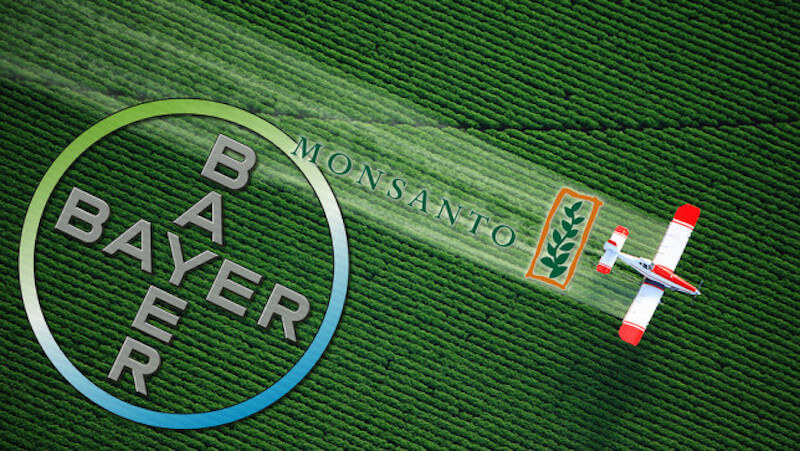
The chief suspect in this mass extinction is the aggressive use of neonicotinoid pesticides, particularly imidacloprid and clothianidin, both made by the Germany-based chemical giant Bayer. These pesticides, along with toxic glyphosate herbicides such as Roundup, have delivered a one-two punch to monarch butterflies, honeybees and birds. But rather than banning these toxic chemicals, on March 21 the EU approved the $66 billion merger of Bayer and Monsanto, the U.S. agribusiness giant that produces Roundup and the genetically modified (GMO) seeds that have reduced seed diversity globally. The merger will make the Bayer-Monsanto conglomerate the largest seed and pesticide company in the world, giving it enormous power to control farm practices, putting private profits over the public interest.

As Massachusetts Sen. Elizabeth Warren noted in a speech in December at the Open Markets Institute, massive companies are merging into market-dominating entities that invest a share of their profits in lobbying and financing political campaigns, shaping the political system to their own ends. She called on the Trump administration to veto the Bayer-Monsanto merger, which is still under antitrust scrutiny and has yet to be approved in the U.S.

A 2016 survey of Trump’s voter base found that more than half disapproved of the Monsanto-Bayer merger, fearing it would result in higher food prices and higher costs for farmers. Before 1990, there were 600 or more small, independent seed businesses globally, many of them family-owned. By 2009, only about 100 survived, and seed prices had more than doubled. But reining in these powerful conglomerates is more than just a question of economics. It may be a question of the survival of life on this planet.

While Bayer’s neonicotinoid pesticides wipe out insects and birds, Monsanto’s glyphosate has been linked to more than 40 human diseases, including cancer. Its seeds have been genetically modified to survive this toxic herbicide, but the plants absorb it into their tissues. In the humans who eat the plants, glyphosate disrupts the endocrine system and the balance of gut bacteria, damages DNA and is a driver of cancerous mutations. Researchers summarizing a 2014 study of glyphosates in the Journal of Organic Systems linked them to the huge increase in chronic diseases in the United States, with the percentage of GMO corn and soy planted in the U.S. showing highly significant correlations with hypertension, stroke, diabetes, obesity, lipoprotein metabolism disorder, Alzheimer’s, Parkinson’s, multiple sclerosis, hepatitis C, end stage renal disease, acute kidney failure, cancers of the thyroid, liver, bladder, pancreas, kidney and myeloid leukaemia. But regulators have turned a blind eye, captured by corporate lobbyists and a political agenda that has more to do with power and control them protecting the health of the people.

The Trump administration has already approved a merger between former rivals Dow and DuPont, and has signed off on the takeover of Swiss pesticide giant Syngenta by ChemChina. If Monsanto-Bayer gets approved as well, just three corporations will dominate the majority of the world’s seed and pesticide markets, giving them enormous power to continue poisoning the planet at the expense of its inhabitants.

The Shady History of Bayer and the Petrochemical Cartel

To understand the magnitude of this threat, it is necessary to delve into some history. This is not the first time Monsanto and Bayer have joined forces. In both world wars, they made explosives and poisonous gases using shared technologies that they sold to both sides. After World War II, they united as MOBAY (MonsantoBayer) and supplied the ingredients for Agent Orange in the Vietnam War.

In fact, corporate mergers and cartels have played a central role in Bayer’s history. In 1904, it joined with German giants BASF and AGFA to form the first chemical cartel. After World War I, Germany’s entire chemical industry merged to become I.G. Farben. By the beginning of World War II, I.G. Farben was the largest industrial corporation in Europe, the largest chemical company in the world, and part of the most gigantic and powerful cartel in all history.

A cartel is a grouping of companies bound by agreements designed to restrict competition and keep prices high. The dark history of the I.G. Farben cartel was detailed in a 1974 book titled “World Without Cancer,” by G. Edward Griffin, who also wrote the best-selling “Creature from Jekyll Island,” on the shady history of the Federal Reserve. Griffin quoted from a book titled “Treason’s Peace,” by Howard Ambruster, an American chemical engineer who had studied the close relations between the German chemical trust and certain American corporations. Ambruster warned:

Farben is no mere industrial enterprise conducted by Germans for the extraction of profits at home and abroad. Rather, it is and must be recognized as a cabalistic organization which, through foreign subsidiaries and secret tie-ups, operates a far-flung and highly efficient espionage machine—the ultimate purpose being world conquest … and a world superstate directed by Farben.

The I.G. Farben cartel arose out of the international oil industry. Coal tar or crude oil is the source material for most commercial chemical products, including those used in drugs and explosives. I.G. Farben established cartel agreements with hundreds of American companies. They had little choice but to capitulate after the Rockefeller empire, represented by Standard Oil of New Jersey, did so, because they could not hope to compete with the Rockefeller-I.G. combination.

The Rockefeller group’s greatest influence was exerted through international finance and investment banking, putting them in control of a wide spectrum of industry. Their influence was particularly heavy in pharmaceuticals. The directors of the American I.G. Chemical Company included Paul Warburg, brother of a director of the parent company in Germany and a chief architect of the Federal Reserve system.

The I.G. Farben cartel was technically disbanded at the Nuremberg trials following World War II, but in fact it merely split into three new companies—Bayer, Hoescht and BASF—which remain pharmaceutical giants today. To conceal its checkered history, Bayer orchestrated a merger with Monsanto in 1954, giving rise to the MOBAY Corp. In 1964, the U.S. Justice Department filed an antitrust lawsuit against MOBAY and insisted that it be broken up, but the companies continued to work together unofficially.

In “Seeds of Destruction: The Hidden Agenda of Genetic Manipulation” (2007), William Engdahl states that global food control and depopulation became U.S. strategic policy under Rockefeller protégé Henry Kissinger, who was secretary of state in the 1970s. Along with oil geopolitics, these policies were to be the new “solution” to the threats to U.S. global power and continued U.S. access to cheap raw materials from the developing world. “Control oil and you control nations,” Kissinger notoriously declared. “Control food and you control the people.”

Global food control has nearly been achieved, by reducing seed diversity and establishing proprietary control with GMO seeds distributed by only a few transnational corporations, led by Monsanto; and by a massive, taxpayer-subsidized propaganda campaign in support of GMO seeds and neurotoxic pesticides. A de facto cartel of giant chemical, drug, oil, banking and insurance companies connected by interlocking directorates reaps the profits at both ends, by waging a very lucrative pharmaceutical assault on the diseases created by their toxic agricultural chemicals.

Going Organic: The Russian Approach

In the end, the Green Revolution engineered by Kissinger to control markets and ensure U.S. economic dominance may be our nemesis. While the U.S. struggles to maintain its hegemony by economic coercion and military force, Russia is winning the battle for the health of the people and the environment. Russian President Vladimir Putin has banned GMOs and has set out to make Russia the world’s leading supplier of organic food.

Russian families are showing what can be done with permaculture methods on simple garden plots. In 2011, 40 percent of Russia’s food was grown on dachas (cottage gardens or allotments), predominantly organically. Dacha gardens produced more than 80 percent of the country’s fruit and berries, more than 66 percent of the vegetables, almost 80 percent of the potatoes and nearly 50 percent of the nation’s milk, much of it consumed raw. Russian author Vladimir Megre comments:

Essentially, what Russian gardeners do is demonstrate that gardeners can feed the world—and you do not need any GMOs, industrial farms, or any other technological gimmicks to guarantee everybody’s got enough food to eat. Bear in mind that Russia only has 110 days of growing season per year—so in the US, for example, gardeners’ output could be substantially greater. Today, however, the area taken up by lawns in the US is two times greater than that of Russia’s gardens—and it produces nothing but a multi-billion-dollar lawn care industry.

In the U.S., only about 0.6 percent of the total agricultural area is devoted to organic farming. Most farmland is soaked in pesticides and herbicides. But the need for these toxic chemicals is a myth. In an October 2017 article in The Guardian, columnist George Monbiot cited studies showing that reducing the use of neonicotinoid pesticides actually increases production, because the pesticides harm or kill the pollinators on which crops depend. Rather than an international trade agreement that would enable giant transnational corporations to dictate to governments, he argues that we need a global treaty to regulate pesticides and require environmental impact assessments for farming. He writes:

Farmers and governments have been comprehensively conned by the global pesticide industry. It has ensured its products should not be properly regulated or even, in real-world conditions, properly assessed. … The profits of these companies depend on ecocide. Do we allow them to hold the world to ransom, or do we acknowledge that the survival of the living world is more important than returns to their shareholders?

President Trump has boasted of winning awards for environmental protection. If he is sincere about championing the environment, he needs to block the merger of Bayer and Monsanto, two agribusiness giants bent on destroying the ecosystem for private profit.


Ellen Brown is an attorney, chairman of the Public Banking Institute, and author of twelve books including “Web of Debt” and “The Public Bank Solution.”

First Do No Harm

By Emmy Bee

Source: Dissident Voice

Let me preface what I am about to say by stating that I have the utmost esteem for mainstream medicine’s skill in emergency situations — the do or die surgeries, the dispensing of powerful life-saving drugs necessary in that setting are second to none; and its mastery of cosmetic surgery in cases of deformities and the advances made in prosthetics are nothing less than spectacular. These are what make mainstream medicine great.

I would also like to add that I am not an expert of any kind. I hold no degrees or certifications, and neither do I represent, belong to, or work for any party, organization or corporation. I speak for myself, a sixty-two year old woman, and from my experiences with, and extensive research of, a topic I find fascinating, intriguing and bothersome — mainstream medicine and how the belief in its infallibility harms us in so many ways.

The pompous certainty of mainstream medicine’s powerful proponents — be they multi-billion dollar pharmaceutical companies, medical associations, disease-specific charities, government agencies, Madison Avenue selling the diseases and the pills, TV or magazines, the news media parroting its cash cow’s every claim — combined have most people, hook, line and sinker, believing in the impeccable record of mainstream medicine. No questions asked.

Here, I would like to throw out some alarming statistics — ones that can be easily found in a variety of journals from Forbes to JAMA to CounterPunch, etc.

The estimated annual mortality rate for adverse drug reactions to “correctly” prescribed drugs is the 5th leading cause of death in the U.S.1 Over the counter (OTC) cold medications are among the top twenty substances causing death in children.2 Used according to direction, NSAIDs (Non-Steroidal Anti-inflammatory Drugs) are responsible for more than 20,000 deaths every year.3 There are over 400,000 deaths each year from drug and medical errors and tens of thousands more deaths from unnecessary procedures.4 Add those together and mainstream medicine is the third leading cause of death in the U.S.

So, why is it that most people trust, without question, the omnipotence of mainstream medicine in the same way religious zealots believe in their chosen religion or atheists in theirs? When well over 200,000 people die in the U.S. each year from prescription drug use alone — not abuse, but use; when we spend more, per capita than any other nation on earth and yet our health indices and life expectancy are near the bottom of all other developed nations5 why is there no sense of outrage (except for price gouging!) or, at the very least, a sense that something is not right, that something is terribly wrong?

Yet, as has happened many times, should a doctor, a scientist, a researcher or a curious layperson question conventional medical creed the herald is quickly battered down with jeers of derision, and swiftly “discredited” and shunned by the medical community. The media then parrots what they are told and soon everyone is asking, “How dare they question science? Haven’t they heard of collateral damage? Every war (and they are constantly reminding us of the war we are fighting against diseases) has collateral damage”. Yet when a few people die from dirty spinach, improper use of some herbal product, or a handful of people (some even vaccinated) catch the measles (and live to tell about it!) panic overruns the media.

Does anyone remember or know of the ad campaigns telling us that “nine out of ten doctors smoke Camel cigarettes” or that DDT pesticide spray is “good for you!”? We may laugh now but what about the more recent debacles such as HRT (hormone replacement therapy), Vioxx, swine flu vaccines and GMOs — all of which received the seal of approval from industry scientists, government agencies and all were pushed by Madison Ave. — just like the cigarettes given to my father for heart disease and the DDT sprayed on everything in sight, including children.

The number of TV commercials for drugs, medical clinics, hospitals, and doctor-related reality TV shows is mind blowing. It is a constant barrage of “a pill for every ill” and “don’t forget to ask your doctor about it”, while people with vapid eyes move in slow motion through white rooms or a meadow filmed through gauze, while a voice, soft and soothing, tells you of the pill’s benefits and then the same voice, just as soft but at breakneck speed, spews a partial list of possible side effects and a series of unwanted symptoms, some of which sound, and are (such as death) worse than the “disease” itself.

And interspersed between the ad for an over-the-counter (OTC) medication that had not long ago been given “by prescription only” and another ad for the new six story billion dollar specialty clinic are yet more commercials inviting us to join in what has become a celebration of you fill in the blank disease. There’s a “walk” or a “run”, even a paddle! for this disease and a different colored “ribbon” for that disease. It is almost as if having a disease has become the new “in” thing — fashionable, admirable, heroic even.  Are we being groomed to embrace our diseases, while at the same time being told to give, give, give to find a “cure”? According to Dr. Robert Sharpe, author of The Cruel Deception, a book about animal testing in medical research,” . . . in our culture treating disease is enormously profitable, preventing it is not.”

We have been told we are living longer but the sad fact is that the trend has reversed and now for the first time in decades life expectancy has dropped in the U.S.6 Even more alarming is that, along with adults, the number of children with chronic diseases has risen sharply. Think about it. How many of us make it past seventy (hell, even sixty!) without some major medical catastrophe (or two) requiring surgery and/or special apparatuses to help us do what used to come naturally and/or prescribed no less than three or four drugs? And how many “new” (iatrogenic) diseases do we then acquire from taking those drugs or undergoing those procedures that require even more drugs and/or more procedures?

And just what is conventional medicine’s track record for curing disease — any disease — not palliation or suppression or masking (all of which suppress and weaken the immune system) — but curing?  Forty years ago I knew one woman with breast cancer while today I know dozens, all of who underwent tortuous procedures, surgeries and drugging, and yes, some of them died. And why is it that when people die after making use of conventional medicine — surgery, chemotherapy, drugs, etc. — there are no cries of foul against their choice of healthcare? Instead they are hailed as heroes who fought a courageous battle, but when someone dies after trying an alternative medicine the cries against their choice are nothing less than vitriolic, as if no one ever dies using mainstream medicine, when in actuality many thousands die each year from mishaps alone, never mind the many hundreds of thousands who die from the diseases that have remained rampant — heart disease, cancer and diabetes, etc.7

Despite unprecedented technical and scientific advances, mainstream medicine’s only answer to disease is to destroy—with toxic substances, ingested or injected, with life-threatening procedures and with the removal of diseased (and often times healthy) body parts.  Kill germs, fight cancer, destroy cells, kick (name a disease)’s ass, crush, terminate, rub out, blast; never build up, heal, cure. Are we, as a society, even capable of imagining alternatives to mainstream medicine? I once told an MD I knew that a friend’s kidney stone passed with relative ease after drinking a herbal tea prescribed by an Acupuncturist. “If there was something out there that can do that,” he told me, “we would know about it”.  Not with that attitude!

When contemplating all that led up to the economic debacle of 2008, I would venture to guess that most people would be leery now (if they weren’t already!) of any advise given by the banking industry and Wall Street concerning, let’s say, home loans. And the same wariness would prevail when listening to the oil or coal industries’ take on environmental issues, or the weapons makers’ spin on whether to go to war or sell arms, or the pesticide- producing conglomerates on the safety of their products. The conflict of interest in each case should be obvious because when one considers that the very ones who profit by limiting the field of allowable research, who selectively choose among research papers to discredit alternative theories or boost their own are the very ones who control the message, it becomes obvious that we are seeing conflict of interest on a massive scale.

And, what of the research done by pharmaceutical companies that tell us a certain drug, or procedure, or vaccine is safe and effective? Does it make you comfortable to know that President Obama’s pick for FDA (Food and Drug Administration) Commissioner, Robert Califf, had received research funds from twenty-five drug companies while director of Duke University clinical research department where a major research fraud scandal had erupted under his watch8 or that Julie Gerderding, former head of the CDC (Center for Disease Control) concealed and then destroyed evidence of a link between the MMR vaccine and autism in African-American boys9, and yet congress refuses to subpoena her and the whistleblower from the CDC and the media never mentions it, and that this same Julie Gerderding left the CDC to become the president of Merck’s vaccine division and then executive VP of Merck, the sole manufacturer of the MMR vaccine? These examples are just two of many that are not only about a colossal conflict of interest but also about a dangerous threat to true scientific discovery affecting millions of lives.

So, why is it that pharmaceutical companies (which, by the way, have more lobbyists than there are members of congress and the senate combined) and which have a woeful track record when it comes to conflict of interest in medical research, drug research and alternative medicine viability research, are given a pass, a green light, a pat on the back of confidence and, besides, are vehemently defended and vociferously cheered on? What marketing magic do they spin that makes people overlook their complicity in fraudulent research, their over-the-top demonizing of opposing viewpoints, and above all their abhorrent safety record?

Why can’t we question the effectiveness, the safety or the necessity of some vaccines without being rudely shouted down?  I wonder if those who shout the, “Shut up! They are safe!” mantra have ever taken the time to study the long history of infectious disease and the history of vaccine use? Do they know there are no long-term studies on the effects of vaccines, or that vaccinated people are not necessarily protected from the diseases they are vaccinated against, or that the pharmaceutical companies and the government agencies refuse to do a vaccinated vs. unvaccinated population study as to their overall health indices, that vaccines, unlike other drugs are not tested against a placebo but against another vaccine, or that childhood infectious diseases had been on a downward trend for many years (measles deaths had declined by almost 100 percent!) well before vaccines were introduced as had many of the other infectious diseases — running their course, improving as our sanitary conditions and treatment of the illness improved?  So, why not let them continue to decline until they naturally disappear? Why introduce crude disease substances and a mixture of lethal chemicals (of which no one knows or bothers to test their long-term effects) into our bodies in an attempt to eradicate diseases that seemed to be doing a fine job of doing just that naturally?

Could there be a connection between the plethora of “new” or increasing diseases and the crude drugs (including vaccines) we have been putting into our bodies for decades now? If we stop to think about it does it make sense to inject ourselves with hazardous material we know nothing about to prevent diseases like the measles, mumps and the flu and others that are now so simple to treat?

But we are told, ad nauseam, to, “Shut up and just get your shots! All your questions have already been answered!”  However, when you look behind the scenes of medical research and find the pharmaceutical companies paying the bills, writing the reports and working closely with government agencies, research colleges, medical journals and the media to get their message out, it should raise a red flag.

What is the great harm brought about by this absolutism of the proponents of mainstream medicine? There are many but two are outstanding. One is that freedom of choice in one’s healthcare decisions can and will be taken away — it has begun already and is picking up momentum. I do not use conventional medicine except in some emergency situations, but that doesn’t mean I wouldn’t fight for the right of others to choose to use it exclusively if they believe it to be their best or only option. Being comfortable with one’s healthcare choice is, I firmly believe, of utmost importance. Yet if it were up to many people I should not be allowed to choose the kind of healthcare I want for my family and me.

And secondly, that same vitriolic certainty and insular thinking is truly harmful to the very essence of scientific inquiry. Great discoveries could be ignored simply because of a refusal to look beyond what we are told is scientifically acceptable today, the realm of inquiry having been limited by the greed of those in power and their manipulation of the masses by way of the fear factor.

  1. To Err is Human: Building a Safer Healthcare System: Institute of Medicine, Committee on Quality of Health Care in America, 2000.
  2. 2009 annual report of the American Association of Poison Control Centers’ National Poison Data System (27th report).
  3. Healing the NSAID Nation, E. Goldman, 2012.
  4. Leah Binder, Stunning News on Preventable Deaths in Hospitals, September 23, 2013; see also: Gary Null, PhD; Carolyn Dean MD, ND; Martin Feldman, MD; Debora Rasio, MD; and Dorothy Smith, PhD. Death by Medicine, Integral Options Cafe, January 12, 2010.
  5. Numbeo. Health Care Index for Country 2016.
  6. Public Health, Life Expectany in the U.S. drops for First Time in Decades, Report Finds, Health News from NPR, December 8, 2016.
  7. The Marshall Protocol Knowledge Base, Autoimmunity Research Foundation.
  8. Martha Rosenberg, Obama’s Latest FDA Nominee: No Hidden Big Pharma Links, They are all in Plain Sight, Counterpunch, November 19, 2015.
  9. Sharyl Attkisson, CDC Scientist:  “We scheduled Meeting to Destroy Vaccine Autism Study Documents“, March 23, 2016.