
Net Zero, the Digital Panopticon and the Future of Food 

By Colin Todhunter

Source: Off-Guardian

The food transition, the energy transition, net-zero ideology, programmable central bank digital currencies, the censorship of free speech and clampdowns on protest. What’s it all about? To understand these processes, we need to first locate what is essentially a social and economic reset within the context of a collapsing financial system.

Writer Ted Reece notes that the general rate of profit has trended downwards from an estimated 43% in the 1870s to 17% in the 2000s. By late 2019, many companies could not generate enough profit. Falling turnover, squeezed margins, limited cashflows and highly leveraged balance sheets were prevalent.

Professor Fabio Vighi of Cardiff University has described how closing down the global economy in early 2020 under the guise of fighting a supposedly new and novel pathogen allowed the US Federal Reserve to flood collapsing financial markets (COVID relief) with freshly printed money without causing hyperinflation. Lockdowns curtailed economic activity, thereby removing demand for the newly printed money (credit) in the physical economy and preventing ‘contagion’.

According to investigative journalist Michael Byrant, €1.5 trillion was needed to deal with the crisis in Europe alone. The financial collapse staring European central bankers in the face came to a head in 2019. The appearance of a ‘novel virus’ provided a convenient cover story.

The European Central Bank agreed to a €1.31 trillion bailout of banks followed by the EU agreeing to a €750 billion recovery fund for European states and corporations. This package of long-term, ultra-cheap credit to hundreds of banks was sold to the public as a necessary programme to cushion the impact of the pandemic on businesses and workers.

In response to a collapsing neoliberalism, we are now seeing the rollout of an authoritarian great reset — an agenda that intends to reshape the economy and change how we live.

SHIFT TO AUTHORITARIANISM

The new economy is to be dominated by a handful of tech giants, global conglomerates and e-commerce platforms, and new markets will also be created through the financialisation of nature, which is to be colonised, commodified and traded under the notion of protecting the environment.

In recent years, we have witnessed an overaccumulation of capital, and the creation of such markets will provide fresh investment opportunities (including dodgy carbon offsetting Ponzi schemes)  for the super-rich to park their wealth and prosper.

This great reset envisages a transformation of Western societies, resulting in permanent restrictions on fundamental liberties and mass surveillance. Being rolled out under the benign term of a ‘Fourth Industrial Revolution’, the World Economic Forum (WEF) says the public will eventually ‘rent’ everything they require (remember the WEF video ‘you will own nothing and be happy’?): stripping the right of ownership under the guise of a ‘green economy’ and underpinned by the rhetoric of ‘sustainable consumption’ and ‘climate emergency’.

Climate alarmism and the mantra of sustainability are about promoting money-making schemes. But they also serve another purpose: social control.

Neoliberalism has run its course, resulting in the impoverishment of large sections of the population. But to dampen dissent and lower expectations, the levels of personal freedom we have been used to will not be tolerated. This means that the wider population will be subjected to the discipline of an emerging surveillance state.

To push back against any dissent, ordinary people are being told that they must sacrifice personal liberty in order to protect public health, societal security (those terrible Russians, Islamic extremists or that Sunak-designated bogeyman George Galloway) or the climate. Unlike in the old normal of neoliberalism, an ideological shift is occurring whereby personal freedoms are increasingly depicted as being dangerous because they run counter to the collective good.

The real reason for this ideological shift is to ensure that the masses get used to lower living standards and accept them. Consider, for instance, the Bank of England’s chief economist Huw Pill saying that people should ‘accept’ being poorer. And then there is Rob Kapito of the world’s biggest asset management firm BlackRock, who says that a “very entitled” generation must deal with scarcity for the first time in their lives.

At the same time, to muddy the waters, the message is that lower living standards are the result of the conflict in Ukraine and supply shocks that both the war and ‘the virus’ have caused.

The net-zero carbon emissions agenda will help legitimise lower living standards (reducing your carbon footprint) while reinforcing the notion that our rights must be sacrificed for the greater good. You will own nothing, not because the rich and their neoliberal agenda made you poor but because you will be instructed to stop being irresponsible and must act to protect the planet.

NET-ZERO AGENDA

But what of this shift towards net-zero greenhouse gas emissions and the plan to slash our carbon footprints? Is it even feasible or necessary?

Gordon Hughes, a former World Bank economist and current professor of economics at the University of Edinburgh, says in a new report that current UK and European net-zero policies will likely lead to further economic ruin.

Apparently, the only viable way to raise the cash for sufficient new capital expenditure (on wind and solar infrastructure) would be a two decades-long reduction in private consumption of up to 10 per cent. Such a shock has never occurred in the last century outside war; even then, never for more than a decade.

But this agenda will also cause serious environmental degradation. So says Andrew Nikiforuk in the article The Rising Chorus of Renewable Energy Skeptics, which outlines how the green techno-dream is vastly destructive.

He lists the devastating environmental impacts of an even more mineral-intensive system based on renewables and warns:

“The whole process of replacing a declining system with a more complex mining-based enterprise is now supposed to take place with a fragile banking system, dysfunctional democracies, broken supply chains, critical mineral shortages and hostile geopolitics.”

All of this assumes that global warming is real and anthropogenic. Not everyone agrees. In the article Global warming and the confrontation between the West and the rest of the world, journalist Thierry Meyssan argues that net zero is based on political ideology rather than science. But to state such things has become heresy in the Western countries and shouted down with accusations of ‘climate science denial’.

Regardless of such concerns, the march towards net zero continues, and key to this is the United Nations Agenda 2030 for Sustainable Development Goals.

Today, almost every business or corporate report, website or brochure includes a multitude of references to ‘carbon footprints’, ‘sustainability’, ‘net zero’ or ‘climate neutrality’ and how a company or organisation intends to achieve its sustainability targets. Green profiling, green bonds and green investments go hand in hand with displaying ‘green’ credentials and ambitions wherever and whenever possible.

It seems anyone and everyone in business is planting their corporate flag on the summit of sustainability. Take Sainsbury’s, for instance. It is one of the ‘big six’ food retail supermarkets in the UK and has a vision for the future of food that it published in 2019.

Here’s a quote from it:

“Personalised Optimisation is a trend that could see people chipped and connected like never before. A significant step on from wearable tech used today, the advent of personal microchips and neural laces has the potential to see all of our genetic, health and situational data recorded, stored and analysed by algorithms which could work out exactly what we need to support us at a particular time in our life. Retailers, such as Sainsbury’s could play a critical role to support this, arranging delivery of the needed food within thirty minutes — perhaps by drone.”

Tracked, traced and chipped — for your own benefit. Corporations accessing all of our personal data, right down to our DNA. The report is littered with references to sustainability and the climate or environment, and it is difficult not to get the impression that it is written so as to leave the reader awestruck by the technological possibilities.

However, the promotion of a brave new world of technological innovation that has nothing to say about power — who determines policies that have led to massive inequalities, poverty, malnutrition, food insecurity and hunger and who is responsible for the degradation of the environment in the first place — is nothing new.

The essence of power is conveniently glossed over, not least because those behind the prevailing food regime are also shaping the techno-utopian fairytale where everyone lives happily ever after eating bugs and synthetic food while living in a digital panopticon.

FAKE GREEN

The type of ‘green’ agenda being pushed is a multi-trillion market opportunity for lining the pockets of rich investors and subsidy-sucking green infrastructure firms and also part of a strategy required to secure compliance required for the ‘new normal’.

It is, furthermore, a type of green that plans to cover much of the countryside with wind farms and solar panels with most farmers no longer farming. A recipe for food insecurity.

Those investing in the ‘green’ agenda care first and foremost about profit. The supremely influential BlackRock invests in the current food system that is responsible for polluted waterways, degraded soils, the displacement of smallholder farmers, a spiralling public health crisis, malnutrition and much more.

It also invests in healthcare — an industry that thrives on the illnesses and conditions created by eating the substandard food that the current system produces. Did Larry Fink, the top man at BlackRock, suddenly develop a conscience and become an environmentalist who cares about the planet and ordinary people? Of course not.

Any serious deliberations on the future of food would surely consider issues like food sovereignty, the role of agroecology and the strengthening of family farms — the backbone of current global food production.

The aforementioned article by Andrew Nikiforuk concludes that, if we are really serious about our impacts on the environment, we must scale back our needs and simplify society.

In terms of food, the solution rests on a low-input approach that strengthens rural communities and local markets and prioritises smallholder farms and small independent enterprises and retailers, localised democratic food systems and a concept of food sovereignty based on self-sufficiency, agroecological principles and regenerative agriculture.

It would involve facilitating the right to culturally appropriate food that is nutritionally dense due to diverse cropping patterns and free from toxic chemicals while ensuring local ownership and stewardship of common resources like land, water, soil and seeds.

That’s where genuine environmentalism and the future of food begins.
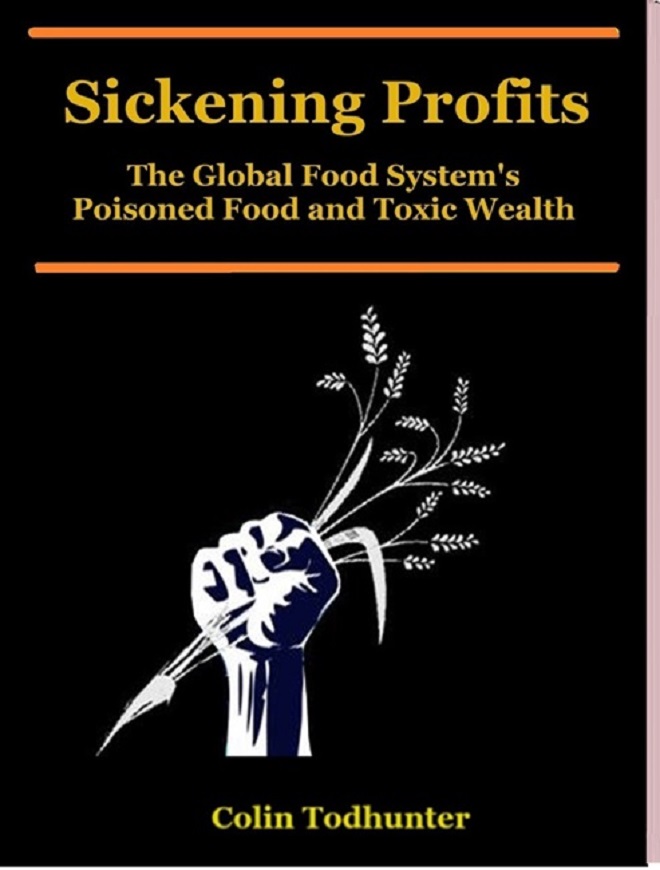
Sickening Profits — The Global Food System’s Poisoned Food and Toxic Wealth

By Colin Todhunter

Source: Off-Guardian

The modern food system is being shaped by the capitalist imperative for profit. Aside from losing their land to global investors and big agribusiness concerns, people are being sickened by corporations and a system that thrives on the promotion of ‘junk’ (ultra-processed) food laced with harmful chemicals and cultivated with the use of toxic agrochemicals.

It’s a highly profitable situation for investment firms like BlackRock, Vanguard, State Street, Fidelity and Capital Group and the food and agribusiness conglomerates they invest in. But BlackRock and others are not just heavily invested in the food industry. They also profit from illnesses and diseases resulting from the food system by having stakes in the pharmaceuticals sector as well. For them, it’s a win-win situation.

Lobbying by agrifood corporations and their well-placed, well-funded front groups ensures this situation prevails. They continue to capture policy-making and regulatory space at international and national levels and promote the (false) narrative that without their products the world would starve.

They are now also pushing a fake-green, ecomodernist agenda and rolling out their new proprietary technologies in order to further entrench their grip on a global food system that produces poor food, illness, environmental degradation, dependency and dispossession.

The prevailing globalised agrifood model is built on unjust trade policies, the leveraging of sovereign debt to benefit powerful interests, population displacement and land dispossession. It fuels export-oriented commodity monocropping and regional food insecurity.

This model is responsible for increasing rates of illness, nutrient-deficient diets, a narrowing of the range of food crops, chemical runoffs, increasing levels of farmer indebtedness and the eradication of biodiversity. And it relies on a policy paradigm that privileges urbanisation, global markets and agrifood corporations’ needs ahead of rural communities, local markets, on-farm resources and food sovereignty.

In addition, there are also the broader geopolitical aspects of food and agriculture in a post-COVID world characterised by food inflation, hardship and multi-trillion-dollar global debt.

There are huge environmental, political, social and health issues that stem from how much of our food is currently produced and consumed. A paradigm shift is required.

All of this is set out in Sickening Profits: The Global Food System’s Poisoned Food and Toxic Wealth (December 2023), published as an open-access (free) e-book by Global Research (it can be read directly on the Global Research website or downloaded as a pdf) and is a follow up to the author’s book Food, Dispossession and Dependency: Resisting the New World Order (2022).

That book contains substantial sections on the agrarian crisis in India and issues affecting the agriculture sector. Aruna Rodrigues — prominent campaigner and lead petitioner in the GMO Mustard Public Interest Litigation in the Supreme Court of India — stated the following about the book:

This is graphic, a detailed horror tale in the making for India, an exposé on what is planned, to hand over Indian sovereignty and food security to big business.”

‘Sickening Profits’ continues in a similar vein. By describing situations in Ukraine, India, the Netherlands and elsewhere, it is another graphic horror tale in the making that is being intensified across the globe. The question is: Can it be stopped?

What Will You Say When Millions Of People Starve To Death?

By Michael Snyder

Source: End of the American Dream

For a long time, those of us that were claiming that a global famine was coming were widely mocked.  The skeptics could see the exact same trends that everyone else could see, but they just assumed that we would find a way to muddle through somehow.  So they didn’t want to listen to common sense, and they weren’t interested in warnings from “gloom and doomers” such as myself.  But I don’t consider myself to be a “doom and gloomer” because I am actually a very optimistic person.  I am so excited to be living during this time in human history, but I also know that very difficult times are ahead of us.  One of the major trends that I keep writing about over and over is famine, because the truth is that there simply is not going to be enough food for everyone on the planet in 2023 and beyond.  Of course the mainstream media is also starting to issue similar warnings.  For example, the following comes from a Yahoo News article entitled “Millions in East Africa face starvation due to drought”

The World Health Organization warned on Wednesday that millions of people in East Africa face the threat of starvation. Speaking at a media briefing in Geneva, WHO Director-General Tedros Adhanom Ghebreyesus said that drought, climate change, rising prices and an ongoing civil war in northern Ethiopia are all contributing to worsening food insecurity.

Over 50 million people in East Africa will face acute food insecurity this year, a study from late July by the World Food Programme and Food and Agriculture Organization found. Roughly 7 million children are suffering from malnourishment and, according to the United Nations High Commissioner for Refugees, hundreds of thousands are leaving their homes in search of food or livelihoods. Affected countries include Djibouti, Ethiopia, Kenya, Somalia, South Sudan, Sudan and Uganda.

In Somalia, authorities are projecting that vegetable and grain production will “drop by about 80% this year” due to the endless drought that they are currently experiencing.

Millions of precious people in Africa are facing imminent starvation.  But most of us in the western world don’t care, because our grocery stores are still full of food.

If you are one of those people that are choosing to ignore what is happening on the other side of the planet, you can afford to be cocky for now.

But conditions are starting to change here too.

Earlier today, I came across an excellent article about how the multi-year megadrought in the western half of the country is absolutely devastating the ranching industry…

The megadrought in the Western U.S., the region’s worst in 1,200 years, is threatening America’s cattle heartland: withering pastures, wrecking feed harvests and endangering a quintessential way of life.

The drought is forcing ranchers here in Texas and across the Southern plains to make an agonizing decision: Sell early now for less money than they planned on — or hold on, pray for rain and risk losing everything.

Sadly, more ranchers are deciding to sell off cattle with each passing day.

If you can believe it, the rate at which cattle are being sold is now 120 percent above last year’s level…

Over the last two weeks of July, the national cattle sale rate also jumped to 120 percent above 2021 levels — an average that reporting by The Hill and KAMR suggested conceals even higher frenzies of sales in some markets.

What this means is that lots of beef is coming on to the market.

Beef prices had been soaring, but in the short-term all of the cattle that are being slaughtered will help to moderate prices.

However, the outlook for 2023 is grim.  The national cattle herd just keeps getting smaller and smaller, and some beef producers in Oklahoma are now predicting that ground beef “could eventually top $50 per pound”

Thanks to the unending economic symptoms of the pandemic and 2022’s inflation double-punch, average beef prices are currently about twice what they were in 2019. Add in the deepening widespread drought, a shortage of hay and feed, skyrocketing prices, transport costs, and various other metrics, some Southwest Oklahoma beef producers suggest cheap ground beef could eventually top $50 per pound.

If the price of ground beef does reach 50 dollars a pound, what do you think our country will look like?

Needless to say, at that point there will be absolutely no debate about whether we are in a global food crisis or not.

And we are also being told that we could soon be facing shortages of potatoes and tomatoes.  The following comes from Zero Hedge

Days ago, we said the next food insecurity problem that may impact Americans’ eating habits could be an emerging potato shortage. Now there appears to be another issue: Tomatoes are getting squeezed, and risks of a ketchup shortage rise as a severe drought batter California’s farmland.

California accounts for a quarter of the world’s tomato output. The worst drought in 1,200 years has forced farmers to abandon fields as crops turn to dust amid a water crisis.

I recently wrote an entire article about the coming tomato shortage that you can find right here.  Unless some rain comes along, the tomato crop in California this year is going to be absolutely disastrous.

So are you ready to eat less pizza because there isn’t enough pizza sauce to go around?

And are you ready to pay twice as much for spaghetti sauce at the grocery store?

On top of everything else, we are also potentially facing an extremely painful shortage of cotton

Intense drought has forced cotton farmers to abandon millions of acres that have produced so little cotton that they are no longer worth harvesting, the Wall Street Journal reported Tuesday.

Farmers will harvest an estimated 7.13 million acres, abandoning approximately 5.35 million acres due to an ongoing drought hammering southern U.S. states, representing an estimated abandonment rate of 42.87%, according to the National Cotton Council of America, who based their analysis on U.S. Department of Agriculture (USDA) data. This represents the smallest harvest by area since 1868, The Wall Street Journal reported.

What I have touched on in this article is just the tip of the iceberg.

Agricultural production is going to be way down all over the planet this year.

But we will surely find a way to “muddle through” somehow, right?

If you have been a skeptic of reports of shortages and famine, it is time to wake up.

We really are staring an unprecedented global crisis right in the face, and the months ahead are going to be filled with pain.

TURN SELF ISOLATION INTO SELF LIBERATION

By Julian Rose

Source: Waking Times

One of the most famous paradoxes of this blessed experience called Life, is known as ‘the law of unintended consequences’; and we are at this very moment of time, in the midst of a manifestation of cosmic Lila which exactly fits this paradox.

Under the unprecedented blanket regulatory lock-down imposed by governments all over the planet, a highly unlikely opportunity has arisen to fundamentally redress our life circumstances. An opportunity which will positively equip those who need to become aware, to face the uncertainties that lie ahead with courage and fortitude.

The number one opportunity which being stuck in one’s home for most of the working day presents, is to do some long overdue thinking; the kind that taps into that region of ourselves which has been/is particularly starved due to being heavily preoccupied by the daily chores of the standard working week. That part of ourselves which gives genuine direction to our lives, and brings us face to face with the plethora of superficial activities that preoccupy us, most of which we have, up until recently, taken as gospel.

We are being supported in this vital pursuit by changes underway in the natural environment which surrounds us. Changes for the better that result from a sudden flux of a high percentage of the frenetic hustle and bustle which forms the basic daily pattern of our materialistically centred life, and which brings with it a heavy load of pollution, noise and stress, choking both our planet’s natural environment and our own health and welfare.

Pause to consider, how remarkable it is that the impositions imposed by mostly clueless governments, would have the unintended consequence of enabling much of nature to finally take some decent deep breaths! Enable her sinews to be at least temporarily cleansed from the antithetical materialistic pursuits of the modern world. Pursuits so misguidedly hailed as ‘progress’ and so crassly utilised for achieving the bloated ambitions of corporate giants.

Nature can breathe because motorways are largely free of the noise and pollution caused by rushing cars and trucks, and the air largely free from the constant passage of disruptive commercial jet airlines. The sky is blessedly blue and the sweeter that usual air is full of the sound of Spring inspired birds. It is generally calm – even peaceful. I remember a state like this from my childhood.

Something is happening. Something unusual. And it is coming about due to the ‘law of unintended consequences’ which is actually a cosmic/universal law and not unintended at all, but a direct reflection of Divine Lila. It has provided us with this opportunity – right in the midst of an unprecedented deep-state engendered global crisis – to join in this natural healing process so as to recharge our spiritual batteries and shed our worn-out life styles in favour of a more integrated and conscious sense of purpose.

Listen carefully: the circumstances facing all of us in the immediate two to three years ahead are going to present a quite unique challenge. Not least because they are being conducted by people either ludicrously unfit for the tasks they find themselves responsible for – or who wish to deceive and exploit us so as to acquire powers to control events which they have no legal right to control.

This means that the first call on our meditations about our immediate futures will be to raise and appraise some very practical considerations; the first of which involves taking a big step towards a much more robust and self-sufficient life style. Bear in mind that a return to typical easy access to the ‘daily conveniences’ many have become accustomed to, is no longer a secure bet. Even if governments might make it appear that ‘everything is under control’ and/or ‘things will soon return to normal’. Clearly it is not – and they will not, as by now we are surely well aware – and wishful thinking will not change this situation.

As I mentioned above, we must use this brief open window to shift ourselves towards a much more self-sufficient and simple life style. A largely self-sufficient life style involves knowing how to cultivate the ground so as to grow our own basic food requirements. And/or if not doing this directly, making sure to be closely associated with supporting colleagues who do – and who are willing to share the harvests that result.

This is not going to be possible within an urban environment at this point in time, given not only that there is insufficient cultivatable land available, but that urban environments are largely unconducive to mental, spiritual and physical health. They do not enhance one’s immune system and ability to build the inner and outer strength vital to staying strong throughout the challenges in store for us.

So to make best use of this period solitary confinement, plot the course that will provide a practical way of taking control of your – and your family’s – destiny. Recognising, of course, that under the imposition of a quasi dictatorship there is only ‘x’ amount of room in which to move.

In this article I am taking a deliberately positive line concerning making maximum use of our largely untapped potentials as creative beings. So let’s recognise this as exactly the moment to tap these blessed creative powers – since many have been far too preoccupied with selfish pursuits instead of dealing with necessities. ‘Necessity is the mother of invention’ so use this one in a million opportunity to meditate on exactly what your key necessities are and how to best manage them.

This should not be an anxiety based exercise. On the contrary, we are in a time of great energetic cosmic support due to the Earth now being in a particularly powerful alignment with the centre of our galaxy, resulting in the rapid growth of heart based empathetic instincts throughout humanity. It is because dark directed forces know about this, that such an intense effort is being made to block the rising-up which is already well underway in us.

Draw upon this gift we are being sent. It is to strengthen the heart beat of mother Earth and human kind.

If you are not already doing so, start each day with Yoga. Hatha yoga exercises, for example, that have been honed over millennia to bring nourishment to every part of the body and mind. This practice, by co-ordinating breathing and movement, revitalises the chi (energy) of one’s whole being and provides a clearer insight into what is the best and most true action to take each day. A Theseus thread to guide one through the chaos which has been deliberately invoked on this planet.

Couple such practice with a diet rich in immunosupportive foods, preferably direct from the farm.

Yes, the farmers you have linked-up with and offered your support. Hands in the soil and the company of (farm) animals is immensely curative. For millions, it is the life-line to earthed, reawakened health. The forces intent upon pulling us down cannot do so once our spiritual and physical energies are awakened and maintained.  Truly vital right now.

This means, for example, we can devote our new-found ‘freedom’ into actions specifically targeted at stopping the roll-out of the microwave radiation 5G weapon. A brutal technology of human paralysis and planetary ecocide, increasingly implicated in playing a covert role in the current ‘Corona Virus’ scam.

The family of man is ONE family. Our fate is inextricably linked to the fate of all others, as theirs is with ours. Selfishness is a disease far more deadly than any Corona Virus. Make use of your period of isolation to rid yourself of narcissistic tendencies, as the ‘Real I’ in each one of us is not the one that seeks self-satisfaction or indulgence in vanities. It is the one that liberates us into recognising our oneness with all life and all peoples, regardless of colour, race or creed.

Treat the domestic imprisonment being forced upon us – as an opportunity – not as cause for fear. In fact see it as a hurdle being placed in front of you so as to make you reach deeper into yourself for the solution! Because that’s what it actually is: a wake-up call without which you might never have the opportunity to discover your divine eternal flame of greatness, of Godliness.

HOW THE AMERICAN CULTURE OF CONVENIENCE IS KILLING US

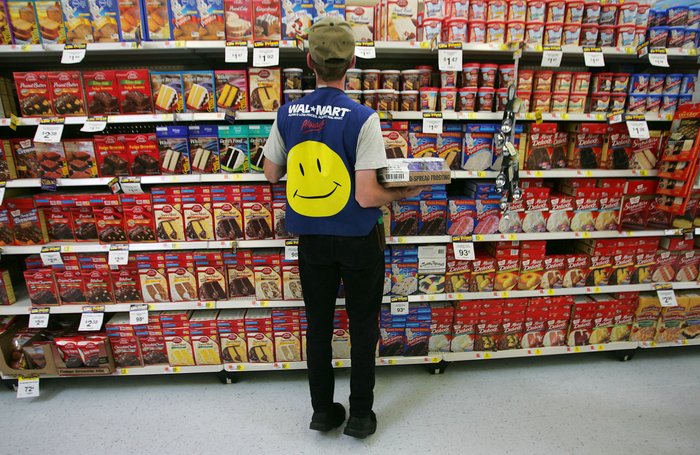
TROY, OH – MAY 11: An employee restocks a shelf in the grocery section of a Wal-Mart Supercenter May 11, 2005 in Troy, Ohio. Wal-Mart, America’s largest retailer and the largest company in the world based on revenue, has evolved into a giant economic force for the U.S. economy. With growth, the company continues to weather criticism of low wages, anti-union policies as well as accusations that it has homogenized America’s retail economy and driven traditional stores and shops out of business. (Photo by Chris Hondros/Getty Images)

By Daisy Luther

Source: Waking Times

In the United States, we are lucky to have massive convenience at our fingertips. I was talking to one of the instructors for the urban survival course, who is from Sweden, on a car ride. He was blown away by some of the things I told him about the levels of convenience and comfort in the United States. Things I completely took for granted don’t even exist there. I thought some of you might be interested in hearing about some of the insights we discussed.

Before I left for the course, I was walking my dogs a mile or two every day with my dogs, but that was about it. I thought it was enough but I learned during the field exercises that it wasn’t even close to the physicality required during an SHTF situation. But I digress. Let’s get back to convenience.

A caveat before people respond indignantly and tell me about all the inconvenience with which they deal every day: this is an opinion piece. Obviously many people in America still work out hard and have manual jobs. But when two-thirds of American adults and 30% of American children are overweight or obese, you have to see that you are not in the majority.

And it’s the majority here that I’m discussing. Between a combination of low-quality food and extremely sedentary lifestyles, the majority are killing themselves with convenience.

The American Culture of Convenience

The first thing that struck me when I landed in the Balkans was how different their lifestyle is from ours in the United States. But the longer I’ve been here, the more obvious it has become.

In the United States, depending on where you live, everything is dropped in your lap.

Food can be quickly acquired by shouting your order into a microphone and driving around a building, all without you having to leave your car. And if you live in a larger town or city, with the advent of services like GrubHub and DoorDash, the food delivered to your home is no longer the domain of pizza chains. You can have your choice of practically any restaurant in town brought right to your door within 45 minutes.

But it isn’t just about food. Instacart offers pick-up services from a wide variety of stores, including places like chain grocers, Wal-Mart, and Target. All you have to do is drive up, let them know by phone that you’ve arrived, and pop your trunk. Poof. Your shopping is done. In some cities, you can even use services like Instacart to have these things brought to your door.

Amazon has brought us practically anything else we could want with two-day shipping, regardless of where you live in the country. Gone are the days of scouring half a dozen stores to locate the whatchamacallit you needed. A quick search on Amazon and One-Click ordering and it’s yours within 48 hours and you never moved off your comfy chair.

If you need to go somewhere you don’t even have to drive yourself or take public transit. Uber or Lyft will happily send somebody to pick you up and drive you anywhere you need to go for a reasonable price, and you can watch the approach of your driver from the convenience of your phone.

Entire billion dollar industries are evolving to make our lives more convenient and easy every single day. Imagine how stunned our hunter-gatherer ancestors would be to discover we don’t even have to leave the house to be clothed and fed in epic abundance.

We don’t walk much, either.

And speaking of drive-thrus and driving to the store to get your Instacart packages, we drive everywhere. Part of this is because of the way suburbia is developed. It’s rare to live in a neighborhood where you can walk to the market, the bakery, and the wine store. So instead of walking to get our goods, we drive there, dash in, and get back in our cars. Those in big cities probably walk far more than those in suburbia, and for those in the country, it depends if they actually have a place to walk and whether they’re taking care of a large property.

And if we’re not walking to run our errands, we’re not carrying stuff. We get as close as possible with our cars if heavy groceries need to be lugged in and we carry as little as we can if we’re heading somewhere. When you walk the dogs, you might take your phone and some poop bags but you’re generally not taking it as a training opportunity and strapping on a pack.

Then there are the stairs.

Even two-story buildings in the United States have elevators much of the time because everything, by law, has to be easily accessible to every person. (And no, I’m not saying that people in wheelchairs need to try to haul themselves up the stairs. I’m discussing a trend.) But it goes even further than that. Adding elevators to your home is a growing trend in both the United States and Canada. New home builders are including elevators in the original design of some homes.

On the other hand, in Europe, they don’t have elevators in many buildings with fewer than five floors. I walked up and down more stairs in the past month than I have in the past year at home combined, and I live in a three-story house.

And the list of conveniences that would blow the minds of people I met in the Balkans goes on.

It’s an agoraphobic’s paradise in the United States.

You can get all sorts of mobile services that come to your door – everything from hairstyling to dog grooming. Other people mow our lawns, clean our homes, service our vehicles, and take care of us in general. There are even people who hire others to walk their dogs. Some people definitely need help with physical tasks but able-bodied people should be able to do a little yard work, shouldn’t we? Especially if we’re preparing for some kind of apocalypse.

In many areas, things are perfectly level, the sidewalks are carefully maintained (because who wants to ask for trouble in our litigious society), and a slight incline is considered a “hill” that people avoid to make their dog walk a little easier.

You can get meal kits brought to your door with every single ingredient you need to make a gourmet meal, right down to the seasonings accurately doled out in little packages. You can have fresh fruits and vegetables dropped off at your door by your local CSA. You can get subscription services of all types with the delivery of things like cosmetics, fitness gear, food from exotic locales, wine, candy, home decor items, socks, and dog paraphernalia.

Looking at it from the perspective of the area where I’ve been spending time, it’s simply mind-boggling that all of these riches are brought to you at the click of a button.

And it’s killing us.

As I mentioned earlier in this article, the obesity rate in the United States is staggering. A lot of it is our food. Thanks to subsidization by the USDA, many of the foods that are cheap are highly processed with low-quality ingredients. The NY Times reports:

At a time when almost three-quarters of the country is overweight or obese, it comes as no surprise that junk foods are the largest source of calories in the American diet. Topping the list are grain-based desserts like cookies, doughnuts and granola bars. (Yes, granola bars are dessert.)

That’s according to data from the federal government, which says that breads, sugary drinks, pizza, pasta dishes and “dairy desserts” like ice cream are also among Americans’ top 10 sources of calories.

What do these foods have in common? They are largely the products of seven crops and farm foods — corn, soybeans, wheat, rice, sorghum, milk and meat — that are heavily subsidized by the federal government, ensuring that junk foods are cheap and plentiful, experts say.

Between 1995 and 2010, the government doled out $170 billion in agricultural subsidies to finance the production of these foods, the latter two in part through subsidies on feed grains. While many of these foods are not inherently unhealthy, only a small percentage of them are eaten as is. Most are used as feed for livestock, turned into biofuels or converted to cheap products and additives like corn sweeteners, industrial oils, processed meats and refined carbohydrates. (source)

And even when we try to clean up our diets, foods are genetically modified, produce is doused in pesticides, and it’s packaged in all sorts of hormone-disrupting material that leaches in when you heat it up.

But it’s not just the crappy food. A lot of folks in the United States just do not get off their butts. And – I hate to say it – but I’m talking to a lot of people in the survival and preparedness world. Sitting at a keyboard or phone typing all day while Netflix plays in the background is sedentary to a deadly degree. On average Americans sit for 8.2 hours per day and this does not include the average 7-ish hours a day we’re sleeping.  And when we’re not sitting, it doesn’t mean we’re doing things that are good for us. We spend a great deal of time standing in line and driving in our cars. And the trend toward inactivity is only increasing.

Meanwhile, obesity contributes to many diseases such as:

  • High blood glucose (sugar) or diabetes.
  • High blood pressure (hypertension).
  • High blood cholesterol and triglycerides (dyslipidemia, or high blood fats).
  • Heart attacks due to coronary heart disease, heart failure, and stroke.
  • Bone and joint problems, more weight puts pressure on the bones and joints. This can lead to osteoarthritis, a disease that causes joint pain and stiffness.
  • Stopping breathing during sleep (sleep apnea). This can cause daytime fatigue or sleepiness, poor attention, and problems at work.
  • Gallstones and liver problems.
  • Some cancers.

The National Institute of Health is incredibly concerned about the future of overweight, sedentary Americans.

More recent evidence points to differential roles for body fat distribution patterns, in addition to excess overall adiposity, in elevating risk of many major chronic diseases. The large numbers of children entering adulthood overweight, together with increased weight gain in adulthood, portend an enormous burden in terms of human suffering, lost productivity, and health care expenditure in the coming decades. (source)

And – since it’s the purview of this website – imagine if the SHTF and you were too overweight and sedentary to go out and acquire the supplies you need to survive. Imagine what will happen when your medication runs out and you have a preventable disease brought on by your sedentary lifestyle. Imagine how your family will feel watching you suffer.

You need to add more movement to your life.

Unless you are among the 23% of Americans who meet the national exercise guidelines, you need to add more movement to your life. I suspect that there are a lot of people who believe they are disabled because getting started on a movement program is hard. It really does hurt, I know. But there’s a very good chance as you begin to move more it will become far easier. Don’t give in to it if your doctor says, “Oh, you’re disabled” and hands you a sticker for your car unless you really, truly are. If there’s even a glimmer of doubt in your mind, try to move just a few more steps each day. Instead of using the scooter to shop, push a cart to give yourself something to lean on. You aren’t training for a marathon – 10 extra steps a day will add up if you keep on pushing. But, MOVE.

The best way to increase movement is to decrease convenience. I don’t mean that you need to suddenly become a hunter-gatherer but you need to get off your duff. (To get started, check out this article or Bug Out Boot Camp and of course, always contact your doctor before beginning an exercise program. Blah, blah, blah.)

You need to carry heavy things instead of getting them delivered. You need to climb the stairs instead of taking the elevator or escalator. You need to actually go inside the store to do your shopping instead of sitting in your car, waiting for stuff to get loaded into your trunk. Park at the back of the parking lot, or better yet, at a store further away. Quit ordering from Amazon and buy things locally so you can walk around the store. Look for the hills and walk up and down them instead of avoiding them. If you want to eat restaurant food, go to the dad-gum restaurant. Find a place to walk to every day – maybe the post office, a coffee shop, or the dog park – and make it part of your routine.

It’s not unusual in other parts of the world to walk 8, 10, or even more miles, every single day. You don’t need to start there but maybe you should strive to get there. Once you’re in your groove, it should only take an hour or so to walk 4 miles. Using your feet as transportation is one of the healthiest things you can do.


The Stomach-Churning Violence of the Agrochemical Oligopoly

By Colin Todhunter

Source: OffGuardian

As humans, we have evolved with the natural environment over millennia. We have learned what to eat and what not to eat, what to grow and how to grow it and our diets have developed accordingly. We have hunted, gathered, planted and harvested. Our overall survival as a species has been based on gradual, emerging relationships with the seasons, insects, soil, animals, trees and seeds. And out of these relationships, we have seen the development of communities whose rituals and bonds have a deep connection with food production and the natural environment.

However, over the last couple generations, agriculture and food production has changed more than it had done over previous millennia. These changes have involved massive social upheaval as communities and traditions have been uprooted and have entailed modifying what we eat, how we grow our food and what we apply to it. All of this has been driven by geopolitical concerns and powerful commercial interests with their proprietary chemicals and patented seeds. The process of neoliberal globalisation is accelerating the process as farmers are encouraged to produce for global supply chains dominated by transnational agribusiness.

Certain crops are now genetically engineered, the range of crops we grow has become less diverse, synthetic biocides have been poured on crops and soil and our bodies have been subjected to a chemical bombardment. We have arrived at a point where we have lost touch with our deep-rooted microbiological and social connection with nature and have developed an arrogance that has placed ‘man’ above the environment and all other species. One of the consequences is that we have paid an enormous price in terms of the consequent social, environmental and health-related devastation.

Despite the promise and potential of science, it has too often in modern society become a tool of vested interests, an ideology wrapped in the vestiges of authority and the ‘superstition’ that its corporate-appointed priesthood should not be challenged nor questioned. Instead of liberating humankind, it has now too often become a tool of deception in the hands of agribusiness conglomerates which make up the oligopoly that controls what is an increasingly globalised system of modern food and agriculture.

These corporations have successfully instituted the notion that the mass application of biocides, monocropping and industrial agriculture are necessary and desirable. They are not. However, these companies have used their science and propaganda to project certainty in order to hide the fact that they have no real idea what their products and practices are doing to human health or the environment (and in cases when they do know, they do their best to cover it up or hide behind the notion of ‘commercial confidentiality’).

Based on their limited, tainted studies and co-opted version of science, they say with certainty that, for example, genetically engineered food and glyphosate are ‘safe’. And when inconvenient truths do emerge, they will mobilise their massive lobbying resources to evade regulations, they will seek to hide the dangers of their products or they will set out to destroy scientists whose findings challenge their commercial bottom line.

Soil microbiologists are still trying to fully comprehend soil microbes and how they function as anintegrated network in relation to plants. The agrochemical sector has little idea of how their biocides have affected soils. It merely churns out public relations spin that their inputs are harmless for soil, plants and human health. Such claims are not based on proper, in-depth, long-term studies. They are based on a don’t look, don’t find approach or a manipulation of standards and procedures that ensure their products make it on to the commercial market and stay there.

And what are these biocides doing to us as humans? Numerous studies have linked the increase in pesticide us with spiralling rates of ill health. Kat Carrol of the National Health Federation is concerned about the impacts on human gut bacteria that play a big role in how organs function and our neurological health. The gut microbiome can contain up to six pounds of bacteria and is what Carroll calls ‘human soil’. She says that with their agrochemicals and food additives, powerful companies are attacking this ‘soil’ and with it the sanctity of the human body.

And her concerns seem valid. Many important neurotransmitters are located in the gut. Aside from affecting the functioning of major organs, these transmitters affect our moods and thinking. Feed gut bacteria a cocktail of biocides and is it any surprise that many diseases are increasing?

For instance, findings published in the journal ‘Translational Psychiatry’ provide strong evidence that gut bacteria can have a direct physical impact on the brain. Alterations in the composition of the gut microbiome have been implicated in a wide range of neurological and psychiatric conditions, including autism, chronic pain, depression, and Parkinson’s Disease.

Environmental campaigner Dr Rosemary Mason has written extensively on the impacts of agrochemicals (especially glyphosate) on humans, not least during child and adolescent development. In her numerous documents and papers, she cites a plethora of data and studies that link the use of agrochemicals with various diseases and ailments. She has also noted the impact of these chemicals on the human gut microbiome.

The science writer Mo Costandi discusses the importance of gut bacteria and their balance. In adolescence the brain undergoes a protracted period of heightened neural plasticity, during which large numbers of synapses are eliminated in the prefrontal cortex and a wave of ‘myelination’ sweeps across this part of the brain. These processes refine the circuitry in the prefrontal cortex and increase its connectivity to other brain regions. Myelination is also critical for normal, everyday functioning of the brain. Myelin increases a nerve fibre’s conduction velocity by up to a hundred times, and so when it breaks down, the consequences can be devastating.

Other recent work shows that gut microbes control the maturation and function of microglia, the immune cells that eliminate unwanted synapses in the brain; age-related changes to gut microbe composition might regulate myelination and synaptic pruning in adolescence and could, therefore, contribute to cognitive development. Upset those changes, and, As Mason argues, there are going to be serious implications for children and adolescents. Mason places glyphosate at the core of the ailments and disorders currently affecting young people in Wales and the UK in general.

Yet we are still being subjected to an unregulated cocktail of agrochemicals which end up interacting with each other in the gut. Regulatory agencies and governments appear to work hand in glove with the agrochemical sector.

Carol Van Strum has released documents indicating collusion between the manufacturers of dangerous chemicals and regulatory bodies. Evaggelos Vallianatos has highlighted the massive fraud surrounding the regulation of biocides and the wide scale corruption at laboratories that were supposed to test these chemicals for safety. Many of these substances were not subjected to what was deemed proper testing in the first place yet they remain on the market. The late Shiv Chopra also highlighted how various dangerous products were allowed on the commercial market and into the food chain due to collusion between these companies and public officials.

Powerful transnational corporations are using humanity as their collective guinea pig. But those who question them, or their corporate science, are automatically labelled anti-science and accused of committing crimes against humanity because they are preventing their products from being commercialised ‘to help the poor or hungry’. Such attacks on critics by company mouthpieces who masquerade as public officials, independent scientists or independent journalists are mere spin. They are, moreover, based on the sheer hypocrisy that these companies (owned and controlled by elite interests) have humanity’s and the environment’s best interests at heart.

Many of these companies have historically profited from violence. Unfortunately, that character of persists. They directly profit on the back of militarism, whether as a result of the US-backed ‘regime change’ in Ukraine or the US invasion of Iraq. They also believe they can cajole (poison) nature by means of chemicals and bully governments and attack critics, while rolling out propaganda campaigns for public consumption.

Whether it involves neocolonialism and the destruction of indigenous practices and culturesunder the guise of ‘development’, the impoverishment of farmers in India, the twisting and writing of national and international laws, the destruction of rural communities, the globalisation of bad food and illness, the deleterious impacts on health and soil, the hollowing out of public institutions and the range of human rights abuses we saw documented during The Monsanto Tribunal, what we are witnessing is structural violence in many forms.

Pesticides are in fact “a global human rights concern” and are in no way vital to ensuring food security. Ultimately, what we see is ignorance, arrogance and corruption masquerading as certainty and science.

…when we wound the planet grievously by excavating its treasures – the gold, mineral and oil, destroy its ability to breathe by converting forests into urban wastelands, poison its waters with toxic wastes and exterminate other living organisms – we are in fact doing all this to our own bodies… all other species are to be enslaved or driven to extinction if need be in the interests of human ‘progress’… we are part of the same web of life –where every difference we construct artificially between ‘them’ and ‘us’ adds only one more brick to the tombstone of humankind itself.”
from Micobes of the World Unite! by Satya Sager

The Stomach-churning Violence of Monsanto, Bayer and the Agrochemical Oligopoly

By Colin Todhunter

Source: RINF

As humans, we have evolved with the natural environment over millennia. We have learned what to eat and what not to eat, what to grow and how to grow it and our diets have developed accordingly. We have hunted, gathered, planted and harvested. Our overall survival as a species has been based on gradual, emerging relationships with the seasons, insects, soil, animals, trees and seeds. And out of these relationships, we have seen the development of communities whose rituals and bonds have a deep connection with food production and the natural environment.

However, over the last couple generations, agriculture and food production has changed more than it had done over previous millennia. These changes have involved massive social upheaval as communities and traditions have been uprooted and have entailed modifying what we eat, how we grow our food and what we apply to it. All of this has been driven by geopolitical concerns and powerful commercial interests with their proprietary chemicals and patented seeds. The process of neoliberal globalisation is accelerating the process as farmers are encouraged to produce for global supply chains dominated by transnational agribusiness.

Certain crops are now genetically engineered, the range of crops we grow has become less diverse, synthetic biocides have been poured on crops and soil and our bodies have been subjected to a chemical bombardment. We have arrived at a point where we have lost touch with our deep-rooted microbiological and social connection with nature and have developed an arrogance that has placed ‘man’ above the environment and all other species. One of the consequences is that we have paid an enormous price in terms of the consequent social, environmental and health-related devastation.

Despite the promise and potential of science, it has too often in modern society become a tool of vested interests, an ideology wrapped in the vestiges of authority and the ‘superstition’ that its corporate-appointed priesthood should not be challenged nor questioned. Instead of liberating humankind, it has now too often become a tool of deception in the hands of companies like Monsanto, Bayer and Syngenta which make up the oligopoly that controls what is an increasingly globalised system of modern food and agriculture.

These corporations have successfully instituted the notion that the mass application of biocides, monocropping and industrial agriculture are necessary and desirable. They are not. However, these companies have used their science and propaganda to project certainty in order to hide the fact that they have no real idea what their products and practices are doing to human health or the environment (and in cases when they do know, they do their best to cover it up or hide behind the notion of ‘commercial confidentiality‘).

Based on their limited, tainted studies and co-opted version of science, they say with certainty that, for example, genetically engineered food and glyphosate are ‘safe’. And when inconvenient truths do emerge, they will mobilise their massive lobbying resources to evade regulations, they will seek to hide the dangers of their products or they will set out to destroy scientists whose findings challenge their commercial bottom line.

Soil microbiologists are still trying to fully comprehend soil microbes and how they function as anintegrated network in relation to plants. The agrochemical sector has little idea of how their biocides have affected soils. It merely churns out public relations spin that their inputs are harmless for soil, plants and human health. Such claims are not based on proper, in-depth, long-term studies. They are based on a don’t look, don’t find approach or a manipulation of standards and procedures that ensure their products make it on to the commercial market and stay there. The devastating impacts on soil are increasingly clear to see.

And what are these biocides doing to us as humans? Numerous studies have linked the increase in pesticide us with spiralling rates of ill health. Kat Carrol of the National Health Federation is concerned about the impacts on human gut bacteria that play a big role in how organs function and our neurological health. The gut microbiome can contain up to six pounds of bacteria and is what Carroll calls ‘human soil’. She says that with their agrochemicals and food additives, powerful companies are attacking this ‘soil’ and with it the sanctity of the human body.

And her concerns seem valid. Many important neurotransmitters are located in the gut. Aside from affecting the functioning of major organs, these transmitters affect our moods and thinking. Feed gut bacteria a cocktail of biocides and is it any surprise that many diseases are increasing?

For instance, findings published in the journal ‘Translational Psychiatry’ provide strong evidence that gut bacteria can have a direct physical impact on the brain. Alterations in the composition of the gut microbiome have been implicated in a wide range of neurological and psychiatric conditions, including autism, chronic pain, depression, and Parkinson’s Disease.

Environmental campaigner Dr Rosemary Mason has written extensively on the impacts of agrochemicals (especially glyphosate) on humans, not least during child and adolescent development. In her numerous documents and papers, she cites a plethora of data and studies that link the use of agrochemicals with various diseases and ailments. She has also noted the impact of these chemicals on the human gut microbiome.

Writing in The Guardian, Mo Costandi discusses the importance of gut bacteria and their balance. In adolescence the brain undergoes a protracted period of heightened neural plasticity, during which large numbers of synapses are eliminated in the prefrontal cortex and a wave of ‘myelination’ sweeps across this part of the brain. These processes refine the circuitry in the prefrontal cortex and increase its connectivity to other brain regions. Myelination is also critical for normal, everyday functioning of the brain. Myelin increases a nerve fibre’s conduction velocity by up to a hundred times, and so when it breaks down, the consequences can be devastating.

Other recent work shows that gut microbes control the maturation and function of microglia, the immune cells that eliminate unwanted synapses in the brain; age-related changes to gut microbe composition might regulate myelination and synaptic pruning in adolescence and could, therefore, contribute to cognitive development. Upset those changes, and, As Mason argues, there are going to be serious implications for children and adolescents. Mason places glyphosate at the core of the ailments and disorders currently affecting young people in Wales and the UK in general.

Yet we are still being subjected to an unregulated cocktail of agrochemicals which end up interacting with each other in the gut. Regulatory agencies and governments appear to work hand in glove with the agrochemical sector.

Carol Van Strum has released documents indicating collusion between the manufacturers of dangerous chemicals and regulatory bodies. Evaggelos Vallianatos has highlighted the massive fraud surrounding the regulation of biocides and the wide scale corruption at laboratories that were supposed to test these chemicals for safety. Many of these substances were not subjected to what was deemed proper testing in the first place yet they remain on the market. Shiv Chopra has also highlighted how various dangerous products were allowed on the commercial market and into the food chain due to collusion between these companies and public officials.

Powerful transnational corporations are using humanity as their collective guinea pig. But those who question them or their corporate science are automatically labelled anti-science and accused of committing crimes against humanity because they are preventing their products from being commercialised ‘to help the poor or hungry’. Such attacks on critics by company mouthpieces who masquerade as public officials, independent scientists or independent journalists are mere spin. They are, moreover, based on the sheer hypocrisy that these companies (owned and controlled by elite interests) have humanity’s and the environment’s best interests at heart.

Many of these companies have historically profited from violence. Unfortunately, that character of persists. They directly profit on the back of militarism, whether as a result of the US-backed ‘regime change’ in Ukraine or the US invasion of Iraq. They also believe they can cajole (poison) nature by means of chemicals and bully governments and attack critics, while rolling out propaganda campaigns for public consumption.

Whether it involves neocolonialism and the destruction of indigenous practices and cultures under the guise of ‘development’, the impoverishment of farmers in India, the twisting and writing of national and international laws, the destruction of rural communities, the globalisation of bad food and illness, the deleterious impacts on health and soil, the hollowing out of public institutions and the range of human rights abuses we saw documented during The Monsanto Tribunal, what we are witnessing is structural violence in many forms.

Pesticides are in fact “a global human rights concern” and are in no way vital to ensuring food security. Ultimately, what we see is ignorance, arrogance and corruption masquerading as certainty and science.

“… when we wound the planet grievously by excavating its treasures – the gold, mineral and oil, destroy its ability to breathe by converting forests into urban wastelands, poison its waters with toxic wastes and exterminate other living organisms – we are in fact doing all this to our own bodies… all other species are to be enslaved or driven to extinction if need be in the interests of human ‘progress’… we are part of the same web of life –where every difference we construct artificially between ‘them’ and ‘us’ adds only one more brick to the tombstone of humankind itself.” – from ‘Micobes of the World Unite!’ By Satya Sager

Lament for Humanity: A 50 Year Reflection

Beryl & James Burrowes 1942 & 2016

Beryl & James Burrowes 1942 & 2016

By Robert J. Burrowes

Source: RINF

Deeply affected by the death of my two uncles in World War II, on 1 July 1966, the 24th anniversary of the USS Sturgeon sinking of the Japanese prisoner-of-war ship Montevideo Maru which killed the man after whom I am named, I decided that I would devote my life to working out why human beings are violent and then developing a strategy to end it.

The good news about this commitment was that it was made when I was nearly 14 so, it seemed, anything was possible. Now I am not so sure.

Here is my report on 50 years of concerted effort to understand and end human violence.

In 1966 one of my immediate preoccupations was war. The US genocidal war on Vietnam was raging and, as a sycophantic ally of the United States, Australia had been drawn into it some years previously. Trying to understand what this war was really about was challenging, particularly given the limited (mainstream) sources of information available to me at the time.

But I was deeply troubled by another problem too. I had seen a photo of a starving African child in the newspaper when I was ten and I found this most disturbing. Why did adults let children starve? I wondered. And trying to make sense of this by reading newspaper reports or asking those around me was utterly unenlightening.

By the early 1970s the environmental crisis was starting to impact on my awareness too, including through environmental campaigns I heard about and the ‘limits to growth’ literature published by the Club of Rome, which I read at University.

So where are we today?

Well, the most casual perusal of the state of our world reveals the ongoing (and recently heightened) threat of nuclear war and obliteration (on top of the ongoing and rapidly spreading radioactive contamination generated by Fukushima and the use of Depleted Uranium weapons), ongoing phenomenal levels of military spending and the endless push from corporate and other elite interests for more wars. Hence, we are witness to and, through our taxes, active supporters of an endless sequence of wars, military invasions, occupations and coups, virtually all of them instigated by the US elite and its allies, as well as a sequence of ‘local’ wars, also instigated by western elites and supplied with weapons by western corporations.

The global economy teeters on the brink of collapse and, of course, from the viewpoint of those 100,000 people in Africa, Asia and Central/South America who starve to death each day or those one billion people who live in a state of semi-starvation and abject poverty in many parts of the world, it has already ‘collapsed’. This all happens at the instigation of insane elites who continue to accumulate and hoard their wealth, much of it in illegal offshore tax havens. Given the enormous psychological damage that individual members of the elite have suffered, millions or even billions can never be enough.

And the environmental crisis has only become vastly worse with the synergistic impact of our combined assaults on the environment causing human extinction-threatening strain on the biosphere. These devastating assaults include those inflicted by military violence (often leaving vast areas uninhabitable), the emission of vast quantities of carbon dioxide, methane and nitrous oxide into the atmosphere, rainforest destruction, industrial farming, mining, commercial fishing and spreading radioactive contamination.

We are also systematically destroying the limited supply of fresh water on the planet and inducing the collapse of hydrological systems. Human activity drives 200 species of life (birds, animals, fish, insects, reptiles, amphibians, plants) to extinction each day and 80% of the world’s forests and over 90% of the large fish in the ocean are already gone.

Despite this readily available information, governments continue to prioritize spending $US2,000,000,000 each day on military violence, the sole purpose of which is to terrorize and kill fellow human beings, now or in the future.

In addition, you might have noticed the ongoing attacks on everything from our civil liberties and right to privacy to our right to eat healthy food that has not been poisoned and/or genetically mutilated.

So why does all of this happen? Well, 50 years of research and decades of nonviolent activism have had some rewards and particularly the research that Anita McKone and I conducted during our 14 years in seclusion (1996-2010) which fully explained why human beings are violent. In essence, it is an outcome of the visible, ‘invisible’ and ‘utterly invisible’ violence inflicted by adults on children. See ‘Why Violence?’ and ‘Fearless Psychology and Fearful Psychology: Principles and Practice’.

Moreover, this research also gave us enormous insight into the insanity of the global elite and those who serve them in order to maintain this worldwide system of violence and exploitation that is killing us all while destroying the biosphere. Whether it be the politicians who implement elite policies, the academics who ‘justify’ or remain silent about this violence and exploitation, the business people who manage it, the judges, magistrates, lawyers and prosecutors who defend and ultimately enforce it, the teachers and media personnel who teach and promote (or distract us from) it, or the soldiers, private military contractors, police and prison officers who inflict its most direct violence, the global elite is served by a ready stream of witting or unwitting people, many of whom are paid by your taxes to do its bidding. See ‘The Global Elite is Insane’.

And just to ensure that you are endlessly frightened into accepting this worldwide system of violence and exploitation, and to support its further encroachment into your life, the global elite conducts an ongoing terrorist campaign against you. See ‘Terrorism: Ultimate Weapon of the Global Elite’ and ‘Why Elites Love Drones’.

But there is another huge problem too: Lack of solidarity.

Elites know that they can divide us and that enables them to conquer us. Despite our efforts to build solidarity over recent decades, elites keep finding new ways to emphasize our ‘differences’. We need to start thinking of our selves as ‘We are all each other’. Does it matter if the ‘big’ difference between us is our gender, our race, our class, our religion, our nationality or something else (or even all of these)?

While elites can easily manipulate us, especially via education systems and the corporate media, into projecting our fear and self-hatred onto others who are ‘different’ and then inflicting violence on, or even killing, each other because, in effect, ‘I am an adult and you are a child’, ‘I am a man and you are a woman’, ‘I am non-indigenous and you are indigenous’, ‘I am a Christian/Jew/Hindu/Buddhist and you are a Muslim’, ‘I am working class and you are middle class’, ‘I am white and you are not’, ‘I am straight and you are LGBTQIA’, ‘I am one nationality and you are another’, ‘I am a feminist and you are a socialist’, or even ‘I am human and you are a bird/animal/fish/insect/reptile/amphibian/plant’ then we haven’t even begun to realize that the real issue is that we are all living beings and this insane elite is willing to do anything they can to exploit and, if necessary, kill us all.

Isn’t it time we started to see what makes us the same – victims of violence and exploitation – rather than focusing on what, after all, are the rather less significant differences in our bodily characteristics, in our beliefs or even the causes of our exploitation (which is not meant to diminish the significance of the outcomes of direct and structural violence which undoubtedly have variable impact)? Fear divides us.

One interesting personal outcome of this lifetime of effort, apart from the many arrests, terms of imprisonment (including once in a psychiatric ward where I was forcibly injected with ‘antipsychotic’ drugs), bankruptcy and seizure of my passport that have been direct results of my nonviolent activism, is that Anita and I have been homeless since 1999: conscience has its costs. Moreover, a worldwide search has failed to identify more than a handful of individuals (but pre-eminently my parents, James and Beryl, both veterans of World War II and now 93) or an organization of any kind that is willing to fund our research or our work to end human violence. Of course, there is a psychological explanation for this as well. See ‘Why Don’t We Try to Understand and End Human Violence?’

So what of human prospects? Not good. With an insane elite controlling the US (and other) military/nuclear arsenals and the highly exploitative global economy (with the secret corporate governance deals, such as the Trans-Pacific Partnership and the Transatlantic Trade and Investment Partnership, designed to further consolidate corporate control of our world), as well as the dominant discourse via the education systems and corporate media, very few people have the emotional and intellectual capacities to critique this world order and then strategically and nonviolently resist the rush to extinction in which we now find ourselves. In short, most human beings are utterly (unconsciously) terrified and remain politically inert despite time and opportunities slipping rapidly away.

And those who do courageously resist this violent world order face a phalanx of violent institutions, ranging from psychiatry – see ‘Defeating the Violence of Psychiatry’ – and the pharmaceutical – see ‘Bad Pharma: How Drug Companies Mislead Doctors and Harm Patients’ – and agribusiness – see ‘Monsanto, America’s Monster’ – industries to the corporate media – see ‘Propaganda & Engineering Consent for Empire’ – and the police, legal and prison systems – see ‘The Rule of Law: Unjust and Violent’ – designed to neutralize or stop us, one way or another.

So what do I suggest? Well, with the scientific evidence now indicating that near term human extinction is the most likely outcome – see ‘Why is Near Term Human Extinction Inevitable?’ – it is increasingly clear that if we are to end human violence in all of its many and complex manifestations, and prevent human extinction, then we need an integrated and comprehensive strategy for doing so that also provides many meaningful avenues for involvement by individuals and organizations who wish to respond powerfully: token gestures have no value. Over many years I have endeavoured to create this overarching strategy and I invite you to participate in it by doing one or more of the following.

If you are an adult, you might consider dramatically modifying your treatment of children in accordance with ‘My Promise to Children’. You might also find this article useful in better understanding how to do so: ‘Nisteling: The Art of Deep Listening’.

If these suggestions seem beyond you, then perhaps your own emotional healing should be your priority. Despite its title, this article explains what you need to do: ‘An Open Letter to Soldiers with “Mental Health” Issues’. And remember this: if you don’t believe that you are ‘important’ enough to spend time learning to know yourself more deeply, I disagree. You are important.

Separately from the above, you might like to join those participating in ‘The Flame Tree Project to Save Life on Earth’. You might also consider signing the online pledge of ‘The People’s Charter to Create a Nonviolent World’.

And if you would like to learn how to make your nonviolent action campaign for a peace, environmental or social justice outcome more strategically effective, you can do so here: ‘Nonviolent Campaign Strategy’. To nonviolently defend against coups and invasions, remove a dictatorship or conduct a liberation struggle, check out ‘Nonviolent Defense/Liberation Strategy’.

I am not going to get another 50 years to try to create the world of peace, justice and sustainability for which many of us strive but I am going to use every single moment of the time I have left.

Why? Because I love the Earth and everything on it. And you?


Robert J. Burrowes has a lifetime commitment to understanding and ending human violence. He has done extensive research since 1966 in an effort to understand why human beings are violent and has been a nonviolent activist since 1981. He is the author of ‘Why Violence?’ His email address is flametree@riseup.net and his website is here.