It seems we may have reached the moment when it is time to say goodbye. It has been fun, educational and sometimes cathartic – for me at least. I hope you got something from our time together too.
I am not going anywhere, of course. Not for now at least. I love to write. For as long as I feasibly can, I will continue to rail against injustice, call out corporate power and its abuses, and demand a fairer and more open society.
But I have to be realistic. I have to recognise that a growing number of you will not be joining me here on this page for much longer. And it feels rude after so much time together not to bid you a fond farewell before it is too late. I will miss you.
Many of you may have assumed it wouldn’t end this way. You probably imagined that I would get banned by Facebook or Twitter. You would be able to rally round, send in complaints worded in the strongest possible terms, and lobby for my reinstatement. Maybe even sign a petition.
But it isn’t going to end like that. There will be no bang. I have been too careful for that to be my fate. I have avoided rude and crude words. I have steered clear of insults (apologies if my responses have sometimes been a little caustic). I have not defamed anyone. I have avoided “fake news” – except to critique it. I have not peddled “conspiracy theories”, unless quoting the British Medical Journal on Covid now counts as misinformation (yes, I know for a few of you it does).
But none of that has helped. My blog posts once attracted tens of thousands of shares. Then, as the algorithms tightened, it became thousands. Now, as they throttle me further, shares can often be counted in the hundreds. “Going viral” is a distant memory.
No, I won’t be banned. I will fade incrementally, like a small star in the night sky – one among millions – gradually eclipsed as its neighbouring suns grow ever bigger and brighter. I will disappear from view so slowly you won’t even notice.
Which is why I am saying my goodbyes now while I can still reach you, my most obstinate followers.
But this isn’t really about one small light being snuffed out. This isn’t just about our relationship coming to an end. Something bigger, and more disturbing, is taking place.
Journalists like me are part of an experiment – in a new, more democratised media landscape. We have developed new reader-funded models so that we can break free of the media corporations, which until now ensured billionaires and the state controlled the flow of information in one direction only: to speak down to us.
The corporate media need corporate advertising – or their owners’ deep pockets – to survive. They don’t need you, except as a captive audience. You’re both their prisoner and their product.
But the lifeblood of a reader-funded journalist, as the name suggests, are readers. The more of you we attract, the better chance there is that we can generate donations and income and make the model sustainable. Our Achilles’ heel is our dependence on social media to find you, to keep reaching you, to offer you an alternative from the corporate media.
If Facebook (sorry, the Meta universe) and Twitter stop independent writers from growing their readerships by manipulating the algorithms, by ghosting and shadow-banning them, and by all the other trickery we do not yet understand, then new voices cannot grow their funding base and break free of corporate control.
And equally, for those like me who are already established and have significant numbers of readers, these tech giants can whittle them away one by one. Ostensibly, I have many tens of thousands of followers, but for several years now I have been reaching fewer and fewer of you. I am starved of connection. The danger, already only too obvious, is that my readership, and funding model, will slowly start to shrivel and die.
Joe Rogan, Russell Brand and a handful of titans of the new media age are so big they can probably weather it out. But the rest of us will not be so lucky.
Readers will lose sight of us, as our light slowly fades, and then we will be gone completely. Vanished.
I have lost count of the followers who – because, god knows, an algorithm slipped up? – tell me they have received a social media post many months after they last saw one from me. In the cacophony of media noise, they had not noticed that I had unexpectedly gone quiet until that reminder arrived or else they assumed I had given up writing.
Which is why, if you want to keep seeing posts from me and writers like me, if this is not soon to be a final goodbye, if you think it important to read non-corporate analysis and commentary, then you need to act. You should be bookmarking your favourite writers and visiting their sites regularly – not just when you are prompted to by Mark Zuckerberg.
You need to be an active consumer of news – not a passive one, as you were raised to be when the choice was between three TV channels and a dozen print newspapers.
You need to search out and maintain those connections before they are gone entirely and the window has closed. Because those voices you prize now will wither and decay like autumn leaves if they have no audience. If you leave it too long, even when you finally remember to go search for them, you may find they are no longer there to be discovered. You will have missed the chance to say goodbye.
So let us say it now, while we still can: Farewell.
UPDATE:
Writing is a solitary activity, and it can be easy to imagine that what was obvious inside your head will be clear to others when that idea takes its place in the outside world. But a proportion of early readers of this post have mistaken it for an actual goodbye, rather than as a cautionary tale of what has been happening and what is still to come. So let me reassure you: I am going to continue writing and you can continue reading me, so long as either Twitter and Facebook direct you to me or you make the effort to find me.
Here’s hoping that my goodbye will prove unnecessary.
Penn State biologist David Kennedy PhD, published a paper in PLOS BIOLOGY in 2015 titled, “Imperfect Vaccination Can Enhance the Transmission of Highly Virulent Pathogens.” In it, he explains how the transmission of viruses and more severe strains by infected vaccinees could provide an opportunity for more virulent variants to spread.
The article described an experiment with a herpes virus that causes Marek disease in chickens. Vaccines against Marek disease are described as “leaky” because, although they protect chickens from getting sick, they don’t prevent them from becoming infected and transmitting the virus to unvaccinated chickens. That allows the most virulent strains that normally would die along with an infected chicken to survive and infect and kill unvaccinated chickens.
Vaccines that keep hosts alive, but still allow transmission could thus allow very virulent strains to circulate in a population…Our data show that anti-disease vaccines that do not prevent transmission can create conditions that promote the emergence of pathogen strains that cause more severe disease in unvaccinated hosts.
In other words, the vaccinated and unvaccinated can still spread the disease, and the vaccinated are protected from severe disease and symptoms. But what happens if vaccines don’t protect against severe disease and symptoms of these new variants? This means that conditions can be created that cause more severe disease in the vaccinated as well.
We’ve seen this with seasonal flu, where vaccines have to constantly be updated because of changes in the virus, and we’re currently witnessing it with COVID vaccines. COVID vaccines will most likely be tweaked as new variants continue to emerge, and shots may be encouraged once or twice a year. Who knows?
Many people have already received a third dose and in some countries, like Israel and Canada, a fourth dose is being offered to the elderly and immunocompromised patients. This is something people aren’t used to, so many jabs in such a short period of time, along with mandates as well.
We now know that COVID vaccines don’t stop the transmission of COVID, and that variants like Omicron and Delta are able to escape the protection that COVID vaccines provide. This is why the US Centers for Disease Control and Prevention (CDC) advises that even after they’re fully vaccinated, people should continue to mask up and socially distance in public places in part because they could still unknowingly become infected and transmit COVID to people who have and haven’t yet received their shots.
But do COVID vaccines help reduce the transmission? And does that mean they aren’t considered “leaky” vaccines? We will get to this discussion later.
An argument can be made that COVID vaccines protect people from severe symptoms and chances of hospitalization, but how much protection can they really provide for most people under the age of 70 who have a very highchance of survival? Furthermore, we musn’t forget that COVID added to an already existing problem of hospital capacity issues. Is COVID the issue or is an inadequate healthcare system?
And why hasn’t the science behind natural immunity been included in health policy? According to CDC statistics, for example, 95 percent of people who have died with or from COVID have an average of four other causes (comorbidities) listed on their death certificate. Furthermore, it’s not entirely clear how many people are ending up in hospitals with COVID, or because of COVID.
There are multiple real world examples showing that COVID vaccines fail to prevent transmission, including exponential outbreaks in the most highly vaccinated populations on the planet. This is why of the top five counties that have the highest percentage of population fully vaccinated (99.9–84.3%), the CDC identifies four of them as “high” transmission counties. This fact comes from a paper published in the European Journal of Epidemiology titled, “Increases in COVID-19 are unrelated to levels of vaccination across 68 countries and 2947 counties in the United States.”
Right now, COVID cases are surging in the five most vaccinated states.
According to a study published in October, infected vaccinated and unvaccinated people can also carry the same viral load. Viral load is a good proxy for infectiousness.
Another study was conducted with positive samples from asymptomatic testing at UC Davis for Healthy Yolo Together and at the Unidos en Salud walk-up testing site in the Mission District of San Francisco.
The researchers looked at 869 positive samples, 500 from Healthy Yolo Together and 369 from Unidos en Salud. All the Healthy Yolo Together samples were from people who were asymptomatic at the time of positive test result, and three-quarters were from unvaccinated individuals. The Unidos en Salud samples included both asymptomatic and symptomatic cases. Just over half (198) of the Unidos en Salud samples were unvaccinated.
When they analyzed the data, the researchers found wide variations in viral load within both vaccinated and unvaccinated groups, but not between them. There was no significant difference in viral load between vaccinated and unvaccinated, or between asymptomatic and symptomatic groups.
The idea that vaccines that are not successful in stopping the transmission of a virus can facilitate the emergence of variants has been written about by academics throughout and before this pandemic. This is evident by Kennedy’s 2015 paper cited above.
Saad O. Omais, a PhD candidate in Cellular and Molecular Biology at the American University of Beirut wrote a response to an article published by Karam Abassi, Editor in Chief of the British Medical Journal. In it he explains how COVID vaccines may not only allow the circulation of existing VOCs but can even facilitate the rise of new ones.
According to Eric T. Payne, MD, PMH, Pediatric Neurocritical Care & Epilepsy, Alberta Children’s Hospital Assistant Professor of Pediatrics & Neurology, the University of Calgary,
With widespread dissemination of COVID-19 vaccines during the pandemic, we are placing enormous evolutionary pressure on SARS-CoV-2 to continue mutating to evade our immune system, gain cell entry, replicate, and possibly cause illness. And, we are now using very “leaky” vaccines, making viral evasion from our antibodies that much easier. Only the fit will survive. Consider the reasonable analogy of antibiotic resistance – this is driven by the widespread and inappropriate use of antibiotics, not by people avoiding antibiotics.
In November, Dr. Günter Kampf, consultant hospital epidemiologist and Associate Professor for hygiene and environmental medicine at the University Medicine Greifswald, Germany published an article The Lancet explaining,
There is increasing evidence that vaccinated individuals continue to have a relevant role in transmission. In Massachusetts, USA, a total of 469 new COVID-19 cases were detected during various events in July, 2021, and 346 (74%) of these cases were in people who were fully or partly vaccinated, 274 (79%) of whom were symptomatic.
Cycle threshold values were similarly low between people who were fully vaccinated (median 22·8) and people who were unvaccinated, not fully vaccinated, or whose vaccination status was unknown (median 21·5), indicating a high viral load even among people who were fully vaccinated.2
In the USA, a total of 10 262 COVID-19 cases were reported in vaccinated people by April 30, 2021, of whom 2725 (26·6%) were asymptomatic, 995 (9·7%) were hospitalised, and 160 (1·6%) died.3 In Germany, 55·4% of symptomatic COVID-19 cases in patients aged 60 years or older were in fully vaccinated individuals,4 and this proportion is increasing each week.
In Münster, Germany, new cases of COVID-19 occurred in at least 85 (22%) of 380 people who were fully vaccinated or who had recovered from COVID-19 and who attended a nightclub.5 People who are vaccinated have a lower risk of severe disease but are still a relevant part of the pandemic.
It is therefore wrong and dangerous to speak of a pandemic of the unvaccinated. Historically, both the USA and Germany have engendered negative experiences by stigmatising parts of the population for their skin colour or religion. I call on high-level officials and scientists to stop the inappropriate stigmatisation of unvaccinated people, who include our patients, colleagues, and other fellow citizens, and to put extra effort into bringing society together.
Fact Checkers and The World Health Organization Weigh In
The discussion of the possibility of vaccines creating conditions for new variants to emerge more easily started several months ago, and was quickly shut down by third party Facebook fact-checkers and the World Health Organization. Yes, COVID vaccines don’t completely stop the transmission of the virus, but arguments can be made that they at least help in reducing the transmission. But, is that enough to stop what Kennedy is talking about in his paper? Does this still mean that these vaccines are “leaky”?
The World Health Organization (WHO) has rejected claims that COVID-19 vaccines are causing new variants of the virus. Reports have circulated online in France saying that vaccinated people are “more likely” to infect others with “super-strains” of the coronavirus. But the WHO and other immunologists have said that these claims are unfounded and have no scientific basis. “There is no evidence of this,” a WHO spokesperson Euronews. “Vaccination is part of the solution for suppressing transmission along with existing public health measures.”
An article published in Nature in February 2021 makes a case for COVID vaccines and their ability to reduce transmission, but also explains how this may not be the case. It does present some evidence showing that viral load is less in vaccinated individuals, but the studies cited are small compared to the ones mentioned earlier in the article.
And given the fact that we are now in 2022, there is much more data available showing cases in highly vaccinated populations and people as emphasized earlier. Breakthrough infections are happening all over the world among the vaccinated, this is no secret. Case counts are high in vaccinated people, but this is to be expected given the fact that in most regions, the majority of people are vaccinated.
But an article published by Harvard Health explains that people who are vaccinated for SARS-CoV-2 but get breakthrough infections may be less likely to spread the virus because they shed it for a shorter period than unvaccinated people who are infected, according a new study led by Harvard T.H. Chan School of Public Health. If this is true, it would reduce transmission rate but is this reduction significant? And again, it may contribute to reducing transmission, but it doesn’t stop it. Given the outbreaks in highly vaccinated populations, transmission reduction doesn’t seem to be significant.
A recent paper was published emphasizing the number of unvaccinated people that need to be excluded from a setting to prevent one COVID transmission is extremely high and negligible. The study didn’t even take into account the immunity that’s already been built up in a large amount of the population.
The authors explain,
While SARS-CoV-2 vaccines are beneficial, the high NNEs suggest that excluding unvaccinated people has negligible benefits for reducing SARS-CoV-2 transmissions in many jurisdictions across the globe. This is because unvaccinated people are likely not at significant risk – in absolute terms – of transmitting SARS-CoV-2 to others in most types of settings (as of mid-to-end November 2021). This is why so many unvaccinated people likely need to be excluded to prevent one transmission event.
This topic really got the attention of Facebook fact checkers on March 6, 2021, when Geert Vanden Bossche, an independent consultant who previously worked in vaccine development, published an open letter to the World Health Organization on Twitter. In it, Vanden Bossche claimed that COVID-19 vaccines “should not be used amid an epidemic” and called for a halt to mass vaccination campaigns. Vanden Bossche claimed that global COVID-19 vaccination campaigns would accelerate the emergence of dangerous variants, which will escape vaccine-induced immunity and cause severe disease
Vanden Bossche’s claim is based on two assumptions. The first is that COVID-19 vaccines “don’t prevent infection, they protect against disease”. The second is that vaccination doesn’t reduce transmission. These assumptions are unsupported.
When claims made are marked as false by fact checkers like Health Feedback, and others, the claims are completely censored on social media platforms. Any outlets that share them are punished with reduced page distribution. Fact-checkers have a tremendous amount of power to limit the spread of information, be it factual, false, or even opinion based, and they’ve been criticized for being incorrect multiple times.
For example, the editor-in-chief of The British Medical Journal (BMJ), Fiona Godlee, alongside Kamran Abbasi, an executive editor of the BMJ who succeeded Godlee on January 1st 2022, published a piece in the journal criticizing Mark Zuckerberg and Facebook fact checkers, calling them incompetent. The piece was published on Nov 2, 2021.
In it, Godlee and Abbasi criticize Facebook for putting a “fake news” label on an article published in the BMJ by award winning investigative journalist Paul Thacker regarding fraud and the manipulation of data during Pfizer’s COVID vaccine clinical trials.
Here are three examples where it’s happened to us where fact checkers were forced to retract their ratings, but it’s happened many more times than this and the labels are often not removed unless you bend to the will of the fact checker.
The point is, how trustworthy are fact checkers?
Data To Support Whatever You Want To Believe
At the end of the day, although I believe it’s clear that COVID vaccines do not stop transmission or help reduce transmission in a significant manner, data and science can be used to oppose this belief. If you dive deep into the science, sometimes it’s hard to know what to believe. These days, data can be shared to confirm what you want to believe.
What doesn’t sit well, however, is that discussions that oppose what’s often presented by government health authorities is never really acknowledged within the mainstream. For example, like the idea that vaccines do not stop the transmission of the virus, and that breakthrough infections are rare. Why are we seeing so much censorship of evidence and opinion from experts in the field?
Yes, breakthrough COVID-19 cases happen in people who are fully vaccinated, and they are happening more frequently now that the Omicron variant is circulating widely and immunity from may vaccines may be waning.
Kennedy makes it clear that “imperfect vaccination” that does not stop transmission “can enhance the transmission of highly virulent pathogens.” Even if COVID vaccines do help slow down the transmission of COVID, which many would argue they clearly don’t, does this mean COVID vaccines would be considered “imperfect” by Kennedy’s definition? And does this mean that mass vaccinations are facilitating the development of more variants, for which more vaccines will be created that don’t stop transmission, thus creating the neverending development of COVID vaccines? Big pharma would certainly like that.
Twitter has permanently suspended the personal account of Republican Congresswoman Marjorie Taylor Greene for what the platform calls “repeated violations of our COVID-19 misinformation policy,” much to the delight of liberals and pro-censorship leftists everywhere. This follows the Twitter ban of Dr Robert Malone on the same grounds a few days prior, which followed an unbroken pattern of continually escalating and expanding censorship protocols ever since the 2016 US election.
In reality nobody ever gets banned for “Covid misinformation”; that’s just today’s excuse. Before that it was the fallout from the Capitol riot, before that it was election security, before that it was Russian disinformation, foreign influence ops, fake news, etc. In reality the real agenda behind the normalization of internet censorship is the normalization of internet censorship itself. That’s the real reason so many people get banned.
I myself had already written many, many articles warning warning about the increasingly widespread use of internet censorship via algorithm manipulation and deplatforming long before the first “Covid misinformation” bans started happening. Arguably the most significant political moment in the US since 9/11 and its aftermath was when liberal institutions decided that Trump’s 2016 election was not a failure of status quo politics but a failure of information control, which just so happened to align perfectly with the agendas of the ruling power structure to control the dominant narratives about what’s going on in the world.
Having unelected tech oligarchs ban duly elected members of Congress – or even the sitting President – from using their massive platforms is dystopian. Remember how many world leaders warned that FB & Twitter's banning of Trump was a threat to democracy.https://t.co/zIT7l04hMWhttps://t.co/2BPFrgeZXv
We saw this exemplified in 2017 when Google, Facebook and Twitter were called before the Senate Judiciary Committee and instructed to come up with a strategy “to prevent the fomenting of discord”.
“We all must act now on the social media battlefield to quell information rebellions that can quickly lead to violent confrontations and easily transform us into the Divided States of America,” the social media giants were told by think tanker and former FBI agent Clint Watts, who added, “Stopping the false information artillery barrage landing on social media users comes only when those outlets distributing bogus stories are silenced—silence the guns and the barrage will end.”
Since that time the coordination between those tech platforms and the US government in determining whose voices should be silenced has gotten progressively more intimate, so now we have these giant platforms which people have come to rely on to share ideas and information censoring speech in complete alignment with the will of the most powerful government on earth.
The danger of this is obvious to anyone who isn’t a stunted emotional infant. The danger of government-tied monopolistic tech platforms controlling worldwide speech far outweighs the danger of whatever voice you might happen to dislike at any given moment. The only way for this not to be clear to you is if you are so psychologically maladjusted that you can’t imagine anything bad coming from your personal preferences for human expression being imposed upon society by the most powerful institutions on earth.
Silicon Valley Should Not Restrict Public Discourse About Covid Measures Which Affect Everyone
"Government-tied oligarchic megacorporations are among the very last institutions who should be in charge of worldwide political discourse."https://t.co/WlDypacgmM
It really only takes the tiniest bit of personal growth to understand this. I for example absolutely hate QAnoners. Hate them, hate them, hate them. They always used to make my job annoying because they saw my criticisms of the mass media and the oligarchic empire as aligning with their view that Donald Trump was leading a righteous crusade against the Deep State, so they’d often clutter my comments sections with foam-brained idiocy that perfectly served the very power structures I oppose. They saw me as on their side when in reality we had virtually nothing in common and couldn’t really be more opposed.
When QAnon accounts were purged from all mainstream social media platforms following the Capitol riot, it made my work significantly less irritating. I no longer had to share social media spaces with people I despised, and, if I were an immature person, I would see this as an inherently good thing. But because I am a grown adult, I understand that the danger of giant monopolistic government-tied platforms controlling worldwide human speech to a greater and greater extent far outweighs the emotional ease I personally receive from their absence.
I therefore would choose to allow QAnoners to voice their dopey nonsense freely on those platforms if it were up to me. Whatever damage they might do is vastly less destructive than allowing widespread communication to be regulated by powerful oligarchic institutions who amount to US government proxies. The same is true of Marjorie Taylor Greene and everyone like her.
This should not be an uncommon perspective. It doesn’t require a lot of maturity to get this, it just requires some basic self-preservation and enough psychological growth to understand that the world should not be forced to align with your personal will. It says bad things about the future that even this kindergarten-level degree of insight has become rare in some circles.
Who Owns the World? A handful of mega corporations — private investment companies — dominate every aspect of our lives; everything we eat, drink, wear or use in one way or another.
These investment firms are so enormous, they control the money flow worldwide.
While there appear to be hundreds of competing brands on the market, like Russian nesting dolls, larger parent companies own multiple smaller brands. In reality, all packaged food brands, for example, are owned by a dozen or so larger parent companies. (Feature photo: A rare photo of The Federal Reserve Board of Governors)
These parent companies, in turn, are owned by shareholders, and the largest shareholders are the same in all of them: Vanguard and Blackrock, writes Dr. Joseph Mercola, osteopathic physician, best-selling author and recipient of multiple awards in the field of natural health.
No matter what industry you look at, the top shareholders, and therefore decision makers, are the same: Vanguard, Blackrock, State Street and/or Berkshire Hathaway. In virtually every major company, you find these names among the top 10 institutional investors.
These major investment firms are in turn owned by their own set of shareholders. One of the most amazing things about this scheme is that the institutional investors also own each other.
They’re all shareholders in each other’s companies. At the very top are Vanguard and Blackrock. Blackrock’s largest shareholder is Vanguard, which does not disclose the identity of its shareholders due to its unique structure.
Who Owns the World? Until recently, it appeared economic competition had been driving the rise and fall of small and large companies across the U.S. Supposedly, PepsiCo is Coca Cola’s competitor, Apple and Android vie for your loyalty and drug companies battle for your health care dollars. However, all of that turns out to be an illusion.
Since the mid-1970s, two corporations — Vanguard and Blackrock — have gobbled up most companies in the world, effectively destroying the competitive market on which America’s strength has rested, leaving only false appearances behind.
Indeed, the global economy may be the greatest illusionary trick ever pulled over the eyes of people around the world. To understand what’s really going on, watch Tim Gielen’s hour-long documentary, “MONOPOLY: Who Owns the World?” above.
Corporate Domination
Who Owns the World? As noted by Gielen, who narrates the film, a handful of mega corporations — private investment companies — dominate every aspect of our lives; everything we eat, drink, wear or use in one way or another. These investment firms are so enormous, they control the money flow worldwide. So, how does this scheme work?
While there appear to be hundreds of competing brands on the market, like Russian nesting dolls, larger parent companies own multiple smaller brands. In reality, all packaged food brands, for example, are owned by a dozen or so larger parent companies.
Pepsi Co. owns a long list of food, beverage and snack brands, as does Coca-Cola, Nestle, General Mills, Kellogg’s, Unilever, Mars, Kraft Heinz, Mondelez, Danone and Associated British Foods. Together, these parent companies monopolize the packaged food industry, as virtually every food brand available belongs to one of them.
These companies are publicly traded and are run by boards, where the largest shareholders have power over the decision making. This is where it gets interesting, because when you look up who the largest shareholders are, you find yet another monopoly.
While the topmost shareholders can change from time to time, based on shares bought and sold, two companies are consistently listed among the top institutional holders of these parent companies: The Vanguard Group Inc. and Blackrock Inc.
Pepsi and Coca-Cola — An Example
Who Owns the World? For example, while there are more than 3,000 shareholders in Pepsi Co., Vanguard and Blackrock’s holdings account for nearly one-third of all shares. Of the top 10 shareholders in Pepsi Co., the top three, Vanguard, Blackrock and State Street Corporation, own more shares than the remaining seven.
Now, let’s look at Coca-Cola Co., Pepsi’s top competitor. Who owns Coke? As with Pepsi, the majority of the company shares are held by institutional investors, which number 3,155 (as of the making of the documentary).
As shown in the film, three of the top four institutional shareholders of Coca-Cola are identical with that of Pepsi: Vanguard, Blackrock and State Street Corporation. The No. 1 shareholder of Coca-Cola is Berkshire Hathaway Inc.
These four — Vanguard, Blackrock, State Street and Berkshire Hathaway — are the four largest investment firms on the planet. “So, Pepsi and Coca-Cola are anything but competitors,” Gielen says. And the same goes for the other packaged food companies. All are owned by the same small group of institutional shareholders.
Big Tech Monopoly
Who Owns the World? The monopoly of these investment firms isn’t relegated to the packaged food industry. You find them dominating virtually all other industries as well. Take Big Tech, for example. Among the top 10 largest tech companies we find Apple, Samsung, Alphabet (parent company of Google), Microsoft, Huawei, Dell, IBM and Sony.
Here, we find the same Russian nesting doll setup. For example, Facebook owns Whatsapp and Instagram. Alphabet owns Google and all Google-related businesses, including YouTube and Gmail.
It’s also the biggest developer of Android, the main competitor to Apple. Microsoft owns Windows and Xbox. In all, four parent companies produce the software used by virtually all computers, tablets and smartphones in the world. Who, then, owns them? Here’s a sampling:
Facebook — More than 80% of Facebook shares are held by institutional investors, and the top institutional holders are the same as those found in the food industry: Vanguard and Blackrock being the top two, as of the end of March 2021. State Street Corporation is the fifth biggest shareholder
Apple — The top four institutional investors are Vanguard, Blackrock, Berkshire Hathaway and State Street Corporation
Microsoft — The top three institutional shareholders are Vanguard, Blackrock and State Street Corporation
You can continue going through the list of tech brands — companies that build computers, smart phones, electronics and household appliances — and you’ll repeatedly find Vanguard, Blackrock, Berkshire Hathaway and State Street Corporation among the top shareholders.
Who Owns the World? A famous David Rockefeller quote, the dream of a global political and economic structure – one world.
Same Small Group Owns Everything Else Too
Who Owns the World? The same ownership trend exists in all other industries. Gielen offers yet another example to prove this statement is not an exaggeration:
“Let’s say we want to plan a vacation. On our computer or smart phone, we look for a cheap flight to the sun through websites like Skyscanner and Expedia, both of which are owned by the same group of institutional investors [Vanguard, Blackrock and State Street Corporation].
We fly with one of the many airlines [American Airlines, Air France, KLM, United Airlines, Delta and Transavia] of which the majority of the shares are often owned by the same investors …
The airline we fly [on] is in most cases a Boeing or an Airbus. Again, we see the same [institutional shareholders]. We look for a hotel or an apartment through Bookings.com or AirBnB.com. Once we arrive at our destination, we go out to dinner and we write a review on Trip Advisor. The same investors are at the basis of every aspect of our journey.
And their power goes even much further, because even the kerosene that fuels the plane comes from one of their many oil companies and refineries. Just like the steel that the plane is made of comes from one of their many mining companies.
This small club of investment companies, banks and mutual funds, are also the largest shareholders in the primary industries, where our raw materials come from.”
The same goes for the agricultural industry that the global food industry depends on, and any other major industry. These institutional investors own Bayer, the world’s largest seed producer; they own the largest textile manufacturers and many of the largest clothing companies.
They own the oil refineries, the largest solar panel producers and the automobile, aircraft and arms industries. They own all the major tobacco companies, and all the major drug companies and scientific institutes too. They also own the big department stores and the online marketplaces like eBay, Amazon and AliExpress.
They even own the payment methods we use, from credit card companies to digital payment platforms, as well as insurance companies, banks, construction companies, telephone companies, restaurant chains, personal care brands and cosmetic brands.
No matter what industry you look at, the top shareholders, and therefore decision makers, are the same: Vanguard, Blackrock, State Street and/or Berkshire Hathaway. In virtually every major company, you find these names among the top 10 institutional investors.
Who Owns the Investment Firms of the World?
Who Owns the World? Diving deeper, we find that these major investment firms are in turn owned by their own set of shareholders. One of the most amazing things about this scheme is that the institutional investors — and there are many more than the primary four we’ve focused on here — also own each other. They’re all shareholders in each other’s companies.At the top of the pyramid — the largest Russian doll of all — we find Vanguard and Blackrock.
“Together, they form an immense network that we can compare to a pyramid,” Gielen says. Smaller institutional investors, such as Citibank, ING and T. Rowe Price, are owned by larger investment firms such as Northern Trust, Capital Group, 3G Capital and KKR.
Those investors in turn are owned by even larger investment firms, like Goldman Sachs and Wellington Market, which are owned by larger firms yet, such as Berkshire Hathaway and State Street. At the top of the pyramid — the largest Russian doll of all — we find Vanguard and Blackrock.
“The power of these two companies is something we can barely imagine,” Gielen says. “Not only are they the largest institutional investors of every major company on earth, they also own the other institutional investors of those companies, giving them a complete monopoly.”
Gielen cites data from Bloomberg, showing that by 2028, Vanguard and BlackRock are expected to collectively manage $20 trillion-worth of investments. In the process, they will own almost everything on planet Earth.
BlackRock — The Fourth Branch of Government
Who Owns the World? Bloomberg has also referred to BlackRock as the “fourth branch of government,” due to its close relationship with the central banks. BlackRock actually lends money to the central bank, the federal reserve, and is their principal adviser.
Dozens of BlackRock employees have held senior positions in the White House under the Bush, Obama and Biden administrations. BlackRock also developed the computer system that the central banks use.
While Larry Fink is the figurehead of BlackRock, being its founder, chairman and chief executive officer, he’s not the sole decision maker, as BlackRock too is owned by shareholders. Here we find yet another curiosity, as the largest shareholder of BlackRock is Vanguard.
Who Owns the World? “This is where it gets dark,” Gielen says. Vanguard has a unique structure that blocks us from seeing who the actual shareholders are. “The elite who own Vanguard don’t want anyone to know they are the owners of the most powerful company on earth.” Still, if you dig deep enough, you can find clues as to who these owners are.
The owners of the wealthiest, most powerful company on Earth can be expected to be among the wealthiest individuals on earth. In 2016, Oxfam reported that the combined wealth of the richest 1% in the world was equal to the wealth of the remaining 99%. In 2018, it was reported that the world’s richest people get 82% of all the money earned around the world in 2017.
In reality, we can assume that the owners of Vanguard are among the 0.001% richest people on the planet. According to Forbes, there were 2,075 billionaires in the world as of March 2020. Gielen cites Oxfam data showing that two-thirds of billionaires obtained their fortunes via inheritance, monopoly and/or cronyism.
“This means that Vanguard is in the hands of the richest families on earth,” Gielen says. Among them we find the Rothschilds, the DuPont family, the Rockefellers, the Bush family and the Morgan family, just to name a few.
Many belong to royal bloodlines and are the founders of our central banking system, the United Nations and just about every industry on the planet.
Gielen goes even further in his documentary, so I highly recommend watching it in its entirety. I’ve only summarized a small piece of the whole film here.
A Financial Coup D’etat
Speaking of the central bankers, I recently interviewed finance guru Catherine Austin Fitts, and she believes it’s the central bankers that are at the heart of the global takeover we’re currently seeing. She also believes they are the ones pressuring private companies to implement the clearly illegal COVID jab mandates. Their control is so great, few companies have the ability to take a stand against them.
“I think [the central bankers] are really depending on the smart grid and creepy technology to help them go to the last steps of financial control, which is what I think they’re pushing for,” she said.
“What we’ve seen is a tremendous effort to bankrupt the population and the governments so that it’s much easier for the central bankers to take control. That’s what I’ve been writing about since 1998, that this is a financial coup d’etat.
Now the financial coup d’etat is being consolidated, where the central bankers just serve jurisdiction over the treasury and the tax money. And if they can get the [vaccine] passports in with the CBDC [central bank digital currency], then it will be able to take taxes out of our accounts and take our assets. So, this is a real coup d’etat.”
Welcome to the Matrix (i.e. the metaverse), where reality is virtual, freedom is only as free as one’s technological overlords allow, and artificial intelligence is slowly rendering humanity unnecessary, inferior and obsolete.
Mark Zuckerberg, the CEO of Facebook, sees this digital universe—the metaverse—as the next step in our evolutionary transformation from a human-driven society to a technological one.
Yet while Zuckerberg’s vision for this digital frontier has been met with a certain degree of skepticism, the truth—as journalist Antonio García Martínez concludes—is that we’re already living in the metaverse.
The metaverse is, in turn, a dystopian meritocracy, where freedom is a conditional construct based on one’s worthiness and compliance.
In a meritocracy, rights are privileges, afforded to those who have earned them. There can be no tolerance for independence or individuality in a meritocracy, where political correctness is formalized, legalized and institutionalized. Likewise, there can be no true freedom when the ability to express oneself, move about, engage in commerce and function in society is predicated on the extent to which you’re willing to “fit in.”
We are almost at that stage now.
Consider that in our present virtue-signaling world where fascism disguises itself as tolerance, the only way to enjoy even a semblance of freedom is by opting to voluntarily censor yourself, comply, conform and march in lockstep with whatever prevailing views dominate.
Fail to do so—by daring to espouse “dangerous” ideas or support unpopular political movements—and you will find yourself shut out of commerce, employment, and society: Facebook will ban you, Twitter will shut you down, Instagram will de-platform you, and your employer will issue ultimatums that force you to choose between your so-called freedoms and economic survival.
This is exactly how Corporate America plans to groom us for a world in which “we the people” are unthinking, unresistant, slavishly obedient automatons in bondage to a Deep State policed by computer algorithms.
Science fiction has become fact.
Twenty-some years after the Wachowskis’ iconic film, The Matrix, introduced us to a futuristic world in which humans exist in a computer-simulated non-reality powered by authoritarian machines—a world where the choice between existing in a denial-ridden virtual dream-state or facing up to the harsh, difficult realities of life comes down to a blue pill or a red pill—we stand at the precipice of a technologically-dominated matrix of our own making.
We are living the prequel to The Matrix with each passing day, falling further under the spell of technologically-driven virtual communities, virtual realities and virtual conveniences managed by artificially intelligent machines that are on a fast track to replacing human beings and eventually dominating every aspect of our lives.
In The Matrix, computer programmer Thomas Anderson a.k.a. hacker Neo is wakened from a virtual slumber by Morpheus, a freedom fighter seeking to liberate humanity from a lifelong hibernation state imposed by hyper-advanced artificial intelligence machines that rely on humans as an organic power source. With their minds plugged into a perfectly crafted virtual reality, few humans ever realize they are living in an artificial dream world.
Neo is given a choice: to take the red pill, wake up and join the resistance, or take the blue pill, remain asleep and serve as fodder for the powers-that-be.
Most people opt for the blue pill.
In our case, the blue pill—a one-way ticket to a life sentence in an electronic concentration camp—has been honey-coated to hide the bitter aftertaste, sold to us in the name of expediency and delivered by way of blazingly fast Internet, cell phone signals that never drop a call, thermostats that keep us at the perfect temperature without our having to raise a finger, and entertainment that can be simultaneously streamed to our TVs, tablets and cell phones.
Yet we are not merely in thrall with these technologies that were intended to make our lives easier. We have become enslaved by them.
Look around you. Everywhere you turn, people are so addicted to their internet-connected screen devices—smart phones, tablets, computers, televisions—that they can go for hours at a time submerged in a virtual world where human interaction is filtered through the medium of technology.
This is not freedom. This is not even progress.
This is technological tyranny and iron-fisted control delivered by way of the surveillance state, corporate giants such as Google and Facebook, and government spy agencies such as the National Security Agency.
So consumed are we with availing ourselves of all the latest technologies that we have spared barely a thought for the ramifications of our heedless, headlong stumble towards a world in which our abject reliance on internet-connected gadgets and gizmos is grooming us for a future in which freedom is an illusion.
Yet it’s not just freedom that hangs in the balance. Humanity itself is on the line.
If ever Americans find themselves in bondage to technological tyrants, we will have only ourselves to blame for having forged the chains through our own lassitude, laziness and abject reliance on internet-connected gadgets and gizmos that render us wholly irrelevant.
Indeed, we’re fast approaching Philip K. Dick’s vision of the future as depicted in the film Minority Report. There, police agencies apprehend criminals before they can commit a crime, driverless cars populate the highways, and a person’s biometrics are constantly scanned and used to track their movements, target them for advertising, and keep them under perpetual surveillance.
Cue the dawning of the Age of the Internet of Things (IoT), in which internet-connected “things” monitor your home, your health and your habits in order to keep your pantry stocked, your utilities regulated and your life under control and relatively worry-free.
By the end of 2018, “there were an estimated 22 billion internet of things connected devices in use around the world… Forecasts suggest that by 2030 around 50 billion of these IoT devices will be in use around the world, creating a massive web of interconnected devices spanning everything from smartphones to kitchen appliances.”
As the technologies powering these devices have become increasingly sophisticated, they have also become increasingly widespread, encompassing everything from toothbrushes and lightbulbs to cars, smart meters and medical equipment.
Between driverless cars that completely lacking a steering wheel, accelerator, or brake pedal, and smart pills embedded with computer chips, sensors, cameras and robots, we are poised to outpace the imaginations of science fiction writers such as Philip K. Dick and Isaac Asimov. (By the way, there is no such thing as a driverless car. Someone or something will be driving, but it won’t be you.)
These Internet-connected techno gadgets include smart light bulbs that discourage burglars by making your house look occupied, smart thermostats that regulate the temperature of your home based on your activities, and smart doorbells that let you see who is at your front door without leaving the comfort of your couch.
Nest, Google’s suite of smart home products, has been at the forefront of the “connected” industry, with such technologically savvy conveniences as a smart lock that tells your thermostat who is home, what temperatures they like, and when your home is unoccupied; a home phone service system that interacts with your connected devices to “learn when you come and go” and alert you if your kids don’t come home; and a sleep system that will monitor when you fall asleep, when you wake up, and keep the house noises and temperature in a sleep-conducive state.
The aim of these internet-connected devices, as Nest proclaims, is to make “your house a more thoughtful and conscious home.” For example, your car can signal ahead that you’re on your way home, while Hue lights can flash on and off to get your attention if Nest Protect senses something’s wrong. Your coffeemaker, relying on data from fitness and sleep sensors, will brew a stronger pot of coffee for you if you’ve had a restless night.
Yet given the speed and trajectory at which these technologies are developing, it won’t be long before these devices are operating entirely independent of their human creators, which poses a whole new set of worries. As technology expert Nicholas Carr notes, “As soon as you allow robots, or software programs, to act freely in the world, they’re going to run up against ethically fraught situations and face hard choices that can’t be resolved through statistical models. That will be true of self-driving cars, self-flying drones, and battlefield robots, just as it’s already true, on a lesser scale, with automated vacuum cleaners and lawnmowers.”
Moreover, it’s not just our homes and personal devices that are being reordered and reimagined in this connected age: it’s our workplaces, our health systems, our government, our bodies and our innermost thoughts that are being plugged into a matrix over which we have no real control.
It is expected that by 2030, we will all experience The Internet of Senses (IoS), enabled by Artificial Intelligence (AI), Virtual Reality (VR), Augmented Reality (AR), 5G, and automation. The Internet of Senses relies on connected technology interacting with our senses of sight, sound, taste, smell, and touch by way of the brain as the user interface. As journalist Susan Fourtane explains:
Many predict that by 2030, the lines between thinking and doing will blur. Fifty-nine percent of consumers believe that we will be able to see map routes on VR glasses by simply thinking of a destination… By 2030, technology is set to respond to our thoughts, and even share them with others… Using the brain as an interface could mean the end of keyboards, mice, game controllers, and ultimately user interfaces for any digital device. The user needs to only think about the commands, and they will just happen. Smartphones could even function without touch screens.
In other words, the IoS will rely on technology being able to access and act on your thoughts.
1: Thoughts become action: using the brain as the interface, for example, users will be able to see map routes on VR glasses by simply thinking of a destination.
2: Sounds will become an extension of the devised virtual reality: users could mimic anyone’s voice realistically enough to fool even family members.
3: Real food will become secondary to imagined tastes. A sensory device for your mouth could digitally enhance anything you eat, so that any food can taste like your favorite treat.
4: Smells will become a projection of this virtual reality so that virtual visits, to forests or the countryside for instance, would include experiencing all the natural smells of those places.
5: Total touch: Smartphones with screens will convey the shape and texture of the digital icons and buttons they are pressing.
6: Merged reality: VR game worlds will become indistinguishable from physical reality by 2030.
This is the metaverse, wrapped up in the siren-song of convenience and sold to us as the secret to success, entertainment and happiness.
It’s a false promise, a wicked trap to snare us, with a single objective: total control.
Orwell’s masterpiece, 1984, portrays a global society of total control in which people are not allowed to have thoughts that in any way disagree with the corporate state. There is no personal freedom, and advanced technology has become the driving force behind a surveillance-driven society. Snitches and cameras are everywhere. And people are subject to the Thought Police, who deal with anyone guilty of thought crimes. The government, or “Party,” is headed by Big Brother, who appears on posters everywhere with the words: “Big Brother is watching you.”
A tacit agreement between the government and Facebook appears to have been made: you can keep the profits, but we control the message. As such, a cynic might wonder what functional difference there is between Facebook and the national security state.
MANAGUA, NICARAGUA — Less than a week before Nicaragua’s presidential election, social media giant Facebook deleted the accounts of hundreds of the country’s top news outlets, journalists and activists, all of whom supported the ruling left-wing Sandinista government, a top Washington target for regime change.
Facebook claims that these accounts were bots engaged in “inauthentic behavior.” Considering that around half of the country uses the platform for news and entertainment, the decision could barely have been more heavy-handed and intrusive. However, early reports show that if their goal was to swing the result, it has failed badly and the Sandinistas have achieved an overwhelming victory.
“This is appalling interference by Facebook in particular (which is the most popular social media outlet in Nicaragua). They allege that they’ve stopped a government-deployed troll farm but what they have actually done is to close accounts of ordinary Sandinista activists, particularly young people, often with many followers,” John Perry, a journalist living in the city of Masaya, told MintPress.
Worse still, after dozens of Sandinistas took to Twitter to record video messages proving they were real people being censored, their accounts were systematically deleted as well, in what Managua-based journalist Ben Nortondescribed as a Silicon Valley “double-tap strike.”
“These are accounts that average Nicaraguans have come to count on for news and communicating with each other about current events and, in this case, about the election. So it is very troubling that it was obviously targeted against one political group: the Sandinistas,” said Daniel Kovalik, a human-rights lawyer and an observer of this weekend’s elections.
Both Perry and Kovalik were of the opinion that it was no coincidence that Facebook had taken action against precisely the group the U.S. government is trying to overthrow.
Facebook as security-state beard
Perhaps even more worrying from a freedom-of-speech viewpoint is who made the decision at Facebook. The 11-page report detailing the company’s supposed evidence of inauthentic behavior has just two contributors: Luis Fernando Alonso and Ben Nimmo, individuals with deep and long-lasting ties to Western military intelligence. According to his biography on LinkedIn, Alonso was, until last year, working for Booz Allen Hamilton, a shadowy corporation situated in the area around Washington, D.C. colloquially known as “Raytheon Acres.” The national security state farms out much of its most controversial work to the firm, which is technically a private company (and therefore not subject to the same oversight and scrutiny as public agencies). Edward Snowden, for instance, actually worked for Booz Allen Hamilton, not the NSA. Before that, Alonso directly worked for the government at the William J. Perry Center for Hemispheric Defense Studies, a Department of Defense-controlled institution that trains top military and intelligence leaders.
Nimmo’s background is equally spooky. Between 2011 and 2014, he served as NATO’s press officer, moving the next year to the Institute for Statecraft, a U.K. government-funded propaganda operation aimed at spreading misleading information about enemies of the British state. The Institute for Statecraft established a secret network of journalists across Europe who were used to push anti-Russia and pro-establishment talking points, all in coordination.
In 2019, Nimmo played a key role in downplaying the bombshell news that the Conservative government was quietly negotiating to sell off key parts of Great Britain’s National Health Service (NHS) to foreign plutocrats. When the Labour Party publicized this information just days before the election, Nimmo jumped into action, immediately announcing, without evidence, that the documents in question “closely resemble … a known Russian operation.” His supposedly expert conjecture — together with help from allied journalists in the Integrity Initiative — allowed the story to become “Labour’s links to Russia” rather than “Tories privatizing the NHS in secret,” helping the Conservatives make huge electoral gains.
Nimmo also became a senior fellow at the Atlantic Council, NATO’s semi-official think tank.
Facebook — now officially called “Meta” — is extremely secretive about who actually works at their intelligence department. Nowhere can one find a list of names of key figures. However, going back through months of reports and blog posts for names reveals a veritable revolving door between big tech and big government. In short, Facebook is strewn with spies.
For example, a document published in May, entitled “The State of Influence Operations, 2017-2020,” lists five author names in addition to Nimmo’s, at least four of whom have long histories as senior agents in the national security state.
In order, they are:
Nathaniel Gleicher, Head of Security Policy: Gleicher spent two and a half years at the White House as the National Security Council’s Director of Cyber Security Policy. Before that he also spent five years at the Department of Justice.
David Agranovich, Head of Security Communications: Agranovich worked for more than six years in a senior role at the Department of Defense, before, in 2017, moving on to become the Director for Intelligence for the National Security Council at the White House.
Olga Belogolova, Influence Operations Product Policy Manager: The most academic of the authors, Belogolova teaches cybersecurity and influence operations to students at Georgetown University, an institution notorious as America’s spy school. Before that, she worked at the State Department’s Bureau of European and Eurasian Affairs and on Russian, Ukrainian and Eurasian policy at the Office of the Secretary of Defense. She has also served on several working groups at government- and military-funded think tanks like The Center for New American Security, The Center for Strategic and International Studies, and The Atlantic Council.
Mike Torrey, Threat Intelligence Analyst: From 2010 until 2018, Torrey was a high-level CIA agent, specializing in cyberwarfare against China. Before that, he worked as a global network intelligence analyst for the NSA.
Of the six authors listed, only one, Margarita Franklin, comes from a non-governmental background.
Looking further into Facebook’s official blog, Mike Dvilyanski is described as the company’s Head of Cyber Espionage Investigations. From 2005 until 2018, Dvilyanski was an FBI agent in Washington and New York City, rising to the rank of Supervisory Special Agent, leading teams investigating cyberwafare.
Another official Facebook report from April was authored by the company’s Technical Threat Investigator, Michael Flossman, who spent nearly six years in the Australian Department of Defense.
In 2018, Facebook announced a partnership with The Atlantic Council, whereby it gave an undisclosed amount of control over users’ news feeds to the group, allowing it to help them decide what posts users saw and which ones were suppressed. Given that the council’s board features a plethora of military generals, former cabinet members, and no fewer than seven former CIA directors, this is tantamount to state censorship on a global level. A tacit agreement between the government and Facebook appears to have been made: you can keep the profits, but we control the message. As such, a cynic might wonder what functional difference there is between Facebook and the national security state.
Silicon Valley: tip of US imperial spear
It might be unfair, however, to single Facebook out. Other large platforms are similarly stocked with government plants. Reddit’s Director of Policy, for instance, was formerly a Deputy Director of The Atlantic Council’s Middle East Task Force. Meanwhile, a senior Twitter executive is also an active duty officer in the British Army’s psychological warfare and online propaganda brigade.
Silicon Valley has not only made their peace with this relationship; they actively court it. “What Lockheed Martin was to the twentieth century, technology and cyber-security companies will be to the twenty-first,” wrote Google executives Eric Schmidt and Larry Cohen in their book, “The New Digital Age,” laying out how they saw Silicon Valley becoming the tip of the American empire’s spear.
Washington has already used social media as a weapon aimed at its enemies. In July, Americans in Miami used Facebook to organize an attempted color revolution in Cuba, while Twitter ignored blatantly obvious bots boosting the anti-government message, even choosing to put it at the top of its “what’s happening” sidebar for 36 hours, meaning every user in the world was alerted to the news. Individuals inside Cuba complained to MintPress that the endless supply of fake news citizens receive from the U.S. via Facebook and WhatsApp is spreading disinformation and rotting Cubans’ brains.
Meanwhile, in 2009, the U.S. government persuaded Twitter to delay scheduled maintenance of its app because of widespread protests it was fomenting in Iran, knowing the platform was being used to coordinate anti-government forces. Last year, Facebook banned all positive references to Iranian general Qassem Soleimani in the wake of his assassination by the Trump administration. “We operate under U.S. sanctions laws, including those related to the U.S. government’s designation of the Iranian Revolutionary Guard Corps and its leadership,” the company said in a statement. Despite the fact that over 80% of the country held positive views towards the general (even before his killing), this meant that even Iranians speaking Farsi with other Iranians online in Iran could not share an overwhelmingly held view. This is but one example of the extraordinary power the U.S. national security state now holds over the means of communication worldwide.
Ineffective interference
The United States has a long history of interfering in Nicaragua, from invasions to propping up the 40-year Somoza family dictatorship. When Sandinista rebels ran them out of town in 1979, Washington began a long campaign of terror against the Sandinistas, including funding, training and arming the infamous Contra death squads. After more than a decade of interference, U.S.-backed candidate Violeta Chamorro won the 1990 election. However, after Daniel Ortega and the Sandinistas returned to power in 2006, the U.S. once again began trying to undermine their rule through sanctions and by supporting a 2018 coup attempt. Washington has also unleashed an army of NGOs into the country, each attempting to foment discontent with the ruling government.
In September, Secretary of State Anthony Blinken met in New York with the foreign ministers of Mexico and every other Central American country in an attempt to organize a united front against Nicaragua. Last week, the U.S. also announced new sanctions on the country. Kovalik told MintPress:
This is clearly punishment for the fact that they’re going to vote [the wrong way]. And meanwhile, of course the U.S. is putting millions into the country in terms of supporting opposition groups and different propaganda sources. So that continues. Again, what passes for alleged foreign interference in the U.S. …. is nothing compared to what the U.S. is doing here.
Western journalists and election observers whose opinions the U.S. government would rather not be shared have also been targeted. British journalist Steve Sweeney was detained in Mexico en route to Nicaragua. “It is no coincidence that it came just weeks after my ban from the U.S. I fully believe my detention is political and an attack on press freedom,” he wrote, after being released. Meanwhile, Canadian observer Dr. Timothy Bood was barred from sharing his experiences on Facebook, the platform blocking him immediately after he made a comment about U.S. interference in the election.
Perry suggested, however, that if Washington thinks that sanctions sanctions or other new measures will dislodge the government and break the people’s will, they are mistaken, and that the plan could backfire:
We had the approval in the U.S. Congress of the RENACER Act a few days ago, which is another threat of U.S. interference during and after the election process. I think opinion polls show that most people reject U.S. interference very strongly. I think in most cases it will strengthen people’s desire to vote and probably to vote for the Sandinista government. So it could have the opposite effect to the one that the U.S. wants to achieve.
Judging by the jubilant Sandinista parades in Managua and other cities today, coupled with the announcement that Ortega won an estimated three-quarters of the vote on a 65% turnout rate, Perry might have been proved right.
In Canada, the supposedly benevolent country that prides itself on inclusivity, Covid totalitarianism has become unavoidably apparent, with its decision that soon only the fully vaccinated can travel.
Vaccine mandates have also been imposed on healthcare workers, municipal employees and federal public servants. Basically, as part of what PM Justin Trudeau called one of the world’s strictest vaccine-mandate policies, unjabbed Canadians are being increasingly restricted/excluded not only from work, but from social life as well. Supposedly, this is done for their well-being and health. I argue, though, that it’s nothing but “medical fascism.”
Some months ago, much ado was made in media around the world when the government of Canada shed crocodile tears for the country’s imprisonment, torture, starvation and murder of indigenous children in the horrific ‘residential school’ system. The government, we were meant to believe, suddenly cared for the people it had sought to erase.
But, aside from many examples of that being mere lip service, it has become clear, over the past year and a half plus, that the government doesn’t care for Canadians, period.
Under some of the world’s longest lockdowns, Canadians had their businesses shuttered, were deprived of contact with their elderly, were prevented from worshipping and holding holiday gatherings (while Canadian leadership steadfastly ignored the rules) and, more seriously, were deprived of critical medical care—all in the name of public health.
Already, Canadians with natural immunity say they have been told that’s not enough to enter the country.
Starting from October 30, only the Covid-jabbed can travel by plane or train in Canada. While huge numbers of Canadians have got the shots, many others have legitimate concerns about the safety of vaccines, with good reason.
When Dr. Byram Bridle, associate professor of viral immunology—a well-recognized expert in vaccinology—refused vaccination due to his natural immunity, he was derided by media and banned from his University of Guelph campus. He made clear that he is, “a vaccine lover and an innovator in this field,” but has concerns about the, “possible link between this heart inflammation that is occurring and these COVID-19 vaccines.”
Facebook is in BIG TROUBLE
It has just been discovered that the Facebook Covid vaccine Fat-Checkers are funded by vaccine companies pic.twitter.com/GEF6o8RVpH
— Dustin Penner *Blue Checkmark* (@Dustinpenner25) October 20, 2021
And although I already realized it is unlikely that I’ll see my family in Canada in person again, the newest ‘no jab, no travel’ dictates seal the deal for me.
But, for people within Canada, it is more than just the matter of being able to see loved ones again. For some, these new dictates might mean a matter of life or death: whether they can get vital medical care and whether they can earn a living.
One such person is an Italian researcher living in Canada since 2001, who was in that year diagnosed with Multiple Sclerosis. I recently spoke with Valentina Capurri about how the vaccine mandates will affect her.
She explained that, following her MS diagnosis, she was offered to participate in a trial program for a new medication. Although a risky decision, she accepted for different reasons, including the health care and medication it would ensure her as a then-lone international student.
She described the importance of the trial, which lasted twelve years.
“Lots of people who had severe effects of MS would have benefitted from the medication. And yet they were not able to access the medication for a reason: because you cannot give a medication whose effect–if everything goes wrong–can be worse than the cure.”
Trials like this, she emphasized, are something every new medication, or vaccine, endure.
“And none of this has been done in this particular case. So that’s what made me a little suspicious about the Covid vaccines.”
Over the past year and a half, she says, she has not been allowed to see her neurologist, all medical appointments at her Toronto hospital were suspended and replaced with phone consultations. No physical visits, no MRIs, just phone calls.
“In 2003, when we had SARS, I used to go once a month to the hospital. Despite the fact that SARS in 2003 had a much higher mortality rate than Covid, we still were allowed to enter the hospital on a regular basis. None of our visits were cancelled back then as they are now.”
Since neither she nor her Canadian husband will take the jab, they will lose their jobs, and thus won’t be able to pay for her expensive MS medication.
“You are forcing me to lose my job, to lose my ability to support myself, just because I am exerting my right not to have an experimental medical procedure done on me. This is worse than fascism, this is absolutely appalling.”
On top of this, now, those needing organ transplants face being denied care if they do not consent to mandatory jabs.
Among other Canadians suspended without pay for their refusal to be jabbed are hundreds of hospital workers, including nurses. The sort of people who might know a thing or two about health…
And, in August, emergency room and family practice physician, Dr. Rochagné Kilian resigned over the unethical and coercive pressuring of Canadians to be jabbed.
While medical workers and average Canadians are being forced out of work, denied medical care, ostracized from society, the government has made clear the rules for thee but not for me adage still applies.
PM Trudeau said all federal workers would be compelled to get fully vaccinated but, as it turns out, that’s not the case. According to an article in the Toronto Sun, roughly 70% of the federal workforce will be exempt from getting vaccines, including: federal judges, meat inspectors, park wardens, postal workers, tax auditors, Commons and Senate staff, soldiers, sailors and air force personnel, and Canada Post employees, among others.
Canada doesn’t even pretend to follow logic any longer. Just full-on medical fascism for the majority of Canadians.
With the introduction of vaccine mandates, it is only a matter of time before Canada reaches Lithuanian-level totalitarianism where the non-jabbed are almost fully excluded from all aspects of society.
Please ask yourselves if you really believe this is about public health.
The Biden Administration’s effort to withdraw nearly all US troops from Afghanistan and Iraq before the end of the year is commendable and it is hoped that a departure from Syria will follow soon thereafter, but one must nevertheless be concerned that the overseas moves are being made to concentrate government resources on the domestic war that has already begun. I am, of course, referring to the ongoing efforts being made to extirpate “extremists” among American citizens who have been further identified as largely consisting of “white supremacists.”
As part of the new war, ideas or even demonstrable facts that are considered to be undesirable are being targeted by the government working together with internet resources, most particularly the social media, to attack critics. It is being argued that the alleged provision of “misinformation” is doing actual harm to the country and the American people. Recently, much of the focus has been on the COVID virus, in support of the government’s intention to have all Americans vaccinated and, increasingly, again compelled to be masked when inside buildings that are accessible to the public. These efforts are being supported by media including Facebook, which features pop-ups directing the reader to a “safe” site whenever a piece appears that challenges the government orthodoxy on the spread of the virus.
One might reasonably argue that there is a national public health crisis that is part of a global problem which requires coordinated government intervention, but the actual statistics that reveal the existing low levels of infection and death in most states would not support that contention. And one might also observe that the growing problem involving the regulation of speech and even ideas by government working in cooperation with large corporations is potentially more serious than COVID or any other virus.
If the United States government and its corporate partners were in an honest way trying to protect the American people one might at least be sympathetic regarding the efforts being made, but both government and businesses have proven to be serial liars and purveyors of egregious untruths to serve their own agendas. Recently, the White House spokesman Jen Psaki suggested that those spreading false information about COVID vaccinations might well be banned from spreading such lies on social media. The implication was that the government could compile lists of such “extremists” and use its regulatory authority to compel companies on the internet to censor individuals and groups in compliance with orders coming from the White House. The justification would be that government in this case gets a pass on limiting free speech and association due to a national health crisis.
Psaki has undoubtedly discovered a certain benevolence in big government which few Americans have noted before. Foreigners, however, being on the receiving end of wars resulting from the stream of lies emanating from Washington might well have a different viewpoint. President Bill Clinton relied on a false narrative to go to war in the Balkans and then used unprovoked attacks on Sudan and Afghanistan to draw attention away from an affair he was having with an intern. George W. Bush and his pack of neocon scoundrels, most of whom are still holding prestigious positions, used what was known to be fake information to justify destroying Afghanistan and Iraq. Barack Obama lied to overthrow the governments in Libya and Ukraine while also attempting to do the same in Syria.
All lies, all the time, and now we Americans are supposed to believe that the Biden Administration is seeking to benefit us? Online one wag quipped that “The party that believes that men can get pregnant now wants to control ‘misinformation’ on the internet?” Never forget that policies that compel all Americans to behave in certain ways, no matter how innocent in appearance, can also be used and expanded upon to mandate something more sinister.
And what about the social media companies? Facebook has long had a censorship group headed by a former Israeli government official. CEO Mark Zuckerberg has admitted to Congress that Facebook suppresses nearly all so-called “hate speech” automatically using computer algorithms that rely on word associations to determine what is allowed on the site. Pieces that are considered borderline are allowed only limited exposure, having their distribution among contacts automatically restricted and disabling sharing. Google search uses similar algorithms to make sure that sites and individuals that it does not approve of do not appear among search results. It also uses software to actually “re-direct” users away from sites that it does not approve.
And now PayPal, owned by online auction service eBay and an essential tool for small public interest groups’ support, has now announced that it will henceforth be working with the Anti-Defamation League (ADL) to “fight hate” by cutting off financing of extremist groups. But its definition of “hate,” criticized as highly subjective and inclined to condemn groups disliked by ADL for political reasons, has prompted legitimate concerns about where this all is going. ADL has often been criticized for finding hate virtually everywhere, particularly among conservative white groups. RT cites a recent example of such fervor “in response to an article published in Canada’s National Post, which was denounced by the ADL because its author mentioned that one of the 32 US lawmakers supporting a tax reform belonged to a Jewish fraternity.” In short, any discussion of Israel or of the behavior of Jewish individuals and groups in anything but a positive context will be considered “hate” by ADL and PayPal.
Indeed, PayPal and ADL issued a self-serving statement last week which said “PayPal and ADL will focus on further uncovering and disrupting the financial pipelines that support extremist and hate movements,” adding that they would also go after “actors and networks spreading and profiting from all forms of hate and bigotry against any community.”
The joint venture will also include the “launch[ing] of a research effort” to determine how “extremist and hate movements throughout the US are attempting to leverage financial platforms to fund criminal activity.” The negative information collected will be shared with police, financial services, and the government, presumably to create an environment where such groups will be marginalized and shut out of the public space completely, to include possibly having their supporters arrested, charged and convicted.
The growing collusion between big government and large public-accessible online information and opinion services is not a good thing. It permits those well-funded and politically connected organizations to work together to limit what the public is allowed to know. Its zeal to eliminate “misinformation” is misplaced, replacing dissident voices that have limited access to a wider audience with massive agenda driven public-private organizations that will essentially determine what is acceptable and what is not. If allowed to continue, it will be the death of free speech in this country as everything that disagrees with the approved narrative will be labeled “hateful” or “extremist,” eventually to include criminal penalties for those who disagree. It is not too much to suggest that we are witnessing the first steps in the creation of a totalitarian de facto one-party state. Perhaps that is the intention.



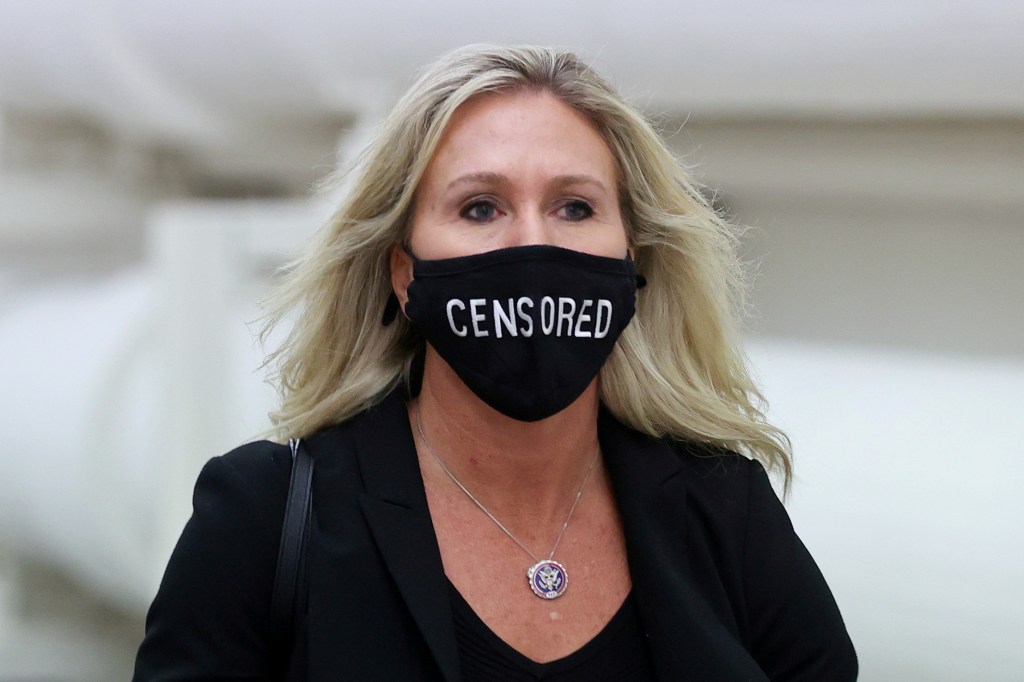
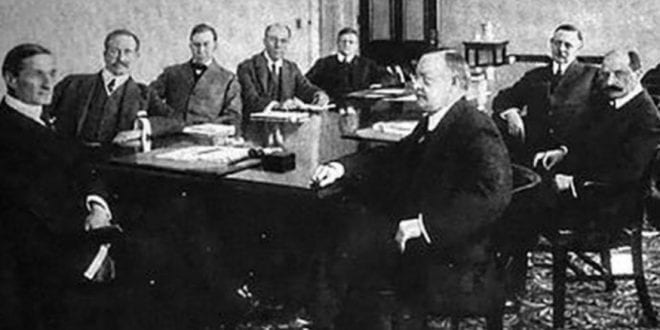
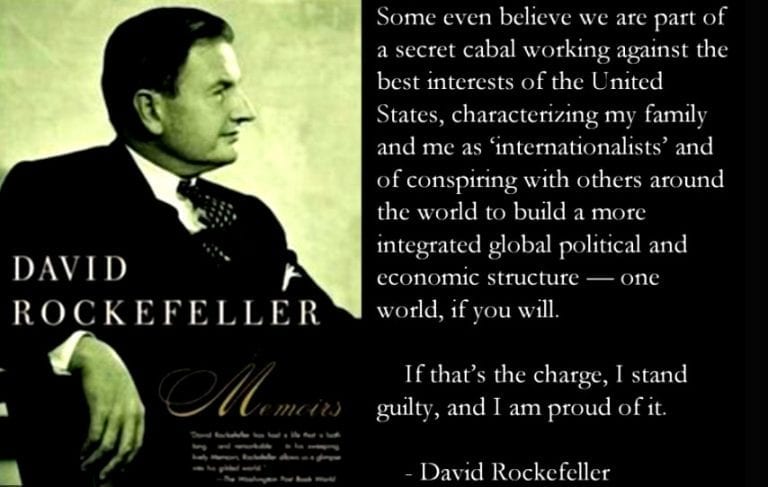


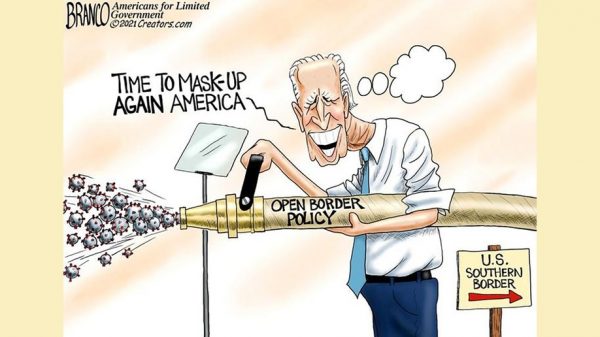
 After the Crash