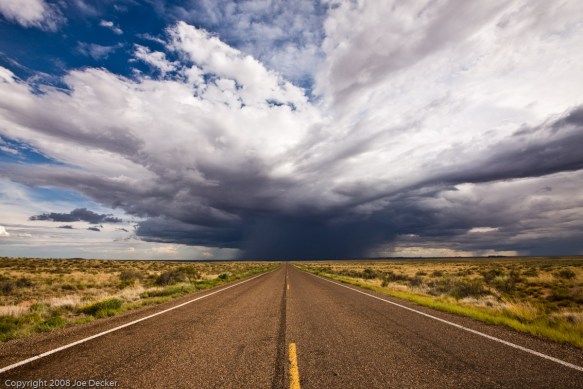
As the Spiritual Tsunami Arrives, How Will You Be?

By Open

Source: Wake Up World

When people reach the end of their lives and look back, it’s not the things they did do that they regret. It’s the things they didn’t. You have a dream in your heart, that wasn’t realised, or a gift or a skill that wasn’t fully explored. That’s the real tragedy. Right now humanity is as a ship, sailing into tumultuous seas. It’s not in this kind of energy that you sit back and dither. It calls for positive action, expression of being, excitement and adventure. These are the energies that will carry you through, and light up your life.

Coming into Your Element

Recently I’ve been bowled over by the strength of character some people come forwards with when something dramatic happens, like the bushfires in Australia, the mountains of snow in North America or the floods, earthquakes and volcanoes activating around the world. Plenty go into fear and panic, whereas others settle into their element and come into their own. Why is that?

Perhaps it’s because the second group have realised something fundamental – that you cannot control reality. You cannot prescribe or insure the future. When you get up in the morning, you cannot even be sure that you’ll make it to the end of the day.

If you live this way long enough, there comes a point where you move into complete acceptance of yourself and the mortality of life. Why not then be spurred on by it? When you know in your heart there is nothing to lose, in the same beat, paradoxically, you may realise there is everything to gain. Whatever you feel to do or express, what point is there in holding back?

Propagating Fear?

When I speak of the tremendous transformation the earth is going into, when I speak of the immanent galactic superwave, the escalating impact of cosmic rays or how Solar Forcing and the Pole Shift are taking us into climate crisis, I know some accuse me of ‘propagating fear’. In a seminar I once recall someone challenging if my approach was safe? My response was, ‘is the universe safe?’ Is enlightenment safe? In a self-realised being there is no fear, because it has been confronted and resolved out. Since plenty are working towards self realisation, then fear becomes an invaluable tool – a gateway through which to let go and expand.

The real propagation of fear is encouraging people to avoid, to deny, to distract, to go back into their shell. This also includes painting a ‘rosy’, ‘love and light spiritual’ gloss. It is what it is!

Humanity has been suppressed, blocked and pushed down for aeons – enslaved into a limiting reality construct for the benefit of just a few. It’s a sophisticated donkey and carrot delusion – offering ever greater complexity of gadgets and widgets and soft comforts that you strive ever harder to acquire ‘out there’.  It’s a game of smoke and mirrors to distract people from the true source of their contentment, empowerment and fulfillment – the unleashing and expression of their own soul from within.

For what else is the Universe about, if not the expression of Self?

The Path to Riches

When people come to the tumultuous realisation that it’s not about what we can acquire or attain out there, but rather that the revelation of Self is the real path to ‘riches’, then life takes off. There’s always an abundance of possibility in this moment to express something new about yourself. And when the proverbial Tsunami rolls in, that’s when the opportunity and the encouragement is at its greatest.

And neither does this mean that somehow you should now disengage from society or your job or from being in relationship. Far from it. Engage like you never have before – in a new way, a vibrant way, an honest and authentic way, and above all, without fear of the outcome.

You will make mistakes for sure. You will push buttons (‘big red ones’ as I describe in the film below), you’ll find yourself at times in emotional minefields. That’s okay, there’s no other way to truly learn, to evolve and grow, to become ever more sophisticated in your beingness. Go for it, and you’ll become rich beyond measure.

Breaking out of Poverty Consciousness

Neither is it about ‘not having’ either. It’s not about living in forced renunciation. When you unleash the authentic beingness of the soul, then the energy of this transforming reality will shape around you in ways you could never have imagined.

Someone whose truly wealthy where resources are concerned, is not governed by the resources, not attached to them. They ask only one question, “do I have enough to take the step that I’m being invited to take now?” Assuming you do, take the step, letting go of the worry if you’ll have enough ten steps down the path. Let the future take care of itself.

We need to break out of this old poverty consciousness. There’s a whole Universe of energy moving through this transformational moment!

Gateways of Possibility

Every so often, either on the journey of the soul or else in the wider movement of the field, window’s of opportunity open – gateways of possibility. These are where reality is transforming strongly, where it’s transmuting into something else, something new. We are in such a window right now, and it offers those prepared to be courageous enormous opportunity for realisation and growth – to strip off the layers and reveal more of their True Self. There can be nothing more rewarding.  And most importantly, you’ll find there will always be enough resources to be You – the authentic expression of You.

Expect this transformation to be a ‘transmutation’. Meaning that the new emerges through the breakdown of the old. So if you’re truely embarking through this corridor, then you’ll witness both at the same time.

Therefore don’t fear the breakdown. See it as an opportunity to embody something new, something that the emergence in you is beckoning.

Don’t expect either to know the answer. Don’t expect that you’ll know the path forwards. Mostly you only see the purpose as you look back and everything suddenly clicks in with that “aha” moment: “yes, this is why that happened. Yes, this is what I learned and gained from it.”

Cultivate the Spirit of Excitement and Adventure

Excitement and adventure are vibrant and powerful energies to carry you successfully through these times. But think about it, there can’t be adventure and excitement in a construct where everything is pre-planned and known, where everything is insured and assured. It’s in the very moment of not knowing that the vibrancy and excitement of adventure are activated.

That’s why I ask the question, ‘As the Spiritual Tsunami arrives, how will you be?’ Whether you’ve realised it or not, we are ALREADY in the Tsunami. It’s already happening and unfolding. Great transformation is in full swing. And therefore great opportunity to reveal and know yourself. The possibility of great adventure and excitement is shaping a path, step by step, in front of us. How does that encourage you now to be? In all those limiting circumstances you’ve found yourself boxed in by, what does it encourage you now to do?

Finally, I ask the question, in this great transformation happening all around us, what on earth is the point of playing it small?


Observing Elites Manipulate Our Fear: COVID-19, Propaganda and Knowledge

By Robert J. Burrowes

While humans stand on the brink of precipitating our own extinction, with the prospects of now averting this remote – see ‘Human Extinction Now Imminent and Inevitable? A Report on the State of Planet Earth’ – virtually everyone remains unaware of the critical nature of our plight. Moreover, the ongoing human death toll from the activities that are generating this crisis numbers in the many millions each year while the number of species driven to extinction is estimated at 200 per day.

In contrast, a virus that is killing a very small proportion of the minuscule number it has infected is causing panic in many countries around the world, devastating the travel and tourism industries while emptying supermarket shelves of food and that apparently most vital of commodities: toilet paper.

According to the Johns Hopkins University Coronvirus Resource Center (which is presumably separate from the JHU bioweapons research facility), the last time I checked it before this article was sent for publication, official reports indicate that the COVID-19 virus has so far infected 372,563 people in a world population of 7,800,000,000 (that is, about .0048% of the human population), killing 16,380 (4.3% of those infected) with 100,885 (27%) recovered already (and many more highly likely to do so). Of course, there is an unknown number of people who have contracted the virus but not reported it (through ignorance or intention) thus indicating that the death rate from the disease is (probably significantly) lower than the official rate.

Moreover, as one doctor has reported after researching the data on Italy, where the greatest rate of COVID-19 infection has occurred: ‘80% of the deceased had suffered from two or more chronic diseases’ and ‘90% of the deceased are over 70 years old’. In addition, ‘Less than 1% of the deceased were healthy persons’ defined, very simply, as ‘persons without pre-existing chronic diseases’. Given that northern Italy has one of the oldest populations and the worst air quality in Europe, which has already led to an increased number of respiratory diseases and deaths in the past, these are undoubtedly factors that help to account for the current local health crisis. See ‘A Swiss Doctor on Covid-19’.

Obviously the utterly inadequate response to the genuine crisis in which humans now find themselves and the panic-stricken response to a simple virus tells us a great deal about how human fear is working in these two contexts and the way in which elite agents, such as the World Health Organization (WHO), governments, medical personnel and the corporate media, have no trouble manipulating this fear to serve elite interests. A few minutes listening to or reading government and medical personnel commenting on COVID-19, as reported in the corporate media, is enough to reveal the extent of the fear they are peddling, although to those who are terrified, this is not obvious at all. It is just frightening.

While the multifaceted existential crisis clearly requires a concerted response ranging from nonviolent strategies to compel key corporations in various industries to desist from their biosphere-destroying behaviours to convincing ‘ordinary’ people to systematically reduce their consumption to relieve pressure on the biosphere as well, the virus problem requires either zero precautions for those individuals who make a point of maintaining their health (preferably by eating healthily-prepared biodynamic/organically grown vegetarian whole food etc which sustains their immune system), or the simplest of precautions (perhaps including taking some nutritional supplements such as vitamins A and C, for example), commensurate with precautions one might take to avoid catching the flu.

Of course, it should be noted, like many other threats to human health – including ‘doctor error’ (see, for example, ‘Table Of Iatrogenic Deaths In The United States’ and ‘Johns Hopkins study suggests medical errors are third-leading cause of death in U.S.’), heart disease, cancer and tuberculosis – the flu kills vastly more people, every day, than COVID-19 is doing. For example, according to the WHO, which ignores deaths from other diseases such as cardiovascular disease that can be influenza-related, seasonal influenza may result in as many as 650,000 deaths each year (an average of 1,781 each day) due to respiratory illnesses alone. See ‘Influenza: Burden of disease’. That is, the global death toll from COVID-19 in the months since it originated is equal to the global death toll from flu every nine days.

Moreover, if we were seriously concerned about our world, the gravest and longest-standing health crisis on the planet is the one that starves to death 100,000 people each day. No panic about that, of course. And no action either.

So, leaving aside this last point, the key question is this: Why aren’t people scared of the prospect of imminent human extinction and behaving powerfully in response, while vast numbers of people are terrified of catching one particular virus (but, apparently, not scared of being killed by their doctor or catching other viruses, contracting heart disease, cancer or TB) and acting insanely as a result?

And the short answer to this question is this: The elite is using its international organizations (particularly the United Nations and its agencies), governments, education systems, corporate media and other agents to suppress people’s awareness (and hence fear) of the threat of extinction so that business-as-usual (that is, profit-maximization) can continue for as long as possible unhindered by efforts to contain this existential crisis while deliberately triggering people’s fear in relation to COVID-19 so that a greater degree of elite control can be achieved and greater profits can be secured by exploiting certain opportunities (such as ‘short-selling’ on the stock market and profit-making by pharmaceutical corporations) that the panic arising from the virus generates.

Let me elaborate.

If one investigates the state of Earth’s biosphere, it quickly becomes evident that the biosphere is under siege on many fronts: There is the ongoing threat of nuclear war (perhaps started regionally) as the Cold War infrastructure containing this threat has been progressively dismantled. There is the ongoing threat posed by the progressive collapse of biodiversity as habitat is destroyed at an accelerating rate while animals, birds, insects, fish, amphibians, reptiles and plants are killed in vast numbers by a multitude of concurrent assaults. There is the ongoing threat posed by the climate catastrophe. There is the ongoing threat posed by the deployment of 5G (and electromagnetic radiation generally). And these threats are complemented by the imminent collapse of the Amazon, the widespread radioactive contamination of the Earth, the use of geoengineering and the ongoing ecological destruction caused by the many ongoing wars and other military activity. Among a wide variety of other threats.

The nature and details of these threats are readily available – again, for example, see ‘Human Extinction Now Imminent and Inevitable? A Report on the State of Planet Earth’ – and can be accessed by virtually anyone on Earth interested. Moreover, there is a great deal of evidence to support the argument that human extinction is now imminent given the synergistic impact of these (and so many other) threats. In essence, if one chooses, one can consider the evidence oneself and use this knowledge to behave sensibly and powerfully in response.

However, only a rare individual is seeking out and considering this wide range of evidence so that they can consider modifying their behaviour in light of this multifaceted crisis. Why?

Because our fear allows our life circumstances (‘I am busy with work/my family’ etc.) and elite agents, such as the corporate media, education systems and the entertainment industry, to distract us from paying close attention to these interrelated crises. This means that, if we do pay attention, it is usually to the corporate media’s version of the ‘evidence’, as presented by corporate scientists, and we are directed how to interpret this information; only the rarest individual seeks out the science for themselves or reads the scientists who courageously tell the truth. See, for example, ‘Arctic News’. In this way, strategically-focused action based on an analysis of the driving forces, even by those who self-label as ‘activists’, can be prevented and business-as-usual continues.

In contrast, because events such as the COVID-19 virus – like the long list of such threats (including AIDS, Severe Acute Respiratory Syndrome [SARS], Mad Cow disease and Ebola) that preceeded it – are created to expand elite political, economic, social and geopolitical control as well as to generate greater profits in some sectors of the economy (including through stock market windfalls by ‘short-selling’), our fear is deliberately played upon by the propaganda distributed through various elite agents. The resulting panic ensures that the bulk of the human population – willing to surrender control on the promise of greater material security – serves elite interests precisely. For a sample of the literature and videos that thoughtfully discuss points such as these, as well as others consistent with them (such as the push for compulsory vaccination and marginalization of the elderly), see ‘COVID-19 Coronavirus: A Fake Pandemic? Who’s Behind It? Global Economic, Social and Geopolitical Destabilization’, ‘This Is a Test: How Will the Constitution Fare During a Nationwide Lockdown?’, ‘China – Western China Bashing – vs. Western Biowarfare?’, ‘CoVid-19 – What the government is really covering up’, ‘Plunging stocks, pandemic fears, quarantines – what’s the real operation?’, ‘How Many People Have Coronavirus?’, ‘The Coronavirus Phenomenon is a Political Pandemic, not a Medical Emergency’, ‘The Coronavirus COVID-19 Pandemic: The Real Danger is “Agenda ID2020”’, ‘The Coronavirus Hoax’, ‘Pandemic: The Invention of a Disease Called Fear. People are being “Herded”. Disrupting the World Economy’, ‘Coronavirus scare – the hoax of the century?’, ‘Corona Panic – erstaunliche Einblicke / stunning insights’, ‘The Coronavirus: Crown Jewel of the New World Order or Crippling Blow to Globalization?’, ‘Coronavirus and the Gates Foundation’ and ‘In a Europe Closed Down by the Coronavirus the EU Opens its Doors to the US Army. Could the Defender become the Invader of Europe?’

In essence then, knowledge – whether of those actually possessing it but even of one’s own – is marginalized because once people are scared, their fear overwhelms their capacity to think, assess, evaluate and critique, as well as to feel the other emotional responses that tell them what is actually taking place. Only the occasional individual pauses to consider – and research – what is happening in order to respond powerfully.

Of course, knowledge might not be easy to acquire given that, in this instance, there are various theories, apart from those mentioned above, about what is happening. These include the hypotheses that the virus is a (deliberately or even accidentally) released bioweapon – see ‘Author of US Biowarfare Law: Studies Confirm Coronavirus Weaponized’, ‘Who Made Coronavirus? Was It the U.S., Israel or China Itself?’, ‘China is Confronting the COVID-19 Epidemic. Was It Man-Made? An Act of of Bio-warfare?’ and ‘Bioweapons Expert Speaks Out About Novel Coronavirus’ – and that the virus is being used to obscure the death toll from the deployment of 5G (already done extensively in Wuhan, for example). See ‘Wuhan China, One Big 5G FEMA style Camp & Not because of Coronavirus’ and ‘China, 5G, And The Wuhan Coronavirus: The Emperor’s New Virus’.

However, just because knowledge requires effort, it does not mean that it is not available if we conscientiously apply our intelligence to identify and investigate credible sources, such as those mentioned above. Moreover, if knowledge is genuinely sought, we might also need to spend time endeavouring to comprehend the complexity of some issues, starting by asking key questions. In this case, for example, there are many people benefiting from this crisis but doing so even though they work at different points in relation to it. How does this help us to understand what is going on?

The fundamental problem, of course, is that applying intelligence to a challenge is effectively impossible if, as is the case with the bulk of the human population, the individual is (unconsciously) terrified and hence easily stampeded into panic, especially if the stampede is precipitated deliberately to serve specific elite ends.

So why is virtually everyone so (unconsciously) terrified? Unfortunately, it is the standard state of virtually all human beings after being terrorized into submission by parents, teachers, religious figures and other adults during childhood. But also denied the opportunity to feel and release this fear, the individual suppresses their awareness of the fear which simply remains in the unconscious endlessly shaping behaviour without the individual even realising. For a full explanation of this, including the roles that ‘visible’, ‘invisible’ and ‘utterly invisible’ violence play in generating this outcome, see ‘Why Violence?’ and ‘Fearless Psychology and Fearful Psychology: Principles and Practice’.

One way in which this works is as follows. Children start learning at a very young age to identify, often unconsciously, when a parent or other adult is delusional about something. This is particularly the case when this involves the parent projecting their fear onto the child (or something the child is doing), when there is actually no danger. See ‘The Psychology of Projection in Conflict’. The child can perceive the parental projection because the child’s perceptions are not yet as damaged as those of the adults around them. However, because the adult is always fearfully attached to their delusions and projections as a key outcome of their own childhood terrorization experience, the child also quickly learns that if they seriously contradict a delusion or projection held by the parent/adult, they are highly likely to be punished. And so the child acts to avoid punishment by not challenging the delusion/projection.

As Anita McKone further explained her understanding of this process during a recent discussion, she noted the way it feels for the parent in this context: ‘If you don’t help me to keep safe from my projected fear/delusion (which, of course, for me is absolutely real), then I consider you to be dangerous to me and I will attack you!’ The problem for the child in this circumstance is that the parental fear and the threat it poses are overwhelming and so, after a time, the child copies the fear and ceases to remember how things actually were. But without a subsequent opportunity to feel the fear holding this delusion/projection in place, the child will retain this delusion/projection for life, just as the parent has done.

However, the problem is that once a childhood fear is suppressed, it spends the remainder of the individual’s life seeking ways of being felt and expressed. This can occur in ways that are easily not noticed, such as feeling scared while watching a horror movie. However, the most usual ways in which this suppressed fear manifests in later life is by projecting it at activities undertaken by one’s children that trigger this fear. And because it is not actually frightening to control the child’s behaviour, the parent will seek this control so that they can feel the relief of (temporarily) getting their own fear back under control.

But another way in which this fear can be given a safe outlet on something that is not actually frightening, is by participating in ‘socially-approved’ activities that allow the fear to be expressed. For example, the people who are participating in the panic-stricken purchase of foods and goods from supermarkets are simply responding to their unconscious fear which has been deliberately triggered to enable elite-desired outcomes for greater social control to be achieved by making political use of this panic. Again see articles cited above such as ‘This Is a Test: How Will the Constitution Fare During a Nationwide Lockdown?’

In essence then, the COVID-19 pandemic was created as just another step in the endless effort to fully establish elite political, economic and social control. With the WHO, governments, medical personnel and the corporate media warning the population (with their superficially suppressed terror readily accessible) of the dangers of the virus and directing them to respond in particular ways under threat of punishment, governments implementing measures to restrict freedom and movement (including ‘lockdowns’, border closings, bans on gatherings in a variety of public contexts and a range of other drastic measures), the corporate media endlessly referring to and discussing possible ‘horror’ scenarios, people’s fear is readily triggered to ensure there is little resistance to the ongoing curtailment of their rights (and many even end up asking for these curtailments if it will make them feel safer).

The fundamental problem is this: once we fearfully surrender a right, it is rarely won back. And we are one step closer to living in a dystopian (technologically-monitored and controlled) police state. If you think this won’t/can’t happen, I gently encourage you to read the relevant references cited above, each of which was carefully chosen because it illustrates this point in one way or another.

Whether COVID-19 is intended to be the final step or just another in what remains of the series, we will soon know. In any case, if we are not resisting strategically, the elite will ultimately succeed.

So here is the summary:

Our existing parenting and education models are designed to produce submissively obedient children, students, workers, soldiers and citizens. After all, we want children, students, employees, military personnel and even citizens who obey orders, not think for themselves. But this outcome can only be achieved by terrorizing children throughout childhood until they suppress their awareness of their own self-will so completely that they submit to the will of adults virtually without protest. Now devoid of their own unique and powerful self-will, they become sheep herded from one supermarket to the next by their own fear. No need for a shepherd.

Then, when the global elite plans and implements its next move, using COVID-19 as ‘cover’ on this occasion, to consolidate its ever-tightening grip on the human population (more militarized policing, new and improved police/military weapons systems, privacy-abusing law, surveillance technology, facial recognition system, vaccination regime, genetically-mutilated organism, monetary or banking convenience….), it simply instructs its agents in the UN, government, education systems, the corporate and social media, and elsewhere to carefully explain why this particular response is so beneficial to everyone with genuine critiques confined to those few outlets with modest audiences, such as this one, that tell the truth.

Terrorized into accepting adult dogma as a child, the typical adult now participates in many delusions, such as the one that the choice offered at elections constitutes having a say in how a country is governed. Devoid of the capacity to critique society beyond the most superficial level, elite propaganda is devoured as ‘knowledge’. And once their deeply-suppressed terror is triggered, these ‘adults’ will be readily panicked into doing as the elite directs. People in a terrified state are in no condition to defend themselves and their rights and so they readily give these up on the promise of not having to feel afraid.

What can we do?

Well, because the foundation of this entire elite-controlled world is the submissively obedient individual, the world can only be rebuilt as we might like it if we stop terrorizing children into being submissive. So I would start by parenting and educating children so that they become powerful. See ‘My Promise to Children’ and ‘Do We Want School or Education?’

If you need help to parent in this manner, try ‘Putting Feelings First’ and learning how to nistel to your child(ren). See ‘Nisteling: The Art of Deep Listening’.

If you know someone who is frightened, or even panicking, about COVID-19, and you feel capable of doing so, it will help them enormously if you are able to listen to them talk about, and feel, their fear. Again, see ‘Nisteling: The Art of Deep Listening’.

If you want to better understand the origin, identity and behaviour of the global elite and why it is insane, see the section headed ‘How the World Works’ in ‘Why Activists Fail’ and the articles ‘Exposing the Giants: The Global Power Elite’ and ‘The Global Elite is Insane Revisited’.

If you want to better understand the link between suppressed fear and panic-buying in supermarkets, see ‘Love Denied: The Psychology of Materialism, Violence and War’.

If you wish to campaign to defend our rights and the integrity of our biosphere, then consider doing it strategically. See Nonviolent Campaign Strategy. The global elite is not about to give way unless we compel it to do so. We have plenty of power if we deploy it strategically.

If you wish to remove a corrupt or electorally unresponsive government, see Nonviolent Defense/Liberation Strategy.

If you wish to fight powerfully to save Earth’s biosphere against those governments and corporations so intent on destroying it, but you prefer local engagement, consider joining those participating in ‘The Flame Tree Project to Save Life on Earth’ which outlines a simple program to systematically reduce your consumption and increase your self-reliance over a period of years.

You might also consider joining the global network of people resisting violence in all contexts, particularly that inflicted by the global elite, by signing the online pledge of ‘The People’s Charter to Create a Nonviolent World’.

Or, if none of the above options appeal or they seem too complicated, consider committing to:

The Earth Pledge

Out of love for the Earth and all of its creatures, and my respect for their needs, from this day onwards I pledge that: 

  1. I will listen deeply to children (see explanation above)
  2. I will not travel by plane
  3. I will not travel by car
  4. I will not eat meat and fish
  5. I will only eat organically/biodynamically grown food
  6. I will minimize the amount of fresh water I use, including by minimizing my ownership and use of electronic devices
  7. I will not buy rainforest timber
  8. I will not buy or use single-use plastic, such as bags, bottles, containers, cups and straws
  9. I will not use banks, superannuation (pension) funds or insurance companies that provide any service to corporations involved in fossil fuels, nuclear power and/or weapons
  10. I will not accept employment from, or invest in, any organization that supports or participates in the exploitation of fellow human beings or profits from killing and/or destruction of the biosphere
  11. I will not get news from the corporate media (mainstream newspapers, television, radio, Google, Facebook, Twitter…)
  12. I will make the effort to learn a skill, such as food gardening or sewing, that makes me more self-reliant
  13. I will gently encourage my family and friends to consider signing this pledge.

Conclusion

Each of the measures nominated in the section above identifies ways in which we can restore our power to resist elite insanity and/or take strategic action to resist elite violence once we have the power to do so.

If we do not take measures such as these, the insane global elite will continue to manipulate us into doing its bidding, usually using more insidious techniques than COVID-19, until human beings cease to exist. As touched on above, the evidence strongly suggests we do not have much time.

What you decide is therefore critical.


Biodata: Robert J. Burrowes has a lifetime commitment to understanding and ending human violence. He has done extensive research since 1966 in an effort to understand why human beings are violent and has been a nonviolent activist since 1981. He is the author of ‘Why Violence?’ His email address is flametree@riseup.net and his website is here.

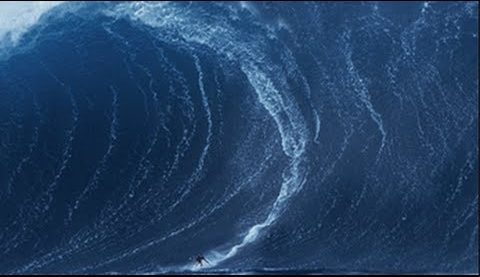
 

What is the soul if not a better version of ourselves?

By John Cottingham

Source: aeon

What is the point of gaining the whole world if you lose your soul? Today, far fewer people are likely to catch the scriptural echoes of this question than would have been the case 50 years ago. But the question retains its urgency. We might not quite know what we mean by the soul any more, but intuitively we grasp what is meant by the loss in question – the kind of moral disorientation and collapse where what is true and good slips from sight, and we find we have wasted our lives on some specious gain that is ultimately worthless.

It used to be thought that science and technology would gain us the world. But it now looks as though they are allowing us to destroy it. The fault lies not with scientific knowledge itself, which is among humanity’s finest achievements, but with our greed and short-sightedness in exploiting that knowledge. There’s a real danger we might end up with the worst of all possible scenarios – we’ve lost the world, and lost our souls as well.

But what is the soul? The modern scientific impulse is to dispense with supposedly occult or ‘spooky’ notions such as souls and spirits, and to understand ourselves instead as wholly and completely part of the natural world, existing and operating through the same physical, chemical and biological processes that we find anywhere else in the environment.

We need not deny the value of the scientific perspective. But there are many aspects of human experience that cannot adequately be captured in the impersonal, quantitatively based terminology of scientific enquiry. The concept of the soul might not be part of the language of science; but we immediately recognise and respond to what is meant in poetry, novels and ordinary speech, when the term ‘soul’ is used in that it alerts us to certain powerful and transformative experiences that give meaning to our lives. Such experiences include the joy that arises from loving another human being, or the exaltation when we surrender to the beauty of a great artistic or musical work, or, as in William Wordsworth’s poem ‘Tintern Abbey’ (1798), the ‘serene and blessed mood’ where we feel at one with the natural world around us.

Such precious experiences depend on certain characteristic human sensibilities that we would not wish to lose at any price. In using the term ‘soul’ to refer to them, we don’t have to think of ourselves as ghostly immaterial substances. We can think of ‘soul’ as referring, instead, to a set of attributes ­­– of cognition, feeling and reflective awareness – that might depend on the biological processes that underpin them, and yet enable us to enter a world of meaning and value that transcends our biological nature.

Entering this world requires distinctively human qualities of thought and rationality. But we’re not abstract intellects, detached from the physical world, contemplating it and manipulating it from a distance. To realise what makes us most fully human, we need to pay attention to the richness and depth of the emotional responses that connect us to the world. Bringing our emotional lives into harmony with our rationally chosen goals and projects is a vital part of the healing and integration of the human soul.

In his richly evocative book The Hungry Soul (1994), the American author Leon Kass argues that all our human activities, even seemingly mundane ones, such as gathering around a table to eat, can play their part in the overall ‘perfecting of our nature’. In the more recent book Places of the Soul (3rd ed, 2014), the ecologically minded architect Christopher Day speaks of the need for humans to live, and to design and build their dwellings, in ways that harmonise with the shapes and rhythms of the natural world, providing nourishment for our deepest needs and longings.

The language of ‘soul’ found here and in many other contexts, ancient and modern, speaks ultimately of the human longing for transcendence. The object of this yearning is not well-captured in the abstract language of theological doctrine or philosophical theory. It is best approached through praxis, or how that theory is enacted. Traditional spiritual practices – the often simple acts of devotion and commitment found in rites of passage marking the birth or death of a loved one, say, or such rituals as the giving and receiving of rings – provide a powerful vehicle for the expression of such longings. Part of their power and resonance is that they operate on many levels, reaching deeper layers of moral, emotional and spiritual response than can be accessed by the intellect alone.

The search for ways to express the longing for a deeper meaning in our lives seems to be an ineradicable part of our nature, whether we identify as religious believers or not. If we were content to structure our lives wholly within a fixed and unquestioned set of parameters, we would cease to be truly human. There is something within us that is always reaching forward, that refuses to rest content with the utilitarian routines of our daily existence, and yearns for something not yet achieved that will bring healing and completion.

Not least, the idea of the soul is bound up with our search for identity or selfhood. The French philosopher René Descartes, writing in 1637, spoke of ‘this me, that is to say the soul by which I am what I am’. He went on to argue that this soul is something entirely nonphysical, but there are now very few people, given our modern knowledge of the brain and its workings, who would wish to follow him here. But even if we reject Descartes’s immaterialist account of the soul, each of us retains a strong sense of ‘this me’, this self that makes me what I am. We are all engaged in the task of trying to understand the ‘soul’ in this sense.

But this core self that we seek to understand, and whose growth and maturity we seek to foster in ourselves and encourage in others, is not a static or closed phenomenon. Each of us is on a journey, to grow and to learn, and to reach towards the best that we can become. So the terminology of ‘soul’ is not just descriptive, but is what philosophers sometimes call ‘normative’: using the language of ‘soul’ alerts us not just to the way we happen to be at present, but to the better selves we have it in our power to become.

To say we have a soul is partly to say that we humans, despite all our flaws, are fundamentally oriented towards the good. We yearn to rise above the waste and futility that can so easily drag us down and, in the transformative human experiences and practices we call ‘spiritual’, we glimpse something of transcendent value and importance that draws us forward. In responding to this call, we aim to realise our true selves, the selves we were meant to be. This is what the search for the soul amounts to; and it is here, if there is a meaning to human life, that such meaning must be sought.

Our Vanishing World: Oceans

By Robert J. Burrowes

As the human onslaught against life on Earth accelerates, no part of the biosphere is left pristine. The simple act of consuming more than we actually need drives the world’s governments and corporations to endlessly destroy more and more of the Earth to extract the resources necessary to satisfy our insatiable desires. In fact, an initiative of the World Economic Forum has just reported that ‘For the first time in history, more than 100 billion tonnes of materials are entering the global economy every year’ – see ‘The Circularity Gap Report 2020’ – which means that, on average, every person on Earth uses more than 13 tonnes of materials each year extracted from the Earth.

As I have explained elsewhere, however, the psychological damage we have all suffered, which leaves us with unmet but critically important emotional needs (and, in many cases, the sense that our lives are meaningless), cannot be rectified by material consumption. Despite this, most of us will spend our lives engaged in a futile attempt to fill the aching void in our psyche by consuming and accumulating, at staggering cost to the Earth. Identifying when we have ‘enough’ is a capacity that most modern humans have never acquired for reasons that can be easily explained. See ‘Love Denied: The Psychology of Materialism, Violence and War’.

Hence, our world continues to vanish, as has been extensively documented. For a summary, see ‘Human Extinction Now Imminent and Inevitable? A Report on the State of Planet Earth’.

And nowhere is this more evident than in the planet’s oceans, which are being systematically destroyed and where life is being progressively extinguished.

In fact, our destruction of the oceans is now so advanced that the fish, mammals (including seals, whales, manatees, sea otters and polar bears), crustaceans (including crabs, lobsters, crayfish, shrimps, prawns, krill and barnacles), coral reefs (made up of coral polyps, marine invertebrate animals that live in colonies) and the millions of species that live in and around them (including sponges, mollusks, sea anemones, seahorses, sea turtles as well as crustaceans and an enormous variety of fish), plants (such as algae, seaweed and seagrass), microscopic organisms (residing in the ocean and on the ocean floor), invertebrates (such as sea urchins and sea slugs), birds (including better known ones such as penguins, auks, murres, razorbills, puffins, tubenoses – such as the albatross and petrels – pelicans and gulls and a great many species that are less well known), and the other lifeforms that live in and on the ocean are vanishing rapidly.

Starkly illustrating the catastrophic nature of what is taking place, one recent incident alone killed 100 million Pacific cod. See ‘Ocean heat waves like the Pacific’s deadly “Blob” could become the new normal’. But, tragically, such incidents are no longer unusual and, of course, they generate cascading impacts. See, for example, ‘Fish all gone!… Millions of small sea birds died since 2015’.

‘How can we destroy the oceans?’ you might ask. Unfortunately, far too easily when you consider the range of assaults to which they are being subjected.

So let me give you a brief 18-point outline of what we are doing that is destroying the oceans – where life on Earth originated and which remains the planet’s main life support system by dominating the processes that keep our planet habitable such as regulating the climate by absorbing excess carbon dioxide and heat – while also giving you some idea of the impacts of this on the creatures that live in and on the oceans.

As a result of human activities that generate carbon emissions, we are dumping ever-increasing amounts of carbon dioxide into the oceans which have absorbed 20–30% of total anthropogenic emissions in the last two decades. This is causing the oceans to warm, acidify and lose oxygen, among several other adverse outcomes. See ‘The Ocean and Cryosphere in a Changing Climate: A Special Report of the Intergovernmental Panel on Climate Change’. p. 450. These adverse changes, in turn, generate a range of ‘downstream’ negative impacts. However, there are other human activities unrelated to carbon emissions that are destroying the oceans too.

So here is the summary.


  1. The oceans are warming.

In relation to warming, the oceans have been heating up for several decades and, since 2005, the increase has been unchecked. Moreover, it is occurring at all ocean depths, including in the deep ocean (below 2,000 metres). In addition, the rate of warming has been increasing and the rate of ocean uptake of atmospheric CO2 has continued to strengthen in the last two decades in response to the increasing concentration of CO2 in the atmosphere. This is causing the upper ocean to stratify making the surface ocean less dense over time, compared to the deeper ocean, and inhibiting the exchange between surface and deep waters.

As one result of this ocean warming, the range of some species has expanded and, in the case of tropical species that have expanded into higher latitudes, it has led to increased grazing on some coral reefs, rocky reefs, seagrass meadows and epipelagic (near-surface) ecosystems, leading to altered ecosystem structure.

Ocean warming has also contributed to changes in the biogeography of organisms ranging from phytoplankton to marine mammals, consequently changing community composition, and in some cases, altering interactions between organisms. The net outcome is an adverse impact on marine organisms and fisheries with serious implications for human communities and food production.

Ocean warming is also manifesting in a range of diverse and unpredicted ways with one of the more catastrophic aberrations, touched on above, being the occurrence of ‘blobs’: huge patches of unusually warm ocean water that can be millions of square kilometres in size. These ‘marine heatwaves’ wreak havoc, sometimes killing millions of ocean creatures in a single incident (including by disturbing food chains), forcing others to relocate, and perhaps generating unusual blooms of toxic algae. See ‘Ocean heat waves like the Pacific’s deadly “Blob” could become the new normal’.

Among its other impacts, the warming oceans mean there is more available energy that can be converted into cyclonic winds. Research on this subject indicates that there has been ‘an increase in intense hurricane activity over the past 40 years’. See ‘Hurricanes and Climate Change’ and Changes in Tropical Cyclone Number, Duration, and Intensity in a Warming Environment. These events cause landslides, collapses in fisheries, and damage to reefs and shallow-water habitats. When they impact on coastal communities, they kill people and destroy properties, among other outcomes. See ‘The state of our oceans – The damaging effects of ocean pollution’.

Warming oceans also cause coral bleaching. This is because corals have algae that live in their tissues and these algae provide the coral with essential nutrients and give them their color. The warming oceans cause this relationship to become stressed, forcing the algae out of the coral. As a result, the coral becomes white, loses its main food source, and becomes more vulnerable to disease. See ‘Coral Bleaching’.

Warmer ocean water causes sea level rise too because warmer water has a greater volume than colder water. Of course, sea level rise also occurs because of the additional water from melting land ice and a devastating level of rise from this cause is already ‘locked in’ because of past emissions. See ‘Sea Level Rise!’

Ocean warming and increased stratification disturb ocean nutrient cycles and this is having a regionally variable (but usually adverse) impact on many species too.

And finally, ocean warming – most likely from ice loss in the Arctic – is weakening the Atlantic Meridional Overturning Circulation (AMOC) which is one of the key drivers of global ocean circulation; it includes the Gulf Stream that transports warm and salty tropical waters north to the western coasts of Europe where the warm water releases heat to the atmosphere, playing a key role in the warming of western Europe and thus its functional habitability. Once the tropical water reaches the south and east of Greenland, it cools before sinking to the base of the North Atlantic Ocean because it is saltier and thus denser than the surrounding fresh water. The water is then pushed south along the abyss of the Atlantic Ocean completing what has been, from a human viewpoint, a perpetual cycle. See Arctic sea-ice decline weakens the Atlantic Meridional Overturning Circulation and Global Ocean Circulation Appears To Be Collapsing Due To A Warming Planet’. How much longer it will be so appears to defy reliable scientific assessment. But as it breaks down, the adverse outcomes multiply rapidly.

In fact, ocean circulation generally is being impacted by the warming climate, as established by a recently concluded study:

Ocean circulation plays a vital role in regulating the weather and climate and supporting marine life…. Here, we show for the first time, independent satellite observational evidence demonstrating that the large-scale ocean gyres are moving poleward during the past four decades. Further analysis based on climate models and various other data sets reveal that the poleward shifting of the ocean gyre circulation is most likely to be a consequence of global warming, which so far has not been well recognized by the public and the scientific community…. Such changes have had disastrous consequences…. See Poleward shift of the major ocean gyres detected in a warming climate.


  1. The oceans are becoming more acidic.

In response to the increasing carbon uptake the oceans are also becoming more acidic. This has probably been the case for three-quarters of the near-surface open ocean since prior to 1950 and it is very likely that over 95% of the near surface open ocean has now been affected. See ‘The Ocean and Cryosphere in a Changing Climate: A Special Report of the Intergovernmental Panel on Climate Change’. p. 450.

In a stark warning issued by the International Programme on the State of the Ocean (IPSO) in 2013, scientists had already noted that the oceans are becoming more acidic at the fastest rate in 300m years. Why? Because of carbon dioxide emissions from burning fossil fuels. ‘This [acidification] is unprecedented in the Earth’s known history. We are entering an unknown territory of marine ecosystem change, and exposing organisms to intolerable evolutionary pressure. The next mass extinction may have already begun.’ See ‘Rate of ocean acidification due to carbon emissions is at highest for 300m years’.

In its latest report, issued in 2018, IPSO declared the following: ‘The ocean, by its breadth and depth, occupies more than 97% of the living space on Earth. It dominates the processes that keep our planet habitable…. But this protection comes at a cost as the ocean is now becoming more acidic…. For too long we have mistaken the immensity of the ocean for inviolability, but those days are gone, and we stand at a critical juncture. Cutting emissions, while essential, will not alone solve the environmental problems we face.’ See ‘Eight urgent fundamental and simultaneous steps needed to restore ocean health, and the consequences for humanity and the planet of inaction or delay’.


  1. The oceans are deoxygenating.

Oxygen in the air or water is of paramount importance to most living organisms. Unfortunately, as a recent report documents in considerable detail (and which confirms earlier research), oxygen levels are currently declining across the ocean (and not just in the more widely known ocean ‘dead zones’: see below). See ‘Ocean deoxygenation: Everyone’s problem. Causes, impacts, consequences and solutions’.

Deoxygenation of the ocean is the result of two overlying causes – eutrophication (the process by which a body of water becomes overly enriched with minerals and nutrients thus inducing excessive growth of algae which absorb the oxygen at the expense of the water body) as a result of nutrient run-off from land and deposition of nitrogen from the burning of fossil fuels, as well as the heating of ocean waters as another outcome of burning fossil fuels, primarily causing a change in ventilation with the overlying atmosphere so that the oceans hold less soluble oxygen (and which is compounded by reduced ocean mixing and changes in currents and wind patterns). Ocean deoxygenation is but the latest consequence of our activities on the ocean to be recognized and is yet another ‘major stressor’ on marine systems.

Eutrophication has been identified as a problem in 900 separate areas of the ocean, with 700 of these suffering hypoxia (low oxygen) as a result. But because ocean warming lowers oxygen directly, it is now impacting vast areas of the ocean as well. As a result, ‘the ocean has now become a source of oxygen for the atmosphere even though its oxygen inventory is only about 0.6% of that of the atmosphere’. Moreover, different analyses have concluded that global ocean oxygen content has decreased by 1-2 % since the middle of the 20th century. Given existing trends in the factors driving this change, the rate of loss must accelerate.

Obviously, the future intensification and expansion of low oxygen zones will have further adverse ecosystem and biogeochemical consequences, particularly in combination with, and sometimes synergistically with, other threats. For example, ‘ocean warming accompanied by deoxygenation will drive habitat contraction and fragmentation in regions where oxygen levels decline below metabolic requirements’.


  1. The oceans are being contaminated with nuclear radiation.

Despite an extensive and ongoing coverup by the Japanese government and nuclear corporations as well as the International Atomic Energy Agency (IAEA), vast amounts of radioactive waste are being dumped into the biosphere from the TEPCO nuclear power plant at Fukushima in Japan including by discharge into the Pacific Ocean. This is killing an incalculable number of fish and other marine organisms and indefinitely contaminating expanding areas of that ocean. See ‘Fukushima: A Nuclear War without a War: The Unspoken Crisis of Worldwide Nuclear Radiation’, ‘2019 Annual Report – Fukushima 8th Anniversary’, ‘Eight years after triple nuclear meltdown, Fukushima No. 1’s water woes show no signs of ebbing’ and ‘Fukushima’s Three Nuclear Meltdowns Are “Under Control” – That’s a Lie’.

In addition, one critical legacy of the US military’s 67 secretive and lethal nuclear weapons tests on the Marshall Islands between 1946 and 1958 is the ‘eternally’ radioactive garbage left behind and now leaking into the Pacific Ocean. See ‘The Pentagon’s Disastrous Radioactive Waste Dump in the Drowning Marshall Islands is Leaking into the Pacific Ocean’.

And, of course, there are up to 70 ‘still functional’ nuclear weapons as well as nine nuclear reactors lying on the ocean floor as a result of accidents involving nuclear warships and submarines. These are leaking an unknown amount of radiation into the oceans. See ‘Naval Nuclear Accidents: The Secret Story’, ‘A Nuclear Needle in a Haystack: The Cold War’s Missing Atom Bombs’ and, for one specific example (the former Soviet submarine Komsomolets), see ‘Soviet nuclear submarine emitting radiation “100,000 times normal level” into sea, scientists find’.


  1. The oceans are being contaminated as a result of offshore oil and gas drilling, as well as oil spills.

The complex but far-from-perfect technologies and the many environmental challenges associated with oil and gas drilling in the ocean have ensured the near-routine occurrence of often disastrous accidents which invariably lead to fossil fuels and other contaminants being discharged into the ocean, sometimes on a vast scale.

The classic case, of course, was the BP-leased Deepwater Horizon rig which had drilled a well to 35,055 feet (10 kilometers) while operating in 4,130 feet (1 kilometer) of water. The oil rig exploded and sank in the Gulf of Mexico on 20 April 2010 releasing 5 million barrels of oil into the ocean making it the worst environmental disaster in US history. It caused extensive damage to the ocean, corals and beaches and killed millions of fish, birds and marine mammals in and on the ocean. Despite a ‘clean up’, only one quarter of the oil was ever removed from the ocean. See ‘The Dangers of Offshore Drilling’.

The simple reality is that despite the industry’s safety claims, oil rig fires are commonplace. See ‘Why Is Offshore Drilling So Dangerous?’

And so are oil spills into the ocean for other reasons, including from tankers – see ‘Top 10 Worst Oil Spills’ – as the Exxon Valdez disaster in 1989 demonstrated all too graphically. See ‘The Complete Story of the Exxon Valdez Oil Spill’.

Often enough as well, oil is discharged into the ocean as a result of military activities and war. During the Gulf War in 1991, for example, vast quantities of oil were released into the Persian Gulf as a military tactic. See ‘The World’s Largest Oil Spill: The Gulf War Kuwait, 1991’ and Gulf War Oil Disaster: A Brief History’.


  1. The oceans are being damaged by deep sea mining.

Recent technological advances spurred by growing demand for minerals used in consumer electronics has led to increased interest in deep sea mining as the next frontier in resource extraction. Hailed as the new ‘global gold rush’, deep sea mining entails extracting minerals from deposits in the deep sea (approximately 400 to 6,000 meters below sea level) for use in emerging and high technology, among other sectors. Predictably, deep sea mining shares many features with past resource scrambles, including a general disregard for environmental and social impacts, and the marginalization of indigenous peoples and their rights. See ‘Broadening Common Heritage: Addressing Gaps in the Deep Sea Mining Regulatory Regime’ and ‘Deep-sea mining possibly as damaging as land mining, lawyers say’.

Beyond these adverse impacts, however, recent research makes it increasingly clear that deep sea mining poses a grave threat to vital seabed functions, including those played by hydrothermal vents and cold seeps, for example, which support remarkable biodiversity and sequester disproportionate amounts of carbon. Moreover, recent scientific breakthroughs have further revealed that most of the excess heat resulting from increased atmospheric concentrations of greenhouse gases has been absorbed by the deep ocean, thereby significantly limiting the climate catastrophe’s impacts on the ocean’s surface and on land. See ‘Deep sea ecology: hydrothermal vents and cold seeps’ and ‘Broadening Common Heritage: Addressing Gaps in the Deep Sea Mining Regulatory Regime’.

In essence, deep sea mining threatens the ‘common heritage’ the seabed provides through its substantial contributions to biodiversity, climate regulation and heat storage.


  1. The oceans are being polluted with industrial (including chemical) and farming wastes including pesticides and fertilizers which are generating ‘dead zones’, regions of the oceans that are devoid of life.

Despite the existence of the ‘Convention on the Prevention of Marine Pollution by Dumping of Wastes and other Matter’ (otherwise known as the London Dumping Convention, 1972), an international treaty ‘that created a global system to protect the marine environment from pollution caused by ocean dumping’ – and certainly including radioactive wastes, fossil fuels, some toxic wastes, biological and chemical warfare agents, and persistent synthetic materials such as plastic – and supposedly ‘ensures that the few materials that are permitted for ocean disposal are carefully evaluated to make sure that they will not pose a danger to human health or the environment’ – see ‘1972 Prevention of Marine Pollution by Dumping of Wastes and Other Matter (London Convention)’ – the Convention must be one of the least comprehensive and most violated in international law. In any case, there is no evidence that it has any restraining impact on the actions of states or corporations as the evidence above and below demonstrates.

For example, a vast runoff of industrial wastes (including heavy metals), agricultural poisons, fossil fuels and other wastes is discharged into the ocean, adversely impacting life at all ocean depths – see ‘Staggering level of toxic chemicals found in creatures at the bottom of the sea, scientists say’ – and, as noted above, generating ocean ‘dead zones’ (of which there are many hundred): regions that have too little oxygen to support marine organisms. See ‘Ocean Dead Zones Are Getting Worse Globally Due to Climate Change’ and ‘Ocean “dead zones” are spreading – and that spells disaster for fish’.


  1. The oceans are being polluted by nitrogen.

While nitrogen is vital to the health of the ocean, like everything else that makes up the ocean, it must be in balance, not fluctuating beyond very narrow parameters. See ‘Understanding nitrogen’s role in the ocean’.

But it is now well past the point when this state has been the case.

This is because nitrogen is one important element of the industrial and agricultural pollution just mentioned. It is the nitrogen component in the runoffs of these wastes (such as fertilizers and sewage) into the ocean that causes harmful algal blooms, eutrophication and ocean dead zones (hypoxia) while making marine life more vulnerable to disease, reducing biodiversity in shallow estuarine waters, degrading ocean ecosystems and contributing to global warming. ‘Algal blooms deplete dissolved oxygen, causing marine wildlife to suffer and become more vulnerable to toxins and disease. Nitrogen in the blooms also produces nitrous oxide (N20), a greenhouse gas far more potent than carbon dioxide. This contributes to global warming, which further degrades oceans by increasing acidity in the water as the oceans absorb more and more carbon.’ See ‘Stop Nitrogen Pollution of Oceans – Green Algal Slime Busters’.


  1. The oceans are being polluted with discharges from warships, commercial shipping and cruise ships: bilge water, ballast water, sewage, graywater and general rubbish.

Despite the 1973 International Convention for the Prevention of Pollution from Ships, known as the MARPOL Convention, which has been routinely added to over subsequent years and gives the impression of being comprehensive, there is obviously little interest in abiding by the terms of the Convention and little evidence that most ship crews do so. Moreover, given that many provisions of the Convention focus on minimizing discharges within 12 nautical miles of land, that leaves a great deal of ocean into which such discharges can be done legally even if disposal of plastics beyond the 12 mile limit remains illegal.

In addition, while the MARPOL Convention was theoretically designed to minimize releases by both operational and accidental causes, laws do not prevent accidents as the long list of oil tanker accidents, touched on above, such as that of the Odyssey in 1988, the Exxon Valdez in 1989 and the Haven in 1991, resulting in massive oil discharges into the ocean reminds us. See, for example, ‘Top 10 Worst Oil Spills’.

But the law is violated deliberately in any case. Bilge water – a filthy, oily mess of fresh water, seawater, chemicals, oil, sludge, and other fluids from a ship – is found at the very bottom of the ship where the two sides of the hull meet. Seawater is pumped into large ships to cool their engines and as the water moves through the cooling system it picks up loose oil and waste from the engine and this, together with oil drips from the pipes and machinery fittings, ends up in the bilge well of the ship. See ‘What is Bilge Water?’

However, despite the MARPOL Convention, across the world many oceangoing vessels break these international laws and empty their untreated bilge water into the ocean. For example, in 2016 Princess Cruises, one of 10 brands owned by Carnival Corporation, the world’s largest cruise holiday company, was fined £32million for bypassing oil treatment systems on their vessels, deliberately and illegally dumping thousands of gallons of oil and waste off the UK coast. See ‘Cruise line fined £32m for using “magic pipe” to dump oily waste into UK waters’.

And while we are on cruise ships, of which there are more than 300 carrying half a million passengers annually – see ‘2018 Worldwide Cruise Line Passenger Capacity’ – the glossy advertising brochures do not tell you the extraordinary downside of this holiday/travel option which, among many other problems, are an ecological nightmare for our oceans. Altogether, the 16 major cruise lines generate over one billion gallons of sewage each year, much of it raw or poorly treated and simply discharged into the ocean. And apart from the carbon emissions (with one cruise ship producing 13 million cars worth of CO2 each day) and the oily bilge water, grey water and various other pollutants are a concern both while at sea and docked in port. See ‘16 Things Cruise Lines Never Tell You’.

And while some shipwrecks are a source of fascination for scuba divers and treasure hunters, the vast bulk of the estimated 3 million shipwrecks, particularly more recent ones, are just more junk (or even sources of contamination) in the ocean. See ‘How Many Shipwrecks Are There?’


  1. The oceans are being used as a vast rubbish dump, resulting in such phenomena as the Great Pacific Garbage Patch.

We are making the oceans a rubbish dump for vast quantities of pollutants and contaminants, ranging from plastic, microplastics, microbeads and microfibers to toxic and radioactive wastes.

In relation to plastic, a major scientific study involving 24 expeditions conducted between 2007 and 2013, which was designed to estimate ‘the total number of plastic particles and their weight floating in the world’s oceans’ the team of scientists estimated that there was ‘a minimum of 5.25 trillion particles weighing 268,940 tons’. See ‘Plastic Pollution in the World’s Oceans: More than 5 Trillion Plastic Pieces Weighing over 250,000 Tons Afloat at Sea’ and ‘Full scale of plastic in the world’s oceans revealed for first time’.

Since then, of course, the problem has become progressively worse with vast quantities of plastic (entangled in other garbage) forming into floating garbage patches that are vast in size. See ‘Plastic Garbage Patch Bigger Than Mexico Found in Pacific’ and ‘Plastic Chokes the Seas’.

Furthermore, a recent UN report documenting marine debris – that is, rubbish in the ocean – noted the increasing number of marine species impacted by debris through ingestion and entanglement and provided further information on the types of impacts occurring, particularly with respect to microplastics and their physical and chemical effects. The report paid particular attention to ‘persistent, bio-accumulative and toxic substances’ (PBTs), noting the recent studies of the presence of toxic chemicals derived from plastics in marine taxa in a separate appendix. See ‘Marine Debris: Understanding, Preventing and Mitigating the Significant Adverse Impacts on Marine and Coastal Biodiversity’.

Another article highlights the now ubiquitous nature of the ocean garbage problem: There is rubbish everywhere, literally. See ‘How an Uninhabited Island Got the World’s Highest Density of Trash’.

‘Does it matter?’ you might ask. According to a UN report, it matters a great deal: marine debris is harming an increasing number of species, now more than 800, and previous research places the cost of pollution caused by marine debris at $13 billion annually. See ‘New UN report finds marine debris harming more than 800 species, costing countries millions’.


  1. The oceans are being overfished and illegally fished.

Apart from the destruction wrought by aquaculture, considered in the next section, the world’s oceans are being plundered mercilessly for remaining fish stocks. In 2017, a report from the United Nations Conference on Trade and Development (UNCTAD) noted that ‘The international community is harvesting fish at unsustainable biological levels. The Mediterranean Sea is about 70 per cent exploited; the Black Sea 90 per cent.’ Of course, the fact that the fishing industry is subsidized to the tune of $US35billion annually (more than one-fifth of the annual fish market of $US150billion) adds enormous additional incentive to fish the world’s oceans. Needless to say, these subsidies facilitate ‘a race to the bottom’ as fishing fleets compete to harvest increasing amounts of fish ‘at a time when seafood is already a scarce resource’. See ‘Next month’s ocean conference eyes cutting $35 billion in fisheries subsidies – UN trade officials’.

Unfortunately too, despite supposed ambitions to end illegal, unreported and unregulated (IUU) fishing methods, the annual value of fish caught these ways is estimated at $US23billion. See ‘More Plastic than Fish or How Politicians Help Ocean Destruction’.

In essence, with a global fishing fleet of 4.6 million vessels, massive government subsidies to encourage over-fishing, virtually nothing done to prevent illegal and unregulated fishing, and almost half the human population relying on fish for an adequate diet, the increasing biological unsustainability of fishing is destined, particularly when considered in conjunction with other threats mentioned above and below, to wreak ongoing havoc on fish populations (as well as species caught incidentally as ‘bycatch’) until the oceans are emptied of fish.

Moreover, given the ever-neglected synergistic impacts of the many threats discussed in this article, as well as the inevitably increasing number of incidents – such as the ‘blob’ that suddenly killed 100 million Pacific cod mentioned above – this can now happen very quickly.

Of course, it is not just fish that are being taken from the ocean. Many other species are heavily impacted too.

Whales have been hunted mercilessly for a very long time with the total number in the ocean reduced from about 5 million 500 years ago to about 1 million now. This has caused enormous damage to the ocean but also the biosphere as a whole given the prodigious capacity of whales to sequester carbon, for example. See ‘How Whales Sequester Tonnes of CO2: Our Secret Weapon against Climate Change’. Apart from the ongoing hunting – see ‘Iceland is killing fin whales for Japanese pet treats’ – whales are now killed by many other human activities ranging from entanglement in discarded fishing gear and consumption of plastic – see ‘Plastic Waste Kills Six-Ton Whale’ – to seismic airguns which are a probable cause of beach strandings – see ‘337 Dead Whales In Chile Is Worst Case Of Mass Deaths So Far’ – as explained below.

And sea otters – which play a vital role in maintaining the health of the ocean’s kelp forests by eating the sea urchins that eat the kelp – have also been mercilessly slaughtered in vast numbers for their fur pelts in the past. More recently, however, they are being hunted by killer whales which have changed their diet to include otters because their main food source, the great whale, has been almost entirely wiped out by commercial hunting. See ‘Sea Otters as Habitat Protectors’.


  1. The oceans are being subjected to destructive fishing practices, such as bottom trawling, blast fishing, cyanide fishing, ghost fishing and aquaculture.

Some fishing methods are so destructive that they cause harm to the ocean environments where fish are caught. ‘Bottom trawling’ is one such practice: it involves fishing boats dragging large, heavy nets along the ocean floor and it is practiced on a huge scale all around the world. Blast fishing involves the use of explosives and cyanide fishing uses poison.

Damage to the surrounding ocean – including corals, sponges, and other organisms living on the seabed – is inevitable ‘collateral damage’ to these types of fishing. See ‘The state of our oceans – The damaging effects of ocean pollution’.

But if you think the above fishing practices are bad, consider ‘ghost fishing’: the damage done by the (at least) 640,000 tonnes of fishing gear that is lost or abandoned in the oceans each year. Official estimates indicate that ‘ghost gear’ makes up 10% of waste in the oceans. Moreover, while it has an enormous adverse impact on ocean life, derelict gear also detrimentally alters seabed and marine environments. See ‘Our oceans are haunted: How “ghost fishing” is devastating our marine environments’ and ‘Ghost Fishing? 640,000 Tonnes of Fishing Gear Dumped in Oceans Every Year’.

And if the existing overfishing and illegal fishing are not doing enough damage to Earth’s oceans, every year 80 million tons – almost half of annual seafood consumption – is produced by ‘aquaculture’: an industry that builds floating cages for salmon, artificial ponds for prawns on the coasts, and tanks for seafood in factory buildings – that is, aquatic factory farms. Of course, aquaculture is not the solution to overfishing: it is worsening the problem. ‘Trawler fleets sweep up vast quantities of wild fish and grind them into fishmeal and fish oil to feed farmed fish. Far from being “sustainable”, this is an incredibly inefficient and wasteful process: it takes up to five kilos of edible fish such as anchovies, mackerels or sardines, for example, to produce a single kilo of salmon.’

Moreover, as traditional stocks of species used to make fishmeal and fish oil collapse, the industry becomes less discriminating in its selection of targeted species and frequently includes juveniles as well as rare and endangered species, including turtles, stingrays and sharks. Predictably investigators researching the problem ‘did not have to dig deep to uncover shocking evidence of how this industry is trashing the oceans, but the full scale of its impacts is concealed from public view’. See ‘Fishing for Catastrophe: How global aquaculture supply chains are leading to the destruction of wild fish stocks and depriving people of food in India, Vietnam and The Gambia’, ‘Stop plundering the oceans for industrial aquaculture!’ and ‘Until the Seas Run Dry: How industrial aquaculture is plundering the oceans’.

Another problem with aquaculture is the way in which disease and parasites can spread among the intensively-farmed fish with, for example, the sea louse causing enormous problems among farmed salmon in Scotland, Norway, and Canada reducing the amount of fish produced by tens of thousands of tons per year and causing increasingly drastic – that is, inhumane and environmentally harmful – responses to be attempted. See ‘Salmon farming in crisis: “We are seeing a chemical arms race in the seas”’.

But disease and parasites can spread from the intensively farmed fish to wild populations too and, for example, this is causing populations of wild salmon and trout to decrease. See ‘The state of our oceans – The damaging effects of ocean pollution’.


  1. The oceans are being damaged by sand mining.

The largest mining endeavour on Earth, accounting for 85% of all mineral extraction, is sand mining. See ‘The Hidden Environmental Toll of Mining the World’s Sand’. However, one study has suggested that existing figures ‘grossly underestimate global sand extraction and use’ because official statistics widely under-report sand use and typically ‘do not include nonconstruction purposes such as hydraulic fracturing and beach nourishment’. See ‘Global Patterns and Trends for Non‐Metallic Minerals used for Construction’ and ‘The world is facing a global sand crisis’.

More problematically than inaccurate official statistics, however, is that sand mining, of all mining activity, is ‘the least regulated, and quite possibly the most corrupt and environmentally destructive.’ See ‘The Hidden Environmental Toll of Mining the World’s Sand’.

Why is sand mined? Sand is mainly used for the concrete that goes into building but it is also a key ingredient for roads, glass and electronics. In addition, massive amounts of sand are mined for land reclamation projects, shale gas extraction and beach renourishment programs. See ‘A looming tragedy of the sand commons’ and ‘The world is facing a global sand crisis’.

Of course, not all of this sand comes from the oceans but plenty of it does. Moreover: ‘As land quarries and riverbeds become tapped out, sand miners are turning to the seas, where thousands of ships now vacuum up huge amounts of the stuff from the ocean floor.’ See ‘The Deadly Global War for Sand’.

For example, Britain now gets up to a quarter of its sand from sand banks off East Anglia in the North Sea, dredging up to 10 million tons from a region where there has been concern that the loss of sediment accelerates rampant coastal erosion, as well as damaging sea-bed communities such as crabs and starfish. See ‘A new sand and gravel map for the UK Continental Shelf to support sustainable planning’ and ‘The Hidden Environmental Toll of Mining the World’s Sand’.

But much of the sand dredged from the ocean is used for land reclamation projects, particularly in Asia. Most notoriously, Singapore has created an extra 50 square miles of land, expanding its area by 20 percent. How? It imported more than half-a-billion tons of sand, most of it from Indonesia, where at least 24 small islands have reportedly been removed from the map. But countries like the Philippines, Malaysia and China are also reclaiming vast quantities of sand, usually to expand or build coastal cities and, in China’s case, to dump on reefs and make islands to consolidate its territorial claims to the South China Sea. See ‘The Hidden Environmental Toll of Mining the World’s Sand’.

Does this cause much damage to the ocean floor? According to a United Nations Environment Program report: ‘Dredging and extraction… from the benthic (sea bottom) zone destroys organisms, habitats and ecosystems and deeply affects the composition of biodiversity, usually leading to a net decline in faunal biomass and abundance’. See ‘Sand, rarer than one thinks’.


  1. The oceans are being damaged by port and harbour dredging.

There is growing economic and social demand for the development of coastal regions all over the world. Virtually all of these activities, such as coastal construction, land reclamation, beach reclamation and port construction/maintenance, involve dredging: the ‘excavation, transportation and disposal of soft-bottom material’ such as sand and debris from the bottom of ports, harbors, and marinas usually so that facilities are kept deep enough for ships to use. Dredging is also carried out where a river or ocean currents drop lots of sediment onto the seabed, to improve water drainage from a river so that flood risk is reduced and to remove sediments on the seabed if they are contaminated with environmental pollutants.

But, of course, all of this comes at a cost to the local ecology. Notably, in many cases, dredging has contributed to the loss of coral reef habitats. This can occur directly, due to the removal or burial of reefs, or indirectly, as a consequence of stress to corals caused by elevated turbidity and sedimentation. Dredging can also affect surrounding areas in a number of ways including turbid plumes, sedimentation and the release of contaminants. See ‘Environmental impacts of dredging and other sediment disturbances on corals: A review’.

Dredging does not only adversely impact coral reefs, however. Dredging also kicks up a lot of debris into the water disturbing the resident plants and animals. And when the collected sediment is dumped at sea, it again disturbs the resident organisms.


  1. The oceans are being damaged by the increasing spread of invasive species.

Invasive species are those animals or plants from another region of the world that arrive in a new environment where they do not belong. They can be introduced to an area by ship ballast water, accidental release, ocean temperature rises allowing them to migrate, attachment to ship hulls or floating plastic, and most often, by people. Invasive species usually do not have natural predators in their new environment which means their populations can increase rapidly. They often compete with indigenous species for local resources, can permanently alter habitats, destroy biodiversity and lead to the extinction of plants and animals. See ‘What is an invasive species?’

The lionfish is an excellent example. A carnivorous fish native to the Indo-Pacific, it is now an invasive species in the Atlantic, notably the U.S. southeast and Caribbean coastal waters. Because the lionfish is a top predator, it has the capacity to harm reef ecosystems by competing for food and space with overfished native stocks such as snapper and grouper. Scientists fear that lionfish will also kill off species, such as algae-eating parrotfish, that will allow seaweed to overtake the reefs. The lionfish population is continuing to grow – a mature female releases roughly two million eggs a year – and to expand its range. With no known predators, this invasive species is causing enormous damage in its new home. See ‘What is a lionfish?’

You can read more examples of invasive species in the article ‘5 Invasive Species You Should Know’.


  1. The oceans are being damaged by the live trade in fish and coral for the aquarium industry.

Because it is difficult to breed marine fish in aquariums, they must be captured from the wild. The tropical seas around Indonesia, the Philippines, Sri Lanka, the Maldives, and the central Pacific Islands including Hawaii are particularly popular as sources for these fish but there are other sources too. Because ornamental fish are in high demand and can have a very high market value, they are being caught in ever larger numbers threatening the sustainability of the fishery and the habitat in which they are caught. For example, the Yellow Tang, which cannot be bred in captivity, is one of Hawaii’s most targeted fish with fishers taking somewhere between 2 and 10 million Yellow Tangs every year. As a result, its population has plunged in recent years. See ‘The state of our oceans – The damaging effects of ocean pollution’ and ‘The Hawaii Legislature wants to stop the aquarium fish trade. The governor has other ideas’.

Not content with reef fish alone, however, since 1990 the aquarium trade has seen a shift in consumer preference from fish-only aquariums to miniature reef ecosystems. As a result, the most recent estimates suggest that the trade targets over 150 species of stony corals, hundreds of species of non-coral invertebrates, and at least 1,472 reef fish species from 50 families.

Hence, with about 1,800 species of fish traded internationally for some 2,000,000 (private and public) aquariums worldwide – see ‘Revealing the Appetite of the Marine Aquarium Fish Trade: The Volume and Biodiversity of Fish Imported into the United States’ – and the industry worth about $5billion annually – see ‘The Hawaii Legislature wants to stop the aquarium fish trade. The governor has other ideas’ – the trade in fish and coral is now a major global enterprise.

Little, if any of it, however, is sustainable. Even worse, virtually all of the saltwater fish that are captured for aquariums are caught illegally using cyanide. This also kills non-targeted fish and coral (at the rate of one square meter per fish captured) as collateral damage. As the coral on the reef is progressively killed, reef fish, crustaceans, plants, and other animals no longer have food, shelter, and breeding grounds and these impacts ripple up the food chain affecting thousands of species. Given that reef habitats provide food for tens of millions of people and contribute to the livelihoods, through commercial fishing and tourism, of many more, capturing fish using cyanide is utterly destructive. See ‘The Horrific Way Fish Are Caught for Your Aquarium – With Cyanide’.


  1. The oceans are being damaged by the increasing level of noise pollution.

Several studies have revealed the nature and extent of the damage caused to ocean life by human activities that generate noise in the oceans. And there have been calls by scientists to protect marine life from such noise. See, for example, ‘Marine Life Needs Protection from Noise Pollution’.

The main noises are generated by nuclear explosions, ship-shock trials (explosions used by the Navy to test the structural integrity of their ships), seismic airgun arrays, military sonars, supertankers, warships, merchant vessels (of which there are now more than 53,000 in the world: see ‘Number of ships in the world merchant fleet’), fishing vessels and pleasure craft (such as speed boats and jet skis). For example, seismic airgun surveys to discover oil and gas deposits are loud enough ‘to penetrate hundreds of kilometers into the ocean floor, even after going through thousands of meters of ocean’. See ‘A Review of the Impacts of Seismic Airgun Surveys on Marine Life’.

The damage these noises cause to marine mammals include disruption of feeding and breeding habitats – see ‘Fin whale (Balaenoptera physalus) population identity in the western Mediterranean Sea’ – hearing loss – see ‘Marine seismic surveys and ocean noise: time for coordinated and prudent planning’ – physiological changes such as stress responses to trauma and a weakened immune system; behavioral alterations such as avoidance responses; a change in vocalizations or through masking (obliterating sounds of interest); interference with communications, particularly among species, such as humpback and fin whales, that communicate over distances of at least tens of kilometers; and through impacts on prey. Seismic airguns are a probable cause of whale strandings (‘beachings’) and deaths as well. See ‘A Review of the Impacts of Seismic Airgun Surveys on Marine Life’.

But studies of fish, turtles and invertebrates such as squid also reveal a range of adverse impacts to anthropogenic noise including seismic air guns. Fish have exhibited damaged ears, decreased egg viability, increased embryonic mortality and damage to brain cells. Turtles have exhibited behavioural change and hearing loss with squid suffering internal injuries with organs and ears badly damaged. See ‘A Review of the Impacts of Seismic Airgun Surveys on Marine Life’.


  1. The oceans are being damaged by wildfires.

Just because the oceans cannot burn, it does not mean that they are not adversely impacted by wildfires. Apart from the people and wildlife they kill, wildfires leave vast amounts of charred plants and ash behind which subsequent rains wash into creeks and rivers where it flows into coastal lakes, estuaries, and seagrass and seaweed beds with a range of adverse impacts on the ocean and life that occupies these areas. For a fuller explanation in one recent context, see ‘Australia’s Marine Animals Are the Fires’ Unseen Victims’.


Summary

As can be seen from the evidence presented above, the oceans are under siege on a vast range of fronts. They are being stripped of everything of value to humans (ranging from its many creatures, such as fish and whales, to products such as sand, oil and minerals) while having a monumental range and quantity of garbage and pollutants (ranging from household to radioactive waste) dumped into them.

Is anything being done? Not really. There are some tokenistic efforts to tackle the plastics problem by cleaning the occasional beach and ongoing calls to limit certain forms of resource exploitation or waste dumping but all international laws in relation to this are largely ignored with impunity. Other efforts have less than marginal impact. Of course, there is also plenty of talk, including that which will take place at the forthcoming UN Ocean Conference in June 2020 when powerful corporate interests will again ensure that nothing profound happens.

So while there is considerable but still utterly inadequate attention given to the climate catastrophe and some activists draw attention to other threats to human survival (such as the nuclear threat, the biodiversity crisis, the dangers of electromagnetic radiation and especially 5G, geoengineering, and destruction of the rainforests), the ongoing threat to the biosphere as a whole, including the oceans, attract only marginal attention and, sometimes, tokenistic responses.

And because human beings are so psychologically dysfunctional and, so far at least, incapable of responding strategically to our multifaceted crisis, the urge to consume and accumulate will continue to overwhelm serious efforts to avert our own extinction.


Saving the Earth’s Oceans

If you wish to fight powerfully to save Earth’s biosphere, including the oceans, consider joining those participating in ‘The Flame Tree Project to Save Life on Earth’ which outlines a simple program to systematically reduce your consumption and increase your self-reliance over a period of years.

Given the fear-driven violence in our world which also generates the addiction of most people in industrialized countries to the over-consumption that is destroying Earth’s biosphere – see ‘Love Denied: The Psychology of Materialism, Violence and War’ – consider addressing this directly starting with yourself – see ‘Putting Feelings First’ – and by reviewing your relationship with children. See ‘My Promise to Children’ and ‘Nisteling: The Art of Deep Listening’. For fuller explanations, see ‘Why Violence?’ and ‘Fearless Psychology and Fearful Psychology: Principles and Practice’.

If you wish to campaign strategically to defend the oceans then consider joining those working to halt the climate catastrophe, end military activities of all kinds including war, and halt all forms of resource extraction from the oceans as well. See Nonviolent Campaign Strategy which already includes a comprehensive list of the strategic goals necessary to achieve two of these outcomes in ‘Strategic Aims’.

In those cases where corrupt or even electorally unresponsive governments are leading the destruction of the oceans – by supporting, sponsoring and/or engaging in environmentally destructive practices – it might be necessary to remove these governments as part of the effort. See Nonviolent Defense/Liberation Strategy.

You might also consider joining the global network of people resisting violence in all contexts, including against the biosphere, by signing the online pledge of ‘The People’s Charter to Create a Nonviolent World’.

Or, if none of the above options appeal or they seem too complicated, consider committing to:

The Earth Pledge

Out of love for the Earth and all of its creatures, and my respect for their needs, from this day onwards I pledge that:

  1. I will listen deeply to children (see explanation above)
  2. I will not travel by plane
  3. I will not travel by car
  4. I will not eat meat and fish
  5. I will only eat organically/biodynamically grown food
  6. I will minimize the amount of fresh water I use, including by minimizing my ownership and use of electronic devices
  7. I will not buy rainforest timber
  8. I will not buy or use single-use plastic, such as bags, bottles, containers, cups and straws
  9. I will not use banks, superannuation (pension) funds or insurance companies that provide any service to corporations involved in fossil fuels, nuclear power and/or weapons
  10. I will not accept employment from, or invest in, any organization that supports or participates in the exploitation of fellow human beings or profits from killing and/or destruction of the biosphere
  11. I will not get news from the corporate media (mainstream newspapers, television, radio, Google, Facebook, Twitter…)
  12. I will make the effort to learn a skill, such as food gardening or sewing, that makes me more self-reliant
  13. I will gently encourage my family and friends to consider signing this pledge.

Do all these options sound unpalatable? Prefer something requiring less commitment? You can, if you like, do as most sources suggest: nothing (or its many tokenistic equivalents). I admit that the options I offer are for those powerful enough to comprehend and act on the truth. Why? Because there is so little time left and I have no interest in deceiving people or treating them as unintelligent and powerless. See ‘Human Extinction by 2026? A Last Ditch Strategy to Fight for Human Survival’.


Conclusion

Every person on Earth depends directly on the ocean. It covers 71% of the Earth’s surface and contains about 97% of the Earth’s water. It generates 50 percent of the oxygen we need and is home to up to 80 percent of all life.

Yet human activity is destroying it. You can make choices that make a difference. Or leave it to others.


Biodata: Robert J. Burrowes has a lifetime commitment to understanding and ending human violence. He has done extensive research since 1966 in an effort to understand why human beings are violent and has been a nonviolent activist since 1981. He is the author of ‘Why Violence?’ His email address is flametree@riseup.net and his website is here.
Healing the Self, Healing The World – Ruminations About Humanity & Awakening

By Bernhard Guenther

Source: Veil of Reality

Introduction

Life is becoming increasingly more complex. With the rise of the internet, we have access to more information than at any other time in recorded history. The information keeps increasing in a world that has become more and more unstable through economic meltdown, climate change, loss of privacy, and the inevitable corruption of government and authoritarian institutions. Despite these incredible technological advancements, most people in our world still live in poverty – and even in ‘developed’ countries, life has become a struggle, with many individuals facing great uncertainties regarding their future. The evolution of consciousness has not yet caught up with our technological progress.

Most people are living on autopilot, just trying to get by and ‘survive’. Technological progress has provided many solutions, but created even more problems. Collectively, we seem to be at a breaking point. These are challenging times, but every challenge and struggle provides an opportunity to help awaken us from the collective slumber.

The resulting struggle and friction is pushing many of us into questioning our world and our habitual ways of living. We seek answers and solutions for the world’s problems on both a collective and individual level.

Some people are more focused on externalized social activism, protesting and fighting injustice, asking for (or suggesting) new social systems designed for the “common good of all” and striving towards the creation of sustainable conscious communities. Others suggest that the answers lie within us, and that an internal transformation – on an individual level – is necessary before the “outer” can change.

However, before we can provide solutions, we need to ask ourselves what the “problem” actually is, and what we are dealing with when it comes to fundamental realities. What I’ve noticed over the years is that many well-meaning people ask for (or provide solutions to) the world’s issues without actually understanding what the deeper “problem” is, and hence most often wind up focusing on cutting the branches of a tree, instead of tackling the issues at their roots. Like the characters in Plato’s allegory of the cave, who are transfixed with the shadows cast on the wall, those well-meaning individuals who offer solutions that are generated from the same level of conscious awareness that consented to the creation of the problems in the first place aren’t offering any viable alternative at all. Put succinctly: providing premature solutions are part of the problem.

To counteract this fundamental misapprehension, I’ll be briefly outlining three big topics which, in a nutshell, I feel are realities that need to be addressed and brought to  awareness in order to help us collectively understand what we are dealing with on both a macro (global/collective) and micro (individual) level, as well as from the perspective of the evolution of consciousness. These points are based on my work, which is, in turn, derived from over twenty years of research and personal experiences. As a disclaimer, I do not claim to “know it all”, nor have I “figured it all out”. Obviously, there is also more to the “story” than what I’m going to address here. Ultimately, it’s about Truth, but seeking truth is a process which eventually goes beyond intellectual understanding (and the limitations of the mind and thought processes). Under each summation point, I provide links to my articles and essays, which explore these subjects in more depth.

Some of what I’ll be sharing delves deeply into psychology, esotericism, the occult (which simply means “hidden), and what some people may call “conspiracy”. On that note, oftentimes the term “conspiracy theorist” is used in mainstream/official culture as an ad hominem attack (a logical fallacy). When somebody says “this is just conspiracy theory” with a negative, condescending tone, it usually indicates an attempt to dismiss topics that may challenge those peoples’ beliefs. The socially-constructed “fact” that they are taboo and off-limits solidifies into people’s minds, subconsciously cutting off comprehension and further inquiry. Nobody wants to be called a “conspiracy theorist.” It’s like calling somebody a “wacko.”

This dismissive programming reflex is due to the fact that many people simply don’t understand the true meaning of the word “conspiracy”, which represents “a secret plan by a group to do something unlawful or harmful.” As historian Richard Dolan wrote:

“The very label [conspiracy] serves as an automatic dismissal, as though no one ever acts in secret. Let us bring some perspective and common sense to this issue. The United States comprises large organizations – corporations, bureaucracies, “interest groups,” and the like – which are conspiratorial by nature. That is, they are hierarchical, their important decisions are made in secret by a few key decision-makers, and they are not above lying about their activities. Such is the nature of organizational behavior.

“Conspiracy,” in this key sense, is a way of life around the globeWithin the world’s military and intelligence apparatuses, this tendency is magnified to the greatest extreme. Anyone who has lived in a repressive society knows that official manipulation of the truth occurs daily. But societies have their many and their few. In all times and all places, it is the few who rule, and the few who exert dominant influence over what we may call official culture. All elites take care to manipulate public information to maintain existing structures of power. It’s an old game.”

Most of what we see on the word stage, the records of our official history, and what we have been taught (via ‘approved’ education channels) – as well as the information we get through government and the mainstream media about various topics and issues, present and past – is disinformation and a distortion of what is really going on, and that is by design. Whether it involves acts of terrorism (which are most often false flag attacks based on the Hegelian Dialect – ‘problem-reaction-solution’ – that’s designed to create a calculated reaction from the public), political subterfuge, and countless other atrocities, the ‘official narrative’ is a carefully constructed illusion.

We have been fed lies for thousands of years, conditioned and programed with beliefs about history, religion, science, and humanity itself (including our origins), which many of us don’t question. We have been conditioned to accept social and political systems of “order” and “control” which we gladly consent to without any hesitation, hypnotized and mind controlled like victims in a global Stockholm Syndrome set-up.

As an ironic example of this situation, the very term “conspiracy theory” was itself designed and unleashed onto the general public of the United States by the CIA in the late 1960s as a Psychological Operation initiative to malign, minimize, and discredit those researchers who were examining the many questions surrounding the Kennedy assassination (amongst other crimes and manipulations).

Before we can truly “heal” or “transform” the world, ourselves, or even just help others in their everyday lives, we need to take a deep look within ourselves and confront our own social/cultural (as well all religious/scientific) conditioning and de-program ourselves from those “official culture” beliefs which have been ingrained into many of us since birth. This process requires both inner and outer discipline, sincere self-work, and external study. This process can bring up a lot of unpleasant reactivity, especially when we realize that truth is oftentimes stranger than fiction, and the direct opposite of what we have been told and taught.

Hence, we need to watch out for the trap of “cognitive dissonance”, and act with humility and radical self-honesty when confronting the lies we have been telling ourselves…lies that we’ve been living with for most of our lives. Oftentimes, issues like self-importance, social status, career, public image concerns, and what others think of us (should we dare to acknowledge information that goes literally against the status quo and what the masses believe) can inhibit the process of questioning the world as we know it. Truth is usually not good for business. It can also isolate us from friends and family, and create all kinds of strident opposition and personal attacks, which I have experienced myself.

Having said all that, there is definitely an “awakening” happening. I witness more and more people starting to see through the illusion of “appearances”, engaging in sincere self-work, and questioning official culture/history and consensus reality. I’ve seen an exponential rise in awareness – especially within the past few years – of the topics I’m going to address.

1. Are “we” all the same?

There is often this talk about “we” and the “human family”. But who are “we”, really, and are we truly all the same inside? Externally, we all share the same human body (regardless of gender, ethnicity, or color). However, internally, an individual’s “inner wiring” – with regards to experiencing emotions, compassion, empathy, love, having a conscience – is vastly different, and is dependent upon that individual’s expression of Being (soul embodiment).

While most humans have access (in varying degrees) to these qualities, they all require engagement in order to be developed consciously, which includes the working through of false beliefs, wounds, trauma and shadow aspects…facets of personality that we all have. Without true love, compassion, and empathy on an embodied level (defined as feeling, experiencing and living it) – and not just as an intellectual acknowledgment – any head-centric “solution” we try to impose on the world will fail, no matter how well-meaning the intention (and lofty the ideal) may be.

To assume that we are all the same and that everyone has access to this higher love (or any form of love) is self-deceiving at best, and we can see those kinds of assumptions being expressed in the oversimplified idea that “we are all one!”. This assumption is one of the big reasons why virtually any external revolution in human history has failed to bring about any fundamentally-positive benefit to the human species as a whole…the changes have, in fact, been merely superficial and fleeting.

We are all one, but we are not all the same. There seems to be some major blind spots and oversimplifications around the metaphysical idea of “we”. This has nothing to do with an “us vs. them” binary position, but rather, it involves understanding how complex humanity actually is – what we choose to believe in and wish for, and what we avoid looking at and confronting, both within and without.

The biggest illusion many people seem to have is the assumption that we all have the potential to awaken in this lifetime and have access to love, empathy, conscience and higher values. It is assumed that because we’re collectively connected and look like “humans”, we are all are “equal” and the same. Another assumption is that everyone who is not “aware” is just misguided and can be “fixed” or “healed”. While this is true for the majority of humans, it can also result in projecting one’s own higher qualities (conscience, emotional intelligence) onto others who don’t possess these “humane” qualities, especially people who hold positions of power.

There exists a type of human who has no connection to the higher centers of universal love/awareness by nature of a birth ‘defect’. He/she is simply not genetically wired to embody empathic kindness; while not being able to access these qualities in this lifetime, he/she still possesses the ability to emulate and mimic these higher characteristics quite well, and can even distract us from our personal evolution by sapping our energy and feeding off them.

This type of “human” is the psychopath (comprising about 6 % of humanity, most often found in positions of power), who is hiding behind a mask of sanity, creating misery and chaos which he/she “feeds of off”. It goes way beyond mere greed and the pursuit of power. Psychopaths have no neuro-biological capability to experience anything close to love, compassion and empathy.

It’s not a psychological disposition but a genetic one. This is a very misunderstood and ignored topic, especially since most psychopaths can appear as “normal” through their “mask of sanity“ deception. They are not necessarily criminals housed in prisons (nor the Hollywood version of the “crazy serial killer”), but can be CEO’s, politicians, spiritual leaders, husbands, wives, or the child or the neighbor next door. They can tell you exactly what you want to hear, and appear compassionate, empathetic and understanding…without meaning or feeling one bit of it. They’re also pathological liars who never feel any guilt or remorse.

Becoming aware of the topic of psychopathy and educating oneself and others about it is one of the most crucial and important actions we can undertake to make this world a better place. It’s one of the underlying reasons why our world is in the state it’s in: our governing systems are being designed by – and run by – psychopaths. It affects everyone, since our society has become “ponerized” (meaning that normal people – and society as a whole – have taken on pathological traits that are then seen as normal)…in other words, it is pathology normalized.

It ties in with the general atrophy of critical thinking skills, and thus the failure to recognize pathological individuals as they are. I’m not just talking about average mainstream public awareness, but especially with regards to spiritually-inclined people and “social justice warriors” who deny/ignore this topic (usually without having done any sincere research into it). It’s of no use to envision solutions and create new social systems that focus on environmental issues if this topic is not acknowledged and addressed, for the virus of psychopathy will destroy any conscious communities and utopian visions eventually. I’m not saying to avoid focusing on such solutions, but the illusion that ‘all humans are equal and the same’ needs to be shattered in order for true change to happen.

“One phenomenon all ponerogenic groups and associations have in common is the fact that their members lose (or have already lost) the capacity to perceive pathological individuals as such, interpreting their behavior in fascinated, heroic, or melodramatic ways. When the habits of subconscious selection and substitution of thought-data spread to the macrosocial level, a society tends to develop contempt for factual criticism and to humiliate anyone sounding an alarm.”

– Andrew M. Lobaczewski, Political Ponerology

“Too many people hold the idea that psychopaths are essentially killers or convicts. The general public hasn’t been educated to see beyond the social stereotypes to understand that psychopaths can be entrepreneurs, politicians, CEOs and other successful individuals who may never see the inside of a prison….Psychopaths have what it takes to defraud and bilk others: They are fast-talking, charming, self-assured, at ease in social situations, cool under pressure, unfazed by the possibility of being found out, and totally ruthless. The psychopath can actually put themselves inside your skin intellectually, not emotionally. They can tell what you’re thinking, in a sense, they can look at your body language, they listen to what you’re saying, but what they don’t really do is feel what you feel. What this allows them to do is to use the words to manipulate and con and interact with you, without the baggage of this ‘I really feel your pain’ ”

– Dr. Robert Hare, Without Conscience

More on that topic here:

2. Government and Authoritarianism

Government is the most basic set up of what I call the Matrix Control System. It is entirely based on belief, no different than a religious belief. Government grants a few people rights and powers that the average person doesn’t have, and we gladly give our power away to authority in a blind show of faith that the powers that be will take care of us and make the best decisions for their citizens. For an overview of the dangers and illogical/illusory beliefs surrounding government/statism, I recommend watching this short video by Larken Rose: Statism: The Most Dangerous Religion .

The first step to truly heal the world (and the self) is to step into our own embodied sovereignty and stop giving our power away to authoritarian institutions, be they political, scientific, religious or spiritual in nature.

On the most basic level, you can only attain a personal expression of sovereign identity and true freedom if you don’t follow any external authority, nor let any external authority tell you what you should or shouldn’t do. By that definition, as long as we believe in government, we cannot be fully sovereign. In the final analysis, we are “citizens” of the earth, not of nations based on imaginary borders and illusory systems of government/national identification. No matter who is in charge or what system is being implemented, there has never been (nor will there ever be) a government that can bring true freedom to the individual/communities of individuals. Political systems and governments are not broken and don’t need “fixing” (as many people proclaim) – they are designed explicitly to be a means of social control/social engineering, and always have been.

It doesn’t matter what candidate or party or ‘system’ people support (left, right, middle, independent, Democrat, Republican, Libertarian, Green, Progressive, Liberal, Conservative…whatever). These are all labels of identification based on an illusory idea, creating more division and separation between us.

However, we’ve been living under these political systems and governments for so long that we don’t even question them anymore, but accept them like a franchised international Stockholm Syndrome network, idealizing them whilst not seeing reality for what it is. We are so conditioned and programmed that we don’t even question the need of having “government” to begin with. Most people are afraid of the “chaos” that they believe would ensue if there were no government or authority to ‘lead’ them/“maintain control”, which is ultimately rooted in the fear of true freedom, taking responsibility and claiming our individual power, creativity and sovereignty.

It also shows how removed people are from nature, the Divine and the feminine aspect of consciousness. The belief in government is based on the isolated male aspect of consciousness that needs to control through rules, regulations, and punishment (if you don’t obey); it is disconnected from – and (unconsciously) afraid of – the Feminine frequency. For example, when you vote, you are literally giving permission to be ruled/governed. From a metaphysical perspective, it also keeps you enslaved via a choice made of your own free will (trap of agreement), regardless of your good-hearted intentions. Voting is like changing the tapestry in a prison cell, without ever breaking out of the prison…or (for most voters) not even realizing that one is in a prison at all.

More on that topic here:

3. Hyperdimensional Realities

In my work, I write and talk extensively about the Hyperdimensional Matrix Control System (HMCS), i.e. the non-physical occult (hidden) hostile forces and their mechanisms which aim to keep us spiritually asleep. To recap this phenomenon in a nutshell: humanity is not on the top of the “food chain”, and humanity is not in control of its sovereign decisions on a ‘macro’ scale. The idea of “free will” is, in many aspects, an illusion. Most of what we see on the world stage is manipulated and designed to create this “food” frequency of scarcity-fueled fear and reactivity (suffering, drama, fear, chaos, externally projected negative emotions (hate, anger, anxiety), worship, idolizing, superstition, wars, conflict on a global scale and via interpersonal fighting)…to keep humanity in a frequency prison, governed by forces who operate outside of our five-sensory perception.

We’ve been cut off from our full DNA potential (original genetic blueprint before “the Fall”), locked into limited five-sensory perception, ego-consciousness, physical survival mode and habitual indulgences, keeping us on a lower fear-based frequency and disconnected from the deeper wisdom of our bodies (our inner “technology”) and our divinity within, our own inner authority and emancipated selves.

These forces work through us/others (including through the elite/controllers on a 3-D level, whom they use as portals/puppets to carry out their agenda) and distract us by projecting the shadows of separation consciousness onto the wall/world stage (divide & conquer) and official culture. “Government” (or any belief in external authority) is also an “archonic” creation; the perfect foundation to keep people stuck in an endless loop of conflict with each other, ensuring that we remain disempowered so as to produce all the “loosh” they require to keep well-fed.

“There are beings in the spiritual realms for whom anxiety and fear emanating from human beings offer welcome food. When humans have no anxiety and fear, then these creatures starve. People not yet sufficiently convinced of this statement could understand it to be meant comparatively only. But for those who are familiar with this phenomenon, it is a reality. If fear and anxiety radiates from people and they break out in panic, then these creatures find welcome nutrition and they become more and more powerful. These beings are hostile towards humanity.

Everything that feeds on negative feelings, on anxiety, fear and superstition, despair or doubt, are in reality hostile forces in supersensible worlds, launching cruel attacks on human beings, while they are being fed. Therefore, it is above all necessary to begin with that the person who enters the spiritual world overcomes fear, feelings of helplessness, despair and anxiety. But these are exactly the feelings that belong to contemporary culture and materialism; because it estranges people from the spiritual world, it is especially suited to evoke hopelessness and fear of the unknown in people, thereby calling up the above mentioned hostile forces against them.”

– Rudolf Steiner [Source (German): Rudolf Steiner – Die Erkenntnis der Seele und des Geistes – Berlin, 1907]

However, this is a “concept” that is really hard for most people to grasp and accept, and is most often ridiculed and laughed off as “sci-fi”, “conspiracy nonsense” or “mental/psychological delusion” because it’s so far out their conditioned beliefs and view of life (a perspective that is inserted into our minds by the same “force”).  And yet, despite the cynical skepticism, all of the ancient mystery schools, true shamanic insights, and esoteric teachings (much of which have been suppressed and/or distorted over thousands of years for obvious reasons) have conveyed this truth for ‘the ones with eyes to see and ears to hear’, using their own language and symbolism, be it “The General Law” (Esoteric Christianity), Archons (Gnostics), “Lords of Destiny” (Hermeticism), Predator/Fliers – “The topic of all topics” (Shamanism, Castaneda), “The Evil Magician” (Gurdjieff), The Shaitans (Sufism), The Jinn (Arabian mythology), Wetiko (Native American Spirituality), Occult Hostile Forces (Sri Aurobindo & The Mother, The Integral Yoga), etc.

It is not a “fairy tale” nor “superstition”. Our entire (modern) civilization is heavily influenced by this “force” – an “alien” construct, so to speak- which we have been led to accept as arising from “human nature”… a condition wherein pathology has become normalized.

This Knowledge won’t be brought to us via TED, Oprah, The NY Bestseller list, mainstream “science” – let alone any politician – anytime soon. This is a deep and complex topic that challenges virtually everything we’ve ever believed in with regards to our history and human origin. From personal experience, many people tend to ridicule/judge – or have an “opinion” about – this topic without ever having sincerely researched it …and have also avoided delving into the sincere esoteric self-work required in order to perceive these forces directly, to “see the unseen” beyond appearances.

“[Look] at what happened in 1914 – or for that matter at all that is and has been happening in human history – the eye of the Yogin sees not only the outward events and persons and causes, but the enormous forces which precipitate them into action. If the men who fought were instruments in the hands of rulers and financiers, these in turn were mere puppets in the clutch of those hidden [hyperdimensional] forces.

When one is habituated to see the things behind, one is no longer prone to be touched by the outward aspects – or to expect any remedy from political, institutional or social changes; the only way out is through the descent of an [embodied] consciousness which is not the puppet of these forces but is greater than they are.”

– Sri Aurobindo, The Hidden Forces of Life – The Integral Yoga

More on that topic here:

Embodiment, Individuality and Conscious Evolution 

As we wake up to the “horror of the situation” (as Gurdjieff described it) and realize the madness of the world – with sleeping people “dreaming to be awake”, as well as our own sleep state and conditioning – it can feel like we’re caught in a prison, and that analogy is correct in many ways. As a result of this “shock”, it can be natural at first to feel like a victim and blame the powers-that-be (the global elite on a 3D level, or their hyperdimensional puppeteers) for our situation. However, getting caught up in blame and victimhood is essentially a dis-empowering state that feeds the matrix. While the whole set-up feels like being in a prison, from a higher perspective, life on earth is a “school” for the evolution of consciousness, and all there is are essentially soul lessons.

The most important aspect to healing the world and the self is essentially about consciously engaging in the process of awakening and embodiment, establishing a conscious relationship to the Divine and our spiritual selves. The question of “God” and the Divine is a topic on its own, however, I’m not referring to any kind of religious “god” outside ourselves. I’m not a religious person and don’t follow any organized religion, nor am I an atheist, since I also don’t follow the church of scientism (which, in turn, doesn’t mean I dismiss science as a whole). The corruption of science – and how it has itself transformed into a dogmatic belief system – is also a topic unto itself.

When we talk about healing the world and healing the self, we are ultimately talking about awakening to our true nature (beyond the constructs of personality we identify ourselves with) and accessing the many layers of our conscious evolutionary design. This cannot be undertaken (or even understood) by the intellect alone. It is also a highly unique process that is different for each person, based upon his/her level of Being (soul embodiment) and the inherent lessons they are here to process on an individual level. There are over seven billion people on this planet, all of whom embody vast differences in terms (and levels) of consciousness, with wildly-dissimilar lessons to take on-board.

Hence, rather than trying to look for external solutions as a starting point, the work to be done starts first and foremost within ourselves.

In our disembodied society (where most people live in their heads, disconnected from their bodies, their Being, nature, and their own wholeness), people are fragmented inside. They approach the world (and their personal lives) in a “rationalized”, analytical, head-centric way, trying to “fix” the world while essentially projecting their own fragmentation onto their unbalanced surroundings, which is a mirror of their head-body split.

Hence, peoples’ “solutions” usually perpetuate this disconnection, as we fight “shadows on the wall” and create even more problems and fragmentations with our head-centric approach, despite our well-meaning intentions (whether they involve the world or our personal lives). This is the most basic set of the Matrix Control System, with occult forces (working through their human puppets in power) keeping us caught up in head-centric/fear-based ego-consciousness, disconnected from the intelligence and “technology” of our body as a conscious transducer/vessel for Divine Force.

This also ties into the compulsory need to “do” and “act”. Whether it be in our own daily lives, or whether it involves the role of “activists”, we have all been caught up at one time or another with this phenomenon. It usually involves a pressing need to “fight the system” / promote new “social solutions” / identify with a political party, movement/vote for someone who has the “answers” and can “fix the system”, all of which ties into the need for “authority” to save us which is a mirror of our own “supervisor/authority” in the head, telling us what we should/shouldn’t do.

We will not have any significant “positive” effect on the world as long as we approach the “problems” in the world from a disembodied fragmented place (a place which we are most often not even aware of because the head-body split has become so normalized within both ourselves and our society…a normalization that is heavily re-enforced with the rise of technology and all its distractions).

Having been disconnected from our body and the feminine aspect of Being (and essentially, from our own intuitive guidance system), we are being tricked into looking outside of ourselves for guidance, thus becoming followers rather than embodied sovereign individuals who remain connected to our guidance from within.

For example, a TRULY embodied politician would cease to be a politician, and would not attempt to run for office (the term “head of the state” says it all) or engage in this silly game of poly-tics. He/she would realize the madness of it all – the need to control with power, authority, rules, laws and regulations, borders, national identifications – all of which result in more and more fragmentation. All political “by-products” of the isolated head-centric male aspect (the “tyrant” within) are fundamentally disconnected from (and afraid of) the Feminine aspect of Being… they are divorced from the essential-ness of Nature and the Divine. There is no such thing as “conscious politics” or a “conscious politician”. It’s an oxymoron.

As long as we are not embodied (soul growth, connected to the Divine) – as long as we remain disconnected from Being (our own wholeness and divine nature) – our “solutions” and “doing” will come from the internal tyrant (which we project outwardly). This tyrant is the rampant male consciousness that is disconnected from the female within us all, regardless of gender. It is a fragment of the Self that needs to have fixed answers, needs to control, tries to predict the future (caught in linear time and 3-D thinking); it cannot surrender to “the flow”, nor even perceive the mystery, wholeness and perplexity of life and reality as it unfolds.

There is also spiritual sovereignty: this involves not giving away our power to a religious/spiritual “authority” – be it the church or any of the world religions, along with any priests, gurus or deities. Yes, there are benevolent spiritual forces (expressions of the One/Divine) “out there” that help and guide us, and we are not alone – but true positive higher forces know that we have to do the work ourselves in order for us to ignite our own spiritual evolutionary journey. We need to learn our lessons and become truly sovereign – to actualize our own unique expression of embodied soul potential in inter-relationship with all that is.

Spiritual sovereignty should not be mistaken for “independence” (which is the illusion of the male aspect of consciousness), but relates to being an individualized embodied soul who exists as a unique expression of the Divine (not identified with the personality of who we “think” we are), surrendering to the flow of Life (Tao) and letting go of the illusion of control.

In order to have a true shift in consciousness, we need to transcend (not to be mistaken with denial/avoidance/) these old systems of control, rather than attempting to fix them; to achieve this goal, we are called to do the inner work involved in becoming truly embodied sovereign human beings. On a metaphysical level, this self-work has powerful effects on reality, as our gradual process of embodied being (not just through thoughts and emotions, as is proclaimed in the many distorted/superficial versions of New Age-y “You Create Your Own Reality” concepts) “co-creates a new existence” through the complimentary/parallel shift in arising frequency.

The old needs to “die” before the “new” can emerge. This outer process is no different from our own inner process when it comes to spiritual evolution, and it is not an easy process! It entails disillusionment, facing our shadows, and working through our wounds (which are most often unconscious, and which we have buffered up with addictions and modern-life distractions). It also entails embracing discomforting realizations; hence, most people avoid this effort and look outside for someone to “lead the way”, “fix it” or “save us”.

In other words, Being first, then Doing. The more we heal ourselves and work on ourselves, the more we are becoming aligned with Divine Will and a much bigger process from the viewpoint of the evolution of consciousness (which we have no control over, but need to surrender to). Then, out of this state of holistic Being, the “right” action, doing and “solutions” emerge – ones that are uniquely tuned to who we truly are as embodied Individuals. We stop fighting shadows on the wall, and cease projecting our own inner fragmentation on to the world.

This is not a call to embrace ignorance, nor to resort to becoming a “passive couch potato” (that would be ‘black or white’ fallacious thinking, another product of the head-centric tyrant within); it isn’t about escaping the world and retreating into a “cave”. On the contrary, this process will result in fully embracing and engaging with life on all levels. This process does not involve a denunciation of the intellect; rather, it’s about understanding its limitations, using it as a “tool” but not making it the “master”.

Essentially, this is about the sacred alchemical marriage of the male and female within, grounded in Being; a place from which both “answers” and “actions” arise that are not a product of pure analytical thought, but are in fact aligned with “Divine Will” and our INDIVIDUAL role and purpose. In this sacred marriage, doing and being become one, as there is no separation.

More on that topic here:

We are in the midst of a very powerful “Time of Transition”, as both the dark and the light are becoming more readily apprehended so as to allow us to transmute and integrate their energies. It holds tremendous potential for the collective to truly rise to a higher level of consciousness, and to heal ourselves and the world. It’s like a re-birth into a new world. But any birth (as any mother can attest) is challenging, painful, and beautiful, all at the same time.

It’s better to focus on where you are going than how you are feeling

By Christian Jarrett

Source: aeon

The notion that emotional pain and suffering reflect a deviation from a default happy baseline has been referred to as the ‘assumption of healthy normality’. But it’s a mistaken assumption. Estimates of the lifetime prevalence of psychiatric disorders indicate that around one in two adults will meet the criteria for a mental-health condition at some point in their lives. Given that psychological pain is so ubiquitous, we should focus less on what might make us happy, and more on achieving a sense of meaning, regardless of how we’re feeling. Psychotherapy should help people manage effective functioning while they are distressed, above and beyond aiming to reduce symptoms such as difficult thoughts, emotions and sensations. Acceptance and commitment therapy (ACT) takes this approach, using mindfulness, acceptance and other behavioural strategies to promote more flexible and value-driven behaviours. The goals in ACT are not necessarily to change or reduce one’s problematic thoughts or emotions, but to foster meaningful and effective behaviours regardless of mood, motivation or thinking. In other words, the primary goal is to promote what therapists call ‘valued living’.

Think of valued living as going about your daily life in the service of values that you find important, whereby engaging in these actions creates a sense of meaning and purpose. From an ACT perspective, symptoms of psychiatric disorders, and psychological suffering more broadly, are problematic when they are linked to rigid behaviours that pull us away from valued living. We might not have any control over the pain we experience – in fact, our emotional pain is profoundly human – but one area where we can exert some control is what we do in response to that suffering. Many common responses to difficult thoughts and emotions – such as avoidance, substance abuse, withdrawal and aggression – can alleviate distress in the short term, but also lead to long-term damage in our relationships, our jobs, our freedom and our personal growth – the very areas that provide that sense of meaning and purpose. By letting go of an agenda guided by minimising pain, and recalibrating toward a more value-driven agenda, our choices can be based on who we want to be, rather than how we want to feel.

In their 2013 study, the psychologists Todd Kashdan and Patrick McKnight of George Mason University in Virginia examined the day-to-day relationships between valued living and wellbeing in a sample of individuals with social anxiety disorder. This is a common but debilitating condition that’s marked by intense fear of social situations that might involve being negatively judged by others. People with social anxiety disorder often want and value positive relationships but considerable distress makes them avoid social interactions, so this is an excellent group in which to examine values and meaning.

In the study, participants began by identifying their central aim or purpose in life (eg, ‘trying to be a good role model to others’). Then, each day over the next two weeks, they rated their daily efforts and progress toward this goal, and provided daily ratings of their self-esteem, meaning in life, and experience of positive and negative emotions. On days when they reported investing greater effort toward their main life goal, they also tended to enjoy greater wellbeing: they said their life had more meaning, and they scored higher on self-esteem and the experience of positive emotions. Importantly, support was not found for the reverse path – greater wellbeing did not predict greater effort or progress toward strivings. This study highlights that sometimes we need to make the value-guided choice, regardless of how we feel.

If only it were so easy, though. For this reason, in ACT-based treatments, there is substantial focus on skills and techniques that can assist one in cultivating a more aware, willing and tolerant stance toward difficult feelings and other internal experiences. This stands in explicit contrast to a ‘do X and your distress will alleviate’ approach. The ACT techniques are not in the service of changing emotional states – they are in the service of facilitating valued action.

The effectiveness of ACT across different diagnoses and problem areas shows that committing to the benefits of valued living transcends traditional diagnostic categories. In addition to anxiety disorders, in studies of post-traumatic stress disorderdepression and resiliencechronic painsuicidal ideation and many more, engaging in behaviours consistent with personally held values has been linked to a range of positive outcomes.

Which brings me back to my work as a therapist. While the breadth of exercises and techniques employed in ACT is beyond the scope of this article, there is one exercise I’d like to share that has helped some of my clients see the inextricable link between valued living and painful experiences. In this activity (of which there are different variations), the therapist first asks the client to write on an index card some of the internal experiences they are struggling with most – difficult thoughts and judgments, emotions, memories.

I ask them, what do you notice when you read that index card? I feel awful, I don’t want this. What do you want to do with the card? I want to throw it in the trash. Then the client flips the card over, and I ask them to write out some of the things that are most important, most meaningful to them – being a parent, caring and supporting others, learning, growing, etc. What do you notice when you read this side? Warmth, it feels right, this is who I want to be. Where is the pain, where is the other stuff? Still here, on the other side of the card. What happens if you push that pain away, escape or avoid it? I push the meaningful stuff away too. In your heart of hearts, what does your experience tell you right now? If I’m going to do the things that are important to me, be the person that I want to be, I also have to make room for the painful stuff.

In my experience, this is both an emotionally difficult exercise and also one that helps a person grasp that it’s impossible to disentangle pain and valued living. Sometimes it is hard to engage with those struggles in session, but we regularly return to the rationale of the approach – that maybe a different stance toward pain is necessary. And that is the crux of the work in ACT – opening up to the demons, judgments and suffering that lie underneath, all for the purpose of moving toward that which is meaningful.

The valued path is not necessarily the happy path. Social connectedness sometimes brings us in contact with memories of abuse and trauma. Being a parent stirs up doubts, uncertainty and feelings of anxiety, fear, anger and shame. Advocating for social justice requires repeated exposure to the inequities in our societies and the feelings of helplessness that can come from fighting for an equality that might not exist until after you’re gone. But a growing body of psychological research suggests that the valued path is the more workable one, whereas the happy path can be more of an illusion.

For readers who would like to find out more, I recommend the book Get Out of Your Mind and Into Your Life (2005) co-authored by the founder of ACT, Steven Hayes, and also Things Might Go Terribly, Horribly Wrong (2010) co-authored by another ACT pioneer, Kelly Wilson. And here is the international directory of ACT therapists, maintained by the Association for Contextual Behavioral Science.

Omens, Portents, Karma and the Mandate of Heaven

By Charles Hugh Smith

Source: Of Two Minds

The question of legitimacy isn’t limited to China.

what makes humans unique among social mammals? Some say humor, I would nominate superstition: regardless of how hard we promote our rationality and logic, humanity continues to sense portents and omens in events and feel the intangible tug of karma: the consequences of past actions that we arrogantly thought we’d escaped forever.

Michael Snyder recently compiled a list of peculiarities that are raising eyebrows around the globe: One, sure, two, not that unusual, three, well things happen in threes, but ten disturbances and we’re only six weeks into 2020? 10 ‘Plagues’ That Are Hitting Our Planet Simultaneously (Zero Hedge)

As the saying has it, Nature Bats Last, and maybe arrogant, destructive humanity’s war on Nature is about to get its comeuppance. Maybe overdosing hundreds of millions of chickens and pigs to knock down bacteria in overcrowded conditions has finally generated a karmic blowback via bird and swine viruses.

As for karma in human society: maybe the disruption of the supply chain in China is a karmic response to offshoring production to fatten Corporate America’s profits at the expense of all else in America’s society and economy.

Then there’s the celestial right to rule, a.k.a. The Mandate of Heaven, the concept rooted in Chinese culture that political leadership which fails the people invites divine retribution in the form of withdrawing the support of Heaven. This withdrawal of support manifests in the tangible world as natural disasters: earthquakes, floods, droughts, plagues, etc.

Though it’s not politically correct to discuss The Mandate of Heaven in any serious way, the reading of omens goes back in Chinese history to oracle bones, the process of heating bones until they crack and then interpreting the patterns as portents to the future.

With human and domestic animal epidemics devastating China in a novel cluster of natural disasters, The Mandate of Heaven is in play even if no one dares speak of it openly. The regime is well aware that these parallel plagues are understood as manifestations that question the legitimacy of the current regime.

The question of legitimacy isn’t limited to China. Soaring wealth inequality, the dependence on debt to fund “growth” and the political disenfranchisement of the masses are global manifestations of political-financial systems that invite divine retribution for their excesses of corruption, self-aggrandizement, and exploitation of the planet and its human workforce.

The Power of Vulnerability

By Milan Karmeli

Source: Collective Evolution

Vulnerability is about being honest, and this includes embracing our dark side. No matter whether we find ourselves on the conservative spectrum or liberal, we often abuse morals and ideals in order to avoid our own shadow. In this turbulent ‘Trump era,’  where values fly high for all sides, vulnerability could become the currency that returns our sanity. My intention here is not political, but recent events coinciding with personal ones have created some urgency around the issue.

In the name of righteousness and higher ideals — personal, social, or political — we often establish a perimeter of comforting beliefs around us. This way we don’t need to face our own fear and insecurity. Instead of taking responsibility for our insufficiencies, we respond with judgment and morality. Fearing to face our simplicity and delicate humanity, we try proving our sophistication through how good, spiritual, or moral we are. Survival at any cost justifies the means to an end, but is basic survival what we really want?

If you’re interested in understanding how comfortable you are with your own vulnerability, take a moment to sense how you respond to abandonment, rejection, judgment, or betrayal. 

Vulnerability Wasn’t Top Priority Growing Up

For most of us, childhood experiences left lasting imprints. When we got out of line, according to the values and needs of others, judgment or ridicule often followed. It became unsafe to express feelings and fears. Almost as a natural consequence, we began pretending that we don’t need anything and can do it ourselves. Hiding our true needs became the best strategy and we embarked on a journey of manipulating our way through life. To say the least, we became creative in coming up with ways to keep our true needs hidden — even from ourselves. 

We learned to trust that suffering shown through sadness, crying, or pain point to or represent our vulnerability, though even these seemingly obvious markers may not really be signs of such at all. Often they are more representative of (un)conscious of manipulation of our partners. It’s safer to express needs through suffering. Not from bad intentions, but because it’s not as exposing.

What we call a ‘need’ easily turns into ‘demand.’ And what we often call ‘vulnerability’ becomes our personal way of blackmail and punishment. Even waiting silently and lonely for a response after an argument can ‘look and feel’ vulnerable. However, deep down hides a righteous expectation to be seen or heard. If we look close, we can discover pain buried beneath.

Practicing Vulnerability With Those Close to Us Makes Us More Human

When we’re truly vulnerable, we don’t use morality as a weapon in judging who’s right or wrong. What we do is recognize and acknowledge our feelings, fears, and needs. We do not generalize or base our arguments on past events, but respond to the feelings stirred through a specific event. We take off our masks and become available to ourselves and others. In many ways, we actually choose to become choice-less.

Betrayal, sacrifice, and other patterns that result in disappointment become central themes in our close relationships, but this is mainly because we enter those connections protected and guarded in the first place. Sacrifice, for example, is a tricky form of manipulation. We feel pain and righteousness at the same time. Sacrifice always leaves us with anger in our belly and the sense of missed opportunities.

I remember the deep pain I felt when my partner rejected my attempts to ‘help’ her time and time again. My response was to shut down and give her the silent treatment, while at times also throwing some moral judgment her way, such as “I give you everything I have, and what about you?”. But was I open when I gave so much, or rather feeling morally superior by loving ‘more’? I placed myself in an untouchable place and at the same time lost my vulnerability.

In relationships with those close to us we have a rare opportunity to exit the spiral of survival that gives us the illusion of staying on top of our game. That place which makes us believe we’re protected by high ideals, values, and other virtues — and sometimes also by self-judgment that we’re evil beyond repair. 

Search for truth is a delicate process and doesn’t follow any defined path other than facing the complexity of our human existence as honestly, responsibly, and sincerely as we can. So long as we choose our personal safety and false importance, we prevent the power of vulnerability to guide us back to our hearts.

Vulnerability Can Be One of Our Greatest Teachers

There’s a big difference between saying and feeling things, and so a sentence like “I don’t need anything and can do it alone” can easily slip off our tongue. Nevertheless, the pain of loneliness and abandonment remains. There is no doubt that we can and could do many things by ourselves, like raising children, being without close friends, a lover, touch, recognition and the list goes on. 

But what we really want is to learn to express our fears, and needs. Our demand for acknowledgment, the requirement to have our needs satisfied, or maintaining moral high ground, all leave us in a state of fight, in which receiving becomes impossible. Vulnerability forms the basis for our receptivity.

In expressing true vulnerability we hold the ground for our feelings and needs. We sense it as a state of integrity in which we accept the totality and complexity of our human imperfection. It’s a place of power, in which we accept that we need and thereby acknowledge our dependency on each other. It’s empowering when we connect with our humility and simplicity.

Where to begin being vulnerable?

Vulnerability is best expressed in the “I” form. We take responsibility for our own state of mind and feelings, and don’t hold our partners prisoners to our moral standards and ideals. We don’t use sacrifice, guilt, shame, or judgment to drive our point across.

It’s challenging, since it leaves us with little or no protection other than the acceptance of who we are. The “I” form takes the guessing game out of the relationship, where we expect our partners to ‘know’ what we fear, feel, or need. 

This way those close to us can decide to satisfy our needs or not. Everything else turns into an expectations game in which there are no winners, and this triggers resistance. They feel manipulated. And for us, vulnerability holds the key to accepting more parts in ourselves, which forms the basis of coming out of hiding and denial, and into our light.