Ruminations on Trauma

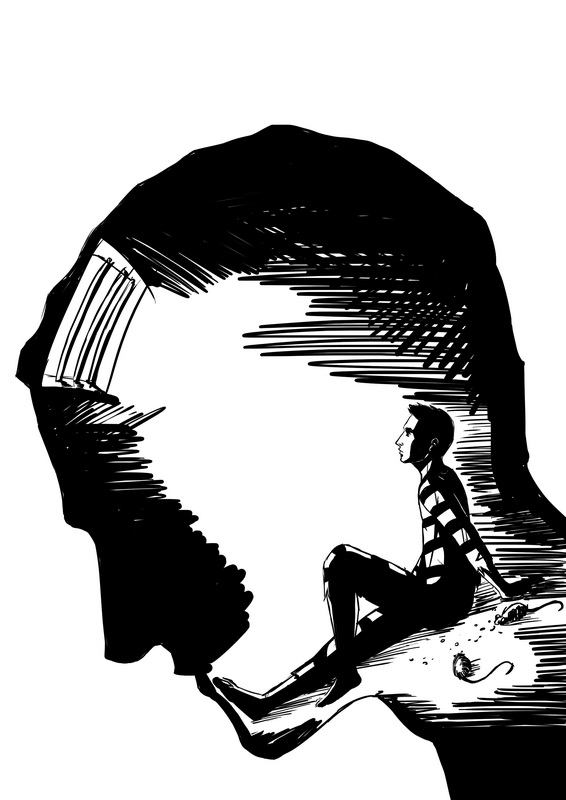
Once again focusing attention on my immediate situation, I self-assessed how I felt. The adjective I kept coming back to was “traumatized”. At first it didn’t seem quite right because I associated trauma with survivors of violent assault. Upon further thought, I understood how it results from any violent event and could be physical as well as psychological.

Though I have no accessible memory of the crash that caused my injury, it’s possible a buried subconscious memory exists. At times I couldn’t stop recreating scenarios of what probably happened mixed with fantasies of what could have happened (either dying or escaping unscathed). In any case, the injury resulting from the crash including aspects of hospitalization, was itself a source of trauma.

Unless one has experienced it, it’s difficult to imagine the horror of waking up in a newly immobilized body especially if one was relatively healthy immediately prior to the injury. It instantly shatters any illusions one might have had of a just universe or merciful higher power. But the evidence was always there, from psychopathic war criminals and health insurance CEOs living in luxury to innocent children killed and maimed in indiscriminate bombings and countless sick and injured living curtailed lives of misery due to denied claims and inaccessible treatments.

Initially it’s like a waking nightmare that never ends. One wouldn’t wish such an affliction on one’s worst enemy, much less easily accept that it’s actually happening to oneself. Even typing this now, nearly a year after the crash, waking life still sometimes feels like a bad dream.

As the reality of the situation sets in it begins to feel more like a fracture or demarcation point between two very different lives and lifestyles. Though fundamentally one remains the same person, the extremity of the physical change makes changes in personality, priorities, interests, beliefs, self/public image, and relationships, inevitable and how could it not?

Although in my case I experienced no physical deformation and associated acute pain, it was nevertheless traumatic to so suddenly lose such a large part of oneself. Especially early on, it was odd to feel so disconnected from one’s body despite appearing healthy on the outside (aside from breathing tube, nose tube, catheter, IV line, etc).

In a sense, my injury was analogous to accelerated aging. Rather than a gradual loss of certain functions and abilities over time, it’s a rapid loss of many functions and abilities instantly. At the same time, quadriplegia evokes the experience of infancy such as the many times when one is more of a spectator rather than participant and having to rely on others to attend to basic needs. Quadriplegia is not as restricting as Locked-in Syndrome, in which the only body part capable of movement are the eyes, but it is still a significant reduction of freedom and a loss of one’s primary means of interacting with the world.

From one’s new perspective, life pre-injury was one of relative comfort, ease and happiness (even if it didn’t always seem like it at the time). Life post-injury may have moments of comfort, ease and happiness, but much shorter, fewer and farther between, making them all the more precious. On particularly challenging days, sleep also offers a welcome respite as it did that night.

The First Day Continued

When Danielle and Florence first visited me in the Neuro ICU, it felt like the first time I saw them since before the crash. On further reflection I recalled the hazy dream-like hospital room that was actually the Trauma ICU. My memories of it even at that time seemed faded and fragmented whether because of the heavy medication or a side-effect of physical and/or mental trauma.

Regardless, how could I not realize I was quadriplegic through that period which was at least a week? I tried hard to recall what people actually said to me but could only remember portions of my mother explaining how my family scrambled to get to Seattle and my brother Daryl explaining something about a computer.

Part of the missing information could be attributed to impaired hearing, since I noticed sounds coming through my left ear had a slightly distant or muffled quality. But I think the main factor was my fragile mental state compounded by heavy medication causing faulty memory. It could also be that “selective forgetting” was a way to protect myself from uncomfortable information my mind was incapable of accepting.

One example was at some point that day I felt the urge to urinate and thought I’d need to call the nurse for a bedpan. This alarmed my visitors because they witnessed the same scenario at the trauma ICU not long before. They explained for a second time that I had been catheterized shortly after being admitted to Harborview.

Perhaps suspecting there’s other important details I hadn’t retained, Danielle provided a detailed description of my injury. Though I had deduced what what was going on with my body, it didn’t hit home until she described it as the same injury suffered by Christopher Reeve. She then asked if I knew how I was injured and after I gestured “no” she recounted what she knew about the crash from police and first responder reports. Even though I had no prior memory of such details, it didn’t come as a complete surprise since a bike crash was always the most likely explanation. She described surgery scars along my neck and spine that resembled tattoos and puncture wounds on my head from having it bolted down to keep it from moving. I couldn’t feel them at the time but did later on.

Also new to me (though likely recounted before) was the timeline of my stay at Harborview. To me it felt like it could have been anywhere between a few days and a month. In actuality it had been about two weeks. Even more surprising was learning I had flatlined for a few seconds on at least two occasions. Danielle became teary-eyed as if reliving those moments and seemed almost as re-traumatized recounting repeated unsuccessful attempts to get information from my employer’s impenetrable HR department.

Although I retained a partial memory of it, my mother described how she, my father and older brother arrived at the hospital just two days after my crash. My dad and brother had to go back home after about a week but my mom planned to stay for three months. I was appreciative for their visit because my parents had been reluctant to travel by plane since the start of Covid in 2020.

Throughout the day we were frequently interrupted by nurses taking vitals and refilling the IV with saline, liquid food and medications, staff members changing my bed position and cleaning the room, and phlebotomists drawing blood samples. An odd side-effect of my lowered metabolism (or slowed-down state of mind) was that everyone’s movements seemed “sped-up”. The entire day seemed to go by rapidly as well and before long it was evening.

First Post-Crash Day Fully Conscious

The first group I encountered on my first day of full consciousness post-crash was a team of various medical professionals. A nurse recorded my vital signs while a doctor assessed my cognitive health through a series of questions which I answered by nodding or shaking my head.

A couple of people from the surgical team focused on the extent of my spinal cord injuries, asking if I was able to feel or move various parts of my arms and legs. I was able to feel everywhere, though in a tingly and imprecise way, similar to how one’s arms or legs feel “asleep” from lack of circulation. I could definitely feel a sense of touch, but it seemed to emanate not from the surface of the skin but from a layer beneath. As expected, I couldn’t move anywhere below the shoulders while areas touched on my arms were felt on corresponding areas of phantom limbs above my chest.

Lastly, a specialist investigated my emotional state through another round of questions including if I felt depressed or had suicidal thoughts. This line of questioning seemed absurd at the time for how self-apparent the answers should be. It’s inconceivable that anyone newly quadriplegic would not be depressed. Likewise, any sane person who loses movement of all limbs as well as loss or impairment of numerous internal bodily functions would be lying if they denied having suicidal ideation even fleetingly.

That being said, I nodded in agreement about being depressed but shook my head to signal “no” to the question about suicide. I didn’t want or need suicide counseling and even if I were seriously suicidal, what could I do about it? But my main motive for lying was the possibility that my family would find out. I imagined how they may have experienced trauma from witnessing the trauma I went through, and how much they’d want me to survive. It would hurt them to know they wanted me alive more than I did at the time. There are moments when I still have such thoughts, particularly when my wife and I experience economic setbacks related to my injury, but the emotional impact suicide would have on loved ones is enough to keep the thoughts ephemeral and in the realm of speculation.

As if conjured by thoughts and memories, my wife Danielle and mother Florence arrived soon after, looking just as worried as I expected.

Why People Don’t Want To ‘Work’ Anymore

It’s not that people are lazy, there’s something much deeper going on that requires better questions.

By Joe Martino

Source: The Pulse

Last time I wrote about the increasing mental health crisis happening around the world. I didn’t write it to bring about negativity but more so to bring awareness to the reality of our current moment. Awareness is the first step toward any change.

That piece coupled with a video I did the other day on a collectively felt sense of meaninglessness, I believe these two subjects go hand in hand.

Tied in with both of those subjects is the decade-over-decade increase in the difficulty of surviving financially in our modern world.

More and more younger people have been struggling to buy a home and make ends meet due to the high cost of living and stagnating wages. For many, affording necessities in life has become difficult despite working 40-60 hours per week.

This reality recently drove a viral TikTok video that highlights the frustration younger generations feel and the misconceptions associated with their position.

Before you watch it, conversations I have with people about this issue don’t just exist in the Gen Z and Millenial age group. I’ve spoken to people in their 50s and 60s who have also become completely disenfranchised about the state of work.

Also, Quiet Quitting is a trend on the rise. Simply put, people are going to work and doing the bare minimum to stay employed at greater and greater rates. Gallup estimates that in the US 50% of employees have Quiet Quit and that it’s an increasing crisis. In Japan, 94% of employees report being disengaged at work.

Perhaps unsurprisingly, Gallup blames the trend on poor management. This is where humans really have to start waking up and thinking bigger in my opinion, more on this shortly.

Alright, let’s get to the video.

She makes many good points, and if we take her words to heart, clearly she isn’t lazy and trying to ‘not work.’ She is passionate about her work but sees the gap between salary and the reality of living a comfortable life. She also sees the value in work… just not like how it is today.

Not surprisingly, many have agreed with her while many have attacked her. Let’s explore why she might feel this way about life and work. (Note: There is an element that sometimes people can judge, hate, and avoid work so much that it’s a self sabotage situation, I talk about that here.)

  1. She and the generation she represents, even people like her from other generations, are just lazy or may even grow out of this idea.
  2. She’s lying about enjoying her job and if she were to quit and do something she likes she’d find just enough satisfaction to not care about the fact that she can’t afford to do anything beyond eat, have shelter, and enjoy a few things.
  3. Maybe she’s just permanently unhappy and therefore no matter what she does, she will find a way to frame it as negative and bad.
  4. From a position of common sense and orienting to our current environment, this girl realizes the losing game she is part of and is making the observation that this isn’t a reasonable game to play.

As an extension to number 4, the fact that multiple generations of people not only realize how rigged the game is, don’t want to play the game AND are saying something about it provides an evolutionary pressure for society to address it.

The key is, can we listen vs. sitting in judgment?

Oddly, reaction videos are all the craze on YouTube these days. When people make videos like hers or when something happens, creators turn on their cameras and watch the video while simultaneously reacting to it.

Usually, creators reacting to videos like this from Gen Z’ers are well off themselves or conservatives. Their career often stems around having a ‘hot take,’ creating polarity, and leaning into drama so their content can get a lot of views and thus pay their bills.

Sadly, this dynamic in content creation is often missed by the user, not realizing that the host of the video says what they say primarily because they know it will make them money even if it’s not entirely what they think.

Further, we never get to the bottom of what people bring forth because we are skipping the step of coming to the table in good faith and empathizing with each other’s position. Instead, we get a culture stuck in a debating/debunking/warring mindset. Good luck getting good faith conversation to go viral when most out there are focused on hi-jacking your attention.

Sensing Beyond The Surface

Sensing Beyond The Surface

  1. ‘Working’ is Important – Being part of something, contributing to something, living in a community and having a role, all add meaning and purpose to life.

    Being a creative, productive person is a necessity for human well-being, even if only for a few hours a day. No one is saying let’s sit around and do nothing all day. But should we have to work 40 or 50 hours a week to simply survive? No, that is the result of poor system design. We have advanced our technology incredibly to provide the necessities of life yet we work more than we ever have. Doesn’t something seem wrong there?
    Our cultural idea of needing to work 40 hours a week for most of our lives ‘just to be a contributor’ is rather warped. Many cultures have thrived working a few hours a day, yet look at us – working constantly yet experiencing mental illness, poor health, and meaninglessness at massive rates.
    It would benefit us to have a deeper look at WHY our society is currently producing results no one wants all while destroying our environment and people. Too many discussions about this topic think small and are limited to lazy questions from system protectors or political ideologies. This won’t get us to the root of the issue and why people feel the way they do.
  2. Cost of Living is Too High, But Why? – I’m 36, when my parents were my age one worked a mid-level job in corporate and the other a grocery store. They made enough to buy a fairly big house near Toronto, pay off the mortgage by 40 and raise two kids. These days, they’d need to make $100,000+ each just to buy the same house, and forget about paying off the mortgage by 40. Even when interest rates were 22% back then, things were a lot easier.

    Often, when I talk about mortgage rates with older generations, and how it is becoming hard to afford homes, they say “Back in my day rates were 18% – 22%.” The sense that people aren’t listening to what is being said is palatable. We’re not thinking clearly. In 1945 a US citizen dedicated on average 25% of his salary to pay rent/mortgage. In 2019 it was 47%. It’s higher now. And of course in that time interest rates have come down dramatically. Plain and simple, the cost of living has risen incredibly and wages didn’t climb at anywhere near the same rate.

    This is a losing game, and only set to get worse given the path we’re on. That said, this is what anyone should expect in a system driven by fractional reserve banking. When we understand the design of our system, we understand this isn’t about one political view or another, it’s about bad system design. We have to think deeper.
  3. Evolutionary Pressure – As our society declines more and more, younger people who look ahead to their future see something undesirable. The life their parents lived is no longer possible and they see the game is rigged. They aren’t lazy, they are demoralized.
    A left hemisphere reductionist and othering view, who sees humans as cogs in a system might say “Nah, people are lazy. Grow up. Things are fine.” Yet when we take a step back and include a sense of something sacred, our entire perspective changes. Why are we seeing life and merely working to uphold a rigged economy? Is this really all we are capable of? Why are we always trying to protect societal design producing results we don’t like? Do we realize we made all this up and it can be different?
    Sure, there are aspects of younger generations that I think are immature too, we’ve all been through it, but at the same time, younger people are not buying the rigged game and thus are not dying to play it. They are right. They are smart to speak up.
    And to tie things back to meaninglessness and mental health issues, I think we’re seeing now how this all ties into our current moment. People don’t thrive playing a losing game where basic needs are gated behind 100 foot walls.

    Movements toward system redesign have been around for many many decades. It’s not a new idea to discuss how rigged, limiting, and problematic our existing societal design is, but more people are waking up to it now.
    When I spoke about this stuff in 2009 and 2010, most people laughed at me thinking I was nuts. Now, they mostly agree with me. We’re on fertile ground for something new. For a while, we’ll likely live feeling and sensing the possibility of a new society while living in the old. Feeling that we’re not sure we quite belong to a visible society entirely.
    This is the Metacrisis. This is the shift in consciousness as I’ve always called it. It’s an evolutionary pressure that begs us to look deeper than political ideology and hot takes on why someone we don’t agree with is wrong. It begs us to re-taste the sacred. To examine what it means to be human and why we’re here.
    I believe the speed at which it unfolds is intimately connected to the quality of our attention, consciousness and state of being. The more capacity we have to steward a better world, the more it will unfold.
    Change starts within.

Mental Health Round-Ups: The Next Phase of the Government’s War on Thought Crimes

By John & Nisha Whitehead

Source: The Rutherford Institute

“There are no dangerous thoughts; thinking itself is a dangerous activity.”—Hannah Arendt

Get ready for the next phase of the government’s war on thought crimes: mental health round-ups and involuntary detentions.

Under the guise of public health and safety, the government could use mental health care as a pretext for targeting and locking up dissidents, activists and anyone unfortunate enough to be placed on a government watch list.

If we don’t nip this in the bud, and soon, this will become yet another pretext by which government officials can violate the First and Fourth Amendments at will.

This is how it begins.

In communities across the nation, police are being empowered to forcibly detain individuals they believe might be mentally ill, based solely on their own judgment, even if those individuals pose no danger to others.

In New York City, for example, you could find yourself forcibly hospitalized for suspected mental illness if you carry “firmly held beliefs not congruent with cultural ideas,” exhibit a “willingness to engage in meaningful discussion,” have “excessive fears of specific stimuli,” or refuse “voluntary treatment recommendations.”

While these programs are ostensibly aimed at getting the homeless off the streets, when combined with advances in mass surveillance technologies, artificial intelligence-powered programs that can track people by their biometrics and behavior, mental health sensor data (tracked by wearable data and monitored by government agencies such as HARPA), threat assessments, behavioral sensing warnings, precrime initiatives, red flag gun laws, and mental health first-aid programs aimed at training gatekeepers to identify who might pose a threat to public safety, they could well signal a tipping point in the government’s efforts to penalize those engaging in so-called “thought crimes.”

As the AP reports, federal officials are already looking into how to add “‘identifiable patient data,’ such as mental health, substance use and behavioral health information from group homes, shelters, jails, detox facilities and schools,” to its surveillance toolkit.

Make no mistake: these are the building blocks for an American gulag no less sinister than that of the gulags of the Cold War-era Soviet Union.

The word “gulag” refers to a labor or concentration camp where prisoners (oftentimes political prisoners or so-called “enemies of the state,” real or imagined) were imprisoned as punishment for their crimes against the state.

The gulag, according to historian Anne Applebaum, used as a form of “administrative exile—which required no trial and no sentencing procedure—was an ideal punishment not only for troublemakers as such, but also for political opponents of the regime.”

Totalitarian regimes such as the Soviet Union also declared dissidents mentally ill and consigned political prisoners to prisons disguised as psychiatric hospitals, where they could be isolated from the rest of society, their ideas discredited, and subjected to electric shocks, drugs and various medical procedures to break them physically and mentally.

In addition to declaring political dissidents mentally unsound, government officials in the Cold War-era Soviet Union also made use of an administrative process for dealing with individuals who were considered a bad influence on others or troublemakers. Author George Kennan describes a process in which:

The obnoxious person may not be guilty of any crime . . . but if, in the opinion of the local authorities, his presence in a particular place is “prejudicial to public order” or “incompatible with public tranquility,” he may be arrested without warrant, may be held from two weeks to two years in prison, and may then be removed by force to any other place within the limits of the empire and there be put under police surveillance for a period of from one to ten years.

Warrantless seizures, surveillance, indefinite detention, isolation, exile… sound familiar?

It should.

The age-old practice by which despotic regimes eliminate their critics or potential adversaries by making them disappear—or forcing them to flee—or exiling them literally or figuratively or virtually from their fellow citizens—is happening with increasing frequency in America.

Now, through the use of red flag lawsbehavioral threat assessments, and pre-crime policing prevention programs, the groundwork is being laid that would allow the government to weaponize the label of mental illness as a means of exiling those whistleblowers, dissidents and freedom fighters who refuse to march in lockstep with its dictates.

That the government is using the charge of mental illness as the means by which to immobilize (and disarm) its critics is diabolical. With one stroke of a magistrate’s pen, these individuals are declared mentally ill, locked away against their will, and stripped of their constitutional rights.

These developments are merely the realization of various U.S. government initiatives dating back to 2009, including one dubbed Operation Vigilant Eagle which calls for surveillance of military veterans returning from Iraq and Afghanistan, characterizing them as extremists and potential domestic terrorist threats because they may be “disgruntled, disillusioned or suffering from the psychological effects of war.”

Coupled with the report on “Rightwing Extremism: Current Economic and Political Climate Fueling Resurgence in Radicalization and Recruitment” issued by the Department of Homeland Security (curiously enough, a Soviet term), which broadly defines rightwing extremists as individuals and groups “that are mainly antigovernment, rejecting federal authority in favor of state or local authority, or rejecting government authority entirely,” these tactics bode ill for anyone seen as opposing the government.

Thus, what began as a blueprint under the Bush administration has since become an operation manual for exiling those who challenge the government’s authority.

An important point to consider, however, is that the government is not merely targeting individuals who are voicing their discontent so much as it is locking up individuals trained in military warfare who are voicing feelings of discontent.

Under the guise of mental health treatment and with the complicity of government psychiatrists and law enforcement officials, these veterans are increasingly being portrayed as ticking time bombs in need of intervention.

For instance, the Justice Department launched a pilot program aimed at training SWAT teams to deal with confrontations involving highly trained and often heavily armed combat veterans.

One tactic being used to deal with so-called “mentally ill suspects who also happen to be trained in modern warfare” is through the use of civil commitment laws, found in all states and employed throughout American history to not only silence but cause dissidents to disappear.

For example, NSA officials attempted to label former employee Russ Tice, who was willing to testify in Congress about the NSA’s warrantless wiretapping program, as “mentally unbalanced” based upon two psychiatric evaluations ordered by his superiors.

NYPD Officer Adrian Schoolcraft had his home raided, and he was handcuffed to a gurney and taken into emergency custody for an alleged psychiatric episode. It was later discovered by way of an internal investigation that his superiors were retaliating against him for reporting police misconduct. Schoolcraft spent six days in the mental facility, and as a further indignity, was presented with a bill for $7,185 upon his release.

Marine Brandon Raub—a 9/11 truther—was arrested and detained in a psychiatric ward under Virginia’s civil commitment law based on posts he had made on his Facebook page that were critical of the government.

Each state has its own set of civil, or involuntary, commitment laws. These laws are extensions of two legal principlesparens patriae Parens patriae (Latin for “parent of the country”), which allows the government to intervene on behalf of citizens who cannot act in their own best interest, and police power, which requires a state to protect the interests of its citizens.

The fusion of these two principles, coupled with a shift towards a dangerousness standard, has resulted in a Nanny State mindset carried out with the militant force of the Police State.

The problem, of course, is that the diagnosis of mental illness, while a legitimate concern for some Americans, has over time become a convenient means by which the government and its corporate partners can penalize certain “unacceptable” social behaviors.

In fact, in recent years, we have witnessed the pathologizing of individuals who resist authority as suffering from oppositional defiant disorder (ODD), defined as “a pattern of disobedient, hostile, and defiant behavior toward authority figures.” Under such a definition, every activist of note throughout our history—from Mahatma Gandhi to Martin Luther King Jr.—could be classified as suffering from an ODD mental disorder.

Of course, this is all part of a larger trend in American governance whereby dissent is criminalized and pathologized, and dissenters are censored, silenced, declared unfit for society, labelled dangerous or extremist, or turned into outcasts and exiled.

Red flag gun laws (which authorize government officials to seize guns from individuals viewed as a danger to themselves or others), are a perfect example of this mindset at work and the ramifications of where this could lead.

As The Washington Post reports, these red flag gun laws “allow a family member, roommate, beau, law enforcement officer or any type of medical professional to file a petition [with a court] asking that a person’s home be temporarily cleared of firearms. It doesn’t require a mental-health diagnosis or an arrest.

With these red flag gun laws, the stated intention is to disarm individuals who are potential threats.

While in theory it appears perfectly reasonable to want to disarm individuals who are clearly suicidal and/or pose an “immediate danger” to themselves or others, where the problem arises is when you put the power to determine who is a potential danger in the hands of government agencies, the courts and the police.

Remember, this is the same government that uses the words “anti-government,” “extremist” and “terrorist” interchangeably.

This is the same government whose agents are spinning a sticky spider-web of threat assessments, behavioral sensing warnings, flagged “words,” and “suspicious” activity reports using automated eyes and ears, social media, behavior sensing software, and citizen spies to identify potential threats.

This is the same government that keeps re-upping the National Defense Authorization Act (NDAA), which allows the military to detain American citizens with no access to friends, family or the courts if the government believes them to be a threat.

This is the same government that has a growing list—shared with fusion centers and law enforcement agencies—of ideologies, behaviors, affiliations and other characteristics that could flag someone as suspicious and result in their being labeled potential enemies of the state.

For instance, if you believe in and exercise your rights under the Constitution (namely, your right to speak freely, worship freely, associate with like-minded individuals who share your political views, criticize the government, own a weapon, demand a warrant before being questioned or searched, or any other activity viewed as potentially anti-government, racist, bigoted, anarchic or sovereign), you could be at the top of the government’s terrorism watch list.

Moreover, as a New York Times editorial warns, you may be an anti-government extremist (a.k.a. domestic terrorist) in the eyes of the police if you are afraid that the government is plotting to confiscate your firearms, if you believe the economy is about to collapse and the government will soon declare martial law, or if you display an unusual number of political and/or ideological bumper stickers on your car.

Let that sink in a moment.

Now consider the ramifications of giving police that kind of authority in order to preemptively neutralize a potential threat, and you’ll understand why some might view these mental health round-ups with trepidation.

No matter how well-meaning the politicians make these encroachments on our rights appear, in the right (or wrong) hands, benevolent plans can easily be put to malevolent purposes.

Even the most well-intentioned government law or program can be—and has been—perverted, corrupted and used to advance illegitimate purposes once profit and power are added to the equation.

The war on terror, the war on drugs, the war on illegal immigration, the war on COVID-19: all of these programs started out as legitimate responses to pressing concerns and have since become weapons of compliance and control in the government’s hands. For instance, the very same mass surveillance technologies that were supposedly so necessary to fight the spread of COVID-19 are now being used to stifle dissent, persecute activists, harass marginalized communities, and link people’s health information to other surveillance and law enforcement tools.

As I make clear in my book Battlefield America: The War on the American People and in its fictional counterpart The Erik Blair Diaries, we are moving fast down that slippery slope to an authoritarian society in which the only opinions, ideas and speech expressed are the ones permitted by the government and its corporate cohorts.

We stand at a crossroads.

As author Erich Fromm warned, “At this point in history, the capacity to doubt, to criticize and to disobey may be all that stands between a future for mankind and the end of civilization.”

The Power of Presence, How “Living In The Now” Can Change Your Life

By Allie Stark

Source: Collective Evolution

Presence is the powerful practice of being in the moment.

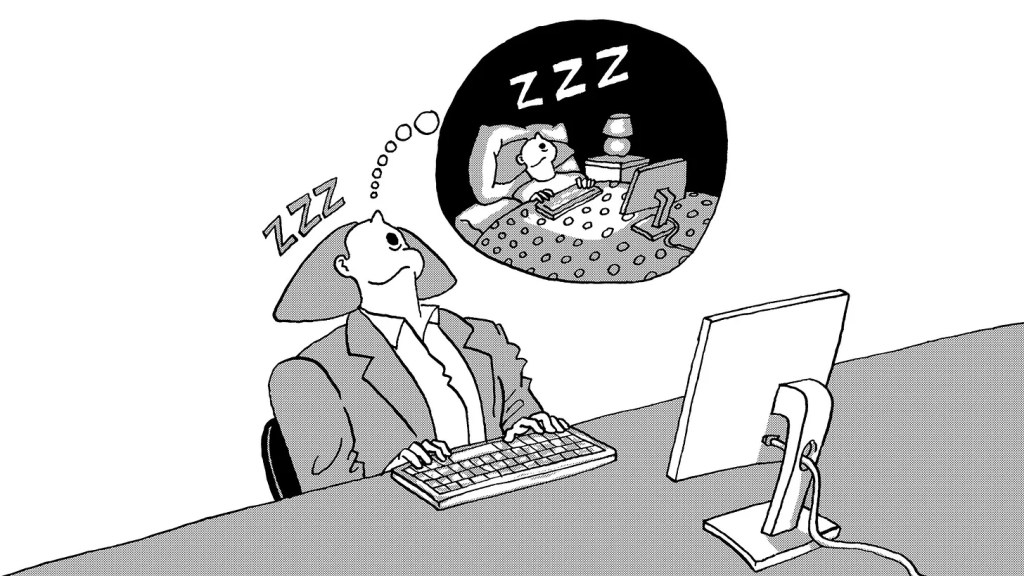
It is created through an acute awareness of one’s thoughts, feelings, and emotions, and in our modern day society, being present doesn’t always come easily. The overstimulation and distraction that come from technology, social media, work, family life, social engagements, and the never-ending “to-do” lists regularly take us out of the now and into a memory from the past or a fear about the future.

Cultivating the power of presence comes from creating the space to observe one’s mind and one’s self. This skill of observation allows us to look at our own lives and the lives of others without attaching judgment or analysis. Using this awareness, we become mindfully attuned to all that is around us through our five senses (smell, touch, taste, sight, and sound) as well as our physical sensations — you know, those signs from our bodies that we often tend to ignore.

Our bodies are equipped with a natural mechanism called the “stress response,” also known as the “fight-or-flight” response, which was first described by Walter Cannon at Harvard. When we encounter something that feels like a threat, the amygdala in the brain experiences the emotion fear. The brain then communicates to the hypothalamus, which communicates to the nervous system, which signals to the adrenal glands to release the stress hormones cortisol, adrenaline, and noradrenaline. This assembly-line-like process of the sympathetic nervous system is a crucial part of our body’s internal self-protection mechanism. The only problem is that we are not physiologically designed to be frightened often.

In today’s world, many of us live in overdrive and operate in a constant state of “flight or flight.” This state can be a result of feeling the fear of imagined threats: financial security, societal achievement, the steadiness or demise of a relationship, a perceived health threat, the loss of a loved one, etc. Operating from this place, it is no wonder that many of us feel the perils of stress and anxiety on a daily basis. We struggle with migraines, digestive issues, difficulty breathing, lack of concentration, fatigue, depression, and innumerable other physical ailments because our body is actually attempting to flee the scene of a real threat (car crash, lion chase, assault, etc.) that simply isn’t there. 

The opposite is also true. When we practice deep breathing and mindfulness, we encourage our body to employ the “relaxation response,” our body’s counterbalance to the stress response as defined by Harvard professor Herbert Benson. Being in a state of relaxation, your body will experience physiological symptoms of ease, openness, and balance.

A few days ago, I unintentionally experimented with the topic of presence when I accidentally left my phone at home. Even though I am generally good about creating intentional space to be phone free, something felt different. Normally, I choose to not bring it on a walk, I choose to keep it in my purse during dinner with a friend, and I choose to put it on airplane mode when I am writing or working during the day. Yesterday was the middle of the work week and if I had been asked whether or not I wanted to bring my phone along for the day, my answer would have unquestionably been “yes.”

Climbing up the stairs to the train platform, my hand impulsively reached into my bag in search of my phone. I was subconsciously looking for a meditative distraction during my morning commute. Remembering that it wasn’t there, I closed my eyes, took five deep breaths, and boarded the train car upon its arrival. Within moments of taking my seat, three street performers made an announcement, turned up their boom box, and had at it with their superfly dance moves. I was engrossed and totally present: wide eyes, big smile, heart beating in my chest.

Over the course of the rest of the day, I made note of a few other observations that I could have missed if I was in the phone zone:

  • A gathering of beautiful purple flowers on the sidewalk that had fallen off a tree
  • The smile from a saxophone player on the street
  • A little girl selling brownies in front of her house (although there weren’t many left because she was eating them when she thought no one was looking!)
  • The way the breeze felt on my skin between the high-rises

Upon noticing each of these observations I felt the tension in my body dissipate, I smiled effortlessly, and my body felt calm and at ease. Being fully involved in the present moment, I didn’t have the time to become entrenched in thoughts about the past or fears about the future. I was simply aware of what was going on in the now.

Now let’s be realistic. I know that we live in a technology-focused era and that our phones and our computers are significant tools for work, connectivity, and enjoyment.

They serve a purpose, and an important one at that. We also live in an age where anxiety disorders are the most common mental illness in the U.S., affecting 40 million adults in the United States age 18 and older, or 18% of the population. Countless studies have begun to explore the effects of mindfulness on reducing anxiety and depression, with many of the results from these studies suggesting that mindfulness-based therapy is a promising intervention for treating anxiety and mood problems in clinical populations. If pills, therapies, and medical advice aren’t curing our ailments, it seems foolish not to give mindfulness a shot.

If nothing else, maybe we will get the opportunity to notice small and simple details throughout the day that put a smile on our face.

MASS PSYCHOSIS IS A REAL GLOBAL PANDEMIC

By Dr. Mercola

Source: Waking Times

Mass psychosis is defined as “an epidemic of madness” that occurs when a “large portion of society loses touch with reality and descends into delusions.” The witch trials of the 16th and 17th centuries are a classic example. We’re now in the middle of another mass psychosis, induced by relentless fearmongering coupled with data suppression and intimidation tactics of all kinds.

Fearmongering Breeds Insanity

A number of mental health experts have expressed concern over the blatant panic mongering during the COVID-19 pandemic, warning it can have serious psychiatric effects. For example, in a December 22, 2020, article2 in Evie Magazine, S.G. Cheah discussed the emergence of mass insanity caused by “delusional fear of COVID-19.”

“Even when the statistics point to the extremely low fatality rate among children and young adults (measuring 0.002% at age 10 and 0.01% at 25), the young and the healthy are still terrorized by the chokehold of irrational fear when faced with the coronavirus,” Cheah wrote, adding:3

“Instead of facing reality, the delusional person would rather live in their world of make-believe. But in order to keep faking reality, they’ll have to make sure that everyone else around them also pretends to live in their imaginary world.

In simpler words, the delusional person rejects reality. And in this rejection of reality, others have to play along with how they view the world, otherwise, their world will not make sense to them. It’s why the delusional person will get angry when they face someone who doesn’t conform to their world view …

It’s one of the reasons why you’re seeing so many people who’d happily approve the silencing of any medical experts whose views contradict the WHO or CDC guidelines. ‘Obey the rules!’ becomes more important than questioning if the rules were legitimate to begin with.”

In a December 2020 interview (below), psychiatrist and medical legal expert Dr. Mark McDonald4 also went on record stating “the true public health crisis lies in the widespread fear which morphed and evolved into a form of mass delusional psychosis.”We are now well beyond the first profound shocks of this crisis, and it’s deeply concerning that the number of [mental health] referrals remains so high. ~ Brian Dow, Deputy chief executive of Rethink Mental Illness

He went so far as to refer to the outside of his home or office as the “outdoor insane asylum,” where he must assume “that any person that I run into is insane” unless they prove otherwise.5

Reports of Psychotic Episodes Soar in Great Britain

Now, after some 19 months of abnormal “pandemic life,” the data are starting to reflect McDonald’s fears. For example, in the U.K., psychiatric referrals for first-time psychotic episodes have skyrocketed. As reported by The Guardian, October 17, 2021:6

“Cases of psychosis have soared over the past two years in England as an increasing number of people experience hallucinations and delusional thinking amid the stresses of the Covid-19 pandemic.

There was a 29% increase in the number of people referred to mental health services for their first suspected episode of psychosis between April 2019 and April 2021, NHS data7 shows. The rise continued throughout the spring, with 9,460 referred in May 2021, up 26% from 7,520 in May 2019.

The charity Rethink Mental Illness is urging the government to invest more in early intervention for psychosis to prevent further deterioration in people’s mental health from which it could take them years to recover.

It says the statistics provide some of the first concrete evidence to indicate the significant levels of distress experienced across the population during the pandemic.”

Psychosis Takes a Heavy Toll on a Person’s Life

Deputy chief executive of Rethink Mental Illness, Brian Dow, commented on the findings:8

“Psychosis can have a devastating impact on people’s lives. Swift access to treatment is vital to prevent further deterioration in people’s mental health which could take them years to recover from. These soaring numbers of suspected first episodes of psychosis are cause for alarm.

We are now well beyond the first profound shocks of this crisis, and it’s deeply concerning that the number of referrals remains so high. As first presentations of psychosis typically occur in young adults, this steep rise raises additional concerns about the pressures the younger generation have faced during the pandemic.

The pandemic has had a game changing effect on our mental health and it requires a revolutionary response. Dedicated additional funding for mental health and social care must go to frontline services to help meet the new demand, otherwise thousands of people could bear a catastrophic cost.”

According to a spokesperson for the British Department of Health and Social Care, the agency will expand the NHS mental health services budget by £2.3 billion ($3.1 billion) per year by 2023/2024. They’ve also added £500 million ($691 million) to the 2021 budget to provide services to those hit hardest by pandemic measures.9

Anxiety and Depression Have Increased Dramatically Worldwide

Another study,10,11 looking at the rates of anxiety and depression worldwide, found both conditions increased dramatically in 2020. The researchers estimate the COVID pandemic resulted in an additional 76 million cases of anxiety and 53 million cases of major depressive disorder, over and above annual norms, with women and younger individuals being disproportionally affected. According to The Guardian:12

“… the team estimate there were 246m cases of major depressive disorder and 374m cases of anxiety disorders worldwide in 2020, with the figure for the former 28% higher, and for the latter 26% higher, than would have been expected had the crisis not happened.

About two-thirds of these extra cases of major depressive disorder and 68% of the extra cases of anxiety disorders were among women, while younger people were affected more than older adults, with extra cases greatest among people aged 20-24.”

Lead author Damian Santomauro, Ph.D., of the University of Queensland told The Guardian:13

“We believe [that] is because women are more likely to be affected by the social and economic consequences of the pandemic. Women are more likely to take on additional carer and household responsibilities due to school closures or family members becoming unwell.

Women also tend to have lower salaries, less savings, and less secure employment than men, and so are more likely to be financially disadvantaged during the pandemic. Youth have been impacted by the closures of schools and higher education facilities, and wider restrictions inhibiting young people from peer interactions.”

Increased prevalence of domestic violence may also be a contributing factor that places women at increased risk of mental problems, while young adults are more likely to become unemployed.

Massive Rise in Mental Health Problems in Children

Children are bearing a particularly heavy burden as adults succumb to irrational fears. It’s not surprising then that mental health referrals for children have nearly doubled in the U.K. since the start of the pandemic.14 According to British authorities, 16% of children between the ages of 5 and 16 were diagnosed with a mental disorder in 2020, compared to 10.8% in 2017.15 As noted in a September 23, 2021, press release by the Royal College of Psychiatrists:16

“Eighteen months after the first lockdown and after warnings from the mental health sector about the long-lasting mental health impact of the pandemic, the Royal College of Psychiatrists’ analysis of NHS Digital data found that:

  • 190,271 0–18-year-olds were referred to children and young people’s mental health services between April and June this year, up 134% on the same period last year (81,170) and 96% on 2019 (97,342).
  • 8,552 children and young people were referred for urgent or emergency crisis care between April and June this year, up 80% on the same period last year (4,741) and up 64% on 2019 (5,219).
  • 340,694 children in contact with children and young people’s mental health services at the end of June, up 25% on the same month last year (272,529) and up 51% on June 2019 (225,480).”

Eating disorders are also more prevalent than ever, and the rapid increase has left many children waiting months for treatment — delays that could have life-threatening consequences — as facilities are at capacity. The press release quotes a mother whose teenage daughter relapsed into anorexia during the pandemic:17

“The pandemic has been devastating for my daughter and for our family. She has anorexia and was discharged from an inpatient unit last year, but the disruption to her normal routines and socializing really affected her recovery. She was spending a lot less time doing the things she enjoys and a lot more time alone with her thoughts.

Unfortunately, she relapsed, becoming so unwell she was admitted to hospital and sectioned. After 72 days in hospital with no specialist eating disorder bed becoming available, we brought her home where I had to tube feed her for 10 weeks.

My daughter urgently needed specialist help for this life-threatening illness, but services are completely overwhelmed because so many young people need help. It’s a terrifying situation for patients and families to be in.”

Mass Delusional Psychosis Traumatizes Children

Indeed, the widespread insanity on display among adults can have severe and lasting effects on children as they grow up. According to McDonald (see interview above), the mental states of the children he’s treated during this pandemic are far worse than he’s used to seeing in these age groups. This tells us the trauma inflicted by pandemic measures is very serious.

One of the worst traumas inflicted on children has been the ridiculous idea that they might kill their parents or grandparents simply by being around them. They’re also being taught to feel guilty about behaviors that would normally be completely normal — as just one example: hysterical adults calling a toddler who refuses to wear a mask a “brat,” when resisting having a restrictive mask put across your face is perfectly normal at that age.

It’s extremely abnormal for children to grow up thinking that they’re a danger to people around them, and that everyone around them is a danger to them. It’s completely abnormal to grow up thinking that facemasks, gloves and physical separation are required to stay alive.

Adults have also twisted irrational fear into a virtue, which is doubly tragic and wrong. Wearing a mask has become a way to demonstrate that you’re a “good person,” someone who cares about others, whereas not wearing a mask brands you as an inconsiderate lout, if not a prospective mass murderer, simply by breathing.

What’s more, by encouraging us to remain in fear and allow it to control and constrain our lives, the fear has become so entrenched that anyone who says we need to be fearless and fight for our freedoms is attacked for being both stupid and dangerous.

Adults Must Be Healed to Save the Children

It’s adults who are mindlessly inflicting this emotional trauma on an entire generation. As noted by McDonald in his interview, a primary cause of depression among children is feeling disconnected from family and friends.

Everyone, but children in particular, needs face-to-face contact, physical contact, and emotional intimacy. We need these things to feel safe around others and within our own selves. Digital interactions cannot replace these most basic human needs, and are inherently separating.

McDonald cites U.S. Centers for Disease Control and Prevention statistics showing there was a 400% increase in adolescent depression during 2020 compared to the year before, and in 25% of cases, they contemplated suicide. These are unheard of statistics, he says. Never before have so many teenagers considered committing suicide.

According to McDonald, parents and adults in general are to blame, because they are the ones scaring children to the point they don’t feel life is worth living anymore. This is why we can’t just treat the children. We must also address the psychosis of the adult population that is causing all this trauma.

Mass Delusion Is Leading Us Into Slavery

The mass delusion must also be addressed because it’s driving us all, sane and insane alike, toward a society devoid of all previous freedoms and civil liberties, and the corrupt individuals in charge will not voluntarily relinquish power once we’ve given it to them.

Clearly, many of our political leaders know COVID-19 isn’t the deadly plague it’s been made out to be. They issue stay-at-home orders from their vacation homes in the Caribbean and repeatedly break their own mask and lockdown mandates.

They ride their bikes, stroll through the park, have family gatherings and dine out without a care. They’re simply playing along, following the narrative coming from technocratic strongholds like the World Health Organization, because it benefits them.

You could say the ruling class suffers from a different kind of psychosis. As explained in “Mass Psychosis — How an Entire Population Becomes Mentally Ill,” totalitarianism actually begins as psychosis within the ruling class, as the individuals within this class are easily enamored with delusions that augment their power. And no delusion is greater than the delusion that they can, and should control and dominate others.

Whether the totalitarian mindset takes the form of communism, fascism or technocracy, a ruling elite that has succumbed to their own delusions of grandeur then sets about to indoctrinate the masses into their own twisted worldview. All that’s needed to accomplish that reorganization of society is the manipulation of collective feelings.

Sadly, many citizens are unwittingly aiding and abetting the global power grab that will result in our enslavement. Fear fueled hysteria, which led to mass delusional psychosis and group control where citizens themselves support and press for the elimination of basic freedoms.

There’s no doubt at this point that a totalitarian society is the ultimate end of this societal psychosis unless we do something about it. The truth is, we’re as safe now as we ever were. We must not allow our freedoms to be taken from us due to delusional fears. As noted by Cheah in her article:18

“It’s not unthinkable that the final outcome would be total societal control on every aspect of your life. Consider this — the endpoint of a mentally ill person is for them to be put under a controlled environment (institutionalized like an asylum) where all freedoms are restricted. And it’s looking more and more like that’s the endpoint of where this mass psychosis is heading.”

We Must Restore Sanity

Once a society is firmly in the grip of mass psychosis, totalitarians are free to take the last, decisive step: They can offer a way out, a return to order. The price is your freedom. You must cede control of all aspects of your life to the rulers, because unless they are granted total control, they won’t be able to create the order everyone craves.

This order, however, is a pathological one, devoid of all humanity. It eliminates the spontaneity that brings joy and creativity to one’s life by demanding strict conformity and blind obedience. And despite the promise of safety, a totalitarian society is inherently fearful. It is built on fear, and is maintained by it too. So, giving up your freedom for safety and a sense of order will only lead to more of the same fear and anxiety that allowed the totalitarians to gain control in the first place.

Knowing this, we must remember to embrace courage, truth, honesty and freedom as we move forward — not just in our thoughts and words but also in our actions. People cannot think logically when in a state of delusional psychosis, which is why sharing information, facts, data and evidence tends to be ineffective except in cases where the person was acting out of peer pressure rather than a delusional belief.

Typically, the best you can do is stand firm and act in alignment with truth and objective reality, much like you would if you were a first responder faced with an accident victim who is responding hysterically to what you know is only a minor injury.

In short, to help return sanity to an insane world, you first need to center yourself and live in such a way as to provide inspiration for others to follow — speak and act in such a way as to demonstrate that you are not afraid to live life and return to normalcy.

The cruelties we have inflicted on children under Covid-19 are unethical and immoral, we’re devastating a whole generation

By Eva Bartlett

Source: In Gaza

A year of lockdowns, mask-wearing, isolation and depriving youngsters from seeing friends and grandparents has caused a surge in kids committing suicide, self-harming and suffering other mental health issues. It needs to end.

Scrolling through Twitter the other day, I came across a tweet about a worrying increase in the numbers of children and youths having suicidal thoughts. 

It mentioned that Boston Children’s Hospital had reported a 47% increase “in kids needing to be hospitalized for suicidal ideation or attempts,” between July and October 2020 compared to the same period in 2019.

So I started to research, and in doing so tried to contact organizations concerned with the mental health of young people.

One UK suicide prevention organization that I emailed for information on the correlation between lockdown restrictions and the rise in child (and adult) suicides instead played down the effects of lockdowns and warned against writing about children being affected.

Its media spokesperson told me: “We’re really keen to avoid any media narratives that suggests that suicide is an inevitable consequence of the pandemic and its restrictions, as this can be harmful to vulnerable readers and induce a sense of hopelessness during these uncertain times.”

Although I am not saying suicide is an inevitable consequence of Covid-19 restrictions, clearly there are strong correlations between a year of lockdowns, isolation, depriving children from seeing friends, classmates and grandparents, making them wear masks and other measures, and a sharp rise in child suicides, self-harm and increased mental health issues in general.  

The UK organization (whose name I will leave out because, while I am critical of their perspective on these issues, I don’t want to tarnish their reputation for the possibly life-saving work they otherwise do), deflected on the matter of the correlation, saying:

“Currently there is no evidence of a national rise in suicide rates, real-time data is not yet available to determine the true impact on particular population groups or geographic areas.”

But that simply is not true. 

As was reported in January 2021, the UK Centre for Mental Health revealed, “500,000 children under 18 in England, with no previous problems, will need mental health care due to the devastating economic, health and family pressures caused by the ongoing coronavirus crisis. This has manifested itself in children as young as five reporting self-harm and suicidal thoughts to counsellors and a tripling in the number of eating disorders reported by adolescents.”

An article the following month, citing a UK doctor’s diary, revealed: “Children in mental health crisis used to be brought to A&E about twice a week. Since the summer it’s been more like once or twice a day. Some as young as 10 have cut themselves, taken overdoses, or tried to asphyxiate themselves.”

The rise in children committing suicide, having suicidal thoughts and self-harming is happening around the world. A December 2020 report by the American Academy of Pediatrics found, “a significantly higher rate of suicide ideation in March and July 2020 and higher rates of suicide attempts in February, March, April, and July 2020, as compared with the same months in 2019.”

A January 20, 2021 article cited the executive director of the Youth Services Bureau of Ottawa as saying, “We’re seeing about a 30-40 percent increase in those who are contacting mental health crisis services. We’re seeing a doubling of the calls that are young people calling or their family is calling because they’re worried about suicide.”

A UNICEF Canada March 2021 press release noted“The COVID-19 pandemic and the lockdowns that have disrupted every aspect of a child and young person’s childhood is a grim reminder of the sacrifices made by young people over the last year. For children experiencing violence, neglect or abuse at home, lockdowns have left many stranded without the support of teachers, extended families and communities.” 

A March 15 article on the McMaster Children’s Hospital in Hamilton, began, “Pandemic safety measures have had a negative impact on some aspects of children’s and teens’ health.”

It cited a threefold increase of youths admitted for medical support after a suicide attempt, with youngsters reporting a “lack of social interaction, increased conflict at home, and the inability to rely on friends as main contributors” as factors contributing to their plight.

The article also noted an increase in substance abuse admissions (“doubled compared to last year”) and “unprecedented” rates of eating disorders, with referrals up “90% in a four month period, compared to last year.” 

In France, doctors have reported children as young as 8 years old, “deliberately running into traffic, overdosing on pills and otherwise self-harming.”

The same article said that a doctor working in a northern England infirmary “used to treat one or two children per week for mental health emergencies, including suicide attempts. The average now is closer to one or two per day, sometimes involving children as young as 8.”

In March, the Foundation for Economic Education published an article that stated: “When it comes to lockdowns, we’ve extensively documented the unintended consequences at FEE, including isolationdepressionsuicidalityunemploymentdrug abusedomestic violence, and more.”

The evidence is overwhelmingly clear: there is a serious rise in child suicide, suicide attempts and thoughts, self-harm and mental health issues that can be attributed directly to the result of Covid-19 measures enforced on children, including many with no previous history of mental health issues.

Lifting lockdown measures would help children heal 

The lockdowns are based both on the premise that they are necessary in order to “flatten the curve,” as was said one year ago, and to protect people. 

Now (goalposts moved), they are apparently needed until everyone is vaccinated (with rushed vaccines that have raised concerns they may cause blood clots or deaths).

The different stages of lockdowns are largely based on the incessant reports of rising “cases” of Covid-19. 

Cases are determined by Covid-19 tests, which have proved to be unreliable and inaccurate, giving false positives and creating a false picture of reality. This faulty testing is exacerbating the media hype over “rising cases.” 

Even Ontario’s associate chief medical officer of health in July 2020 admitted“… if you’re testing in a population that doesn’t have very much Covid, you’ll get false positives almost half the time. That is, the person actually doesn’t have Covid, they have something else, they may have nothing.”

Or as noted in December 2020, even the World Health Organization, “released a guidance memo on December 14th, warning that high cycle thresholds on PCR tests will result in false positives.”

The 24/7, sensationalist media we have been subjected to for the past year is a major cause for anxiety, fear, depression and hopelessness. 

Talking honestly about the negative impacts of lockdowns, isolation, masking and the resulting mental health issues is something we need to be doing. 

A Canadian initiative, Save Our Youth, has produced a series of short videos of parents speaking about how lockdowns are affecting their children. The coalition encourages others to submit their own clips.

Journalist Robert Bridge recently wrote“Children have been taught to look at each other warily, like walking chemical factories capable of infecting and even killing, as opposed to fellow human beings that can provide love, comfort and support. 

“We did the most unconscionable thing imaginable, forcing young children – at the most momentous times of their lives – to adhere to social distancing rules while shutting down their schools and imprisoning them in their homes. That is simply cruel and unusual punishment. In a word, it is child abuse.” 

The UK suicide prevention organization which deflected the correlation between lockdowns and rising child suicides and self-harm does children a disservice with its stance. 

The lockdowns and related measures are, in my and many others’ opinions, the core reasons for childrens’ suffering. The sooner we return to normal and lift lockdowns and end the masking of children, the sooner our young will start to heal and live in ways beneficial to their physical and mental health.

I do, however, agree with the organization’s guidance to “remind people that suicide is preventable by encouraging help-seeking and including sources of help.” And for parents and loved ones to pay close attention to any changes in behaviour in children (or adults) who might be silently suffering.

Recently, the editor of the Toronto Sun said“Keeping children under lockdown so much in quarantine, not letting them just interact with their natural environment as much as they would normally be doing is actually going to stand a risk of harming their immune system, develop allergies, asthma, and even autoimmune diseases later in life because they’re not having a natural exposure to to the microbial atmosphere out there.

“It’s unethical, it’s immoral, to ignore the harms that are being done to our children to the degree that we are ignoring them as a society.” 

I wholeheartedly agree. We should be doing everything we can to protect children from lockdowns, potentially toxic masks, isolation and the spiralling mental health issues that result from them.