Unraveling the Epstein-Chomsky Relationship

Recent revelations that the renowned linguist and political activist met with Jeffrey Epstein several times have surprised and confused many. Why was Epstein interested in meeting with Noam Chomsky? And why did Chomsky agree to meet him despite his past? The answer may surprise you.
By Whitney Webb

Source: Unlimited Hangout

On Sunday, the Wall Street Journal published a report detailing information contained within a “trove” of previously unreported documents of the deceased sex trafficker Jeffrey Epstein. Those documents, which have not been publicly released and appear to have been passed solely to the Journal, included Epstein’s private calendar and meeting schedules. The documents, per the Journal, contain “thousands of pages of emails and schedules from 2013 to 2017” and – as the report notes – detail Epstein’s dealings with several prominent individuals whose names were not on his flight logs or his infamous “little black book” of contacts. One of these individuals is the renowned linguist, political commentator and critic of capitalism and empire, Noam Chomsky.

Chomsky, who has previously discussed the Epstein case in interviews and who has maintained that Epstein’s ties to intelligence agencies should be considered a “conspiracy theory,” had not previously disclosed these meetings. Chomsky, when confronted by Journal reporters, was evasive, but ultimately admitted to meeting and knowing Jeffrey Epstein. 

Many, largely on the left, have expressed dismay and confusion as to why someone with the political views of Chomsky would willingly meet, not once but several times, with someone like Jeffrey Epstein, particularly well after Epstein’s notoriety as a sex trafficker and pedophile. As this report will show, Epstein appeared to view Chomsky as another intellectual who could help guide his decisions when it came to his scientific obsessions – namely, transhumanism and eugenics. What Chomsky gained in return from meeting with Epstein isn’t as clear.

Why Did Chomsky Meet with Epstein?

According to the Journal, Chomsky’s meetings with Epstein took place during the years 2015 and 2016, while Chomsky taught at the Massachusetts Institute of Technology, or MIT. Chomsky told the Journal that he met with Epstein to discuss topics like neuroscience with other academics, like Harvard’s Martin Nowak (who was heavily funded by Epstein). On a separate occasion, Chomsky again met with Epstein alongside former Israeli Prime Minister, Ehud Barak, allegedly to discuss “Israel’s policies with regard to Palestinian issues and the international arena.” A separate date saw Chomsky and his wife invited by Epstein to have dinner with him, Woody Allen and Allen’s wife Soon-Yi Previn. When asked about the dinner date with Woody Allen and Epstein, Chomsky referred to the occasion as “an evening spent with a great artist.”

When confronted with this evidence, Chomsky initially told the Journal that his meetings and relationship with Epstein were “none of your business. Or anyone’s.” He then added that “I knew him [Epstein] and we met occasionally.”

Before continuing further, it is important to note that aside from Epstein, both Ehud Barak and Woody Allen have been accused of having inappropriate sexual relationships with minors. For instance, Barak was a frequent visitor to Epstein’s residences in New York, so often that The Daily Beast reported that numerous residents of an apartment building linked to Epstein “had seen Barak in the building multiple times over the last few years, and nearly half a dozen more described running into his security detail,” adding that “the building is majority-owned by Epstein’s younger brother, Mark, and has been tied to the financier’s alleged New York trafficking ring.”

Specifically, several apartments in the building were “being used to house underage girls from South America, Europe and the former Soviet Union,” according to a former bookkeeper employed by one of Epstein’s main procurers of underage girls, Jean Luc Brunel. Barak is also known to have spent the night at one of Epstein’s residences at least once, was photographed leaving Epstein’s residence as recently as 2016, and has admitted to visiting Epstein’s island, which has sported nicknames including “Pedo Island,” “Lolita Island” and “Orgy Island.” In 2004, Barak received $2.5 million from Leslie Wexner’s Wexner Foundation, where Epstein was a trustee as well as one of the foundation’s top donors, officially for unspecified “consulting services” and “research” on the foundation’s behalf. Several years later, Barak put Harvey Weinstein in contact with the Israeli private intelligence outfit Black Cube, which employs former Mossad agents and Israeli military intelligence operatives, as Weinstein sought to intimidate the women who had accused him of sexual assault and sexual harassment.

In addition, Barak previously chaired and invested in Carbyne911, a controversial Israeli emergency services start-up that has expanded around the world and has become particularly entrenched in the United States. Barak had directed Epstein to invest $1 million into that company, which has been criticized as a potential tool for warrantless mass surveillance. Leslie Wexner also invested millions in the company.

In Woody Allen’s case, he has been accused of sexually assaulting his adopted daughter Dylan Farrow when she was 7 years old. That abuse claim has been corroborated by witnesses and other evidence. Furthermore, Allen refused to take a polygraph administered by state police in connection with the investigation and lost four exhaustive court battles related to child custody and his abuse of Dylan Farrow. One of the judge’s in the case described Allen’s behavior towards Dylan as “grossly inappropriate and that measures must be taken to protect her.” Actress Mia Farrow, Dylan’s mother, alleged in court that Allen took a sexual interest in her adopted daughter when she was between the ages of two and three years old.

Allen subsequently “seduced” and later married another adopted daughter of Farrow’s, Soon-Yi Previn, whom Allen first met when Previn was a child. However, Previn has stated that her first “friendly” interaction with Allen took place when she was a teenager. In 1992, Mia Farrow found nude photos of Previn in Allen’s home and has stated that this was her motive for ending her relationship with Allen.

In the case of Allen and Epstein, and potentially Barak as well, their sexual proclivities and scandals were well known by the time Chomsky met with these men, making a strong suggestion that this type of behavior was not seen by Chomsky as taboo or as a barrier to socialization. It is more likely than not that there was some other major draw that led Chomsky to overlook this type of horrendous behavior toward vulnerable minors.

In terms of reaching a deeper understanding about why Epstein would have been interested in Chomsky – and vice versa, it is important to review – not just the information recently reported by the Wall Street Journal, but also what Epstein himself said of Chomsky before his 2019 death. According to an interview conducted in 2017, but later published in 2019 when Epstein was a major news topic, Epstein openly stated that he had invited Chomsky to his townhouse and he also explicitly stated why he had done so. Oddly, this early acknowledgement of Epstein’s regarding his relationship with Chomsky was left out of the Journal’s recent report.

In that interview, which was conducted by Jeffrey Mervis and later published in Science, Epstein stated that following about Chomsky:

[…] Epstein readily admitted to asking prominent members of the scientific establishment to assess the potential contribution of these so-called outcasts [i.e. MIT students Epstein described as being “on the spectrum”].

“So, I had Jim Watson to the house, and I asked Watson, what does he think about this idea,” a proposal to study how the cellular mechanisms of plants might be relevant to human cancer. Watson is a Nobel laureate and co-discoverer of the structure of DNA. “Likewise with [Noam] Chomsky on artificial intelligence,” he said, referring to one of the pioneers in the field.

In fact, Epstein expressed great respect for the opinions of these elder statesmen. “It’s funny to watch Noam Chomsky rip apart these young boys who talk about having a thinking machine,” Epstein noted. “He takes out a dagger and slices them, very kindly, into little shreds.”

Thus, per Epstein, his interest in inviting Chomsky to his house was explicitly related to the “artificial intelligence,” which was a major scientific interest of Epstein’s. This also provides a major clue as to how Chomsky and Epstein might have first been introduced.

Chomsky, Epstein and MIT

Chomsky is most widely viewed as a famous linguist, political commentator and critic of modern capitalism and imperialism. So, why did Epstein seek to meet with him instead on Artificial Intelligence matters?

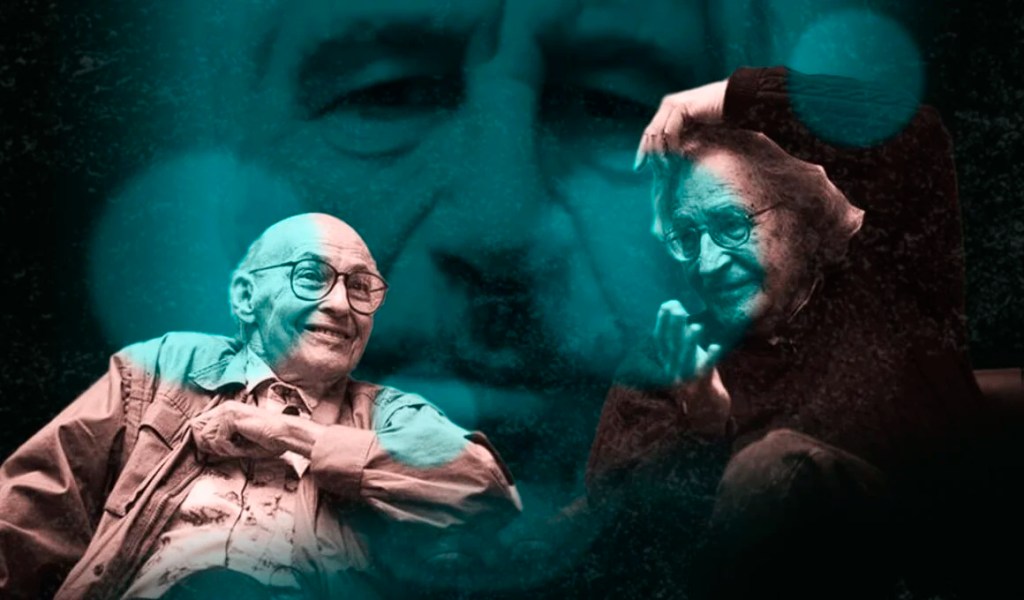
Well, an admitted “friend” of both Chomsky’s and Epstein’s was the AI pioneer Marvin Minsky. Like Chomsky, Minsky was a long-time professor and academic at MIT. It is very possible that Minsky connected the two men, especially considering the fact that Epstein was a major donor to MIT. Epstein described himself as being “very close” to Minsky, who died in 2016, roughly a year after Epstein began meeting with Chomsky. Epstein also financed some of Minsky’s projects and Minsky, like Ehud Barak, was accused of sexually abusing the minors Epstein trafficked.

Chomsky’s views on linguistics and cognition, for those who don’t know, is based very much on evolutionary biology. Chomsky was also a pioneer in cognitive science, described as “a field aimed at uncovering the mental representations and rules that underlie our perceptual and cognitive abilities.” Some have described Chomsky’s concept of language as based on “the complexity of internal representation, encoded in the genome, and their maturation in light of the right data into a sophisticated computational system, one that cannot be usefully broken down into a set of associations.” A person’s “language faculty”, per Chomsky, should be seen as “part of the organism’s genetic endowment, much like the visual system, the immune system and the circulatory system, and we ought to approach it just as we approach these other more down-to-earth biological systems.”

Despite their friendship, Minsky greatly diverged with Chomsky in this view, with Minsky describing Chomsky’s views on linguistics and cognition as largely superficial and irrelevant. Chomsky later criticized the widely used approach with AI that focuses on statistical learning techniques to mine and predict data, which Chomsky argued was “unlikely to yield general principles about the nature of intelligent beings or about cognition.”

However, Chomsky’s views linking evolutionary biology/genetics with linguistics/cognition were notably praised by the aforementioned Martin Nowak, who had attended one of the meetings Epstein had with Chomsky. Nowak, a professor of biology and mathematics and head of the Program for Evolutionary Dynamics at Harvard, later stated that he had “once broke out a blackboard during dinner with Epstein and, for two hours, gave a mathematical description of how language works,” further revealing that Epstein was interested in aspects of linguistics. It is unclear if this particular meeting was the same that Chomsky had attended alongside Nowak to discuss “neuroscience” and other topics.

However, given the importance of evolutionary biology and genetics to Chomsky’s theories, it is hardly surprising that Jeffrey Epstein would have gravitated more towards his views on AI than those of Minsky. Epstein was fascinated by genetics and, even per mainstream sources, was also deeply interested eugenics. Take for example the following from an article published in The Guardian in 2019:

Epstein was apparently fixated on “transhumanism”, the belief that the human species can be deliberately advanced through technological breakthroughs, such as genetic engineering and artificial intelligence.

At its most benign, transhumanism is a belief that humanity’s problems can be improved, upgraded even, through such technology as cybernetics and artificial intelligence – at its most malignant though, transhumanism lines up uncomfortably well with eugenics.


Thus, Epstein’s interest in AI, genetics, and more was tied into his documented obsession with “transhumanism,” which – as several Unlimited Hangout reports have noted – is essentially a rebranding of eugenics. Indeed, the term transhumanism itself was first coined by Julian Huxley, the former president of the British Eugenics Society and the first head of UNESCO who called to make “the unthinkable thinkable again” with regards to eugenics.

Aside from transhumanism, Epstein also had an avowed interest in “strengthening” the human gene pool, in part by impregnating as many women as possible with his “seed” in order to widely disperse his genes. These views may also explain Epstein’s interest in associating himself with people like James (Jim) Watson. As noted earlier in this article, Epstein stated in 2017 that he had invited both Watson and Chomsky to his home on separate occasions.

Watson has been a controversial figures for years, particularly after he openly stated that people of African descent are genetically inferior and less intelligent than their European counterparts. He also previously promoted the idea that women should abort babies that carried a “gay gene,” were such a gene ever discovered. He also felt that gene editing should be used to make all women “prettier” and to eradicate “stupidity”. Notably, Watson made all of these comments well before Epstein invited him to his home.

Watson was also praised, controversially, after these same comments by another Epstein-funded scientist, Eric Lander. Lander, who was recently Biden’s top science advisor, was forced to resign from that post last year after being accused of harassing those who worked under him in the Biden administration’s Office of Science and Technology. Prior to joining the Biden administration, Lander had collaborated with Watson on the Human Genome Project and later ran the Broad Institute, a non-profit born out of collaboration between MIT and Harvard.

Returning to Chomsky, though he may not have been aware of Epstein’s interests in eugenics and transhumanism, it has since become clear that Epstein’s main interest in Artificial Intelligence – his stated purpose for courting Chomsky – was intimately tied to these controversial disciplines. However, Chomsky did know of Epstein’s past, and likely also knew of Woody Allen’s similar past before meeting him as well. He turned a blind eye on those matters, telling the Journal that Epstein had “served his sentence” and, as a result, had been granted a “clean slate”. In saying this, Chomsky is apparently unaware of Epstein’s controversial “sweetheart deal” that resulted in an extremely lenient sentence and non-prosecution agreement. That “deal” was signed off on by then-US Attorney Alex Acosta because Acosta was told to “back off” Epstein because Epstein “belonged to intelligence.” Chomsky had previously told several people, including an Unlimited Hangout reader, that an Epstein-intelligence agency connection is a “conspiracy theory.”

Given Chomsky’s odd views on Epstein’s past and the fact that Epstein frequently discussed transhumanism and eugenics around other prominent scientists, it is possible, though unproven, that Chomsky may have known more about Epstein’s true interests in AI and genetics.

Would Chomsky have been willing to overlook these ethical conundrums? Given his political views on capitalism and foreign policy, many would likely say that he would not. However, finding ways to circumvent these ethical conundrums with respect to AI may have been one of Epstein’s main reasons for heavily funding MIT, particularly its Media Lab. Epstein, in addition to his own donations, also funneled millions of dollars from Bill Gates and Leon Black to the Media Lab.

According to former Media Lab employee Rodrigo Ochigame, writing in The Intercept, Joi Ito of MIT’s Media Lab – who took lots of donations from Epstein and attempted to hide Epstein’s name on official records – was focused on developing “ethics” for AI that were “aligned strategically with a Silicon Valley effort seeking to avoid legally enforceable restrictions of controversial technologies.” Ito later resigned his post at the Media Lab due to fallout from the Epstein scandal.

Ochigame writes:

A key group behind this effort, with the lab as a member, made policy recommendations in California that contradicted the conclusions of research I conducted with several lab colleagues, research that led us to oppose the use of computer algorithms in deciding whether to jail people pending trial. Ito himself would eventually complain, in private meetings with financial and tech executives, that the group’s recommendations amounted to “whitewashing” a thorny ethical issue. “They water down stuff we try to say to prevent the use of algorithms that don’t seem to work well” in detention decisions, he confided to one billionaire.

I also watched MIT help the U.S. military brush aside the moral complexities of drone warfare, hosting a superficial talk on AI and ethics by Henry Kissinger, the former secretary of state and notorious war criminal, and giving input on the U.S. Department of Defense’s “AI Ethics Principles” for warfare, which embraced “permissibly biased” algorithms and which avoided using the word “fairness” because the Pentagon believes “that fights should not be fair.”

Ochigame also cites Media Lab colleagues who say that Marvin Minsky, who worked with the Lab before his death, was known to say that “an ethicist is someone who has a problem with whatever you have in your mind.” Also troubling is the fact that Ito, and by extension the Media Lab, played a role in shaping White House policy with respect to AI. For instance, Obama called Ito an “expert” on AI and ethics during an interview with him in 2016. Ito, on his conversation with Obama, said the following: “[…] the role of the Media Lab is to be a connective tissue between computer science, and the social sciences, and the lawyers, and the philosophers […] What’s cool is that President Obama gets that.”

If you are Jeffrey Epstein, with a history of illegal and criminal activity, and interested in avoiding the regulation of controversial technologies you feel are necessary to advance your vision of transhumanism/eugenics, financing groups that greatly influence “ethics” policies that helps limit the regulation of those technologies would obviously benefit you.

Ochigame goes on to write:

Thus, Silicon Valley’s vigorous promotion of “ethical AI” has constituted a strategic lobbying effort, one that has enrolled academia to legitimize itself. Ito played a key role in this corporate-academic fraternizing, meeting regularly with tech executives. The MIT-Harvard fund’s initial director was the former “global public policy lead” for AI at Google. Through the fund, Ito and his associates sponsored many projects, including the creation of a prominent conference on “Fairness, Accountability, and Transparency” in computer science; other sponsors of the conference included Google, Facebook, and Microsoft.

Notably, Epstein was tied into these same circles. He was very, very close, not just with Bill Gates, but with several other top Microsoft executives and was also known to have a close relationship with Google’s Sergey Brin, who has recently been subpoenaed in the Epstein-JPMorgan case, as well as Facebook/Meta’s Mark Zuckerberg. Notably, many of these same companies are currently pioneering transhumanist technologies, particularly in healthcare, and are deeply tied to either the military or intelligence, if not both.

The MIT-AI-Military Connection

Chomsky is just one of several prominent academics and intellectuals who were courted by Epstein in an attempt to supercharge the development of technologies that could help bring his controversial obsessions to fruition. Notably, many of these characters, including Chomsky, have had their work – at one point or another – funded by the U.S. military, which has itself long been a major driver of AI research.

For example, Minsky and Danny Hillis, a close associate of Epstein’s in his own right, co-created a DARPA contractor and supercomputer firm called Thinking Machines, which was aimed at creating a “truly intelligent machine. One that can see and hear and speak. A machine that will be proud of us,” according to one company brochure. Minsky was Hillis’ mentor at MIT and the pair sought out Sheryl Handler, who worked for a genetic-engineering start-up at Harvard called the Genetics Institute, to help them create their supercomputer firm.

Thinking Machines, which made poor business decisions routinely from the beginning, was only able to function for as long as it did due to multi-million dollar contracts it had secured from the Pentagon’s DARPA. With the close of Cold War, DARPA sought to use its clout with Thinking Machines to push the company to develop a product that could deal with things like modeling the global climate, mapping the human genome and predicting earthquakes. Subsequent reporting from the Wall Street Journal showed that the agency had been “playing favorites” and Thinking Machine’s “gravy train” abruptly ended due to the bad publicity, subsequently leading to the collapse of the company.

Hillis, around this time, met Jeffrey Epstein. The introduction may have been brokered by former Microsoft’s Chief Technology Officer Nathan Myhrvold, a friend of Hillis’ who grew close to Epstein in the 1990s and even took Epstein on an official Microsoft trip to Russia. Myhrvold, who was also named as an abuser of the minors Epstein trafficked, was one of the other top Microsoft officials who was close to Epstein beginning in the 1990s. Another was Linda Stone, who later connected Jeffrey Epstein to Joi Ito of MIT’s Media Lab. As previously mentioned, Epstein would later direct the long-time head of Microsoft, Bill Gates, to donate millions to the Media Lab.

Chomsky’s own history at MIT brought him into contact with the military. For instance, during the early 1960s, Chomsky received funding from the Air Force, which aimed to program a computer with Chomsky’s insights about grammar in an attempt to endow it “with the ability to recognize instructions imparted to it in perfectly ordinary English, thereby eliminating a necessity for highly specialized languages that intervene between a man and a computer.” Chomsky later stated of the military funding of his early career that “I was in a military lab. If you take a look at my early publications, they all say something about Air Force, Navy, and so on, because I was in a military lab, the Research Lab for Electronics.”

Chomsky has since denied that military funding shaped his linguistics work in any significant way and has claimed that the military is used by the government “as a kind of a funnel by which taxpayer money was being used to create the hi-tech economy of the future.” However, reports have noted that this particular project was very much tied to military applications. In addition, the man who first recruited Chomsky to MIT in the mid-1950s, Jerome Wiesner, went on to be Chomsky’s boss at MIT for over 20 years as well as “America’s most powerful military scientist.”

To Chomsky’s credit, after this program ended, he became fully, and publicly, committed to anti-war activism. This activism led him, at one point, to consider resigning from MIT, which he declined to do – likely because he was rather quickly granted professorship. As Chris Knight writes, “this meant that instead of resigning, Chomsky’s choice was to launch himself as an outspoken anti-militarist activist even while remaining in one of the US’s most prestigious military labs.”

By staying at MIT, Chomsky chose to maintain his career, in relative proximity to the centers of power he would later become an icon for denouncing. However, it shows that Chomsky, from this time onward, began to make some choices that undermined his radicalism to an extent. Chomsky may have rationalized his decision to stay at MIT in the 1960s because it gave him a better platform from which to espouse his political and anti-war views. It is not unheard of for prominent public figures to make such compromises. However, in light of the recent Epstein revelations and what they appear to signal, it seems that Chomsky, particularly in his later years, may have become too comfortable and too willing to make these types of compromises – ones that a much younger Chomsky would have surely rejected.
How Mainstream Media Becomes Controlled

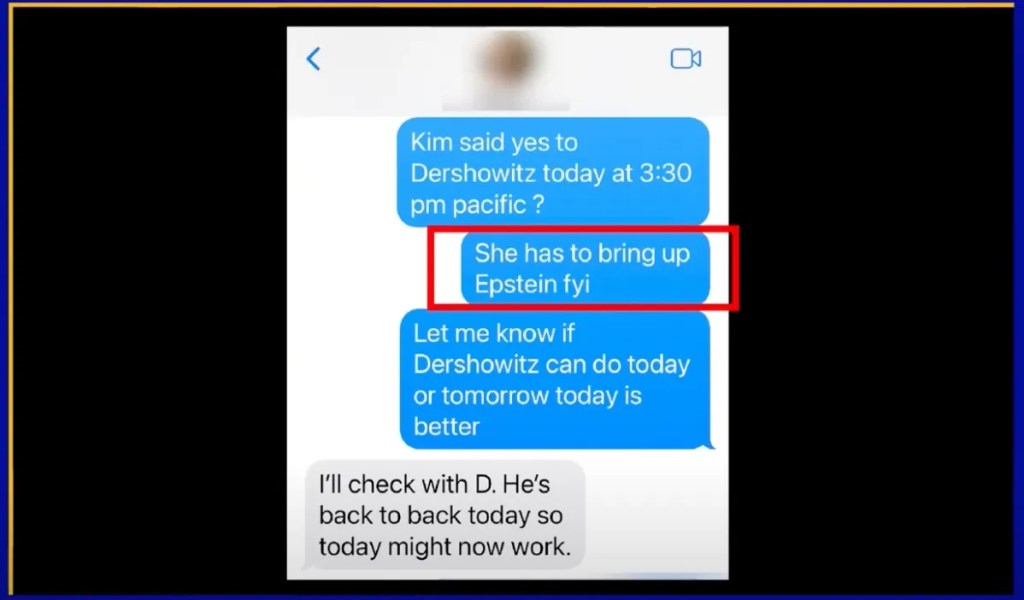
Most people think of money and agenda, and that’s part of the picture, but there’s one incredibly common factor most don’t consider: access. Let’s explore Kim Iverson’s Dershowitz interview.

By Joe Martino

Source: The Pulse

In personal development, one can’t change something about themselves until they are first made aware of the pattern or problem they are experiencing. Once they know, steps can be taken to adjust, better themselves, or grow beyond the problem.

The same can be said for how our society functions. After all, we as individuals are a microcosm of our collective story.

In that sense, I am a strong believer that if we don’t have an understanding of how our world works, then we don’t stand a chance in making it a better place as we don’t know what problem we are solving.

The first step towards uncovering truth is being able to re-examine our positions and embrace uncertainty.

Propaganda Produces Narrative

In my previous piece on propaganda I talked about how governments distribute a “story” or “narrative” about current events to rally the public behind an idea. It’s through this propaganda that people believe something about how the world works, even if it’s not at all true.

Mainstream media is the mouthpiece that connects government to the people. It has incredible power in shaping public opinion, and governments and powerful people know this.

The is how the masses come to believe they live in a democracy, that government is doing their best to fight enemies. Or that government is keeping people safe through their authoritarian actions, and attempting to create wellness in society. Don’t question government or else you’re a conspiracy theorist.

This narrative is all told through mainstream media. Control mainstream media and you control the masses’ perception.

Controlling Mainstream Media

There are many ways in which mainstream media can be controlled. A common belief is that newsroom directors are constantly getting phone calls from government people telling them not to run certain stories.

This may be true for a small portion of MAJOR stories as we saw with the government program Project Mockingbird.

A 1991 a declassified document from the CIA archives shows the Central Intelligence Agency had a close relationship with mainstream media and academia.

The document states that the CIA task force “now has relationships with reporters from every major wire service, newspaper, news weekly, and television network in the nation,” and that “this has helped us turn some ‘intelligence failure’ stories into ‘intelligence success” stories,’ and has contributed to the accuracy of countless others.”

It admits the agency had “persuaded reporters to postpone, change, hold, or even scrap stories that could have adversely affected national security interests or jeopardized sources and methods.”

We learned through COVID that this sort of thing does still happen, especially with major stories. But for the most part this isn’t how media is controlled in my opinion.

One other common idea is that “all of the journalists at The New York Times or CBC know they are lying.” I don’t think this is true.

Most of these people fully believe in what they publish, and are more so regulated by a news culture and environment that is built around avoiding certain conclusions. They also tend to perform unbalanced investigation into certain subjects.

Part of how news culture is built, and what stops journalists from following their gut, is the fear of the loss of access.

What is Access?

Access is simple: a news outlet can gain access to certain individuals like politicians, powerful business people, or celebrities based on their reputation and knowledge that they won’t “cross the line” or surprise guests.

In this case “the line” is asking tough questions or holding people accountable. Cross the line, and word gets out that powerful people shouldn’t associate with those brands as readily.

Imagine during the Freedom Convoy if the CBC decided they were going to ask Justin Trudeau very tough questions about his abuse of power, lies, and hatred he was disseminating towards unvaccinated people.

You can bet that the CBC would be fearful Trudeau’s admin would give them less access to early stories, updates, interviews and so on if they don’t “play ball” with Trudeau.

If the CBC doesn’t play ball, they will be late on stories, their competition will get things first and the CBC would be playing catch up all the time. This is bad for business.

Access is directly tied to the profitability of many news organizations. Thus, it becomes a race to the bottom dynamic of kissing the ass of those in power and not upsetting them so you can compete amongst other news organizations to get access to stories and interviews first – or even at all.

A Prime Example

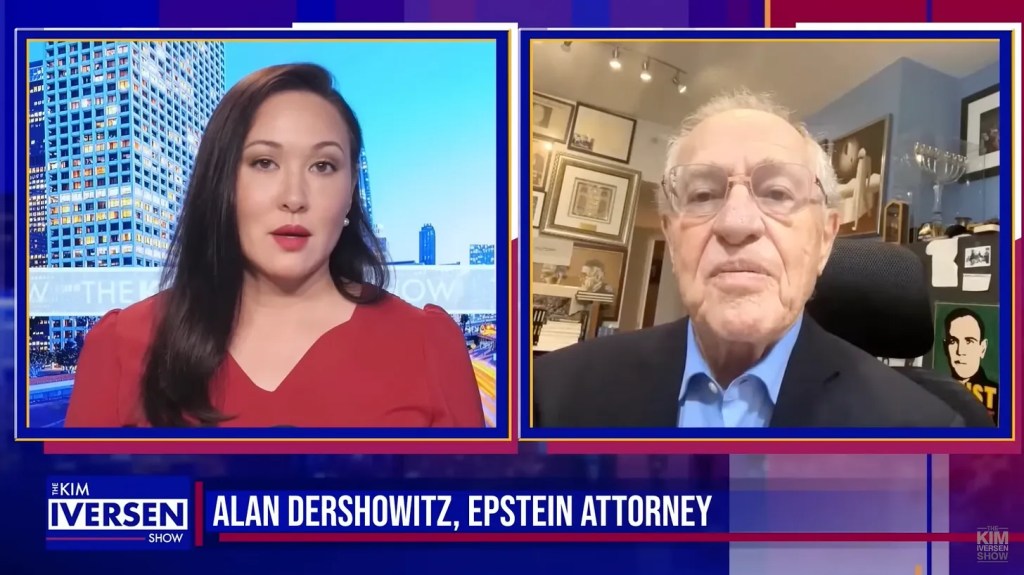
This concept is well demonstrated in a recent interview Kim Iverson conducted with Alan Dershowitz on her show. To note, Iverson’s program is independent, and not considered mainstream media.

Iverson interviewed Dershowitz about Trump’s looming arrest. During the interview, she also asked him about his ties to Epstein and whether or not Epstein had ties to Mossad.

Dershowitz went on to provide short, weak answers to the questions, but eventually became annoyed with Iverson questioning him about Epstein.

Dershowitz said:

“Are you used to having people come on your show to talk about one subject, and then sandbagging them on another subject without any warning? It’s nice to know you do that. I have nothing to hide, and I’m happy to talk about any of this, but I’m used to more ethical journalism.”

Iverson goes on to state that her team notified the people who booked Dershowitz onto the show that she would ask about Epstein.

Dershowitz said they never told him, and ended the interview by saying,

“[…] it’s the last time you’ll have me on your show, so take advantage of it.”

Iverson went on to provide proof that Dershowitz’s team was notified about upcoming Epstein questions.

Iverson asked Dershowitz tough questions that were significantly less “soft ball” than what he would get from mainstream media. He was also less prepared to tailor his answers perfectly because of an internal team mistake.

As a result, he won’t go on her show again. She lost access to him, and this message could spread throughout, causing her to lose access to others as well.

Simply put, the game is rigged. Play ball in the way powerful people want you to or you don’t get to play.

Put another way, ask tough questions that are “out of bounds” in authoritarian culture and you’ll stop getting interviews. Why then would someone ask tough questions?

But this instance also reveals something important: powerful people know the questions first before they appear on news shows. Does this make sense? Does this create the opportunity for true and honest answers?

Is real journalism even being done by mainstream outlets?

The Purpose of Media is Largely Lost, But Slowly Repairing

All of us who wonder why certain questions aren’t asked by mainstream journalists even when they are strikingly obvious, should consider the concept of access.

Every person listed on Epstein’s flight log could have been asked to explain themselves by The New York Times or Washington Post, but they weren’t. Because that’s not allowed.

However those organizations can forgo good journalistic practices to push COVID fear and propaganda all day long, because that will only gain them more access in the end.

Thus, mainstream media is controlled by the threat of losing access.

Does it make sense that a person should know all of the questions they are going to be asked before coming on a show? Does it make sense that they should be allowed to fully prepare those answers? Doesn’t that give a deep opportunity to deceive?

Why is this accepted as “ethical journalism” when in reality it can protect powerful people?

A Way Forward

This is why I believe we must point out the ways in which mainstream media has no incentive to tell the truth, and point out the ways in which mainstream journalism works.

We must also illustrate the ways in which the mainstream media is obviously wrong or misleading on certain subjects.

It is often too difficult to prove EXACTLY what is true, because that can be incredibly hard to know, but to critique the MSM in ways that reveal their deception can help people begin granting less legitimacy to MSM, and start embracing more uncertainty.

I do believe more and more people are seeing how corrupt mainstream media is, and perhaps we are getting closer to a tipping point. As a result, even The New York Times is trying to convince their audience they are ‘independent journalism.’

This Biden Proposal Could Make the US a “Digital Dictatorship”

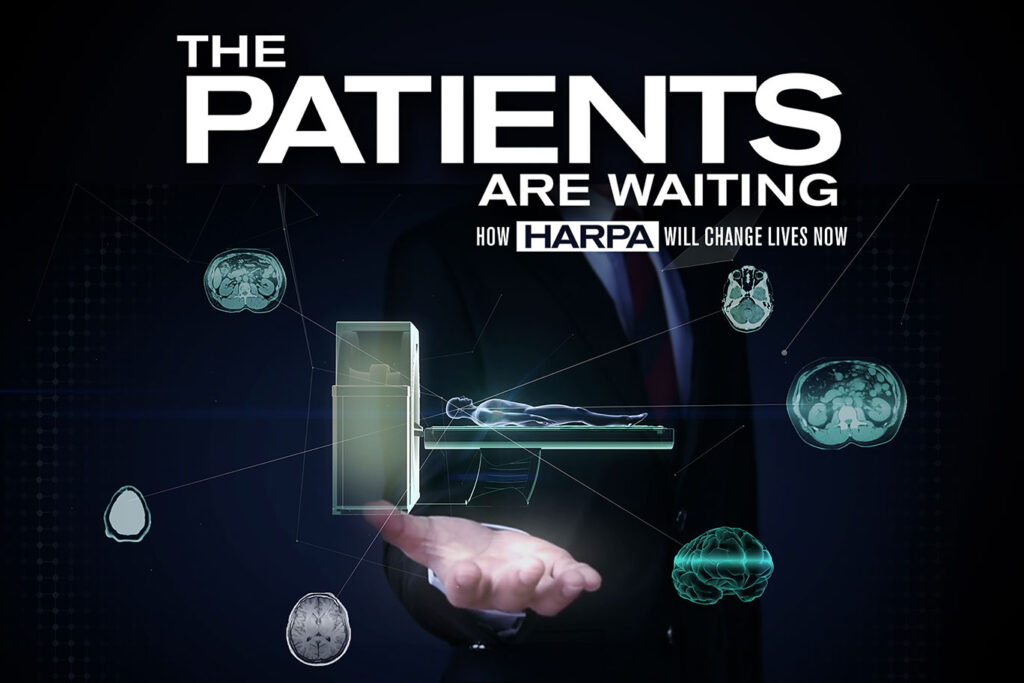
A “new” proposal by the Biden administration to create a health-focused federal agency modeled after DARPA is not what it appears to be. Promoted as a way to “end cancer,” this resuscitated “health DARPA” conceals a dangerous agenda.

By Whitney Webb

Source: Unlimited Hangout

Last Wednesday, President Biden was widely praised in mainstream and health-care–focused media for his call to create a “new biomedical research agency” modeled after the US military’s “high-risk, high-reward” Defense Advanced Research Projects Agency, or DARPA. As touted by the president, the agency would seek to develop “innovative” and “breakthrough” treatments for cancer, Alzheimer’s disease, and diabetes, with a call to “end cancer as we know it.”  

Far from “ending cancer” in the way most Americans might envision it, the proposed agency would merge “national security” with “health security” in such as way as to use both physical and mental health “warning signs” to prevent outbreaks of disease or violence before they occur. Such a system is a recipe for a technocratic “pre-crime” organization with the potential to criminalize both mental and physical illness as well as “wrongthink.”

The Biden administration has asked Congress for $6.5 billion to fund the agency, which would be largely guided by Biden’s recently confirmed top science adviser, Eric Lander. Lander, formerly the head of the Silicon Valley–dominated Broad Institute, has been controversial for his ties to eugenicist and child sex trafficker Jeffrey Epstein and his relatively recent praise for James Watson, an overtly racist eugenicist. Despite that, Lander is set to be confirmed by the Senate and Congress and is reportedly significantly enthusiastic about the proposed new “health DARPA.”

This new agency, set to be called ARPA-H or HARPA, would be housed within the National Institutes of Health (NIH) and would raise the NIH budget to over $51 billion. Unlike other agencies at NIH, ARPA-H would differ in that the projects it funds would not be peer reviewed prior to approval; instead hand-picked program managers would make all funding decisions. Funding would also take the form of milestone-driven payments instead of the more traditional multiyear grants.

ARPA-H will likely heavily fund and promote mRNA vaccines as one of the “breakthroughs” that will cure cancer. Some of the mRNA vaccine manufacturers that have produced some of the most widely used COVID-19 vaccines, such as the Pfizer/BioNTech vaccine, stated just last month that “cancer is the next problem to tackle with mRNA tech” post-COVID. BioNTech has been developing mRNA gene therapies for cancer for years and is collaborating with the Bill & Melinda Gates Foundation to create mRNA-based treatments for tuberculosis and HIV.

Other “innovative” technologies that will be a focus of this agency are less well known to the public and arguably more concerning.

The Long Road to ARPA-H

ARPA-H is not a new and exclusive Biden administration idea; there was a previous attempt to create a “health DARPA” during the Trump administration in late 2019. Biden began to promote the idea during his presidential campaign as early as June 2019, albeit using a very different justification for the agency than what had been pitched by its advocates to Trump. In 2019, the same foundation and individuals currently backing Biden’s ARPA-H had urged then president Trump to create “HARPA,” not for the main purpose of researching treatments for cancer and Alzheimer’s, but to stop mass shootings before they happen through the monitoring of Americans for “neuropsychiatric” warning signs.

For the last few years, one man has been the driving force behind HARPA—former vice chair of General Electric and former president of NBCUniversal, Robert Wright. Through the Suzanne Wright Foundation (named for his late wife), Wright has spent years lobbying for an agency that “would develop biomedical capabilities—detection tools, treatments, medical devices, cures, etc.—for the millions of Americans who are not benefitting from the current system.” While he, like Biden, has cloaked the agency’s actual purpose by claiming it will be mainly focused on treating cancer, Wright’s 2019 proposal to his personal friend Donald Trump revealed its underlying ambitions.

As first proposed by Wright in 2019, the flagship program of HARPA would be SAFE HOME, short for Stopping Aberrant Fatal Events by Helping Overcome Mental Extremes. SAFE HOME would suck up masses of private data from “Apple Watches, Fitbits, Amazon Echo, and Google Home” and other consumer electronic devices, as well as information from health-care providers to determine if an individual might be likely to commit a crime. The data would be analyzed by artificial intelligence (AI) algorithms “for early diagnosis of neuropsychiatric violence.”

The Department of Justice’s pre-crime approach known as DEEP was activated just months before Trump left office; it was also justified as a way to “stop mass shootings before they happen.” Soon after Biden’s inauguration, the new administration began using information from social media to make pre-crime arrests as part of its approach toward combatting “domestic terror.” Given the history of Silicon Valley companies collaborating with the government on matters of warrantless surveillance, it appears that aspects of SAFE HOME may already be covertly active under Biden, only waiting for the formalization of ARPA-H/HARPA to be legitimized as public policy. 

The national-security applications of Robert Wright’s HARPA are also illustrated by the man who was its lead scientific adviser—former head of DARPA’s Biological Technologies Office Geoffrey Ling. Not only is Ling the main scientific adviser of HARPA, but the original proposal by Wright would have Ling both personally design HARPA and lead it once it was established. Ling’s work at DARPA can be summarized by BTO’s stated mission, which is to work toward merging “biology, engineering, and computer science to harness the power of natural systems for national security.” BTO-favored technologies are also poised to be the mainstays of HARPA, which plans to specifically use “advancements in biotechnology, supercomputing, big data, and artificial intelligence” to accomplish its goals.

The direct DARPA connection to HARPA underscores that the agenda behind this coming agency dates back to the failed Bio-Surveillance project of DARPA’s Total Information Awareness program, which was launched after the events of September 11, 2001. TIA’s Bio-Surveillance project sought to develop the “necessary information technologies and resulting prototype capable of detecting the covert release of a biological pathogen automatically, and significantly earlier than traditional approaches,” accomplishing this “by monitoring non-traditional data sources” including “pre-diagnostic medical data” and “behavioral indicators.” 

While nominally focused on “bioterrorist attacks,” TIA’s Bio-Surveillance project also sought to acquire early detection capabilities for “normal” disease outbreaks. Bio-Surveillance and related DARPA projects at the time, such as LifeLog, sought to harvest data through the mass use of some sort of wearable or handheld technology. These DARPA programs were ultimately shut down due to the controversy over claims they would be used to profile domestic dissidents and eliminate privacy for all Americans in the US. 

That DARPA’s past total surveillance dragnet is coming back to life under a supposedly separate health-focused agency, and one that emulates its organizational model no less, confirms that many TIA-related programs were merely distanced from the Department of Defense when officially shut down. By separating the military from the public image of such technologies and programs, it made them more palatable to the masses, despite the military remaining heavily involved behind the scenes. As Unlimited Hangout has recently reported, major aspects of TIA were merely privatized, giving rise to companies such as Facebook and Palantir, which resulted in such DARPA projects being widely used and accepted. Now, under the guise of the proposed ARPA-H, DARPA’s original TIA would essentially be making a comeback for all intents and purposes as its own spin-off.

Silicon Valley, the Military and the Wearable “Revolution” 

This most recent effort to create ARPA-H/HARPA combines well with the coordinated push of Silicon Valley companies into the field of health care, specifically Silicon Valley companies that double as contractors to US intelligence and/or the military (e.g., Microsoft, Google, and Amazon). During the COVID-19 crisis, this trend toward Silicon Valley dominance of the health-care sector has accelerated considerably due to a top-down push toward digitalization with telemedicine, remote monitoring, and the like. 

One interesting example is Amazon, which launched a wearable last year that purports to not only use biometrics to monitor people’s physical health and fitness but to track their emotional state as well. The previous year, Amazon acquired the online pharmacy PillPack, and it is not hard to imagine a scenario in which data from Amazon’s Halo wellness band is used to offer treatment recommendations that are then supplied by Amazon-owned PillPack.

Companies such as Amazon, Palantir, and Google are set to be intimately involved in ARPA-H’s activities. In particular, Google, which launched numerous health-tech initiatives in 2020, is set to have a major role in this new agency due to its long-standing ties to the Obama administration when Biden was vice president and to President Biden’s top science adviser, Eric Lander.

As mentioned, Lander is poised to play a major role in ARPA-H/HARPA if and when it materializes. Before becoming the top scientist in the country, Lander was president and founding director of the Broad Institute. While advertised as a partnership between MIT and Harvard, the Broad Institute is heavily influenced by Silicon Valley, with two former Google executives on its board, a partner of Silicon Valley venture capital firm Greylock Partners, and the former CEO of IBM, as well as some of its top endowments coming from prominent tech executives. 

Former Google CEO Eric Schmidt, who was intimately involved with Obama’s 2012 reelection campaign and who is close to the Democratic Party in general, chairs the Broad Institute as of this April. In March, Schmidt gave the institute $150 million to “connect biology and machine learning for understanding programs of life.” During his time on the Broad Institute board, Schmidt also chaired the National Security Commission on Artificial Intelligence, a group of mostly Silicon Valley, intelligence, and military operatives who have now charted the direction of the US government’s policies on emerging tech and AI. Schmidt was also pitched as potential head of a tech-industry task force by the Biden administration.

Earlier, in January, the Broad Institute announced that its health-research platform, Terra, which was built with Google subsidiary Verily, would partner with Microsoft. As a result, Terra now allows Google and Microsoft to access a vast trove of genomic data that is poured into the platform by academics and research institutions from around the world.

In addition, last September, Google teamed up with the Department of Defense as part of a new AI-driven “predictive health” program that also has links to the US intelligence community. While initially focused on predicting cancer cases, this initiative clearly plans to expand to predicting the onset of other diseases before symptoms appear, including COVID-19. As noted by Unlimited Hangout at the time, one of the ulterior motives for the program, from Google’s perspective, was for Google to gain access to “the largest repository of disease- and cancer-related medical data in the world,” which is held by the Defense Health Agency. Having exclusive access to this data is a huge boon for Google in its effort to develop and expand its growing suite of AI health-care products.

The military is currently being used to pilot COVID-19–related biometric wearables for “returning to work safely.” Last December, it was announced that Hill Air Force Base in Utah would make biometric wearables a mandatory part of the uniform for some squadrons. For example, the airmen of the Air Force’s 649th Munitions Squadron must now wear a smart watch made by Garmin and a smart ring made by Oura as part of their uniform. 

According to the Air Force, these devices detect biometric indicators that are then analyzed for 165 different biomarkers by the Defense Threat Reduction Agency/Philips Healthcare AI algorithm that “attempts to recognize an infection or virus around 48 hours before the onset of symptoms.” The development of that algorithm began well before the COVID-19 crisis and is a recent iteration of a series of military research projects that appear to have begun under the 2007 DARPA Predicting Health and Disease (PHD) project.

While of interest to the military, these wearables are primarily intended for mass use—a big step toward the infrastructure needed for the resurrection of a bio-surveillance program to be run by the national-security state. Starting first with the military makes sense from the national-security apparatus’s perspective, as the ability to monitor biometric data, including emotions, has obvious appeal for those managing the recently expanded “insider threat” programs in the military and the Department of Homeland Security.

One indicator of the push for mass use is that the same Oura smart ring being used by the Air Force was also recently utilized by the NBA to prevent COVID-19 outbreaks among basketball players. Prior to COVID-19, it was promoted for consumer use by members of the British Royal family and Twitter CEO Jack Dorsey for improving sleep. As recently as last Monday, Oura’s CEO, Harpeet Rai, said that the entire future of wearable health tech will soon be “proactive rather than reactive” because it will focus on predicting disease based on biometric data obtained from wearables in real time.

Another wearable tied to the military that is creeping into mass use is the BioButton and its predecessor the BioSticker. Produced by the company BioIntelliSense, the sleek new BioButton is advertised as a wearable system that is “a scalable and cost-effective solution for COVID-19 symptom monitoring at school, home and work.” BioIntelliSense received $2.8 million from the Pentagon last December to develop the BioButton and BioSticker wearables for COVID-19. 

BioIntelliSense, cofounded and led by former Microsoft HealthVault developer James Mault, now has its wearable sensors being rolled out for widespread use on some college campuses and at some US hospitals. In some of those instances, the company’s wearables are being used to specifically monitor the side effects of the COVID-19 vaccine as opposed to symptoms of COVID-19 itself. BioIntelliSense is currently running a study, partnered with Philips Healthcare and the University of Colorado, on the use of its wearables for early COVID-19 detection, which is entirely funded by the US military.

While the use of these wearables is currently “encouraged but optional” at these pilot locations, could there come a time when they are mandated in a workplace or by a government? It would not be unheard of, as several countries have already required foreign arrivals to be monitored through use of a wearable during a mandatory quarantine period. Saint Lucia is currently using BioButton for this purpose. Singapore, which seeks to be among the first “smart nations” in the world, has given every single one of its residents a wearable called a “TraceTogether token” for its contact-tracing program. Either the wearable token or the TraceTogether smartphone app is mandatory for all workplaces, shopping malls, hotels, schools, health-care facilities, grocery stores, and hair salons. Those without access to a smartphone are expected to use the “free” government-issued wearable token.

The Era of Digital Dictatorships Is Nearly Here

Making mandatory wearables the new normal not just for COVID-19 prevention but for monitoring health in general would institutionalize quarantining people who have no symptoms of an illness but only an opaque algorithm’s determination that vital signs indicate “abnormal” activity. 

Given that no AI is 100 percent accurate and that AI is only as good as the data it is trained on, such a system would be guaranteed to make regular errors: the question is how many. One AI algorithm being used to “predict COVID-19 outbreaks” in Israel and some US states is marketed by Diagnostic Robotics; the (likely inflated) accuracy rate the company provides for its product is only 73 percent. That means, by the company’s own admission, their AI is wrong 27 percent of the time. Probably, it is even less accurate, as the 73 percent figure has never been independently verified.

Adoption of these technologies has benefitted from the COVID-19 crisis, as supporters are seizing the opportunity to accelerate their introduction. As a result, their use will soon become ubiquitous if this advancing agenda continues unimpeded. 

Though this push for wearables is obvious now, signs of this agenda were visible several years ago. In 2018, for instance, insurer John Hancock announced that it would replace its life insurance offerings with “interactive policies” that involve individuals having their health monitored by commercial health wearables. Prior to that announcement, John Hancock and other insurers such as Aetna, Cigna, and UnitedHealthcare offered various rewards for policyholders who wore a fitness wearable and shared that data with their insurance company.

In another pre-COVID example, the Journal of the American Medical Association published an article in August 2019 that claimed that wearables “encourage healthy behaviors and empower individuals to participate in their health.” The authors of the article, who are affiliated with Harvard, further claimed that “incentivizing use of these devices [wearables] by integrating them in insurance policies” may be an “attractive” policy approach. The use of wearables for policyholders has since been heavily promoted by the insurance industry, both prior to and after COVID-19, and some speculate that health insurers could soon mandate their use in certain cases or as a broader policy.

These biometric “fitness” devices—such as Amazon’s Halo—can monitor more than your physical vital signs, however, as they can also monitor your emotional state. ARPA-H/HARPA’s flagship SAFE HOME program reveals that the ability to monitor thoughts and feelings is an already existing goal of those seeking to establish this new agency. 

According to World Economic Forum luminary and historian Yuval Noah Harari, the transition to “digital dictatorships” will have a “big watershed” moment once governments “start monitoring and surveying what is happening inside your body and inside your brain.” He says that the mass adoption of such technology would make human beings “hackable animals,” while those who abstain from having this technology on or in their bodies would become part of a new “useless” class. Harari has also asserted that biometric wearables will someday be used by governments to target individuals who have the “wrong” emotional reactions to government leaders. 

Unsurprisingly, one of Harari’s biggest fans, Facebook’s Mark Zuckerberg, has recently led his company into the development of a comprehensive biometric and “neural” wearable based on technology from a “neural interface” start-up that Facebook acquired in 2019. Per Facebook, the wearable “will integrate with AR [augmented reality], VR [virtual reality], and human neural signals” and is set to become commercially available soon. Facebook also notably owns the VR company Oculus Rift, whose founder, Palmer Luckey, now runs the US military AI contractor Anduril. 

As recently reported, Facebook was shaped in its early days to be a private-sector replacement for DARPA’s controversial LifeLog program, which sought to both “humanize” AI and build profiles on domestic dissidents and terror suspects. LifeLog was also promoted by DARPA as “supporting medical research and the early detection of an emerging pandemic.”

It appears that current trends and events show that DARPA’s decades-long effort to merge “health security” and “national security” have now advanced further than ever before. This may partially be because Bill Gates, who has wielded significant influence over health policy globally in the last year, is a long-time advocate of fusing health security and national security to thwart both pandemics and “bioterrorists” before they can strike, as can be heard in his 2017 speech delivered at that year’s Munich Security Conference. That same year, Gates also publicly urged the US military to “focus more training on preparing to fight a global pandemic or bioterror attack.”

In the merging of “national security” and “health security,” any decision or mandate promulgated as a public health measure could be justified as necessary for “national security,” much in the same way that the mass abuses and war crimes that occurred during the post-9/11 “war on terror” were similarly justified by “national security” with little to no oversight. Yet, in this case, instead of only losing our civil liberties and control over our external lives, we stand to lose sovereignty over our individual bodies.

The NIH, which would house this new ARPA-H/HARPA, has spent hundreds of millions of dollars experimenting with the use of wearables since 2015, not only for detecting disease symptoms but also for monitoring individuals’ diets and illegal drug consumption. Biden played a key part in that project, known as the Precision Medicine initiative, and separately highlighted the use of wearables in cancer patients as part of the Obama administration’s related Cancer Moonshot program. The third Obama-era health-research project was the NIH’s BRAIN initiative, which was launched, among other things, to “develop tools to record, mark, and manipulate precisely defined neurons in the living brain” that are determined to be linked to an “abnormal” function or a neurological disease. These initiatives took place at a time when Eric Lander was the cochair of Obama’s Council of Advisors on Science and Technology while still leading the Broad Institute. It is hardly a coincidence that Eric Lander is now Biden’s top science adviser, elevated to a new cabinet-level position and set to guide the course of ARPA-H/HARPA.

Thus, Biden’s newly announced agency, if approved by Congress, would integrate those past Obama-era initiatives with Orwellian applications under one roof, but with even less oversight than before. It would also seek to expand and mainstream the uses of these technologies and potentially move toward developing policies that would mandate their use.

If ARPA-H/HARPA is approved by Congress and ultimately established, it will be used to resurrect dangerous and long-standing agendas of the national-security state and its Silicon Valley contractors, creating a “digital dictatorship” that threatens human freedom, human society, and potentially the very definition of what it means to be human. 

Wherefore Art Thou Ghislaine Maxwell? And who are your friends?

By Philip Giraldi

Source: The Unz Review

It is now going on a year and a half since “financier” and pedophile Jeffrey Epstein died, allegedly by hanging himself in a New York City prison. Since that time it has surfaced that there were a number of “administrative” errors in the jail, meaning that Epstein was not being observed or on suicide watch even though he had reportedly attempted to kill himself previously. The suspicion that Epstein was working for Israel’s external intelligence agency Mossad or for its military intelligence counterpart also seemed confirmed through both Israeli and American sources. A recent book Epstein: Dead Men Tell No Tales written by Ari Ben-Menashe the former Israeli intelligence officer who actually ran the Epstein operation, described inter alia how Epstein was blackmailing prominent politicians on behalf of Israeli intelligence. Epstein had been working directly for the Israeli government since the 1980’s and his operation, which was funded by Israel and also by prominent American Jews, was a classic “honey-trap” which used underage girls as bait to attract well-known politicians from around the world, a list that included Prince Andrew and Bill Clinton. The politicians would be photographed and video recorded when they were in bed with the girls. Afterwards, they would be approached and asked to do favors for Israel.

It doesn’t take much to pull what is already known together and ask the question “Who among the celebrities and top-level politicians that Epstein cultivated were actually Israeli spies?” And of course there is a subplot. Assuming that Epstein was in fact involved in recruiting and/or running high level American agents in an “influence operation” that may have involved blackmail it is possible to come to the conclusion that he was killed in prison and that the suicide story was just a convenient cover-up. The Epstein case remains “open” and under investigation though it doesn’t seem that anything is actually happening, the sure sign that someone powerful in the Establishment is making sure that nothing incriminating surfaces. Indeed, there already exists some evidence that Epstein was being protected when he was convicted in Florida of sex crimes in 2008 and was given a sentence that was little more than a slap on the wrist. After the fact, the U.S. Attorney for Miami Alexander Acosta involved in the case reported that the arrest and sentencing were above his pay grade, that he had been told that Epstein “’belonged to intelligence’, and to leave it alone” a comment that apparently has never been pursued by investigators.

That the Epstein investigation appears to be in reverse gear suggests that one or more powerful Americans are still not implicated in the case but are concerned that that might change, but there remains an accessory to what went on at the Epstein mansion in Manhattan and on his private island in the Caribbean. That would be Ghislaine Maxwell, who is currently in prison in the Metropolitan Detention Center in Brooklyn and will be tried in July. Like the Epstein story in general, she has largely dropped off the media screen and one has to wonder what “get out of jail free” card she might be holding.

It has long been assumed that Epstein video recorded the sexual encounters with the underage girls that he used in his intelligence activity to blackmail prominent politicians among others. It has been suspected that Ghislaine has at least some of those tapes hidden in a secret location and may be using them to cut a deal with investigators and prosecutors. It now appears that she briefly discussed the tapes with CBS News 60 Minutes producer Ira Rosen, also making clear that there were tapes of both Bill Clinton and Donald Trump. The conversation took place in 2016 and she reportedly told Rosen that, given Trump’s involvement in the upcoming election, she would not release any information derived from the tapes relating to Clinton until after the election and she would only do so while also exposing Trump. Up until now, she has done neither.

It has long been known that Epstein knew both the ex-and future presidents, though both have denied knowing the sex offender well for obvious reasons. Clinton, for example, flew on Epstein’s Lolita Express private 727 at least 26 times and his presence at Epstein’s island refuge has also been well documented. Trump clearly knew Epstein but has denied having any contact with him after his registration as a sex offender in 2008.

Ghislaine, for her part, was allegedly recruited young girls for Epstein to exploit and was a partner in his activity, though she has denied any guilt. Numerous victims say otherwise. Her lawyers have tried a number of ploys to free her, including claims that she had been abused by prison staff and that the jury being selected to try her will be “too white.” Her brother Ian claimed last week that she is enduring “brutal and degrading treatment” in prison with four guards watching her at all times. He added that she has lost 20 pounds and “ability to concentrate.”

Ghislaine also offered to post a $28.5 million bail or a $5 million bond for home arrest in which she would wear an ankle monitor, but the judge decided that given her extensive resources she constitutes a considerable flight risk even if she turns in her American, British and French passports. She would also be able to flee to Israel based on her father Robert’s religion and service to that country and Israel does not normally extradite.

The most interesting aspect of the arrest, imprisonment and trial of Ghislaine Maxwell is what it does not do. She basically is being tried on whether it can be confirmed that she was a “pimp” for Jeffrey Epstein. Her father was an Israeli intelligence asset and it is believed that he made the connection between Epstein and the Jewish state’s military intelligence. But no one in that New York court room in July will be asking that. Nor will there be any revelations about Epstein’s “intelligence connection” nor of the possibility that the Israelis had their hooks in both a former and a future American president. None of that will be on the table and meanwhile Ghislaine might have those possibly incriminating tapes squirreled away somewhere. That is the really important stuff that I would like to have the answers to. The fact that the answers are not forthcoming sounds a bit like a cover-up, doesn’t it?

The Maxwell Family Business: Espionage

Ghislaine Maxwell is hardly the only Maxwell sibling to continue their father’s controversial work for intelligence, with other siblings carrying the torch specifically for Robert Maxwell’s sizable role in the PROMIS software scandal and subsequent yet related hi-tech espionage operations.

By Whitney Webb

Source: Unlimited Hangout

Many were surprised to learn earlier this month that the key co-conspirator in Jeffrey Epstein’s intelligence-linked sexual blackmail operation, Ghislaine Maxwell, had been in hiding in New England since Epstein’s arrest and subsequent “suicide” last summer. Her recent arrest, of course, has returned attention to the Epstein scandal and to Ghislaine’s ties to the entire operation, in which she played a central and crucial role, arguably more so than Epstein himself.

Ghislaine was first reported to be living in New England at the mansion of her alleged boyfriend Scott Borgeson on August 14th of last year. Though Maxwell is believed to have stayed there until purchasing the nearby New Hampshire home where she was arrested, attention from her presence on the East Coast was immediately and sensationally re-directed to the West Coast when, a day later on August 15ththe New York Post published a picture allegedly depicting Maxwell reading a book on “CIA operatives” at an In-N-Out Burger in Los Angeles, California. The photo was later revealed to have been photoshopped and a fake, but ultimately served its purpose in distracting from her actual location in New England.

While the media frenziedly covered the fake In-N-Out Burger photo, the appearance of an unexpected visitor nearby Borgeson’s mansion succeeded in largely slipping under the radar. On August 18th, Ghislaine’s sister Christine was spotted “packing up a number of bags” into a SUV just a few miles from Borgeson’s “secluded beachfront” home. Christine, who currently lives and works in Dallas, Texas, declined to comment on why she was visiting the exact area where Ghislaine was allegedly hiding at the time.

Out of the seven Maxwell siblings, Ghislaine Maxwell has undoubtedly received the bulk of media scrutiny both in recent years and arguably ever since the suspected homicide of the family patriarch, Robert Maxwell, in 1991. In the years since his death, Robert Maxwell’s close ties to Israeli intelligence and links to other intelligence agencies have been documented by respected journalists and investigators including Seymour Hersh and Gordon Thomas, among others.

While Ghislaine’s own ties to intelligence have since come to light in relation to her critical role in facilitating the Jeffrey Epstein sexual blackmail operation. Little, if any attention, has been paid to her siblings, particularly Christine and her twin sister Isabel, despite them having held senior roles at the Israeli intelligence front company that facilitated their father’s greatest act of espionage on Israel’s behalf, the sale of the bugged PROMIS software to the U.S. national laboratories at the heart of the country’s nuclear weapons system.

Not only that, but Christine and Isabel later became directly involved with technology-based business ventures that directly involved Ghislaine during the very period she worked with Epstein on behalf of Israeli and U.S. intelligence to ensnare powerful U.S. political and public figures in a sexual blackmail scheme involving minors. At the time, Ghislaine described her profession to a number of newspapers as “an internet operator.” Then, after this venture’s multi-million dollar sale to a competitor, Christine and Isabel became involved with successors to the PROMIS software scandal that were closely tied to U.S. intelligence and Israeli intelligence, respectively.

Ghislaine herself also became involved in these affairs, as did Jeffrey Epstein following his first arrest, as they began courting the biggest names in the U.S. tech scene, from Silicon Valley’s most powerful venture capital firms to its most well-known titans. This also dovetailed with Epstein’s investments in Israeli intelligence-linked tech firms and his claims of having troves of blackmail on prominent tech company CEOs during this same period.

With Ghislaine’s name and her ties to intelligence now inking their way back into the media sphere, detailing the decades-long course of these technology-focused espionage operations and their persistent ties to the Maxwell sisters demands the attention it deserves, as the need to air out the real Maxwell family business – espionage – is now greater than ever before.

Trap doors and Treason

One of the most brazen and successful operations conducted by Israeli intelligence on a global scale is undeniably its sale of a bugged software program to governments, corporations and major financial and scientific institutions around the world. That software program, known as the Prosecutor’s Information Management System or by its acronym PROMIS, was orginally created and marketed by Inslaw Inc., a company created by former NSA official Bill Hamilton and his wife Nancy.

In 1982, Inslaw leased its revolutionary PROMIS software to the U.S. Justice Department, then headed by arch neocon Edwin Meese III, Ronald Reagan’s most trusted advisor and who would later go on to advise Donald Trump following the 2016 election. The success of the software, which allowed integration of separate databases and information analysis on a previously unimaginable scale, eventually caught the attention of Rafi Eitan, the notorious and legendary Israeli spymaster and handler of the “most damaging spy” in American history, Jonathan Pollard. Eitan, at the time, was serving as the then-head of the now defunct Israel intelligence service known as Lekem, which focused specifically on espionage related to scientific and technical information and discoveries.

Eitan had first learned of PROMIS from Earl Brian. Brian was a long-time associate of Ronald Reagan who had previously worked for the CIA in covert operations and had been in charge of Reagan’s healthcare program when Reagan was governor of California. Brian often bragged of the nickname he had acquired in overseeing that health care initiative – “the man who walked over the dead.” In 1982, however, Brian was attempting to build a business empire, in which then-AG Ed Meese’s wife was a major investor, and he had first met Eitan while attempting to sell a healthcare system in Iran.

Brian divulged the efficacy of PROMIS, but – instead of praising its revolutionary approach to data analysis – expressed his frustration that the software enabled U.S. federal investigators to successfully track and target money laundering and other financial crimes. He also expressed frustration that he had been left out of the profits on PROMIS, the development of which he had followed closely for several years.

As their conversation wore on, Eitan and Brian hatched a plan to install a “trapdoor”, today more often referred to as a back door, into the software. They would then market PROMIS throughout the world, providing Israeli intelligence and allied elements of U.S. intelligence with a direct window into the operations of its enemies and allies while also netting Eitan and Brian massive profits for the sale of the software. Brian, of course, would also be able to use PROMIS to circumvent authorities investigating financial crimes.

According to the testimony of ex-Mossad official Ari Ben-Menashe, after a copy of PROMIS was obtained by Israeli military intelligence (via direct collusion with the U.S. Department of Justice), Ben-Menashe contacted an Israeli American programmer living in California on Eitan’s orders. That programmer then planted a “trapdoor” or back door into the software that would allow Lekem covert access to any database connected to a device on which the software was installed.

Once the back door was present, Brian attempted to use his company Hadron Inc to market the bugged PROMIS software around the world, though he first had tried to buy out Inslaw to do so. Unsuccessful, Brian turned to his close friend, then-Attorney General Ed Meese, and the Justice Department then abruptly refused to make the payments to Inslaw that had been stipulated by the contract, essentially using the software for free, which Inslaw claimed to be theft.

Meese’s actions would force Inslaw into bankruptcy and Inslaw subsequently sued the Justice Department, with a US court later finding that the Meese-led department “took, converted, stole” the software through “trickery, fraud and deceit.” With Inslaw out of the way, Brian sold the bugged software to Jordan’s and Iraq’s intelligence services, a major boon for Israel, and to a handful of companies. Despite this, Eitan was unsatisfied with Brian and Hadron and he quickly turned to the person he thought could most effectively market and sell PROMIS to governments of interest all over the world, Robert Maxwell.

First recruited as an asset of Israeli intelligence in the early 1960s, Maxwell’s standing with Israeli intelligence would strengthen considerably beginning in the early 1980s, when he purchased a web of Israeli companies, many of which were official “service providers” for the Mossad. One of these companies, a computer firm called Degem, had been used for years to provide cover to Mossad assassins that conducted kidnappings and murders in Latin America and Africa.

Through Degem and other Maxwell-owned companies based in Israel and elsewhere, Maxwell marketed PROMIS so successfully that Israeli intelligence soon had access to the innermost workings of innumerable governments, corporations, banks and intelligence services around the world. Many of Maxwell’s biggest successes came in selling PROMIS to dictators in Eastern Europe, Africa and Latin America. Following the sale and after Maxwell collected a handsome paycheck, PROMIS’ unparalleled ability to track and surveil anything – from cash flows to human movement – were used by these governments to commit financial crimes with greater finesse and used to hunt down and disappear dissidents. Israeli intelligence, of course, watched it all play out in real time.

In Latin America, for instance, Maxwell sold PROMIS to military dictatorships in Chile and Argentina, which were used to facilitate the mass murder that characterized Operation Condor as the friends and families of dissidents and so-called subversives were easily identified using PROMIS. PROMIS was so effective for this purpose that, just days after Maxwell sold the software to Guatemala, its US-backed dictatorship rounded up 20,000 “subversives” who were never heard from again. Of course, thanks to the back door in PROMIS, Israeli intelligence knew the identities of Guatemala’s disappeared before the victim’s own families. Israel was also intimately involved in the arming and training of many of the same Latin American dictatorships that had been sold the bugged PROMIS software.

Though Israeli intelligence found obvious use for the steady stream of sensitive and classified information, their biggest prize was yet to come – top secret government laboratories in the United States. Eitan tasked Maxwell with selling PROMIS to US labs in the Los Alamos complex, including Sandia National Laboratory, which was and is at the core of the US nuclear weapons system. Notably, the eventual sale of PROMIS to these laboratories by Maxwell occurred during the same period in 1984 when Eitan tasked one of Israel’s top experts in nuclear targeting with supervising Jonathan Pollard’s espionage of U.S. nuclear secrets on Israel’s behalf.

In order to plot how he would accomplish such a feat, Maxwell would meet with none other than Henry Kissinger, who told him that – in order to sell PROMIS to these sensitive laboratories – he needed to enlist the services of then-Senator for Texas John Tower, who was the head of the Senates’ Armed Services Committee at the time. Maxwell quickly struck a deal with Tower and then, using Mossad money, paid Tower $200,000 for his services, which included opening doors – not just to the Los Alamos complex, but also to the Reagan White House. Tower would arrange a trip for Maxwell to travel to Sandia National Laboratory, where he would market PROMIS. Unlike most other PROMIS sales, this one would not be handled by Degem, but a US-based company called Information on Demand.

It is worth noting that, despite Tower’s obvious and treasonous actions with respect to U.S. national security, another long-time “source” of Robert Maxwell, George H.W. Bush, would attempt to nominate Tower to serve as U.S. Secretary of Defense. When the Senate refused to confirm Tower, only then did Bush nominate Dick Cheney, who would then head the Pentagon and oversee the U.S.’ role in the First Gulf War. Not long after his failure to secure the nomination as Pentagon chief, Tower died in a suspicious plane crash soon after the equally suspicious death of Robert Maxwell.

Front Companies and FBI Cover-ups

Robert Maxwell purchased Information on Demand from its founder, Sue Rugge – a former librarian, through the Pergamon Group in 1982 – the very year plans were made by Rafi Eitan and Earl Brian to subvert PROMIS. Its offices were just a few doors down from the home of Isabel Maxwell and her first husband Dale Djerassi, son of the scientist credited with creating the birth control pill.

According to FBI files obtained by Inslaw Inc. via a FOIA request in the 1990s, San Francisco’s FBI opened an investigation into Information on Demand a year later in October 1983 and subsequently interviewed Rugge about the business and its activities. She told the FBI that the company’s sources “include over 250 computer data bases” and that company uses these to “locate single facts as well as provide answers to complex questions dealing with such areas as comprehensive marketing research, custom data summaries, sophisticated literature searching, current awareness service and global information capability.

One of these databases included Lockheed’s Dialog database and “the Defense Technical Center which is connected to the Department of Defense (DOD) which contains classified information. ” She asserted, however, that the company “has no password for access and further no need for access.” Elsewhere in the document, it notes that Information on Demand claimed not have any access to classified information “to the best of their knowledge” and “includes information concerning government and various available means of tapping government information databases.”

The FBI asked Rugge about one client of the company in particular, whose name and identifying information is redacted in its entirety, but notes that this mysterious client had worked with Information on Demand since at least 1973. Subsequent efforts by Inslaw Inc. and others to learn the identity of the redacted client have been unsuccessful since 1994.

Notably, just one month before the FBI opened an investigation into Information on Demand and interviewed Sue Rugge, another related Maxwell-owned firm, Pergamon International Information Corporation, had sent a letter to then-CIA Director Bill Casey, offering to provide the agency with access to patent databases. The only redacted portion of the letter is the identity of PIIC’s Executive Vice President, who had written the letter to Casey.

After Rugge had been interviewed, FBI interest in Information on Demand peaked soon after in June 1984, when a formal investigation was opened. This took place after two employees of Sandia National Laboratory who worked in technology transfer approached the Bureau over Information on Demand’s efforts to sell PROMIS to the laboratory. Those employees were compelled to contact the FBI after obtaining information from employees of the National Security Agency (NSA) regarding “the purchase of Information on Demand Inc. by one Robert Maxwell, the owner of Pergamon International.” The specific information on this purchase from the NSA is included in the report but redacted in its entirety. Two months later, one of the Sandia employees followed up with the Bureau, suggesting that the NSA and FBI jointly investigate Information on Demand, but was essentially stonewalled and told to take it up with FBI headquarters.

The FBI case file is coded as a foreign counter-intelligence investigation specifically, suggesting that the case was opened because the FBI was made aware of the alleged involvement of a foreign intelligence service in some aspect of Information on Demand’s activities that related specifically to the “dissemination, marketing or sale of computer software systems, including but not limited to the PROMIS computer software product.” It also noted that Maxwell himself had previously been the subject of a “security investigation” conducted by the FBI from 1953 until 1961, the year Maxwell was formally recruited as an Israeli intelligence asset.

In early August 1984, FBI headquarters and other higher-ups in the Ed Meese-led Department of Justice, which itself was complicit in the whole sordid PROMIS affair, ordered the New Mexico office to halt its investigation into Information on Demand, Maxwell and PROMIS. The cover-up, oddly enough, continues today, with the FBI still refusing to release documents pertaining to Robert Maxwell and his role in the PROMIS scandal.

Several months following the shuttering of the FBI investigation into Information on Demand, Robert Maxwell again returned to Sandia National Laboratories in February 1985, signing the contract for the sale of PROMIS and listing himself as President and CEO of Information on Demand. A few months later, he passed that role on to his daughter Christine, who served as the company’s president and CEO up until her father’s death in 1991, according to her résumé. Upon the collapse of his business empire shortly after his demise, which also resulted in the closure of Information on Demand, Christine created a company called Research on Demand that offered similar services and specialized “in Internet- and Big Data analytics-related market studies for companies in the Telecoms.”

In addition, Isabel Maxwell, who lived in close proximity to the company’s offices in Berkely, CA, told Haaretz that she had also worked for Information on Demand, which she refers to as “her sister’s company,” following her 1989 divorce from Dale Djerassi.

Recreating their Father’s Legacy

After the death of Robert Maxwell, in what most of his family and many of his biographers regard as a murder conducted by Israeli intelligence, his children began to pick up the pieces and sought to rebuild their father’s empire. Of his seven children, five took on different aspects of their father’s vast portfolio.

Kevin and Ian Maxwell took over much of his businesses (and the associated fall-out) and his murky network of interlocking companies, trusts and foundations spread throughout the world. Ghislaine, having already positioned herself in New York at her father’s behest to anchor his efforts to expand his empire and operations into Manhattan, began a sexual blackmail operation on behalf of Israeli intelligence alongside Jeffrey Epstein. Christine and Isabel, however, would take off where Maxwell’s intelligence-linked work with PROMIS and in technology had left off by cashing in on a new revolutionary technology, the Internet.

“We literally were trying to think about how to restart this whole business” that had collapsed after their father’s death, Christine Maxwell would later say of her decision to found, along with her husband Roger Malina, Isabel and Isabel’s then-husband David Hayden, their internet services company – the McKinley Group – in January 1992. Isabel would remember the decision similarly, telling Wired in 1999, that she and her sister had “wanted to circle the wagons and rebuild,” seeing McKinley as “a chance to recreate a bit of their father’s legacy.” In 2000, Isabel would tell The Guardian that her father would “love it [the internet] if he was still here.” “He was very prescient….He’d be in his element, he’d be having a blast, I’m sure he’d be thrilled to know what I’m doing now,” she told the UK-based publication while “throwing back her head and laughing loudly.” Notably, at that time, Isabel was leading Israeli software company with ties to Israeli military intelligence and powerful Israeli political players, including some who had previously worked directly under her father.

It’s not hard to see why Christine and Isabel saw the internet as their chance to expand upon and rebuild upon Robert Maxwell’s “legacy.” As previously mentioned, Christine, right up until her father’s death, had been president and CEO of the Robert Maxwell-owned Israeli intelligence front company, Information on Demand, where Isabel had also worked. Upon his death, Christine had founded a related company called Research on Demand, which specialized in “internet and big data analytics” for telecommunications firms, and would later overlap with the McKinley Group’s work. McKinley began as a directory with a rating system for websites, later transitioning into the Magellan search engine, all of which Isabel Maxwell told Cnet in 1997 were all Christine’s idea.

McKinley created what became known as the Magellan online directory, remembered as “the first site to publish lengthy reviews and ratings of websites.” Magellan’s “value-added content” approach attracted several large corporations, resulting in “major alliances” with AT&T, Time Warner, IBM, Netcom and the Microsoft Network [MSN] that were negotiated by Isabel Maxwell. Microsoft’s major alliance with McKinley came in late 1995, when Microsoft announced that Magellan would power the search option for the company’s MSN service. Time Warner first chose Magellan for its early web portal called Pathfinder and Magellan was on the homepage of the internet browser Netscape for much of the 1990s.

However, McKinley’s fortunes were troubled as its efforts to be the first search engine to go public fell through, igniting a stand-off between Christine Maxwell and Isabel’s husband that also resulted in the company’s essentially falling behind other market leaders both missing the window for a second IPO attempt and lagging behind in adding ad revenue to their business model. Excite, which was later acquired by AskJeeves, ultimately bought the McKinley Group and Magellan for 1.2 million shares of Excite stock in 1996, which was then valued at $18 million. It was allegedly Isabel Maxwell who made the deal possible, with Excite’s CEO at the time, George Bell, claiming she alone salvaged their purchase of McKinley.

Despite the company’s lackluster end, the Maxwell sisters and other stakeholders in the company, Ghislaine Maxwell among them, not only obtained a multi-million dollar payout from the deal, but also forged close connections with Silicon Valley high-rollers. Upon McKinley/Magellan’s sale, the overt ties of Christine and Isabel Maxwell to intelligence in both the U.S. and Israel would grow considerably.

A Family Affair

While the company is often framed as being a venture between Christine and Isabel Maxwell, McKinley Group and Magellan were much more than just the twin sisters’ business. For instance, a November 2003 article in The Evening Standard notes that Christine and Isabel launched the company with considerable help from their brother, Kevin Maxwell who the article described as being “consumed by an overwhelming desire to be his ‘dad reincorporated’” according to confidants. Another Evening Standard article from March 2001 cited report that “Kevin played a major role” in the company’s affairs.

In addition, at the time, The Sunday Times noted in November 2000 that Ghislaine Maxwell “had a substantial interest in Magellan” and netted a considerable sum following its sale to Excite in 1996. It also noted that Ghislaine, throughout the 1990s, had “been discreetly building up a business empire as opaque as her father’s” and that “she is secretive to the point of paranoia and her business affairs are deeply mysterious.” However, she would nonetheless describe “herself as an ‘internet operator’” even though “her office in Manhattan refuses to confirm even the name or the nature of her business.” A separate article in The Scotsman from 2001 also notes that Ghislaine “is extremely secretive about her affairs and describes herself as an internet operator.”

Exactly how involved Ghislaine Maxwell was involved in the McKinley Group and Magellan is unclear, though her decision to describe herself as an “internet operator” and her documented “substantial interest” in the company suggest that it was more than superficial. What is notable, however, is that Ghislaine’s time as an “internet operator” and her business interests in Magellan overlap directly with her time working alongside Jeffrey Epstein in an Israeli intelligence-linked sexual blackmail operation.

During this period of time, Ghislaine Maxwell and Jeffrey Epstein frequently had considerable overlap in their finances, with press reports from the time often asking whether Ghislaine’s expenses were paid by Epstein or through her access to the “lost Maxwell millions” that had been hidden in a web of murky, untraceable financial entities and allegedly “disappeared” following his 1991 death.

The latter is certainly a possibility as it was Ghislaine who was the first to walk into her late father’s office on the Lady Ghislaine following his death, where she “shredded all incriminating documents onboard,” according to journalist John Jackson who witnessed the scene. This would likely mean that she was quickly able to distinguish which documents were “incriminating” and was intimately aware of his more unsavory business activities. In addition, prior to his death, Robert Maxwell had provided Ghislaine with a “tailor-made” New York corporation called Maxwell Corporate Gifts, of which little is known. The corporation was reportedly intended to aid her in establishing a foothold in New York’s power base for Robert Maxwell’s planned expansion into New York society, a plan first set into motion following his purchase of the New York Daily News.

Notably, an article from The Evening Standard in 2001 makes an odd comment about a major source of income from Epstein during the 1990s, stating that “has made many millions out of his business links with the likes of Bill Gates, Donald Trump and Ohio billionaire Leslie Wexner, whose trust he runs.”  In addition, Epstein victim Maria Farmer noted in an interview that she overheard Ghislaine and Epstein discuss Bill Gates as though they knew him well in 1995. However, these mentions of Bill Gates here defies the official narrative about the Epstein-Gates relationship, which claims they first met in 2011.Given the “major alliance” between McKinley/Magellan and Microsoft that was forged in 1995-1996, it is certainly possible that Epstein’s pre-2001 “business links” with Bill Gates were, in fact, related to Ghislaine’s involvement and stake in Magellan. This is also supported by the fact that, as will be shown in Part 2 of this report, Magellan co-founder Isabel Maxwell had a personal relationship with Bill Gates and that he put her subsequent company, Israel-based CommTouch, “on the map” after a major investment that had been brokered between Gates and Isabel personally. Part 2 will also show how both Isabel and Christine’s overt involvement, with Israeli and U.S. intelligence, respectively, deepened after Magellan was sold to Excite in 1996.

Alleged Salas Family Assailant Previously Worked for US/Israeli Intelligence-Linked Firm

The alleged gunmen who killed the son of Esther Salas, the judge recently assigned to the Epstein-Deutsche Bank case, worked for a company of corporate spies and mercenaries with ties to intelligence and also to Deutsche Bank.

By Whitney Webb

Source: Unlimited Hangout

The news of the shooting of the husband and son of Esther Salas, the judge recently assigned to oversee the Jeffrey Epstein – Deutsche Bank case, caused shock and confusion while also bringing renewed scrutiny to the Epstein scandal just a week after Epstein’s main co-conspirator, Ghislaine Maxwell, was denied bail in a separate case.

The case Salas is set to oversee is a class action lawsuit brought by Deutsche Bank investors who allege that Deutsche Bank “failed to properly monitor customers that the Bank itself deemed to be high risk, including, among others, the convicted sex offender Jeffrey Epstein.” The case came after the New York state Department of Financial Services had settled with Deutsche Bank over the bank’s failure to cut ties with Epstein-linked accounts, resulting in Deutsche Bank paying a $150 million fine. Deutsche Bank, unlike other financial institutions, failed to close all of its accounts linked to Epstein until less than a month prior to his arrest last year, even though the bank had identified him as “high risk” years before.

Beyond the tragedy of Sunday’s shooting, which claimed the life of Salas’ only child, the quick discovery of the death of the main suspect, Roy Den Hollander, of a “self-inflicted” gunshot to the head before he could be arrested or questioned by authorities has led to speculation that there is more to the official narrative of the crime than meets the eye.

With law enforcement sources now claiming that Esther Salas was not the intended target of the attack and some media reports now suggesting that Den Hollander’s motive was related to his dislike of feminism, it appears there are efforts underway to distance Sunday’s tragic shooting from Salas’ recent assignment to the Epstein case, which occurred just four days before the tragic shooting.

The most likely reason for any such “damage control” effort lies in the fact that both U.S. law enforcement investigations and mainstream media reports have consistently downplayed the connections of Jeffrey Epstein’s sexual trafficking and financial crimes to intelligence agencies in the U.S. and Israel. Similarly, Roy Den Hollander previously worked for a New York firm has been described as a “private CIA” with ties to those countries’ intelligence agencies and, also, ties to Deutsche Bank.

A Private CIA

According to his website, Den Hollander once worked for Kroll Associates Moscow Office, where he “managed and upgraded Kroll’s delivery of intelligence and security in the former Soviet Union” from 1999 to 2000. A few years prior, Kroll had won a considerable bid from the Russian government to locate money allegedly “spirited out of the country by the directors of state enterprises when they realized that privatization was inevitable.” The Kroll executives in charge of the Russian portfolio prior to Den Hollander were E. Norbett Garrett, a former CIA station chief in Cairo and Kuwait, and Joseph Rosetti, former chief of security for IBM. During that period and prior to his hiring at Kroll, Den Hollender worked as a lawyer in Russia regarding “legal and business issues, including international financing and marketing” and married a Russian woman he met during his time there that he subsequently claimed was part of the “Russian mafia.”

Founded by Jules Kroll in 1972, Kroll Associates would later become known as the “CIA of Wall Street” and “Wall Street’s Private Eye” and was alleged to be an actual front for the CIA by French intelligence agencies, according to theWashington Post. Part of the reason for this nickname, which was once a boasting point for top Kroll executives, owes to the fact that the firm frequently hired former CIA and FBI officers, as well as former members of MI6 and Mossad. K2 Intelligence, the successor to Kroll Associates founded by Jules Kroll and his son Jeremy in 2009, has similar hiring practices, counting former FBI and NSA officials among its ranks alongside former high-ranking members of the Israel Defense Forces (IDF) and Shin Bet, Israel’s domestic intelligence agency. Kroll also boasted ties to the Bush family, with Jonathan Bush (George Bush Sr.’s brother) serving on its corporate advisory board, and Kroll was also employed by Bill Clinton’s first presidential campaign.

Though it is mainly involved in corporate security and investigations, Kroll has also frequently investigated targets of Washington foreign policy, including Saddam Hussein, and was also the company tapped to “reorganize” Enron in 2002. Kroll Associates also has long been a subject of scrutiny for those that question the official narrative on the attacks of September 11, 2001, given that the company was put in charge of security for the World Trade Center complex from 1993 bombing up through the 2001 attacks and has no shortage of ties to companies and individuals that profited from the attacks. Kroll itself experienced a “surge in business” following the events of 9/11, a day when its top executives all avoided going to work despite ostensibly providing security for the complex.

A similar “surge in business” for Kroll followed the 2003 U.S. invasion of Iraq after the company’s investigations into Saddam Hussein’s and the Bath Party’s finances had been used as partial justification for the military incursion. Kroll became a major provider of mercenaries along with companies like Blackwater and DynCorp to the U.S. invasion and subsequent occupation through its subsidiary Kroll Security International. Its clients included the United States Agency for International Development (USAID), which has long fronted for the CIA, and also provided mercenaries for the war in Afghanistan.

Kroll executives over the years have commented to the press on their reputation as a “private CIA” and have also noted the advantages of being a “private” as opposed to “public” intelligence agency. For instance, E. Norbett Garrett, the former CIA official turned Kroll executive, told The New Yorker in 2009 the following:

“Garrett explained the disparity between what Kroll could do and what the C.I.A. could in a place like Sudan. “They have to rely on public and covert sources,” he said. “But we can go straight to Salah Idris. He’s our client, after all. We can go straight to his friends. We can be manipulated, of course, shown incomplete information, and sometimes we have to walk away from a case if we don’t trust somebody. But we definitely have some advantages.”

Kroll Associates and the Epstein Network

Aside from Kroll Associates’ own role as a private intelligence firm, it is also worth pointing out that Jules Kroll had an odd meeting with Robert Maxwell, Ghislaine Maxwell’s father, shortly before his death, alleged by most Maxwell biographers and his family to have been a homicide. Roughly two weeks before his death, Kroll met with Maxwell at New York’s Helmsley Palace Hotel. According to a 1992 article in Vanity Fair, “Maxwell had ushered Kroll and two other men out onto the patio so that their conversation could not be overheard or bugged,” with Maxwell allegedly seeking to hire Kroll to uncover “people out to get him, to destroy his empire, to cripple him financially, and to destroy his life and business in any way they could.”

The article further notes that “the meeting broke up with Maxwell’s promising that he would send Kroll what he called “a memorandum of suspicions and unexplained events.” “Maxwell was working on this compendium,” said the  [anonymous] participant [in the meeting], “when he met his death.” Kroll Associates was never formally hired.”

Much more recently Kroll came under scrutiny after being hired by disgraced media mogul Harvey Weinstein alongside the “private Mossad for hire” firm Black Cube. Weinstein had been instructed to hire Black Cube by Ehud Barak, the former Israeli military intelligence head and Israeli Prime Minister with close ties to Jeffrey Epstein and a frequent visitor of Epstein’s residences. Weinstein hired Kroll to harass and cyberstalk women who had accused him of sexual assault. Weinstein was a one-time business partner of Jeffrey Epstein’s and the testimony of Epstein victim Maria Farmer strongly implies that Ghislaine Maxwell and Epstein “shared” women, and potentially underage girls, with the film producer. The Daily Beast later reported that Epstein had used his ties to Weinstein to impress and recruit potential victims and at least one of those victims landed a role in a film produced by a Weinstein-owned company due to Epstein’s ties to Weinstein.

In addition, Kroll’s long-time executive Vice President for Operations, James Bucknam, was previously chief adviser to former FBI director Louis Freeh and is now CEO of the Freeh Group. Freeh has since become notorious for having been hired by Epstein associate, lawyer Alan Dershowitz, to “investigate” the Epstein scandal, and was also involved in the cover-up of the Penn State child molestation and abuse scandal. Freeh was also director of the FBI when the Bureau declined to investigate accusations regarding Leslie Wexner, Ghislaine Maxwell and Jeffrey Epstein and their involvement in the sex trafficking of minors, first reported to the FBI in 1996 by Maria Farmer.

The Kroll – Deutsche Bank “Revolving Door”

After “retiring” from Kroll associates, Jules Kroll created a credit-rating agency, a field he had called just years earlier “a heck of a racket.” Named the Kroll Bond Rating Agency (KBRA), the firm was envisioned by Kroll as a “credit-rating agency on steroids,” but has failed to make a dent in the market shares of the so-called “Big Three” credit-rating agencies: Standard & Poor’s, Moody’s Investors Service, and Fitch Ratings.

Though it hasn’t managed to become a dominant force in credit ratings, KBRA has managed to be profitable and to have produced something of a “revolving door” between its senior management and Deutsche Bank executives. For instance, KBRA’s top executive in Europe, Mauricio Noé, had previously been a Managing Director of Deutsche Bank’s London branch. In another example, Vice President for Credit Structuring at Deutsche Bank in New York, Ian Ross, was previously employed by KBRA and Yee Cent Wong, managing director of KBRA for CMBS, was previously Vice President of the Credit Solutions Group at Deutsche Bank Securities. Another managing director of KBRA, Bill Baneky, had previously served as Deutsche Bank’s Vice President and National Relationship Manager. One of KBRA’s senior managing directors, Rosemary Kelley, is also a former Deutsche Bank Vice President, while another, Ken Kockenmeister, was Deutsche Bank’s Director for Large Loan Securitization and Underwriting.

While they may not be the “biggest” credit-rating agency, KBRA analysts and executives frequently speak to media outlets where they comment on the state of various businesses, Deutsche Bank among them. Given the amount of overlap between Deutsche Bank and KBRA, it is unsurprising that KBRA has lobbied in the press on Deutsche’s behalf. For instance, KBRA analyst Christopher Whalen told Business Insider in 2016 that “The problem with Deutsche Bank may be the end of Merkel’s career,” adding that “The question is does she want to be remembered for doing the right thing — which is to provide support for the bank and diffuse the situation — or does she want to be remembered for standing by when one of the largest banks in Europe failed?”

Jeffrey Epstein’s ties to Deutsche Bank go back decades, and potentially earlier. After working for Bear Stearns earlier in his career and then as a so-called “financial bounty hunter” with ties to intelligence-linked arms dealers and Wall Street, Epstein set up a Ponzi scheme with Steve Hoffenberg called Tower Financial, which collapsed in 1993 and subsequently landed Hoffenberg 20 years in prison. Epstein’s name, despite being a clear co-conspiractor, was suspiciously dropped from the case during the trial. Hoffenberg subsequently alleged that Epstein used his ill-gotten gains from Tower Financial alongside a series of suspect loans from Deutsche Bank to create his investment company.

Hoffenberg subsequently told The Observer the following:

“His lead bank is Deutsche Bank, Germany, that runs the lead on his financial trust company. They run the platform in the trading of the currencies for Epstein and with Epstein. He’s never disclosed to the investors that provide the money to Deutsche Bank his true legacy, that’s securities fraud.”

Following that point, Epstein’s financial activities, aside from his Deutsche Bank-enabled investment vehicle, were publicly conducted through Bear Stearns (until its 2008 collapse) and J.P. Morgan. When J.P. Morgan dropped Epstein as a client, he again turned to Deutsche Bank in 2013, becoming a client of the bank’s private wealth division in New York. Anti-money laundering compliance officers at the bank’s branches in New York and Florida subsequently flaggedEpstein’s accounts in 2015, in 2016 and again in 2019, creating suspicious activity reports regarding the movements of large amounts of funds tied to Epstein-linked accounts outside of the U.S.

However, the bank did not fully terminate their relationship with Epstein until June 2019, just a few weeks prior to his arrest last year. Epstein was believed to have dozens of accounts with the bank at one point and those accounts were shut down slowly over a period of several months beginning in late 2018.

Ties that Bind

The narrative emerging that Den Hollander was motivated to kill Esther Salas’ husband and sons due to his hatred of feminism is a rapid attempt to explain away a story that clearly warrants further investigation, albeit into avenues that mainstream media and powerful individuals in the public and private sectors prefer remain untouched.

As the heinous act targeting the Salas family has shown, individuals with a lot to lose are willing to go to the farthest extremes to keep the ties of Epstein to the financial sector and to intelligence out of sight and out of mind. Indeed, just last December, Epstein’s personal banker at Deutsche Bank, Thomas Bowers, the chief of Deutsche Bank’s Private Wealth Management division in New York from 2012 to 2015, was found dead in his home. His death was quickly ruled a suicide by hanging. Bowers had also signed off on “unorthodox” loans, not just for Epstein, but Donald Trump, who has his own ties to the Epstein scandal.

While some have been quick to point out that Trump (as well as his son-in-law Jared Kushner) could stand to lose from potential revelations in the Epstein-Deutsche Bank trial, there are other key power-brokers tied to both Epstein and Deutsche Bank who could also be feeling the heat. For instance, Lynn Forester de Rothschild, who became close to Epstein in the early 1990s and subsequently connected him to the Clinton White House and later to Alan Dershowitz, is intimately involved in the Deutsche Bank Microfinance Consortium.

Aside from Epstein’s use of the money, Deutsche Bank has been notorious for years as a cesspool of money launderingfor organized crime networks, paying $14.5 billion in fines in just seven years for official action taken against the bank by several governments. It is highly likely that the brutality of what happened outside the Salas family home on Sunday is more related to Deutsche Bank than Epstein, as numerous powerful individuals have ties to the embattled bank.

Even the recent move by Attorney General William Barr to remove SDNY District Attorney Geoffrey Berman from his post appears to be more related to Berman’s efforts to investigate Deutsche Bank than the Epstein scandal, as some have alleged. This is because Barr’s new pick for Berman’s old job counts Deutsche Bank among his former clients and notably defended the bank in a recent anti-money laundering probe, whereas Berman was investigating the bank (albeit for political reasons that took aim at the bank’s dealings with Trump).

While Epstein’s egregious and criminal actions targeting minors have now become public knowledge, in role in facilitating white collar crime, money laundering and financial frauds on behalf of corporations, governments and oligarchs remains sorely under-covered, despite his role in such activities preceding and continuing after his involvement in an intelligence-linked sexual blackmail operation.

It arguably remains one of the key components of the Epstein scandal, yet the most poorly understood and most under-investigated. If anything, the tragic events at the Salas family home on Sunday, and what appears to be a rapid yet shoddy cover-up of the shooter’s ties to Kroll Associates and actual motives, reveal that Epstein’s financial ties are more frightening to certain powerful individuals and institutions than his trove of sexual blackmail.

WUHAN AND HARVARD… AND JEFFREY

By Joseph P. Farrell

Source: Giza Death Star

I’m constantly amazed at the information that people email to me, but this one is a whopper doozie spotted by V.S. I’ve already blogged about the arrest of Dr. Charles Lieber of Harvard, and about this strange tie to the Wuhan University of Technology. But there’s more lurking in the background of that Harvard connection than meets the eye, and I just have to share this one:

There you have it. So it’s important to review what this article is saying: Dr. Lieber worked at the same university as Drs Church and Nowak, both known associates of Jeffrey Epstein and recipients of his largesse. Given the nature of their work, it strains credibility to assume that Lieber was unaware of their work or they of his. They are, after all, all faculty members working in more or less the same broad discipline. As they article makes clear, all were working in aspects of modifying biology and doing genetic engineering, all areas of obvious biowarfare implications. All of this raises some intriguing high octane speculations and questions:

1) Why would professors, who are recipients of government funds for research, also take private funding in the millions from Epstein? Did they need it? And was Epstein in fact laundering money for other interests in sponsoring this research? And does that mean that their are private interests trying to obtain a biowarfare capability? Their taking of Epstein money on an individual basis was quite probably entirely innocent. But it’s the overall pattern of a Harvard connection that I find highly odd.

2) Do these questions in their turn indicate that all of China is being turned into a biowarfare, economic warfare, and social engineering experiment?

In respect to these questions, the article itself asks a highly pertinent question regarding Dr. Lieber toward the end of the piece:

Why  would someone (Lieber) getting $10 million plus from the U.S. funding agencies go through the hassle of setting up a secret lab in another country and risk his entire life’s work for less money. What was he doing there exactly?

Indeed, and for whom was he really doing it? China? Harvard? Some private international interest?

Like the author of the article, I eagerly await for more details to come out. In the connection to the idea of some private international interest however, I’m reminded of a detail that occurred prior to 9/11, when Russian economist Dr. Tatiana Koryagina mentioned in Pravda, prior to the events of 9/11, that the US would shortly be attacked on its own soil by a private group with assets in the trillions of dollars. Recently, Harvard took its funding entirely black, and I have to wonder, in the light of this article, if it is one of the crucial “fronts” or “nodes” for some sort of private network. Would it be involved in such activities as a massive social engineering experiment?

Well, as I detailed with co-author Gary Lawrence in our book Rotten to the (Common) Core, another Harvard chemist – indeed, a former president of the institution – comes to mind: Dr. James Conant Bryant, and with him, the answer to that question is a resounding yes.

See you on the flip side…

Alt Media was Exposing Epstein Corruption as ABC was Covering it Up—Who’s the Real Fake News?

Prince Andrew with Jeffrey Epstein

By Matt Agorist

Source: Free Thought Project

One of the largest stories in the news this week was the ABC anchor who was recorded on a hot microphone ranting about how the network suppressed her story on Jeffrey Epstein and his ties to the elite — three years ago. While this admission was certainly noteworthy, it should come as no surprise. Over the past few years, the mainstream media, in general, has refused to report on any of Epstein’s ties to current and past government officials, Hollywood insiders, and even royalty. Now, as the “Epstein didn’t kill himself” memes storm the internet, it has all of the sudden become “cool” to finally talk about this insidious group of power elite predators. However, those of us in the alternative media have been talking about this stuff for years — before it was cool — and we were called conspiracy theorists for doing so.

In 2016, the Pizzagate conspiracy took the internet by storm and created a slew of unprovable theories that never materialized. While the mainstream media was shouting down the Pizzagate crowd, TFTP and others were reporting on the real child sex trafficking conspiracy involving Epstein and his friends like the Clintons. As we reported in 2016, flight logs showed that Bill Clinton allegedly took numerous flights on the “Lolita Express” (Epstein’s private jet) to “orgy island” (Epstein’s private island in the Caribbean) to engage in sex with underage girls.

Epstein is also tied to the current president Donald Trump. Indeed, prior to taking the White House, billionaire Donald Trump dished out praise for Epstein back in 2002, telling New York Magazine for an article, in hindsight, peculiarly titled, “Jeffrey Epstein: International Moneyman of Mystery,”

“I’ve known Jeff for 15 years. Terrific guy. He’s a lot of fun to be with. It is even said that he likes beautiful women as much as I do, and many of them are on the younger side. No doubt about it — Jeffrey enjoys his social life.”

When we were reporting on these provable facts years ago, the mainstream media was suppressing them. Even Prince Andrew was tied to this convicted pedophile. In fact, one piece of evidence submitted during a lawsuit against Epstein last year was a photo of Prince Andrew with his arm around the underage victim, Virginia Roberts who claims that was she was both forced to have sex with Epstein and that she was “loaned out” to perform sex acts on his friends.

The photo resurfaced last year during the trials, yet it was entirely ignored by the mainstream. Coincidentally, any ties to the Royal Family have been ignored by the mainstream despite the evidence.

Why is that?

“The Palace found out that we had her whole allegations about Prince Andrew and threatened us a million different ways,” Amy Robach, ‘Good Morning America’ Co-Host and Breaking News Anchor at ABC was recorded saying on a hot mic in the now viral video.

As ABC was taking marching orders from the Royal family to cover for a convicted pedophile, those of us in the trenches of alternative media were putting out reports left and right. The Miami Herald is arguably one of the largest purveyors and investigators in the Epstein corruption case, putting out bombshell after bombshell over the last few years. Sadly, however, most of it was ignored.

As TFTP has reported, Epstein is a convicted child molester and sexually abused no less than 40 underage girls. Despite this fact, Alexander Acosta protected him while serving as a U.S. Attorney in Florida.

Instead of going to prison for life, as he should’ve considering the evidence against him, Epstein only got 13 months and was allowed to stay in the Palm Beach County Jail in his own private cell where he was allowed to leave the prison six days a week for “work release.”

Instead of being investigated for letting this convicted pedophile off with a wrist slap, Acosta was appointed by Trump to Secretary of Labor. During his appointment hearing in 2017, Acosta defended the way he handled the Epstein case.

“At the end of the day, based on the evidence, professionals within a prosecutor’s office decide that a plea — that guarantees that someone goes to jail, that guarantees that someone register generally and that guarantees other outcomes — is a good thing,” he said.

As the Alternative Media was screaming from the rooftops — literally, we did a podcast on this last year —  that this man let a pedophile off with a wrist slap and was then appointed a high position in the government, the mainstream media ignored it once again. Only after Epstein was arrested did Acosta’s role become something the mainstream media would talk about. The coverage almost immediately led to this pedophile helper’s resignation.

When the Hollywood #metoo movement blew up, the mainstream media focused solely on a few people while ignoring Epstein’s ties to any of it. However, pining away with pertinent information were the folks at the Antimedia, showing the connections. 

When Epstein was being sued in Federal Court last year, the mainstream was again silent. But TFTP contributor, founder of the Conscience Resistance, and Houston mayoral candidate Derrick Broze was in Florida — standing in front of Epstein’s mansion — trying to get this information out to the public.

Yet again, the algorithms, the “fact checkers” and thought controllers acted almost in unison to silence these platforms. A month after TFTP published Broze’s extensive investigative work, our entire social media network across Facebook and Twitter, consisting of nearly 7 million followers, was surreptitiously wiped off the face of the internet. 

None of the information we have put out in regard to Epstein over the past few years has been wrong. Alternative media has had their finger on the pulse of the Epstein corruption for years, yet we have been shoved into the fringes by the mainstream. Coincidence?

Sadly, however, although it appears that they are finally reporting on the Epstein corruption, the mainstream media is still pussyfooting all over it. They are more concerned with Epstein’s death in jail than the actual connections to these elite child traffickers, many of whom are still free.

Whitney Webb with Mint Press News has been following the Epstein case down into the deepest crawls of the establishment and has been asking hard questions, like how the hell is Ghislaine Maxwell — who is alleged to have helped Epstein traffic these children — still walking around a free person? If you want a true glimpse into how deep the rabbit hole goes, you can take a look at their in depth coverage, here. 

The sleight of hand tactics employed by the mainstream are becoming more and more apparent as we progress through time. It is no surprise that they have earned the nickname “dinosaur media.” Let’s hope that those who help to protect society’s worst, who victimize and prey on innocent children, will one day find their platforms used for this protection, extinct, just like the dinosaurs.