
Deadly Rainbow: Will 5G Precipitate the Extinction of All Life on Earth?

By Robert J. Burrowes

In his recently revised and updated book The Invisible Rainbow: A History of Electricity and Life, scientist Arthur Firstenberg has made both science and history comprehensible by explaining the importance and significance to life on Earth of a vital consideration that has long been ‘invisible’: electricity.

Indeed, as Firstenberg makes clear, if we want to understand life on Earth, we cannot do so without understanding the role that electricity plays in making life possible, healing it and, if abused, threatening us all.

Firstenberg’s book is unusual on at least two counts. Based on decades of scientific research, he carefully explains each point in language accessible to the non-scientist while documenting his case with exceptional clarity and detail complemented by a 138-page bibliography.

If you want to really understand this issue, and what is at stake, you will be doing yourself a favor by reading this book.

The Universe, Electricity and Life: In Brief

As Firstenberg’s subtitle promises, his book includes a history of electricity and its role in the Universe but particularly on Earth.

‘Almost all of the matter in the universe is electrically charged…. The stars we see are made of… charged particles in constant motion. The space between the stars and galaxies, far from being empty, teems with electrically charged subatomic particles, swimming in vast swirling electromagnetic fields, accelerated by those fields to near-light speeds. Plasma is such a good conductor of electricity, far better than any metals, that filaments of plasma – invisible wires billions of light-years long – transport electromagnetic energy in gigantic circuits from one part of the universe to another…. Under the influence of electromagnetic forces, over billions of years, cosmic whirlpools of matter collect along these filaments, like beads on a string, evolving into the galaxies that decorate our night sky.’

The Milky Way, the galaxy in which Earth is located, is a medium-sized spiral galaxy that is 100,000 light-years across; it rotates around its center every 250,000,000 earth years, generating around itself a galactic-size magnetic field. Filaments of plasma, 500 light-years long, generate additional magnetic fields.

Our sun, also made of plasma, sends out an ocean of electrons, protons and helium ions in a steady current called the solar wind. This wind bathes the Earth before diffusing out into the plasma between the stars.

The Earth, with its core of iron, rotates on its axis in the electric fields of the solar system and the galaxy, in turn generating its own magnetic field that traps and deflects the charged particles of the solar wind wrapping the Earth in an envelope of plasma called the magnetosphere. Some of the particles from the solar wind collect in layers we call the Van Allen belts where they circulate 600 to 35,000 miles overhead.

The sun also bombards the Earth with ultraviolet light and X-rays. In addition, atomic nuclei and subatomic particles (known as cosmic rays) shower the Earth from all directions as well. It is these cosmic rays from Space and the radiation emitted by uranium and other radioactive elements in Earth’s crust that provide the small ions that carry the electric currents that surround us in the lower atmosphere.

It is within this electromagnetic environment – a fairly constant vertical field averaging 130 volts per meter – that all life, including Homo Sapiens, evolved on Earth.

In fair weather, the ground beneath us has a negative charge and the ionosphere above us a positive charge. ‘Electricity courses through the sky far above us, explodes downward in thunderstorms, rushes through the ground beneath us, and flows gently back up through the air in fair weather.’ This happens in an endless cycle as about 100 bolts of lightning, each delivering a trillion watts of energy, strike the Earth every second.

Every living thing is part of this circuit. The current enters our heads from the sky, circulates through our meridians, and enters the earth through the soles of our feet. This current provides the energy for growth, healing, and life itself. See ‘Putting the Earth Inside a High-Speed Computer’.

The strength of the atmospheric electrical current is between 1 and 10 picoamperes (trillionths of an ampere) per square meter. Dr. Robert Becker found that 1 picoampere is all the current that is necessary to stimulate healing in frogs…. It is these tiny currents that keep us alive and healthy. See ‘Planetary Emergency’.

The fundamental point about all this is simple: The Earth is incredibly delicately balanced with a great many forces making up this balance and thus making life possible.

One of the many ways in which we have been disrupting this balance is by disturbing the global electrical circuit, that evolved over eons and sustains all life, without paying genuine and sincere attention to what we are doing and what this means for the Earth and all of its inhabitants, including us.

Given the profound implications of generating ‘electric pollution’, some might label this behaviour insane. It is certainly unaware.

Human-Generated Electricity on Earth

It was in 1746 that scientists were finally able to ‘capture’ electricity so that a start could be made on using it directly for human ends. Sure, the wider implications of its use were not considered but it offered opportunities not previously available. And when the damage from its use, on humans and other living organisms, started and then rapidly picked up pace, the association between the spread of electricity (particularly through the telegraph wires in the mid-nineteenth century and electric lighting a few decades later) and the adverse health and environmental impacts were not made, or ignored when they were. And so diseases not previously recorded in the medical literature started to appear: anxiety disorder, influenza, diabetes, heart disease and cancer.

But it wasn’t just us that was impacted; so were the other living organisms of our planet.

And now we are bathed in the 60-cycle current in our house-wiring; the ultrasonic frequencies in our computers, Wi-Fi routers and modems; the radio waves in our televisions; the microwaves in our cell phones and the electromagnetic radiation generated by everything from baby monitors to ‘smart’ devices of all kinds, as well as the vast network of satellites, transmission towers and power lines all endlessly but variably impacting, adversely, virtually every human being on Earth. And if 5G is deployed, there will be nowhere on Earth that is safe for humans, insects, birds, animals and plants.

We will have fundamentally altered the very conditions that made the evolution of life on Earth possible.

An exaggeration?

Here is the briefest sample of the damage existing human-generated electromagnetic radiation is causing life on Earth.

Forests

Apart from being logged mercilessly, burned down to create cattle or soy farms or palm oil plantations, destroyed by the endless proliferation of mining for various mineral resources including coal and oil, damaged by dam construction, wildlife poaching and the extraction of resources like rayon, viscose and modal to make clothing, and adversely impacted in many other ways, forests are being destroyed by electromagnetic radiation inflicted by humans. While acid rain and global warming have been blamed for much of the ‘forest die-off’ that has occurred over the past 40 years, the evidence that electromagnetic radiation has been the real, or at least primary, cause is rather overwhelming once the full circumstances of the damage are seriously investigated. While Firstenberg cites many very compelling examples, the case of the Amazon rainforest makes the point rather starkly.

In 2005, it was noticed that trees were dying without obvious cause. This has been blamed on global warming which caused an unusual drought in that year. However, on 27 July 2002, the US-financed and Raytheon-built System for Vigilance of the Amazon (SIVAM), a $US1.4 billion system of radars and sensors, began its monitoring activities in a two million square mile area of remote wilderness.

Ostensibly to deprive drug traffickers and guerrillas a safe haven, it also ‘required pretending that blasting the rainforest with radiation at levels that were unprecedented in the history of the world was of no consequence to the forest’s precious inhabitants, human or otherwise’. So the system’s ‘25 enormously powerful surveillance radars, 10 Doppler weather radars, 200 floating water-monitoring stations, 900 radio-equipped “listening posts”, 32 radio stations, 8 airborne state-of-the-art surveillance jets equipped with fog-penetrating radar, and 99 “attack/trainer” support aircraft’ can track individual human beings and ‘hear a twig snap’ anywhere in the Amazon.

Again, at the cost of electromagnetically damaging every living organism in the rainforest.

To reiterate though, the Amazon is not the only forest in the world adversely impacted by electromagnetic radiation with many studies examining the issue, wherever they are conducted, consistently revealing forest damage by electromagnetic radiation from civilian and military installations (and even recovery when, as happens occasionally, the local radiation stops).

Insects

In 1901, Marconi sent the world’s first long-distance radio transmission from the Isle of Wight, off the southern coast of England. By 1906 and now host to the greatest density of radio transmissions in the world, the island was almost empty of bees. ‘Thousands, unable to fly, were found crawling and dying on the ground outside their hives’. And healthy bees, imported from the mainland, began dying within a week of arrival. ‘Isle of Wight disease’ was then reported in European countries, South Africa, Australia and North America over following decades with almost everyone assuming it was infectious. Despite various suspected diseases and parasites accused over many decades, each was eventually ‘cleared’ of causing the problem.

But in the second half of the 1990s, the ‘disappearing bee’ problem again accelerated and acquired the name ‘colony collapse disorder’ in 2007 as bee populations were decimated in many parts of the world. And despite the resistance of beekeepers (who are largely convinced that infectious diseases are driving bee losses and that toxic pesticides are necessary to kill mites), some scientists were starting to investigate the impact of electromagnetic radiation on bees. The simplest experiments involved placing a cell phone inside a bee hive: ‘The results of such experiments, considering the complete denial by our society that wireless technology has any environmental effects at all, have been almost unbelievable.’

‘The quickest way to destroy a bee hive, investigators have found, is to place a wireless telephone inside it.’ Landmark research conducted originally in 2009 and then subsequently, which involved placing two cell phones in a hive for 30 minutes at a time every few days, demonstrated that electromagnetic fields interfere with cellular metabolism: bees practically could not metabolize sugars, proteins or fats and, as in humans but far more rapidly, their cells become oxygen starved. Three months, at this modest level of exposure, would destroy a hive.

One particularly nasty development that occurred in the (northern) Winter of 2006-2007 that is considered by some the likely immediate cause of the disastrous colony collapse disorder at the time, is that the US military’s HAARP – High-frequency Active Auroral Research Project – in Alaska reached full power with the installation of the last of its 180 antennas at that time. HAARP is the most powerful radio transmitter on Earth and ‘turned the ionosphere itself – the life-giving layer of sky to which every creature is tuned – into a gigantic radio transmitter’. Why? HAARP was being used for US military communications, particularly with submarines. Even in 1988, when HAARP was still being planned, physicist Richard Williams, a consultant to Princeton University’s David Sarnoff Laboratory, called the project ‘an irresponsible act of global vandalism’ given the power levels that were to be used.

In fact, according to other researchers, the HAARP project has also been used to research and develop electromagnetic weapons, such as directed energy beams. See ‘HAARP: Secret Weapon Used For Weather Modification, Electromagnetic Warfare’.

But whatever its functions, even though now transferred to the University of Alaska Fairbanks, Ulrich Warnke points out that the frequencies of HAARP superimpose unnatural magnetic fields on the natural resonant frequencies of the sky, the daily variations of which have not changed since life appeared on Earth. This is disastrous for bees because they ‘lose an orientation that served them for millions of years as a reliable indicator of the time of day’.

Of course bees are not the only insects adversely impacted by this recent human obsession with electromagnetic radiation. Experiments with other insects, such as ants and fruit flies, again simply using exposure to cell phones rather than any specialized equipment, revealed equally instructive results. A few minutes exposure for a few days, for example, dramatically reduced the reproductive success of the flies. And exposed to phones turned off, in standby mode and then turned on, ants displayed a variety of behaviors including leaving their nest and taking all of their eggs, larvae and nymphs with them.

As an aside, experiments of this nature also revealed ‘intensity windows’ of maximal effect. This means that ‘the greatest damage is not always done by the greatest levels of radiation. Holding your cell phone away from your head may actually worsen the damage.’ And even a cell phone that is turned off but has the battery in it, is ‘clearly and obviously dangerous’.

Birds

The disastrous effects of radio waves on birds were first noted in the 1930s. It was immediately obvious, for example, to diverse groups of people who worked with pigeons – those involved in pigeon racing and those still using pigeons for military communications – when the birds lost their way during the rapid expansion of radio broadcasting. But by the late 1990s, as cell phone towers proliferated and vastly greater numbers of birds were unable to fly home, pigeon-racing plummeted compelling pigeon-fanciers to revisit an issue they had earlier set aside. Unfortunately, it was too late. In 1998, shortly after Motorola’s launch of 66 Iridium satellites had begun providing the first cell phone service from Space, 90% of pigeons being raced in various locations in the United States over a two-week period vanished.

Of course, it is not just pigeon populations that are being decimated. Wherever dramatic bird population declines are being studied and electromagnetic radiation is considered as a possible factor (which is not always the case), the results usually reveal a link even if the damaging impact is variable.

If electromagnetic radiation totally disorients pigeons, how do migratory birds navigate? Often enough, they don’t. For example, in 2004, scientists at the University of Oldenburg in Germany were shocked to discover that migratory songbirds they had been studying were no longer able to orient themselves for their migratory journeys. Conducting a simple experiment – surrounding the aviaries of European robins with grounded aluminium sheeting to remove the influence of electromagnetic radiation – the immediate and positive impact ‘on the birds’ orientation capabilities was profound’, they noted in a study published in 2014.

One series of studies was conducted by wildlife biologist Alfonso Balmori Martínez in Spain for more than a decade from the 1990s, after noting the dramatic increase in leukemias, cancers, headaches, insomnia, memory loss, heart arrhythmias and acute neurological reactions suffered by people near a new installation of antennas adjacent to a local school. His subsequently published research revealed, among many other points, the following: kestrels vanishing from breeding sites after antennas for mobile telecommunications were installed, nest abandonment by storks near the radiation beams from telephone masts, rock doves dead near phone masts, plumage deterioration and locomotive problems in magpies at points highly contaminated with microwave radiation, and a dramatic decline in sparrow populations in irradiated areas, which matched a European-wide trend with, for example, sparrows in the UK declining by 75% between 1994 and 2002. Balmori’s conclusion was simple: ‘This coincides with the rollout of mobile telephony.’

One of the problems peculiar to birds, already identified by Canadian researchers in the 1960s, is that ‘feathers make fine receiving aerials for microwaves’.

By the way, have a ponder what happens when a bird (or animal, reptile, amphibian, fish or even insect, for that matter) is radio tagged so that its behavior can be monitored. It exposes the creatures to immediate radiation, in comparison to that from distant cell phone towers, thus adversely impacting their functioning and altering their behavior! Firstenberg characterized this procedure, politely in my view, as ‘scientific folly’. Other scientists have documented many serious, adverse impacts from radio tagging but the practice is far from over with most wildlife scientists simply assuming that tagging has zero impact.

Amphibians

The ongoing serious decline of frogs, toads, salamanders and other amphibians all over the world has been notable since at least the 1980s. Not something you think about?

Well, amphibians have been falling silent for a range of reasons but, once again, electromagnetic radiation is a key one. Notably, even iconic species, such as the famous and highly protected Golden Toad, named for its brightly colored skin and resident of the Monteverde Cloud Forest Preserve in Costa Rica, have gone extinct without any real fight to save them.

Puzzling to most scientists was the fact that amphibians have been vanishing even in ‘many pristine, remote environments that they thought to be unpolluted’. And they were pristine, except for the ‘invisible pollutant’ that permeated even these environments: electromagnetic radiation.

Needless to say, the usual range of scientific studies has long since proved that exposure of amphibians to electromagnetic radiation is ‘incompatible with [their] survival’.

As Firstenberg notes:

Environmentalists, for the most part, like the rest of modern humanity, have one terrific blindspot: they don’t acknowledge electromagnetic radiation as an environmental factor, and they are comfortable with placing power lines, telephone relay towers, cell towers, and radar stations in the middle of the most remote, pristine mountainous locations, never realizing that they are intensely polluting those environments.

The key question is this: Will humanity, and not just environmentalists, wake up to the threat posed by electromagnetic radiation in time?

Humans

In this brief review, I am not going to discuss the extensive evidence of the damage to human health caused by electromagnetic radiation. But there is not a significant, modern human disease – diabetes, ‘influenza’, cancer, heart disease, strokes, obesity… – and a host of other mental and physical ill-effects (including anxiety, memory loss, impaired motor function, attention-deficit, sleep disturbance, reduced lung capacity, higher white cell counts and headaches as well as a disturbed balance in the boy/girl birth ratio) that can be fully understood without understanding the impact of living in a disturbed electrical environment. Again, Firstenberg spells it out in gruesome detail.

However, to mention two brief examples: Firstenberg explains how electromagnetic radiation damages the mitochondria – thus inhibiting cellular metabolism – with disastrous consequences for those many individuals impacted. However, they are only rarely medically diagnosed as such. And the effects of radio waves on blood sugar are extremely well documented but none of this research has been done in the United States or western Europe.

As an aside, you might be interested to know that a large, rapid, qualitative change in the Earth’s electromagnetic environment has occurred six times in Earth’s history, as noted by Firstenberg: in 1889 power line harmonic radiation began (accompanied by the 1889 pandemic of influenza), in 1918 the radio era began (accompanied by the ‘Spanish’ influenza pandemic), in 1957 the radar era began (accompanied by the Asian flu pandemic), in 1968 the satellite era began (accompanied by the Hong Kong flu pandemic), and twice more coinciding with changes that you can read in the book.

Since a few months before the book was published in February 2020, however, the deployment of 5G technology has been proceeding in earnest, as discussed below. Interesting that during this time people have also been impacted by a ‘virus’ labeled COVID-19, don’t you think?

Anyway, as you probably guessed as well, electromagnetic radiation causes biological damage to fruit trees, crops, farm birds and animals too, with adverse implications for the human food supply (apart from the shocking impact from the mass killing of pollinators such as bees).

What is the State of Play Now?

Despite its enormous health hazards and implications for military violence, as well as its potential for intrusive surveillance, which is also extensively documented – see How Big Wireless Lobbied Governments to Build 5G for Citizen Data Collection and Surveillance – and the vulnerability of satellites to cyber attacks with potentially horrific consequences – see ‘Hackers could shut down satellites – or turn them into weapons’ – the deployment of 5G has begun. From the elite perspective, it is critical to implementation of the so-called fourth industrial revolution. See Techno-Tyranny: How The US National Security State Is Using Coronavirus To Fulfill An Orwellian Vision.

This means that the existing fleet of functional satellites orbiting Earth, which totaled 2,666 on 1 April 2020 – see ‘Satellite Database’ – but has already grown by a couple of hundred since then, will be vastly expanded to tens of thousands in the near future.

For example, the Elon Musk corporation SpaceX has already launched 538 satellites into Space and is planning to launch another 60 every two weeks into the ionosphere. See ‘538 Satellites and Counting’. Again: ‘The ionosphere is a source of high voltage that controls the global electric circuit, which in turn provides the energy for life.’

Moreover, on 26 May 2020 SpaceX filed an application with the Federal Communications Commission (FCC) in the USA for 30,000 ‘next-generation’ (‘Gen2’) satellites. ‘If and when [SpaceX’s] Starlink signs up millions of paying customers, it is possible that nothing will survive – no humans, no animals, and no insects. It is likely that it will be blamed on COVID-19, unless this world wakes up in time.’ See ‘Putting the Earth Inside a High-Speed Computer’.

But SpaceX is not the only satellite corporation although it has a large scheme compared to most of its major competitors, except OneWeb (UK/USA) which submitted a plan to the FCC in the USA on 27 May 2020 for 48,000 satellites.

Some other private corporations or government agencies that have satellite constellations they are planning to expand include Boeing (USA), Spire Global (Luxembourg, Scotland, USA), Iridium (USA), Orbcomm (USA), Globalstar (USA), Telesat (Canada), Eutelsat (Europe), the National Aeronautics and Space Administration’s (NASA) Earth Observing System (USA), the Pentagon’s Space Development Agency (USA) with plans for hundreds or potentially thousands of satellites in seven layers – see ‘National Defense Space Architecture (NDSA), Systems, Technologies, and Emerging Capabilities (STEC)’ – the Russian Satellite Communications Company, GLONASS (Russia) and the BeiDou Navigation Satellite System (China).

Yet other groups, such as Amazon, are planning major constellations – see ‘Amazon to offer broadband access from orbit with 3,236-satellite “Project Kuiper” constellation’ – and Facebook has an experimental satellite license.

In addition, the new corporation Lynk (USA) has been deploying ‘cell-towers-in-space’ satellites and boasts ‘We will connect all 5.2 billion mobile phones on the planet, everywhere.’ How? ‘Subscribers receive coverage from terrestrial towers when they have it and satellite towers when they need it, all from their existing phone.’

As has been noted before this, the slowly-evolving night sky that creatures from Earth have observed for billions of years will be rapidly obliterated in what will presumably be the first instance of astronomical pollution. Stars visible to the naked eye will vanish from view.

On 23 March 2020, the ‘Secure 5G and Beyond Act of 2020’ became law in the United States. See Secure 5G and Beyond Act of 2020. It’s purpose?

To require the President [within 180 days] to develop a strategy to ensure the security of next generation mobile telecommunications systems and infrastructure in the United States and to assist allies and strategic partners in maximizing the security of next generation mobile telecommunications systems, infrastructure, and software, and for other purposes.

So 5G technology is now being rapidly rolled out with elite agents in the telecommunications industry advertising bigger and faster downloads. They just don’t mention that it will kill us.

‘Why not?’ you might ask. ‘Won’t it kill them too?’

Yes, but they are insane which, in this case, means that their minds are incapable of paying attention to, and considering, the ‘big picture’ (including all of the ecological and social variables impacted by their decisions) because their focus is on limited imperatives, such as profit. This is why all of those scientific studies that have consistently exposed the extreme dangers of electromagnetic radiation over recent decades have not only been ignored but great effort, including through the corporate media, has been made to prevent public discussion of the impacts based on the knowledge in this research.

For brief explanations of this insanity, see ‘The Global Elite is Insane Revisited’ and ‘Love Denied: The Psychology of Materialism, Violence and War’ with fuller explanations in ‘Why Violence?’ and Fearless Psychology and Fearful Psychology: Principles and Practice.

This insanity is why the global elite, through its corporate and political agents, is endlessly manipulating us into fighting their wars – even dragging us to the brink of nuclear war – destroying the climate and the environment, driving the collapse of biodiversity, and generating a vast range of political, economic and social crises without ever considering the fundamental outcome – its deleterious impact on all life – of their behaviors. 5G is just the latest manifestation of this insanity.

Of course, all of these crises could be resolved if we were dealing with people who were sane. And if most of us were not readily distracted from paying attention to reality. See ‘The Disintegrated Mind: The Greatest Threat to Human Survival on Earth’.

Resisting the Deployment of 5G

Given the military and surveillance implications of 5G, if you think that governments are particularly concerned to investigate and consider the extensive evidence of the enormous hazards of 5G, you might find it sobering to read the dismissive three paragraphs given to the subject in the European Parliament’s official report on 5G. See 5G Deployment: State of Play in Europe, USA and Asia’.

The reality, as touched on just above, is that elite interests are shaping what happens. You still don’t think so?

In 2002, Gro Harlem Brundtland, the Director-General of the World Health Organization (WHO) and the former Prime Minister of Norway, ordered people entering her office in Geneva to not carry a cell phone. Why? Because cell phones gave her a headache. The following year Brundtland was no longer the Director-General of the WHO. ‘No other public officials have repeated her mistake.’ See The Invisible Rainbow: A History of Electricity and Life.

Nevertheless, the resistance to 5G is rapidly gaining pace with concerned scientists and activists setting the pace. For example, you can see a ‘List of Cities, Towns, Councils and Countries that have Banned 5G’.

And if you wish to join those resisting the deployment of 5G, options include signing the International Appeal: Stop 5G on Earth and in Space, supporting legal challenges such as this one in Denmark – see ‘State of Play and Danish Suing FiveG Network’ – and simply getting rid of your mobile (cell) phone. See ‘End Cellphones Here on Earth (ECHOEarth)’.

Moreover, if you wish, you can campaign strategically to halt the deployment of 5G. You can read a list of strategic goals, as well as how to develop a local strategy to prevent/halt the deployment of 5G, at Nonviolent Campaign Strategy.

Separately from this, if you would like to join the worldwide movement of people working to end all violence, you can do so by signing the online pledge of The Peoples Charter to Create a Nonviolent World.

Conclusion

So what is Arthur Firstenberg’s chilling conclusion?

‘You cannot contaminate the global electrical circuit with millions of pulsed, modulated electronic signals without destroying all of life.’

But, as outlined above, since ‘controlling’ electricity in 1746, humans have been increasingly contaminating the global electrical circuit and it has culminated in what will now be the final electromagnetic assault on Earth.

Which means that unless we can halt the launch of these 5G satellites and the rollout of the technology ‘on the ground’ we will be ‘destroying all of life’. And while some groups advocate measures to protect ourselves as individuals, inadequate though these must be in the unfolding circumstances, no amount of measures to individually protect ourselves from this electromagnetic radiation will protect ‘all of life’ in the wild.

According to Ross Adey, the grandfather of bioelectromagnetics and atmospheric physicist Neil Cherry, we are electrically tuned to the world around us and ‘the safe level of exposure to radio waves is zero’.

There is virtually no time left to understand and act powerfully on that knowledge. What will you do?


Biodata: Robert J. Burrowes has a lifetime commitment to understanding and ending human violence. He has done extensive research since 1966 in an effort to understand why human beings are violent and has been a nonviolent activist since 1981. He is the author of Why Violence? His email address is flametree@riseup.net and his website is here.


Our Vanishing World: Birds

Illustration by Luke Seitz

By Robert J. Burrowes

At the beginning of the nineteenth century, it is estimated that the total number of passenger pigeons in the United States was about three billion birds. The bird was immensely abundant, as illustrated by this passage written by the famous ornithologist, naturalist and painter John James Audubon:

‘I dismounted, seated myself on an eminence, and began to mark with my pencil, making a dot for every flock that passed. In a short time finding the task which I had undertaken impracticable, as the birds poured in countless multitudes, I rose, and counting the dots then put down, found that 163 had been made in twenty-one minutes. I traveled on, and still met more the farther I proceeded. The air was literally filled with Pigeons; the light of noon-day was obscured as by an eclipse, the dung fell in spots, not unlike melting flakes of snow; and the continued buzz of wings had a tendency to lull my senses to repose… Before sunset I reached Louisville, distance from Hardensburgh fifty-five miles. The Pigeons were still passing in undiminished numbers, and continued to do so for three days in succession.’ See ‘Passenger Pigeon’.

So numerous was this bird that, in the nineteenth century, the passenger pigeon was one of the most abundant birds on Earth.

In 1914 it was extinct.

While new settlements kept reducing the bird’s habitat, more importantly, it was literally hunted from the sky. Shot for its meat.

So I have two questions for you? When is the last time that you saw a flock of birds so vast that ‘the light of noon-day was obscured as by an eclipse’? And when did you last see a flock of just 20 birds?

Sobering to ponder, isn’t it?

The origin of birds

Birds evolved from small carnivorous dinosaurs of the Late Jurassic and in the 65 million years since the extinction of the rest of the dinosaurs, this ancestral lineage diversified into the major groups of birds alive today. See ‘The origin of birds’.

Because they did not exist during the first five mass extinction events on Earth, birds have been spared the widespread extinctions suffered by those species that did exist in earlier eras.

Extinctions of birds in prehistory and history

Nevertheless, the fossil record tells us of the existence of prehistoric birds that became extinct before the Late Quaternary (that is, the past half to one million years) and thus occurred in the absence of significant human interference – see ‘List of fossil bird genera’ – while various sources tell us of both prehistoric and historic bird species, including flightless megafauna birds, that became extinct between 40,000 BCE and 1500 AD and ‘was coincident with the expansion of Homo sapiens beyond Africa and Eurasia, and in most cases, anthropogenic factors played a crucial part in their extinction, be it through hunting, introduced predators or habitat alteration’. See ‘List of Late Quaternary prehistoric bird species’.

Of course, there is an even wider range of evidence of bird extinctions since 1500. See ‘List of recently extinct bird species’. Most notably perhaps, given the symbolism it has since acquired, the dodo, a flightless bird of Mauritius, was driven to extinction by 1681 but not before it was carefully drawn. See ‘Dodo’.

How many bird species are there on Earth now?

While one recent estimate – see ‘Scaling laws predict global microbial diversity’ – indicates that Earth may be the home to one trillion species (the vast bulk of which are microorganisms such as bacteria, archaea and microscopic fungi), of which only an estimated 8.7 million species fall into the usual and simpler categories of plants, birds, animals, fish, amphibians, insects and reptiles, the most recent research conducted by George F. Barrowclough, Joel Cracraft, John Klicka and Robert M. Zink and published in 2016 indicated that there are just 18,043 species of birds worldwide. See ‘How Many Kinds of Birds Are There and Why Does It Matter?’

Somewhat controversially – see ‘New Study Doubles the World’s Number of Bird Species By Redefining “Species”’ – this figure is nearly twice as many as previously thought because the study focused on ‘hidden’ avian diversity: birds that look similar to one another or were thought to interbreed but are actually different species. In any case, whether there are just 10,000 species of birds, 11,000+ as estimated by the recognized international authority BirdLife International – see ‘Introducing the IUCN Red List’ – or even18,000, just like other species of life on Earth, birds are now under siege in a way they have never been before.

Killing birds in the late twentieth and early twenty-first centuries

More than 100 years have passed since the passenger pigeon became extinct. However, while one might have hoped that humans had become more adept at nurturing populations of birds, the reality is that we are continuing to drive bird populations to extinction. Moreover, we are now doing this with breathtaking efficiency, slaughtering birds by the millions in ever-shortening timeframes.

As a result, the fate of the passenger pigeon has been replicated many times over with a vast number of bird species passing through the International Union for Conservation of Nature’s eight preliminary categories – Not Evaluated, Data Deficient, Least Concern, Near Threatened, Vulnerable, Endangered, Critically Endangered, Extinct in the Wild – before reaching the ninth and final category: Extinct. See ‘IUCN Red List Categories and Criteria’. At the moment, the ‘IUCN Red List of Threatened Species’ identifies 14% of remaining bird species as ‘threatened with extinction’. Also see ‘Introducing the IUCN Red List’.

Of course, this ongoing assault on birds is well documented in the scientific literature, along with descriptions of long-standing causes as well as those that are more recent.

In recently published research on the status of birds in North America, Dr. Kenneth V. Rosenberg led an international team of scientists from seven institutions in analyzing the population trends of 529 bird species on the North American continent. Their study quantified, for the first time, the total decline in bird populations in the continental U.S. and Canada: a loss of 2.9 billion breeding adult birds, with devastating losses among birds in every biome, since 1970. Moreover, their research revealed that ‘declines are not restricted to rare and threatened species – those once considered common and widespread are also diminished’. See ‘Decline of the North American avifauna’ and ‘Vanishing: More Than 1 in 4 Birds Has Disappeared in the Last 50 Years’.

Like scholars researching dramatic declines and extinctions of other species, such as insects, Rosenberg and his colleagues stress that their results have ‘major implications for ecosystem integrity, the conservation of wildlife more broadly, and policies associated with the protection of birds and native ecosystems on which they depend’. While species extinctions ‘have defined the global biodiversity crisis’, extinction ‘begins with loss in abundance of individuals that can result in compositional and functional changes of ecosystems’. Hence, the staggering loss of bird abundance ‘signals an urgent need to address threats to avert future avifaunal collapse and associated loss of ecosystem integrity, function, and services’. See ‘Decline of the North American avifauna’.

In more blunt language ‘the most comprehensive inventory ever done for North American birds, points to ecosystems in disarray because of habitat loss and other factors that have yet to be pinned down’. See ‘Billions of North American birds have vanished’. And, yet more bluntly: ‘The scale of loss portrayed in the [Rosenberg et.al.] study is unlike anything recorded in modern natural history.’ See ‘Vanishing: More Than 1 in 4 Birds Has Disappeared in the Last 50 Years’.

Even more importantly, however, pointing out that the study results ‘transcend the world of birds’, Rosenberg explained that ‘These bird losses are a strong signal that our human-altered landscapes are losing their ability to support birdlife’ and ‘that is an indicator of a coming collapse of the overall environment.’ See ‘Vanishing: More Than 1 in 4 Birds Has Disappeared in the Last 50 Years’.

Is North America alone in its decimation of bird populations? Far from it. Other research and data have revealed that ‘farmland birds in Europe have declined by over 50 per cent collectively in the last 30 or 40 years’ according to Professor Richard Gregory, head of species monitoring and research at the Royal Society for the Protection of Birds (RSPB) in the UK where, according to Martin Harper, director of conservation at the RSPB, ‘Our beleaguered farmland birds have declined by 56 per cent between 1970 and 2015 along with declines in other wildlife linked to changes in agricultural practices, including the use of pesticides’.

And, Professor Romain Julliard, a conservation biologist at France’s National Museum of Natural History, confessed his ‘shock’ when the latest research revealed that France has lost one-third of its birds in the past 15 years in what is being labeled a ‘dramatic collapse’ and ‘ecological catastrophe’ particularly because the decline has accelerated dramatically in recent years. See ‘“Shocking” decline in birds across Europe due to pesticide use, say scientists’.

In Germany, bird populations are vanishing with scientists using words like ‘decimated’ and ‘collapse’ to describe the enormity of the problem. In a recent study of government data, the German environmental organization Nature And Biodiversity Conservation Union (NABU) estimated ‘that more than 25 million birds [15% of the country’s total bird population] disappeared from Germany over the past 12 years’. See ‘Über zwölf Millionen Vogelbrutpaare weniger in Deutschland’, ‘Insect and bird populations declining dramatically in Germany’ and ‘“Decimated”: Germany’s birds disappear as insect abundance plummets 76%’. But why?

While habitat destruction and other factors played roles, scientists have also long linked pesticide use to insect decline – a reasonable assumption given that killing insects is the purpose of pesticides – and research clearly demonstrates that pesticides are killing more than target insects. For instance, a 2008 study demonstrated low but persistent levels of a common neonicotinoid pesticide in aquatic ecosystems can kill off or reduce the growth of insects (such as mosquitoes) that have an acquatic phase. See ‘Acute and Chronic Toxicity of Imidacloprid to the Aquatic Invertebrates Chironomus tentans and Hyalella azteca under Constant- and Pulse-Exposure Conditions’ and ‘“Decimated”: Germany’s birds disappear as insect abundance plummets 76%’.

In essence, the problem is that killing the insects is tantamount to killing the birds that feed on them.

Another recent study came to the same conclusion. The study, conducted in the Lake Constance area in southern Germany, found that the population of six of the most common birds had ‘declined massively’. According to Hans-Guenther Bauer of the Max Planck Institute for Behavioral Biology: ‘These are truly shocking figures, especially when you consider that the decline in birds began decades before our first data collection in 1980.’ Why is it happening? According to Bauer, a key reason for the decline is the loss of food. ‘This confirms what we have long suspected. The death of insects caused by humans has a massive impact on our birds.’ To stem the tide of losses, scientists are calling for a rethink in agricultural and forestry policy including ‘drastic restrictions on insecticides and herbicides in agriculture, forestry, public areas and private gardens’ and significantly less fertilization. See ‘Scientists fear “collapse” of bird populations in Germany’.

As is the case elsewhere around the world, birds in Africa also face a wide variety of threats, the most significant of which are habitat fragmentation, degradation and destruction as well as direct impacts including hunting and trapping (mainly for meat and trafficking). See ‘Multiple threats are driving threatened birds towards extinction in Africa’.

But nowhere is safe with the killing of migratory birds in China – see Market trade is fuelling the killing of migratory birds in Northern China – and various factors adversely impacting penguins in Antarctica – see ‘Climate-driven reductions in krill abundance have caused Adélie penguin declines’ – just two more of many examples that could be cited.

Illegal hunting and trapping of birds

According to Birdlife International, the organization responsible for monitoring the welfare of birds for the IUCN’s Red List, ‘The illegal killing and taking of wild birds remains a major threat on a global scale’ with recent examples including the illegal poisoning of vultures in Sub-Saharan Africa, the illegal shooting of raptors in Europe and North America, the illegal trapping of passerines (perching birds) in Asia and the illegal capture for the bird trade in South America.

For example, based on extensive research over many years in relation to bird killing during migratory flights across the Mediterranean and through Northern and Central Europe and the Caucasus, BirdLife International has compiled a series of reports. These reports document massive illegal killing of birds, often in ways that constitute torture, and totaling in excess of 25 million birds annually, including birds of species that are threatened with extinction. For recent reports, see ‘The Killing 2.0: A View to a Kill’, ‘Assessing the scope and scale of illegal killing and taking of birds in the Mediterranean, and establishing a basis for systematic monitoring’ and ‘Review of illegal killing and taking of birds in Northern and Central Europe and the Caucasus’. For a more detailed scientific report on this issue, see ‘Preliminary assessment of the scope and scale of illegal killing and taking of birds in the Mediterranean’.

But if you would simply prefer to be revolted, then watch BirdLife’s one minute video: Help us STOP illegal #birdkilling’. Or read a straightforward account of how ‘innocent’ human behaviours can be deadly for birds, in this case by ‘vacuuming’ millions of sleeping birds into oblivion each year during olive harvesting at night. See ‘Millions of Birds Killed by Nighttime Harvesting in Mediterranean’.

Unfortunately, if you think the descriptions and video of birdkilling above are bad, you won’t be impressed with the sheer insanity that militarized humans can display: ‘The Farmagusta area of Cyprus comes out as the worst place for illegally killing birds in the Mediterranean, while the British Territory in Cyprus is also affected, with the Dhekelia UK military base seeing hundreds of thousands of birds killed each autumn. The Ministry of Defence has started a programme to remove illegally planted trees and shrubs in the area, which trappers use for cover and to lure birds in.’ See ‘Millions of Birds Killed in the Mediterranean’. So, instead of ordering soldiers to stop shooting birds while using a combination of education and law enforcement measures to prevent civilians doing so, they removed ‘illegally planted trees and shrubs’!

Wild Bird trafficking

Another major killer of birds is the wildlife trade. Birds are often killed as a ‘byproduct’ of the trade in exotic birds, most of which is illegal, but which is a multi-billion dollar a year industry along with human, weapons, currency and drug trafficking. Equally importantly, however, once traded, birds no longer form part of their original habitat and hence they are lost as contributing and breeding members of that ecosystem. According to the Convention on International Trade in Endangered Species of Wild Fauna and Flora (CITES), species listed in Appendix I of the Convention are considered to be threatened with extinction and are not allowed to be traded commercially. There are currently 161 bird species on Appendix I. However, birds included on Appendix II are allowed to enter international trade ‘under specific controlled circumstances’; there are 1,300 bird species on this appendix. See ‘Wild Bird Trade and CITES’ and ‘CITES Appendices I, II and III’.

In theory, state parties are obliged to develop national legislation effectively implementing the obligations of the Convention including setting sustainable quotas for Appendix II species. But I am sure that you can imagine how well this regime works given the incredibly profitable wildlife trafficking industry, in which birds are a crucial component. In fact, ‘one third (3,337) of living bird species [that is, 2,000 species more than those that are “legal”] have been recorded as traded internationally for the pet trade and other purposes’. Of these species, 266 (that is, 8% of those internationally traded) are considered globally threatened. See ‘The Red List Index for internationally traded bird species shows their deterioration in status’.

And if the domestic trade in birds is taken into account as well, then ‘Nearly 4,000 bird species involving several million individuals annually are subject to domestic or international trade with finches, weavers, parrots and raptors being some of the most heavily affected groups.’ See ‘Wild Bird Trade and CITES’.

For a candid account of bird trafficking at its origin which describes the fate of macaw chicks being stolen from their forest nests in Ecuador, see ‘Wildlife Trafficking’.

Seabirds

In relation to seabirds, one recent study found that the global population of these birds declined by 70% between 1950 and 2010 as a result of a multiplicity of threats. These threats included ‘entanglement in fishing gear, overfishing of food sources, climate change, pollution, disturbance, direct exploitation, development, energy production, and introduced species (predators such as rats and cats introduced to breeding islands that were historically free of land-based predators)’. See ‘Population Trend of the World’s Monitored Seabirds, 1950-2010’.

Another study concluded just recently, was ‘the first objective quantitative assessment of the threats to all 359 species of seabirds’ and identified the main threats to their survival while outlining priority actions for their conservation. Using the standardized ‘Threats Classification Scheme’ developed for the IUCN Red List to objectively assess threats to each species, a team of ten scientists identified the top three threats to seabirds – in terms of number of species affected and average impact – to be as follows: invasive alien species (particularly rats and cats) which affected 165 species across all of the most threatened groups; bycatch in fisheries which ‘only’ affected 100 species but with the greatest average impact; and the climate catastrophe which affected 96 species. ‘Overfishing, hunting/trapping and disturbance were also identified as major threats to seabirds.’ The study emphasized that 70% of seabirds, especially those that are globally threatened, face multiple threats. For the three most threatened groups of seabirds – albatrosses, petrels and penguins – it is essential to tackle both terrestrial and marine threats to reverse declines. See ‘Threats to seabirds: A global assessment’.

In addition, however, another problem that has been getting insufficient attention is the result of the expanding impacts of the rapidly increasing levels of ocean acidification, ocean warming, ocean carbon flows and ocean plastics. Taken in isolation each of these changes clearly has negative consequences for the ocean. All these shifts taken together, however, result in a rapid and serious decline in ocean health and this, in turn, adversely impacts all species dependent on the ocean, including seabirds. Moreover, on top of these problems is the issue of oxygen availability given that oxygen in the air or water is of paramount importance to most living organisms. As the recently released report ‘Ocean deoxygenation: Everyone’s problem. Causes, impacts, consequences and solutions’ describes in some detail, oxygen levels are currently declining across the ocean.

But to graphically illustrate just one of the threats to seabirds, consider the impact of our chronic overfishing which is depleting the oceans of fish. In November 2019, thousands of short-tailed shearwater birds migrating from Alaska were washed up dead on Sydney’s iconic beaches in Australia. Moreover, thousands more shearwaters died out at sea in clear confirmation of the incredible fish shortages in the Pacific Ocean. After spending the summer in Alaska, the shearwaters were migrating back to southern Australia to breed: a 14,000km trip over the Pacific that requires the birds to be at full strength.

Unfortunately, vast numbers died due to lack of food because the krill and other fish they feed on have vanished. But if you think the problem only occurred along or at the end of their journey, in fact there had been ‘a series of catastrophic die-offs’ before and shortly after the birds departed to head south with thousands of shearwaters (along with puffins, murres and auklets too) lying dead from starvation on the beaches of Alaska and on Russia’s Chukotka Peninsula back in mid-year as well. The overall ‘large die-off’ pattern has been repeating since 2015 with little knowledge of the full extent of the crisis because millions of the birds ‘die at sea’. See ‘Fish all gone!… Millions of small sea birds died since 2015’.

Tragically though, as touched on above, an ocean emptied of fish is not the only hazard that seabirds have no choice but to attempt to navigate. An ocean full of plastic – with concentrations up to 580,000 pieces per square kilometer – is also deceiving many seabirds into attempting to eat pieces of plastic and this only complicates efforts by seabirds to get adequate nutrition. See ‘Threat of plastic pollution to seabirds is global, pervasive, and increasing’ and ‘Nearly Every Seabird on Earth Is Eating Plastic’. This is graphically illustrated in this photo of a dead albatross – see ‘Laysan Albatrosses’ Plastic Problem’ – although, tragically, plastic is not the only non-food item that is consumed by and is killing these majestic birds, with an abandoned US military base on Midway Atoll – where 65% of the global albatross population breeds – playing a vital role too. See ‘Study shows lead-based paint is poisoning albatross chicks at Midway Atoll National Wildlife Refuge’.

But why do seabirds eat plastic instead of correctly identifying food? Well, one recent research project provided ‘the first evidence that, in addition to looking like food, plastic debris may also confuse seabirds that hunt by smell’. See ‘Marine plastic debris emits a keystone infochemical for olfactory foraging seabirds’ and ‘The oceans are full of plastic, but why do seabirds eat it?’

Other threats to birds

Another threat faced by birds in the nuclear age is the outcome of the radioactive contamination of the Earth in many places. For example, while there are ‘severe reductions in species richness and density’ in the regions surrounding the sites of the Chernobyl and Fukushima nuclear catastrophes, surviving birds display a wide range of deformities and dysfunctionalities, notably including impaired brain development as reflected by head volume with its negative implications for cognitive ability and hence viability. See Chernobyl Birds Have Smaller Brains’ and ‘Bird populations near Fukushima are more diminished than expected’.

Yet another threat to birds is posed by the deployment of 5G. ‘Typical effects of radiation from cellular communication antennas on resident, breeding, and migratory birds [include] site abandonment, feather deformation, locomotion problems, weight loss, weakness, reduced survivorship and death.’ Moreover, it can ‘blot out a bird’s perception of the earth’s field, causing the bird to fly in the wrong direction, and also disrupt a bird’s internal clock based on the sun’s changing position’. See ‘5G to Kill the Birds, Bees and Your Loved Ones?’ and ‘Western Insanity and 5G Electromagnetic Radiation’.

Finally, without elaboration, vast numbers of birds are also killed each year by warfare and other military activities – see, for example, ‘The impact of the 1991 Gulf War oil spill on bird populations in the northern Arabian Gulf – a review’ – by industrial activity and accidents – see, for example, ‘Effects of the Exxon Valdez Oil Spill on Birds: Comparisons of Pre- and Post-spill Surveys in Prince William Sound, Alaska’ – by road and air traffic, the spread of certain avian diseases to previously unaffected species – see ‘Avian diseases are spreading to impact hitherto unaffected populations’ – wind turbines, cats, windows and communication towers, with 7 million birds losing their lives each year in the United States alone to the ‘web-like traps of wire and metal’ used for communication. See ‘Communication Towers Are Death Traps for Threatened Bird Species’. Other birds are now being killed in response to conflict generated between birds. See ‘Climate Change Leading to Fatal Bird Conflicts’. And, of course, ‘domesticated’ birds such as chickens and turkeys are farmed and consumed in prodigiously huge quantities, including for Christmas.

Sadly, too, millions of birds of many species are imprisoned in cages as ‘pets’ denied the freedom that all humans crave for themselves.

So, in essence, if you were a bird, here is a survival strategy that should work. Only live in a habitat that will not be impacted, in any way, by human beings and their activities. That is, don’t live on Earth.

Saving the birds

Given the vast range of threats posed to birdlife by humans – see a straightforward summary of ‘The greatest threats facing Important Bird & Biodiversity Areas today’ which doesn’t mention all threats and those that are emerging – it is clearly going to take a monumental effort on many fronts to contain the killing of birds and avert the ongoing extinction of bird species on Earth.

And, unless you are naive enough to believe that elite-controlled governments or international organizations and processes are going to do something that is actually effective – see ‘The Global Elite is Insane Revisited’ – then it is up to us to make the difference. Of course, we can do a few things that are specific to saving birds but the bulk of what must happen is really about saving the biosphere (which includes birds) generally. The biosphere is, after all, one deeply-interconnected living entity.

This is why, according to some biologists, laws that focus on the protection of rare species miss the big picture. Joel Cracraft, for example, argues that ‘We’re losing the battle because we’re fighting over single endangered species’. Species protection tends to focus on charismatic species – beautiful birds and mammals – and doesn’t value rare ecosystems or collections of species. See ‘New Study Doubles the World’s Number of Bird Species By Redefining “Species”’. Nor does it value the biosphere as a whole.

Still, some superlative efforts have been made on behalf of birds. For example, you can read some inspirational success stories by BirdLife International: ‘10 vital bird habitats saved through conservation action’.

And for one man’s initiative 120 years ago that is having ongoing impact, see ‘How one man changed a Christmas tradition forever – to save birds’.

So you can, of course, support the efforts of Birdlife International and the local, national and other organizations like it. See Welcome to BirdLife’s Globally Threatened Bird Forums’ and, for example, ‘Stop Wildlife Trafficking’.

Separately from initiatives that focus specifically on birds, if you wish to fight powerfully to save Earth’s biosphere consider joining those participating in The Flame Tree Project to Save Life on Earth which outlines a simple program to systematically reduce your consumption and increase your local self-reliance over a period of years. Among many other beneficial environmental outcomes, this will reduce the ongoing destruction of bird habitat to produce the products we all consume.

But given the fear-driven violent parenting and education models that drive all violence in our world and which, among a multitude of other adverse outcomes, generates the addiction of most people in industrialized countries to the over-consumption that is destroying Earth’s biosphere – see ‘Love Denied: The Psychology of Materialism, Violence and War’ – then consider addressing this directly starting with yourself – see ‘Putting Feelings First’ – and by reviewing your relationship with children. See ‘My Promise to Children’ and ‘Nisteling: The Art of Deep Listening’. For fuller explanations, see Why Violence?’ and Fearless Psychology and Fearful Psychology: Principles and Practice.

If you wish to campaign strategically to defend birds against particular threats, such as the climate catastrophe, military violence or the deployment of 5G, for example, consider joining those campaigning to halt these and other threats as well. See Nonviolent Campaign Strategy which already includes a comprehensive list of strategic goals necessary to achieve these outcomes in two key contexts in ‘Strategic Aims’.

But, whatever you do, don’t fall into the trap of fearfully begging elites to act on your behalf as, for example, the antiwar and climate movements are doing (with climate ‘activists’ marginalized at the latest COP25 gathering in Madrid). If we do not focus our efforts on engaging all people who are powerful enough to do so to respond strategically, then we will fail. And our failure will not only be the result of the elite refusing to take the requisite action despite your entreaties but also because the elite, as a group, is powerless to make sufficient difference: only a massive response from the wider population can produce the outcome we now need. For explanations of this, see ‘Why Activists Fail’, ‘The Global Climate Movement is Failing: Why?’ and ‘The War to End War 100 Years On: An Evaluation and Reorientation of our Resistance to War’.

Moreover, in those cases where corrupt or even electorally unresponsive governments are leading the destruction of the biosphere – by supporting, sponsoring and/or engaging in environmentally destructive practices – it might be necessary to remove these governments as part of the effort. See Nonviolent Defense/Liberation Strategy.

You might also consider joining the global network of people resisting violence in all contexts, including against the biosphere, by signing the online pledge of The Peoples Charter to Create a Nonviolent World.

Or, if none of the above options appeal or they seem too complicated, consider committing to:

The Earth Pledge

Out of love for the Earth and all of its creatures, and my respect for their needs, from this day onwards I pledge that:

  1. I will listen deeply to children (see explanation above)
  2. I will not travel by plane
  3. I will not travel by car
  4. I will not eat meat and fish
  5. I will only eat organically/biodynamically grown food
  6. I will minimize the amount of fresh water I use, including by minimizing my ownership and use of electronic devices
  7. I will not buy rainforest timber
  8. I will not buy or use single-use plastic, such as bags, bottles, containers, cups and straws
  9. I will not use banks, superannuation (pension) funds or insurance companies that provide any service to corporations involved in fossil fuels, nuclear power and/or weapons
  10. I will not accept employment from, or invest in, any organization that supports or participates in the exploitation of fellow human beings or profits from killing and/or destruction of the biosphere
  11. I will not get news from the corporate media (mainstream newspapers, television, radio, Google, Facebook, Twitter…)
  12. I will make the effort to learn a skill, such as food gardening or sewing, that makes me more self-reliant
  13. I will gently encourage my family and friends to consider signing this pledge.

Do all these options sound unpalatable? Prefer something requiring less commitment? You can, if you like, do as most sources suggest: nothing (or its many tokenistic equivalents). I admit that the options I offer are for those powerful enough to comprehend and act on the truth. Why? Because there is so little time left and I have no interest in deceiving people or treating them as unintelligent and powerless. See ‘Human Extinction by 2026? A Last Ditch Strategy to Fight for Human Survival’ and ‘Doomsday by 2021?’

Conclusion

Birds are being killed with ruthless efficiency by human beings and their activities all over the world. Obviously, this is an unmitigated tragedy for Earth’s birds, the biosphere as a whole and those humans who love life generally. But what are the practical implications of this ongoing bird killing for us?

Well just as the death of one canary in a coal mine warned miners about their dangerous environment, the mass death of birds is yet another warning that we are destroying the planetary biosphere.

However, in this case, we are not treating the canary’s death as a warning and, even if we were, it does not mean that we can escape because there is nowhere else to go.

In short, if we don’t save the birds, we won’t save ourselves.


Biodata: Robert J. Burrowes has a lifetime commitment to understanding and ending human violence. He has done extensive research since 1966 in an effort to understand why human beings are violent and has been a nonviolent activist since 1981. He is the author of Why Violence? His email address is flametree@riseup.net and his website is here.

Our Vanishing World: Insects

By Robert J. Burrowes

About 12,000 years ago, late stone age humans precipitated the neolithic (agricultural) revolution that marked the start of the steady rise to civilization. Coincidentally, this occurred at the same time as the beginning of what is now known as the Holocene Epoch, the geological epoch in which humans still live.

However, since the industrial revolution commencing in about 1750, just 270 years ago, humans have been destroying Earth’s biosphere with such tremendous ferocity that the Earth we inherited at the beginning of the Holocene Epoch is vanishing before our eyes. And life is vanishing with it.

While this catastrophe first gained significant public attention with the publication of Rachel Carson’s book Silent Spring in 1962, efforts in response to her effort to raise the alarm, credited with inspiring the modern environmental movement, have paled in comparison to the ongoing human effort to silence Spring.

In fact, we are destroying the biosphere with such ruthless efficiency that the global extinction rate is now 200 species per day, with another million species ‘under threat’. Moreover, according to the recent Global Assessment Report on Biodiversity and Ecosystem Services researched and published by the Intergovernmental Science-Policy Platform on Biodiversity and Ecosystem Services (IPBES) – the scientific body which assesses the state of biodiversity and the ecosystem services this provides to society – ‘Nature is declining globally at rates unprecedented in human history.’

So severe is the crisis through which we are now living that the normally sober tone of scientific papers is vanishing too, with words such as ‘biological annihilation’, a ‘frightening assault on the foundations of human civilisation’ and the ‘sixth mass extinction’ event in Earth’s history are being used with increasing frequency. See, for example, ‘Biological annihilation via the ongoing sixth mass extinction signaled by vertebrate population losses and declines’.

So how extreme is the threat?

Well, despite the number of elite-controlled intergovernmental processes and corporate scientists paid to promulgate delusion about our timeframe, an increasing number of scientists are now warning that existing and accumulating evidence indicates that human extinction is likely to occur by 2026 (assuming that we can prevent nuclear war and prevent the deployment of 5G in the meantime). Unfortunately, too, the full extent of this unfolding catastrophe is readily masked if the many interrelated factors – emotional, political, economic, social, climatic, environmental, military, nuclear, geoengineering and electromagnetic – synergistically shaping this outcome are not each and all considered. See ‘Human Extinction by 2026? A Last Ditch Strategy to Fight for Human Survival’.

For example, it is poor science to measure climate impacts in isolation from the cascading impacts they generate ‘downstream’ (such as the adverse impact of temperature increases on insect populations in rainforests and what this means for the rainforest habitats they occupy) and to predict outcomes for humanity based on the climate impacts alone. If enough insects are gone – whether through destruction of habitat, extensive pesticide use, 5G electromagnetic radiation, climate impacts… or a combination of these and other factors – before we reach the critical climate ‘tipping point’, then human food chains will collapse rapidly followed by the human population whatever the state of the climate at the time.

However, rather than reiterate the comprehensive evidence in relation to the synergistic threats to human survival here, let me instead present the evidence only in relation to the decimation of the global insect population – variously given such labels as ‘insectageddon’ and ‘insect apocalypse’ in an attempt to convey the gravity of the crisis – including what is driving it and what it means.

The Importance of Insects

So how important are insects? According to one recent study conducted by Caspar A. Hallmann and eleven associates, insects are vital to ecosystem functioning:

‘Insects play a central role in a variety of processes, including pollination, herbivory and detrivory [an organism, such as a bacterium, fungus or insect, that feeds on dead plant or animal matter], nutrient cycling and providing a food source for higher trophic levels such as birds, mammals and amphibians. For example, 80% of wild plants are estimated to depend on insects for pollination, while 60% of birds rely on insects as a food source. The ecosystem services provided by wild insects have been estimated at $57 billion annually in the USA. Clearly, preserving insect abundance and diversity should constitute a prime conservation priority.’ See ‘More than 75 percent decline over 27 years in total flying insect biomass in protected areas’.

To underscore the importance of insects, in their study Bradford C. Lister & Andres Garcia simply note that ‘arthropods comprise over two-thirds of terrestrial species’. See ‘Climate-driven declines in arthropod abundance restructure a rainforest food web’. And, as Robert Hunziker observes: without insects ‘burrowing, forming new soil, aerating soil, pollinating food crops…’ and providing food for many bird species, the biosphere simply collapses. See ‘Insect Decimation Upstages Global Warming’.

However, despite their crucial role in maintaining the habitable biosphere, insects have been in decline for several decades. And the decline is accelerating.

The Decline of Insects

Any study of insect populations readily confirms their rapid decline. For example, in the recent study by Lister and Garcia, they note that ‘Arthropods, invertebrates including insects that have external skeletons, are declining at an alarming rate. While the tropics harbor the majority of arthropod species, little is known about trends in their abundance.’ Hence they compared arthropod biomass in Puerto Rico’s Luquillo rainforest with data taken by Lister back in 1976. They found that ‘biomass had fallen 10 to 60 times’ and their analyses revealed ‘synchronous declines in the lizards, frogs, and birds that eat arthropods’. Moreover, they noted, over the past 30 years forest temperatures have risen 2.0 °C and their study indicated that ‘climate warming is the driving force behind the collapse of the forest’s food web’. Ominously, they observe: ‘A number of studies indicate that tropical arthropods should be particularly vulnerable to climate warming. If these predictions are realized, climate warming may have a more profound impact on the functioning and diversity of tropical forests than currently anticipated.’ See ‘Climate-driven declines in arthropod abundance restructure a rainforest food web’ and ‘Insect collapse: “We are destroying our life support systems”’.

Why? Well although climate warming is disrupting the entire biosphere at an accelerating pace, the rate is generally slower in tropical habitats. Nevertheless, the evidence still clearly suggests that tropical ectotherms (organisms reliant on environmental heat sources) may be particularly vulnerable to the warming climate. Citing an earlier report based on research by Daniel H. Janzen – see ‘Why Mountain Passes are Higher in the Tropics’ – Lister and Garcia note that tropical species that evolved in comparatively aseasonal environments have ‘narrower thermal niches, reduced acclimation to temperature fluctuations, and exist at or near their thermal optima. Consequently, even small increments in temperature can precipitate sharp decreases in fitness and abundance. These predictions have been verified in a variety of tropical reptiles, amphibians, and invertebrates.’ See ‘Climate-driven declines in arthropod abundance restructure a rainforest food web’.

In another recent report ‘Worldwide decline of the entomofauna: A review of its drivers’, Francisco Sánchez-Bayo and Kris A.G. Wyckhuys present ‘a comprehensive review of 73 historical reports of insect declines from across the globe, and systematically assess the underlying drivers’. In essence, their research reveals ‘dramatic rates of decline’ with the main drivers being i) habitat loss and conversion to intensive agriculture and urbanization; ii) pollution, mainly by synthetic pesticides (glyphosate, neonicotinoids and others) and fertilisers; iii) biological factors, including pathogens and introduced species; and iv) the climate catastrophe. ‘The latter factor is particularly important in tropical regions, but only affects a minority of species in colder climes and mountain settings of temperate zones.’

Moreover, they note, the general studies of insect declines are ‘in line with previous reports on population declines among numerous insect taxa (i.e. butterflies, ground beetles, ladybirds, dragonflies, stoneflies and wild bees) in Europe and North America over the past decades. It appears that insect declines are substantially greater than those observed in birds or plants over the same time periods and this could trigger wide-ranging cascading effects within several of the world’s ecosystems.’

But perhaps the most alarming report is the one written following research conducted by Caspar A. Hallmann and his associates. Noting widespread concern about insect loss, they observe that ‘Loss of insect diversity and abundance is expected to provoke cascading effects on food webs and to jeopardize ecosystem services.’ Employing a standardized protocol to measure total insect biomass using Malaise traps, deployed over 27 years in 63 nature protection areas in Germany (with 96 unique location-year combinations) their analysis estimated ‘a seasonal decline of 76%, and mid-summer decline of 82% in flying insect biomass over the 27 years of study’. Moreover, the decline was apparent regardless of habitat type. ‘This yet unrecognized loss of insect biomass must be taken into account in evaluating declines in abundance of species depending on insects as a food source, and ecosystem functioning in the European landscape.’ See ‘More than 75 percent decline over 27 years in total flying insect biomass in protected areas’.

Just one cascading impact of the rapid decline of insects in Germany is the ‘decimation’ of the bird population. See ‘“Decimated”: Germany’s birds disappear as insect abundance plummets 76%’.

In summary, from the study by Sánchez-Bayo and Wyckhuys: More than 40 percent of the world’s insect species are on the fast track to extinction. See ‘Worldwide decline of the entomofauna: A review of its drivers’.

Why are insects declining?

In essence, apart from the causes of insect decline noted above, such as destruction of habitat, poisoning (using glyphosate, neonicotinoids and other pesticides) – see, for example, ‘Trump EPA OKs “Emergency” to Dump Bee-killing Pesticide on 16 Million Acres’ – and the climate catastrophe, insects are also adversely impacted by light – see ‘Light pollution a reason for insect decline’ – ingestion of plastic – see ‘Microplastic ingestion by riverine macroinvertebrates’ – wars, nuclear contamination – see, for example, ‘Fukushima butterflies highlight heavy cost of nuclear disaster’ – and will be further and horrifically impacted, along with all life on Earth, if 5G is deployed. For an earlier study identifying the existing problem of electromagnetic radiation on life, see ‘Bees, Birds and Mankind: Destroying Nature by “Electrosmog”’, but for recent updates on the extraordinary hazards of 5G to all life, see ‘5G and the Wireless Revolution: When Progress Becomes a Death Sentence’ and ‘Western Insanity and 5G Electromagnetic Radiation’.

In essence, without sufficient diversity and density of insects the existing biosphere will collapse and homo sapiens will join the fossil record. And we are rapidly approaching that particular tipping point.

Part of the problem is that far too much attention is being directed at the climate catastrophe while ignoring the vast evidence from other disciplines offering highly instructive research not only in relation to climate impacts but to other human behaviours that are negatively impacting ecosystem functioning.

This has a range of negative impacts, including that it deludes people into seeking outcomes that are hopelessly inadequate if we are to address the full extent of the crisis in our biosphere.

Is anything being done?

Not much. The elite’s corporations have enormous political power so have little trouble resisting efforts to contain their destruction of the biosphere, including of insect populations.

Hence, while scientists routinely offer fine suggestions, such as the following one, they are also routinely ignored.

‘A rethinking of current agricultural practices, in particular a serious reduction in pesticide usage and its substitution with more sustainable, ecologically-based practices, is urgently needed to slow or reverse current trends, allow the recovery of declining insect populations and safeguard the vital ecosystem services they provide. In addition, effective remediation technologies should be applied to clean polluted waters in both agricultural and urban environments.’ See ‘Worldwide decline of the entomofauna: A review of its drivers’.

But, to reiterate, it is corporations that have political power and that also control the media narrative; not scientists.

So what can we do?

Given that the insect apocalypse is deeply connected to other issues of critical importance to human survival, as always it is vital that this issue is addressed strategically from a holistic perspective. For that reason, we must approach the issue by addressing fundamental drivers but also several vital symptoms that arise from those drivers. Let me explain what I mean.

The fundamental question is this: Why are humans behaving in a way that destroys Earth’s biosphere? Surely, this is neither sensible nor even sane. And anyone capable of emotional engagement and rational thinking who seriously considers this behaviour must realize this. So why is it happening?

Fundamentally it is because our parenting and education models fail utterly to produce people of conscience, people who are emotionally functional and capable of critical analysis, people who care and who can plan and respond strategically.

Given the preoccupation of modern society with producing submissively obedient students, workers, soldiers, citizens (that is, taxpayers and voters) and consumers, the last thing society wants is powerful individuals who are each capable of searching their conscience, feeling their emotional response to events, thinking critically and behaving strategically in response. Hence our parenting and education models use a ruthless combination of visible, ‘invisible’ and ‘utterly invisible’ violence to ensure that our children become terrified, self-hating and powerless individuals like virtually all of the adults around them.

This multifaceted violence ensures that the adult who emerges from childhood and adolescence is suppressing awareness of an enormous amount of fear, pain and anger (among many other feelings) and must live in delusion to remain unaware of these suppressed feelings. This ensures that, as part of their delusion, people develop a strong sense that what they are doing already is functional and working (no matter how dysfunctional and ineffective it may actually be) while unconsciously suppressing awareness of any evidence that contradicts their delusion. See ‘Why Violence?’, ‘Fearless Psychology and Fearful Psychology: Principles and Practice’, ‘Do We Want School or Education?’ and ‘Love Denied: The Psychology of Materialism, Violence and War’.

So if we are going to address the fundamental driver of both the insect apocalypse and destruction of the biosphere generally, we must address this cause. For those adults powerful enough to do this, there is an explanation in ‘Putting Feelings First’. And for those adults committed to facilitating children’s efforts to realize their potential and become self-aware (rather than delusional), see ‘My Promise to Children’.

Beyond this cause, however, we must also resist, strategically, the insane elite corporations that are a key symptom of this crisis by manufacturing and marketing a vast range of insect (and life)-destroying products ranging from weapons (conventional and nuclear) and fossil fuels to products made by the destruction of habitat (including rainforests) and the poisoning of agricultural land (to grow the food that most people eat) while now planning the imminent worldwide deployment of 5G. See Nonviolent Campaign Strategy.

But we can also undermine this destruction, for example, by refusing to buy the products provided by the elite’s corporations (with the complicity of governments) that fight wars (to enrich weapons corporations) to steal fossil fuels (to enrich energy, aircraft and vehicle-manufacturing corporations) or those corporations that make profits by destroying rainforests or producing poisoned food, for example. We can do this by systematically reducing and altering our consumption pattern and becoming more locally self-reliant as outlined in ‘The Flame Tree Project to Save Life on Earth’ or, even more simply, by committing to The Earth Pledge (below). In a nutshell, for example, if we do not buy and eat poisoned food, corporations will stop poisoning our food and this will save vast numbers of insects (and many other life forms besides).

You can also consider joining those working to end violence in all contexts by signing the online pledge of ‘The People’s Charter to Create a Nonviolent World’.

The Earth Pledge

Out of love for the Earth and all of its creatures, and my respect for their needs, from this day onwards I pledge that:

  1. I will listen deeply to children (see explanation above)
  2. I will not travel by plane
  3. I will not travel by car
  4. I will not eat meat and fish
  5. I will only eat organically/biodynamically grown food
  6. I will minimize the amount of fresh water I use, including by minimizing my ownership and use of electronic devices
  7. I will not buy rainforest timber
  8. I will not buy or use single-use plastic, such as bags, bottles, containers, cups and straws
  9. I will not use banks, superannuation (pension) funds or insurance companies that provide any service to corporations involved in fossil fuels, nuclear power and/or weapons
  10. I will not accept employment from, or invest in, any organization that supports or participates in the exploitation of fellow human beings or profits from killing and/or destruction of the biosphere
  11. I will not get news from the corporate media (mainstream newspapers, television, radio, Google, Facebook, Twitter…)
  12. I will make the effort to learn a skill, such as food gardening or sewing, that makes me more self-reliant
  13. I will gently encourage my family and friends to consider signing this pledge.

Conclusion

In response to a range of synergistically impacting behaviours, homo sapiens is on the fast track to extinction. Just one critical and largely ignored variable in this rush to extinction is our decimation of the world insect population denying us an ever-expanding range of ecological services.

On this count alone, we have already crossed a dangerous tipping point that will cause increasing problems over time. Whether we can stop short of the ultimate tipping point depends on what you decide.


Biodata: Robert J. Burrowes has a lifetime commitment to understanding and ending human violence. He has done extensive research since 1966 in an effort to understand why human beings are violent and has been a nonviolent activist since 1981. He is the author of ‘Why Violence?’ His email address is flametree@riseup.net and his website is here.
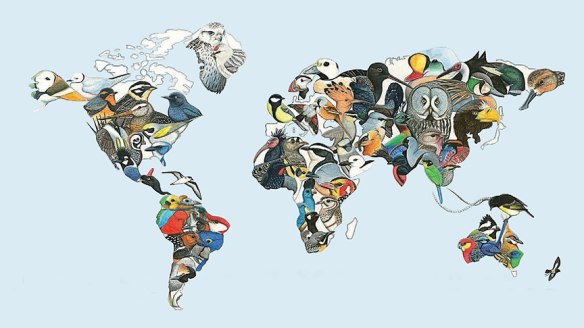
 

Human Extinction by 2026? A Last Ditch Strategy to Fight for Human Survival

By Robert J. Burrowes

There is almost unanimous agreement among climate scientists and organizations – that is, 97% of over 10,000 climate scientists and the various scientific organizations engaged in climate science research – that human beings have caused a dramatic increase in the amount of carbon dioxide, methane and nitrous oxide released into Earth’s atmosphere since the pre-industrial era and that this is driving the climate catastrophe that continues to unfold. For the documentary evidence on this point see, for example, ‘Quantifying the consensus on anthropogenic global warming in the scientific literature’, ‘Consensus on consensus: a synthesis of consensus estimates on human-caused global warming’ and ‘Scientists Agree: Global Warming is Happening and Humans are the Primary Cause’.

However, there is no consensus regarding the timeframe in which this climate catastrophe will cause human extinction. This lack of consensus is primarily due to the global elite controlling the public perception of this timeframe with frequent talk of ‘the end of the century’ designed to allow ongoing profit maximization through ‘business as usual’ for as long as possible. Why has this happened?

When evidence of the climate catastrophe (including the pivotal role of burning fossil fuels) became incontrovertible, which meant that the fossil fuel industry’s long-standing efforts to prevent action on the climate catastrophe had finally ended, the industry shifted its focus to arguing that the timeframe, which it presented as ‘end of the century’, meant that we could defer action (and thus profit-maximization through business as usual could continue indefinitely). Consequently, like the tobacco, sugar and junk food industries, the fossil fuel industry has employed a range of tactics to deflect attention from their primary responsibility for a problem and to delay action on it.

These well-worn tactics include suggesting that the research is incomplete and more research needs to be done, funding ‘research’ to come up with ‘evidence’ to counter the climate science, employing scholars to present this ‘research’, discrediting honest climate scientists, infiltrating regulatory bodies to water down (or reverse) decisions and recommendations that would adversely impact profits, setting up ‘concerned’ groups to act as ‘fronts’ for the industry, making generous political donations to individuals and political parties as well as employing lobbyists.

As a result of its enormous power too, the global elite has been able to control much of the funding available for climate science research and a great deal of the information about it that is made widely available to the public, particularly through its corporate media. For this reason, the elite wields enormous power to shape the dialogue in relation to both the climate science and the timeframe.

Therefore, and despite the overwhelming consensus noted above, many climate scientists are reluctant to be fully truthful about the state of the world’s climate or they are just conservative in their assessments of the climate catastrophe. For example, eminent climate scientist Professor James Hansen referred to ‘scientific reticence’ in his article ‘Scientific reticence and sea level rise’, scientists might be conservative in their research – for example, dependence upon historical records leads to missing about one-fifth of global warming since the 1860s as explained in ‘Reconciled climate response estimates from climate models and the energy budget of Earth’ – and, in some cases, governments muzzle scientists outright. See ‘Scientist silencing continues for federally-funded research’. But many of the forces working against full exposure of the truth are explained in Professor Guy McPherson’s article ‘Climate-Change Summary and Update’.

However, in contrast to the elite-managed mainstream narrative regarding the climate timeframe, there is a group of courageous and prominent climate scientists who offer compelling climate science evidence that human beings, along with millions of other species, will be extinct by 2026 (and perhaps as early as 2021) in response to a projected 10 degree celsius increase in global temperatures above the pre-industrial level by that date. See ‘Will humans be extinct by 2026?’

Before outlining the essence of this article, it is worth noting that the website on which it is posted is ‘Arctic News’ and the editors of this site post vital articles on the world’s climate by highly prominent climate scientists, such as Professor Peter Wadhams (Emeritus Professor of Polar Ocean Physics at Cambridge University and author of A Farewell to Ice: A Report from the Arctic), Dr Andrew Glikson (an Earth and paleoclimate scientist who is a visiting fellow at the Australian National University), Professor Guy McPherson who has written extensively and lectures all over the world on the subject, and ‘Sam Carana’, the pseudonym used by a group of climate scientists concerned to avoid too many adverse impacts on their research, careers and funding by declaring themselves publicly but nevertheless committed to making the truth available for those who seek it.

So, in a few brief points, let me summarize the evidence and argument outlined in the article ‘Will humans be extinct by 2026?’


The Climate Science of Destruction of the Biosphere

In the Arctic, there is a vast amount of carbon stored in soils that are now still largely frozen; this frozen soil is called permafrost. But as Arctic temperatures continue to rise and the permafrost thaws, in response to the warming that has occurred already (and is ongoing) by burning fossil fuels and farming animals for human consumption, much of this carbon will be converted into carbon dioxide or methane and released into the atmosphere. There is also a vast amount of methane – in the form of methane hydrates and free gas – stored in sediments under the Arctic Ocean seafloor. As temperatures rise, these sediments are being destabilized and will soon result in massive eruptions of methane from the ocean floor. ‘Due to the abrupt character of such releases and the fact that many seas in the Arctic Ocean are shallow, much of the methane will then enter the atmosphere without getting broken down in the water.’

Adversely impacting this circumstance is that the sea ice continues to retreat as the polar ice cap melts in response to the ongoing temperature increases. Because sea ice reflects sunlight back into Space, as the ice retreats more sunlight hits the (dark-colored) ocean (which absorbs the sunlight) and warms the ocean even more. This causes even more ice melt in what becomes an ongoing self-reinforcing feedback loop that ultimately impacts worldwide, such as triggering huge firestorms in forests and peatlands in North America and Russia.

More importantly, however, without sea ice, storms develop more easily and because they mix warm surface waters with the colder water at the bottom of shallow seas, reaching cracks in sediments filled with ice which acts as a glue holding the sediment together, the ice melt destabilizes the sediments, which are vulnerable to even small differences in temperature and pressure that are triggered by earthquakes, undersea landslides or changes in ocean currents.

As a result, huge amounts of methane can erupt from the seafloor of the Arctic Ocean and once this occurs, it will further raise temperatures, especially over the Arctic, thus acting as another self-reinforcing feedback loop that again makes the situation even worse in the Arctic, with higher temperatures causing even further methane releases, contributing to the vicious cycle that precipitates ‘runaway global warming’.

‘These developments can take place at such a speed that adaptation will be futile. More extreme weather events can hit the same area with a succession of droughts, cold snaps, floods, heat waves and wildfires that follow each other up rapidly. Within just one decade [from 2016], the combined impact of extreme weather, falls in soil quality and air quality, habitat loss and shortages of food, water, shelter and just about all the basic things needed to sustain life can threaten most, if not all life on Earth with extinction.’

The article goes on to outline how the 10 degree increase (above the pre-industrial level) by 2026 is likely to occur. It will involve further carbon dioxide and methane releases from human activity (particularly driving cars and other vehicles, flying in aircraft and eating animal products, as well as military violence), ongoing reduction of snow and ice cover around the world (thus reflecting less sunlight back into Space), an increase in the amount of water vapor (a greenhouse gas) in the atmosphere, a falling away of ‘aerosol masking’ (which has helped reduce the impact of emissions so far) as emissions decline, as well as methane eruptions from the ocean floor. If you would like to read more about this and see the graphs and substantial documentation, you can do so in the article cited above: ‘Will humans be extinct by 2026?’


The Ecology of Destruction of the Biosphere

Not that these scientists, who focus on the climate, discuss it but there are other human activities adversely impacting Earth’s biosphere which also threaten near-term extinction for humans, particularly given their synergistic impacts.

For example, recent research has drawn attention to the fact that the ‘alarming loss of insects will likely take down humanity before global warming hits maximum velocity…. The worldwide loss of insects is simply staggering with some reports of 75% up to 90%, happening much faster than the paleoclimate record rate of the past five major extinction events’. Without insects ‘burrowing, forming new soil, aerating soil, pollinating food crops…’ and providing food for many bird species, the biosphere simply collapses. See ‘Insect Decimation Upstages Global Warming’.

Moreover, apart from ongoing destruction of other vital components of Earth’s life support system such as the rainforests – currently being destroyed at the rate of 80,000 acres each day: see ‘Measuring the Daily Destruction of the World’s Rainforests’ – and oceans – see ‘The state of our oceans in 2018 (It’s not looking good!)’ – which is generating an extinction rate of 200 species (plants, birds, animals, fish, amphibians, insects and reptiles) each day with another 26,000 species already identified as ‘under threat’ – see ‘Red list research finds 26,000 global species under extinction threat’ – some prominent scholars have explained how even these figures mask a vital component of the rapidly accelerating catastrophe of species extinctions: the demise of local populations of a species. See ‘Biological annihilation via the ongoing sixth mass extinction signaled by vertebrate population losses and declines’.

In addition, relying on our ignorance and our complicity, elites kill vast areas of Earth’s biosphere through war and other military violence – see, for example, the Toxic Remnants of War Project and the film ‘Scarred Lands & Wounded Lives’ – subject it to uncontrolled releases of radioactive contamination – see Fukushima Radiation Has Contaminated The Entire Pacific Ocean And It’s Going To Get Worse’ – and use geoengineering to wage war on Earth’s climate, environment and ultimately ourselves. See, for example, ‘Engineered Climate Cataclysm: Hurricane Harvey’ and ‘The Ultimate Weapon of Mass Destruction: “Owning the Weather” for Military Use’.

Separately from all of this, we live under the unending threat of nuclear war.

This is because insane political and corporate elites are still authorizing and manufacturing more of these highly profitable weapons rather than dismantling them all (as well as conventional weapons) and redirecting the vast resources devoted to ongoing military killing (US$1.7 trillion annually: see ‘Global military spending remains high at $1.7 trillion’) to environmental restoration and programs of social uplift.

By the way, if you think the risk of nuclear war can be ignored, you might find this recent observation sobering. In a review of (former US nuclear war planner) Daniel Ellsberg’s recent book The Doomsday Machine: Confessions of a Nuclear War Planner, Earth and paleoclimate scientist Dr Andrew Glikson summarized the book as follows: ‘This, then, is the doomsday machine. Not simply the existence of fission weapons or unspeakably destructive hydrogen bombs, but the whole network rigged together: thousands of them on hair-trigger alert, command and control equipment built in the 1970s and ’80s, millions of lines of antique code sitting on reels of magnetic tape or shuffled around on floppy discs even now. An architecture tended by fallible and deeply institutionalized human beings.’ See ‘Two Minutes To Mid-Night: The Global Nuclear Suicide Machine’.

So, irrespective of whether elites or their agents or even we acknowledge it, Earth’s biosphere is under siege on many fronts and, very soon now, Earth will not support life. Any honest news source routinely reports one or another aspect of the way in which humans are destroying the Earth and perhaps suggests courses of action to respond powerfully to it. This, of course, does not include the insane global elite’s corporate media, which functions to distract us from any semblance of the truth.


How did all this happen?

How did human beings end up in a situation that human extinction is likely to occur within eight years (even assuming we can avert nuclear war)? And is there any prospect of doing enough about it now to avert this extinction?

To answer the first question briefly: We arrived at this juncture in our history because of a long sequence of decisions, essentially made by elites to expand their profit, power and privilege, and which they then imposed on us and which we did not resist powerfully enough. For a fuller explanation, see ‘Strategy and Conscience: Subverting Elite Power So We End Human Violence’.

In any case, the key questions now are simply these: Is it too late to avert our own extinction? And, if not, what must we do?

Well, I am not going to dwell on it but some scientists believe it is too late: we have already passed the point of no return. Professor Guy McPherson is one of these scientists, with a comprehensive explanation and a great deal of evidence to support it in his long and heavily documented article ‘Climate-Change Summary and Update’.

So, the fundamental question is this: If we assume (highly problematically I acknowledge) that it is possible to avert our own extinction by 2026, what must we do?

Because we need to address, in a strategic manner, the interrelated underlying causes that are driving the rush to extinction, let me first identify one important symptom of these underlying causes and then the underlying structural and behavioral causes themselves. Finally, let me invite your participation in (one or more aspects of) a comprehensive strategy designed to address all of this.

As in the past, at least initially, the vast bulk of the human population is not going to respond to this crisis in any way. We need to be aware of this but not let it get in our way. There is a straightforward explanation for it.

Fear or, far more accurately, unconscious terror will ensure that the bulk of the human population will not investigate or seriously consider the scientific evidence in relation to the ongoing climate catastrophe, despite its implications for them personally and humanity generally (not to mention other species and the biosphere). Moreover, given that climate science is not an easy subject with which to grapple, elite control of most media in relation to it (including, most of the time, by simply excluding mention of key learning from the climate scientists) ensures that public awareness, while reasonably high, is not matched by knowledge, which is negligible.

As a result, most people will fearfully, unintelligently and powerlessly accept the delusions, distractions and denial that are promulgated by the insane global elite through its various propaganda channels including the corporate media, public relations and entertainment industries, as well as educational institutions. This propaganda always includes the implicit message that people can’t (and shouldn’t) do anything in response to the climate catastrophe (invariably and inaccurately, benignly described as ‘climate change’).

A primary way in which the corporate media reports the issue but frames it for a powerless response is to simply distribute ‘news’ about each climate-related event without connecting it either with other climate-related events or even mentioning it as yet another symptom of the climate catastrophe. Even if they do mention these connections, they reliably mention distant dates for phenomena like ‘heatwaves’ repeating themselves and an overall ‘end of century’ timeframe to preclude the likelihood that any sense of urgency will arise.

The net outcome of all this, as I stated above, is that the bulk of the human population will not respond to the crisis in the short term (as it hasn’t so far) with most of what limited response there is confined to powerlessly lobbying elite-controlled governments.

However, as long as you consider responding – and by responding, I mean responding strategically – and then do respond, you become a powerful agent of change, including by recruiting others through your example.

But before I present the strategy, let me identify the major structural and behavioral causes that are driving the climate catastrophe and destruction of the biosphere, and explain why some key elements of this strategy are focused on tackling these underlying causes.


The Political Economy of Destruction of the Biosphere

The global elite ensures that it has political control of the biosphere as well as Space by using various systems, structures and processes that it largely created (over the past few centuries) and now controls, including the major institutions of governance in the world such as national governments and key international organizations like the United Nations. For further information, see ‘Strategy and Conscience: Subverting Elite Power So We End Human Violence’.

It does this, for example, so that it can economically utilize, via the exploitative mechanisms of capitalism and its corporations (which the elite also created), domains of the biosphere rich in resources, particularly fossil fuels, strategic minerals and fresh water. The elite will use any means – including psychological manipulation, propaganda issued by its corporate media, national educational institutions, legal systems and extraordinary military violence – to achieve this outcome whatever the cost to life on Earth. See ‘Profit Maximization Is Easy: Invest In Violence’.

In short, the global elite is so insane that its members believe that killing and exploiting fellow human beings and destroying the biosphere are simply good ways to make a profit. Of course, they do not perceive us as fellow human beings; they perceive and treat us as a great deal less. This is why, for example, the elite routinely uses its military forces to attack impoverished and militarily primitive countries so that they can steal their resources. See ‘The Global Elite is Insane Revisited’.

But they are happy to steal from those of us living in western economies too, with Professor Barbara G. Ellis issuing the latest warning about yet another way this could easily happen. See Depositors – Not Taxpayers – Will Take the Hit for the Next “2008” Crash Because Major Banks May Use the “Bail-In” System’.

Anyway, because of elite control of governments, it is a waste of time lobbying politicians if we want action on virtually all issues that concern us, particularly the ‘big issues’ that threaten extinction, such as the climate catastrophe, environmental destruction and war (especially the threat of nuclear war). While in very limited (and usually social) contexts (such as issues in relation to the right of women to abortions or rights for the LGBTQIA communities), when it doesn’t significantly adversely impact elite priorities, gains are sometimes made (at least temporarily) by mobilizing sufficient people to pressure politicians. This has two beneficial outcomes for elites: it keeps many people busy on ‘secondary issues’ (from the elite perspective) that do not impact elite profit, power and privilege; and it reinforces the delusion that democracy ‘works’.

However, in the contexts that directly impact elite concerns (such as their unbridled exploitation of the biosphere for profit), politicians serve their elite masters, even to the extent that any laws that might appear to have been designed to impede elite excesses (such as pollution generated by their activities) are readily ignored if necessary, with legal penalties too insignificant to deter phenomenally wealthy corporations. See ‘The Rule of Law: Unjust and Violent’.

Of course, if any government does not obey elite directives, it is overthrown. Just ask any independently-minded government over the past century. For a list of governments overthrown by the global elite using its military and ‘intelligence’ agencies since World War II, see William Blum’s book Killing Hope: U.S. Military and CIA Interventions Since World War II or, for just the list, see ‘Overthrowing other people’s governments: The Master List’.

How does the elite maintain this control over political, economic, military, legal and social structures and processes?


The Sociology of Destruction of the Biosphere

As explained in the literature on the sociology of knowledge, reality is socially constructed. See the classic work The Social Construction of Reality: A Treatise in the Sociology of Knowledge. That is, if an individual is born or introduced into a society in which particular institutions are in control and behaviors such as chronic over-consumption, unlimited profit-making, rampant exploitation of the environment and grotesque violence against (at least some) people are practiced, then the typical individual will accept the existence of these institutions and adopt the behaviors of the people around them even though the institutions and behaviors are dysfunctional and violent.

But while the sociology of knowledge literature recognizes that children ‘must be “taught to behave” and, once taught, must be “kept in line”’ to maintain the institutional order, this literature clearly has no understanding of the nature and extent of the violence to which each child is actually subjected in order to achieve the desired ‘socialization’. This terrorization, as I label it, is so comprehensive that the typical child quickly becomes incapable of using their own intellectual and emotional capacities, including conscience and courage, to actually evaluate any institution or behavior before accepting/adopting it themselves. Obviously then, they quickly become too terrified to overtly challenge dysfunctional institutions and behaviors as well.

Moreover, as a result of this ongoing terrorization, inflicted by the significant adults (and particularly the parents) in the child’s life, the child soon becomes too (unconsciously) afraid to resist the behavioral violence that is inflicted on them personally in many forms, as outlined briefly in the next section, so that they are ‘taught to behave’ and are ‘kept in line’.

In response to elite-driven imperatives then, such as ‘you are what you own’ to encourage very profitable over-consumption, most people are delusionarily ‘happy’ while utterly trapped behaving exactly as elites manipulate them – they are devoid of the psychological capacity to critique and resist – and the elite-preferred behavior quickly acquires the status of being ‘the only and the right way to behave’, irrespective of its dysfunctionality.

In essence: virtually all humans fearfully adopt dysfunctional social behaviors such as over-consumption and profit-making at the expense of the biosphere, rather than intelligently, conscientiously and courageously analyzing the total situation (including the moral and ecological dimensions of it) and behaving appropriately in the context.

Given the pervasiveness and power of elite institutions, ranging from those mentioned above to the corporate media and psychiatry – see ‘Defeating the Violence of Psychiatry’ – resistance to violent socialization (of both children and adults) requires considerable awareness, not to mention courage.

And so our fear makes virtually all of us succumb to the socialization pressure (that is, violence) to accept existing institutions and participate in widespread social behaviors (such as over-consumption) that are dysfunctional and violent.


The Psychology of Destruction of the Biosphere

This happens because each child, from birth, is terrorized (again: what we like to call ‘socialized’) until they become a slave willing to work and, in industrialized countries at least, to over-consume as directed.

Under an unrelenting regime of ‘visible’, ‘invisible’ and ‘utterly invisible’ violence, each child unconsciously surrenders their search in pursuit of their own unique and powerful destiny and succumbs to the obedience that every adult demands. Why do adults demand this? Because the idea of a powerful child who courageously follows their own Self-will terrifies adults. So how does this happen?

Unfortunately, far too easily and, strange though it may seem, it is not just the ‘visible’ violence (such as hitting, screaming at and sexually abusing) that we normally label ‘violence’ that causes the main damage, although this is extremely damaging. The largest component of damage arises from the ‘invisible’ and ‘utterly invisible’ violence that we adults unconsciously inflict on children during the ordinary course of the day. Tragically, the bulk of this violence occurs in the family home and at school. See ‘Why Violence?’ and Fearless Psychology and Fearful Psychology: Principles and Practice.

So what is ‘invisible’ violence? It is the ‘little things’ we do every day, partly because we are just ‘too busy’. For example, when we do not allow time to listen to, and value, a child’s thoughts and feelings, the child learns to not listen to themSelf thus destroying their internal communication system. When we do not let a child say what they want (or ignore them when they do), the child develops communication and behavioral dysfunctionalities as they keep trying to meet their own needs (which, as a basic survival strategy, they are genetically programmed to do).

When we blame, condemn, insult, mock, embarrass, shame, humiliate, taunt, goad, guilt-trip, deceive, lie to, bribe, blackmail, moralize with and/or judge a child, we both undermine their sense of Self-worth and teach them to blame, condemn, insult, mock, embarrass, shame, humiliate, taunt, goad, guilt-trip, deceive, lie, bribe, blackmail, moralize and/or judge.

The fundamental outcome of being bombarded throughout their childhood by this ‘invisible’ violence is that the child is utterly overwhelmed by feelings of fear, pain, anger and sadness (among many others). However, mothers, fathers, teachers, religious figures and other adults also actively interfere with the expression of these feelings and the behavioral responses that are naturally generated by them and it is this ‘utterly invisible’ violence that explains why the dysfunctional behavioral outcomes actually occur.

For example, by ignoring a child when they express their feelings, by comforting, reassuring or distracting a child when they express their feelings, by laughing at or ridiculing their feelings, by terrorizing a child into not expressing their feelings (for instance, by screaming at them when they cry or get angry), and/or by violently controlling a behavior that is generated by their feelings (for example, by hitting them, restraining them or locking them into a room), the child has no choice but to unconsciously suppress their awareness of these feelings.

However, once a child has been terrorized into suppressing their awareness of their feelings (rather than being allowed to have their feelings and to act on them) the child has also unconsciously suppressed their awareness of the reality that caused these feelings. This has many outcomes that are disastrous for the individual, for society and for the biosphere because the individual will now easily suppress their awareness of the feelings that would tell them how to act most functionally in any given circumstance and they will progressively acquire a phenomenal variety of dysfunctional behaviors, including some that are violent towards themself, others and/or the Earth.

Moreover, terrorizing the child has many flow-on effects. For example, once you terrorise a child into accepting certain information about themself, other people or the state of the world, the child becomes unconsciously fearful of dealing with new information, especially if this information is contradictory to what they have been terrorized into believing. As a result, the child will unconsciously dismiss new information out of hand.

In short, the child has been terrorized in such a way that they are no longer capable of learning (or their learning capacity is seriously diminished by excluding any information that is not a simple extension of what they already ‘know’). This is one important explanation why some people are ‘climate deniers’ and most others do nothing in response to the climate catastrophe. See ‘The Psychology of Denial’.

Consequently, under this onslaught of terror and violence, the child surrenders their own unique Self and takes on their socially constructed delusional identity which gives them relief from being terrorized while securing the approval they crave to survive.

So if we want to end violence against the biosphere, we must tackle this fundamental cause. Primarily, this means giving everyone, child and adult alike, all of the space they need to feel, deeply, what they want to do, and to then let them do it (or to have the emotional responses they naturally have if they are prevented from doing so).

For some insight into the critical role that school plays in reducing virtually all children to wage slaves for employment in some menial or ‘professional’ role or as ‘cannon fodder’ for the military, while stripping them of the capacity to ask penetrating questions about the very nature of society and their own role in it, see ‘Do We Want School or Education?’

In summary, given that human society is so dysfunctional, beginning with the fact that human beings do not know how to parent or educate their children to nurture their unique and extraordinary potential, humans face a monumental challenge, in an incredibly short timeframe, to have any chance of survival.

And we are going to have to fix a lot more things than just our destruction of the biosphere if we are to succeed, given that ecologically destructive behavior and institutions have their origin in dysfunctional psychology, societies and political economy.

To reiterate however, it is our (often unconscious) fear that underpins every problem. Whether it is the fear getting in the way of our capacity to intelligently analyze the various structures and behaviors that generate the interrelated crises in which we now find ourselves or the fear undermining our courage to act powerfully in response to these crises, acknowledging and dealing with our fear is the core of any strategy for survival.


So what’s the plan?

Let’s start with you. If you consider the evidence in relation to destruction of our biosphere, essentially one of two things will happen. Either you will be powerful enough, both emotionally and intellectually, to grapple with this evidence and you will take strategic action that has ongoing positive impact on the crisis or your (unconscious) fear will simply use one of its lifelong mechanisms to remove awareness of what you have just read from your mind or otherwise delude you, such as by making you believe you are powerless to act differently or that you are ‘doing enough already’. This immobilizing fear, whether or not you experience it consciously, is a primary outcome of the terrorization to which you were subjected as a child.

So, if you sense that improving your own functionality – so that you can fully access your emotional responses, conscience and courage – is a priority, try ‘Putting Feelings First’.

If you already feel able to act powerfully in response to this multi-faceted crisis, in a way that will have strategic impact, you are invited to consider joining those participating in The Flame Tree Project to Save Life on Earth, which outlines a simple plan for people to systematically reduce their consumption, by at least 80%, involving both energy and resources of every kind – water, household energy, transport fuels, metals, meat, paper and plastic – while dramatically expanding their individual and community self-reliance in 16 areas, so that all environmental concerns are effectively addressed. You might also consider signing the online pledge of ‘The People’s Charter to Create a Nonviolent World’.

If you are interested in nurturing children to live by their conscience and to gain the courage necessary to resist elite violence fearlessly, while living sustainably despite the entreaties of capitalism to over-consume, then you are welcome to make ‘My Promise to Children’. To reiterate: capitalism and other dysfunctional political, economic, military, legal and social structures only thrive because our dysfunctional parenting robs children of their conscience and courage, among many other qualities, while actively teaching them to over-consume as compensation for having vital emotional needs denied. See ‘Love Denied: The Psychology of Materialism, Violence and War’.

If you are interested in conducting or participating in a campaign to halt our destruction of the biosphere (or any other manifestation of violence for that matter) you are welcome to consider acting strategically in the way that the extraordinary activist Mohandas K. Gandhi did. Whether you are engaged in a peace, climate, environment or social justice campaign, the 12-point strategic framework and principles are the same. See Nonviolent Campaign Strategy.

The two strategic aims and a core list of strategic goals to end war and to end the climate catastrophe, for example, are identified in Campaign Strategic Aims’ and, using these examples, it is a straightforward task to identify an appropriate set of strategic goals for your local environment campaign. As an aside, the strategic framework to defend against a foreign invading power or a political/military coup, to liberate your country from a dictatorship or a foreign occupation, or to defeat a genocidal assault is explained in Nonviolent Defense/Liberation Strategy.

If you would like a straightforward explanation of ‘Nonviolent Action: Why and How it Works’ and an introduction to what it means to think strategically, try reading about the difference between ‘The Political Objective and Strategic Goal of Nonviolent Actions’.

If you anticipate violent repression by a ruthless opponent, consider planning and implementing any nonviolent action according to the explanation in ‘Nonviolent Action: Minimizing the Risk of Violent Repression’.

Finally, if you are going to do nothing in response to this crisis, make it a conscious decision to do nothing. This is far preferable to unconsciously and powerlessly doing nothing by never even considering the evidence or by simply deluding yourself. It also allows you to consciously revise your decision at some point in future if you so wish.


Conclusion

The evidence in relation to destruction of the Earth’s biosphere, leading to ongoing and rapid degradation of all ecosystems and their services, is readily available and overwhelming. The many and varied forms of destruction are having synergistic impact. An insignificant amount of the vast evidence in relation to this destruction is sampled above.

There is a notable group of prominent climate scientists who present compelling evidence that human extinction will occur by 2026 as a result of a projected 10 degree celsius increase in global temperatures above the pre-industrial level by this date. The primary document for this is noted above and this document, together with the evidence it cites, is readily available to be read and analyzed by anyone.

Largely separately from the climate catastrophe (although now increasingly complicated by it), Earth’s sixth mass extinction is already advancing rapidly as we destroy habitat and, on our current trajectory, all species will soon enter the fossil record.

Why? Because we live in a world in which the political, economic, military, legal and social structures and processes of human society are utterly incapable of producing either functional human beings or governance mechanisms that take into account, and respect, the ecological realities of Earth’s biosphere.

So, to reiterate: We are on the fast-track to extinction. On the current trajectory, assuming we can avert nuclear war, some time between 2021 and 2026 the last human will take their final breath.

Our only prospect of survival, and it still has only a remote chance of succeeding, is that a great number of us respond powerfully now and keep mobilizing more people to do so.

If you do absolutely nothing else, consider rearranging your life to exclude all meat from your diet, stop traveling by car and aircraft, substantially reduce your water consumption by scaling down your ownership of electronic devices (which require massive amounts of water to manufacture), and only eat biodynamically or organically grown whole food.

And tell people why you are doing so.

This might give those of us who fight strategically, which can include you if you so choose, a little more time to overturn the structural and remaining behavioral drivers of extinction which will require a profound change in the very nature of human society, including all of its major political, economic, military, legal and social institutions and processes (most of which will need to be abolished).

If this sounds ‘radical’, remember that they are about to vanish anyway. Our strategy must be to replace them with functional equivalents, all of which are readily available (with some briefly outlined in the various documents mentioned in the plan above).

‘It won’t happen’, you might say? And, to be candid, I sincerely believe that you are highly probably right. I have spent a lifetime observing, analyzing, writing about and acting to heal dysfunctional and violent human behavior and, for that reason, I am not going to delude myself that anything less than what I have outlined above will achieve the outcome that I seek: to avert human extinction. But I am realistic.

The insane individuals who control the institutions that are driving extinction will never act to avert it. If they were sane enough to do so, they would have been directing and coordinating these institutions in taking action for the past 40 years. This is why we must resist them strategically. Moreover, I am only too well aware that the bulk of the human population has been terrorized into powerlessness and won’t even act. But our best chance lies in offering them our personal example, and giving them simple and various options for responding effectively.

It is going to be a tough fight for human survival, particularly this late in the ‘game’. Nevertheless, I intend to fight until my last breath. I hope that you will too.


Biodata: Robert J. Burrowes has a lifetime commitment to understanding and ending human violence. He has done extensive research since 1966 in an effort to understand why human beings are violent and has been a nonviolent activist since 1981. He is the author of ‘Why Violence?’ http://tinyurl.com/whyviolence His email address is flametree@riseup.net and his website is here. http://robertjburrowes.wordpress.com

Robert J. Burrowes
P.O. Box 68
Daylesford, Victoria 3460
Australia

Email: flametree@riseup.net

Websites:
Nonviolence Charter
Flame Tree Project to Save Life on Earth
‘Why Violence?’
Feelings First
Nonviolent Campaign Strategy
Nonviolent Defense/Liberation Strategy
Anita: Songs of Nonviolence
Robert Burrowes
Global Nonviolence Network