Australia has joined the US and UK in an “enhanced trilateral security partnership” called AUKUS with the unspoken-yet-obvious goal of coordinating escalations against China. Antiwar reports:
President Biden and the leaders of Australia and the UK announced a new military agreement on Wednesday aimed at countering China. The pact, known as AUKUS, will focus on the sharing of sensitive military technologies, and the first initiative will focus on getting Australia nuclear-powered submarines.
US officials speaking to CNN described the effort to share nuclear propulsion with another country as an “exceedingly rare step” due to the sensitivity of the technology. “This technology is extremely sensitive. This is, frankly, an exception to our policy in many respects,” one unnamed official said.
This deal will replace a planned $90 billion program to obtain twelve submarines designed by France, an obnoxious expenditure either way when a quarter of Australians are struggling to make ends meet during a pandemic that is four times more likely to kill Australians who are struggling financially. This is just the latest in Canberra’s continually expanding policy of feeding vast fortunes into Washington’s standoff with Beijing at the expense of its own people.
If readers are curious why Australia would simultaneously subvert its own economic interests by turning against its primary trading partner and its own security interests by feeding into dangerous and unnecessary provocations, I will refer them once again to the jarringly honest explanation by American political analyst John Mearsheimer at a debate hosted by the Australian think tank Center for Independent Studies in 2019. Mearsheimer told his audience that the US is going to do everything it can to halt China’s rise and prevent it from becoming the regional hegemon in the East, and that Australia should align with the US in that battle or else it would face the wrath of Washington.
If you don't understand why Australia would undermine its own economic and security interests to pour a fortune into America's cold war with China, watch this. Australia isn't allied with the US to protect itself from China, it's allied with the US to protect itself from the US. https://t.co/m6CSKlrF4e
“The question that’s on the table is what should Australia’s foreign policy be in light of the rise of China,” Mearsheimer said. “I’ll tell you what I would suggest if I were an Australian.”
Mearsheimer claimed that China is going to continue to grow economically and will convert this economic power into military power to dominate Asia “the way the US dominates the Western Hemisphere”, and explained why he thinks the US and its allies have every ability to prevent that from happening.
“Now the question is what does this all mean for Australia?” Mearsheimer said. “Well, you’re in a quandary for sure. Everybody knows what the quandary is. And by the way you’re not the only country in East Asia that’s in this quandary. You trade a lot with China, and that trade is very important for your prosperity, no question about that. Security-wise you really want to go with us. It makes just a lot more sense, right? And you understand that security is more important than prosperity, because if you don’t survive, you’re not gonna prosper.”
“Now some people say there’s an alternative: you can go with China,” said Mearsheimer. “Right you have a choice here: you can go with China rather the United States. There’s two things I’ll say about that. Number one, if you go with China you want to understand you are our enemy. You are then deciding to become an enemy of the United States. Because again, we’re talking about an intense security competition.”
“You’re either with us or against us,” he continued. “And if you’re trading extensively with China, and you’re friendly with China, you’re undermining the United States in this security competition. You’re feeding the beast, from our perspective. And that is not going to make us happy. And when we are not happy you do not want to underestimate how nasty we can be. Just ask Fidel Castro.”
Nervous laughter from the Australian think tank audience punctuated Mearsheimer’s more incendiary observations. The CIA is known to have made numerous attempts to assassinate Castro.
So there you have it. Australia is not aligned with the US to protect itself from China. Australia is aligned with the US to protect itself from the US.
This new move happens as Northern Territory Chief Minister Michael Gunner announces his government’s policy for Covid-19 restrictions once the territory’s population is 80 percent vaccinated which will include “lockouts” during outbreaks wherein people will only be allowed to work and move freely in society if they verify that they are vaccinated using check-in measures which Gunner literally calls a “freedom pass”.
“I’ll say it again and again. If you want your life to continue close to normal, get your jab,” Gunner said. “For vaccinated people, the check-in app will basically be your freedom pass. For people who make the choice to not get vaccinated, no vax means no freedom pass. We’re working with other governments now to get this technology ready.”
And we continue to see other authoritarian escalations in Australia which have nothing to do with Covid as well. Authorities have been proposing new legal provisions which will allow Australian visas to be cancelled and citizenship revoked in entirely secret proceedings based on information provided by secretive government agencies. The horrifying Identify and Disrupt bill which allows Australian police to hack people’s devices, collect, delete and alter their information and log onto their social media was passed through Parliament at jaw-dropping speed last month. Neither of these escalations are Covid-related.
Australia Has No Bill Of Rights, And It Shows
"While the pandemic has certainly been a major factor in exacerbating civil rights erosion, Australia's Covid response has simply added to a problem that had already existed and was already getting worse."https://t.co/LLhPhEpTJG
People who just started paying attention to Australian authoritarianism during Covid often get the impression that it’s entirely about the virus, but as we discussed previously the actual fundamental problem is that Australia is the only so-called democracy without any kind of statute or bill of rights to protect the citizenry from these kinds of abuses. This is why Australia is looked upon as so freakish by the rest of the western world right now: because, in this sense, it is. People call it a “free country”, but there has never been any reason to do so.
This slide into military brinkmanship and authoritarian dystopia shows no signs of stopping. The abuses of the powerful will continue to grow more egregious until the people open their eyes to what’s going on and begin taking action to steer us away from the existential dangers we are hurtling toward on multiple fronts. If there is any good news to be had here, it’s that if such a miracle ever occurs it will then be possible to immediately course correct and start building a healthy society together.
The Washington Post has been a leading promoter of the Rules Based Order, which some have confused with a pro-democracy initiative. The Post has, however, assembled a powerful case against democracy, that we all need to take seriously if we want to be, you know, serious.
I want to highlight just the most recent two additions to the anti-democracy argument that by now is quite overwhelmingly established.
On August 29th, a column appeared in the Washington Post by a very serious columnist who has seriously and consistently supported every war in recent decades, and done so with completely inconsistent but super serious arguments. The fault of the horrific deaths of 13 people in Afghanistan in recent days, this column argued, lies with the U.S. public, which may have (the column doesn’t really suggest this, but who knows) had some influence on the U.S. government.
The brilliance of this column may fade into the wallpaper, because some of it is now well-established practice. It is none the less worth noting that vastly more than 13 people have died in recent days in Afghanistan. The U.S. military is still sending in missiles to blow men, women, and little children into tiny bits and pieces. But they are not lives that matter. If they mattered, then it would also matter that the war has been killing people, almost certainly in the 2 to 4 million range over a period of 20 years. And if that mattered, then ending a war wouldn’t be understood as an act of violence, no matter how badly you ended it.
There’s something even more brilliant here, though. If you look back at the public opinion polls in the United States, the U.S. public has opposed the war for well over 18 years. Millions of us have not just said that but done everything we could to end it since the day it began. If you’re finally going to give us credit, it might be worth considering the likelihood that the ending would have been better 19 or 20 years ago than it was this past week. Only a very skilled and serious columnist could erase that line of thought by transforming credit into blame, peace into war, and missile victims into vapor.
The idea of democracy is subtly weakened while the wars for “democracy” are strengthened in the hands of a master — or of a brain-dead jackass paid big bucks for this swill; as a member of the public, I don’t feel qualified to say which it is.
Example number 2: On August 27th, the Washington Post published a column that lamented the possible influence of European public opinion on the participation of European governments in NATO. It seems that people in Europe are not fond of all the wars, much less of planning more of them. They believe some of the fearmongering lies about Russia, yet still strongly oppose the basic idea of NATO, which is the illegal commitment of each member to join in any crime committed by the military of another member. In particular they oppose stirring up a war on China, which is of course the number one project of the democracy-spreading Rules Based Order.
The Washington Post knows what matters, thank goodness, and is focused on making sure NATO can do what the weapons dealers demand, no matter what the pesky public may prefer in NATO member states.
The point that the Post really needs to develop further, and I have every confidence that it can, is how an antidemocratic institution waging unpopular and illegal wars that cause more destruction, death, and suffering than just about anything else happening in the world can be better sold as pro-democracy. The Rules Based Order is already crumbling as a piece of propaganda. It too obviously is a mask for the notion that who rules gives the orders. But the sacred word “democracy” is of too much value to the most serious project there is for it to be allowed to slip away without a struggle. That project is of course the critical work of bullshitting everyone.
A scene of panic at Kabul airport as former CIA collaborators try to escape the revenge of the Afghan people.
In covering the fall of Kabul, the Western media are mindlessly repeating seven lies of Western propaganda. By misrepresenting the history of Afghanistan, they mask the crimes committed in that country and make it impossible to foresee the fate that Washington has written for it. And if the Taliban were not the most wicked…
French President Emmanuel Macron and US President Joe Biden addressed their nation on the capture of Kabul by the Taliban on August 15, 2021.
1.- THE AFGHAN WAR IS NOT A RESPONSE TO 9/11, IT WAS PLANNED BEFORE THE ATTACKS
According to these two politicians, the sole purpose of the US invasion of Afghanistan in 2001 was to “pursue those who attacked us on September 11, 2001, and to ensure that al-Qaeda could not use Afghanistan as a base for further attacks. » [1]
Joseph Goebbels, the Propaganda Minister of the Third Reich, is said to have said that “A lie repeated ten times remains a lie; repeated ten thousand times, it becomes the truth.” But the facts are stubborn and, whatever Mr Macron and Mr Biden may think, the 2001 war was decided in mid-July 2001, when the Berlin negotiations between the United States and the United Kingdom on the one hand and the Taliban, not the Afghan government, on the other failed. Pakistan and Russia were observers at these secret talks. The Taliban delegation entered Germany in violation of the UN Security Council’s travel ban. After the failure of these negotiations, Pakistani Foreign Minister Naiz Naik returned to his country and sounded the alarm. Pakistan then looked for new allies. It offered China a gateway to the Indian Ocean (what we see today with the ’Silk Road’). The United States and the United Kingdom began to amass their troops in the area: 40,000 men in Egypt and almost the entire British fleet in the Arabian Sea. It was only after this arrangement was put in place that the attacks of September 11th took place.
2. AL-QAEDA IS NOT A THREAT FOR THE ANGLO-SAXONS, BUT AN INSTRUMENT
According to President Biden: “Our mission to reduce the terrorist threat of al-Qaeda in Afghanistan and to kill Osama bin Laden has been a success.
However, it was the director of France’s foreign secret services, Alexandres de Marenches, who proposed to his US counterpart within the framework of the Pinay Circle [2] to provoke a Soviet intervention in Afghanistan in order to trap them there [3]. President Carter’s National Security Advisor, Zbigniew Brzeziński, sought out anti-communist billionaire Osama Bin Laden in Beirut and asked him to lead Arab mercenaries in a terrorist campaign against the Afghan communist government [4]. Bin Laden was in Beirut to meet with former Lebanese President Camille Chamoun, a member of the World Anti-Communist League [5]. Washington chose Bin Laden for two reasons: First, he was a member of a secret society, the Muslim Brotherhood, which allowed him to recruit fighters; second, he was one of the heirs to the largest construction company in the Arab world. As such, he had the men and know-how to turn the underground rivers of the Hindu Kush into military communication routes.
Later, the same Osama bin Laden served as a military adviser to the Bosnian president, Alija Izetbegović, in 1992-94. His fighters followed him there. They abandoned the name “Mujahideen” for the “Arab Legion”. His camp was visited by Russian commandos, who were taken prisoner there. However, before they were arrested, they had time to search his command room and found that all the military documents were written in English and not in Arabic. [6]
Later still, Osama Bin Laden used his fighters for one-off operations. He solicited them by choosing them according to his needs from his “roster”, in Arabic “Al-Qaeda” (القاعدة).
It is therefore indisputable that Osama Bin Laden was for many years an agent of the United States. However, the latter claim that he turned against them, which nothing, absolutely nothing, proves. In any case, Osama bin Laden was seriously ill. He needed daily care in a sterile room. He was therefore taken care of in the American hospital in Dubai in July 2001, as revealed by Le Figaro [7]. This information was denied by the said hospital, but was confirmed to me by Sheikh Khalifa bin Zayed Al Nahyane (the current President of the United Arab Emirates) who assured me that he had visited him there in the presence of the local CIA chief of staff. Finally, Osama bin Laden was treated at the military hospital in Rawalpindi (Pakistan) [8] where he died in December 2001. His funeral took place in Afghanistan, attended by two representatives of the British MI6 who wrote a report on the matter.
Also indisputably opposing the theory that Osama bin Laden had turned against his CIA employers was the fact that until 1999 – i.e. after the attacks attributed to him against the Khobar Towers in Saudi Arabia and the US embassies in Nairobi (Kenya) and Dar es Salaam (Tanzania) – he had a public relations office in London. It was from this office that he launched his Call to Jihad against Jews and Crusaders.
The fact that for ten years we have heard and seen recordings of people claiming to be Osama Bin Laden only deceives those who want to believe: the Swiss experts of the Dalle Molle Institute of Perceptive Artificial Intelligence, which at the time was used by the big banks in sensitive cases, were formal. These recordings are forgeries (including the one released by the Pentagon in which he claims responsibility for the 9/11 attacks) and do not correspond to the real Bin Laden. If facial and voice recognition was a speciality at the time, it is now a common technique. You can check for yourself with software that is available everywhere.
After Bin Laden’s death, Ayman al-Zawahiri became the emir of Al Qaeda. He still holds this position. The latter – who had supervised the assassination of Egyptian President Anwar Sadat – lived for several years after 2001 in the US embassy in Baku (Azerbaijan). [9] He was, at least in that period, the only person who could be considered a terrorist. He was, at least during this period, protected by the US Marines. His current whereabouts are unknown, but there is no reason to believe that he is no longer under US protection.
3- THE US DOES NOT FOCUS ON “COUNTER-TERRORISM”, BUT FUNDS AND ARMS TERRORISM
President Biden explained at length, during his speech on the fall of Kabul, that the United States was not there to build states, but only to fight terrorism.
The phrase ’fight against terrorism’ has been repeated for twenty years, but that does not make it more meaningful. Terrorism is not a flesh-and-blood opponent. It is a method of combat. All the world’s armies can use it in certain circumstances. During the Cold War, the two blocs used it extensively against each other.
Since President George W. Bush (the son) declared the ’war on terror’ (i.e. the ’war on war’), the use of this military technique has been increasing. Westerners first think of attacks in a few large cities, but the worst has been achieved with the creation of small terrorist states in the wider Middle East up to the sinister ’Islamic State of the Levant’ (Daesh) and now the Islamic Emirate of Afghanistan.
Afghans, Iraqis, Libyans and Syrians initially believed the US narrative of events, but they are under no illusion. After 20 years of war, they have understood that the United States does not want to do any good. Washington does not fight terrorism, but creates, finances and arms groups that practice terrorism.
4- THE TALIBAN DID NOT FIGHT A WAR, THEY TOOK WHAT THE US GAVE THEM
Presidents Macron and Biden are playing dumb about the Taliban’s “takeover of Kabul”. According to them, “Afghan political leaders have given up and fled the country. The Afghan army has collapsed, sometimes without even trying to fight. But how did they flee, if not with Western military aircraft? And the Afghan army did not “sometimes seek to fight”, it was the other way round: it only “sometimes” sought to fight. The Afghan borders were among the most secure in the world. US soldiers recorded everyone’s identity with electronic means, including iris recognition.
The Afghan army consisted of 300,000 men – more than the French armies – who were very well trained by the US, France and others. It was over-equipped with sophisticated equipment. All its infantry had body armour and night vision systems. It had a very capable air force. In contrast, the Taliban has no more than 100,000 men, which is three times less. They are hooligans in sandals and armed with Kalashnikovs. They had no air force – they suddenly have one today with trained pilots from who knows where -. If there had been fighting, they would have been defeated for sure.
The regime change was decided under President Donald Trump. It was to take place on May 1st. But President Joe Biden changed that timetable to change history. He used the delay to set up military bases in the neighbouring countries and send at least 10,000 mercenaries. He has mobilised the Turkish army, which is already present in the country, but which no one is talking about. The latter has already recruited at least 2,000 jihadists living in Idleb (Syria) and continues to hire them.
It is important to remember that during the war against the Soviets, the Turkish president, Recep Tayyip Erdoğan, was already a member of the Muslim Brotherhood and the leader of a militia, the Millî Görüş (the one that today opens mosques in Germany and France). It was in this double capacity that he came to kneel before Gulbuddin Hekmatyar, the Afghan leader of the Muslim Brotherhood and future Prime Minister. Hekmatyar subsequently pledged allegiance to al-Qaeda, which did not prevent him from running in the 2019 Afghan presidential election under US protection.
The allies began repatriating their nationals several months ago. They thought they would have time before September 11th, or at worst before midnight on August 30th. But Washington decided otherwise by choosing August 15th, the date of India’s bank holidays. This was a warning to New Delhi, which does not appreciate the fact that President Ghani’s Pashtuns are being replaced by those of Emir Akhundzada, even though they support other ethnic groups.
The scenes of panic we saw at Kabul airports reminded us of those in Saigon during the US defeat in Vietnam. It is indeed quite the same. The Afghans clinging to the aircraft are not mostly translators from Western embassies, but agents of “Operation Omega” set up under President Obama [10] . They are members of the Khost Protection Force (KPF) and the National Directorate of Security (NDS), counter-insurgency auxiliaries, like the Vietnamese of “Operation Phoenix”. They were responsible for torturing and killing Afghans opposed to the foreign occupation. They committed so many crimes that the Taliban were like choirboys [11].
Soon we will see a completely different landscape in Afghanistan.
5. THE US DID NOT LOSE AFGHANISTAN TO CHINA, BUT FORCED CHINESE COMPANIES TO ACCEPT ITS PROTECTION
The US has not lost anything in Afghanistan because it does not want to establish peace there. They don’t care about the one million deaths they have caused there in 20 years. They just want that region to be unstable, that no government can control the exploitation of the natural resources there. They want companies, from whatever developed country, to be able to exploit them only by accepting their protection. This is the Hollywood-popularised scheme of the globalised world, protected by a compound, with special forces going abroad to monitor exploitation sites in wilderness areas.
This strategy was developed by Donald Rumsfeld, George W. Bush’s Secretary of Defense, and Admiral Arthur Cebrowski, who had already computerized the US military. On September 11, 2001, it became the way of thinking of the US military staff. It was popularised by Cebrowski’s deputy, Thomas Barnett, in his book The Pentagon’s New Map [12].
It was this paradigm shift that President Bush called ’War Without End’. By this he meant that the US would forever be fighting terrorism, or rather forever instrumenting terrorist groups to prevent political organisation in these regions.
Yes, Chinese companies are already mining in Afghanistan, but from now on they will have to pay a price to the US or be subjected to terrorist attacks. So what if it’s a racket?
6- WESTERNERS DO NOT DEFEND THE ENLIGHTENMENT AGAINST OBSCURANTISM, BUT RATHER INSTRUMENTALISE IT
The first lady of the United States, Laura Bush, made us all cry by telling us the story of little girls massacred by the Taliban because they dared to wear nail polish. But the truth is quite different.
When President Carter, Zbigniew Brzeziński and Alexandre de Marenches supported the Afghan Islamists in 1978, they were fighting the communists who were opening schools for girls. Because for them the fight against the USSR’s allies came before human rights. Similarly today, President Biden and his Secretary of State Antony Blinken support the Taliban because, for them, controlling access to the natural wealth of the wider Middle East comes before human rights. And they are doing the same in Iraq, Libya and Syria.
The US has not only supported Islamists in war-torn countries. For example, it put General Muhammad Zia-ul-Haq, a member of the Muslim Brotherhood, in power in Pakistan to use his country as a rear base for anti-Soviet fighters. He overthrew democracy, hanged President Zulfikar Ali Bhutto and re-established Sharia law. President Bhutto’s daughter, Benazir Bhutto, who was Pakistan’s prime minister in the 1990s, was also assassinated by the Taliban.
There is no need to go back over the crimes of the Western counter-insurgency, the panic of their collaborators at Kabul airports is enough.
If Islamism and secularism have been used to manipulate the Afghans and to smoke out the West, political life in Afghanistan is not based on these concepts, but first and foremost on ethnic divisions. There are about fifteen of them, the largest of which, the Pashtuns, are also strongly represented in Pakistan. It is still a tribal country and not yet a nation. Other ethnic groups are supported by other countries in the region because they are also present there.
7- FRANCE HAS NOT ALWAYS SUPPORTED US CRIMES IN AFGHANISTAN, BUT ONLY SINCE PRESIDENT SARKOZY
According to President Emmanuel Macron: “President Jacques Chirac, as early as October 2001, decided that France should participate in international action, in solidarity with our American friends and allies who had just suffered a terrible attack on their soil. With a clear objective: to combat a terrorist threat that was directly targeting our territory and that of our allies from Afghanistan, which had become the sanctuary of Islamist terrorism”. [13]
It is a distracting way to erase a characteristic French conflict. In October 2001, President Chirac violently opposed the participation of the French army in the Anglo-Saxon occupation of Afghanistan. He only authorised deployment under UN Security Council Resolution 1386. The French soldiers were indeed under the orders of Nato, but as part of the International Security and Assistance Force (ISAF). They were only involved in reconstruction assistance. They did not take prisoners, but eventually arrested fighters and immediately handed them over to the Afghan government. It was President Nicolas Sarkozy who changed this status and made France complicit in the crimes of the United States. It is because of this change that France is currently exfiltrating members of the Khost Protection Force (KPF) and the National Directorate of Security (NDS). And it will probably pay the price.
A year ago, the idea that Covid-19 leaked from a lab in Wuhan – a short distance from the wet market that is usually claimed to be the source of the virus – was dismissed as a crackpot theory, supported only by Donald Trump, QAnon and hawks on the right looking to escalate tensions dangerously with China.
Now, after what has been effectively a year-long blackout of the lab-leak theory by the corporate media and the scientific establishment, President Joe Biden has announced an investigation to assess its credibility. And as a consequence, what was treated until a few weeks ago as an unhinged, rightwing conspiracy is suddenly being widely aired and seriously considered by liberals.
Every media outlet is running prominent stories wondering whether a pandemic that has killed so many people and destroyed the lives of so many more can be blamed on human hubris and meddling rather than on a natural cause.
For many years, scientists at labs like Wuhan’s have conducted Frankenstein-type experiments on viruses. They have modified naturally occurring infective agents – often found in animals such as bats – to try to predict the worst-case scenarios for how viruses, especially coronaviruses, might evolve. The claimed purpose has been to ensure humankind gets a head start on any new pandemic, preparing strategies and vaccines in advance to cope.
Viruses are known to have escaped from labs like Wuhan’s many times before, and leaked US cables show Washington was concerned about safety procedures and security at the Wuhan lab two years before the emergence of Covid-19. There are now reports, rejected by China, that several staff at Wuhan got sick in late 2019, shortly before Covid-19 exploded on to the world stage. Did a human-manipulated novel coronavirus escape from the lab and spread around the world?
No interest in truth
Here we get to the tricky bit. Because nobody in a position to answer that question appears to have any interest in finding out the truth – or at least, they have no interest in the rest of us learning the truth. Not China. Not US policy-makers. Not the World Health Organisation. And not the corporate media.
The only thing we can state with certainty is this: our understanding of the origins of Covid has been narratively managed over the past 15 months and is still being narratively managed. We are being told only what suits powerful political, scientific and commercial interests.
We now know that we were misdirected a year ago into believing that a lab leak was either fanciful nonsense or evidence of Sinophobia – when it was very obviously neither. And we should understand now, even though the story has switched 180 degrees, that we are still being misdirected. Nothing that the US administration or the corporate media have told us, or are now telling us, about the origins of the virus can be trusted.
No one in power truly wants to get to the bottom of this story. In fact, quite the reverse. Were we to truly understand its implications, this story might have the potential not only to hugely discredit western political, media and scientific elites but even to challenge the whole ideological basis on which their power rests.
Which is why what we are seeing is not an effort to grapple with the truth of the past year, but a desperate bid by those same elites to continue controlling our understanding of it. Western publics are being subjected to a continuous psy-op by their own officials.
Virus experiments
Last year, the safest story for the western political and scientific establishments to promote was the idea that a wild animal like a bat introduced Covid-19 to the human population. In other words, no one was to blame. The alternative was to hold China responsible for a lab leak, as Trump tried to do.
But there was a very good reason why most US policy-makers did not want to go down that latter path. And it had little to do with a concern either to refrain from conspiracy theories or to avoid provoking unnecessary tension with a nuclear-armed China.
Nicholas Wade, a former New York Times science writer, set out in May, in an in-depth investigation, why the case for a lab leak was scientifically strong, citing some of the world’s leading virologists.
But Wade also highlighted a much deeper problem for US elites: just before the first outbreak of Covid, the Wuhan lab was, it seems, cooperating with the US scientific establishment and WHO officials on its virus experiments – what is known, in scientific parlance, as “gain-of-function” research.
Gain-of-function experiments had been paused during the second Obama administration, precisely because of concerns about the danger of a human-engineered virus mutation escaping and creating a pandemic. But under Trump, US officials restarted the programme and were reportedly funding work at the Wuhan lab through a US-based medical organisation called the EcoHealth Alliance.
The US official who pushed this agenda hardest is reported to have been Dr Anthony Fauci – yes, the US President’s chief medical adviser and the official widely credited with curbing Trump’s reckless approach to the pandemic. If the lab leak theory is right, the pandemic’s saviour in the US might actually have been one of its chief instigators.
And to top it off, senior officials at the WHO have been implicated too, for being closely involved with gain-of-function research through groups like EcoHealth.
Colluding in deceit
This seems to be the real reason why the lab-leak theory was quashed so aggressively last year by western political, medical and media establishments without any effort to seriously assess the claims or investigate them. Not out of any sense of obligation towards the truth or concern about racist incitement against the Chinese. It was done out of naked self-interest.
If anyone doubts that, consider this: the WHO appointed Peter Daszak, the president of the EcoHealth Alliance, the very group that reportedly funded gain-of-function research at Wuhan on behalf of the US, to investigate the lab-leak theory and effectively become the WHO’s spokesman on the matter. To say that Daszak had a conflict of interest is to massively understate the problem.
He, of course, has loudly discounted any possibility of a leak and, perhaps not surprisingly, continues to direct the media’s attention to Wuhan’s wet market.
The extent to which major media are not only negligently failing to cover the story with any seriousness but are also actively continuing to collude in deceiving their audiences – and sweeping these egregious conflicts of interest under the carpet – is illustrated by this article published by the BBC at the weekend.
The BBC ostensibly weighs the two possible narratives about Covid’s origins. But it mentions none of Wade’s explosive findings, including the potential US role in funding gain-of-function research at Wuhan. Both Fauci and Daszak are cited as trusted and dispassionate commentators rather than as figures who have the most to lose from a serious investigation into what happened at the Wuhan lab.
Given this context, the events of the past 15 months look much more like a pre-emptive cover-up: a desire to stop the truth from ever emerging because, if a lab leak did occur, it would threaten the credibility of the very structures of authority on which the power of western elites rests.
Media blackout
So why, after the strenuously enforced blackout of the past year, are Biden, the corporate media and the scientific establishment suddenly going public with the possibility of a China lab leak?
The answer to that seems clear: because Nicholas Wade’s article, in particular, blew open the doors that had been kept tightly shut on the lab-leak hypothesis. Scientists who had formerly feared being associated with Trump or a “conspiracy theory” have belatedly spoken up. The cat is out of the bag.
Or as the Financial Times reported of the new official narrative, “the driving factor was a shift among scientists who had been wary of helping Trump before the election or angering influential scientists who had dismissed the theory”.
The journal Science recently upped the stakes by publishing a letter from 18 prominent scientists stating that the lab-leak and animal-origin theories were equally “viable” and that the WHO’s earlier investigation had not given “balanced consideration” to both – a polite way of suggesting that the WHO investigation was a fix.
And so we are now being subjected by the Biden administration to Plan B: damage limitation. The US President, the medical establishment and the corporate media are raising the possibility of a Wuhan lab leak, but are excluding all the evidence unearthed by Wade and others that would implicate Fauci and the US policy elite in such a leak, if it occurred. (Meanwhile, Fauci and his supporters have been preemptively muddying the waters by trying to redefine what constitutes gain-of-function.)
The growing clamour on social media, much of it provoked by Wade’s research, is one of the main reasons Biden and the media are being forced to address the lab-leak theory, having previously discounted it. And yet Wade’s revelations of US and WHO involvement in gain-of-function research, and of potential complicity in a lab leak and a subsequent cover-up are missing from almost all corporate media reporting.
Evasion tactic
Biden’s so-called investigation is intended to be cynically evasive. It makes the administration look serious about getting to the truth when it is nothing of the sort. It eases pressure on the corporate media that might otherwise be expected to dig out the truth themselves. The narrow focus on the lab leak theory displaces the wider story of potential US and WHO complicity in such a leak and overshadows efforts by outside critics to highlight that very point. And the inevitable delay while the investigation is carried out readily exploits Covid news fatigue as western publics start to emerge from under the pandemic’s shadow.
The Biden administration will hope the public’s interest rapidly wanes on this story so that the corporate media can let it drop off their radar. In any case, the investigation’s findings will most likely be inconclusive, to avoid a war of duelling narratives with China.
But even if the investigation is forced to point the finger at the Chinese, the Biden administration knows that the western corporate media will loyally report its accusations against China as fact – just as they loyally blacked out any consideration of a lab leak until they were forced to do so over the past few days.
Illusion of truth
The Wuhan story provides a chance to understand more deeply how elites wield their narrative power over us – to control what we think, or are even capable of thinking. They can twist any narrative to their advantage.
In the calculations of western elites, the truth is largely irrelevant. What is of utmost importance is maintaining the illusion of truth. It is vital to keep us believing that our leaders rule in our best interests; that the western system – despite all its flaws – is the best possible one for arranging our political and economic lives; and that we are on a steady, if sometimes rocky, path towards progress.
The job of sustaining the illusion of truth falls to the corporate media. It will be their role now to expose us to a potentially lengthy, certainly lively – but carefully ring-fenced and ultimately inconclusive – debate about whether Covid emerged naturally or leaked from the Wuhan lab.
The media’s task is to manage smoothly the transition from last year’s unquestionable certainty – that the pandemic had an animal origin – to a more hesitant, confusing picture that includes the possibility of a human, but very much Chinese, role in the virus’ emergence. It is to ensure we do not feel any cognitive dissonance as a theory we were assured was impossible by the experts only weeks ago suddenly becomes only too possible, even though nothing has materially changed in the meantime.
What is essential for the political, media and scientific establishments is that we do not ponder deeper questions:
How is it that the supposedly sceptical, disputatious, raucous media once again spoke mostly with a single and uncritical voice on such a vitally important matter – in this case, for more than a year on the origins of Covid?
Why was that media consensus broken not by a large, well-resourced media organisation, but by a lone, former science writer working independently and publishing in a relatively obscure science magazine?
Why did the many leading scientists who are now ready to question the imposed narrative of Covid’s animal origin remain silent for so long about the apparently equally credible hypothesis of a lab leak?
And most importantly, why should we believe that the political, media and scientific establishments have on this occasion any interest in telling us the truth, or in ensuring our welfare, after they have been shown to have repeatedly lied or stayed silent on even graver matters and over much longer periods, such as about the various ecological catastrophes that have been looming since the 1950s?
Class interests
Those questions, let alone the answers, will be avoided by anyone who needs to believe that our rulers are competent and moral and that they pursue the public good rather than their own individual, narrow, selfish interests – or those of their class or professional group.
Scientists defer slavishly to the scientific establishment because that same establishment oversees a system in which scientists are rewarded with research funding, employment opportunities and promotions. And because scientists have little incentive to question or expose their own professional community’s failings, or increase public scepticism towards science and scientists.
Similarly, journalists work for a handful of billionaire-owned media corporations that want to maintain the public’s faith in the “benevolence” of the power structures that reward billionaires for their supposed genius and ability to improve the lives of the rest of us. The corporate media has no interest in encouraging the public to question whether it can really operate as a neutral conduit that channels information to ordinary people rather than preserves a status quo that benefits a tiny wealth-elite.
And politicians have every reason to continue to persuade us that they represent our interests rather than the billionaire donors whose corporations and media outlets can so easily destroy their careers.
What we are dealing with here is a set of professional classes doing everything in their power to preserve their own interests and the interests of the system that rewards them. And that requires strenuous efforts on their part to make sure we do not understand that policy is driven chiefly by greed and a craving for status, not by the common good or by a concern for truth and transparency.
Which is why no meaningful lessons will be learnt about what really happened in Wuhan. Maintaining the illusion of truth will continue to take precedence over uncovering the truth. And for that reason we are doomed to keep making the same screw-ups. As the next pandemic will doubtless attest.
Last year, a government commission called for the US to adopt an AI-driven mass surveillance system far beyond that used in any other country in order to ensure American hegemony in artificial intelligence. Now, many of the “obstacles” they had cited as preventing its implementation are rapidly being removed under the guise of combating the coronavirus crisis.
Last year, a U.S. government body dedicated to examining how artificial intelligence can “address the national security and defense needs of the United States” discussed in detail the “structural” changes that the American economy and society must undergo in order to ensure a technological advantage over China, according to a recent document acquired through a FOIA request. This document suggests that the U.S. follow China’s lead and even surpass them in many aspects related to AI-driven technologies, particularly their use of mass surveillance. This perspective clearly clashes with the public rhetoric of prominent U.S. government officials and politicians on China, who have labeled the Chinese government’s technology investments and export of its surveillance systems and other technologies as a major “threat” to Americans’ “way of life.”
In addition, many of the steps for the implementation of such a program in the U.S., as laid out in this newly available document, are currently being promoted and implemented as part of the government’s response to the current coronavirus (Covid-19) crisis. This likely due to the fact that many members of this same body have considerable overlap with the taskforces and advisors currently guiding the government’s plans to “re-open the economy” and efforts to use technology to respond to the current crisis.
The FOIA document, obtained by the Electronic Privacy Information Center (EPIC), was produced by a little-known U.S. government organization called the National Security Commission on Artificial Intelligence (NSCAI). It was created by the 2018 National Defense Authorization Act (NDAA) and its official purpose is “to consider the methods and means necessary to advance the development of artificial intelligence (AI), machine learning, and associated technologies to comprehensively address the national security and defense needs of the United States.”
The NSCAI is a key part of the government’s response to what is often referred to as the coming “fourth industrial revolution,” which has been described as “a revolution characterized by discontinuous technological development in areas like artificial intelligence (AI), big data, fifth-generation telecommunications networking (5G), nanotechnology and biotechnology, robotics, the Internet of Things (IoT), and quantum computing.”
However, their main focus is ensuring that “the United States … maintain a technological advantage in artificial intelligence, machine learning, and other associated technologies related to national security and defense.” The vice-chair of NSCAI, Robert Work – former Deputy Secretary of Defense and senior fellow at the hawkish Center for a New American Security (CNAS), described the commission’s purpose as determining “how the U.S. national security apparatus should approach artificial intelligence, including a focus on how the government can work with industry to compete with China’s ‘civil-military fusion’ concept.”
The recently released NSCAI document is a May 2019 presentation entitled “Chinese Tech Landscape Overview.” Throughout the presentation, the NSCAI promotes the overhaul of the U.S. economy and way of life as necessary for allowing the U.S. to ensure it holds a considerable technological advantage over China, as losing this advantage is currently deemed a major “national security” issue by the U.S. national security apparatus. This concern about maintaining a technological advantage can be seen in several other U.S. military documents and think tank reports, several of whichhave warned that the U.S.’ technological advantage is quickly eroding.
The U.S. government and establishment media outlets often blame alleged Chinese espionage or the Chinese government’s more explicit partnershipswith private technology companies in support of their claim that the U.S. is losing this advantage over China. For instance, Chris Darby, the current CEO of the CIA’s In-Q-Tel, who is also on the NSCAI, told CBS News last year that China is the U.S.’ main competitor in terms of technology and that U.S. privacy laws were hampering the U.S.’ capacity to counter China in this regard, stating that:
“[D]ata is the new oil. And China is just awash with data. And they don’t have the same restraints that we do around collecting it and using it, because of the privacy difference between our countries. This notion that they have the largest labeled data set in the world is going to be a huge strength for them.”
In another example, Michael Dempsey – former acting Director of National Intelligence and currently a government-funded fellow at the Council on Foreign Relations – argued in The Hill that:
“It’s quite clear, though, that China is determined to erase our technological advantage, and is committing hundreds of billions of dollars to this effort. In particular, China is determined to be a world leader in such areas as artificial intelligence, high performance computing, and synthetic biology. These are the industries that will shape life on the planet and the military balance of power for the next several decades.”
In fact, the national security apparatus of the United States is so concerned about losing a technological edge over China that the Pentagon recently decided to join forces directly with the U.S. intelligence community in order “to get in front of Chinese advances in artificial intelligence.” This union resulted in the creation of the Joint Artificial Intelligence Center (JAIC), which ties together “the military’s efforts with those of the Intelligence Community, allowing them to combine efforts in a breakneck push to move government’s AI initiatives forward.” It also coordinates with other government agencies, industry, academics, and U.S. allies. Robert Work, who subsequently became the NSCAI vice-chair, said at the time that JAIC’s creation was a “welcome first step in response to Chinese, and to a lesser extent, Russian, plans to dominate these technologies.”
Similar concerns about “losing” technological advantage to China have also been voiced by the NSCAI chairman, Eric Schmidt, the former head of Alphabet – Google’s parent company, who argued in February in the New York Times that Silicon Valley could soon lose “the technology wars” to China if the U.S. government doesn’t take action. Thus, the three main groups represented within the NSCAI – the intelligence community, the Pentagon and Silicon Valley – all view China’s advancements in AI as a major national security threat (and in Silicon Valley’s case, threat to their bottom lines and market shares) that must be tackled quickly.
Targeting China’s “adoption advantage”
In the May 2019 “Chinese Tech Landscape Overview” presentation, the NSCAI discusses that, while the U.S. still leads in the “creation” stage of AI and related technologies, it lags behind China in the “adoption” stage due to “structural factors.” It says that “creation”, followed by “adoption” and “iteration” are the three phases of the “life cycle of new tech” and asserts that failing to dominate in the “adoption” stage will allow China to “leapfrog” the U.S. and dominate AI for the foreseeable future.
The presentation also argues that, in order to “leapfrog” competitors in emerging markets, what is needed is not “individual brilliance” but instead specific “structural conditions that exist within certain markets.” It cites several case studies where China is considered to be “leapfrogging” the U.S. due to major differences in these “structural factors.” Thus, the insinuation of the document (though not directly stated) is that the U.S. must alter the “structural factors” that are currently responsible for its lagging behind China in the “adoption” phase of AI-driven technologies.
Chief among the troublesome “structural factors” highlighted in this presentation are so-called “legacy systems” that are common in the U.S. but much less so in China. The NSCAI document states that examples of “legacy systems” include a financial system that still utilizes cash and card payments, individual car ownership and even receiving medical attention from a human doctor. It states that, while these “legacy systems” in the US are “good enough,” too many “good enough” systems “hinder the adoption of new things,” specifically AI-driven systems.
Another structural factor deemed by the NSCAI to be an obstacle to the U.S.’ ability to maintain a technological advantage over China is the “scale of the consumer market,” arguing that “extreme urban density = on-demand service adoption.” In other words, extreme urbanization results in more people using online or mobile-based “on-demand” services, ranging from ride-sharing to online shopping. It also cites the use of mass surveillance on China’s “huge population base” is an example of how China’s “scale of consumer market” advantage allowing “China to leap ahead” in the fields of related technologies, like facial recognition.
In addition to the alleged shortcomings of the U.S.’ “legacy systems” and lack of “extreme urban density,” the NSCAI also calls for more “explicit government support and involvement” as a means to speed up the adoption of these systems in the U.S. This includes the government lending its stores of data on civilians to train AI, specifically citing facial recognition databases, and mandating that cities be “re-architected around AVs [autonomous vehicles],” among others. Other examples given include the government investing large amounts of money in AI start-ups and adding tech behemoths to a national, public-private AI taskforce focused on smart city-implementation (among other things).
With regards to the latter, the document says “this level of public-private cooperation” in China is “outwardly embraced” by the parties involved, with this “serving as a stark contrast to the controversy around Silicon Valley selling to the U.S. government.” Examples of such controversy, from the NSCAI’s perspective, likely include Google employees petitioning to end the Google-Pentagon “Project Maven,” which uses Google’s AI software to analyze footage captured by drones. Google eventually chose not to renew its Maven contract as a result of the controversy, even though top Google executives viewed the project as a “golden opportunity” to collaborate more closely with the military and intelligence communities.
The document also defines another aspect of government support as the “clearing of regulatory barriers.” This term is used in the document specifically with respect to U.S. privacy laws, despite the fact that the U.S. national security state has long violated these laws with near complete impunity. However, the document seems to suggest that privacy laws in the U.S. should be altered so that what the U.S. government has done “in secret” with private citizen data can be done more openly and more extensively. The NSCAI document also discusses the removal of “regulatory barriers” in order to speed up the adoption of self-driving cars, even though autonomous driving technology has resulted in several deadlyand horrific car accidents and presents other safety concerns.
Also discussed is how China’s “adoption advantage” will “allow it to leapfrog the U.S.” in several new fields, including “AI medical diagnosis” and “smart cities.” It then asserts that “the future will be decided at the intersection of private enterprise and policy leaders between China and the U.S.” If this coordination over the global AI market does not occur, the document warns that “we [the U.S.] risk being left out of the discussions where norms around AI are set for the rest of our lifetimes.”
The presentation also dwells considerably on how “the main battleground [in technology] are not the domestic Chinese and US markets,” but what it refers to as the NBU (next billion users) markets, where it states that “Chinese players will aggressively challenge Silicon Valley.” In order to challenge them more successfully, the presentation argues that, “just like we [view] the market of teenagers as a harbinger for new trends, we should look at China.”
The document also expresses concerns about China exporting AI more extensively and intensively than the U.S., saying that China is “already crossing borders” by helping to build facial databases in Zimbabwe and selling image recognition and smart city systems to Malaysia. If allowed to become “the unambiguous leader in AI,” it says that “China could end up writing much of the rulebook of international norms around the deployment of AI” and that it would “broaden China’s sphere of influence amongst an international community that increasingly looks to the pragmatic authoritarianism of China and Singapore as an alternative to Western liberal democracy.”
What will replace the US’ “legacy systems”?
Given that the document makes it quite clear that “legacy systems” in the U.S. are impeding its ability to prevent China from “leapfrogging” ahead in AI and then dominating it for the foreseeable future, it is also important to examine what the document suggests should replace these “legacy systems” in the U.S.
As previously mentioned, one “legacy system” cited early on in the presentation is the main means of payment for most Americans, cash and credit/debit cards. The presentation asserts, in contrast to these “legacy systems” that the best and most advanced system is moving entirely to smartphone-based digital wallets.
It notes specifically the main mobile wallet provider in India, PayTM, is majority owned by Chinese companies. It quotes an article, which states that “a big break came [in 2016] when India canceled 86% of currency in circulation in an effort to cut corruption and bring more people into the tax net by forcing them to use less cash.” At the time, claims that India’s 2016 “currency reform” would be used as a stepping stone towards a cashless society were dismissed by some as “conspiracy theory.” However, last year, a committee convened by India’s central bank (and led by an Indian tech oligarch who also created India’s massive civilian biometric database) resulted in the Indian government’s “Cashless India” program.
Regarding India’s 2016 “currency reform,” the NSCAI document then asserts that “this would be unfathomable in the West. And unsurprisingly, when 86% of the cash got cancelled and nobody had a credit card, mobile wallets in India exploded, laying the groundwork for a far more advanced payments ecosystem in India than the US.” However, it has become increasingly less unfathomable in light of the current coronavirus crisis, which has seen efforts to reduce the amount of cash used because paper bills may carry the virus as well as efforts to introduce a Federal Reserve-backed “digital dollar.”
In addition, the NSCAI document from last May calls for the end of in-person shopping and promotes moving towards all shopping being performed online. It argues that “American companies have a lot to gain by adopting ideas from Chinese companies” by shifting towards exclusive e-commerce purchasing options. It states that only shopping online provides a “great experience” and also adds that “when buying online is literally the only way to get what you want, consumers go online.”
Another “legacy system” that the NSCAI seeks to overhaul is car ownership, as it promotes autonomous, or self-driving vehicles and further asserts that “fleet ownership > individual ownership.” It specifically points to a need for “a centralized ride-sharing network,” which it says “is needed to coordinate cars to achieve near 100% utilization rates.” However, it warns against ride-sharing networks that “need a human operator paired with each vehicle” and also asserts that “fleet ownership makes more sense” than individual car ownership. It also specifically calls for these fleets to not only be composed of self-driving cars, but electric cars and cites reports that China “has the world’s most aggressive electric vehicle goals….and seek[s] the lead in an emerging industry.”
The document states that China leads in ride-sharing today even though ride-sharing was pioneered first in the U.S. It asserts once again that the U.S. “legacy system” of individual car ownership and lack of “extreme urban density” are responsible for China’s dominance in this area. It also predicts that China will “achieve mass autonomous [vehicle] adoption before the U.S.,” largely because “the lack of mass car ownership [in China] leads to far more consumer receptiveness to AVs [autonomous vehicles].” It then notes that “earlier mass adoption leads to a virtuous cycle that allows Chinese core self-driving tech to accelerate beyond [its] Western counterparts.”
In addition to their vision for a future financial system and future self-driving transport system, the NSCAI has a similarly dystopian vision for surveillance. The document calls mass surveillance “one of the ‘first-and-best customers’ for AI” and “a killer application for deep learning.” It also states that “having streets carpeted with cameras is good infrastructure.”
It then discusses how “an entire generation of AI unicorn” companies are “collecting the bulk of their early revenue from government security contracts” and praises the use of AI in facilitating policing activities. For instance, it lauds reports that “police are making convictions based on phone calls monitored with iFlyTek’s voice-recognition technology” and that “police departments are using [AI] facial recognition tech to assist in everything from catching traffic law violators to resolving murder cases.”
On the point of facial recognition technology specifically, the NSCAI document asserts that China has “leapt ahead” of the US on facial recognition, even though “breakthroughs in using machine learning for image recognition initially occurred in the US.” It claims that China’s advantage in this instance is because they have government-implemented mass surveillance (“clearing of regulatory barriers”), enormous government-provided stores of data (“explicit government support”) combined with private sector databases on a huge population base (“scale of consumer market”). As a consequence of this, the NSCAI argues, China is also set to leap ahead of the U.S. in both image/facial recognition and biometrics.
The document also points to another glaring difference between the U.S. and its rival, stating that: “In the press and politics of America and Europe, Al is painted as something to be feared that is eroding privacy and stealing jobs. Conversely, China views it as both a tool for solving major macroeconomic challenges in order to sustain their economic miracle, and an opportunity to take technological leadership on the global stage.”
The NSCAI document also touches on the area of healthcare, calling for the implementation of a system that seems to be becoming reality thanks to the current coronavirus crisis. In discussing the use of AI in healthcare (almost a year before the current crisis began), it states that “China could lead the world in this sector” and “this could lead to them exporting their tech and setting international norms.” One reason for this is also that China has “far too few doctors for the population” and calls having enough doctors for in-person visits a “legacy system.” It also cited U.S. regulatory measures such as “HIPPA compliance and FDA approval” as obstacles that don’t constrain Chinese authorities.
More troubling, it argues that “the potential impact of government supplied data is even more significant in biology and healthcare,” and says it is likely that “the Chinese government [will] require every single citizen to have their DNA sequenced and stored in government databases, something nearly impossible to imagine in places as privacy conscious as the U.S. and Europe.” It continues by saying that “the Chinese apparatus is well-equipped to take advantage” and calls these civilian DNA databases a “logical next step.”
Who are the NSCAI?
Given the sweeping changes to the U.S. that the NSCAI promoted in this presentation last May, it becomes important to examine who makes up the commission and to consider their influence over U.S. policy on these matters, particularly during the current crisis. As previously mentioned, the chairman of the NSCAI is Eric Schmidt, the former head of Alphabet (Google’s parent company) who has also invested heavily in Israeli intelligence-linked tech companies including the controversial start-up “incubator” Team8. In addition, the committee’s vice-chair is Robert Work, is not only a former top Pentagon official, but is currently working with the think tank CNAS, which is run by John McCain’s long-time foreign policy adviser and Joe Biden’s former national security adviser.
Safra Catz, CEO of Oracle, with close ties to Trump’s top donor Sheldon Adelson
Steve Chien, supervisor of the Artificial Intelligence Group at Caltech’s Jet Propulsion Lab
Mignon Clyburn, Open Society Foundation fellow and former FCC commissioner
Chris Darby, CEO of In-Q-Tel (CIA’s venture capital arm)
Ken Ford, CEO of the Florida Institute for Human and Machine Cognition
Jose-Marie Griffiths, president of Dakota State University and former National Science Board member
Eric Horvitz, director of Microsoft Research Labs
Andy Jassy, CEO of Amazon Web Services (CIA contractor)
Gilman Louie, partner at Alsop Louie Partners and former CEO of In-Q-Tel
William Mark, director of SRI International and former Lockheed Martin director
Jason Matheny, director of the Center for Security and Emerging Technology, former Assistant director of National Intelligence and former director of IARPA (Intelligence Advanced Research Project Agency)
Katharina McFarland, consultant at Cypress International and former Assistant Secretary of Defense for Acquisition
Andrew Moore, head of Google Cloud AI
As can be seen in the list above, there is a considerable amount of overlap between the NSCAI and the companies currently advising the White House on “re-opening” the economy (Microsoft, Amazon, Google, Lockheed Martin, Oracle) and one NSCAI member, Oracle’s Safra Katz, is on the White House’s “economic revival” taskforce. Also, there is also overlap between the NSCAI and the companies that are intimately involved in the implementation of the “contact tracing” “coronavirus surveillance system,” a mass surveillance system promoted by the Jared Kushner-led, private-sector coronavirus task force. That surveillance system is set to be constructed by companies with deep ties to Google and the U.S. national security state, and both Google and Apple, who create the operating systems for the vast majority of smartphones used in the U.S., have said they will now build that surveillance system directly into their smartphone operating systems.
Also notable is the fact that In-Q-Tel and the U.S. intelligence community has considerable representation on the NSCAI and that they also boast close ties with Google, Palantir and other Silicon Valley giants, having been early investors in those companies. Both Google and Palantir, as well as Amazon (also on the NSCAI) are also major contractors for U.S. intelligence agencies. In-Q-Tel’s involvement on the NSCAI is also significant because they have been heavily promoting mass surveillance of consumer electronic devices for use in pandemics for the past several years. Much of that push has come from In-Q-Tel’s current Executive Vice President Tara O’Toole, who was previously the director of the Johns Hopkins Center for Health Security and also co-authored several controversial biowarfare/pandemic simulations, such as Dark Winter.
In addition, since at least January, the U.S. intelligence community and the Pentagon have been at the forefront of developing the U.S. government’s still-classified “9/11-style” response plans for the coronavirus crisis, alongside the National Security Council. Few news organizations have noted that these classified response plans, which are set to be triggered if and when the U.S. reaches a certain number of coronavirus cases, has been created largely by elements of the national security state (i.e. the NSC, Pentagon, and intelligence), as opposed to civilian agencies or those focused on public health issues.
Furthermore, it has been reported that the U.S. intelligence community as well as U.S. military intelligence knew by at least January (though recent reports have said as early as last November) that the coronavirus crisis would reach “pandemic proportions” by March. The American public were not warned, but elite members of the business and political classes were apparently informed, given the record numbers of CEO resignations in January and several high-profile insider trading allegations that preceded the current crisis by a matter of weeks.
Perhaps even more disconcerting is the added fact that the U.S. government not only participated in the eerily prescient pandemic simulation last October known as Event 201, it also led a series of pandemic response simulations last year. Crimson Contagion was a series of four simulations that involved 19 U.S. federal agencies, including intelligence and the military, as well as 12 different states and a host of private sector companies that simulated a devastating pandemic influenza outbreak that had originated in China. It was led by the current HHS Assistant Secretary for Preparedness and Response, Robert Kadlec, who is a former lobbyist for military and intelligence contractors and a Bush-era homeland security “bioterrorism” advisor.
In addition, both Kadlec and the Johns Hopkins Center for Health Security, which was intimately involved in Event 201, have direct ties to the controversial June 2001 biowarfare exercise “Dark Winter,” which predicted the 2001 anthrax attacks that transpired just months later in disturbing ways. Though efforts by media and government were made to blame the anthrax attacks on a foreign source, the anthrax was later found to have originated at a U.S. bioweapons lab and the FBI investigation into the case has been widely regarded as a cover-up, including by the FBI’s once-lead investigator on that case.
Given the above, it is worth asking if those who share the NSCAI’s vision saw the coronavirus pandemic early on as an opportunity to make the “structural changes” it had deemed essential to countering China’s lead in the mass adoption of AI-driven technologies, especially considering that many of the changes in the May 2019 document are now quickly taking place under the guise of combatting the coronavirus crisis.
The NSCAI’s vision takes shape
Though the May 2019 NSCAI document was authored nearly a year ago, the coronavirus crisis has resulted in the implementation of many of the changes and the removal of many of the “structural” obstacles that the commission argued needed to be drastically altered in order to ensure a technological advantage over China in the field of AI. The aforementioned move away from cash, which is taking place not just in the U.S. but internationally, is just one example of many.
For instance, earlier this week CNN reported that grocery stores are now considering banning in-person shopping and that the U.S. Department of Labor has recommended that retailers nationwide start “‘using a drive-through window or offering curbside pick-up’ to protect workers for exposure to coronavirus.” In addition, last week, the state of Florida approved an online-purchase plan for low income families using the Supplemental Nutrition Assistance Program (SNAP). Other reports have argued that social distancing inside grocery stores is ineffective and endangering people’s lives. As previously mentioned, the May 2019 NSCAI document argues that moving away from in-person shopping is necessary to mitigate China’s “adoption advantage” and also argued that “when buying online is literally the only way to get what you want, consumers go online.”
Reports have also argued that these changes in shopping will last far beyond coronavirus, such as an article by Business Insider entitled “The coronavirus pandemic is pushing more people online and will forever change how Americans shop for groceries, experts say.” Those cited in the piece argue that this shift away from in-person shopping will be “permanent” and also states that “More people are trying these services than otherwise would have without this catalyst and gives online players a greater chance to acquire and keep a new customer base.” A similar article in Yahoo! News argues that, thanks to the current crisis, “our dependence on online shopping will only rise because no one wants to catch a virus at a shop.”
In addition, the push towards the mass use of self-driving cars has also gotten a boost thanks to coronavirus, with driverless cars now making on-demand deliveries in California. Two companies, one Chinese-owned and the other backed by Japan’s SoftBank, have since been approved to have their self-driving cars used on California roads and that approval was expedited due to the coronavirus crisis. The CPO of Nuro Inc., the SoftBank-backed company, was quoted in Bloomberg as saying that “The Covid-19 pandemic has expedited the public need for contactless delivery services. Our R2 fleet is custom-designed to change the very nature of driving and the movement of goods by allowing people to remain safely at home while their groceries, medicines, and packages are brought to them.” Notably, the May 2019 NSCAI document references the inter-connected web of SoftBank-backed companies, particularly those backed by its largely Saudi-funded “Vision Fund,” as forming “the connective tissue for a global federation of tech companies” set to dominate AI.
California isn’t the only state to start using self-driving cars, as the Mayo Clinic of Florida is now also using them. “Using artificial intelligence enables us to protect staff from exposure to this contagious virus by using cutting-edge autonomous vehicle technology and frees up staff time that can be dedicated to direct treatment and care for patients,” Kent Thielen, M.D., CEO of Mayo Clinic in Florida stated in a recent press release cited by Mic.
Like the changes to in-person shopping in the age of coronavirus, other reports assert that self-driving vehicles are here to stay. One report published by Mashable is entitled “It took a coronavirus outbreak for self-driving cars to become more appealing,” and opens by stating “Suddenly, a future full of self-driving cars isn’t just a sci-fi pipe dream. What used to be considered a scary, uncertain technology for many Americans looks more like an effective tool to protect ourselves from a fast-spreading, infectious disease.” It further argues that this is hardly a “fleeting shift” in driving habits and one tech CEO cited in the piece, Anuja Sonalker of Steer Tech, claims that “There has been a distinct warming up to human-less, contactless technology. Humans are biohazards, machines are not.”
Another focus of the NSCAI presentation, AI medicine, has also seen its star rise in recent weeks. For instance, several reports have touted how AI-driven drug discovery platforms have been able to identify potential treatments for coronavirus. Microsoft, whose research lab director is on the NSCAI, recently put $20 million into its “AI for health” program to speed up the use of AI in analyzing coronavirus data. In addition, “telemedicine”– a form of remote medical care – has also becomewidely adopted due to the coronavirus crisis.
Several other AI-driven technologies have similarly become more widely adopted thanks to coronavirus, including the use of mass surveillance for “contact tracing” as well as facial recognition technology and biometrics. A recent Wall Street Journal report stated that the government is seriously considering both contact tracing via phone geolocation data and facial recognition technology in order to track those who might have coronavirus. In addition, private businesses – like grocery stores and restaurants – are using sensors and facial recognition to see how many people and which people are entering their stores.
As far as biometrics go, university researchers are now working to determine if “smartphones and biometric wearables already contain the data we need to know if we have become infected with the novel coronavirus.” Those efforts seek to detect coronavirus infections early by analyzing “sleep schedules, oxygen levels, activity levels and heart rate” based on smartphone apps like FitBit and smartwatches. In countries outside the U.S., biometric IDs are being touted as a way to track those who have and lack immunity to coronavirus.
In addition, one report in The Edge argued that the current crisis is changing what types of biometrics should be used, asserting that a shift towards thermal scanning and facial recognition is necessary:
“At this critical juncture of the crisis, any integrated facial recognition and thermal scanning solution must be implemented easily, rapidly and in a cost-effective manner. Workers returning to offices or factories must not have to scramble to learn a new process or fumble with declaration forms. They must feel safe and healthy for them to work productively. They just have to look at the camera and smile. Cameras and thermal scanners, supported by a cloud-based solution and the appropriate software protocols, will do the rest.”
Also benefiting from the coronavirus crisis is the concept of “smart cities,” with Forbes recently writing that “Smart cities can help us combat the coronavirus pandemic.” That article states that “Governments and local authorities are using smart city technology, sensors and data to trace the contacts of people infected with the coronavirus. At the same time, smart cities are also helping in efforts to determine whether social distancing rules are being followed.”
That article in Forbes also contains the following passage:
“…[T]he use of masses of connected sensors makes it clear that the coronavirus pandemic is–intentionally or not–being used as a testbed for new surveillance technologies that may threaten privacy and civil liberties. So aside from being a global health crisis, the coronavirus has effectively become an experiment in how to monitor and control people at scale.”
Another report in The Guardian states that “If one of the government takeaways from coronavirus is that ‘smart cities’ including Songdo or Shenzhen are safer cities from a public health perspective, then we can expect greater efforts to digitally capture and record our behaviour in urban areas – and fiercer debates over the power such surveillance hands to corporations and states.” There have also been reports that assert that typical cities are “woefully unprepared” to face pandemics compared to “smart cities.”
Yet, beyond many of the NSCAI’s specific concerns regarding mass AI adoption being conveniently resolved by the current crisis, there has also been a concerted effort to change the public’s perception of AI in general. As previously mentioned, the NSCAI had pointed out last year that:
“In the press and politics of America and Europe, Al is painted as something to be feared that is eroding privacy and stealing jobs. Conversely, China views it as both a tool for solving major macroeconomic challenges in order to sustain their economic miracle, and an opportunity to take technological leadership on the global stage.”
It is indeed striking how the coronavirus crisis has seemingly fulfilled the NSCAI’s entire wishlist and removed many of the obstacles to the mass adoption of AI technologies in the United States. Like major crises of the past, the national security state appears to be using the chaos and fear to promote and implement initiatives that would be normally rejected by Americans and, if history is any indicator, these new changes will remain long after the coronavirus crisis fades from the news cycle. It is essential that these so-called “solutions” be recognized for what they are and that we consider what type of world they will end up creating – an authoritarian technocracy. We ignore the rapid advance of these NSCAI-promoted initiatives and the phasing out of so-called “legacy systems” (and with them, many long-cherished freedoms) at our own peril.
Dr. Anthony Fauci, the top U.S. virus expert, acknowledged the risk of a pandemic from an accidental leak of a fortified virus but supported the research anyway, The Australian newspaper has reported.
Dr. Anthony Fauci, director of the U.S. National Institute of Allergy and Infectious Diseases, wrote in an academic paper nine years ago that he supported “gain-of-function” research on viruses despite admitting a “remote” possibility that such “important work” could lead to a global pandemic if such a fortified virus escaped from a lab, The Australian newspaper reported on Friday.
In October 2012, Fauci wrote a paper for the American Society for Microbiology, in which he said:
“In an unlikely but conceivable turn of events, what if that scientist becomes infected with the virus, which leads to an outbreak and ultimately triggers a pandemic? Many ask reasonable questions: given the possibility of such a scenario – however remote – should the initial experiments have been performed and/or published in the first place, and what were the processes involved in this decision?
Scientists working in this field might say – as indeed I have said – that the benefits of such experiments and the resulting knowledge outweigh the risks. It is more likely that a pandemic would occur in nature, and the need to stay ahead of such a threat is a primary reason for performing an experiment that might appear to be risky.”
The newspaper’s revelation comes as President Joe Biden announced this week an investigation into whether the coronavirus that causes Covid-19 leaked out of the Wuhan Institute of Virology (WIV)’s lab in Wuhan, China, where the pandemic first broke out.
Fauci, who had dismissed that possibility and insisted the virus had natural transmission from another species to humans, on May 11 reversed himself, saying at a conference that he was “not convinced” of the coronavirus’ natural origins and said authorities needed to learn “exactly what happened.”
Fauci has denied allegations that his NIH helped fund gain-of-function experiments at the Wuhan lab. He told a U.S. Senate hearing this month that the NIH “has not ever and does not now fund gain-of-function research in the WIV.” But The Australian reported: “Papers published as late as last year in American peer-reviewed academic journals that include WIV researchers – including its prominent virologist Shi Zhengli – disclose that work on coronaviruses had been funded by at least three NIH grants.”
Lifted the Ban
The newspaper also revealed that in December 2017 Fauci unilaterally reversed an Obama administration 2014 ban on such experiments precisely because of the danger that a leak could cause a pandemic. The Australian quoted former Trump administration officials as saying that no one at the Trump White House knew that Fauci had lifted Obama’s ban.
“It kind of just got rammed through,” one official told the newspaper. “I think there’s truth in the narrative that the (National Security Council) staff, the president, the White House chief-of-staff, those people were in the dark that he was switching back on the research.”
Gain-of-function research by manipulating, splicing and recombining viruses increases its lethality and contagiousness in the apparent attempt to help combat future viruses.
The Australian reported that prominent scientists oppose the research, including 200 researchers at the Cambridge Working Group who issued this warning in a 2014 letter:
“Accident risks with newly created ‘potential pandemic pathogens’ raise grave new concerns. Laboratory creation of highly transmissible, novel strains of dangerous viruses, especially but not limited to influenza, poses substantially increased risks.
An accidental infection in such a setting could trigger outbreaks that would be difficult or impossible to control. Historically, new strains of influenza, once they establish transmission in the human population, have infected a quarter or more of the world’s population within two years.”
Steven Salzberg, at the Johns Hopkins School of Medicine, wrote in 2015 that gains from the research were “minimal at best” and could “far more safely be obtained through other avenues of research.”
“I am very concerned that the continuing gain-of-function research on influenza viruses, and more recently on other viruses, presents extremely serious risks to the public health,” he wrote.
Acknowledging the Risks
In his academic paper, Fauci detailed the risks involved with gain-of-function research, particularly in labs with substandard safety measures.
“Within the research community, many have expressed concern that important research progress could come to a halt just because of the fear that someone, somewhere, might attempt to replicate these experiments sloppily. This is a valid concern.
“Putting aside the specter of bioterrorism for the moment, consider this hypothetical scenario: an important gain-of-function experiment involving a virus with serious pandemic potential is performed in a well-regulated, world-class laboratory by experienced investigators, but the information from the experiment is then used by another scientist who does not have the same training and facilities and is not subject to the same regulations.”
Fauci said virologists needed to respect “that there are genuine and legitimate concerns about this type of research, both domestically and globally.” He added:
“We cannot expect those who have these concerns to simply take us, the scientific community, at our word that the benefits of this work outweigh the risks, nor can we ignore their calls for greater transparency, their concerns about conflicts of interest, and their efforts to engage in a dialogue about whether these experiments should have been performed in the first place.
Those of us in the scientific community who believe in the merits of this work have the responsibility to address these concerns thoughtfully and respectfully.
Granted, the time it takes to engage in such a dialog could potentially delay or even immobilize the conduct of certain important experiments and the publication of valuable information that could move the field forward for the good of public health.
If we want to continue this important work, we collectively need to do a better job of articulating the scientific rationale for such experiments well before they are performed and provide discussion about the potential risk to public health, however remote.”
Among the evidence being looked at in the U.S. probe into a possible lab leak is a CIA finding, first reported in February from a State Dept. fact sheet by The Wall Street Journal, that three lab workers at the WIV became seriously ill with a flu-like disease and were hospitalized in November 2019.
Blinken is staying close to his boss during the whirlwind tour, because Biden is liable to spin out of control and reap an embarrassing collapse.
It’s a big ask for a frail 78-year-old U.S. president to rally the world around a series of myths and falsehoods. Biden flies to Europe this week to galvanize allies under strong American leadership of supposed shared “democratic values” in a “historic confrontation” with the “autocracies” of China and Russia.
President Joe Biden’s worldview is so disconnected from reality that it is going to prove difficult mentally for him to consistently and coherently make the case over a series of summits in the next week.
That’s why he has his more youthful Secretary of State Antony Blinken (59) tagging along when Biden meets G7 leaders in England on June 11-13, followed by a NATO summit on June 14 in Brussels as well as top-level discussions with European Union leaders. After all that, Blinken is “to participate” in the face-to-face meeting between Biden and Russian President Vladimir Putin on June 16 in Geneva, according to the U.S. State Department.
The latter detail in the busy itinerary – Biden’s first overseas trip since taking office in January – is the most salient. It is unprecedented that the U.S. foreign secretary should “participate” in what was previously billed as a one-on-one meeting between the American and Russian leaders. There is no indication so far from Russian media reports that Sergei Lavrov – Blinken’s counterpart – is to take part in the Geneva summit.
What this unusual arrangement suggests is that Biden is not up to the task of dealing with Putin in an equal setting. The American president’s health and mental acuity have been under the media spotlight after several public gaffes in which Biden has forgotten names of his aides and has seemed befuddled in recalling details. The Democrat-supporting U.S. media have been criticized for giving Biden an easy time from their soft approach towards the president.
This raises further questions about Biden’s health condition when he has to have his top diplomat at his side during the forthcoming summits, especially the final one with Putin whom the American president disparaged previously as a “killer”.
It is all the more taxing on Biden given that his mission is more about contriving a narrative than actually engaging with reality. The contrived narrative is the attempt to rally European and other Western allies under American leadership against “autocratic adversaries” China and Russia. In other words, fabricating a new Cold War. The trouble is the fabrication is based on myths, falsehoods, smears, delusions, and outright lies. All in all, that’s a tall order for a president who tends to get people and names mixed up and who appears to struggle at finishing press conferences with coherent thoughts.
In an op-ed for the Washington Post before his big tour of Europe, Biden presented his mission thus: “My trip to Europe is about America rallying the world’s democracies”.
In a familiar mantra of the 46th president, he demarcated the world into two camps: one under “strong American leadership” with “shared democratic values”, and the other purportedly represented by rival “autocracies” of China and Russia. This is nothing but the recreation of a Cold War whereby Washington polarizes the world into hostile entities in order to give itself a position of “moral leadership” as a guise for imperialist hegemony.
To accept this mythical framing of the world, then it is necessary to demonize the designated adversaries. Lamentably, the European allies of America (more accurately, “vassals”) are all too credulous in accepting the provocative fantasies.
Nevertheless, sometimes self-interests intrude and the Europeans find the American depiction of the world too much to bear. Hence, there is pushback from the European Union on Biden’s attempts to sabotage the economic partnership between the 27-member bloc and China. There are limits to which the EU will go in damaging the landmark Comprehensive Investment Agreement it signed with Beijing in December.
Likewise, Germany is not tolerating any attempts by the Biden administration to scupper the Nord Stream 2 gas pipeline with Russia which will be vital for fuelling German industry. Again, self-interest kicks in to bring mundane common sense into conflict with the American mythology of a Cold War.
Notwithstanding, Biden’s itinerary is purposed to orchestrate an adversarial transatlantic position towards Russia and China.
In his Washington Post op-ed, Biden pointedly outlines how his first meetings are aimed at drumming up American leadership pitted against Moscow.
The president wrote: “So, when I meet with Vladimir Putin in Geneva, it will be after high-level discussions with friends, partners and allies who see the world through the same lens as the United States, and with whom we have renewed our connections and shared purpose. We are standing united to address Russia’s challenges to European security, starting with its aggression in Ukraine, and there will be no doubt about the resolve of the United States to defend our democratic values, which we cannot separate from our interests.”
Note the inane assertion as if fact that Russia is threatening Europe’s security and is aggressing Ukraine, when in reality it is the U.S. and NATO powers that are weaponizing a rogue regime in Kiev against Russia. The U.S. has supplied $2 billion in weaponry to Kiev since the Western-backed coup d’état in 2014 and NATO forces are on the ground in Ukraine. It is NATO forces building up offensive power around Russia, not the other way around.
Biden threw in a few bromides such as “the United States does not seek conflict” with Russia, and he mentioned his extension of the New START treaty back in February (preventing an arms race is hardly a claim to virtue). But these platitudes aside, Biden went on to make lame accusations about Russia’s “interference in our democratic elections”.
It can be confidently posited that President Putin will demolish the baseless claims that Biden is attempting to put forward in Geneva. It will be an intellectual slamming match, not simply due to Putin’s formidable command of detail and argumentation, but largely because the American side has an untenable case owing to its fundamental fallacies.
Let’s just say, the American case against Russia and China is a weak charade of myths and lies, full of hypocrisy and contradiction. It would be hard enough for an agile mind to maintain the implausible narrative that underpins America’s bid for global hegemony. It’s all the more difficult for an aging president to keep up the performance.
That’s why Blinken is staying close to his boss during the whirlwind tour. Because Biden is liable to spin out of control and reap an embarrassing collapse.
The State Department said Biden will be coming from his meeting with allies with “the wind at his back” as he goes on to challenge Putin. More accurately, it should be said, with Blinken propping up the president by reminding him of the dubious script.
The disproportionate deaths among Palestinians speak of a one-sided slaughter. Over 200 have been killed – almost a quarter of them children – during the past week of violence.
It’s a sickening pattern that is seen every time there is an eruption of conflict.
The horrific death toll will likely escalate as Israeli leaders ignore international appeals for a truce, vowing to continue airstrikes “as long as necessary”. The Israelis call it “mowing the grass”. How abominable and twisted is this modern-day Warsaw Ghetto scenario.
Meanwhile, the number of Israelis killed from Palestinian rockets stands at 10, including two children. A 20-fold difference in casualties reflects an outrageous use of indiscriminate and excessive lethal force by the Israelis.
At yet for the third time in the past week, the Biden administration has vetoed international efforts at the United Nations Security Council to call a ceasefire. This is while whole families are being obliterated in airstrikes carried out by hundreds of Israeli fighter jets bombing homes with tonnes of explosives in the densely populated Gaza Strip.
Both President Joe Biden and his top diplomat Antony Blinken refuse to condemn Israel’s slaughter, repeating their mealy-mouthed support for Israel’s “right to self-defense”. What’s so right about killing children in their beds? Or relentless airstrikes preventing even rescue teams from retrieving bodies from under rubble? Or bombing a media tower housing international news services? The latter apparent war crime appears to have been carried out to prevent media from reporting on other war crimes.
America stands isolated in its shameless support for Israeli crimes. The Biden administration in particular is busted over its rank hypocrisy and virtue-signaling.
Since coming to office four months ago, President Biden and his team have waxed lyrical about “rules-based international order” and “democratic values”. They talk about the world being in a historic struggle between “democracy and autocracy” with the Americans being the presumed virtuous ones, of course. Biden and Blinken lecture Russia and China about human rights.
The nebulous virtue-signaling and rhetoric about values are always in the abstract and are laid on with heaps of media propaganda. For example, we’re supposed to believe China is committing genocide against its Uighur Muslim population. No evidence is provided and the so-called American information is really disinformation sourced from dodgy ideological think thanks, as documented by independent journalists at the commendable Grayzone.
Yet, by contrast, here we have a real-life situation in which the U.S.-supplied Israeli military is inflicting an onslaught against Muslims (and Christians) crowded together in the open-air concentration camp known as Gaza. And the Americans are busted for the abject frauds they are.
One phone call from Biden telling Israeli premier Benjamin Netanyahu that Washington is going to cut off its annual $3.8 billion aid would put an end to the blitzkrieg. But that’s not going to happen because Biden and Blinken are ardently pro-Israel. But not just Biden and Blinken. Washington’s imperial power projection in the Middle East relies on Israel. The Israelis can thus do whatever they like knowing that American administrations will turn a blind eye to crimes of illegal occupation and ongoing eviction of Palestinians from their homeland.
After Israeli warplanes bombed the media tower in Gaza at the weekend, Antony Blinken spoke with an executive of the AP agency which was among those news services attacked. Blinken offered “his unwavering support for independent journalists and media organizations around the world and noted the indispensability of their reporting in conflict zones.”
How’s that for cynical virtue-signaling and empty values? Unwavering support for journalism? Just like Blinken’s “unwavering support for Israel’s right to self-defense”?
On Monday, while the carnage and dead bodies in Gaza are mounting, the Biden administration issued a statement marking the “International Day Against Homophobia, Transphobia, and Biphobia”. The State Department said, “the United States has endeavored to reaffirm the human rights and fundamental freedoms of all persons, including lesbian, gay, bisexual, transgender, queer, and intersex persons.” It added, “Everyone deserves to live in dignity.”
Everyone? How about Palestinians?
Later this week, Antony Blinken is to meet his Russian counterpart Sergei Lavrov for their first face-to-face meeting during the Arctic Council summit. No doubt, the conceited American will try to lecture Lavrov about “rules-based order” and Western “values”. No doubt, too, the seasoned Russian diplomat will give Boy Blinken a bit of schooling, and should tell him to go stick his worthless values on the warheads Israeli fighter jets are unleashing on Palestinian homes.




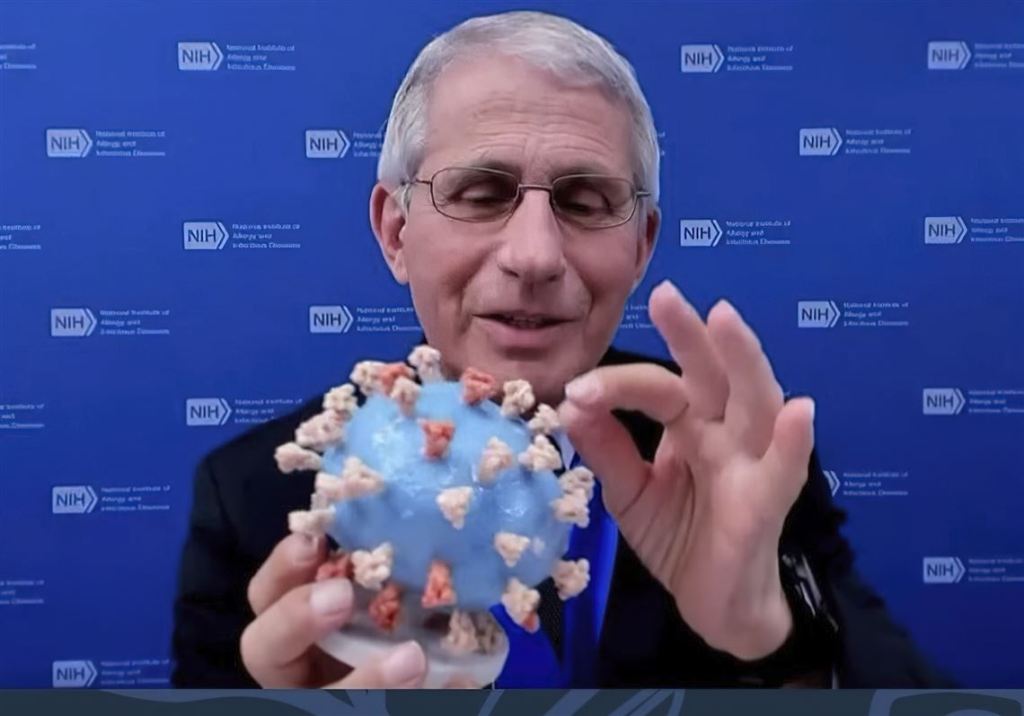
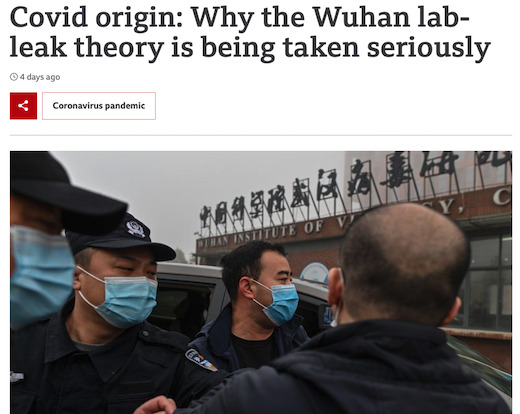


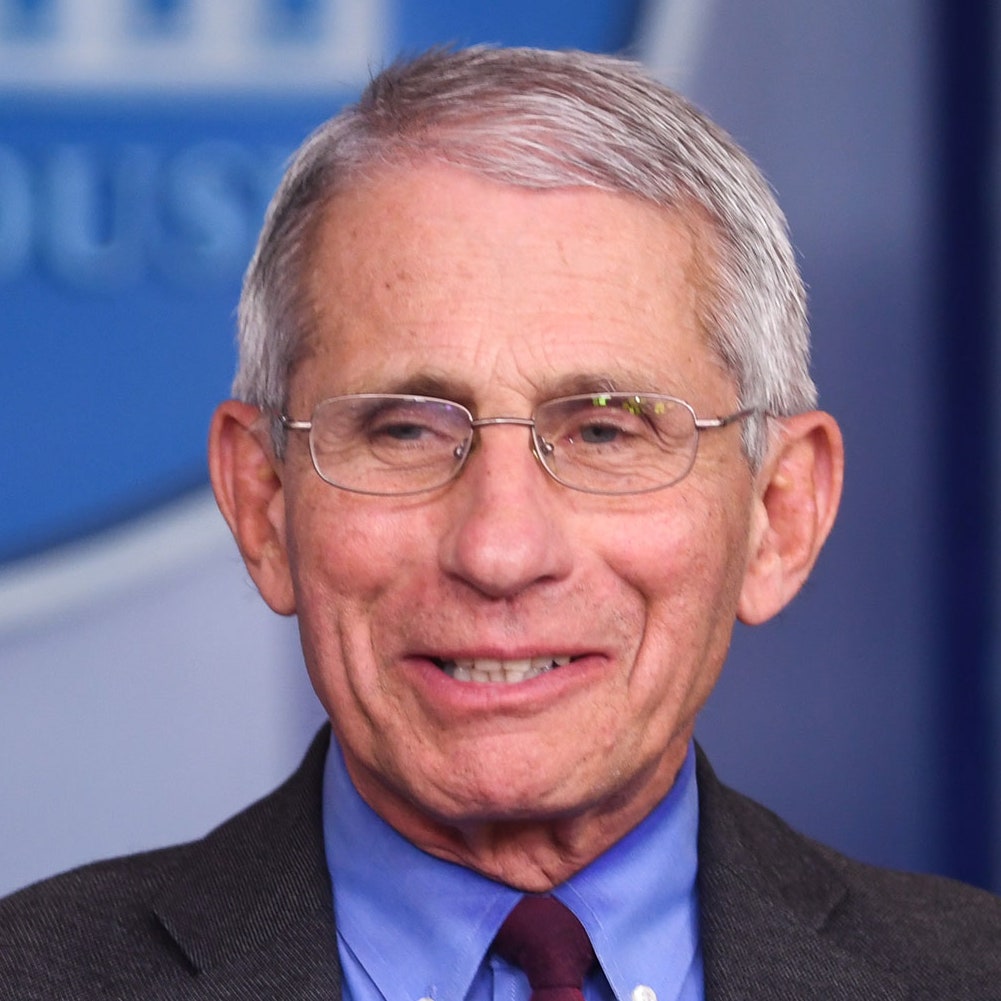

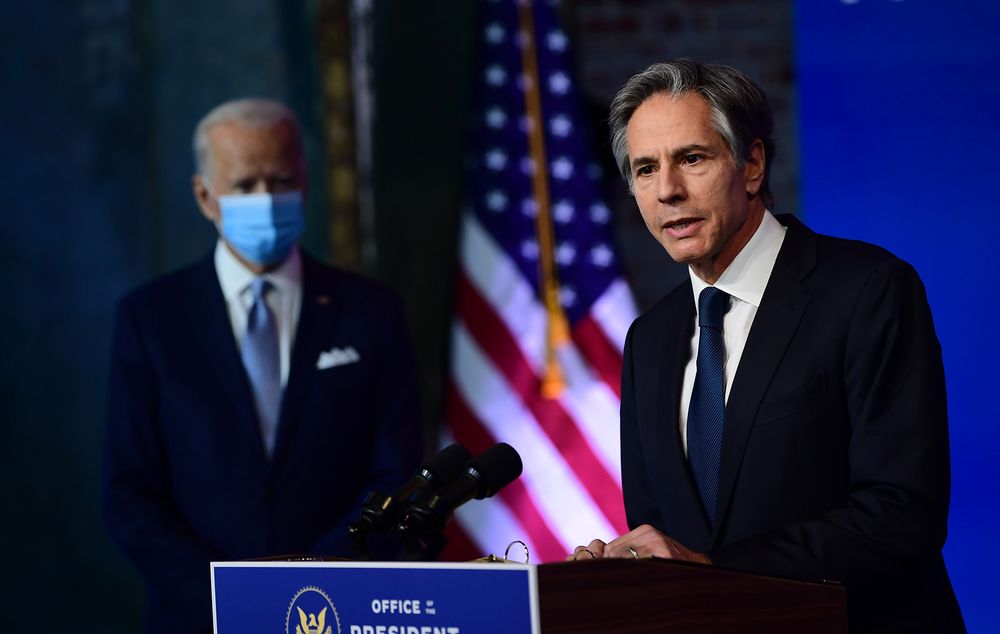
 After the Crash