Win-Win vs Lose-Lose: The Time Has Come for the World to Choose

By Matthew Ehret

Source: Strategic Culture Foundation

It is a tragedy of our age that society has been locked in a zero-sum operating system for so long that many people living in the west cannot even imagine a world order designed in any other way… even if that zero sum system can ultimately do nothing but kill everyone holding onto it.

Is this statement too cynical?

It is a provable fact that if one chooses to organize their society around the concept that all players of a “great game” must exist in a finite world of tension as all zero-sum systems presume, then we find ourselves in a relatively deterministic trajectory to hell.

You see, this world of tension which game masters require in today’s world are generated by increasing rates of scarcity (food, fuel, resources, space, etc). As this scarcity increases due to population increases tied to heavy doses of arson, it naturally follows that war, famine, and other conflict will rise across all categories of divisions (ethnic, religious, linguistic, gender, racial etc). Showcasing this ugly misanthropic philosophy during a December 21, 1981 People Magazine Interview, Prince Philip described the necessity of reducing the world population stating:

“We’re in for a major disaster if it isn’t curbed-not just for the natural world, but for the human world. The more people there are, the more resources they’ll consume, the more pollution they’ll create, the more fighting they will do. We have no option. If it isn’t controlled voluntarily, it will be controlled involuntarily by an increase in disease, starvation, and war.”

When such a system is imposed upon a world possessing atomic weapons, as occurred in the wake of FDR’s death and the sabotage of the great president’s anti-colonial vision, the predictably increased rates of conflict, starvation and ignorance can only spill over into a global war if nuclear superpowers chose to disobey the limits and “norms” of this game at any time.

Perhaps some utopian theoreticians sitting in their ivory towers at Oxford, Cambridge or the many Randian think tanks peppering foreign policy landscape believed that this game could be won if only all nation states relinquished their sovereignty to a global government… but that hasn’t really happened, has it?

Instead of the relinquishing of sovereignty, the past decade has seen a vast rise of nationalism across all corners of the earth which have been given new life by the rise of China’s Belt and Road Initiative and broader multipolar alliance. While these impulses have taken on many shapes and forms, they are united in the common belief that nation states must not become a thing of the past but rather must become determining forces of the world’s economic and political destinies.

The Case of the Bi-Polar USA

Unfortunately, within the USA itself where nationalism has seen an explosive rise in popularity under President Trump, the old uni-polar geopolitical paradigm has continued to hold tight under such neocon carryovers as Mike Pompeo, Defense Secretary Esper, CIA director Gina Haspel and the large caste of Deep State characters still operating among the highest positions of influence on both sides of the aisle.

While I genuinely believe that Trump would much rather work with both Russia, China and other nations of the multipolar alliance in lieu of blowing up the world, these aforementioned neocons think otherwise evidenced by Pompeo’s October 6 speech in Japan. In this speech, Pompeo attempted to rally other Pacific nations to an anti-Chinese security complex known as the Quad (USA, Australia, Japan and India). With his typically self-righteous tone, Pompeo stated that “this is not a rivalry between the United States and China. This is for the soul of the world”. Earlier Pompeo stated “If the free world doesn’t change Communist China, Communist China will change us.”

Pompeo’s efforts to break China’s neighbours away from the Belt and Road Initiative have accelerated relentlessly in recent months, with territorial tensions between China and Japan, Vietnam, South Korea, Malaysia, Taiwan, Indonesia, Philippines, Indonesia and Brunei being used by the USA to enflame conflict whenever possible. It is no secret that the USA has many financial and military tentacles stretching deep into all of those Pacific nations listed.

Where resistance to this anti-China tension is found, CIA-funded “democracy movements” have been used as in the current case of Thailand, or outright threats and sanctions as in the case of Cambodia where over 24 Chinese companies have been sanctioned for the crime of building infrastructure in a nation which the USA wishes to control.

Pompeo’s delusional efforts to consolidate a Pacific Military bloc among the QUAD states floundered fairly quickly as no joint military agreement was generated creating no foundation upon which a larger alliance could be built.

China’s Foreign Minister Wang Yi accurately called out this regressive agenda on October 13 saying:

“In essence [the Indo-Pacific Strategy] aims to build a so-called Indo-Pacific NATO underpinned by the quadrilateral mechanism involving the United States, Japan, India and Australia. What it pursues is to trumpet the Cold War mentality and to stir up confrontation among different groups and blocs and to stoke geopolitical competition. What it maintains is the dominance and hegemonic system of the United States. In this sense, this strategy is itself an underlying security risk. If it is forced forward it will wind back the clock of history.”

China Responds with Class

China’s response to this pompous threat to peace was classy to say the least with Wang Yi teaming up with Yang Jiechi (Director of China’s Central Foreign Affairs Commission) who jointly embarked on simultaneous foreign tours that demonstrated the superior world view of “right-makes-might” diplomacy. Where Wang Yi focused his efforts on Southeast Asia with visits to the Philippines, Indonesia, Cambodia, Malaysia, Laos, Thailand and Singapore, Yang Jiechi embarked on a four-legged tour of Sri Lanka, the UAE, Algeria and Serbia.

While COVID assistance was a unifying theme throughout all meetings, concrete economic development driven by the Belt and Road Initiative was relentlessly advanced by both diplomats. In all bilateral agreements reached over this past week, opportunities for cooperation and development were created with a focus on diminishing the points of tension which geopolticians require in order for their perverse “game” to function.

In Malaysia, the $10 billion, 640 Km East Coast Rail link was advanced that will be completed with China’s financial and technical help by 2026 providing a key gateway in the BRI, as well as two major industrial parks that will service high tech products to China and beyond over the coming decades.

After meeting with Wang Yi on October 9, Indonesia’s Special Presidential Envoy announced that “Indonesia is willing to sign cooperation documents on the Belt and Road Initiative and Global Maritime Fulcrum at an early date, enlarge its cooperation with China on trade and investment, actively put in place currency swap arrangements and settlements in local currency, step up the joint efforts in human resources and disaster mitigation, and learn from China’s fight against poverty.”

In Cambodia, a major Free Trade Agreement was begun which will end tariffs on hundreds of products and create new markets for both nations. On the BRI, the New International Land-Sea Trade corridor and Lancang-Mekong Cooperation plans were advanced.

In the Philippines, Wang Yi and Foreign Minister Locsin discussed Duterte’s synergistic Build Build Build program which reflects the sort of long term infrastructure orientation characteristic of the BRI which are both complete breaks with the decades-long practices of usurious IMF loans which have created development bottlenecks across the entire developing sector.

In Thailand Wang Yi met with the Thai Prime Minister where the two accelerated the building of the 252 km Bangkok-Korat high speed rail line which will then connect to Laos and thence to China’s Kunmin Province providing a vital artery for the New Silk Road.

In the past few years, the USA has been able to do little to counter China’s lucrative offers while at best offering cash under the rubric of the Lower Mekong Initiative established under the Hillary-Obama administration in preparation for the Asia Pivot encirclement of China that was unleashed in 2012. This was done as part of a desperate effort to keep China’s neighbors loyal to the USA and was meant to re-enforce Obama’s Trans-Pacific Partnership which Trump thankfully destroyed during his first minutes in office.

Yang Jiechi’s Four-Legged Tour

In Sri Lanka, a $90 million grant was offered by China which will be devoted to medical resources, water supplies and education and which the Chinese embassy website stated “will contribute to the well being of Sri Lankans in a post-COVID era”. Another $989 million loan was delivered for the completion of a massive expressway stretching from Central Sri Lanka’s tea growing district to the Port of Hambanota. While this port is repeatedly used by detractors of the BRI like Pompeo as proof of the “Chinese debt trap”, recent studies have proven otherwise.

In the UAE, the Chinese delegation released a press release after meeting with Prince Zayed al-Nahyan stating: “Under the strategic guidance of President Xi and the Abu Dhabi crown prince, China will enrich the connotation of its comprehensive strategic partnership with UAE, cement the political trust and support, promote alignment of development strategies, and advance high-quality joint construction of the Belt and Road.”

In Algeria, Yang offered China’s full support for the New Economic Revival Plan which parallels the Philippines’ Build Build Build strategy by focusing on long term industrial growth rather than IMF-demands for privatization and austerity that have kept North Africa and other nations backward for years.

Finally in Serbia which is a vital component of the BRI, the Chinese delegation gave its full support to the Belgrade-Budapest railway, and other long term investments centered on transport, energy and soft infrastructure, including the expansion of the Chinese-owned Smederevo Steel Plant which employs over 12 000 Serbians and which was saved from bankruptcy by China in 2016. By the end of the trip, Prime Minister Brnabic announced: “Serbia strongly supports China both bilaterally and multilaterally, including President Xi Jinping’s Access and Roads Initiative and the 17+1 Cooperation Mechanism, in the context of which most of Serbia’s infrastructure and strategy projects will be realized”
The Spirit of Win-Win Must Not Be Sabotaged

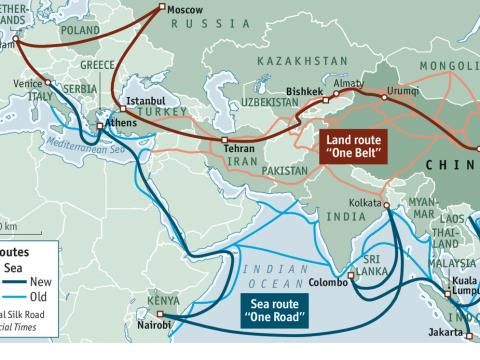
Overall, the spirit of the growing New Silk Road is fast moving from a simple east-south trade route towards a global program stretching across all of Africa, to the Middle East, to the High Arctic and Latin America. While this program is driven by a longer view of the past and future than most westerners realize, it is quickly becoming evident that it is the only game in town with a future worth living in.

While China has committed to the enlightened idea that human society is more than a “sum of parts”, the Cold Warriors of the west have chosen to hold onto obsolete notions of human nature that suppose we live in a world of “each vs. all”. These obsolete notions are premised on the bestial idea that our species is destined to do little more than fight for diminishing returns of scraps in a closed -system struggle for survival where only a small technocratic elite of game masters calling themselves “alphas” control the levers of production and consumption from above.

Thus far, President Trump has distinguished himself from other dark age war hawks in his administration by promoting a foreign policy outlook centered on economic development. This has been seen in his recent victories in achieving economic normalization between Serbia and Kosovo, and endorsing the Alaska-Canada railway last month. With the elections just around the corner and the war hawks flying in full force, it is clear that these piecemeal projects, though sane and welcomed are still not nearly enough to break the USA away from its course of war with China and towards a new age of win-win cooperation required for the ultimate survival of our species.

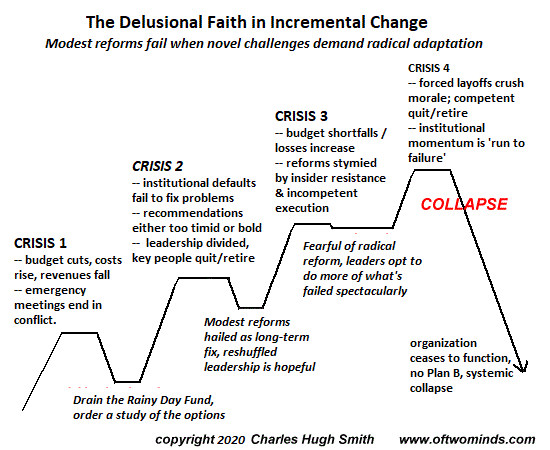
Why We’re Doomed: Our Delusional Faith in Incremental Change

By Charles Hugh Smith

Source: Of Two Minds

Better not to risk any radical evolution that might fail, and so failure is thus assured.

When times are good, modest reforms are all that’s needed to maintain the ship’s course. By “good times,” I mean eras of rising prosperity which generate bigger budgets, profits, tax revenues, paychecks, etc., eras characterized by high levels of stability and predictability.

Since stability has been the norm for 75 years, institutions and conventional thinking have both been optimized for incremental change. This is an analog of natural selection in Nature: when the organism’s environment is stable, there’s little pressure to favor random mutations, as these can be risky.

Why risk big changes when everything’s working fine as is?

Absent any big changes in their environment, organisms’ genetic programming remains stable. Unlike natural selection’s process of generating random mutations and testing their efficacy and advantages over the existing programming, human organizations quickly habituate to stable eras by institutionalizing incremental changes as the only available process for reform / change.

Radical reforms are not just frowned on as 1) unneccesary and 2) needlessly risky, there is no institutionalized process to propose, test and adopt radical changes because there is no need for such a process.

Nature has such a process: punctuated equilibirium. When faced with a rapidly changing environment, organisms face intense evolutionary pressure to adapt or die. Mutations which confer a significant advantage in the new environment become part of the species’ genetic programming as those with the adaptation bear offspring who carry the advantageous adaptation. Those without the advantageous adaptation die and those with the adaptation thrive and multiply.

Once the environment stabilizes in “the new normal,” the evolutionary pressure lets up and the species returns to the stability of relatively few changes in its genetic programming.

Organisms which have lost the ability to adapt to rapid change die off once they encounter instability. Species that constantly face instability and rapid change will selectively favor genetic traits which optimize rapid evolution.

Nature tends to retain a basement closet full of fast-evolution tricks just in case the organism faces novel challenges.

Alas, human organizations and conventional thinking have no such closet of fast-evolution tricks. Rather, human organizations and conventional thinking marshal formidable forces to suppress anything which threatens the status quo, because why risk upsetting the feeding trough unless it’s absolutely necessary?

Therein lies the fatal problem: radical adaptation is never absolutely necessary in human organizations and conventional thinking until it’s too late–and even then, the leadership and conventional thinking will fatalistically accept oblivion rather than opt for a risky strategy of testing every mutation and fast-tracking whatever has promise, even though the odds of failure are high since 1) the challenge is novel and therefore unpredictable and 2) most mutations will fail to provide the radical advantages needed to meet the challenge.

In other words, what’s absolutely necessary to human organizations and conventional thinking is the suppression of potentially dangerous novel ideas because the worst-case scenario is that the novel ideas upset the feeding trough all the insiders have come to depend on.

Unfortunately for human organizations and conventional thinking, novel challenges demand precisely what they’re incapable of: risky rapid evolution. The risks will never seem worth it because some insiders might lose their spot at the feeding trough.

Since this loss is viewed as catastrophic by those at risk, they will fight with everything they have to stymie any radical reforms. Ironically, their resistance to rapid evolution only guarantees the demise of the entire organization / status quo, including the spot at the trough they were so eager to defend at all costs.

As the crisis deepens, the default setting in organizations and conventional thinking is that incremental changes and reforms will be enough, because they’ve been enough for four generations. I call this entirely natural default setting the delusional faith in incremental change because this faith isn’t guided by history or the logic of causality; it’s simply convenient and easy.

Nobody gets fired or demoted for agreeing to do more of what’s failed spectacularly.

I’ve prepared a chart of the delusional faith in incremental change showing how each new crisis is met by incremental institutionalized defaults that are completely inadequate to the novel challenges that have arisen. The blindness to the need for radical adaption has been institutionalized as well: this is what worked in the past, so it will work nowWhy risk everything when we have procedures that have worked well?

Each stage of the crisis draws whatever conventional response causes the least pain. First, the “rainy day fund” is drained to keep everyone at the feeding trough. Studies of options are funded, and so on.

The recommendations are either too timid and clearly inadequate or they’re too bold and risky. So incremental policy and budget tweaks are adopted as acceptable institutional defaults.

But rifts open in the leadership as the farsighted few demand rapid, radical adaptations and the conventional risk-averse crowd digs in their heels. The farsighted few are pushed out or quit / retire, eliminating the only people who had the ability and experience to actually pull off a radical change of course.

A reshuffling of leadership evokes hope that the modest reforms will work magic. Alas, incremental tweaks only work in eras of stability. They fail miserably in unstable eras of rapidly-evolving challenges.

As everything runs to failure, the only acceptable path is to do more of what’s failed spectacularly, a default to low-risk incrementalism that only accelerates the final inevitable collapse.

The delusional faith in incremental change guarantees systemic failure. Better not to risk any radical evolution that might fail, and so failure is thus assured.

This is why our status quo is doomed:

‘$2.5 TRILLION THEFT’ – STUDY SHOWS RICHEST 1% OF AMERICANS HAVE TAKEN $50 TRILLION FROM BOTTOM 90% IN RECENT DECADES


The median U.S. worker salary would be around twice as high today if wages kept pace with economic output since World War II, new research revealed.

By Brett Wilkins

Source: Common Dreams

New research published Monday found that the top 1% of U.S. income earners have taken $50 trillion from the bottom 90% over the past several decades, and that the median worker salary would be around twice as high today as it was in 1945 if pay had kept pace with economic output over that period.

The study’s authors, Carter C. Price and Kathryn Edwards of the RAND Corporation, examined income distribution and economic growth in the United States from 1945 to the present. The researchers found stark differences between income distribution from 1945 to 1974 and 1975 to 2018.

According to the study—which was funded by the Seattle-based Fair Work Center—the median salary of a full-time U.S. worker is currently about $50,000. Adjusted for inflation using the consumer price index, workers at or below the current median income now earn less than half of what they would have if incomes had kept pace with economic growth. This means that if salaries had kept pace with economic output, the median worker pay would be between $92,000 and $102,000 today, depending on how inflation is calculated.

Had the more equitable distribution of the roughly 30-year postwar period continued apace, the total annual income of the bottom 90% of American workers would have been $2.5 trillion higher in 2018, or an amount equal to about 12% of GDP.  In other words, the upward redistribution of income has enriched the 1% by some $47 trillion—which would now be more than $50 trillion—at the expense of American workers.

David Rolf, a Seattle labor organizer, president of the Fair Work Center, and founder of Service Employees International Union (SEIU) Local 775, is more blunt. He calls this “the $2.5 trillion theft.”

“From the standpoint of people who have worked hard and played by the rules and yet are participating far less in economic growth than Americans did a generation ago, whether you call it ‘reverse distribution’ or ‘theft,’ it demands to be called something,” Rolf, who helped lead the fight for a $15 hourly minimum wage in Seattle and beyond, told Fast Company.

Remarkably, the study found that workers at all income levels would be better off today if income kept pace with output. Full-time, prime-age workers in the 25th percentile, for example, would be earning $61,000 instead of $33,000. Workers in the 75th percentile, who in 2018 earned $81,000, would be making $126,000. Even 90th-percentile workers, who earn $133,000, would be making $168,000 under the more equitable distribution.

On the other hand, had the economic pie been divided more equitably, the income of the top 1% would fall from around $1.2 million to a still-affluent $549,000.

“We were shocked by the numbers,” said Nick Hanauer, a venture capitalist and self-described “zillionaire” who, along with Rolf, came up with the idea for the study. “It explains almost everything,” Hanauer told Fast Company. “It explains why people are so pissed off. It explains why they are so economically precarious.”

Sen. Bernie Sanders (I-Vt.), who made correcting economic inequality a pillar of both of his presidential bids, lamented the “h-u-g-e redistribution of income in America” in a Monday tweet.

The researchers’ findings, which come amid a deadly coronavirus/Covid-19 pandemic, shine light on the injustice of an economy—by far the wealthiest in the history of civilization—in which essential workers struggle mightily, and often in vain, to survive while the richest people grow ever richer at their expense.

According to Americans for Tax Fairness, the total wealth of U.S. billionaires increased by $792 billion, or 27%, during the first five months of the Covid-19 pandemic. During this period, Amazon CEO Jeff Bezos, the world’s wealthiest person, has become the world’s first multi-centibillionaire, with a net worth now surpassing $200 billion. Meanwhile, his employees struggle to make ends meet, and Amazon workers who speak out against poor pay and hazardous working conditions during the pandemic have been fired and derided by company executives.

Compared to other most-developed nations, the U.S. has done a relatively poor job of taking care of its people during the pandemic. In addition to the U.S. being the only developed nation without universal healthcare, its workers have received less in direct payments and government support than people in many comparable countries.

The gap between the richest and poorest U.S. households is now wider than it has ever been in the past 50 years, according to the most recently available data from the U.S. Census Bureau. The pandemic has only exacerbated the situation, as around half of lower-income American households have reported a job or wage loss due to Covid-19.

Internationally, the U.S. ranks 39th out of over 150 nations in income inequality, according to Gini coefficient data compiled by the CIA, placing it roughly on par with nations like Peru and Cameroon. Among Organization for Economic Cooperation and Development (OECD) nations, the U.S. has the seventh-highest level of income inequality.

The U.S. has the highest poverty rate among the world’s most-developed nations, and the fourth-highest poverty rate among OECD nations after South Africa, Costa Rica, and Romania. According to UNICEF, the U.S. also has the second-highest rate of childhood poverty in the developed world behind Romania, with more than one in five U.S. children—and over one in four Latinx children, and nearly one in three Black and Native American children—living in poverty.

This year, more than 54 million Americans, or roughly one in every six people—including 18 million children—may experience food insecurity, according to the nonprofit group Feeding America.

New Pentagon-Google Partnership Suggests AI Will Soon Be Used to Diagnose Covid-19

Google recently teamed up with the Pentagon as part of the new, AI-driven “Predictive Health” program. Though only focused on “predictive cancer diagnoses” for now, Google and the military have apparent plans to expand the AI model for automating and predicting Covid-19 diagnoses.

By Whitney Webb

Source: Unlimited Hangout

At the beginning of September, Google Cloud announced that it had won a project from the Pentagon’s relatively new Defense Innovation Unit (DIU) to “prototype an AI-enabled digital pathology solution at select DoD [Department of Defense] facilities.” This prototype, per a Google Cloud press release, combines “augmented reality telescopes” with “AI-enabled” cancer detection tools that will allegedly improve the accuracy of “predictive cancer diagnoses.” It is the second DIU contract Google has won this year, with the first being related to combatting “cyber threats.”

The initial implementation of this Pentagon-funded, Google-created “digital pathology solution” will take place “at select Defense Health Agency (DHA) treatment facilities and Veterans Affairs hospitals in the United States,” and the program includes “future plans to expand across the broader U.S. Military Health System,” according to Google.

The initiative is part of a larger DIU-led program called “Predictive Health” that is also partnered with the joint AI effort of the US military and US intelligence community, the Joint Artificial Intelligence Center, and JAIC’s “Warfighter Health” initiative. The JAIC, which is currently led by a former Silicon Valley executive, is providing much of the funding for Predictive Health, while its related “Warfighter Health” initiative more broadly seeks “to field AI solutions that are aimed at transforming military health care.”

In addition to its stated goal of improving the accuracy of cancer diagnoses, the implementation of this Google-DIU AI-driven medical diagnosis tool aims to show “frontline health practitioners” that such tools “can improve the lives” of US troops, according to Google executives. As Mike Daniels, vice president of Global Public Sector at Google Cloud, noted in a statement, Google is “partnering with DIU to provide our machine learning and artificial intelligence technology to help frontline healthcare practitioners learn about capabilities that can improve the lives of our military men and women and their families.” Google also stated that the use of their tool at military health facilities would also “lower overall healthcare costs.”

The Google-DIU effort to outsource human doctor decision-making to a tailor-made artificial intelligence algorithm is, for now, only focused on the diagnosis of cancers. However, last Thursday, less than two weeks after winning the DIU contract, Google announced that it was donating $8.5 million to several organizations to advance the development and use of AI  “for monitoring and forecasting” Covid-19. That money is part of a larger $100 million donation from Google for financing “solutions” to Covid-19 that was announced in May.

Further evidence that Google soon plans to offer AI-driven “predictive diagnoses” for Covid-19 came in August, when Google Cloud partnered with Harvard’s Global Health Institute to provide “Covid-19 Public Forecasts,” which “provide a projection of Covid-19 cases, deaths, and other metrics over the next 14 days for US counties and states.” The announcement of the Google-Harvard collaboration coincided with an announcement from the National Institutes of Health (NIH) would begin “harness[ing] AI for COVID-19 diagnosis, treatment, and monitoring.”

Notably, other tech companies that have produced “predictive diagnosis” AI models for Covid-19 also began first by offering AI-created “forecasts” of “likely” Covid-19 outbreaks. For instance, the Israeli intelligence–linked Diagnostic Robotics initially offered AI-driven predictive “forecasts” of cities and districts to guide lockdown policy in Israel and the US state of Rhode Island before then teaming up with the US-based company Salesforce to develop a platform that uses AI to “predict” which individuals are likely to be diagnosed with Covid-19 and then uses AI to monitor and even “treat” those individuals.

Furthermore, in partnership with researchers at Mount Sinai healthcare centers in New York, tech giant Microsoft has already aided the development of an AI algorithm that “rapidly diagnoses” Covid-19. Mount Sinai’s AI model, supported by a recent grant from Microsoft’s “AI for Health” initiative, “was as accurate as an experienced radiologist in diagnosing the disease,” according to one of the lead researchers behind the model’s development. While its development was aided by Microsoft, the core of the Mount Sinai AI model is TensorFlow, which was developed by Google and is Google AI’s second-generation system for machine learning.

In addition, both Google and Microsoft are part of a Europe-based effort aimed at “automating diagnoses” for Covid-19 via an AI algorithm that analyzes CT scans, which is similar in several ways to the Mount Sinai AI model. Thus, it seems highly likely that Google’s efforts to offer AI-powered “predictive diagnoses” will soon expand to include tools that use algorithms to diagnose Covid-19, not just cancer.

The Merging of the Pentagon, the CIA, and Silicon Valley

Established in 2015, the Defense Innovation Unit of the Department of Defense officially exists to transfer “leading-edge commercial capabilities to the military faster and more cost-effectively than traditional defense acquisition methods” and to accelerate “the adoption of commercial technology throughout the military and [grow] the national security innovation base.” As the DIU makes clear on its website, the “national security innovation base” it seeks to “grow” consists of private tech companies, namely those based in Silicon Valley, that provide “advanced commercial solutions” to “national security challenges.” This, of course, includes the tech companies that already double as contractors for the national security state, such as Google, Microsoft, and Amazon, among numerous others.

The DIU boasts offices in Silicon Valley, Boston, Austin, and at the Pentagon itself and is largely led, not by career military men, but by former Silicon Valley executives. For instance, its current director—Michael Brown—is the former CEO of cybersecurity giant Symantec and, prior to that, led the Quantum corporation. In another example, the leader of the DIU’s artificial intelligence portfolio is Jeff Klugman, a former top executive at TiVo, the Quantum corporation, and Hewlett-Packard.

A year after the DIU was created, it was followed by the Defense Innovation Board (DIB), which is composed of “leaders from across the national security innovation base” and provides recommendations that “have been used to inform DoD leadership strategy and action, as well as congressional legislation.” Like the DIU, Silicon Valley is well represented on the DIB, as its members include former Google CEO Eric Schmidt and LinkedIn founder Reid Hoffman as well as top executives from Google, Microsoft, and Facebook.

Notably, just months before the DIU-led Predictive Health program was launched, the DIB noted in March 2020 that the Pentagon “owns the largest repository of disease- and cancer-related medical data in the world,” asserting further that “if the entire repository were leveraged to its fullest potential, it would advance diagnosis and treatment for thousands of illnesses, saving lives across DoD and the global population.” The DIB then specifically suggested that “artificial intelligence and machine learning models may help pathologists sort through this massive dataset more quickly and effectively to provide better care for patients in and out of the military,” adding that these troves of medical data should be used “to support DoD reform and modernization efforts in the field of AI/ML [Artificial Intelligence / Machine Learning].”

In other words, the Silicon Valley–dominated DIB called for what is now the Predictive Health program just months before the Silicon Valley–dominated DIU formally announced it. Also noteworthy is that Google—whose former CEO, current vice president, and several other Google-tied researchers and businessmen serve on the DIB—is the very company that won the DIU contract to have its AI models serve as the foundation for the Predictive Health program. This, of course, means that Google’s AI models will benefit immensely from the Pentagon’s “unique” and massive medical datasets, which the DIB previously stated was something that the Pentagon “must treat . . . as a strategic asset.”

It is also important to point out the considerable overlap between the Pentagon’s Defense Innovation Board and the National Security Commission on Artificial Intelligence. The NSCAI is chaired by Eric Schmidt (also on the DIB) and includes representatives from Google, Microsoft, Facebook, and Amazon as well as the current and former leaders of the CIA’s In-Q-Tel.

The official purpose of the NSCAI is “to consider the methods and means necessary to advance the development of artificial intelligence, machine learning, and associated technologies to comprehensively address the national security and defense needs of the United States.” As I previously reported for The Last American Vagabond, the vice-chair of NSCAI, Robert Work—former Deputy Secretary of Defense and senior fellow at the hawkish Center for a New American Security (CNAS)described the commission’s purpose as determining “how the U.S. national security apparatus should approach artificial intelligence, including a focus on how the government can work with industry to compete with China’s ‘civil-military fusion’ concept [my emphasis].”

For this reason, the NSCAI unites the US intelligence community and the military, which is already collaborating on AI initiatives via the Joint Artificial Intelligence Center and Silicon Valley companies. Notably, many of those Silicon Valley companies—like Google, for instance—are not only contractors to US intelligence, the military, or both but were initially created with funding from the CIA’s In-Q-Tel, which also has a considerable presence on the NSCAI. Thus, while the line between Silicon Valley and the US national-security state has always been murky, now that line is essentially nonexistent as entities like the NSCAI, DIB, and DIU, among several others, clearly show. Whereas China, as Robert Work noted, has the “civil-military fusion” model at its disposal, the NSCAI and the US government respond to that model by further fusing the US technology industry with the national-security state.

It is also certainly interesting that, just like the DIB, the NSCAI called for what would become the DIU’s Predictive Health program a few months before it was formally announced. In a NSCAI paper from June 2020 titled “The Role of AI Technology in Pandemic Response and Preparedness: Recommended Investments and Initiatives,” the commission recommends investments and initiatives aimed at using AI for diagnosing illnesses, including Covid-19. This seems to suggest that the Silicon Valley–led but Pentagon-housed DIU is the body that actually creates the government-industry partnerships and initiatives that are first planned out by the DIB and the NSCAI.

It’s All About the Data

While Google has stated that one of their main goals in participating in the Predictive Health program is showing health-care practitioners how AI can “improve lives,” the DIU was decidedly more direct regarding their intent in implementing this “predictive diagnosis” program. For instance, an article on the Google-DIU pilot program at DefenseOne, citing military officials, notes that the “enormous amount of healthcare data, unique to the Department of Defense, also presents a rare opportunity for the Department to train new machine learning tools.” It then adds that “there are 9.6 million beneficiaries in the Defense Health System, which means a lot of data to improve the accuracy of [AI] models.”

DIU’s chief medical officer, Niels Olsen, who created the Predictive Health program, recently stated that massive quantities of data planned to be obtained by the program and used for developing improved AI algorithms was a critical component of the project. In a Pentagon press release, Olsen stated that “the more data a tool has available to it, the more effective it is. That’s kind of what makes DOD unique. We have a larger pool of information [i. e., medical data] to draw from, so that you can select more diverse cases.”

Thus, the implementation of the Predictive Health program is expected to amass troves upon troves of medical data that offer both the DIU and its partners in Silicon Valley the “rare opportunity” for training new, improved AI models that can then be marketed commercially. This may explain part of the interest in partnering this initiative with the Defense Health Agency (DHA), which “owns the largest repository of disease- and cancer-related medical data in the world” through its management of the Joint Pathology Center, which was noted by the DIB in its March 2020 publication. In addition, as previously mentioned, Google will now be able to access that trove of sensitive data to refine its AI “health-focused” algorithms, thanks to it having won the DIU contract earlier this month.

Notably, the relatively new Predictive Health program builds on past DIU initiatives, such as an AI algorithm that predicts illnesses “48 hours before symptoms show.” That algorithm was developed by the Defense Threat Reduction Agency, the DIU, and the health IT company Royal Phillips. The Phillips team that developed that algorithm is now “refin[ing] the model at military hospitals and clinics managed by the Veterans Affairs Department.” According to the DTRA’s Edward Argenta, the focus of the program is to eventually use the AI algorithm to analyze data from devices that remotely monitor individual health, specifically “a wearable device that might sit on your body—like a watch-based one or a chest strap one.”

While various “innovation-focused” agencies at the Pentagon have been busy developing their own algorithms after harvesting mass amounts of medical data from military members and their families, a web of intelligence-linked tech companies, including those represented on the DIB and NSCAI, have gained access to the jackpot of medical data through partnering with the “Covid-19 Healthcare Coalition.”

According to its website, the Covid-19 Healthcare Coalition was established as “a coordinated public-interest, private-sector response to the Covid-19 pandemic, convening healthcare organizations, technology firms, nonprofits, academia, and startups.” The coalition, which was launched by the intelligence and defense contractor MITREalso includes tech giants like Google, Microsoft, Palantir, Salesforce, and Amazon and allows its member organizations to “collaborate, collect, analyze, visualize, and share data and insights.” With access to the data from partnered health-care institutions, such as the Mayo Clinic and the Cedars-Sinai Health System, these tech companies are “helping” the coalition “unlock large-scale analytics for Covid-19.” Institutions tied to the US government, and the NSCAI in particular, such as the CIA’s In-Q-Tel, are also members of the Covid-19 Healthcare Coalition.

Notably, the recent advances in US-based efforts to “predict” or “automate” Covid-19 diagnoses are all tied to this very coalition. Indeed, all of the companies and institutions mentioned thus far in this report have engaged in developing these tools, as Diagnostic Robotics, Salesforce, Google, Microsoft, Amazon, and Mount Sinai Medical Center are all coalition members.

Google, in the press release regarding its recent partnership with the DIU, noted that the prototype of the AI model set to make “predictive cancer diagnoses” had been “developed from [unspecified] public and private datasets,” making it possible—if not likely—that the private datasets were obtained through Google’s membership in this massive, yet relatively unknown, coalition of health-care institutions, tech companies, and US intelligence–linked entities like MITRE and In-Q-Tel.

This apparent obsession with medical data may explain the dramatic uptick in hacks of hospitals in the United States, which have been considerable in recent months and have largely targeted patient data. It is worth pointing out that the increase in these attacks seeking patient data coincides with the DIB-NSCAI policy recommendations regarding training AI algorithms on troves of medical data for automated and predictive diagnoses, among other applications.

Notably, the “solutions” offered to many of the health-care institutions that have been hacked have come from government-promoted yet opaque groups that are deeply tied to US and allied intelligence agencies as well as Silicon Valley. These “volunteer groups,” such as “the CTI League” and “the Cyber Alliance to Defend Our Healthcare,” offer their services for free but, notably, gain access to the patient data they are tasked with guarding. Are such groups, given their deep ties to Silicon Valley and intelligence agencies, helping acquire even more data to satisfy the Silicon Valley and national-security state’s endless hunger for more and more data?

The Economy Continues To Unravel Despite All Stimulus Measures

By Brandon Smith

Source: Alt-Market.com

Since the pandemic lockdowns were first implemented in the US I have been more concerned with the government and central bank response than the virus itself. As I have noted in past articles, the pandemic restrictions and subsequent economic and social crisis events they help to create will cause far more deaths than Covid-19 ever will. Not only that, but the actions of the Federal Reserve continue to con the American public into believing that there is some kind of “plan” to stop the crash that THEY engineered.

The only agenda of the Fed is to increase the pain in the long term; they have no intention of actually preventing any disaster.

This is evidenced in comments by voting members of the Fed, including Neel Kashkari who recently argued for the enforcement of hard lockdowns for at least six weeks in the US, all because the US savings rate was going up. Meaning, because Americans are saving more in order to protect themselves from economic fallout, Kashkari thinks we should be punished with an economic shutdown that would force us to spend whatever we have been able to save.

Do you see how that works?

Fed members and government officials demand hard lockdowns, depleting public savings and destroying small businesses. Then, the public has to beg the Fed and the government for more and more stimulus measures so that they can survive. The people and the system become dependent on a single point of support – fiat money creation and welfare. Yet, the evidence suggests that this strategy is failing to do much of anything except stall the inevitable for a very short time.

If the goal was really to reduce the pain of the pandemic as much as possible, then the strategy should be to keep the economy as open as possible and let the virus run its course.  By initiating lockdowns, all we are doing is extending the economic damage over the span of years instead of months.  We can deal with the comparatively minimal deaths associated with the virus; we cannot handle the disaster that is about to befall the financial system.

The small business sector appears to be the most fragile element of the economy right now. The PPP loans that were supposed to shore up small businesses failed miserably, with data showing only 13% to 19% of applicants getting a loan of any kind. Over 64% of small businesses that received a loan are also worried about being approved for loan forgiveness. In other words, of the few small business owners that got a PPP loan more than half do not have the ability to pay the loan back if they end up not qualifying for exemption.

This problem does not seem to be affecting the corporate sector, however. International companies are enjoying incredible cash infusions from the Fed through overnight loans as well as Fed stimulus propping up stock markets (at least for now). Tech companies in particular are enjoying a rush of investment as the assumption in the daytrading world is that the central bank will not allow these companies to fail.

Maybe they are right, but stock markets today DO NOT reflect the health of our system in any way. Stock tickers are a placebo, a Pavlovian trigger for the public, a tool to make people believe that the situation is improving merely because share values are going up. This is not the case.

Small businesses in the US account for around 50% of all employment and job creation. They are a vital part of the economy. Yet, government and central bank measures seem to have left them out in the cold to die.

To be sure, the $600 weekly unemployment enhancement created through the CARES Act passed in March did boost consumer spending, primarily on durable goods such as computers, TVs, cellphones, etc. Spending on services declined though, which is where the majority of small businesses make their money. And, considering the fact that most durable goods are manufactured overseas, this means that the majority of stimulus dollars that went to consumers did not go into the US economy, but foreign exporters like China.

Now, the unemployment enhancement has ended and its return is in question. It will be interesting to see if the boost to purchases of goods will continue without that extra $600 weekly stimulus. Consumer spending rose in July by 1.9%, but this was already a weak print compared to the increases during the previous two months.

Unemployment numbers have declined due to soft reopenings in numerous states, and at the very least some part time jobs appear to be returning, but nowhere near the level needed to erase the millions of jobs lost since February after the initial lockdowns began. If you count U-6 measurements and unemployed people who have been removed from the rolls for being jobless for too long, the REAL unemployment rate is closer to 30% of working age Americans. This is essentially Great Depression levels of joblessness.

US GDP has continued to decline by 32% according to the Bureau of Economic Analysis (despite statistical rigging by the Fed and government agencies), and while it’s possible that stimulus slowed the effects of GDP loss, there is no indication what the trillions of dollars created by the Fed have actually bought other than a few months of time and a massive bubble in the stock market.

The economy cannot survive extreme lockdown conditions for any length of time, let alone almost two more months. And, if you want to know what it means when elites in government and central banking call for a “hard lockdowns”, just look at Level 4 restrictions in places like Australia and New Zealand, where only one person can leave home at any given time, can only travel 3 miles from home and only for food and supplies, and anyone caught not wearing a mask is subject to arrest or a $10,000 fine.

This mother in Melbourne, Australia was arrested because of a Facebook post calling for protests over the lockdown restrictions.  She later had to take the post down and offered an apology, saying she did not know it was illegal to post such statements on social media:

Yeah, this kind of Orwellian response will do wonders for any economic recovery, and this is what Kashkari is calling for in the US.  It’s almost as if the Fed and certain politicians WANT a financial collapse in America…

The REAL solution is to stop the lockdown restrictions altogether. If the goal is truly to protect as many American lives as possible for the “greater good”, then the pandemic response must stop. Luckily, it seems that more and more people are beginning to see through the facade and are rejecting the restrictions. Even in Europe and Australia there have been some signs of protest and rebellion. The problem is that, at least in terms of the economy, it may be too late.

We have to consider the fact that once a large portion of the business sector (like small businesses) takes a massive hit like the one they have suffered over the past several months, many such businesses and jobs will simply not come back. There are many reasons for this, but primarily it’s a matter of debt. The average small business owner carries almost $200,000 in debt for 3-5 years before he reaches profitability or breaks even. This is assuming that there are no major economic catastrophes in that time.

With the pandemic, the riots, the restrictions, etc., businesses will have to take on much more debt with little guarantee of recovery in the next few years let alone the next few months.  Chapter 11 business bankruptcies in the US rose over 26% in the first half of 2020 alone.

Even if lockdown restrictions were completely eradicated tomorrow, a large number of businesses would go bankrupt anyway.  The “Retail Apocalypse” has been growing over the past decade, LONG before the coronavirus was on issue.  Thousands of businesses shut down last year and tens of thousands more are slated to close this year.   The virus and lockdowns simply accelerated the existing decline.

This is why large banks are cutting off loans to business owners and consumers right now; they know exactly where all this is headed.

Banks act as middlemen for the PPP loans financed by the Fed, yet those loans are not getting to most businesses. Banks have also cut credit card lending in the past few months, and general lending has crashed. All of this despite low interest rates for banks receiving stimulus injections from the Fed. Where is all of the money going? They are keeping it for themselves, buying up hard assets as well as propping up the stock market. As noted above, the elites have NO INTENTION of saving the economy, only themselves.

If the stimulus is not getting to the main-street economy then the only purpose it serves is to give the public a false sense of comfort.  The people who gain the most from the ongoing pandemic chaos are establishment elites that want severe restrictions on personal liberty.  Not to mention, the virus and lockdowns offer a convenient scapegoat for the financial crisis that was already brewing due to central bank mismanagement of stimulus, inflation and interest rates. The bottom line is, the banks do not want the crisis to end.  Why would they?  The longer the panic continues, the more they benefit.

Global billionaire wealth tops $10 trillion as COVID-19 deaths mount

By Jacob Crosse

Source: WSWS.org

The collective wealth of the world’s 2,189 billionaires has risen to $10.2 trillion, an increase of nearly $1.3 trillion in the past three years, according to a new report by the Swiss bank UBS and PricewaterhouseCoopers. The unprecedented surge in wealth takes place amidst a global pandemic that has killed more than one million people worldwide, including more than 215,000 in the United States alone.

The report, “Riding the Storm,” is based on data from 43 markets, including interviews with 60 billionaires, accounting for around 98 percent of global billionaire wealth. It sums up the results: “Most of the decade was a time of exceptional prosperity for billionaires regardless of sector…”

The US continues to have the largest concentration of billionaire wealth, accounting for 36 percent of the world’s total, or $3.6 trillion. China ranked second with $1.6 trillion and saw the largest growth over the decade, by 1,146 percent.

Third was Germany, where billionaire wealth totaled $594.9 billion, an increase of 175 percent from 2009’s $216.1 billion. While fourth in terms of billionaire wealth at $467.6 billion, Russia saw the smallest growth by percentage, 80 percent, from $260.2 billion in 2009 to $467.6 billion in 2020.

The $10.2 trillion amassed by less than .0003 percent of the global population is more than the estimated 2020 Gross Domestic Product of every country on the planet except for the US and China. The staggering total hoarded by less than 2,200 people, or about the number of COVID-19 deaths in the US within the last 72 hours, surpasses the previous high of $8.9 trillion recorded in 2017.

For a household earning the average US median income, it would take over 16 million years to accumulate $1 trillion, not even enough to cover what has been collectively usurped from global society in less than three years. Joel Berg, CEO of Hunger Free America, has calculated the cost of ending hunger in the US at $25 billion, which could be done 400 times over with $1 trillion.

The billionaires who have increased their wealth the most, according to the authors, are in the “technology, healthcare and industrial sectors,” including Amazon CEO Jeff Bezos, Tesla CEO Elon Musk, and Facebook CEO Mark Zuckerberg. The report states: “During 2018, 2019 and the first seven months of 2020, technology billionaires’ total wealth rose by 42.5% to USD 1.8 trillion, supported by the surge in tech shares.”

The surge in technology and medical shares was buoyed by unlimited cash from the Federal Reserve, included as part of the $2.2 trillion CARES Act passed at the end of March in a near-unanimous vote by both Democrats and Republicans.

This financial bailout made a “big difference” in the fortunes of billionaires, with the authors writing: “Billionaire wealth is loosely correlated with equity markets, due to holdings in listed companies, and a few weeks makes a big difference. From the end of March, governments’ huge fiscal and quantitative easing packages drove a recovery in financial markets. By the end of July 2020, billionaire wealth was back above its 2019 level.”

Particularly obscene is the surge in wealth of billionaires in the health care industry, in the midst of a deadly global pandemic. The authors write, “Healthcare billionaires’ total wealth increased by 50.3% to $658.6 billion, boosted by a new age of drug discovery and innovations in diagnostics and medical technology, as well as latterly COVID-19 treatments and equipment.”

The report adds: “The number of tech billionaires grew from 68 in 2009 to 234 in 2020, while the number of healthcare billionaires grew from 48 to 167. Tech and healthcare billionaires’ total wealth both multiplied by four times – from $321.3 billion to $1.3 trillion for tech and from $120.8 billion to $482.9 billion for healthcare.”

And what are these “pandemic profiteers” spending their fortunes on? To get some idea, Christie’s auction house in New York held its latest online auction, “20th Century Evening Sale” live-streamed from the Rockefeller Center in New York on October 6. In one night, the world’s wealthiest spent over $340 million on 59 different 20th and 21st century art pieces. The auction also featured the most expensive dinosaur skeleton ever sold, a fossilized Tyrannosaurus rex, for $27.5 million.

The massive concentration of wealth is a decades’ long and bipartisan policy of redistribution to the rich. The Institute for Policy Studies measured the tax obligations of America’s billionaires as a percentage of their wealth between 1980 and 2018 and found that it had decreased 79 percent. Over the last 20 years, the growth in US billionaire wealth has been 200 times greater than the growth in median wealth.

While the billionaires are richer than ever, the response of the ruling class to the pandemic has produced a massive social catastrophe for the working class. In the United States, tens of millions are unemployed and being cut off of all benefits, facing poverty, homelessness and hunger.

Earlier reports found that the 643 wealthiest Americans increased their wealth by a staggering $845 billion between March 18 and September 15. During that same time, over 62 million people in the US applied for unemployment benefits. An estimated 10.5 million jobs were eliminated, with major companies such as Disney, United Airlines, and Cineworld announcing tens of thousands additional layoffs in the last week.

Inflation Is Stealth Austerity

By Charles Hugh Smith

Source: Of Two Minds

Rather than decry austerity, which demands an open political discussion of trade-offs, we should decry inflation’s stealthy reduction of purchasing power.

Austerity–bad. Inflation–good. Oh wait–they’re the same thing: both are a reduction in purchasing power. The only difference is a reduction via austerity is upfront while inflation is a stealth reduction, obfuscated by “official” distortions and Federal Reserve mumbo-jumbo.

Consider $1,200 in wages, unemployment, stimulus, Social Security payment, etc. If this payment gets cut by 10%–$120–as a result of austerity, pay cut, reduction in hours worked, etc., recipients scream bloody murder.

But if inflation reduces the purchasing power of the $1,200 by 10%, nobody does anything but grumble that “prices keep rising while my income stays the same.” This is the classic boiled frog syndrome: inflation is like the heat being turned up so gradually that the poor frog doesn’t realize he’s about to expire.

Inflation is stealthy because the loss of purchasing power is difficult to monitor. Your $1,200 only buys what $1,080 bought in the recent past; 10% inflation reduced your income exactly the same as if austerity had subtracted the $120 upfront.

Governments and central banks love inflation because the theft goes unnoticed. The public tolerates inflation because it’s easy to passively accept this erosion in their standard of living and difficult to generate the political heat that an outright cut would spark.

Though it’s being openly engineered by the Federal Reserve, inflation appears to be a force nobody controls–unlike austerity which is so clearly a political decision. If Inflation robbed 10% of everyone’s income overnight, people might be roused from their passivity to protest.

But since the theft occurs slowly–what’s 1% a month?–and unevenly across a spectrum of goods and services, this theft doesn’t rouse the same political storm as upfront austerity.

Inflation is a form of sacrifice that few recognize as sacrifice. It seems like everyone’s income is eroded equally, but this isn’t true: the wealthy closest to the Fed’s money spigots are earning multiples of inflation from asset inflation, stock buybacks, etc. Inflation is a pinprick to the wealthy and a stilletto in the kidneys of the bottom 95%.

To the political Aristocracy, inflation is wonderful because they don’t need to ask anyone to sacrifice 10% of their income as they do with austerity; they just steal the 10% a dribble at a time and throw up their hands as if inflation is some mystery force completely beyond their control.

Ironically, austerity–an honest, upfront political decision and sacrifice–is decried, while the dishonest, stealth cut of inflation is passively accepted, even as the Federal Reserve has made a cloaked political decision to reduce the purchasing power of everyone’s income except for the New Nobility (the top 0.1%) that the Fed slavishly serves.

Rather than decry austerity, which demands an open political discussion of trade-offs, we should decry inflation’s stealthy reduction of purchasing power, a Fed policy that benefits the few at the expense of the many.

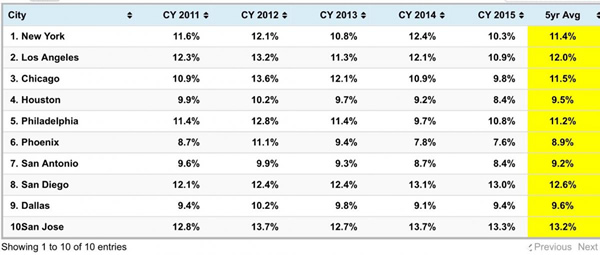
Here is the Chapwood Index of inflation, which carefully measures “apples to apples” costs of essential goods and services in each city:

As inflation erodes purchasing power, workers’ share of the economy has declined dramatically– a double-whammy of declining purchasing power and standard of living.


Saturday Matinee: Trust Machine

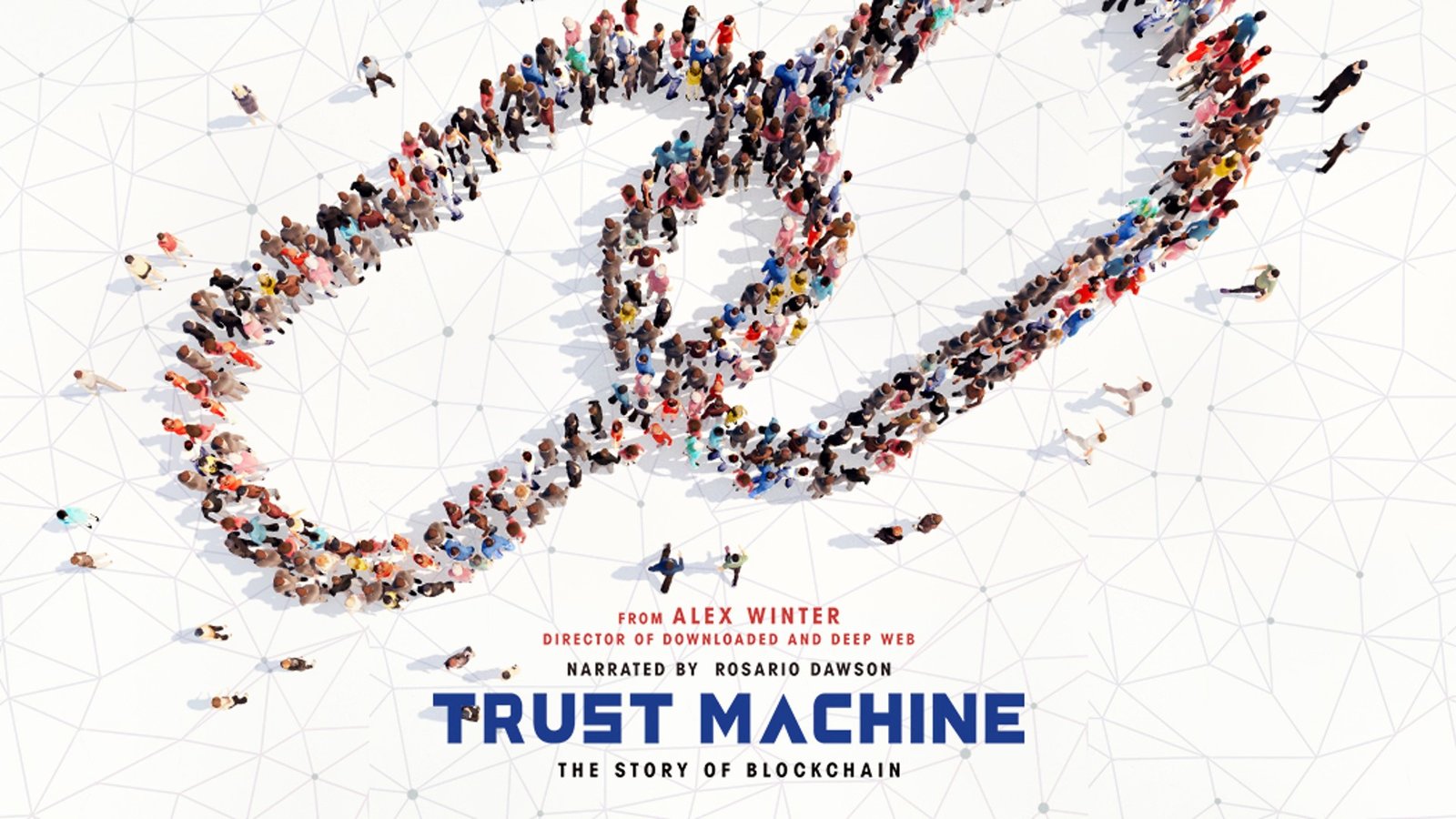
TRUST MACHINE is the first blockchain-funded, blockchain-distributed, and blockchain-focused documentary. It explores the evolution of cryptocurrency, blockchain and decentralization, including the technology’s role in addressing important real-world problems, such as world hunger and income inequality.

Watch the full film on Kanopy.