News Video Roundup

3/3: PressTV interviews Dan Dicks of Press for Truth on the erosion of freedom of the press in the U.S.

3/3: Gerald Celente speaks out on the rash of recent banker suicides and speculation on a connection to a coming global economic collapse at NextNewsNetwork.

3/4: At Global Research TV, geopolitical analysts from across the board explain how the Ukrainian coup has been deliberately provoked by outside agents to promote a combination of US, EU, NATO and IMF interests, and the possible implications.

3/4: Excellent episode of Breaking the Set in which Abby Martin covers the Ukraine conflict and Washington DC’s shadow lobbyists.

3/5: An inspiring story from WeAreChange.org about libertarian crossfit gym owner Danny Lopez-Calleja who overcame drug abuse and homelessness to become a catalyst for change.

3/6: Over 80 people were shot during riots in Kiev a few weeks ago. Now new evidence is coming out that opposition snipers were behind shootings of police and protesters on both sides:

On the lighter side, the Onion reports on disturbing findings from a new marijuana study. It’s even funnier (or more disturbing) watching it stoned.

Did the CIA Kill Hugo Chavez?

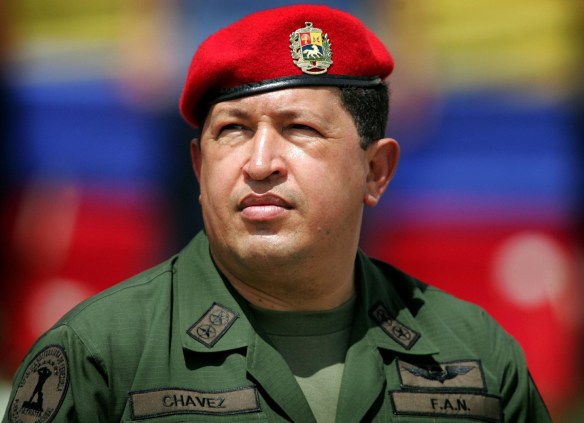
Chavez

Today marks the first anniversary of the death of Venezuelan President Hugo Chavez. As Washington DC and U.S. corporate media do everything in their power to shift popular support towards the conservative opposition, now is a good time to remember what Chavez and his party stood for, why the U.S. hated him so much, why his people loved him, and how and why the CIA may have assassinated him. These and other topics are discussed in the interview transcript below with author and historian William Blum by John Robles first published by Stop NATO. For more details about likely CIA involvement in the death of Hugo Chavez, read http://www.madcowprod.com/2013/03/08/who-killed-hugo-chavez/.

The CIA has Attempted to Assassinate 50 Foreign Leaders Including Chavez

The late Venezuelan President Hugo Chavez was warned by Fidel Castro to be careful of a very specific attack, namely a quick jab from an infected needle. Such a warning coming from a leader who has reportedly been the target of CIA assassination plots more than 600 times in over 50 years, was sure to be heeded.

Was the illness of Hugo Chavez a completely deniable assassination by the CIA? William Blum spoke with the VOR’s John Robles and discussed this issue and more.

Robles: I’ve read your Anti-Empire report regarding Hugo Chavez. Can you give us your comments on speculation that he was assassinated by the CIA?

Blum: I cannot prove it of course, but I believe he was. It would be totally in keeping with the entire history of the CIA and its attitude towards people like Hugo Chavez.

The CIA has attempted to assassinate more than 50 foreign leaders and successfully at least half the time. And very few of them were as despised by the US government as Chavez was, I would say. So, there would be no reason at all to expect that the CIA would not at least plan on killing, and the nature of his ailment is very odd.

He went from a cancer, which would not go away despite several sessions of chemotherapy and what have you. Then it went to serious lung infections, which would not go away no matter what they did. And then it went to, suddenly, a massive heart attack. All in the same man with no apparent cause, he was only 58-years-old, and as far as we know he was a very healthy until this happened, it is all very odd.

And given the great motivation that the US Government and the persons in the CIA has put for killing a man like Hugo Chavez, I’m pretty sure that the CIA played a role in this.

Robles: Do you know or have you heard of any credible new technology or new programs that could deliver such a cancer?

Blum: The means would be a needle with a quick, sharp jab and what you need is getting one person close enough to Chavez to do that.

Chavez was always in the public eye, he was always embracing people. There must have been countless occasions in the past few years when he was vulnerable to a quick jab by a needle that would be the method of transmitting the ailments.

Robles: Did he ever complain that he had been poked by something in public? Were there any reports of anything like that happening that you had heard about?

Blum: He did mention that Fidel Castro warned him about just that. He said: “A quick jab with a needle, and they’ll do…I don’t know what!” Actually he was told by Fidel.

Robles: A quick jab with a needle. Do you think that happened with Fidel because he had become very ill?

Blum: Well, Fidel…According to Cuban intelligence, there were more than 600 attempts on the life of Fidel Castro by the CIA. There is an entire book on that subject by Cuban intelligence.

And many of the methods were pretty bizarre, including an exploding cigar, but over the course of 50 years the Cubans claim there were more than 600 attempts on his life and it may have taken just one with Chavez.

Robles: Have you heard anything from your sources or from where you get some of your information? Have you heard anything detailing any connection between these two US Air Force attaches that were expelled from the country and the death of Hugo Chavez?

Blum: No. I would assume that there is a connection but I don’t know if the Venezuelan government has actually said so.

Getting back to Chavez’s case, we have to keep in mind that four other South American leaders, prominent people on the left, all came down with cancer within the past year or two.

Robles: I think it was seven, wasn’t it, altogether?

Blum: The four that I named in my report…You can add the ones that you know just for my information… were Cristina Fernandez…

Robles: De Kirchner, right…

Blum: of Argentina, Dilma Rousseff of Brazil, Fernando Lugo of Paraguay, the former Brazilian head of state Lula da Silva. Who would you add into that list?

Robles: Well, and then of course Hugo Chavez himself…

Blum: Castro is one of them…

Robles: I would add Castro to the list and Kirchner’s husband who died of a mysterious heart attack as well.

Blum: Right.

Robles: We might add that as a mysterious illness, not exactly a cancer but…

Blum: Right! If the CIA was involved it doesn’t have to be cancer necessarily of course.

Robles: Oh, sure, it could be anything. Have you heard anything about cancer strains or any kind of killing weapons like this, any kind of biological weapons that would give maybe cancer-like symptoms, not exactly a certain type of cancer?

Blum: I very well may have read of such over the years. I have read so much about the CIA, but at the moment I can’t think of anything to supply you with that information. Although we do know, it is well known, that for decades the CIA was looking for a method of killing somebody which would not leave a trace. The CIA itself has used those words. For the entire period of the Cold War that was a major stated project of the CIA. But where that stands today, I have no idea.

Robles: Yes, of course that is all very secret and no one is going to talk about it, but perhaps there are some echoes or some whispers? Maybe somebody has come out and said something? What other reasons would you give to back up the argument that he was assassinated?

Blum: I will mention there is no one in the entire universe who was more hated, no leader more hated than Chavez was by the US government. In the eyes of the US power that be, Chavez was worse than Fidel Castro and Salvador Allende.

Robles: Why was he so hated?

Blum: Because he was the most outspoken leader in the world when it came to criticizing US foreign policy. He never pulled his punches for a moment, he made a claim that it was all crimes against humanity and the US leaders were war criminals, and he said so explicitly. It is unusual for a head of state to be talking that way. And at the UN he attacked Bush in front of the whole world.

Robles: Oh yes, I remember he said that the Devil had been there the day before or something, and it still smelled like sulfur.

Blum: Yes, Bush had spoken to the UN before Chavez from the same platform. And Chavez said there was a smell of sulfur in the air because of that.

Robles: That’s usually the domain of the United States, I mean… Isn’t it? I mean Bush was calling everybody the axis of evil, and all this stuff, branding everyone evil. Wasn’t that kind of a shock to see the same thing done to an American leader?

Blum: Yeah, it is a shock for anyone under any circumstances to be so outspoken in the criticism of the US foreign policy. It is a point in Chavez’s favor that he could have the honesty and the courage to say such things, which very much needed to be said.

Robles: So, you supported the way he stood up?

Blum: Well, in general yes. I think there certainly were times when he may have overdone it, even for me. I mean, he felt obliged to comment on everything under the sun, and I thought several times that he could have held off on saying certain things, they were not serving any good purpose. But that’s a minor criticism of his overall marvelous record.

Robles: You say he had a marvelous record. What do you think were his major achievements in your opinion?

Blum: What he’s brought to the poor people of Venezuela in the way of education and healthcare, and housing, and what have you. And what he brought to the rest of the South America, he formed various anti-US empire blocs which stood in the way of expansion of the US influence.

He and others formed a new…A counter to the OAS, the Organization of American States, which for decades has been dominated and corrupted by the US and Canada. And they formed a new organization in South America excluding the US and Canada. So it was that simple.

Robles: Do you think his achievements will continue or do you think the US will be successful in rolling back everything he did? Which of course I assume they would want to.

Blum: Yes, they would want to. But if Maduro who was chosen and backed by Chavez, wins, and he is expected to win in the election next month, then most of it will continue, I assume.

Stop NATO e-mail list home page with archives and search engine:
http://groups. yahoo.com/ group/stopnato/ messages

Stop NATO website and articles:
http://rickrozoff. wordpress. com

Overthrowing other people’s governments: The Master List

Corporate-domination

By William Blum

Originally posted at RINF.com

Instances of the United States overthrowing, or attempting to overthrow, a foreign government since the Second World War. (* indicates successful ouster of a government)

  • China 1949 to early 1960s
  • Albania 1949-53
  • East Germany 1950s
  • Iran 1953 *
  • Guatemala 1954 *
  • Costa Rica mid-1950s
  • Syria 1956-7
  • Egypt 1957
  • Indonesia 1957-8
  • British Guiana 1953-64 *
  • Iraq 1963 *
  • North Vietnam 1945-73
  • Cambodia 1955-70 *
  • Laos 1958 *, 1959 *, 1960 *
  • Ecuador 1960-63 *
  • Congo 1960 *
  • France 1965
  • Brazil 1962-64 *
  • Dominican Republic 1963 *
  • Cuba 1959 to present
  • Bolivia 1964 *
  • Indonesia 1965 *
  • Ghana 1966 *
  • Chile 1964-73 *
  • Greece 1967 *
  • Costa Rica 1970-71
  • Bolivia 1971 *
  • Australia 1973-75 *
  • Angola 1975, 1980s
  • Zaire 1975
  • Portugal 1974-76 *
  • Jamaica 1976-80 *
  • Seychelles 1979-81
  • Chad 1981-82 *
  • Grenada 1983 *
  • South Yemen 1982-84
  • Suriname 1982-84
  • Fiji 1987 *
  • Libya 1980s
  • Nicaragua 1981-90 *
  • Panama 1989 *
  • Bulgaria 1990 *
  • Albania 1991 *
  • Iraq 1991
  • Afghanistan 1980s *
  • Somalia 1993
  • Yugoslavia 1999-2000 *
  • Ecuador 2000 *
  • Afghanistan 2001 *
  • Venezuela 2002 *
  • Iraq 2003 *
  • Haiti 2004 *
  • Somalia 2007 to present
  • Libya 2011*
  • Syria 2012

Q: Why will there never be a coup d’état in Washington?

A: Because there’s no American embassy there.

William Blum is an author, historian, and renowned critic of U.S. foreign policy. He is the author of Killing Hope: U.S. Military and CIA Interventions Since World War II and Rogue State: A Guide to the World’s Only Superpower, among others. Visit his blog.

Nicaragua: Land of Revolution, Poetry and Solidarity

IMG_4622

Given its richness and complexity, it would be impossible to give an accurate overview of contemporary Nicaraguan society without years of research and experience within the country. What I humbly offer is just one visitor’s perspective of aspects of the culture picked up from about three week’s worth of experiences and interactions with a small cross-section of the population (mostly poor and middleclass people working as cab drivers, tour guides, museum docents, restaurant/shop employees, and agricultural workers) as well as tourists and expats.

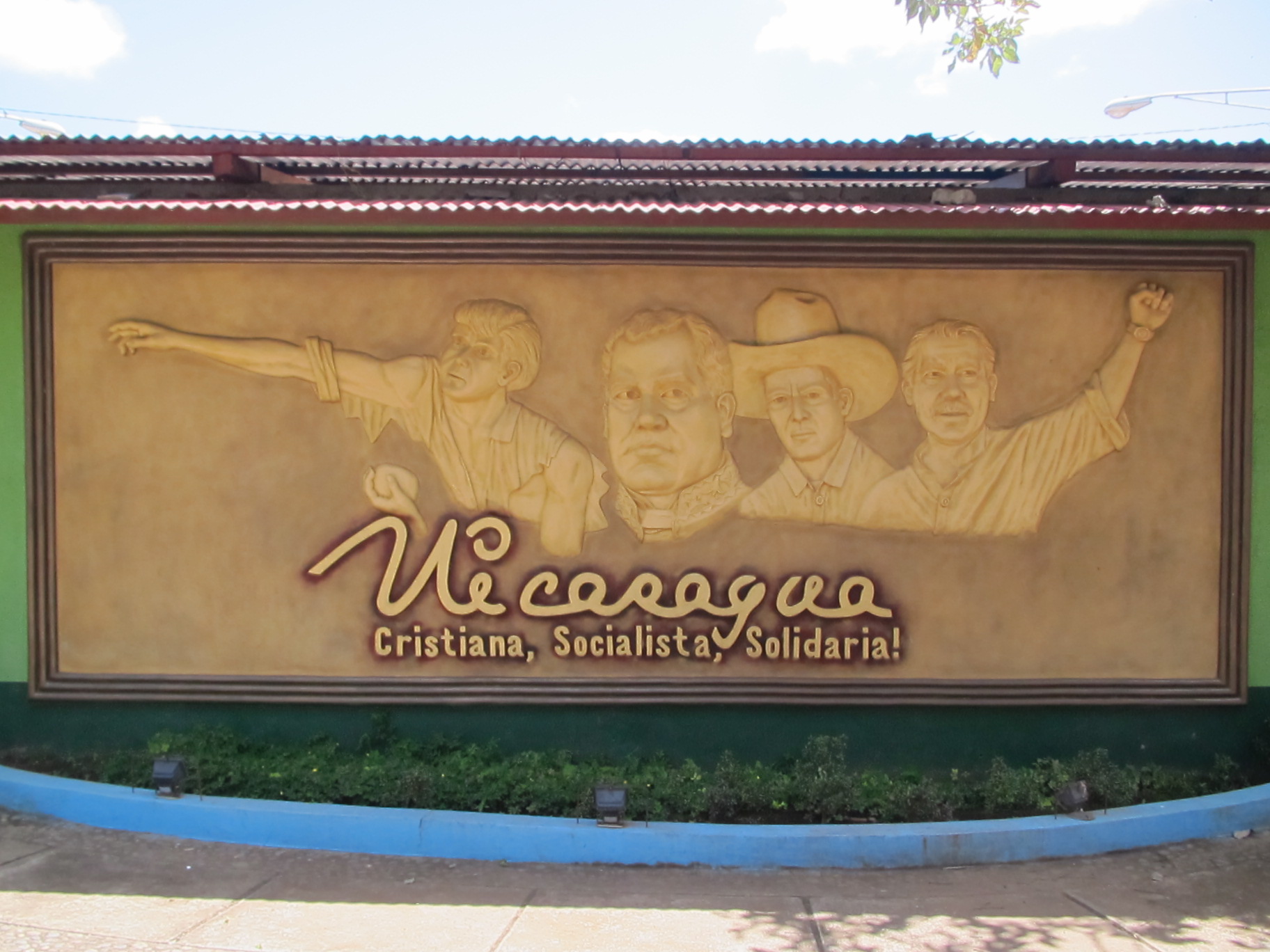
What becomes apparent to visitors to Nicaragua soon after getting off the plane is the country’s pride in two of its most famous figures, revolutionary Augusto Sandino and poet Rubén Darío. Images of them can be seen on posters and decorating various items in gift shops within the airport, and in almost every town and city one can find them depicted on murals and statue monuments (other popular figures include Carlos Fonseca, Che Guevara and Hugo Chavez). The culture’s love for poetry is also expressed through its annual International Poetry Festival which has been hosted in Granada since 2005 (parts of which I was fortunate enough to witness while I was there).

Another sign of Nicaragua’s love for language arts and literacy is the ubiquity of bookstores and libraries which can be found in even the smallest towns. Roots of this aspect of the culture goes as far back as the late 19th century when the Spanish-American literary movement known as Modernismo was started by Rubén Darío who was born in Matagalpa and raised in León (where he also died). Another factor is the Sandinista Literacy Campaigns of 1980 and 2005-2009 whose mission was not just to eradicate illiteracy but to increase political awareness and nurture attitudes and skills related to creativity, production, co-operation, discipline and analytical thinking.

A sophistication of political thought and sense of social consciousness in Nicaraguan society was made apparent to me through extended conversations on history and current events with tour guides of diverse backgrounds (who were the locals I happened to speak with for the longest periods of time due to the nature of the activity) as well as shorter exchanges with random people encountered during the trip. While my impressions of the culture may be biased due to comparatively low levels of political awareness I usually sense when conversing with most U.S. citizens (not including readers & followers of this blog) and more frequent interactions with Nicaraguans from progressive organizations I intentionally sought out to support, I’ve heard similar or related observations from other travelers and expats. I feel it’s a real phenomenon that could be a result of the Literacy Campaigns as well as having collectively experienced relatively recent violent dictatorship, revolution, counter-revolution and widespread poverty. Just as individuals of more privileged backgrounds and little experience dealing with loss tend to have less empathy and understanding of moral complexity than those who have lived through tragedy and hardship, perhaps the same could be said of societies?

Other shared, seemingly culturally determined traits I’ve noticed was a sense of directness and sincerity and willingness to treat everyone as human beings. This is especially true regarding dealings with tourists from the U.S. I was a little surprised to experience no sense of resentment directed towards me for being from the country whose government has been the source of so much pain and suffering. Imagine if some country’s government propped up tyrants in the U.S. or supported militant terrorist groups with money and weapons (which the CIA has done in many places including the U.S.). Would we be as charitable towards the citizens of that country? In fact, from speaking to a docents at the Carlos Fonseca Museum, and León’s Museum of the Revolution, even former adversaries on different sides of the revolution have for the most part resolved their differences and resumed relationships as friends, family and fellow citizens. But this isn’t to say there aren’t differences in political perspectives and opinions on the current government.

One of the more surprising opinions I heard was from a young eco-tour guide in Jinotega who was a recent graduate of a college in León. He mentioned that he was doubtful that Nicaragua would be much different had the Samoza regime stayed in power. This was a bit shocking for me in light of what I’ve heard about Samoza’s human rights abuses but it made me think of how things might have changed or stayed the same. It’s likely the crackdown on dissidents would continue or worsen, but would the economy have been improved had the revolution and embargo never happened, or would it have been the same or worse due to increasing militarization and corruption? In either case, it seems unlikely Nicaragua would avoid long term economic harm caused by structural adjustment policies demanded by the International Monetary Fund and World Bank. In contrast to the guide in Jinotega was the eco-tour guide in Matagalpa who took me and other tourists to Mombacho Volcano. He made it clear that he felt Nicaragua had greatly improved since the overthrow of Samoza, embedding his views into the tour by talking about how during the Samoza regime prisoners would sometimes be dropped from helicopters into active volcanoes. He also took pride in the fact that Nicaraguans now have access to free education and healthcare.

The most memorable and moving conversation was with Hugo, a docent at the Museum of the Revolution in León who fought for the Sandinistas as a young man. Through an interpreter he told me of the impact the revolution has had on his life. Many of his siblings and relatives were forced to leave the country and many of his comrades died in battle. He seemed disappointed that there has not been greater improvements as a result of the massive struggle and sacrifice. He mentioned how after the revolution some Sandinista veterans were given parcels of land but many were given less support than they deserved and were promised in terms of land, pensions and healthcare. Hugo himself was struggling economically. As a side-gig he also sold bootleg documentary dvds outside the museum, one of which I purchased (FSLN: Un Pueblo en Armas). Despite his personal hardships, he made it clear that he remains a patriot and has no regrets about fighting the Somoza regime.

One topic that often arose unprompted was upcoming plans for a new canal allowing ships to travel back and forth from the Atlantic Ocean through the San Juan River and Lake Nicaragua to the Pacific Ocean. Though such ideas were proposed nearly 200 years ago, just last year Nicaragua’s National Assembly approved a concession agreement with the Hong Kong Nicaragua Canal Development Investment Company (HKND) giving them the rights to construct and manage the canal for 50 years. In January HKND CEO Wang Jing and President Daniel Ortega issued a statement that construction of the canal would begin in December 2014. Across the board, Nicaraguans I spoke with seemed excited about the plans but conflicted. The most skeptical opinion came from the eco-tour guide in Jinotega who took me to Lake Apanas. Though he acknowledged the potential benefits it would have for Nicaragua’s economy, he was well aware of the inevitable negative impact it would have on indigenous species and ecosystems. At the same time, he seemed resigned to the fact that coming changes are inevitable. He pointed out that Lake Apanas was artificially created to produce hydroelectric power for several towns. Once thriving trees and farmland are now underwater, but the area is now a habitat of different and diverse flora and fauna which supports the local economy through recreation, tourism and fishing. Other people I spoke with about the canal voiced concerns about whether Nicaragua would truly benefit from the project or if it would create a flow-through economy in which most workers and contractors would be brought from China and primarily Chinese corporations reaped the profits.

Another topic that frequently came up (most likely because the livelihoods of many people I spoke with are largely dependent on it), was the rise of Nicaragua’s tourism industry within the past few years. While its effect of boosting the economy is widely acknowledged, it has also in some cases led to problems such as gentrification, inadequate access to land and resources reserved for tourists and foreign owned corporations, commodification or loss of culture. I’ve also witnessed first-hand how Nicaraguan service sector workers have had to tolerate rude behavior from entitled wealthy tourists or expats doing their visa runs. To their credit, the workers showed incredible patience and professionalism, much more, I suspect, than employees and native citizens in the U.S. would show towards foreign tourists and expats had the tables been turned.

The following are just some of the more trivial miscellaneous observations that seemed odd or interesting to me from a visitor’s perspective:

  • It seems to be trendy for car owners (especially in larger cities) to decorate their vehicles with colorful LED lights on the hood, around license plates, underneath, etc.
  • Motorcycles are extremely popular. One tour guide who’s also a motorcycle rider said he estimates the number of other bikers he sees on the roads has nearly doubled in the past 7 years.
  • On a “Chicken Bus”, be prepared to be squashed like sardines if you don’t get a seat. And try not to end up near the front door because they usually won’t close it even while speeding through steep winding (occasionally unpaved) roads in the mountains.
  • The rule of the road is usually the largest vehicle that gets there first has the right of way. The order of hierarchy looks something like this: large truck>bus>van>SUV/small truck>sedan>Horse>tuk-tuk/pedicab>motorcycle>scooter>bicyclist>pedestian
  • DVD bootleggers work extremely quickly. I saw a bootleg of the Robocop remake on the streets at least a day or two before its official release in theaters.
  • While staying at the few places that had cable television I flipped through channels to get an idea of what Nicaraguan viewers were offered. I was disappointed to find that out of nearly 100 channels, about 2/3 of them featured primarily dubbed or subtitled U.S. television programming and Hollywood blockbusters. Out of the remaining 1/3, about a dozen featured mostly telenovela soap operas, another dozen were spanish language original programing featuring occasional dubbed or subtitled Hollywood films and spanish language versions of popular North American game shows and reality TV, there were about a half dozen music channels featuring latin and some U.S. pop music and just a few regional and public access stations devoted solely to news, local culture and community events.
  • For some reason, 70s-80s era adult contemporary or “yacht rock” music seems to be popular. While in more than a few shops and restaurants that don’t cater to tourists I’ve heard the likes of Brian Adams, Air Supply and Christopher Cross playing on the radio in the background.
  • In more bohemian “cultural cafes” the music of choice seems to be artists eternally popular with college kids and hippies (ie. Hendrix, Doors, Beatles, Pink Floyd, Bob Marley etc.) which though I am neither I do enjoy.
  • Backpacks and shoes seem to be popular items. At almost every major street market  in every town I’ve been to, usually located close to the main bus stations, there were huge numbers and varieties of these items sold at multiple booths. My theory is that since most kids in Nicaragua go to Catholic schools and are forced to wear uniforms they might value these items more as expressions of individuality (and they’re practical).
  • Many young people in Nicaragua (mostly middle/upper-middle class) are just as enraptured by wireless technology as people in the states.
  • Another favorite pastime among the youth is hanging out in the central parks (usually located near the largest church) where I’ve seen some groups do awesome breakdancing competitions.
  • The “typico” Nicaraguan meal of salsa, beans, rice, eggs, cheese and plantains is cheap, delicious and will get you through the day.

Arrest of Middle Eastern Mercenary in Venezuela, a Possible Game Changer

By Arturo Rosales, writing from Caracas

Originally posted at Axis of Logic

In the conclusion to the recently published article on Axis of Logic Déjà vu – History tends to repeat itself we ask rhetorically what the next phase of destabilization will be in Venezuela in the US’ quest to secure the largest proven oil reserves in the world.

As of yesterday we may have the first evidence of an answer to this scary and ultimately decisive question. This could be a game changer in the development of the current destabilization effort in Venezuela by paid mercenaries masquerading as “disillusioned students”.

The breakthrough

At 4am on Monday 24th February in a hotel in northern part of the city of Maracay in Aragua state, an individual of Middle Eastern origin and two other people were captured by the Bolivarian Security Forces (SEBIN). Aragua governor, Tareck El Aissami reported the evidence available at that time in several posts on his Twitter account, @TareckPSUV.

El Aissami stated that they had captured a “big fish” in Aragua who was identified as Jayssam Mokded Mokded along with two other people in his company, both of whom have military backgrounds and training.

Jayssam Mokded Mokded


In the raid of the hotel room the security forces found electronic communications equipment – 11 satellite phones for communicating with the US and Colombia – computers and documents linking him with companies in Miami. His vehicle, a Toyota Model FJ was armored with bullet proofing and in it explosives, a keg of gun powder and logistical equipment to set up barricades in the streets were discovered.

It was also established that Mokded Mokded has access to a bank account in Miami with some US$250,000 and had made various transfers of hundreds of thousands of dollars to Miami and other destinations. In Colombia he has another bank account with a balance of some US$10,000. It was also noted that all his dealings with Venezuelan banks were limited to Banesco – a bank that had been involved in laundering finance for the 2002 – 2003 coup attempts but which was said to have changed its ways in recent years.

The purpose

All the evidence points to the fact that Mokded Mokded was fully equipped to carry out terrorist acts in Venezuela and it is known that he had been staying at the hotel in question since February 9th. The Venezuela security forces had been tailing him for several days and he had made visits to several upper and middle class urbanizations. The suspicion is that these visits were reconnaissance missions in order to find the most devastating spot to park car bombs and start sowing terror in Venezuela.

Bombs have been used in the last decade to sow terror in Venezuela and the perpetrators of the 2003 attacks, the Colina brothers, escaped to Florida where a judge refused to extradite them back to Venezuela. This is another example of the US protecting terrorists that carry out black operations against “unfriendly nations”. The last car bomb planted in that terror campaign by the opposition was the one placed under the seat of Danilo Anderson’s Toyota SUV, killing him on November 17th 2004. Anderson was the state prosecutor investigating those who carried out the April, 2002 coup attempt.

Reaction in Florida

Mokded Mokded lives in Doral, a city located in north-central Miami-Dade County in the US state of Florida where he is known as a “businessman”. Florida records show Mokded Mokded is president of CJ International Services, 10580 NW 27th St., in Doral.  He is also the president of Soloblackberry.net.inc with offices in Doral and Porlamar, Venezuela.

On Saturday, thousands met at J.C. Bermudez Park in Doral to express their solidarity with the opposition in Venezuela. Miami’s Doral area is known as “Doralzuela” for its anti-Chavez Venezuelan migrant population which is as radical and as permeated with hatred against chavista Venezuela as is the population of “Little Havana” against fidelista Cuba.

Concerns and Conclusions

The worrying aspects of the arrest of Mokded Mokded is that his possession of explosives, gunpowder and evidence of his reconnaissance for placing car bombs could mean that a new phase of terror is about to be unleashed on Venezuela.

Looking at this development from any angle, it could be a game changer,
escalating violence and hatred, the fuel of these protests throughout the country.

State Governor El Aissami has confirmed that authorities are already on the trail of other mercenaries and will hopefully be able to extract confessions and information from Mokded Mokded and his accomplices about other terror cells waiting to act in Venezuela.

In the hotel raid, a communiqué was found from Mokded Mokded to the Capriles Radonski presidential campaign in Venezuela demonstrating that politically, this “businessman” and apparent terrorist has been in contact with the Venezuela opposition. The opposition is getting nearer to full exposure as collaborators with terrorists “brought here” for the overthrow of the democratically-elected government of Nicolas Maduro.

Actually, none of this is a great surprise but cause for great concern as more innocent lives are now at risk. Massive loss of life due to any terrorist acts will be manipulated by the international media in cahoots with US imperialist lies to blame the Maduro government – as it has been in Syria against President Bashar al Assad.

It is the same script written either by writers in the CIA at Langley or by aides of John Kerry in the State Department – both consorting with the Father of the Paramilitary Death Squads, Colombia’s Alvaro Uribe Vélez.

A Brief History of Nicaragua

IMG_4398

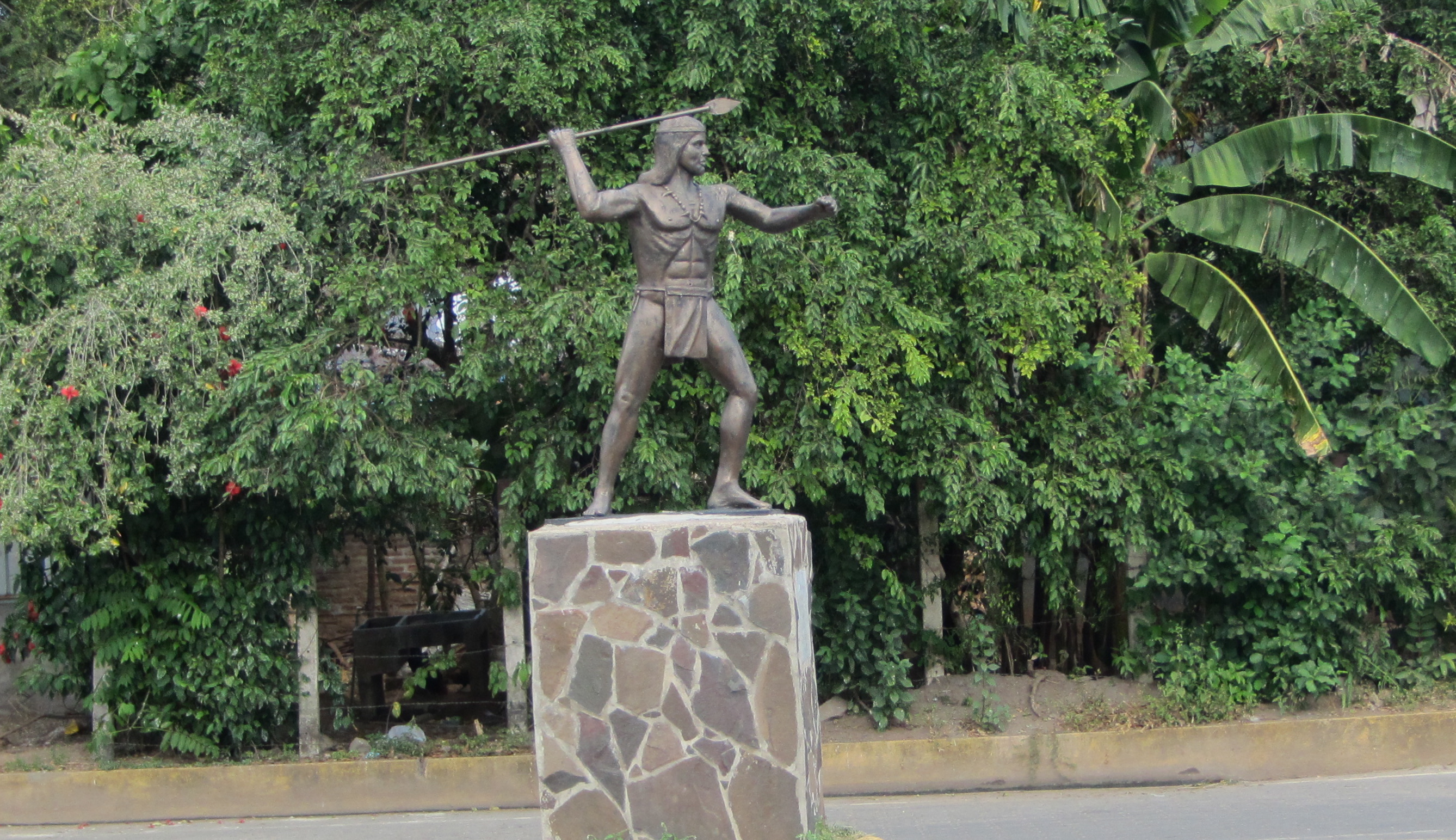
To have even a basic understanding of Nicaraguan culture it’s important to first know a little about the land’s history. In the Pre-Columbian era, the region now called Nicaragua was inhabited by several tribes culturally related to Aztec and Maya civilizations. Not long after Christopher Columbus first reached Nicaragua in 1502, an attempt was made to conquer the region by Gil González Dávila in the 1520s. On April 17, 1523, Dávila first met with Cacique Diriangen, leader of the Dirian peoples. Dávila gave the tribe a three day deadline to become Christians but rather than comply Diriangen led an attack, making him the first known resistance fighter of Nicaragua.

A statue of Diriangen at the entrance to the town of Diria.

A statue of Diriangen at the entrance to the town of Diria.

During over 300 years of colonization, countless indigenous people died of diseases, rival conquistadors waged war on each other, Caribbean pirates raided cities along Lake Nicaragua, British forces fought the Spanish in Nicaragua during a sub-conflict of the the Seven Years’ War, and in 1610 Momotombo volcano erupted, destroying the old capital city of León. In 1838, Nicaragua became an independent republic. Within a few decades, during a power struggle between León and Granada, filibusterer William Walker was hired by the government of León to fight on their side but he exploited the region’s instability and briefly established himself as President of Nicaragua before being forced out of the country a few years later. Three decades of conservative rule followed, during which the U.S. began formulating plans to build a canal across Nicaragua (which may soon become a reality with funding from Chinese corporations). However, when the U.S. shifted their plans to Panama, President Jose Santos Zelaya attempted to negotiate with European partners. Because of the potential threat Zelaya posed to U.S. hegemony and his ambitions to unite the Central American nations, the U.S. government compelled him to resign with the threat of military force and funding of conservative opposition groups, replacing him with a series of puppet regimes. Attempting to prevent insurrection, Nicaragua was occupied by U.S. Marines from 1912 to 1933. From 1927 (the start of Somoza’s rise to power though the National Guard), national hero Augusto César Sandino led a guerrilla war against the conservative government and the U.S. Marines. Shortly after a peace agreement was reached with a newly elected Sacasa administration, the Marines left Nicaragua and the head of the National Guard, Anastasio Somoza García ordered Sandino’s assassination. Sandino was killed by National Guard troops on February 21, 1934. His body was hidden and never found. In 1937 Somoza ousted the Sacasa government in a rigged election.

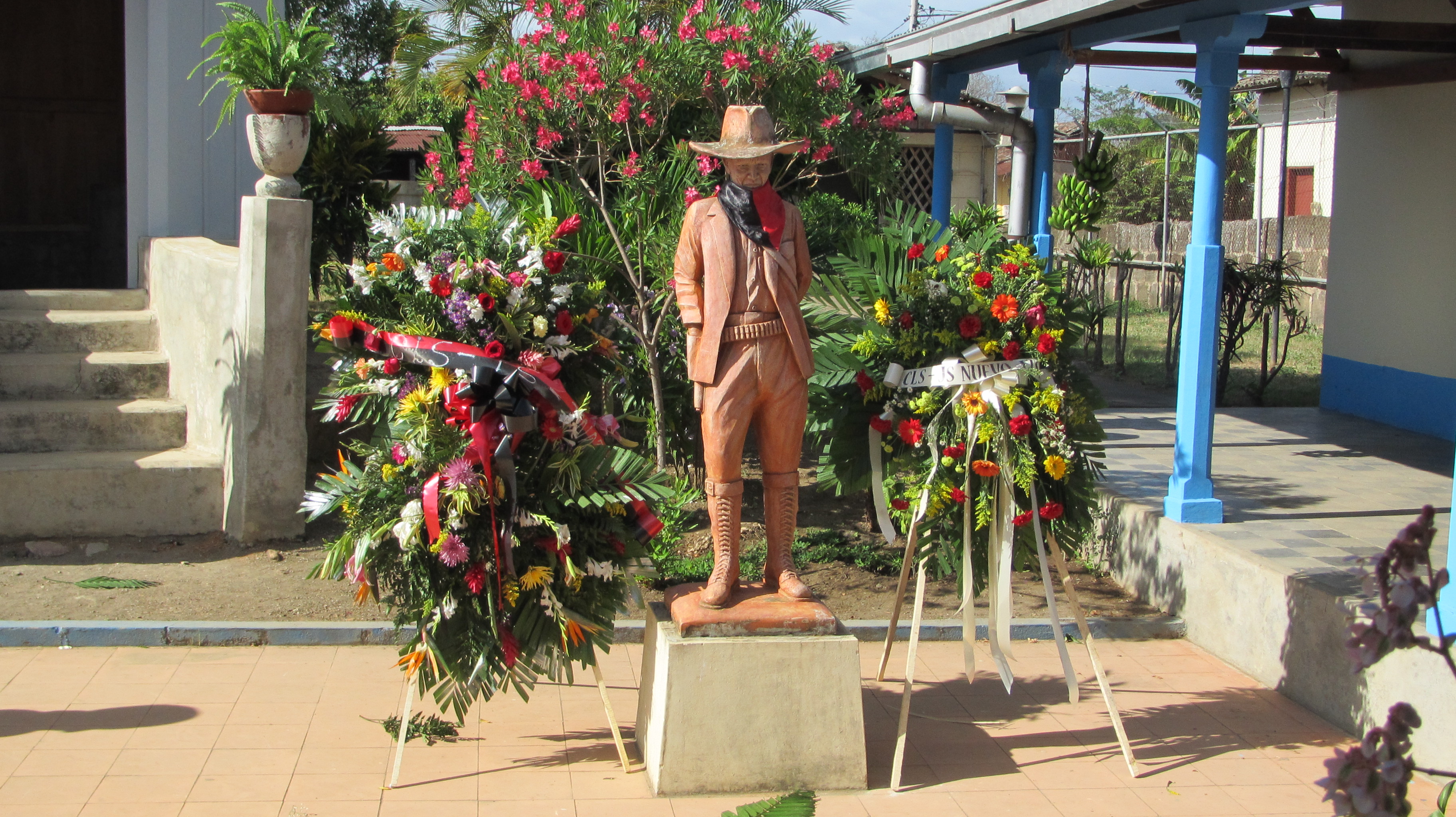
A statue of Sandino at the Augusto C. Sandino Library, a museum located in the house where he grew up in the town of Niquinohomo (Valley of the Warriors).

A statue of Sandino at the Augusto C. Sandino Library, a museum located in the house where he grew up in the town of Niquinohomo (Valley of the Warriors).

The Somoza regime was Nicaragua’s longest lasting hereditary military dictatorship, having ruled for 43 years. The father of the dynasty, Anastasio Somoza García, was famously called “our son of a bitch” by FDR and was assassinated by 27 year old poet Rigoberto López Pérez in León in 1956. In response to increasingly corrupt and reactionary policies of the Somoza government, Carlos Fonseca, Silvio Mayorga, and Tomás Borge led the formation of the Sandinista National Liberation Front (Frente Sandinista de Liberación Nacional or FSLN, named after and inspired by Augusto Sandino) in 1961. In 1972 a major earthquake hit Managua killing 6000 people, injuring tens of thousands and leaving hundreds of thousands homeless. President Anastasio Somoza Debayle mishandled the situation by failing to distribute essential aid and supplies. When it was later revealed that the government was siphoning relief money for personal gain, popularity and membership of the FSLN greatly increased. Hundreds of Chilean refugees also joined their ranks after a CIA-backed coup assassinated Chilean president Salvador Allende in 1973 and installed the dictator Augusto Pinochet the following year.

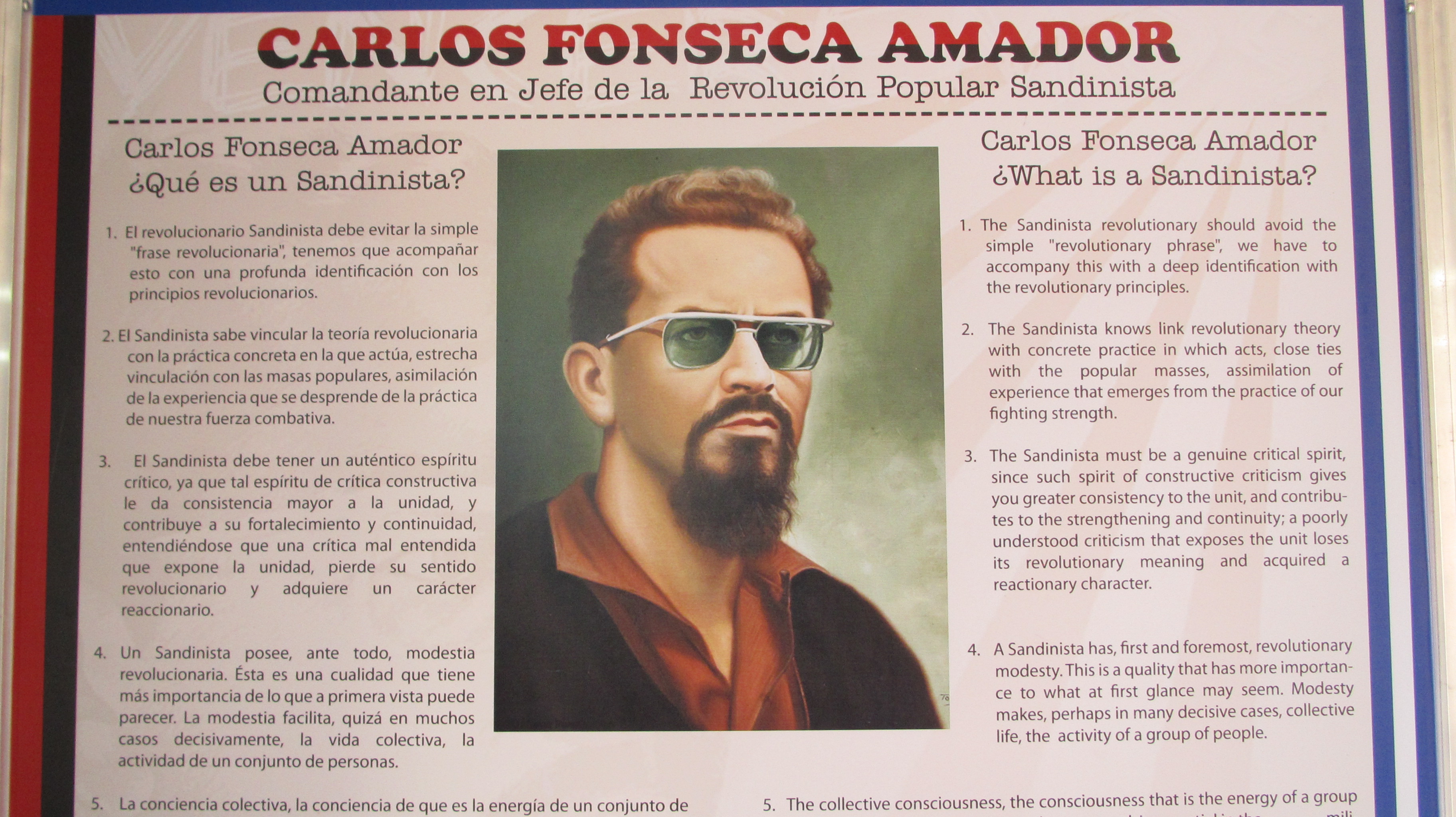
A display at the Carlos Fonseca Museum in Matagalpa.

A display at the Carlos Fonseca Museum in Matagalpa.

When Pedro Joaquin Chamorro, editor of the national newspaper and critic of Somoza, was assassinated by the government on January 10, 1978, a mass insurrection was triggered. By the end of Summer, armed youths took over Matagalpa while factions of the FSLN and civilian recruits had the National Guard under siege in Managua, Masaya, León, Chinandega and Estelí. On July 19, 1979, FSLN forces entered the capital and officially assumed power. Just two days before, Anastasio Somoza Debayle resigned and fled to Miami. He was killed a year later by a rocket attack from members of the Argentinian Revolutionary Workers Party while in exile in Paraguay.

Though the Sandinista government inherited a country in ruins and over a billion dollars in debt, they had an ambitious platform which included:

  • nationalization of property owned by the Somozas and their supporters
  • improved rural and urban working conditions
  • free unionization for all workers, both urban and rural
  • price fixing for commodities of basic necessity
  • improved public services, housing conditions, education
  • abolition of torture, political assassination and the death penalty
  • protection of democratic liberties
  • equality for women
  • non-aligned foreign policy

The Sandinistas had early successes with their education and literacy programs but were soon hindered by emerging conflicts with counter-revolutionary Contra forces heavily financed, armed and trained by the CIA. Investigations into the Iran-Contra scandal revealed some of the funding was acquired through arms sales to Iran and drug shipments to U.S. inner cities (read Gary Webb’s Dark Alliance for more about this). Despite strong support for the opposition by the U.S., the FSLN’s Daniel Ortega won the 1984 elections. Less than a year later the Reagan administration implemented a complete embargo on U.S. trade with Nicaragua that would last five years. By the late 80s, the continuing Contra campaign was notorious for human rights violations, corruption and terrorism. In August 1987, Costa Rican president Oscar Arias Sanchez created a peace accord which led to a ceasefire signed by Contra and Sandinista representatives a year later. Disillusioned by conflict and economic strife (made worse by Reagan’s embargo), Nicaraguan voters elected conservative administrations throughout the 1990s and early 2000s but seeing little improvement and much corruption, they reelected FSLN member Daniel Ortega in 2006 and 2011. So far, there has not yet been radical reforms that corporate investors feared and that more radical liberals hoped for, but Ortega has maintained a skepticism towards capitalism while simultaneously maintaining relations with the U.S. and rivals such as Iran, Libya and Venezuela.

As for how the average Nicaraguan feels about their current situation, opinions seem to vary but I plan to share some of the impressions I got in a future post.

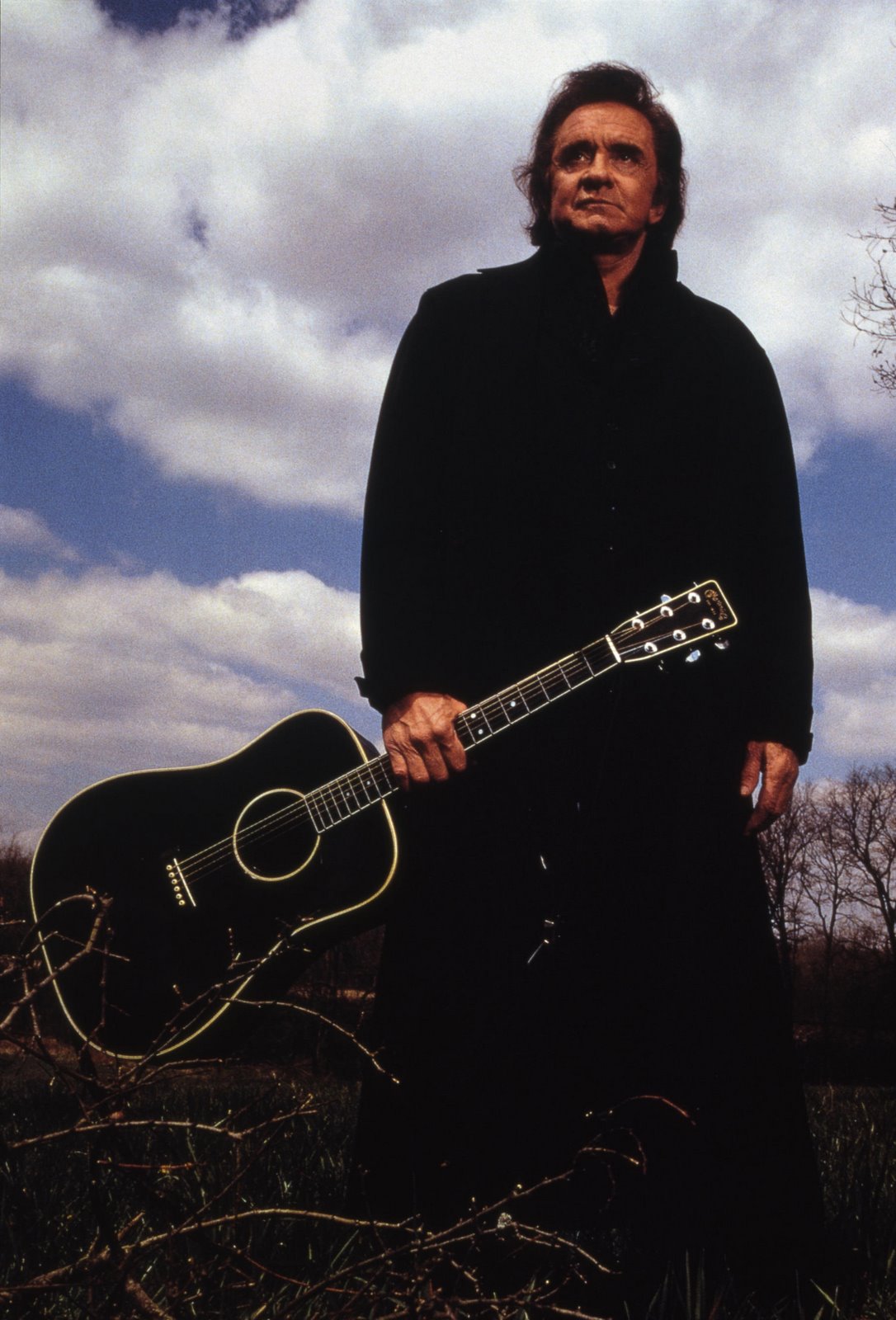
Johnny Cash (February 26, 1932 – September 12, 2003)

johnny-cash-743802

Today marks the anniversary of Johnny Cash’s birthday (he would have been 82). Though I’m not a hardcore fan I can appreciate his contributions to country music and particularly enjoy his song on the following video. According to wikipedia it won a Grammy Award and was directed by Tony Kaye (director of “American History X”) in 2006 and features an interesting mix of famous people who I presume are Johnny Cash fans including (in order of appearance): David Allan Coe (Intro), Iggy Pop, Kanye West, Chris Martin, Kris Kristofferson, Patti Smith, Terrence Howard, Flea, Q-Tip, Adam Levine, Chris Rock, Justin Timberlake, Kate Moss, Sir Peter Blake, Sheryl Crow, Dennis Hopper, Woody Harrelson, Amy Lee, Tommy Lee, The Dixie Chicks, Mick Jones, Sharon Stone, Patricia Arquette, Bono, Shelby Lynne, Anthony Kiedis, Travis Barker, Lisa Marie Presley, Kid Rock, Jay-Z, Keith Richards, Billy Gibbons, Corinne Bailey Rae, Johnny Depp, Graham Nash (holding photos of Johnny Cash), Brian Wilson, Whoopi Goldberg (brief flash), Rick Rubin, and Owen Wilson. As fun as it may be to spot the celebrities, don’t let it distract from the powerful vocals and lyrics.