On the Slow Kill of the World’s Oceans

images

By Aaron Dames

Originally posted at Divided Core on November 1, 2013

It is probable that every major ecological pillar however tenuously stabilizing the structure of the oceans is crumbling. Although some endangered fish populations and coral reef systems are being protected and restored, the seas overall are in deep shit. Overfishing and pollution are reducing biodiversity by killing-off large swaths of ocean life. The destruction of vast marine habitats will have catastrophic repercussions for humanity. [According to some earth scientists, oceanic ecocide poses a greater threat to the existence of humanity than climate change. Higher global temperature averages which melt icecaps and glaciers will lead to higher sea levels and the inundation of a plethora of coastal industries, cities, and urban centers that are responsible for contributing to environmental destruction and the mass production of excessive, heat-trapping, carbon-dioxide emissions. As in times of major economic depressions or financial stagnation, the inundation of coastal megalopolises will result in a decrease of industrial activity which may subsequently benefit nature as a whole (until industrial activity is resumed), but would have horrible consequences for humanity, especially for those hundreds of millions of impoverished coastal inhabitants who already live in deprivation, and who would become environmental refugees in the event of a significant increase in sea levels. (Click here to view an interactive map from National Geographic which depicts how coastlines would change if all glaciers and icecaps on Earth were to melt.)]

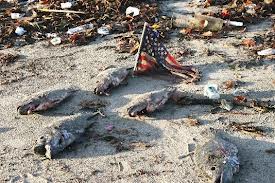
Not that there’s anything wrong with them, but human beings have caused a lot of trouble for life in the world’s oceans. The process in which the destruction of sea life occurs is largely two-fold. Large-scale destructive events like oil spills (Deepwater Horizon) and nuclear power plant disasters (Fukushima) can cause serious damage to the affected aquatic areas. Damage from such disasters is often immediately evident, such as the deformed and eyeless fish and shrimp that appeared in the Gulf of Mexico after the Deepwater Horizon oil spill, or the dying sea lions pups and seals with bleeding lesions that have washed up on beaches in California and Alaska the wake of the Fukushima Daiichi Nuclear Power Plant meltdown. Yet as grave and harmful as they are, explosive, headline-making disasters are less deleterious to life in the seas than the cumulative, synergistic effects of routine human activities such as oceanic commerce, commercial fishing, and pollution. For example, a 2002 study by the National Academy of the Sciences found that the 85 percent of the 29 million gallons of marine oil pollution originating from North America derives from runoff from cars and oil-based machines and accessories (like lawnmowers and household robots) – and the sum of these tiny releases of oil, carried into the ocean by streams and storm drains, is equivalent to an Exxon Valdez oil spill every eight months. [As additional food for thought: there are apparently 90,000 cargo ships in the world. (Incidentally, there are also roughly 760 million vehicles and 30,000 commercial airplanes.) Many of these vessels run off of “bunker fuel,” a byproduct of the oil refining process. The burning of bunker fuels in cargo ships may be responsible for 3.5 – 4% of all carbon-dioxide emissions; and particulate pollution (such as sulphur-dioxide fumes) from cargo ships may contribute to as many as 60,000 human deaths a year. These chemical emission-related figures exclude the effects of pollution produced by navy vessels, cruise ships, and fishing fleets. Also, often overlooked are the human costs involved in the process of shipbreaking, where wretched working conditions plague extremely low-paid laborers, mainly on the Indian subcontinent. For a glimpse into their lives, check out the film Ironeaters.]

Daily activities which contribute to ocean pollution and the depletion of fish stocks are decimating underwater habitats, driving down biodiversity, and have the potential to reduce the populations of certain marine species to irrecoverable extents or down to zero. The elimination of any species from an ecological network could have devastating and unforeseen impacts on the rest of the planet. According to the Monterey Bay Aquarium, “Overfishing may be the single biggest threat to ocean ecosystems. Today, 85 percent of the world’s fisheries are either fully exploited, overexploited or have collapsed. The global fishing fleet is operating at 2.5 times the sustainable level – there are simply too many boats chasing a dwindling number of fish.” Commercial, illegal, and game fishing operations are wiping-out the populations of major fish species, such as bluefin tuna and blue and white marlin; both of which species are likely to be overfished to extinction within the century. Dolphins and small whales are facing extinction off the coast of Japan, where over a million such creatures have been hunted and killed over the past seventy years. 100 million sharks are estimated to be killed by humans every year. (Click here to view a picture that was taken earlier this year and shows thousands of shark fins drying on a rooftop in Hong Kong.) It is unlikely that the current rate of exploitation and depletion can be sufficiently curbed in order to allow time for the dwindling populations of many fish species to recover. For those more interested in the subject of overfishing, I highly recommend watching the film End of the Line.

Pollution is another major force contributing to the demise of life in the oceans. Over the last century immense volumes of trash and industrial chemicals have contaminated whole cross-sections of the oceans. Toxins that enter the oceans are spread throughout food chains, and varying degrees of visible and microscopic waste accumulate in the water and on shores. One diabolical clusterfuck that highlights the deleterious effects of pollution on the marine environment is the Great Pacific Garbage Patch. Like other ocean regions, the North Pacific Ocean has immense gyre-like convergence zones which are formed by wind and rotating currents. The Pacific convergence zones currently contain astronomical quantities of accumulated rubbish, much of which has been or is being broken down into tiny particles of microplastic. Subsisting in the gyres and consuming the plastic are around 260 species of fish, sea turtles, birds, and other sea creatures. These animals often die from the consumption of plastic, which may also end-up in the bodies of the predators that feed off them, or, as in the case of the Laysan albatross, in their young. On the Midway Atoll, where twenty tons of plastic wash up every year, as many as one-third of all albatross chicks die due to eating plastic inadvertently fed to them by their parents.

In addition to plastic, a broad range of manufactured organic and toxic chemicals have made their way into the oceans. Many of these contaminants lodge themselves in the tissues of fish and bioaccumulate as the fish are ingested up the food chain. Studies have found high levels of mercury and industrial chemicals like polychlorinated biphenyls (PCBs) in dolphin and whale meat. What the hell are PCBs? Allow Cathy Britt to explain:

PCBs are manufactured organic chemicals that were primarily used as insulating liquids, such as coolants and lubricants in electrical equipment, but were also used in other common materials such as paints, cement, adhesives, and even the flame retardants used in some children’s clothing…Though production of PCBs was banned in the 1970s because of its harmful effects to the environment, the chemical still presents a significant environmental threat today.

Orcas have accumulated such high concentrations of PCBs that when female orcas breast feed their young, the firstborn calf usually dies as a result of receiving a toxic overdose of PCBs contained in its mother’s fatty-rich breast milk. PCBs and other toxins are also known to cause health problems in other large Artic animals, like polar bears and seals. Although PCBs, some pesticides, and other persistent organic pollutants have been phased out and banned, many industrial chemicals (such as brominated flame-retardants) are still widely used and find their way into the oceans. Humans are not immune to this process of bioaccumulation, and toxins are accruing in the bodies of people as a result of eating fish. But perhaps the real blow will come later, when there are no more fish to eat.

Human beings are carrying out a slow kill of the world’s seas, as well as on much of the planet’s other ecosystems. Modern man finds himself in living in a paradox where he knows more than ever about how the natural world functions, and nevertheless the natural world is in its worst shape yet due to how modern man mistreats it. How is that we can care so much about ourselves and our friends and family, but so little about others and the natural systems that we depend on to survive? The Earth revolves through day and night, and it seems that billions of people are clocking-in and out of shifts to partake in the wholesale destruction of the world on their side of the planet. If the day arrives when the seas have become polluted dead zones void of great shoals of fish – assuming there will be humans to witness it, they’ll look out across the grey and desolate tides toward the bleak horizon and ask, “How did we let this happen?” And this is the answer: We let it happen through stupidity, laziness, arrogance, apathy, and greed. We couldn’t stop gorging ourselves, we couldn’t control our insatiable appetite, and we didn’t think to heed the warnings we were given (though we saw them); we didn’t think to step back, to slow down, and to stop ourselves and each other. It was a free for all, and we didn’t care enough about our world and Mother Nature to make a difference and to save her oceans from death. We are like addicts, and we only take; we always take, and we never give back. And in her darkest hour, when nature desperately needed a hand – when her battered reefs became bleached and white like bones, when her bays became choked with smog and clogged with oil, when the whales and dolphins were beaching themselves in mass die-offs along the shores, when the nets that we cast came back with less and less until there was nothing – when she needed us most, we refused to reach out and instead we looked the other way in betrayal. But it doesn’t have to be that way. You can leave this planet in better shape than you found it. You can try to make a difference and stand up for those creatures on this planet that can’t stand up for themselves; even if it doesn’t work, they’ll appreciate that you tried. And you’ll also feel a lot better about yourself that you did.

The Real Reason U.S. Government Targets Whistleblowers

BHO Prosecutes Whistleblowers_thumb[1]

I’ve mentioned in past posts such as this my thoughts on reasons behind the government’s war on whistleblowers, and it has nothing to do with protecting national security (except in the sense of protecting criminals working within the national security state). Recently, Washington’s Blog supported this view in greater detail with an abundance of documentation and the following commentary:

…Indeed, the worse the acts by officials, the more they say we it must be covered up … for “the good of the country”.

…Obviously, the government wants to stop whistleblowers because they interfere with the government’s ability to act in an unaccountable manner. As Glenn Greenwald writes:

It should not be difficult to understand why the Obama administration is so fixated on intimidating whistleblowers and going far beyond any prior administration – including those of the secrecy-obsessed Richard Nixon and George W Bush – to plug all leaks. It’s because those methods are the only ones preventing the US government from doing whatever it wants in complete secrecy and without any accountability of any kind.

But whistleblowers also interfere with the government’s ability to get away with hypocrisy. As two political science professors from George Washington University (Henry Farrell and Martha Finnemore) show, the government is so hell-bent to punish Manning and Snowden because their leaks are putting an end to the ability of the US to use hypocrisy as a weapon:

The U.S. establishment has often struggled to explain exactly why these leakers [Manning, Snowden, etc.] pose such an enormous threat.

The deeper threat that leakers such as Manning and Snowden pose is more subtle than a direct assault on U.S. national security: they undermine Washington’s ability to act hypocritically and get away with it. Their danger lies not in the new information that they reveal but in the documented confirmation they provide of what the United States is actually doing and why. When these deeds turn out to clash with the government’s public rhetoric, as they so often do, it becomes harder for U.S. allies to overlook Washington’s covert behavior and easier for U.S. adversaries to justify their own.

As the United States finds itself less able to deny the gaps between its actions and its words, it will face increasingly difficult choices — and may ultimately be compelled to start practicing what it preaches. Hypocrisy is central to Washington’s soft power — its ability to get other countries to accept the legitimacy of its actions — yet few Americans appreciate its role.

Manning’s and Snowden’s leaks mark the beginning of a new era in which the U.S. government can no longer count on keeping its secret behavior secret. Hundreds of thousands of Americans today have access to classified documents that would embarrass the country if they were publicly circulated. As the recent revelations show, in the age of the cell-phone camera and the flash drive, even the most draconian laws and reprisals will not prevent this information from leaking out. As a result, Washington faces what can be described as an accelerating hypocrisy collapse — a dramatic narrowing of the country’s room to maneuver between its stated aspirations and its sometimes sordid pursuit of self-interest. The U.S. government, its friends, and its foes can no longer plausibly deny the dark side of U.S. foreign policy and will have to address it head-on.

The era of easy hypocrisy is over.

Professors Farrell and Finnemore note that the government has several options for dealing with ongoing leaks. They conclude that the best would be for the government to actually do what it says.

What a novel idea …

As examples of the hypocrisy Farrell and Finnemore were talking about, Washington’s Blog listed the following:

  • Labeled indiscriminate killing of civilians as terrorism. Yet the American military indiscriminately kills innocent civilians (and see this), calling it “carefully targeted strikes”. For example, when Al Qaeda, Syrians or others target people attending funerals of those killed – or those attempting to rescue people who have been injured by – previous attacks, we rightfully label it terrorism. But the U.S. government does exactly the same thing (more), pretending that it is all okay
  • Scolded tyrants who launch aggressive wars to grab power or plunder resources. But we ourselves have launched a series of wars for oil (and here) and gas

Read the complete article here: http://www.washingtonsblog.com/2013/10/the-real-reason-u-s-targets-whistleblowers.html

Chemtrails: A Planetary Catastrophe

chemtrails-292x300

Originally posted at GeoEngineering Watch on September 20, 2013

Planet Earth has been besieged by many and diverse scientific experiments over the past one hundred years. Applied science and technology have seen a literal explosion of top secret and highly classified operations conducted in the atmosphere, throughout the planetary surface, as well as deep within the Earth’s crust. However, none comes close to the degree of round-the-clock damage inflicted on the biosphere as the DARPA-sponsored program of geo-engineering.

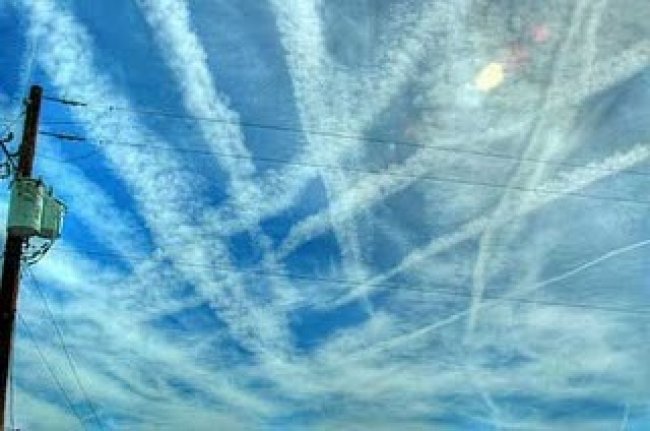
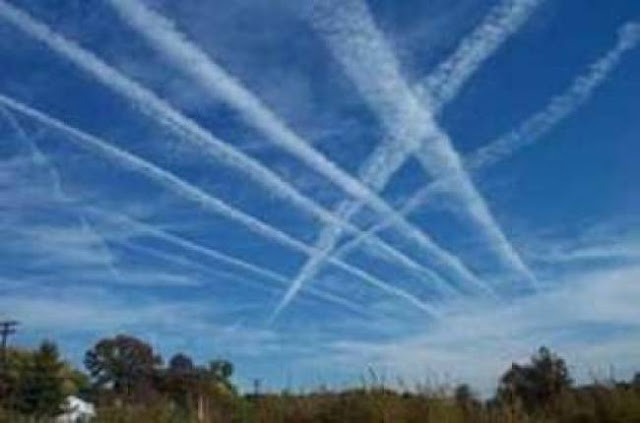
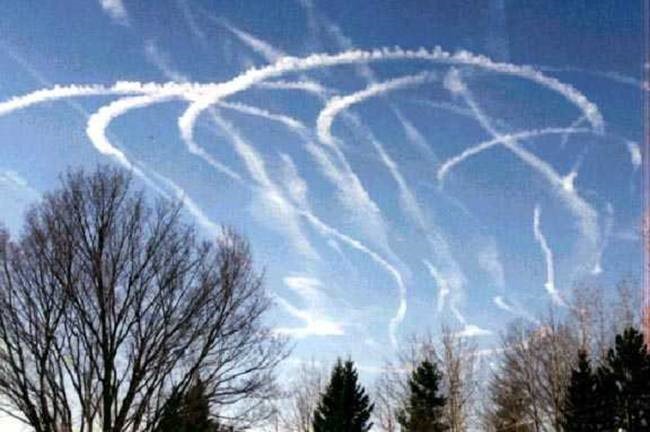
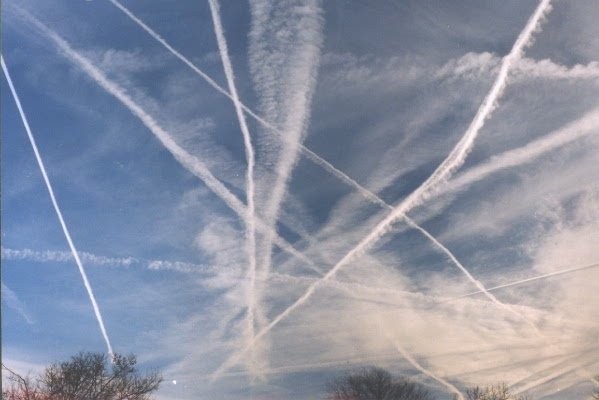
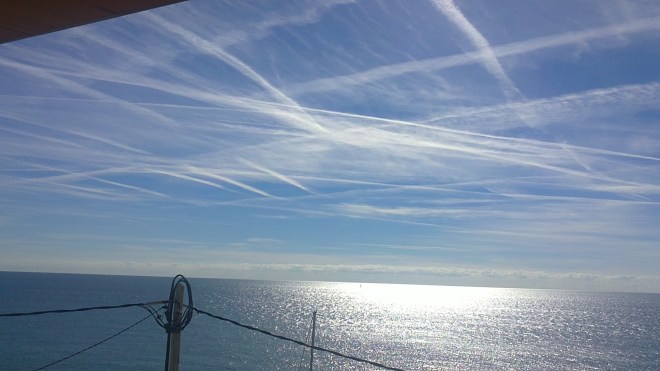
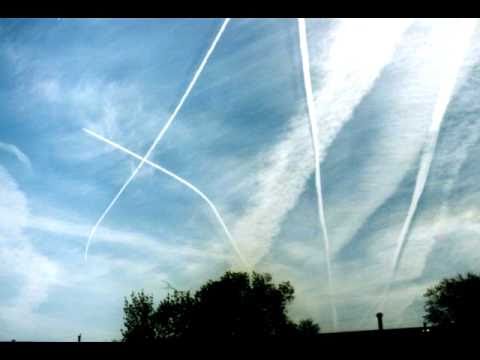
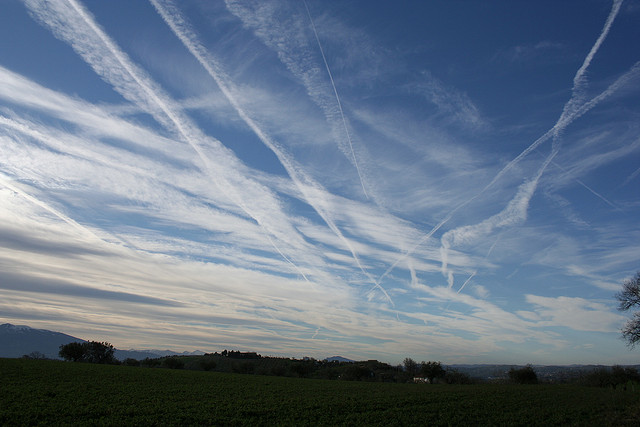
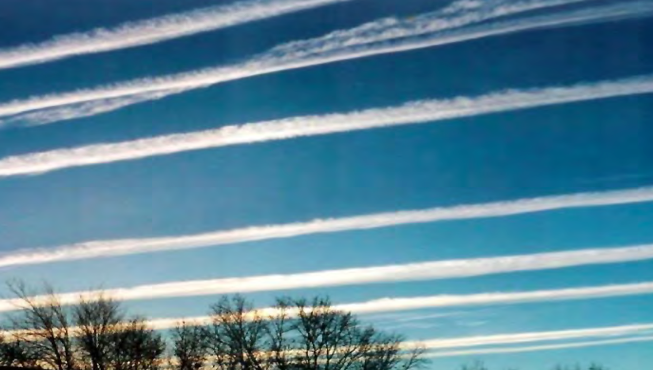
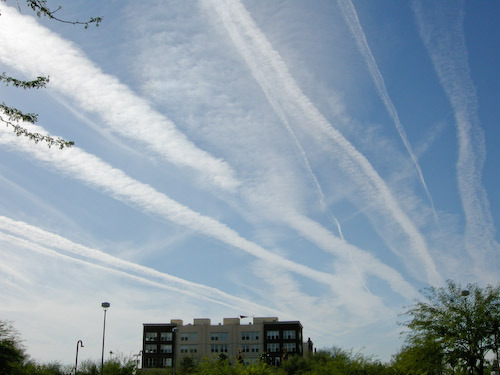
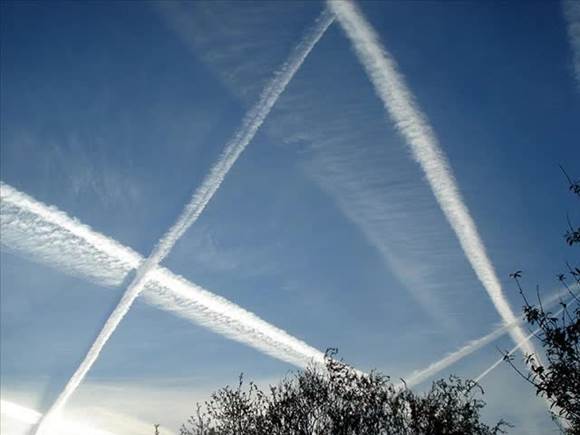
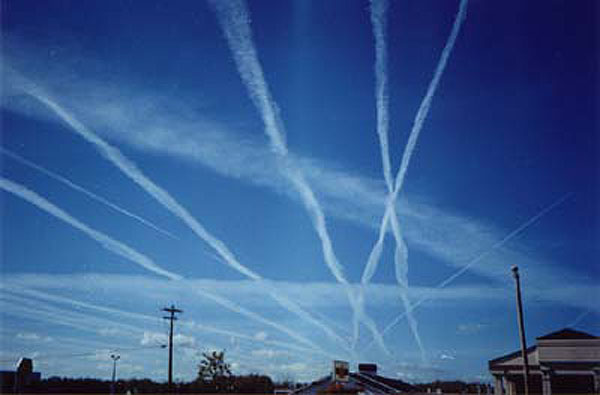
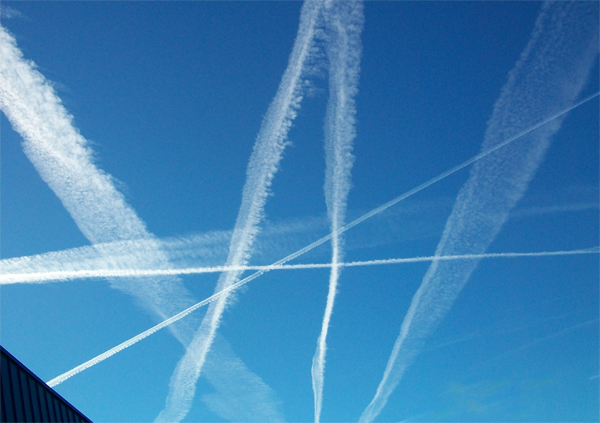
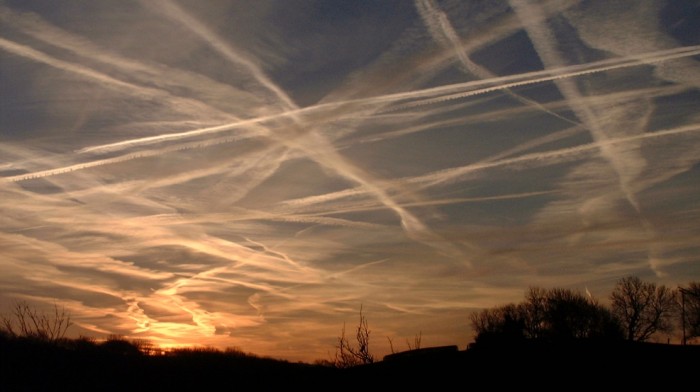
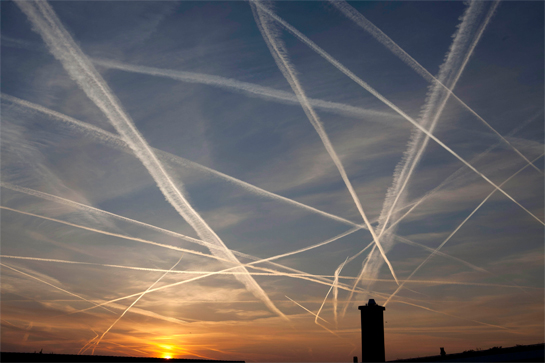
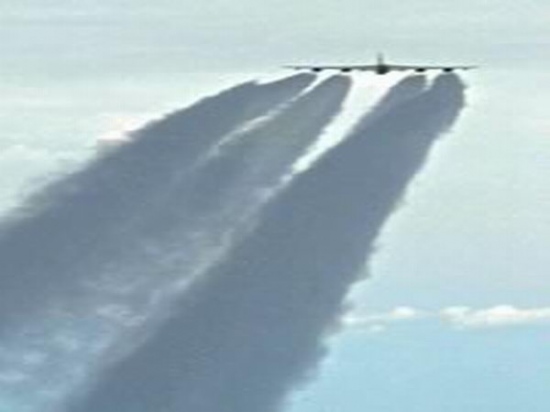
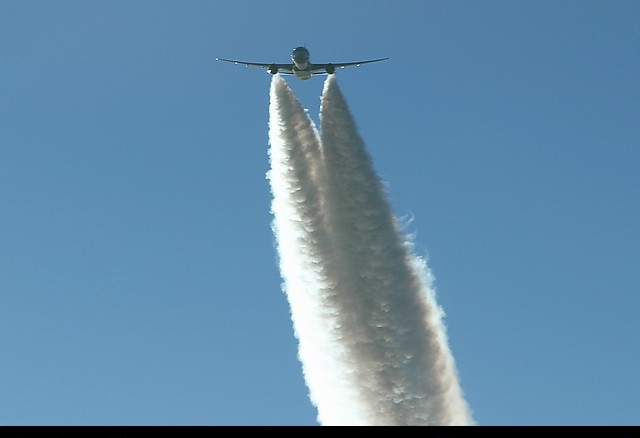
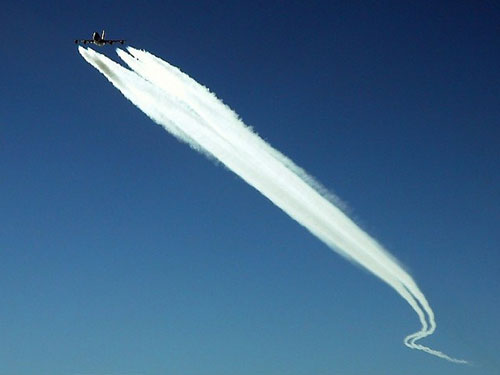
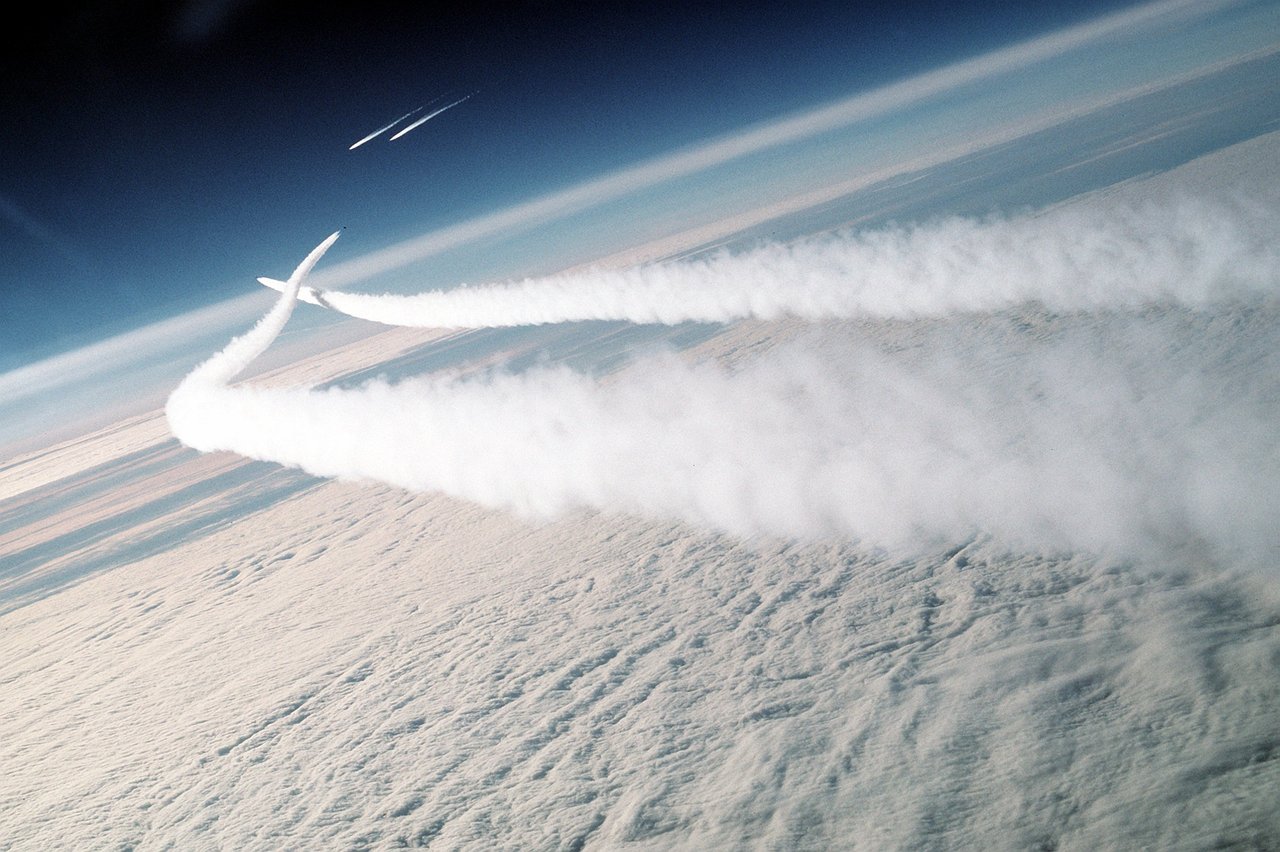
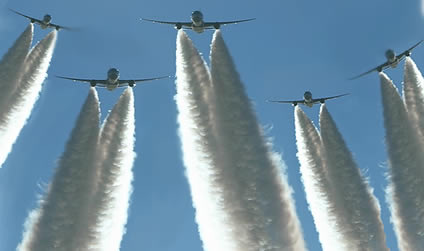
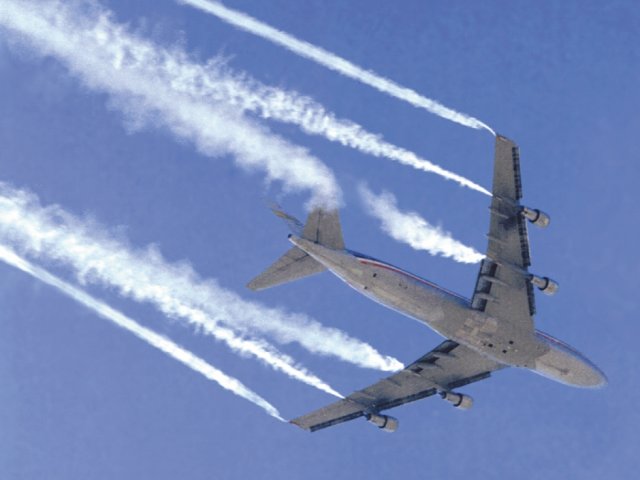
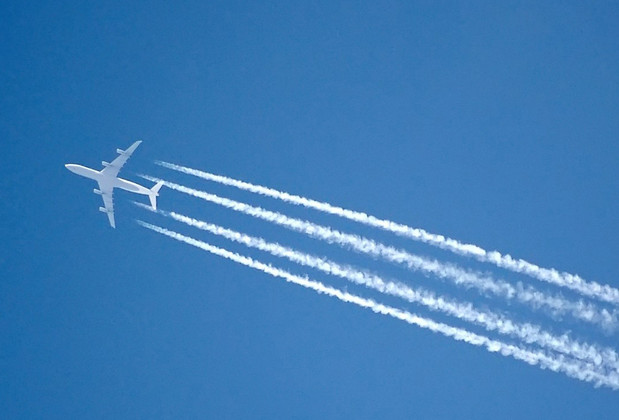
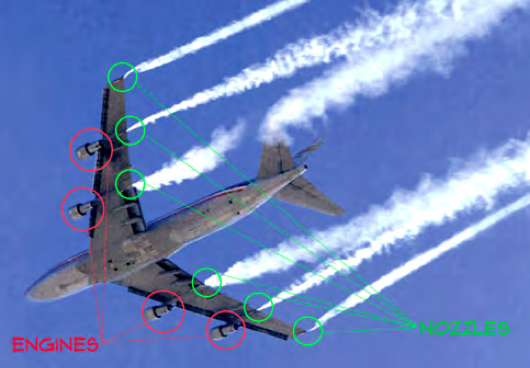
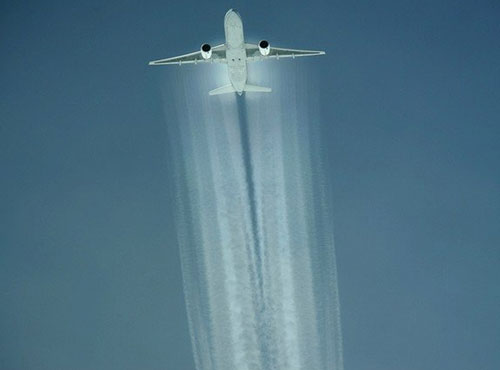
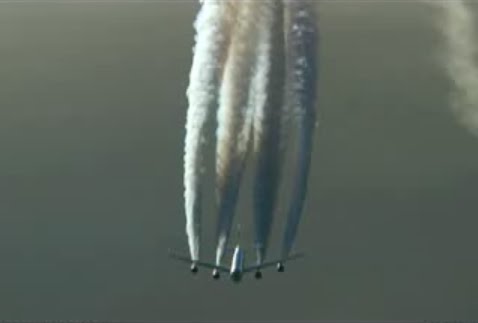
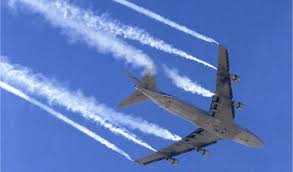
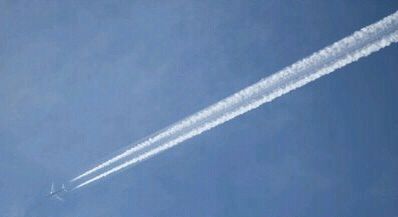
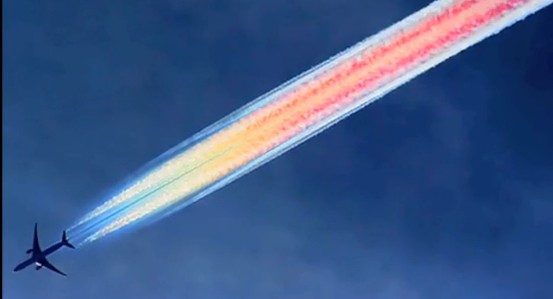
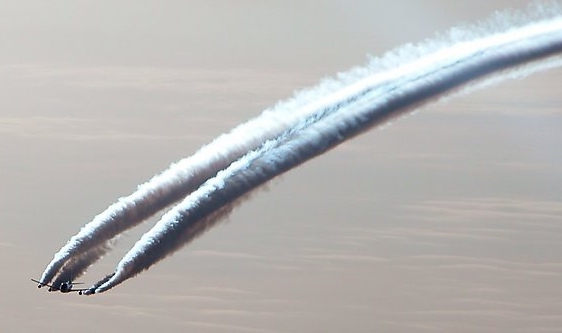
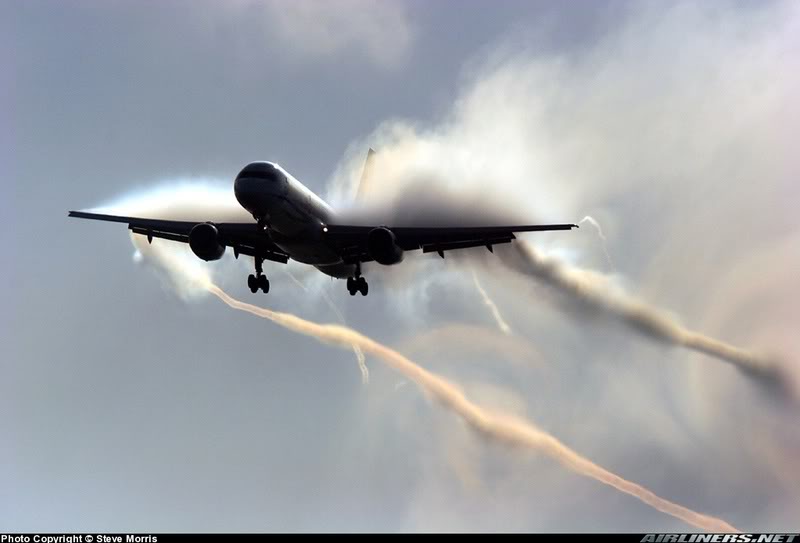
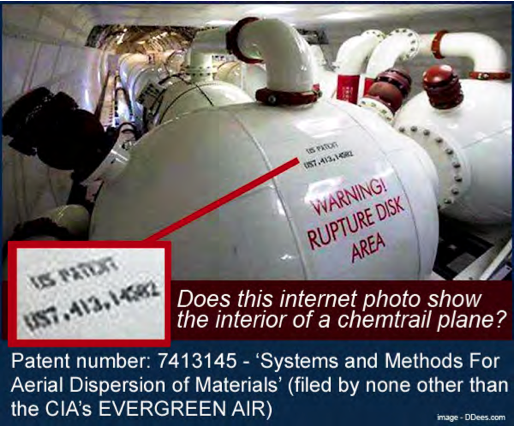
Just one component of this secret geo-engineering program is known as chemtrails. For those who have never heard of chemtrails, they are not to be confused with contrails, which are the normal exhaust vapors ejected from jet engines in flight. Here is a photo of numerous chemtrails having just been laid down by special jets equipped to do the job:

Can you imagine that the government has labeled these chemtrails as normal contrail activity?

Geoengineeringwatch.org
(This website is the most definitive on the internet regarding geoengineering, chemtrails, and other related subjects which inform the thesis:
Geo-engineering is systematically pushing the planet past points of no return because of the convergence of several other destructive paradigms.)

Every reader of this article needs to understand that, where it concerns the outright destruction of the human habitat, geo-engineering reigns supreme in it’s potential to render the planet unfit for life … all life — human, animal, and plant. Geo-engineering has so many different facets to it, each of which are extraordinarily harmful to all levels of the Earth’s atmosphere, the entire surface environment, as well as the subterranean geology and oceans of the world.

So dangerous and little understood are the far-reaching repercussions of this geo-engineering assault that those of us who are initiated in this realm wonder if we are literally “one minute to midnight“.

For the reader’s benefit we have included a short photo-documentary so that all doubt will be removed as to the pervasiveness and relentlessness of chemtrail spraying of the skies throughout the world.
image004

image006

image008

image009

image011

image012

image013

image015

image017

image019

image020

image021

image022

image024

image027

image028

image030

image032

image033

Surely we have made the point by now, and that point is well taken. If not, then one is necessarily compelled to read further.

What exactly is a chemtrail? What are the toxic chemicals they are spraying on us?

“The term chemtrail is a combination of the words “chemical” and “trail,” just as contrail is a contraction of “condensation trail.” The term does not refer to other forms of aerial spraying such as agricultural spraying (‘crop dusting’), cloud seeding, skywriting, or aerial firefighting. The term specifically refers to aerial trails … caused by the systematic high-altitude release of chemical substances not found in ordinary contrails, resulting in the appearance of characteristic sky tracks.

“The chemtrail … trails left by aircraft are chemical or biological agents deliberately sprayed at high altitudes for purposes undisclosed to the general public and directed by various government officials.

“… the existence of chemtrails … phenomena as streams that persist for hours and that, with their criss-cross, grid-like or parallel stripe patterns, eventually blend to form large clouds. Proponents view the presence of visible color spectra in the streams, unusual concentrations of sky tracks in a single area, or lingering tracks left by unmarked or military airplanes flying at atypical altitudes or locations as markers of chemtrails.
– Wikipedia

(You know when Wikipedia provides such an accurate description, superficial though it may be, that there’s much more to this covert op than even the best researchers have been able to determine.)

For a more in depth discussion we will defer to the experts who have scientifically analyzed chemtrails to the greatest extent possible. Their explanation is as good as it gets.
GeoEngineering Watch

As for the chemical components which have been found in their wake, these known toxins can no longer be denied. The following website is a good place to start to answer these two questions.
Geoengineering & Chemtrails: What In The World Are They Spraying? And Why?

Here is a list of chemicals which are routinely disseminated via chemtrail spraying:

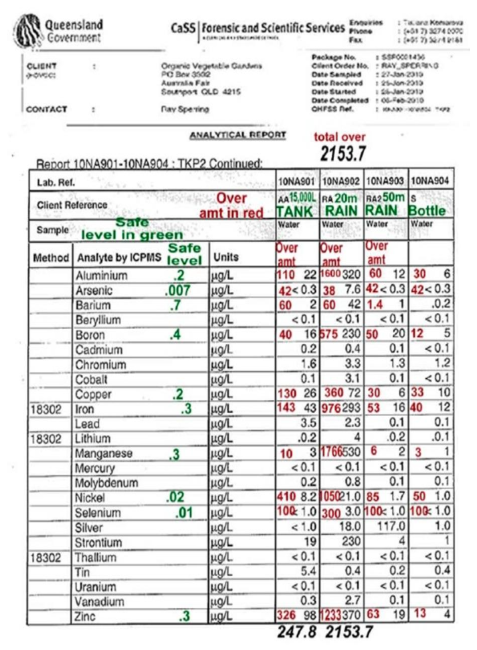
“Over the past decade, independent testing of Chemtrails around the country has shown a dangerous, extremely poisonous brew that includes: barium, nano aluminum-coated fiberglass [known as CHAFF], radioactive thorium, cadmium, chromium, nickel, desiccated blood, mold spores, yellow fungal mycotoxins, ethylene dibromide, and polymer fibers. Barium can be compared to the toxicity of arsenic. Barium is known to adversely affect the heart. Aluminum has a history of damaging brain function. Independent researchers and labs continue to show off-the-scale levels of these poisons. A few “anonymous” officials have acknowledged this on-going aerosol spraying.”[1]

We in no way mean to minimize the incessant injury to human health across the planet which occurs through the breathing and ingestion of the chemicals which are contained in chemtrails. What good can possibly come from barium salts or aluminum oxide or vaporized mercury or strontium 90 or uranium 238 being sprayed throughout the skies worldwide? Clearly, the extremely deleterious effects to human health, as well as to all living organisms, is self evident.

However, the purpose of this essay is not to further unveil their agenda with regard to human engineering of the physical organism. Rather, the scope of this article is to lay bare the most profound and fundamental alterations which geo-engineering is producing to the planet and its atmosphere. When these are both permanently altered in ways that are irreversible, the human race is then confronted with an extinction level event (ELE). Ongoing, slow motion, insidious, under the radar, pernicious to living organisms, but nevertheless an ELE.

Geo-engineering is a term which includes highly advanced forms of applied science and technologies, various newfangled chemical agents and synthetic materials, scientific bending of physical reality, as well as an assortment of reverse engineered modalities which are combined to produce specific outcomes. Because of the complexity of this essentially callow experiment, there are an infinite number of permutations which can be executed at any given time or place. Therefore, the number of opportunities for things to go wrong can be intensified exponentially.

Of course, the Butterfly Effect takes on new and dramatic meaning in the context of geo-engineering because nothing ever happens in a vacuum on this blue orb of ours. In fact, the more that the scientific community attempts to engineer weather (e.g. by manipulating hurricane and tornadoes or creating rain clouds) the more the boomerrang effect takes hold.

“A butterfly flaps its wings somewhere and the wind changes, and a warm front hits a cold front off the coast of western Africa and before you know it you’ve got a hurricane closing in. By the time anyone figured out the storm was coming, it was too late to do anything but batten down the hatches and exercise damage control.”
― Karen Marie Moning, Darkfever

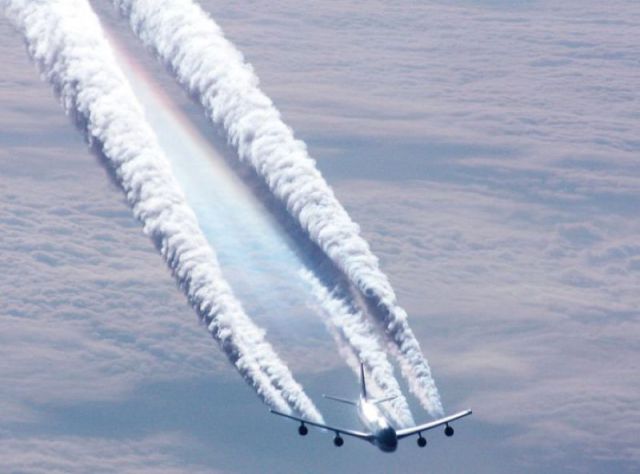
For those who have never seen the actual aerosol sprays being ejected from the planes which are specially equipped, here are just a few snapshots. We only wish to make the point that this global chemtrail operation is certainly a ‘little more’ consequential than a butterfly beating its wings in Brazil or Botswana.

image036

image038

image039 image041 image043

DF-ST-90-05759

image046

image047

image049

image051

image053

image055

image056

image058

image059

image060

image061

image062

image063

image064

image065
HAARP-generated frequencies being conveyed through chemtrail-laden skies

The rapid proliferation of chemtrail spraying over the past few years has greatly increased the opportunities for frequencies to be disseminated through the ‘new’ atmosphere that is being engineered. These frequencies are set to produce a number of different outcomes, the most significant being to slow down the global warming phenomenon which is currently manifesting everywhere on the planet.

Because of such ill-fated attempts to effectuate such drastic changes in weather patterns that have been established for centuries, we now see drought where rain was once plentiful. And monsoons where there was drought.

For instance there are locations in Northern California and Oregon that have been without rain for six months. The forests in that area are literally dying because of lack of water and their consequent weakening which makes them susceptible to pestilence and disease.

Likewise, there are areas in the Southeast such as Florida and South Georgia which have just seen their first monsoon season in modern history. The meteorological dynamics for both of these radical shifts are directly cause by geo-engineering.  In fact, although it is a very complicated story, and one that is almost unbelievable at times, conclusive evidence has been amassed that supports the ubiquitous damage to the environment caused by chemtrails and geo-engineering.

In our next essay we will lay bare the geo-engineering agenda which has given rise to these climatological anomalies. When evaluated in the aggregate around the globe, it will be understood that weather patterns on Planet Earth will never be the same again. It is for this reason that the Cosmic Convergence Research Group (CCRG) has begun this series on Geo-engineering and Chemtrails.

There is perhaps no greater threat to the sustainability of life on Earth than this issue of geo-engineering. One of the primary reasons is because it remains hidden and denied by the governments of the world. Therefore it continues unabated, and is expanded with every turn of the globe.

Those of us who know and have witnessed its exceptionally destructive results, and have protested, have been faced with fierce resistance. We intend to deeply explore the reasons for this unparalleled obstruction, and reveal how critical it is that humankind terminate this agenda once and for all.

For reasons that will become obvious, the CCRG highly recommends the viewing and distribution of the following two videos:

What in the World Are They Spraying? (Full Length)

Why in the World are They Spraying? (Full Length Documentary)

Conclusion:

How can their possibly be a conclusion to this introductory piece on geo-engineering when we’ve barely scratched the surface?

When glaciers that have survived over millennia are melting at record rates, and the polar icecaps are disintegrating before our eyes, one begins to apprehend the gravity of this matter. Were one to objectively assess the catastrophic weather events over the past ten years, it would become readily apparent that forces are at work that cannot be slowed down. Any attempt to do so will only make matters substantially worse. And so they have.

Because of man’s insistence on playing god with the forces of nature, the normal balance has been irrevocably altered. As the scientific community continues to apply a “pharmaceutical approach” to fix things, it is clear that much worse scenarios are being set in motion. By treating the symptoms of a planetary transformation which must take its course, those governments and corporations responsible have essentially thrown more fuel on the fire. The “fire” of global warming (or global climate change, whichever you prefer) will not be extinguished until Mother Earth has completed a requisite period of renewal and rebirth.

It’s now time for the planetary civilization to participate in, rather than impede, this necessary process of planetary metamorphosis.

Cosmic Convergence Research Group
Submitted: September 11, 2013
cosmicconvergence2012@gmail.com

Endnotes:
[1] “Chemtrails: The Consequences of Toxic Metals and Chemical Aerosols on Human Health” By Dr. Ilya Sandra Perlingieri, Global Research, May 12, 2010

Required Reading:
To fully understand why such a fundamentally flawed geo-engineering paradigm
was even created, the following essay will provide some answers:
Cosmic Convergence Accelerates Epochal Planetary Transformation

Author’s Note:
The key take-away from this essay is that geo-engineering represent perhaps the single greatest threat to the biosphere. Because of its pervasiveness and profundity, geo-engineering has the potential to perpetuate numerous self-destructive feedback loops many of which have already been operative for decades.
Especially when considered in the context of 2013 catastophism, geo-engineering may very well provide the straw that breaks the back of Planet Earth. Why? Because of the convergence of so many other ongoing events and processes – both manmade and naturally occurring on the earth and within the solar system – which present considerable stresses to the planetary living environment.
When the multitude of ecosystems start to collapse around the world, those breaking points become history. Each of them may eventually translate to a point of no return, if they haven’t already. As certain key environmental thresholds are exceeded, humankind is challenged to reverse trends which may no longer be possible to reverse.  Too many detrimental and/or counter-productive trajectories are already pointing northward.
It is in this global context which geo-engineering can produce many awesome, unknown, and irrevocable unintended consequences. It appears to serve as a trigger for much of what has already been thrown out of balance. By working synergistically with other negative feedback loops, geo-engineering can also serve to significantly accentuate various downward spirals of planetary and atmospheric degradation.
That’s precisely why it must be terminated — NOW!

image067

image069

image071

image073
image074
image075
image076
image077
image078

Out of the Wild

london20after20people-jj-001

At Orion Magazine, authors William Cronon and Michael Pollan share a stimulating conversation about how language shapes our world. They cover questions such as “what is wild?”, “what is cultivated?”, and “what can these ideas teach us about our relationship to landscape?”. What I found most compelling was the last part of the conversation where they talk about the power and importance of storytelling:

Bill:  Right. Ecology, storytelling, history—they all render connections visible. We make that which is invisible visible through story, and thereby reveal people’s relationships to other living things.

Michael:  Stories establish canons of beauty, too. There is a role for art in changing cultural norms about what’s worth valuing. One hundred fifty years ago, certain people looked at a farm and saw what you might see if you look today at a nuclear power plant or some other degraded landscape. Part of the reason we tell stories is to create fresh value for certain landscapes, certain relationships.

Bill:  And stories make possible acts of moral recognition that we might not otherwise experience. They help us see our own complicity in things we don’t ordinarily see as connected to ourselves.

Michael:  Yes, exactly. That recognition can help remove the condescension in so much environmental writing by showing us that, look, these things we abhor are done in our name, and we are complicit in them, and we need to take account of them. It was Wendell Berry’s idea that the environmental crisis is a crisis of character. The big problem is the result of all the little problems in our everyday lives. That can be a guilt trip, but it doesn’t have to be. You can tell that story in ways that empower people.

Storytelling can also help us find hopeful solutions. For example, when I was writing Omnivore’s Dilemma and I went to Joel Salatin’s farm in Virginia, I learned how his grazing worked—intensive rotational grazing—and he explained to me what happens under the surface, how every time the ruminants come through and shear that pasture and reduce that leaf mass, a roughly equivalent amount of root mass is broken down and turned into soil. I learned that he takes vast amounts of food off this pastureland, without subtracting anything. To the contrary, the sun is feeding the grass, and the grass is feeding the ruminants; the ruminants are feeding us, and they’re also feeding the soil.

I suddenly saw a whole other way of conceiving our relationship to nature, that there are systems that exist, and could exist, that are non zero sum. There is a free lunch in nature: it’s solar energy, which means it isn’t necessarily true that for us to feed ourselves we have to diminish the world.

When you tell an audience that story, it fills them with hope and a sense of possibility, and that’s a function of storytelling. But, of course, it isn’t always so neat. There are questions of scale, and if you eat meat, there are problems with cattle. But I’m always looking for stories that refresh this narrative about nature that we’re so stuck in.

Bill:  Messy stories invite us into politics. They also invite us to laugh at ourselves. And those things together—the ability to laugh, to experience hope, to be inspired toward action at the personal and political levels—these strike me as the work of engaged storytelling in a world we’re trying to change for the better.

Michael:  I do have a lot of faith in the power of stories to do things. My greatest thrill as a writer is when I see people changed by the work, when people tell me that they’ve changed their behavior in some way because of something they’ve read.

One of the things I’ve fought very hard to do with my editors is to talk about alternatives when I talk about problems. For example, if I’m writing an incredibly dark story about industrial meat production and following a cow through the feedlot and slaughterhouse, I really want three paragraphs on the alternative to this system, which is to say, grass-finished beef. Those three paragraphs have more impact than anything else in the piece. And I still hear from ranchers that it was on the day that an article on that topic came out that we began to see the stirrings of a new market for grass-finished beef. “We no longer send them to the auction barn right away,” they tell me. “We’re finishing on grass now.”

Bill:  That’s a good story about storytelling.

Michael:  You have to pass through the dark wilderness of the feedlot before you can get there, but I think that there’s an appetite for hope that journalists don’t often satisfy.

I’ve met people, in their twenties especially, who really hate the model of the investigative article that tells them how messed up things are and doesn’t point to some alternative. True, the alternative you’re proposing can seem tacked on, and it can be incommensurate with the scale of the evils—but I think people want hope, a course of action they can take. This is something many journalists are missing right now. I think if our writing doesn’t include that dimension in some way, we lose people.

Bill:  It strikes me that you’re pointing to a great tradition in the environmental movement, which is the power of good storytelling, going back to Rachel Carson.

Michael:  She was incredibly effective rhetorically. Silent Spring is a very sophisticated piece of work.

Bill:  It’s stunningly done.

Michael:  It’s stunningly done. And it speaks to the power of fictional ideas like wilderness. Carson understood that, even if you’re writing about science, narrative is important. The trick I learned from her is never to talk about “neurotoxins”; instead, you tell the story of the molecule in the cell. Because there’s a narrative everywhere, even at the level of molecules.

Bill:  Maybe that’s a good note for us to end on, don’t you think? The poet Muriel Rukeyser once said that “the world is made of stories, not of atoms.” When we lose track of the narratives that human beings need to suffuse their lives and the world with meaning, we forget what makes the world worth saving. Telling stories is how we remember.

Read the complete transcript here: http://www.orionmagazine.org/index.php/articles/article/7811

NSA Under Fire

(PHOTO by Nemo, 21WIRE/GMN)

(PHOTO by Nemo, 21WIRE/GMN)

The past few days have been especially turbulent ones for the NSA and its Director Keith Alexander. On Friday afternoon the NSA website experienced a shutdown which was widely reported as a denial of service attack, possibly involving members of hacker collective Anonymous. The NSA later claimed the problem was due to an “internal error” during a scheduled update. It goes without saying that we should take what the NSA says with an industrial-sized carton of salt.

On Friday night Foreign Policy magazine reported a multinational coalition has formed in the U.N. to draft a General Resolution to curb the power of the NSA’s surveillance network. The delegations involved include Brazil, Germany, France, Mexico, Cuba, Venezuela, Argentina, Austria, Bolivia, Ecuador, Guyana, Hungary,
India, Indonesia, Liechtenstein, Norway, Paraguay, South Africa,
Sweden, Switzerland, and Uruguay. This action follows the political upheaval caused by Thursday’s release of Snowden documents which revealed at least 35 world leaders were spied on by the NSA. Since it’s doubtful they were under suspicion of terrorism, what’s a more likely explanation for the spying? Blackmail.

Just yesterday a massive “Stop Watching Us” rally demonstrated near the White House demanding an investigation, regulatory reform and accountability for those found to be responsible for unconstitutional surveillance. Twelve large boxes of 575,000 petition signatures were shown to the crowd at the foot of the US Capitol. According to a Reuters report:

The march attracted protesters from both ends of the political spectrum as liberal privacy advocates walked alongside members of the conservative Tea Party movement in opposition to what they say is unlawful government spying on Americans.

The event was organized by a coalition known as “Stop Watching Us” that consists of some 100 public advocacy groups and companies, including the American Civil Liberties Union, privacy group Electronic Frontier Foundation, Occupy Wall Street NYC and the Libertarian Party.

As damaging as the NSA has been to our privacy, they may prove to be more damaging to the government itself. The first steps towards ending an abusive relationship are to snap out of denial, seek support, and address the underlying root of the problem. A positive aspect of the NSA spying scandal is that it’s helping the world wake up to the previously hidden (to many) evil behind the friendly facade. It’s truly a hopeful development to see countries around the world and groups of different political stripes in solidarity organizing around the issue of NSA criminality. We need more of this type of focus and cooperation if we are to confront the sources of our biggest problems and make positive changes in this arena and others.

About the Fainting Diabetic “Saved” by Obama…

obama-bullshit-we-can-believe-in-e1350464225239

A couple days ago Aaron Dykes and Melissa Melton of Truthstream Media released this dissection of a supposedly spontaneous and unusual incident which took place during a recent Obama speech on healthcare:

Even if someone in the audience pointed out to Obama what was happening behind him, it doesn’t explain the utterly unnatural response of the woman next to Karmel who doesn’t even look at her as she’s holding her hand and propping her up. It also doesn’t explain the number of times very similar incidents have occurred in the past. Faintings might be a common occurrence at large public events but to have them play out in almost the exact same way with the same responses makes it more likely to be scripted political theater.

This video was posted on Cryptogon.com and is much like the “TeamWakeEmUp” clip referenced on the Truthstream video:

The latest fainting incident may have been used to hammer in the point about why we need Obamacare and to distract from embarrassing aspects such as the website access problems, but it must have more important uses for it to be used so many times. Corporations and interest groups spend vast amounts of money to get their people into office. High level politicians are too much of an investment risk to allow to act independently so they must work with teams of advisers, speech writers and PR experts. It’s not hard to see what they would gain from the false-fainting ploy. In some situations it could be a distraction but it also adds an element of surprise, fear, reassurance and a little bit of humor which makes the event more dramatic, emotionally resonant and memorable. It also serves to humanize the speaker while simultaneously endowing them with heroic and paternal qualities: attentiveness, assertiveness, cool headed-ness, compassion, and expertise. This strategy would of course work much better in the days before independent media reports and YouTube compilation clips but those could always be dismissed as delusions of “truthers” and conspiracy theorists.

Are We Living In a Police State?

police-share-1

Based on the criteria listed by Sibel Edmonds here, we definitely are. Even folks at the “Top Criminal Justice Degrees” website (Your Online Guide to the Best Criminal Justice Degrees) seem to think so.

The Militarization of the Police
Image source: www.topcriminaljusticedegrees.org

The Militarization of the Police

Are we living in a police state?

– There has been a 4000% increase in “no knock,” militarily-armed swat team raids over the past thirty years.
– Mid 80’s: 2,000-3,000 raids per year[1]
– Present day: 80,000 raid estimate[1]
– ——————
– Pros:
– –Element of Surprise
– –Suspect can’t destroy evidence
– Cons:
– –Invasion of privacy
– –Seconds for suspect to decide if these or cops or break in.
– –Faulty intelligence

– ————
Case Study

– Basics:[4]
– Ogden, Utah. 1/4/12 8:40 pm.
– Local swat team battered down Matthew David Stewart’s door with no warning. Thinking his home was being invaded, Stewart readied his pistol.
– Stewart: 31 rounds fired
– Swat: 250 rounds fired
– Tip: Stewart’s girlfriend saying he might be growing weed.
– Previous record: Clean, veteran.
– Result: 6 wounded swat. 1 killed. Stewart shot twice.
– Findings: 16 small pot plants. No intent to sell.
– Outcome: Upon losing hearing about search warrent legality. Stewart hangs himself in jail cell.

– ————-

And that’s just one of potentially hundreds of similar tragedies.

– Spotlight: NY
– 1994: 1,447 swat style drug raids
– 2002: 5,117
– “I have my own army in the NYPD–the seventh largest army in the world.” Michael Bloomberg

– ————
– Swat Armament:[3]
– Submachine Guns
– Automatic Weapons
– Breaching Shotguns
– Sniper Rifles
– Stun Grenades
– Heavy Body Armor
– Motion Detectors
– Advanced Night Vision Wear
– Armored Personal Carriers
– “From the Gulf war to the drug war–Battle proven” Heckler and Koch’s slogan for the M5[6]

– ————-

These “criminals” are heavily armed too, right?

– WRONG:
– [Weapon used in violent crime: %]
– Gun: 12.7%
– Knife: 10.1%
– Other: 12.1%
– Unknown weapon: 1.8%
– None: 55.8%
– Don’t Know: 5.8%

– —-
– So how can we allow this? The fact is, we don’t.
– 1970: The “no-knock” law is passed with the beginning of the war on drugs.
– 1974: The law was repealed.
– Today: “No knock” happens ALL THE TIME.
– ——
– Leading to more and more unecessary, intrusive, illegal, and deadly SWAT raids.
– Raids leading to civilian injuries, death, or intrusion of the privacy of innocents.
– While injuries from “no knock” raids have been around since the inception of the swat team. Paramilitary like brutality has become a feature of the increasing armed SWAT of the last 10 years.

– Using the military in civic life is like using a hammer when you need a butter knife. There’s bound to be collateral damage. It could happen to you, your neighbors, your friends, or your family. Speak out against the militarization of the police.
Citations- http://usatoday30.usatoday.com/news/nation/2011-02-14-noknock14_ST_N.htm
https://www.aclu.org/blog/criminal-law-reform-free-speech-technology-and-liberty/too-many-cops-are-told-theyre-soldiers
http://en.wikipedia.org/wiki/SWAT
http://online.wsj.com/article/SB10001424127887323848804578608040780519904.html?mod=WSJ_hpp_LEFTTopStories
http://www.cato.org/raidmap


Update 10/25:

Lee Camp recently posted his thoughts on the topic of police militarization: