“Big Brother is Watching You.”―George Orwell, 1984
2024 is the new 1984.
Forty years past the time that George Orwell envisioned the stomping boot of Big Brother, the police state is about to pass off the baton to the surveillance state.
Fueled by a melding of government and corporate power—the rise of the security industrial complex—this watershed moment sounds a death knell for our privacy rights.
An unofficial fourth branch of government, the Surveillance State came into being without any electoral mandate or constitutional referendum, and yet it possesses superpowers, above and beyond those of any other government agency save the military.
It operates beyond the reach of the president, Congress and the courts, and it marches in lockstep with the corporate elite who really call the shots in Washington, DC.
This is the new face of tyranny in America: all-knowing, all-seeing and all-powerful.
Tread cautiously.
Empowered by advances in surveillance technology and emboldened by rapidly expanding public-private partnerships between law enforcement, the Intelligence Community, and the private sector, the Surveillance State is making the fictional world of 1984, Orwell’s dystopian nightmare, our looming reality.
1984 portrays a global society of total control in which people are not allowed to have thoughts that in any way disagree with the corporate state. There is no personal freedom, and advanced technology has become the driving force behind a surveillance-driven society. Snitches and cameras are everywhere. People are subject to the Thought Police, who deal with anyone guilty of thought crimes. The government, or “Party,” is headed by Big Brother who appears on posters everywhere with the words: “Big Brother is watching you.”
Indeed, in our present age of ubiquitous surveillance, there are no private lives.
Everything is increasingly public.
What we are witnessing, in the so-called name of security and efficiency, is the creation of a new class system comprised of the watched (average Americans such as you and me) and the watchers (government bureaucrats, technicians and private corporations).
We now find ourselves in the unenviable position of being monitored, managed and controlled by our technology, which answers not to us but to our government and corporate rulers.
This is the fact-is-stranger-than-fiction lesson that is being pounded into us on a daily basis.
There are roughly one billion surveillance cameras worldwide and that number continues to grow, thanks to their wholehearted adoption by governments (especially law enforcement and military agencies), businesses, and individual consumers.
Surveillance cameras mounted on utility poles, traffic lights, businesses, and homes. Ring doorbells. GPS devices. Dash cameras. Drones. Store security cameras. Geofencing and geotracking. FitBits. Alexa. Internet-connected devices.
Stingray devices, facial recognition technology, body cameras, automated license plate readers, gunshot detection, predictive policing software, AI-enhanced video analytics, real-time crime centers, fusion centers: all of these technologies and surveillance programs rely on public-private partnerships that together create a sticky spiderweb from which there is no escape.
With every new surveillance device we welcome into our lives, the government gains yet another toehold into our private worlds.
As the cost of these technologies becomes more affordable for the average consumer, an effort underwritten by the tech industry and encouraged by law enforcement agencies and local governing boards, which in turn benefit from access to surveillance they don’t need to include in their budgets, big cities, small towns, urban, suburban and rural communities alike are adding themselves to the surveillance state’s interconnected grid.
What this adds up to for government agencies (that is, FBI, NSA, DHS agents, etc., as well as local police) is a surveillance map that allows them to track someone’s movements over time and space, hopscotching from doorbell camera feeds and business security cameras to public cameras on utility poles, license plate readers, traffic cameras, drones, etc.
It has all but eliminated the notion of privacy enshrined in the Fourth Amendment and radically re-drawn the line of demarcation between our public and private selves.
The police state has become particularly adept at sidestepping the Fourth Amendment, empowered by advances in surveillance technology and emboldened by rapidly expanding public-private partnerships between law enforcement, the Intelligence Community, and the private sector.
Over the past 50-plus years, surveillance has brought about a series of revolutions in how governments govern and populations are policed to the detriment of us all. Cybersecurity expert Adam Scott Wandt has identified three such revolutions.
The first surveillance revolution came about as a result of government video cameras being installed in public areas. There were a reported 51 million surveillance cameras blanketing the United States in 2022. It’s estimated that Americans are caught on camera an average of 238 times every week (160 times per week while driving; 40 times per week at work; 24 times per week while out running errands and shopping; and 14 times per week through various other channels and activities). That doesn’t even touch on the coverage by surveillance drones, which remain a relatively covert part of police spying operations.
The second revolution occurred when law enforcement agencies started forging public-private partnerships with commercial establishments like banks and drug stores and parking lots in order to gain access to their live surveillance feeds. The use of automatic license plate readers (manufactured and distributed by the likes of Flock Safety), once deployed exclusively by police and now spreading to home owners associations and gated communities, extends the reach of the surveillance state that much further afield. It’s a win-win for police budgets and local legislatures when they can persuade businesses and residential communities to shoulder the costs of the equipment and share the footage, and they can conscript the citizenry to spy on each other through crowdsourced surveillance.
The third revolution was ushered in with the growing popularity of doorbell cameras such as Ring, Amazon’s video surveillance doorbell, and Google’s Nest Cam.
Amazon has been particularly aggressive in its pursuit of a relationship with police, enlisting them in its marketing efforts, and going so far as to hosting parties for police, providing free Ring doorbells and deep discounts, sharing “active camera” maps of Ring owners, allowing access to the Law Enforcement Neighborhood Portal, which enables police to directly contact owners for access to their footage, and coaching police on how to obtain footage without a warrant.
Ring currently partners with upwards of 2,161 law enforcement agencies and 455 fire departments, and that number grows exponentially every year. As Vice reports, “Ring has also heavily pursued city discount programs and private alliances with neighborhood watch groups. When cities provide free or discounted Ring cameras, they sometimes create camera registries, and police sometimes order people to aim Ring cameras at their neighbors, or only give cameras to people surveilled by neighborhood watches.”
In November 2022, San Francisco police gained access to the live footage of privately owned internet cameras as opposed to merely being able to access recorded footage. No longer do police even have to request permission of homeowners for such access: increasingly, corporations have given police access to footage as part of their so-called criminal investigations with or without court orders.
The fourth revolutionary shift may well be the use of facial recognition software and artificial intelligence-powered programs that can track people by their biometrics, clothing, behavior and car, thereby synthesizing the many strands of surveillance video footage into one cohesive narrative, which privacy advocates refer to as 360 degree surveillance.
While the guarantee of safety afforded by these surveillance nerve centers remains dubious, at best, there is no disguising their contribution in effecting a sea change towards outright authoritarianism.
For instance, as an in-depth investigative report by the Associated Press concludes, the very same mass surveillance technologies that were supposedly so necessary to fight the spread of COVID-19 are now being used to stifle dissent, persecute activists, harass marginalized communities, and link people’s health information to other surveillance and law enforcement tools.
As the AP reports, federal officials have also been looking into how to add “‘identifiable patient data,’ such as mental health, substance use and behavioral health information from group homes, shelters, jails, detox facilities and schools,” to its surveillance toolkit.
These cameras—and the public-private eyes peering at us through them—are re-engineering a society structured around the aesthetic of fear and, in the process, empowering “people to not just watch their neighborhood, but to organize as watchers,” creating not just digital neighborhood watches but digital gated communities.
Finally, there is a repressive, suppressive effect to surveillance that not only acts as a potentially small deterrent on crime but serves to monitor and chill lawful First Amendment activity.
As Matthew Feeney warns in the New York Times, “In the past, Communists, civil rights leaders, feminists, Quakers, folk singers, war protesters and others have been on the receiving end of law enforcement surveillance. No one knows who the next target will be.”
No one knows, but it’s a pretty good bet that the surveillance state will be keeping a close watch on anyone seen as a threat to the government’s chokehold on power.
Get ready for the next phase of the government’s war on thought crimes: mental health round-ups and involuntary detentions.
Under the guise of public health and safety, the government could use mental health care as a pretext for targeting and locking up dissidents, activists and anyone unfortunate enough to be placed on a government watch list.
In New York City, for example, you could find yourself forcibly hospitalized for suspected mental illness if you carry “firmly held beliefs not congruent with cultural ideas,” exhibit a “willingness to engage in meaningful discussion,” have “excessive fears of specific stimuli,” or refuse “voluntary treatment recommendations.”
While these programs are ostensibly aimed at getting the homeless off the streets, when combined with advances in mass surveillance technologies, artificial intelligence-powered programs that can track people by their biometrics and behavior, mental health sensor data (tracked by wearable data and monitored by government agencies such as HARPA), threat assessments, behavioral sensing warnings, precrime initiatives, red flag gun laws, and mental health first-aid programs aimed at training gatekeepers to identify who might pose a threat to public safety, they could well signal a tipping point in the government’s efforts to penalize those engaging in so-called “thought crimes.”
As the AP reports, federal officials are already looking into how to add “‘identifiable patient data,’ such as mental health, substance use and behavioral health information from group homes, shelters, jails, detox facilities and schools,” to its surveillance toolkit.
Make no mistake: these are the building blocks for an American gulag no less sinister than that of the gulags of the Cold War-era Soviet Union.
The word “gulag” refers to a labor or concentration camp where prisoners (oftentimes political prisoners or so-called “enemies of the state,” real or imagined) were imprisoned as punishment for their crimes against the state.
Totalitarian regimes such as the Soviet Union also declared dissidents mentally ill and consigned political prisoners to prisons disguised as psychiatric hospitals, where they could be isolated from the rest of society, their ideas discredited, and subjected to electric shocks, drugs and various medical procedures to break them physically and mentally.
In addition to declaring political dissidents mentally unsound, government officials in the Cold War-era Soviet Union also made use of an administrative process for dealing with individuals who were considered a bad influence on others or troublemakers. Author George Kennan describes a process in which:
The obnoxious person may not be guilty of any crime . . . but if, in the opinion of the local authorities, his presence in a particular place is “prejudicial to public order” or “incompatible with public tranquility,” he may be arrested without warrant, may be held from two weeks to two years in prison, and may then be removed by force to any other place within the limits of the empire and there be put under police surveillance for a period of from one to ten years.
The age-old practice by which despotic regimes eliminate their critics or potential adversaries by making them disappear—or forcing them to flee—or exiling them literally or figuratively or virtually from their fellow citizens—is happening with increasing frequency in America.
Now, through the use of red flag laws, behavioral threat assessments, and pre-crime policing prevention programs, the groundwork is being laid that would allow the government to weaponize the label of mental illness as a means of exiling those whistleblowers, dissidents and freedom fighters who refuse to march in lockstep with its dictates.
That the government is using the charge of mental illness as the means by which to immobilize (and disarm) its critics is diabolical. With one stroke of a magistrate’s pen, these individuals are declared mentally ill, locked away against their will, and stripped of their constitutional rights.
These developments are merely the realization of various U.S. government initiatives dating back to 2009, including one dubbed Operation Vigilant Eagle which calls for surveillance of military veterans returning from Iraq and Afghanistan, characterizing them as extremists and potential domestic terrorist threats because they may be “disgruntled, disillusioned or suffering from the psychological effects of war.”
Coupled with the report on “Rightwing Extremism: Current Economic and Political Climate Fueling Resurgence in Radicalization and Recruitment” issued by the Department of Homeland Security (curiously enough, a Soviet term), which broadly defines rightwing extremists as individuals and groups “that are mainly antigovernment, rejecting federal authority in favor of state or local authority, or rejecting government authority entirely,” these tactics bode ill for anyone seen as opposing the government.
Thus, what began as a blueprint under the Bush administration has since become an operation manual for exiling those who challenge the government’s authority.
An important point to consider, however, is that the government is not merely targeting individuals who are voicing their discontent so much as it is locking up individuals trained in military warfare who are voicing feelings of discontent.
Under the guise of mental health treatment and with the complicity of government psychiatrists and law enforcement officials, these veterans are increasingly being portrayed as ticking time bombs in need of intervention.
For instance, the Justice Department launched a pilot program aimed at training SWAT teams to deal with confrontations involving highly trained and often heavily armed combat veterans.
One tactic being used to deal with so-called “mentally ill suspects who also happen to be trained in modern warfare” is through the use of civil commitment laws, found in all states and employed throughout American history to not only silence but cause dissidents to disappear.
For example, NSA officials attempted to label former employee Russ Tice, who was willing to testify in Congress about the NSA’s warrantless wiretapping program, as “mentally unbalanced” based upon two psychiatric evaluations ordered by his superiors.
NYPD Officer Adrian Schoolcraft had his home raided, and he was handcuffed to a gurney and taken into emergency custody for an alleged psychiatric episode. It was later discovered by way of an internal investigation that his superiors were retaliating against him for reporting police misconduct. Schoolcraft spent six days in the mental facility, and as a further indignity, was presented with a bill for $7,185 upon his release.
Marine Brandon Raub—a 9/11 truther—was arrested and detained in a psychiatric ward under Virginia’s civil commitment law based on posts he had made on his Facebook page that were critical of the government.
Each state has its own set of civil, or involuntary, commitment laws. These laws are extensions of two legal principles: parens patriae Parens patriae (Latin for “parent of the country”), which allows the government to intervene on behalf of citizens who cannot act in their own best interest, and police power, which requires a state to protect the interests of its citizens.
The fusion of these two principles, coupled with a shift towards a dangerousness standard, has resulted in a Nanny State mindset carried out with the militant force of the Police State.
The problem, of course, is that the diagnosis of mental illness, while a legitimate concern for some Americans, has over time become a convenient means by which the government and its corporate partners can penalize certain “unacceptable” social behaviors.
In fact, in recent years, we have witnessed the pathologizing of individuals who resist authority as suffering from oppositional defiant disorder (ODD), defined as “a pattern of disobedient, hostile, and defiant behavior toward authority figures.” Under such a definition, every activist of note throughout our history—from Mahatma Gandhi to Martin Luther King Jr.—could be classified as suffering from an ODD mental disorder.
Of course, this is all part of a larger trend in American governance whereby dissent is criminalized and pathologized, and dissenters are censored, silenced, declared unfit for society, labelled dangerous or extremist, or turned into outcasts and exiled.
Red flag gun laws (which authorize government officials to seize guns from individuals viewed as a danger to themselves or others), are a perfect example of this mindset at work and the ramifications of where this could lead.
As The Washington Post reports, these red flag gun laws “allow a family member, roommate, beau, law enforcement officer or any type of medical professional to file a petition [with a court] asking that a person’s home be temporarily cleared of firearms. It doesn’t require a mental-health diagnosis or an arrest.”
While in theory it appears perfectly reasonable to want to disarm individuals who are clearly suicidal and/or pose an “immediate danger” to themselves or others, where the problem arises is when you put the power to determine who is a potential danger in the hands of government agencies, the courts and the police.
Remember, this is the same government that uses the words “anti-government,” “extremist” and “terrorist” interchangeably.
This is the same government whose agents are spinning a sticky spider-web of threat assessments, behavioral sensing warnings, flagged “words,” and “suspicious” activity reports using automated eyes and ears, social media, behavior sensing software, and citizen spies to identify potential threats.
This is the same government that keeps re-upping the National Defense Authorization Act (NDAA), which allows the military to detain American citizens with no access to friends, family or the courts if the government believes them to be a threat.
This is the same government that has a growing list—shared with fusion centers and law enforcement agencies—of ideologies, behaviors, affiliations and other characteristics that could flag someone as suspicious and result in their being labeled potential enemies of the state.
For instance, if you believe in and exercise your rights under the Constitution (namely, your right to speak freely, worship freely, associate with like-minded individuals who share your political views, criticize the government, own a weapon, demand a warrant before being questioned or searched, or any other activity viewed as potentially anti-government, racist, bigoted, anarchic or sovereign), you could be at the top of the government’s terrorism watch list.
Now consider the ramifications of giving police that kind of authority in order to preemptively neutralize a potential threat, and you’ll understand why some might view these mental health round-ups with trepidation.
No matter how well-meaning the politicians make these encroachments on our rights appear, in the right (or wrong) hands, benevolent plans can easily be put to malevolent purposes.
Even the most well-intentioned government law or program can be—and has been—perverted, corrupted and used to advance illegitimate purposes once profit and power are added to the equation.
The war on terror, the war on drugs, the war on illegal immigration, the war on COVID-19: all of these programs started out as legitimate responses to pressing concerns and have since become weapons of compliance and control in the government’s hands. For instance, the very same mass surveillance technologies that were supposedly so necessary to fight the spread of COVID-19 are now being used to stifle dissent, persecute activists, harass marginalized communities, and link people’s health information to other surveillance and law enforcement tools.
As I make clear in my book Battlefield America: The War on the American People and in its fictional counterpart The Erik Blair Diaries, we are moving fast down that slippery slope to an authoritarian society in which the only opinions, ideas and speech expressed are the ones permitted by the government and its corporate cohorts.
We stand at a crossroads.
As author Erich Fromm warned, “At this point in history, the capacity to doubt, to criticize and to disobey may be all that stands between a future for mankind and the end of civilization.”
Throughout your lifetime, you or someone you trusted has unwittingly given up many aspects of your biometric and other personal data so that your digital identity can be created. Over time, this digital identity is being progressively defined and is replacing your actual physical, intellectual, emotional and spiritual identity. What you are allowed to do, and not do, will increasingly depend on your technological identity rather than your moral character, intellectual and/or physical abilities, your emotional suitability, religious beliefs and the many other attributes that define your unique personality.
Starting with your birth certificate, which identifies your name, birth date and birth location, as well as parenting, an endless series of details about your personal life has been accumulated and stored, sometimes with your knowledge and consent. Far more often it has been done without either.
Do you remember having your photo taken for a student and/or employee identity card, your vehicle license and/or a passport? Do you remember being finger and/or palm-printed, submitting to an iris scan, agreeing to a recording of your voice, offering data for ‘two-factor’ authentication, and requesting an ancestry search by submitting a sample of your DNA? Most often you had no choice: It was ‘legally required’. Other times, you were probably offered something in return, such as admission to an educational institution, ‘secure’ access to an account or information you wanted. But whatever other price you paid, you also paid an ‘identity cost’.
Moreover, none of that information has ceased to exist and there is a lot more interest in it now than there was when you, or someone, innocently agreed to tender it all those years ago. And it is being added to all of the time with information you have surrendered or that has been obtained about you, up until this morning. In addition, it will be added to by information gathered about you tomorrow.
Your bank account(s), academic and employment records, health records (including vaccination record), legal record (including traffic violations), internet search history, and any other information compiled by or submitted to a government authority, corporation or other entity has been recorded, compiled and systematically stored in data banks of which you have never even heard. And they are being used to generate your ‘social credit score’ which, depending on the country in which you live, is already or will be soon, used to determine what you can, and cannot, do.
In addition, facial recognition technology is vastly expanding the capacity of the surveillance state, and those corporations and entities that work with it, to identify and track you. And it is doing this already in the most obvious places such as on the street and in shopping centres. See, for example, ‘Microsoft partners with banks to introduce facial recognition: More invasive technology’.
Beyond that, of course, existing technologies already enable many aspects of your unique identity to be imitated precisely. Think you voice is unique? Not once they clone it so they can present some technological imitation as your voice. See ‘Voice Cloning for Content Creators’.
And you are no doubt well aware of simple ways that photos of you can be replicated. Or altered by ‘photoshopping’, to put you in an entirely different context or location.
Does this matter?
This has all been done, fundamentally, so that one day soon now you can be locked in the technological prison that is being created around you. This technological prison, being promoted under the guise of ‘smart cities’, is being built around you as cities are converted to ‘smart’ by installing 5G and the other technologies necessary for comprehensive surveillance and control. But the Saudis are building a ‘smart city’ in the desert too. You can watch their promotional video here: Neom.
Despite the positive spin endlessly put on these projects by governments and corporations – see ‘Smart cities: The cities of the future’ – the fundamental outcome is that you will require a digital ID to do those particular things that the elite has decided you will be allowed to do. And you won’t be able to do anything else. This is usually called ‘slavery’ except that, in this new technological world, virtually all of the slaves will be transhuman with no independent will of their own.
How has this happened?
In a report published by the World Economic Forum in 2016, the authors wrote ‘Consistent with the World Economic Forum’s mission of applying a multi‐stakeholder approach to address issues of global impact, the creation of this report involved extensive outreach and dialogue with the financial services community, innovation community, technology community, academia and the public sector…. The mandate of this project was to explore digital identity and understand the role that Financial Institutions should play in building a global standard for digital identity. Identity is a critical topic in Financial Services today. Current identity systems are limiting Fintech innovation (as) well as secure and efficient service delivery in Financial Services and society more broadly. Digital identity is widely recognized as the next step in identity systems. However, while many efforts are underway to solve parts of the identity challenge and create true digital identity, there is a need for a concerted and coordinated effort to build a truly transformational digital identity system.’
By 2018, another report by the World Economic Forum was proclaiming ‘Our identity is, literally, who we are, and as the digital technologies of the Fourth Industrial Revolution advance, our identity is increasingly digital. This digital identity determines what products, services and information we can access – or, conversely, what is closed off to us.’
But one primary motivation for their interest in digital identity was reported in a World Economic Forum article in August 2022. Citing research conducted by the consultancy Cebr – see ‘The digital trust index’ – the World Economic Forum noted that ‘our global digital economy can unleash trillions of dollars of opportunities. But if we don’t know for certain who we are interacting with online, we cannot have trust. Digital identity must therefore be the foundational element to our digital economy….’ Moreover, according to the WEF: ‘Consumers also told us they would trust banks and financial services firms the most to create and maintain an identity system.’
Of course, the World Economic Forum is not the only institution planning our digital identity prison. In a 2019 report, the United Nations stated ‘We recommend that by 2030, every adult should have affordable access to digital networks, as well as digitally-enabled financial and health services, as a means to make a substantial contribution to achieving the Sustainable Development Goals.’
In addition, that long-standing bastion of economic exploitation known as the World Bank has had a long-running involvement in digitizing identity, publishing a report on the subject in 2017 which was updated in 2021 and, unsurprisingly, linked to its notion of ‘sustainable development’: ‘Every person has the right to participate fully in their society and economy and to be recognized as a person before the law. Yet, as many as 1 billion people across the world do not have basic proof of identity, which is essential for protecting their rights and enabling access to services and opportunities.’
This report goes on to outline a set of ten principles – universal access, accuracy, security, privacy… – to guide the nature of digital identity, in various categories, that sound wonderful.
But fundamental issues are left unaddressed.
Why the rights to participation in society and the economy, and recognition before the law, suddenly requires ‘basic proof of identity’ and is ‘essential for protecting their rights and enabling access to services and opportunities’ is not explained. Nor is it explained why those same rights enshrined in the Universal Declaration of Human Rights in 1948 – on which the world has so spectacularly failed to deliver since that time (and particularly for those billions of people marginalized by the global capitalist economy) – will now be magically delivered by a digitized identity.
As is often the case, the delusional rhetoric sounds good despite being a vast distance from the truth.
But the World Bank continues its rhetoric in a more recent report: ‘Vulnerable and marginalized groups are often the least likely to have proof of their identity, but also the most in need of the protection and services linked to identification.’
Moreover, according to the World Bank, experience has supposedly ‘shown that there are key actions countries can take to unlock their own paradigm shift towards building digital ID and G2P [government-to-person] payments ecosystems that empower people and support sustainable development outcomes’.
Of course, the documents go on to outline why identity is important to access certain rights and services – banking, voting, owning property, particular transactions… – but do not specify why a digital version of identity is necessary. A sleight of hand made necessary by the complete absence of any genuine reason for moving beyond long-accepted means of establishing identity, where they are appropriately useful.
Beyond international organizations such as these, major Non-Government Organizations including the Bill and Melinda Gates Foundation and Rockefeller Foundation, as well as corporations, are predictably behind the moves to digitize identity for reasons explained in the ID2020 Manifesto. For example, as Peggy Johnson of Microsoft Corporation noted: ‘… it’s exciting to imagine a world where safe and secure digital identities are possible, providing everyone with an essential building block to every right and opportunity they deserve.’
Again, why rights and opportunities, theoretically long-ago enshrined in a multitude of human rights laws, should now somehow be accessed through a digitized identity is, obviously, not explained.
With such a predatory list of sponsors – the World Economic Forum, World Bank, United Nations, major corporations, particular NGOs – clearly endorsing digital identity and the complete absence from any consultation process of those of us who might identify (not digitally, of course) as ‘ordinary’ people, it is obvious why those who understand the rapidly advancing technocratic agenda have issued a multitude of warnings about participating in the ongoing efforts to digitize your identity.
What, precisely, is at stake?
Your identity itself. Your freedom. Your privacy. Your human rights generally, including the right to choose what you eat and how you obtain it. And everything else that matters to you. Gone forever, if this global push is successful.
And while digitizing your identity in this way might appear to be technologically savvy and even more convenient – after all, opening a door without a key is a pretty slick move hey? – the problem is that once your identity is linked to other more important functions, control of your life is soon easily taken from you.
As John Adams noted in a recent interview by Martin North, once you link a microchipped identity with the soon-to-be-introduced Central Bank Digital Currency (CBDC), the Central Bank can simply reprogram your personal chip (or the chips of millions of people) to prevent you from engaging in a particular type of commerce if you do not comply with whatever mandatory requirements are in force at the time. Beyond this, of course, what else will the chip be used to control? Do you know? Watch ‘Australia’s banks want you MICROCHIPPED!’
And what if, as planned, your identity chip is linked to your driver’s licence and your car? How far do you think you will be able to travel from home? To go shopping for food? To travel to work? Will you be allowed to go on holiday?
Beyond these simple examples, what if your digital identity is linked to your health records (including vaccination status), your legal records, and anything else they decide to add – such as carbon credits – so that you can be given a ‘social credit score’? Perhaps you will be deemed unsuitable to be a parent and have your children taken away.
But the answers to these questions, as well as others, are already known and you can watch a fuller explanation of just how securely you are already locked in this digital ID prison in this video presentation by technology expert Aman Jabbi – see ‘Facial Recognition: Digital ID or Digital Dictatorship?’ – who spells it out in gruesome detail.
By the end of 2022, there will be more than twenty billion data collection (not just simple surveillance) cameras (of many types) in the world keeping track of the nearly eight billion people on Earth. As Jabbi observes: Under the guise of privacy, security and convenience, ‘We are being monitored everywhere and all the time’ by the ‘Internet of Eyes and Ears’ linked to artificial intelligence and a vast array of technological devices, such as smart street poles and lights which gather data via facial recognition cameras and environmental sensors, display digital signage, use speakers to instruct the immediate population how to behave, include ‘drone charging stations’ because drones ‘are going to be the new aerial police’ with everything wirelessly connected to each other and the Internet of Things (IoT). This comprehensive network will be used to collect your data and control your behaviour, including by use of LED (light-emitting diode) incapacitators (which Jabbi calls ‘puke guns’) which emit high-intensity beams of different frequencies that can make you vomit or inflict other forms of behavioural control. In short, behavioural compliance will be enforced not by human guards, but by artificial intelligence and electromagnetic weapons.
The digital identity they say is a new chapter in the social contract. It’s a social contract that nobody signed up for and nobody wants. But they are… going to force this on us.
Every entity, person, device and thing is going to have a digital identity and once you sign on to a digital identity, the only way you can access healthcare or your bank finances, ability to travel, ability to access the internet, to go to social platforms or do anything in your life, to buy food, you need a digital identity. And how will that digital identity be authenticated? Through your face. So your face is the key to unlocking access to life.
And this key is going to be linked to a new type of financial system which is going to be a combination of carbon credits, your social credits or social score… ‘reputation capital’, and then of course your status with respect to vaccines and boosters…. And if you don’t have enough carbon score and you don’t have enough social score or you haven’t taken your latest booster, your face will not be able to unlock your digital identity and therefore you cannot access stuff.
You’ll be locked out of the whole new matrix system. And this is what they call central bank digital currencies (CBDCs)….
This is essentially the key to understanding what sort of a new world that is going to be upon us once the final switches are turned on….
Your digital identity is really a digital prison and your face is used to unlock the digital prison if you behave well….
And how are they going to implement this? There is a new protocol called ‘Zero Trust in Cyber Security’… so by default we are going from a world of implicit ‘allow’ to default ‘deny’.
So as an example, when you log into your computer you type in a password… and you have access to your browser, your files, your applications but now this zero trust is about ‘default deny’ which means ‘we don’t trust you and for everything you need to do you’ll be denied initially until you can prove that you’re trustworthy’ and that trust will come from face recognition and from digital identity. (If you want to read more about ‘digital trust’, here is the Callsign report: ‘The digital trust index’.)
Beyond the above, by using ‘geofencing’ (both digitally and geographically), your access to everything, including who you can contact, how you can travel and how far, what media you can access or book you can read… can be controlled through your digital identity. ‘So the goal is to lockdown humanity in these smart cities and not allow them to move anywhere…. So the digital identity is inside the Trojan horse of security and privacy. I can’t stress this enough…. And this will result in total control of humans because people will comply in order to unlock access to life.’ In addition, ‘they can even be monitoring the emotional state of a child and the algorithms can decide whether child abuse is happening at home and then they can come for the children, which they will.’
Jabbi also points out that in late April 2022, the World Economic Forum and the United Nations took over the internet which means that, soon enough, ‘If you don’t accept a digital ID, you cannot get onto the internet and you cannot open your phone’. And he emphasizes that ‘Banning facial recognition means nothing because neither your government, nor your state or local officials are doing facial recognition so banning it is pointless because facial recognition is going to be done in the cloud on Amazon and Google servers with artificial intelligence algorithms, with cameras installed by private companies on public lands which are now owned by private corporations.’
Apart from Aman Jabbi, other scholars have also thoughtfully researched what is happening regarding digital identity and how it relates to other features of the overall elite plan.
As outlined in this primer, and as many of our partners and colleagues have documented, the World Bank and a wider network of global actors are promoting a specific model of digital ID. This model privileges economic identity, is disconnected from legal status, and steers attention away from civil registration. Contrary to the human rights and inclusive development language used to promote this vision of digital ID, this model threatens a range of fundamental rights, from the right to social security to the right to privacy. The purported benefits remain mostly unsubstantiated in the absence of serious baseline studies, cost-benefit and value for money analyses, and impact assessments. Meanwhile, researching and revealing the impacts of these systems has mostly been outsourced to an already overburdened and under-resourced community of human rights organizations, advocates, scholars, journalists, and other civil society actors.
The report includes three recommendations for addressing concerns about digital ID, given the transformational nature of the change intended: 1. detailed investigation and research, consideration (particularly of possible harms and their mitigation), cost-benefit analysis and impact assessments; 2. thorough discussion in democratic fora based on detailed knowledge of plans, actors involved in the scheme and roles played by foreign governments and international organizations; and 3. engagement of all stakeholders, including us, not just ‘technical experts’ in the deliberations.
Researcher Lynn Corey has also written an insightful four-part series of reports which are published on her website and as a book. In the second report – see ‘The Global Landscape on Vaccine ID Passports Part 2: How Your Digital Identity is Moving to The Blockchain for Full Control Over Humans’ – Corey identifies key players driving the long-term plan that is currently being implemented, particularly noting the importance of central banks but also other key elite agencies such as the World Economic Forum and United Nations. Their aim is to institute ‘complete digital control… over the world and all human beings’ and Corey observes that different agents ‘have their areas of expertise when it comes to building the digital identities, which is the key to making this all happen.’
Investigative journalist Jesse Smith bluntly observes:
With the evidence being provided openly, there is little reason to doubt that humanity is being ushered into a new era of surveillance and control through digital ID systems. This effort is being pushed by governments, banks, multinational corporations, and global governance organizations like the World Health Organization, World Trade Organization, and the United Nations.
But digital IDs only represent one aspect of the digital revolution….
A whole world is being created to enslave us in a perpetual digital panopticon including the metaverse, digital currency (CBDCs), mass surveillance, AI and biometrics, and body implants while blockchain technology records everything we do.
Beyond these scholars and organizations, there are other fine analysts who have explained why digital ID promises to inflict great harm on humanity. You can watch, for example, the excellent video report by James Corbett: ‘The Global Digital ID Prison’ and read the critique by Derrick Broze ‘Exposing The “Digital ID Is A Human Right” Scam’.
In addition, we also have the experience of India to consider, as documented in the report ‘Busting the Dangerous Myths of Big ID Programs: Cautionary Lessons From India’ which offers this summary before going on to expose how India’s digital ID system, introduced some years ago, has spectacularly failed to deliver gains for ‘ordinary’ people in twelve key areas, noting that ‘ID systems often promise a technological solution for a political problem’.
Around the world, the quickly expanding ‘Big ID’ industry has driven the adoption of centralized digital identity programs that severely undermine human rights. Governments, companies, and international agencies sell the idea of implementing a Big ID project as the silver bullet for solving a host of problems…. without ever presenting evidence that these tools will actually be effective at meeting people’s needs.… Aadhaar, India’s flagship Big ID project, is a clear example of this approach. Despite all the positive propaganda in its favor, Aadhaar has had a disastrous impact.
Despite the solidly documented negative experiences in relation to digitized identity and the many expert warnings against it, a range of powerful elite agents has a comprehensive program to impose this technocratic nightmare upon us. Consequently, it will require many people resisting strategically if it is to be defeated.
The bottom line is simple: Every time you submit to participation in some technological convenience, you give up some control over your own life. And there is no easy way to reclaim it, assuming that you even can.
This does not mean that we do not face a profound threat. We do. But it means that we cannot rely on reason or thoughtfulness alone to get us out of this mess: You cannot reason with insanity. And because the Global Elite controls international and national political processes, the global economy and legal systems, efforts to seek redress through those channels must fail.
Moreover, if we are going to defeat this long-planned, complex and multifaceted threat, we must defeat its foundational components, not delude ourselves that we can defeat it one threat at a time or even by choosing those threats we think are the worst and addressing those first.
This is because the elite program, whatever its flaws and inconsistencies, as well as its potential for technological failure at times, is deeply integrated so we must direct our efforts at preventing or halting those foundational components of it that make everything else possible. This is why random acts of resistance will achieve nothing. Effective resistance requires the focused exercise of our power. In simple terms, we must be ‘strategic’.
If you are interested in being strategic in your resistance to the ‘Great Reset’ and its related agendas, you are welcome to participate in the ‘We Are Human, We Are Free’ campaign which identifies a list of 30 strategic goals for doing so.
In addition and more simply, you can download a one-page flyer that identifies a short series of crucial nonviolent actions that anyone can take. This flyer, now available in 20 languages (Chinese, Czech, Danish, Dutch, English, Finnish, French, German, Greek, Hebrew, Hungarian, Italian, Japanese, Polish, Portuguese, Romanian, Russian, Serbian, Spanish & Slovak) with several more languages in the pipeline, can be downloaded from here:
If this strategic resistance to the ‘Great Reset’ (and related agendas) appeals to you, consider joining the ‘We Are Human, We Are Free’ Telegram group (with a link accessible from the website).
And if you want to organize a mass mobilization, such as a rally, at least make sure that one or more of any team of organizers and/or speakers is responsible for inviting people to participate in this campaign and that some people at the event are designated to hand out the one-page flyer about the campaign.
If you like, you can also watch, share and/or organize to show, a short video about the campaign here:
Finally, while the timeframe for this to make any difference is now in doubt, if you want to raise children who are powerfully able to investigate, analyze and act, you are welcome to make
Resisting the digitization of your identity is an important element of effective resistance to the Elite’s ‘Great Reset’ program.
While there are some elements of this that are very difficult to avoid, such as facial recognition cameras that are virtually everywhere, it certainly includes not signing up for a digital identity or participating unthinkingly in those programs, such as using a QR code, getting a ‘vaccine passport’ or willingly submitting to efforts to palm-print or microchip you, that are linked to it.
But, as I have already noted, just resisting digitization of your identity is not enough.
We must strategically resist the foundational components of the Elite program.
The alternatives are death or slavery.
Robert J. Burrowes has a lifetime commitment to understanding and ending human violence. He has done extensive research since 1966 in an effort to understand why human beings are violent and has been a nonviolent activist since 1981. He is the author of ‘Why Violence?’ His email address is flametree@riseup.net and his website is here.
“Man is born free but everywhere is in chains.”—Jean-Jacques Rousseau
We are moving fast down the road to fascism.
This COVID-19 pandemic has shifted us into high gear.
The heavy-handed collusion between the Techno-Corporate State and the U.S. government over vaccine mandates is merely the latest manifestation of the extent to which fascist forces are working to overthrow our constitutional republic and nullify the rights of the individual.
Although OSHA (the Occupational Safety and Health Administration) is requiring that employees be paid for the time it takes to get vaccinated and recover from any side effects, those who refuse to get vaccinated but keep their jobs will have to test negative for COVID weekly and could be made to shoulder the costs of those weekly tests. Healthcare workers are not being given an option for testing: it’s the vaccine or nothing.
In other words, as Katrina Trinko writes for USA Today, “the government is turning employers—who are not paid by, nor work for, the government—into an army of vaccine enforcers.”
You know who won’t suffer any harm as a result of these vaccine mandates? The Corporate State (manufacturers, distributors, and health care providers), which were given a blanket “get out of jail” card to insulate them from liability for any injuries or death caused by the vaccines.
While this vaccine mandate is being presented as a “targeted” mandate as opposed to a national mandate that impacts the entire population, it effectively leaves those with sincere objections to the COVID vaccine with very little options beyond total compliance or unemployment.
This has long since ceased to be a debate over how best to protect the populace at large against an unknown pandemic. Rather, it has become a massively intrusive, coercive and authoritarian assault on the right of individual sovereignty over one’s life, self and private property.
As such, these COVID-19 mandates have become the new battleground in the government’s tug-of-war over bodily autonomy and individual sovereignty.
Already, the legal challenges to these vaccine mandates are piling up before the courts. Before long, divided circuit court rulings will make their way to the U.S. Supreme Court, which will be asked to decide whether these mandates constitute government overreach or a natural extension of the government’s so-called emergency powers.
With every new court ruling that empowers corporations and the government to use heavy-handed tactics to bring about vaccine compliance, with every new workplace mandate that forces employees to choose between their right to bodily autonomy and economic livelihood, and with every new piece of legislation that insulates corporations and the government from being held accountability for vaccine injuries and deaths, our property interest in our bodies is diminished.
At a minimum, our right to individual sovereignty over our lives and our bodies is being usurped by power-hungry authoritarians; greedy, self-serving corporations; egotistical Nanny Staters who think they know what’s best for the rest of the populace; and a short-sighted but well-meaning populace which fails to understand the long-term ramifications of trading their essential freedoms for temporary promises of safety and security.
We are more vulnerable now than ever before.
This debate over bodily autonomy, which covers broad territory ranging from forced vaccinations, abortion and euthanasia to forced blood draws, biometric surveillance and basic healthcare, has far-reaching ramifications for who gets to decide what happens to our bodies during an encounter with government officials.
On a daily basis, Americans are already being made to relinquish the most intimate details of who we are—our biological makeup, our genetic blueprints, and our biometrics (facial characteristics and structure, fingerprints, iris scans, etc.)—in order to clear the nearly insurmountable hurdle that increasingly defines life in the United States: we are now guilty until proven innocent.
This merely pushes us one step further down that road towards a total control society in which the government in collusion with Corporate America gets to decide who is “worthy” of being allowed to take part in society.
Right now, COVID-19 vaccines are the magic ticket for gaining access to the “privileges” of communal life. Having already conditioned the population to the idea that being part of society is a privilege and not a right, such access could easily be predicated on social credit scores, the worthiness of one’s political views, or the extent to which one is willing to comply with the government’s dictates, no matter what they might be.
The government is litigating and legislating its way into a new framework where the dictates of petty bureaucrats carry greater weight than the inalienable rights of the citizenry.
When all that we own, all that we earn, all that we say and do—our very lives—depends on the benevolence of government agents and corporate shareholders for whom profit and power will always trump principle, we should all be leery and afraid.
As I make clear in my book Battlefield America: The War on the American People and in its fictional counterpart The Erik Blair Diaries, nothing good can come from totalitarian tactics—no matter how benevolent they appear—that are used to make us cower, fear and comply with the government’s dictates.
A refugee family hold numbered placards as they pose for a photo during a census conducted by the Thai authorities at Mae La refugee camp in 2014. Photo: Reuters
A biometric identification program backed by the ID2020 alliance will see its new “digital id” program rolled out for refugee newborns in close coordination with a charity tied to Wall Street and prominent Western politicians whose workers have been accused of sexually exploiting refugee children.
iRespond, an international non-profit organization that is “dedicated to using biometrics to improve lives through digital identity,” has begun piloting a new biometric program for newborns among the predominately Karen refugee population along the Myanmar-Thailand border, a program it soon hopes to “quickly deploy” at a greater scale and make available to the general global population. The pilot program is being conducted as part of the controversial ID2020 alliance, backed by Microsoft, the GAVI vaccine alliance and the Rockefeller Foundation, and with the International Rescue Committee (IRC), a non-profit organization deeply tied to the Western political elite and Wall Street with a controversial track record of silencing numerous sex abuse and fraud allegations.
The new program, an extension of iRespond’s “voluntary” biometric identification program in the Mae La refugee camp, “will create a record of a birth, attested by a trusted clinic, with a goal of changing the life trajectory for the participants.” Through the program, “a guardianship relationship between the newborn and the mother is established and linked to digital and high security physical identity documents.”
However, iRespond’s CEO, Scott Reid, told Biometric Update that these credentials do “not carry the same weight as a true birth certificate,” but asserts that the organization’s biometric “birth attestation” program “could leapfrog the traditional barriers to establishing identity.” Despite the fact that iRespond’s quasi-birth certificates would seemingly serve little purpose in areas where actual birth certificates are readily available, the organization notes that “once the pilot is completed, iRespond is ready to quickly deploy the solution at scale” for mass use around the globe. “Product development” on adapting their platform for newborns began earlier this year and Reid notes that having an iRespond-provided biometric “birth attestation” will enable “access to vital services such as healthcare, social protection, education and banking.”
The pilot program is being conducted at the Mae Tao clinic, which is largely funded bythe CIA cut-out USAID as well as the governments of Germany and Taiwan, the Open Society Foundations and the International Rescue Committee (IRC). The IRC is very active in the day-to-day functions of the clinic (financed by a USAID-funded project) and it is also intimately involved in iRespond’s digital identity program, including its new pilot program for newborns and its earlier efforts to supply Mae La’s residents with biometric identity.
Food or Sovereignty
iRespond’s work in Mae La in conjunction with IRC was first announced by the ID2020 alliance in September 2018. The ID2020-funded pilot program, the announcement states, was to be “led by Alliance partner iRespond and will be conducted in close partnership with the International Rescue Committee (IRC).” It aims to provide biometric identities to the approximately 35,000 individuals inhabiting the area, with the newer program aiming to ensure that babies born in the community are also made participants by default upon birth. It notes specifically that “the pilot will offer blockchain-based digital identification, linked to individual users through iris recognition, for refugees accessing the IRC’s services in the Mae La Camp in Thailand.” Having a “digital identity” would allow refugees “to access improved, consistent healthcare within the camp” with plans for the same system to eventually “electronically document both educational attainment and professional skills to aid with employment opportunities.”
A year later, the program, featured in a lengthy profile in Newsweek, was revealed to be “just the first step in an effort that aims to equip the camp’s entire refugee population with secure and portable “digital wallets” that will hold not just their medical records but also educational and vocational credentials, camp work histories and myriad other records,” ostensibly including financial activity. This is particularly likely given that iRespond is partnered with Mastercard, another ID2020 partner that is closely allied with the company, Trust Stamp, a biometric identity platform that also doubles as a vaccine record and payment system. In addition, IRC’s strategic plans for Mae La through 2020 include “expand[ing] micro-enterprise development and village savings and loans associations,” such as those offered by ID2020 partner Kiva, among others, who link biometric identity to the receipt of loans.
iRespond’s system, not unlike Trust Stamp’s, is also slated to serve as a vaccine record. Larry Dohr, iRespond’s head of Southeast Asia operations, told Reuters in April that “a biometric ID system can keep a record of such people [who have previously tested positive for Covid-19] and those getting the vaccine.” Dohr added that “we can biometrically identify the individual and tie them to the test results, as well as to a high security document. The person then has ‘non-refutable’ proof that they have immunity due to antibodies in their system.” Dohr then refers to such “proof” as a “very valuable credential.”
Notably, in press releases and news reports, iRespond executives emphasize how their biometric identity system, based on iris scans and powered by Microsoft, will “protect privacy” and allow “control and ownership of identity data belong to the holder.” However, the Mae La project does not offer this degree of control and ownership, with Newsweek noting that“Eventually, [iRespond and their collaborators] aim to offer the refugees a level of fine-grained control over what pieces of personal information are shared with others.” In other words, such control over their personal information has not yet been made available to them, despite the public portrayal that this functionality is a base component of iRespond’s system.
What is particularly noteworthy about iRespond’s and IRC’s digital identity efforts is that, while it is a “voluntary” program, destitute refugees wishing to access healthcare and other services IRC provides in the area, including access to clean water, must have their irises scanned in order to reap those benefits. It is highly unlikely that such individuals are not only uninformed about any potential risks of providing their biometrics for use in a pilot program, but are not in a stable enough state to make an informed decision on the matter, as their precarious position would see them choose urgent healthcare needs, etc. over privacy. It increasingly seems that Mae La was chosen as the pilot project because its residents were highly unlikely to decline participation, especially when healthcare access and other basic needs provided by IRC are dangled as carrots on a stick and only accessible upon participation in iRespond’s biometric identity program.
This program is remarkably similar to the World Food Programme’s recently implemented “Building Blocks” initiative, which is funded by the US, German, Dutch and Luxembourgian governments. Building Blocks uses a blockchain-based biometric identity system “to expand refugees’ choices in how they access and spend their cash assistance” in Syrian refugee camps within Jordan. Now, “over 100,000 people living in the camps can purchase groceries by scanning an iris at checkout” as part of the checkout. Those who do not participate are unable to access their WFP “cash benefits” since they are available exclusively through this biometric system, leaving refugees the choice between surrendering their biometric data and food.
Equally noteworthy is the fact that those financially supporting the Mae La project and similar projects, particularly the ID2020 alliance, are “hopeful” that iRespond’s efforts in Mae La will some day be rolled out on a global scale. Indeed,Newsweek noted that “many of the funders [of the Mae La project]—part of what’s known as the ID2020 alliance, which includes Accenture, Microsoft and the Rockefeller Foundation—hope the Mae La project could eventually serve as a blueprint for the world’s millions of stateless people, as well as citizens of developed nations and everyone else.”
Biometric Enclosure
According to iRespond’s rather spartan website, their biometric identity platform “primarily relies on iris biometrics, the best modality after DNA for accuracy and reliability.” It further describes its platform as follows:
“When a new participant is enrolled, an encrypted biometric template is created from their iris scan and a randomly assigned 12-digit number is drawn from a pool of 90 billion numbers. On subsequent visits, the identity of the participant is verified when their template is matched and the system returns the original 12-digit unique identifier.”
iRespond’s platform also “easily integrates into healthcare, humanitarian aid, research, and human-rights applications,” and it has been used to grant refugees and other vulnerable populations access to food, healthcare, and other forms of aid provided by foreign NGOs operating in these areas. It has also been used to keep track of participants in clinical drug trials. iRespond’s platform in the latter case was used by the U.S. Center for Disease Control and Prevention (CDC) in conjunction with Johns Hopkins School of Public Health (both are iRespond partners), to track participants in clinical HIV treatment trials in Senegal as well as an additional Johns Hopkins study in South Africa. It has also been used to track recipients of the controversial HPV vaccine in Sierra Leone, where it was used “to track patients who have not completed their vaccination series.”
It is also being used among “vulnerable groups” in Myanmar by the NGO Population Services International (PSI) to “track demographics and the timing of positive HIV tests.” By analyzing these details, “we uncover which groups are most vulnerable to becoming infected,” according to PSI’s country representative for Myanmar.
The non-profit’s platform is powered by its main tech partner and another ID2020 member, Microsoft. iRespond’s platform “couldn’t exist without the cloud,” according to its CEO Scott Reid, and Microsoft supplies iRespond with a $60,000 grant to its Azure cloud system, allowing the organization to use it free of charge. In addition, Microsoft donated 39 tablets to iRespond that are used by the organization in the various places it operates “to enable flexibility in the field.” “The number of people we have helped has rapidly gone from the tens of thousands to the hundreds of thousands, and we look forward to soon working on behalf of many millions of people. These Microsoft tools are helping to make it possible,” iRespond’s Larry Dohr stated in a Microsoft profile.
Eric Rasmussen, iRespond’s president and chairman of the board, is a particularly interesting character who has been quite frank about the rationale behind the creation of iRespond. “When you understand who someone is, you understand what they’re entitled to, whether that’s national citizenship, international refugee support, or simply food distributions,” Rasmussen told Microsoft last year.
In addition to his key role at iRespond, Rasmussen is a professor at the Google-backed “Singularity University” as well as chairman of the board at InSTEDD, a “global NGO specializing humanitarian informatics, particularly around health in resource-poor economies” that is partnered with the Bill and Melinda Gates Foundation, the Rockefeller Foundation, the CDC, Google and UNICEF. In addition, Rasmussen is also the CEO of a “profit-for-purpose” company called Infinitum Humanitarian Systems (IHS). IHS works closely with USAID and the State Department as well as U.S. military intelligence agencies and intelligence/defense contractor Booz Allen Hamilton. Prior to his roles at iRespond, IHS and InSTEDD, Rasmussen was the Principal Investigator in humanitarian informatics for the Pentagon’s Defense Advanced Research Projects Agency (DARPA) and made multiple war time deployments to Bosnia, Iraq and Afghanistan.
“Charity” of the Predator Class
More troubling than the background and associations of iRespond are those of their partner in the recently announced newborn biometric identification initiative, the International Rescue Committee (IRC). The IRC describes themselves as responding “to the world’s worst humanitarian crises and help[ing] people whose lives and livelihoods are shattered by conflict and disaster to survive, recover and gain control of their future.”
Despite the IRC framing itself as a “humanitarian” venture, its board is stuffed with a sordid mix of Wall Street criminals and war criminals. For example, its board is co-chaired by Timothy Geithner, former Treasury Secretary during the 2008 financial crisis bail-outs and current President of Wall Street titan Warburg-Pincus, and Susan Susman, an Executive Vice President at Pfizer. Its board of advisers includes war criminals Henry Kissinger and Madeleine Albright as well as Condoleezza Rice and Colin Powell. Also present are current and former leaders and top executives at McKinsey, Morgan Stanley, Goldman Sachs, Kroll Associates (“the CIA of Wall Street”), PepsiCo, Bank of America, Lehman Brothers, Citigroup and the World Bank. Another advisor is former chairman and CEO of AIG Maurice “Hank” Greenberg, a name that will likely be familiar to those who have researched the September 11th attacks and Wall Street financial crimes in general.
Since 2013, the IRC has been led by David Miliband, the Tony Blair “protégé” who Bill Clinton once called “one of the ablest, most creative public servants of our time” and who worked closely with then-U.S. Secretary of State Hillary Clinton while serving as the U.K.’s Foreign Secretary. So close was Miliband to the Clintons, that he was being considered for a “top U.S. government job” if Hillary Clinton had won the 2016 election.
In the years since joining the IRC, Miliband’s salary as the group’s president has ballooned to nearly a million dollars annually (up from approximately $240,000 when he arrived at the organization in 2013). In addition, the group has been mired in scandal since Miliband became its president. For instance, it was revealed in 2018 that IRC was one of several U.K.-based charities where “workers [were] alleged to be in sexually exploitative relationships with refugee children” including through “sex-for-food scandals” where “sexual abuse was so endemic that the only way for many refugee families to survive was to allow a teenage girl to be exploited.” Reports further alleged that IRC and other charities named in the report, including Save the Children, had known of the egregious abuse for years prior to the allegations being made public and chose not to act.
That year, it was also found that the IRC had “silenced 37 sex abuse, fraud and bribery allegations,” resulting in the U.K. government, which had previously funneled millions to the organization, cutting off its funding entirely. Despite the troubling revelations, no IRC workers accused of wrong-doing were ever prosecuted.
Given the fact that the IRC’s board and presidency is stuffed with professional exploiters, from Wall Street to the public sector, it is hardly surprising that this “charity” would be caught doing the same under the guise of providing “aid” to the world’s most vulnerable populations, who they apparently view as easy prey.
Foxes in the Hen House
In the several media profiles of the iRespond-IRC biometric identity effort, the initiative is described as helping to prevent the exploitation of the world’s most vulnerable, particularly forced labor and sex trafficking. However, if that really were the case, why is this program being executed by iRespond, whose president and chairman has close ties to the U.S. military and intelligence communities, and the IRC, backed by a legion of war criminals and financial predators?
The U.S. military, a close partner of iRespond’s Eric Rasmussen, is notorious for its role in the trafficking of personsfor forced labor, while many of its key contractors – like DynCorp — have been the subject of numerous scandalsregarding the sexual abuse or sex trafficking of war-torn or otherwise vulnerable populations. On the other hand, the IRC’s mix of backers like Madeleine Albright, infamous for her comment on the murder by sanctions of half a million Iraqi children being “worth it,” and Henry Kissinger, notorious for his words about using food as a weapon to force populations into subservience and to reduce third-world populations, is equally anathema to the publicly professed purpose of the iRespond-IRC biometric identification program.
Not unlike the “sex-for-food” scandal in which IRC was once embroiled, this new initiative is placing refugees in the position of taking part in a massive technocratic experiment if they wish to eat or access other basic services. Though certainly not as egregious as a sex crime, it is nonetheless another means of exploiting the world’s most vulnerable populations under the guise of “helping” them, when those really being aided are the technocratic elite who aim to take this biometric identification program global in short order.
It should be obvious by now to anyone that the covid19 pandemic, whatever its origins, is being used to fast forward a “new normal” world of unparalleled government power, surveillance and curtailment of individual liberty.
We are looking already at:
Compulsory DNRs for some elderly.
Biometric chips or bracelets to monitor whether or not you have permission to be outside your home or engage in work
Drone surveillance as normal.
Apps on your phone that can detect any breach of the self-isolation policy.
Huge new police powers of arrest and detention for anyone suspected of carrying the virus.
Suspension of elections for indefinite periods at government discretion
And this is only the starter course. We can be pretty sure they are currently just easing us in. The real stuff will be rolling along in the next months or maybe years (depending on how quickly they feel able to get this on)
This is the fabric of nightmare. A worst-case horror story that is the absolute quintessence of everything the alt-media is supposed to oppose.
Surely, you would think, any self-respecting alt-media person would be opposing this with everything they have while they still have a voice.
Well, some of us are of course. And we’re going to be posting links to other sites currently doing great work challenging this rollout.
But, weeks into this crisis, there are some very prominent voices still refusing to either question the official narrative of the pandemic or unequivocally condemn the fast dawn of the “new normal” Brave New World.
We’ve held off from confronting this for a while now. We figured people needed time to adjust or wake up to the reality of what was happening. It’s shocking after all, and deeply disorienting, and different individuals need different amounts of time to get their bearings when something that shakes their worldview comes along.
But adjustment time is long over by now.
Let’s also be clear, we’re not condemning people for simply disagreeing with us. We expect disagreement on some issues. It’s a source of strength for all of us.
But this is not about relatively minor differences of opinion or interpretation.
This is sophisticated analysts, with resources and experience, failing to condemn, and even supporting, what amounts to de facto international martial law.
This is Labour activists who mere weeks ago were calling Boris Johnson a murderer and psychopath, now cheering as he is handed total control of their lives and their children’s lives.
This is respected journalists, commentators and academics who loudly condemned the cynical lies about WMDs or ‘chemical attacks’ in Douma, the fake videos and fake White Helmets, suddenly and uncritically accepting the veracity of every government virus narrative, every unsourced video and media meme that has #covid19 as a hashtag.
This is people who have campaigned against the Patriot Act for 19 years, signing off on the new US anti-covid19 legislation without a murmur; who know that governments always abuse their powers, thinking they somehow just won’t abuse these.
This is people who know about Guantanamo and who have seen Julian Assange humiliated and abused, somehow thinking the people who did these things won’t use the new post-covid police state to do them even more.
This is something more than simple denial. It’s – what?
Are they simply paralysed with fear, either of the hyped-up virus, or the scary dystopia we are all suddenly inhabiting? Is it Stockholm Syndrome? Is it still possible some of them will wake up or unfreeze and see what is going on?
Are some of them gatekeepers, sleeper assets being activated in this extreme situation specifically to divert and delude the questioning and sceptical people who tend to follow them?
Well, I guess we can’t completely rule that out, can we, though I wouldn’t want to make that claim about anyone.
Are some just being self-serving and shallow, playing at being dissident while the price was low enough? Did they think writing a popular alt media blog was an easy way to be cool, but never had any intention of standing by any of it once it got a bit risky to do so?
I mean you are not gonna get that coveted slot on RT or Buzzfeed by taking on this major ‘new normal’ narrative are you? So that’s a factor potentially.
You can see the appeal of just sitting on the fence and talking in vague terms about how this fascism malarkey is a bit worrying, but stopping short of actually condemning it. That way you keep the option open to be ‘radical’ again once it looks safe enough to do so, but also don’t risk your comfy and lucrative relationship with the Establishment Left, who are all eagerly embracing the new age of mass incarceration and really want you to do the same.
Are some, as has been unkindly suggested, just too stupid to see what’s going on? Do epidemiology stats hurt their brains? Does thinking too much take up valuable psychobabble time? Is it hard to see the black clouds of tyranny rolling in when your head is too firmly planted in your own delightfully quirky posterior?
Or – we have to ask this – are a number of them simply, well, fascists? Do they actually support tyrannical top-down authoritarianism? Has their beef with the PTB merely been that they themselves are not currently high enough up that hierarchy? And do they see the covid19 rollout as some sort of revolution that will launch them and their chums into the positions of sweet supremacy they always knew they deserved?
Easy to preach permanent lockdown and biometric implant slavery when you figure none of it will apply to you and your family, I suppose.
All of these potential explanations may be the answer in some cases. And there could be a hundred other reasons besides.
But, in the end, do the explanations really matter? Do they change anything? Excuse anything?
The fact is these people stood at the barricades cheering and rallying the masses until the tanks could be seen rolling down the street – when they promptly upped and went over to join them.
A recurring theme among conspiracy theorists is that the elite are just waiting for the right moment to roll out their ‘mark of the beast’ technology to remotely identify and control every single human being on the planet, thus sealing their plans for a one world government. And with many people willing to do just about anything to get back to some sense of normalcy, those fears appear more justified with each passing day.
In the Book of Revelation [13:16-17], there is a passage that has attracted the imagination of believers and disbelievers throughout the ages, and perhaps never more so than right now: “And he causeth all, both small and great, rich and poor, free and bond, to receive a mark in their right hand, or in their foreheads: And that no man might buy or sell, save he that had the mark…”
Was John of Patmos history’s first conspiracy theorist, or are we merely indulging ourselves today with a case of self-fulfilling prophecy? Whatever the case may be, many people would probably have serious reservations about being branded with an ID code even if it had never been mentioned in Holy Scripture. But that certainly has not stopped Microsoft founder Bill Gates, who has been warning about a global pandemic for years, from pushing such controversial technologies on all of us.
In September 2019, just three months before the coronavirus first appeared in China, ID2020, a San Francisco-based biometric company that counts Microsoft as one of its founding members, quietly announced it was undertaking a new project that involves the “exploration of multiple biometric identification technologies for infants” that is based on “infant immunization” and only uses the “most successful approaches”.
For anyone who may be wondering what one of those “most successful approaches” might look like, consider the following top contender for the contract. Researchers at the Massachusetts Institute of Technology (MIT) have developed what is essentially a hi-tech ‘tattoo’ that stores data in invisible dye under the skin. The ‘mark’ would be delivered together with a vaccine, most likely administered by Gavi, the global vaccine agency that also falls under the umbrella of the Bill & Melinda Gates Foundation.
“The researchers showed that their new dye, which consists of nanocrystals called quantum dots… emits near-infrared light that can be detected by a specially equipped smartphone,” MIT News reported.
And if the reader scrolls to the very bottom of the article, he will find that this study was funded first and foremost by the Bill and Melinda Gates Foundation.
Today, with the global service economy shut down to prevent large groups of infectious humans from assembling, it is easier to imagine a day when people are required to have their infrared ID ‘tattoo’ scanned in order to be granted access to any number of public venues. And from there, it requires little stretch of the imagination to see this same tracking nanotechnology being applied broadly across the global economy, where it could be used to eliminate the use of dirty money. After all, if reusable bags are being outlawed over the coronavirus panic-demic, why should reusable cash get special treatment?
Writing earlier this month in these pages, geopolitical analyst Pepe Escobar provided a compelling argument that the coronavirus, which is driving the world towards a New Great Depression, is “being used as cover for the advent of a new, digital financial system, complete with a forced vaccine cum nanochip creating a full, individual, digital identity.
As one possible future scenario, Escobar imagined “clusters of smart cities linked by AI, with people monitored full time and duly micro-chipped doing what they need with a unified digital currency…”
Those fears took on greater significance when Bill Gates sat down over the weekend for a breathtaking interview with CBS This Morning. Gates told host Anthony Mason that mass gatherings might have to be prohibited in the age of coronavirus unless and until a wide scale vaccination program is enacted.
“What does ‘opening up’ look like,” Gates asked rhetorically before essentially changing the entire social and cultural makeup of the United States in one fell swoop. “Which activities, like schools, have such benefit and can be done in a way that the risk of transmission is very low, and which activities, like mass gatherings, maybe, in a certain sense more optional. And so until you’re widely vaccinated those [activities] may not come back at all” [The interview can be watched in its entirety here].
According to Gates, anything that could be defined as a “mass gathering” – from spectators packed into a stadium for a sporting event, to protesters out on the street in demonstration – would be considered an act of civil disobedience without a vaccine. Little surprise that Gates chose the concept of “mass gathering” to snag all of us, for what is modern democratic society if not one big mass event after another? Indeed, since nobody will want to miss the next big happening, like the Super Bowl, or Comic-Con, or, heaven forbid, Eurovision, millions of people would predictably line up for miles to get their Microsoft-supported inoculation, even if it contains tracking technologies.
All of this seems like sheer madness when it is remembered that there are other options for defeating the coronavirus than a mandatory global vaccine regime.
Just last month, Dr. Anthony Fauci, the Allergy and Infectious Diseases Director, told a Senate Subcommittee that over 80 percent of the people who get infected by the coronavirus “spontaneously recover” without any medical intervention. This makes one wonder why the global lockdown was designed for everyone instead of just the sick and elderly. Meanwhile, the drug hydroxychloroquine, which has been downplayed in the media despite being named as the most effective coronavirus treatment among physicians in a major survey, is starting to get a fresh look.
Just this week, following Nevada’s lead, Michigan just reversed course and is now the second democratic state to request the anti-malarial drug from the Trump administration.
Michigan reverses course, requests anti-malarial drugs from feds to treat coronavirus. Second Democratic governor to change mind this week, following Nevada. https://t.co/TkZyXEqs9l
So now it looks as though we are off to the races to see what will become the approved method of fighting the global pandemic – a hastily developed vaccine that may actually worsen the effects of the disease in those who contract it, or the already proven inexpensive drug hydroxychloroquine.
If the winner turns out to be a global vaccine, possibly one that carries ID nanotechnology, don’t expect the wealthy to be lining up with their kids to be the first to get it. In 2015, The American Journal of Public Heath surveyed some 6,200 schools in California – the epicenter of biometric ID research – and found vaccine exemptions were twice as common among kindergartners enrolled in private institutions.
It seems that the elite are betting heavily on the development of an ID-tracking vaccine that would bring all races and institutions together under one big happy roof, but clearly they will continue living in their own fenced-off neighborhood in this one world government. Whether or not they will get a ‘special pass’ from receiving the new-age mark is another question.
Our lives and behaviour have been turned into profit for the Big Tech giants – and we meekly click “Accept”. How did we sleepwalk into a world without privacy?
Suppose you walk into a shop and the guard at the entrance records your name. Cameras on the ceiling track your every step in the store, log which items you looked at and which ones you ignored. After a while you notice that an employee is following you around, recording on a clipboard how much time you spend in each aisle. And after you’ve chosen an item and bring it to the cashier, she won’t complete the transaction until you reveal your identity, even if you’re paying cash.
Another scenario: a stranger is standing at the garden gate outside your house. You don’t know him or why he’s there. He could be a plain-clothes police officer, but there’s no way of knowing. He’s there 24/7 and behaves like a real busybody. He stops everybody who visits you and checks their identity. This includes taking their mobile phone and copying all its data on to a device he carries. He does the same for family members as they come and go. When the postman arrives, this stranger insists on opening your mail, or at any rate on noting down the names and addresses of your correspondents. He logs when you get up, how long it takes you to get dressed, when you have meals, when you leave for work and arrive at the office, when you get home and when you go to bed, as well as what you read. He is able to record all of your phone calls, texts, emails and the phone numbers of those with whom you exchange WhatsApp messages. And when you ask him what he thinks he’s doing, he just stares at you. If pressed, he says that if you have nothing to hide then you have nothing to fear. If really pressed, he may say that everything he does is for the protection of everyone.
A third scenario: you’re walking down the street when you’re accosted by a cheery, friendly guy. He runs a free photo-framing service – you just let him copy the images on your smartphone and he will tidy them up, frame them beautifully and put them into a gallery so that your friends and family can always see and admire them. And all for nothing! All you have to do is to agree to a simple contract. It’s 40 pages but it’s just typical legal boilerplate – the stuff that turns lawyers on. You can have a copy if you want. You make a quick scan of the contract. It says that of course you own your photographs but that, in exchange for the wonderful free framing service, you grant the chap “a non-exclusive, transferable, sub-licensable, royalty-free and worldwide licence to host, use, distribute, modify, copy, publicly perform or display, translate and create derivative works” of your photos. Oh, and also he can change, suspend, or discontinue the framing service at any time without notice, and may amend any of the agreement’s terms at his sole discretion by posting the revised terms on his website. Your continued use of the framing service after the effective date of the revised agreement constitutes your acceptance of its terms. And because you’re in a hurry and you need some pictures framed by this afternoon for your daughter’s birthday party, you sign on the dotted line.
All of these scenarios are conceivable in what we call real life. It doesn’t take a nanosecond’s reflection to conclude that if you found yourself in one of them you would deem it preposterous and intolerable. And yet they are all simple, if laboured, articulations of everyday occurrences in cyberspace. They describe accommodations that in real life would be totally unacceptable, but which in our digital lives we tolerate meekly and often without reflection.
The question is: how did we get here?
***
It’s a long story, but with hindsight the outlines are becoming clear. Technology comes into it, of course – but plays a smaller part than you might think. It’s more a story about human nature, about how capitalism has mutated to exploit digital technology, about the liberal democratic state and the social contract, and about governments that have been asleep at the wheel for several decades.
To start with the tech: digital is different from earlier general-purpose technologies in a number of significant ways. It has zero marginal costs, which means that once you have made the investment to create something it costs almost nothing to replicate it a billion times. It is subject to very powerful network effects – which mean that if your product becomes sufficiently popular then it becomes, effectively, impregnable. The original design axioms of the internet – no central ownership or control, and indifference to what it was used for so long as users conformed to its technical protocols – created an environment for what became known as “permissionless innovation”. And because every networked device had to be identified and logged, it was also a giant surveillance machine.
Since we humans are social animals, and the internet is a communications network, it is not surprising we adopted it so quickly once services such as email and web browsers had made it accessible to non-techies. But because providing those services involved expense – on servers, bandwidth, tech support, etc – people had to pay for them. (It may seem incredible now, but once upon a time having an email account cost money.) Then newspaper and magazine publishers began putting content on to web servers that could be freely accessed, and in 1996 Hotmail was launched (symbolically, on 4 July, Independence Day) – meaning that anyone could have email for free.
Hotmail quickly became ubiquitous. It became clear that if a business wanted to gain those powerful network effects, it had to Get Big Fast; and the best way to do that was to offer services that were free to use. The only thing that remained was finding a business model that could finance services growing at exponential rates and provide a decent return for investors.
That problem was still unsolved when Google launched its search engine in 1998. Usage of it grew exponentially because it was manifestly better than its competitors. One reason for its superiority was that it monitored very closely what users searched for and used this information to improve the algorithm. So the more that people used the engine, the better it got. But when the dot-com bubble burst in 2000, Google was still burning rather than making money and its two biggest venture capital investors, John Doerr of Kleiner Perkins and Michael Moritz of Sequoia Capital, started to lean on its founders, Larry Page and Sergey Brin, to find a business model.
Under that pressure they came up with one in 2001. They realised that the data created by their users’ searches could be used as raw material for algorithms that made informed guesses about what users might be interested in – predictions that could be useful to advertisers. In this way what was thought of as mere “data exhaust” became valuable “behavioural surplus” – information given by users that could be sold. Between that epiphany and Google’s initial public offering in 2004, the company’s revenues increased by over 3,000 per cent.
Thus was born a new business model that the American scholar Shoshana Zuboff later christened “surveillance capitalism”, which she defined as: “a new economic order that claims human experience as the raw material for hidden commercial practices of extraction, prediction and sales”. Having originated at Google, it was then conveyed to Facebook in 2008 when a senior Google executive, Sheryl Sandberg, joined the social media giant. So Sandberg became, as Zuboff puts it, the “Typhoid Mary” who helped disseminate surveillance capitalism.
***
The dynamic interactions between human nature and this toxic business model lie at the heart of what has happened with social media. The key commodity is data derived from close surveillance of everything that users do when they use these companies’ services. Therefore, the overwhelming priority for the algorithms that curate users’ social media feeds is to maximise “user engagement” – the time spent on them – and it turns out that misinformation, trolling, lies, hate-speech, extremism and other triggers of outrage seem to achieve that goal better than more innocuous stuff. Another engagement maximiser is clickbait – headlines that intrigue but leave out a key piece of information. (“She lied all her life. Guess what happened the one time she told the truth!”) In that sense, social media and many smartphone apps are essentially fuelled by dopamine – the chemical that ferries information between neurons in our brains, and is released when we do things that give us pleasure and satisfaction.
The bottom line is this: while social media users are essential for surveillance capitalism, they are not its paying customers: that role is reserved for advertisers. So the relationship of platform to user is essentially manipulative: he or she has to be encouraged to produce as much behavioural surplus as possible.
A key indicator of this asymmetry is the End User Licence Agreement (EULA) that users are required to accept before they can access the service. Most of these “contracts” consist of three coats of prime legal verbiage that no normal human being can understand, and so nobody reads them. To illustrate the point, in June 2014 the security firm F-Secure set up a free WiFi hotspot in the centre of London’s financial district. Buried in the EULA for this “free” service was a “Herod clause”: in exchange for the WiFi, “the recipient agreed to assign their first born child to us for the duration of eternity”. Six people accepted the terms. In another experiment, a software firm put an offer of an award of $1,000 at the very end of its terms of service, just to see how many would read that far. Four months and 3,000 downloads later, just one person had claimed the offered sum.
Despite this, our legal systems accept the fact that most internet users click “Accept” as confirmation of informed consent, which it clearly is not. It’s really passive acceptance of impotence. Such asymmetric contracts would be laughed out of court in real life but are still apparently sacrosanct in cyberspace.
According to the security guru Bruce Schneier of Harvard, “Surveillance is the business model of the internet.” But it’s also a central concern of modern states. When Edward Snowden broke cover in the summer of 2013 with his revelations of the extensiveness and scale of the surveillance capabilities and activities of the US and some other Western countries, the first question that came to mind was: is this a scandal or a crisis? Scandals happen all the time in democracies; they generate a great deal of heat and controversy, but after a while the media caravan moves on and nothing happens. Crises, on the other hand, do lead to substantive reform.
Snowden revealed that the US and its allies had been engaged in mass surveillance under inadequate democratic oversight. His disclosures provoked apparent soul-searching and anger in many Western democracies, but the degree of public concern varied from country to country. It was high in Germany, perhaps because so many Germans have recent memories of Stasi surveillance. In contrast, public opinion in Britain seemed relatively relaxed: opinion surveys at the time suggested that about two-thirds of the British public had confidence in the security services and were thus unruffled by Snowden. Nevertheless, there were three major inquiries into the revelations in the UK, and, ultimately, a new act of parliament – the Investigatory Powers Act 2016. This overhauled and in some ways strengthened judicial oversight of surveillance activities by the security services; but it also gave those services significant new powers – for example in “equipment interference” (legal cover to hack into targeted devices such as smartphones, domestic networks and “smart” devices such as thermostats). So, in the end, the impact of the Snowden revelations was that manifestly inadequate oversight provisions were replaced by slightly less inadequate ones. It was a scandal, not a crisis. Western states are still in the surveillance business; and their populations still seem comfortable with this.
There’s currently some concern about facial recognition, a genuinely intrusive surveillance technology. Machine-learning technology has become reasonably good at recognising faces in public places, and many state agencies and private companies are already deploying it. It means that people are being identified and tracked without their knowledge or consent. Protests against facial recognition are well-intentioned, but, as Harvard’s Bruce Schneier points out, banning it is the wrong way to oppose modern surveillance.
This is because facial recognition is just one identification tool among many enabled by digital technology. “People can be identified at a distance by their heartbeat or by their gait, using a laser-based system,” says Schneier. “Cameras are so good that they can read fingerprints and iris patterns from metres away. And even without any of these technologies, we can always be identified because our smartphones broadcast unique numbers called MAC addresses. Other things identify us as well: our phone numbers, our credit card numbers, the licence plates on our cars. China, for example, uses multiple identification technologies to support its surveillance state.”
The important point is that surveillance and our passive acceptance of it lies at the heart of the dystopia we are busily constructing. It doesn’t matter which technology is used to identify people: what matters is that we can be identified, and then correlated and tracked across everything we do. Mass surveillance is increasingly the norm. In countries such as China, a surveillance infrastructure is being built by the government for social control. In Western countries, led by the US, it’s being built by corporations in order to influence our buying behaviour, and is then used incidentally by governments.
What’s happened in the West, largely unnoticed by the citizenry, is a sea-change in the social contract between individuals and the state. Whereas once the deal was that we accepted some limitations on our freedom in exchange for security, now the state requires us to surrender most of our privacy in order to protect us. The (implicit and explicit) argument is that if we have nothing to hide there is nothing to fear. And people seem to accept that ludicrous trope. We have been slouching towards dystopia.
***
The most eerie thing about the last two decades is the quiescence with which people have accepted – and adapted to – revolutionary changes in their information environment and lives. We have seen half-educated tech titans proclaim mottos such as “Move fast and break things” – as Mark Zuckerberg did in the early years of Facebook – and then refuse to acknowledge responsibility when one of the things they may have helped to break is democracy. (This is the same democracy, incidentally, that enforces the laws that protect their intellectual property, helped fund the technology that has enabled their fortunes and gives them immunity for the destructive nonsense that is disseminated by their platforms.) And we allow them to get away with it.
What can explain such indolent passivity? One obvious reason is that we really (and understandably) value some of the services that the tech industry has provided. There have been various attempts to attach a monetary value to them, but any conversation with a family that’s spread over different countries or continents is enough to convince one that being able to Skype or FaceTime a faraway loved one is a real boon. Or just think of the way that Google has become a memory prosthesis for humanity – or how educational non-profit organisations such as the Khan Academy can disseminate learning for free online.
We would really miss these services if they were one day to disappear, and this may be one reason why many politicians tip-toe round tech companies’ monopoly power. That the services are free at the point of use has undermined anti-trust thinking for decades: how do you prosecute a monopoly that is not price-gouging its users? (The answer, in the case of social media, is that users are not customers; the monopoly may well be extorting its actual customers – advertisers – but nobody seems to have inquired too deeply into that until recently.)
Another possible explanation is what one might call imaginative failure – most people simply cannot imagine the nature of the surveillance society that we are constructing, or the implications it might have for them and their grandchildren. There are only two cures for this failure: one is an existential crisis that brings home to people the catastrophic damage that technology could wreak. Imagine, for example, a more deadly strain of the coronavirus that rapidly causes a pandemic – but governments struggle to control it because official edicts are drowned out by malicious disinformation on social media. Would that make people think again about the legal immunity that social media companies enjoy from prosecution for content that they host on their servers?
The other antidote to imaginative failure is artistic creativity. It’s no accident that two of the most influential books of the last century were novels – Orwell’s Nineteen Eighty-Four (1949) and Aldous Huxley’s Brave New World (1932). The first imagined a world in which humans were controlled by fear engendered by comprehensive surveillance; the second portrayed one in which citizens were undone by addiction to pleasure – the dopamine strategy, if you like. The irony of digital technology is that it has given us both of these nightmares at once.
Whatever the explanation, everywhere at the moment one notices a feeling of impotence – a kind of learned helplessness. This is seen most vividly in the way people shrug their shoulders and click “Accept” on grotesquely skewed and manipulative EULAs. They face a binary choice: accept the terms or go away. Hence what has become known as the “privacy paradox” – whenever researchers and opinion pollsters ask internet users if they value their privacy, they invariably respond with a resounding “yes”. And yet they continue to use the services that undermine that beloved privacy.
It hasn’t helped that internet users have watched their governments do nothing about tech power for two decades. Surveillance capitalism was enabled because its practitioners operated in a lawless environment. It appropriated people’s data as a free resource and asserted its right to do so, much as previous variations of capitalism appropriated natural resources without legal restrictions. And now the industry claims as one of its prime proprietary assets the huge troves of that appropriated data that it possesses.
It is also relevant that tech companies have been free to acquire start-ups that threatened to become competitors without much, if any, scrutiny from competition authorities. In any rational universe, Google would not be permitted to own YouTube, and Facebook would have to divest itself of WhatsApp and Instagram. It’s even possible – as the French journalist Frédéric Filloux has recently argued – that Facebook believes its corporate interests are best served by the re-election of Donald Trump, which is why it’s not going to fact-check any political ads. As far as I can see, this state of affairs has not aroused even a squawk in the US.
When Benjamin Franklin emerged on the final day of deliberation from the Constitutional Convention of 1787, a woman asked him, “Well Doctor, what have we got, a republic or a monarchy?” To which Franklin replied, “A republic… if you can keep it.” The equivalent reply for our tech-dominated society would be: we have a democracy, if we can keep it.

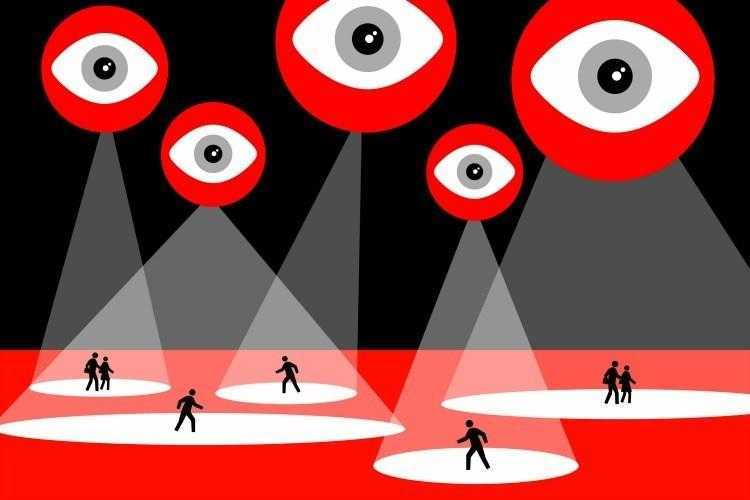
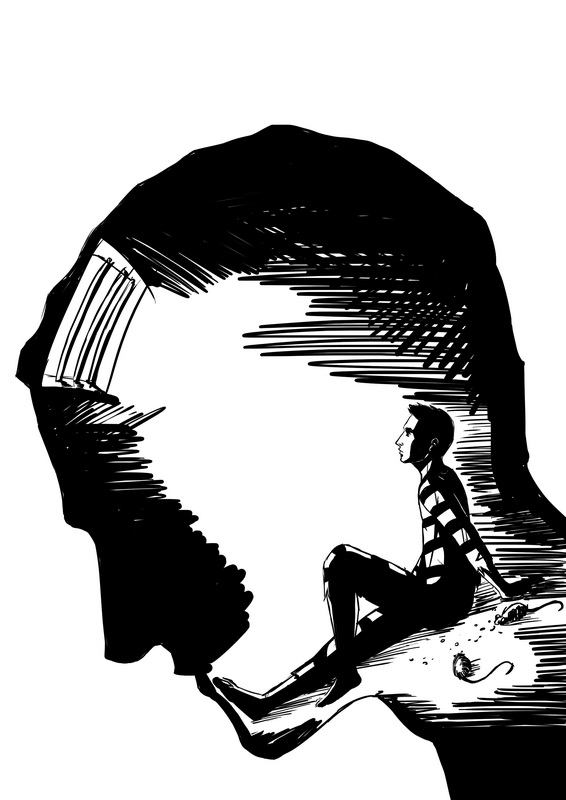

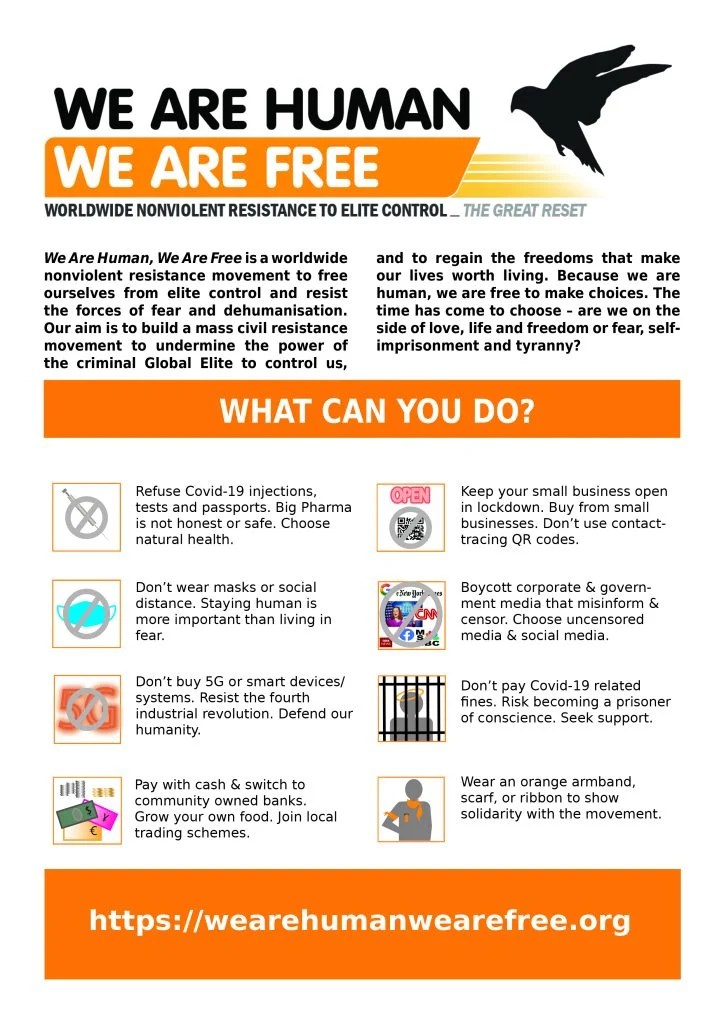
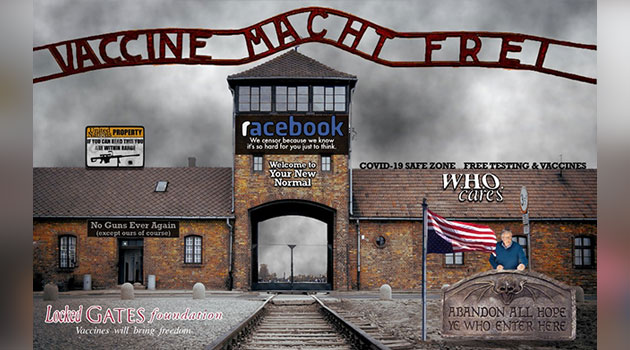
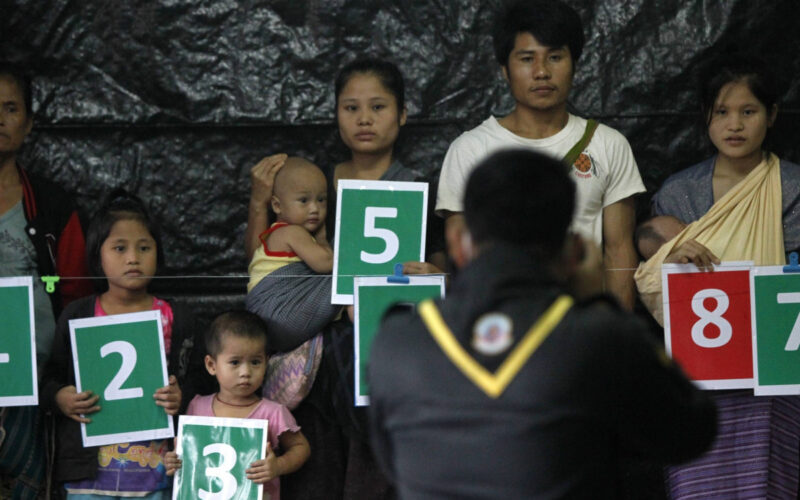
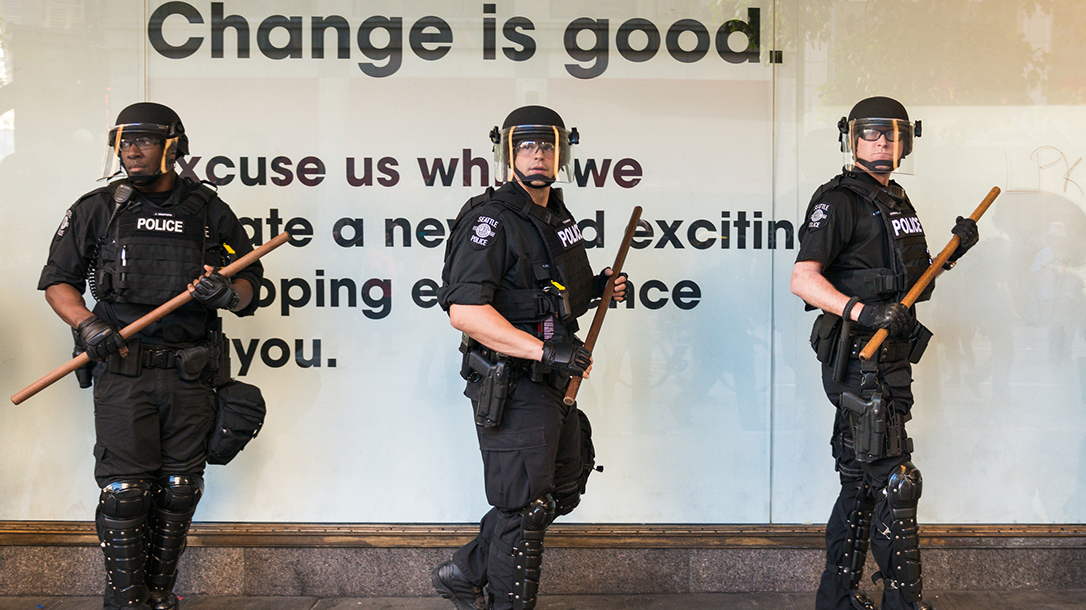
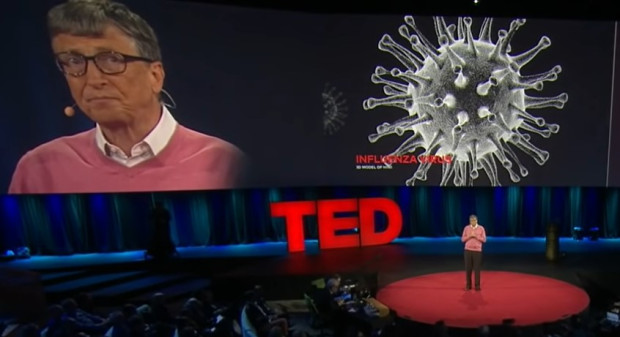
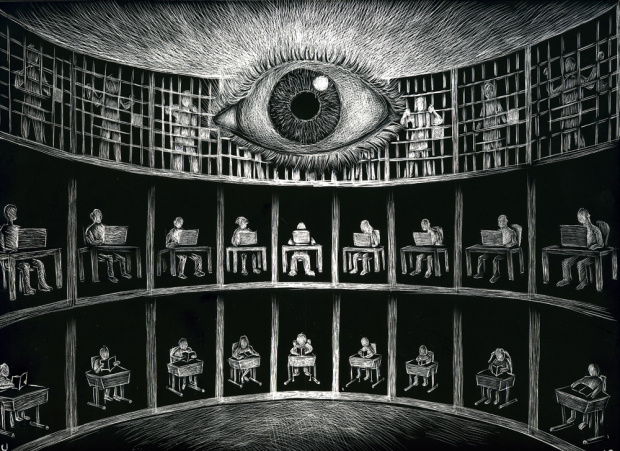
 After the Crash