

Though its unfortunate title makes it sound like a standard slasher film, Rene Daalder’s “Massacre at Central High” (1976) (aka “Blackboard Massacre” or “Massaker in Klasse 13”) is actually a clever political allegory in a high school setting. When new student David observes the degree to which the student body is dominated by a small clique of thugs, he sets out to liberate the school from its oppressors. Though he succeeds, conflicts soon arise among various factions to fill the power vacuum. Losing patience with everyone, David begins planning the destruction of the entire high school. The film is dated in terms of fashions and soundtrack and hamstrung by a low budget and occasionally stilted dialogue, but its message is timeless and problems it addresses such as bullying and high school violence are even more relevant today. Massacre at Central High is likely an inspiration for the later cult film “Heathers” (1988).
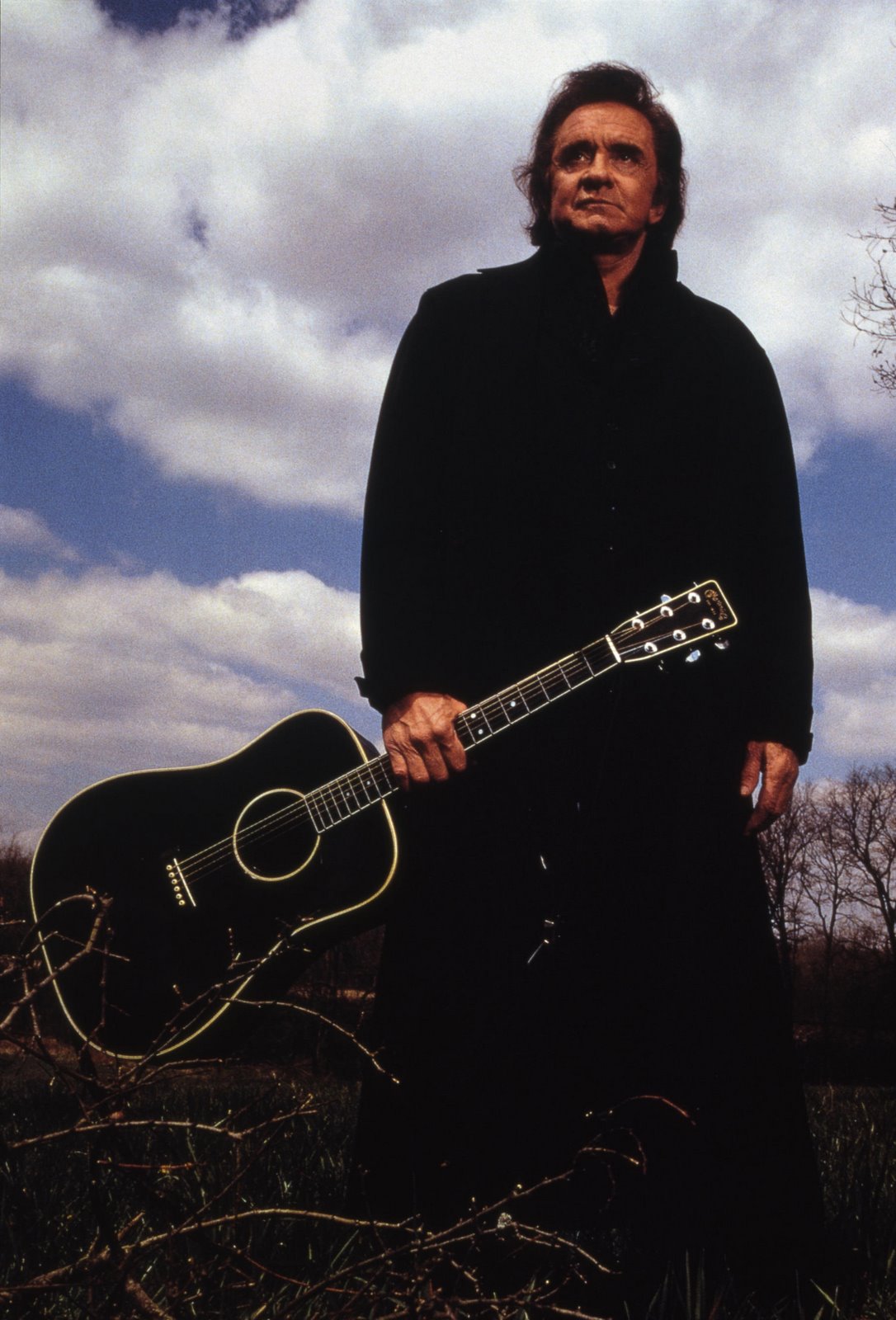
Today marks the anniversary of Johnny Cash’s birthday (he would have been 82). Though I’m not a hardcore fan I can appreciate his contributions to country music and particularly enjoy his song on the following video. According to wikipedia it won a Grammy Award and was directed by Tony Kaye (director of “American History X”) in 2006 and features an interesting mix of famous people who I presume are Johnny Cash fans including (in order of appearance): David Allan Coe (Intro), Iggy Pop, Kanye West, Chris Martin, Kris Kristofferson, Patti Smith, Terrence Howard, Flea, Q-Tip, Adam Levine, Chris Rock, Justin Timberlake, Kate Moss, Sir Peter Blake, Sheryl Crow, Dennis Hopper, Woody Harrelson, Amy Lee, Tommy Lee, The Dixie Chicks, Mick Jones, Sharon Stone, Patricia Arquette, Bono, Shelby Lynne, Anthony Kiedis, Travis Barker, Lisa Marie Presley, Kid Rock, Jay-Z, Keith Richards, Billy Gibbons, Corinne Bailey Rae, Johnny Depp, Graham Nash (holding photos of Johnny Cash), Brian Wilson, Whoopi Goldberg (brief flash), Rick Rubin, and Owen Wilson. As fun as it may be to spot the celebrities, don’t let it distract from the powerful vocals and lyrics.

“Mind Game” (2004) is possibly the strangest anime feature film ever made. It was produced by the groundbreaking Studio 4C animation studio and directed by Masaaki Yuasa, previously most famously known for his involvement in the “Crayon Shin-chan” series (sort of a Japanese take on “The Simpsons”). The film’s plot is deceptively simple, centering on a young man named Nishi who is killed while trying to defend his childhood crush Myon. After a short visit to the afterlife he has a chance to change his fate, transforming his previously dull life into a psychedelic, mythopoetic adventure. At times the film overwhelms the senses with its wild mix of animation styles, exaggerated colors and perspectives, absurd situations and wild soundscape by Seiichi Yamamoto of noise rock band The Boredoms. Mind Game has never had an official DVD release in the U.S. but last June a kind soul put it on YouTube for the world to enjoy.
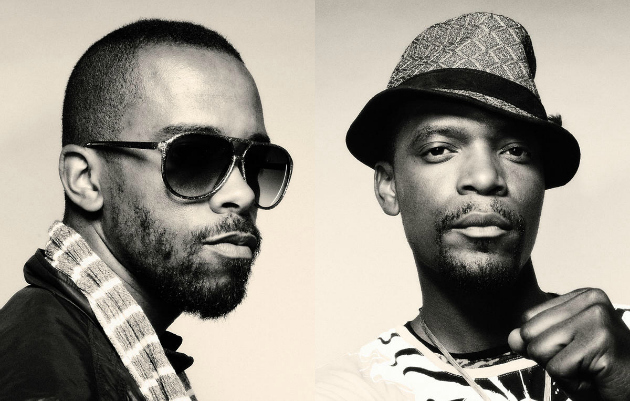
In honor of (Dead) President’s Day, here’s a few of my favorite tracks from M-1 and stic:
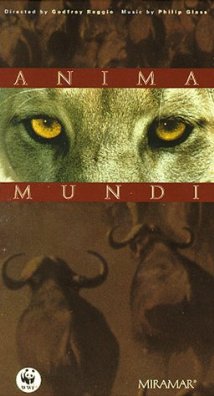
“Anima Mundi” (1992) was the third collaboration between director Godfrey Reggio and composer Philip Glass (following Koyaanisqatsi and Powaqqatsi). It was produced in collaboration with the World Wildlife Fund’s Biological Diversity Campaign and features amazing, beautiful and hypnotic images of a multitude of animal species from around the world. At just under half an hour, it’s a relatively short film but well worth seeing, especially for fans of non-narrative documentaries such as Koyaanisqatsi, Baraka, and Samsara.
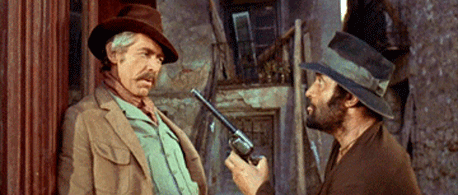
Most people know director Sergio Leone for his classic collaborations with Clint Eastwood on the “Man With No Name” trilogy of westerns or his later epics, “Once Upon a Time in the West” and “Once Upon a Time in America”. Fewer are familiar with the film he directed between the “Once Upon a Time” films, “Duck, You Sucker!” (1971). Its relative obscurity in the U.S. could partly be attributed to the horrible marketing from its American distributor United Artists.
The film’s title and advertising may have misled viewers to think they were in for a lighthearted comedy. It does have comedic moments but also contained scenes of massacres, some of which was edited out. For the film’s initial U.S. release it was trimmed by over half an hour because of violent and politically subversive content. Leone reportedly believed “Duck, You Sucker!” to be a common American colloquialism and so was probably not aware of the title’s slapstick tone. Not long after its release the film was reissued as “A Fistful of Dynamite” to cash in on the Clint Eastwood westerns which were popular at the time. Many were probably disappointed to discover that Eastwood wasn’t in the film. To add to the confusion, the title “Once Upon a Time…the Revolution” was used for some European releases to associate it with Leone’s previous film “Once Upon a Time in the West”.
Though “Duck You Sucker!” is not quite on par with Leone’s more well-known westerns such as “The Good, the Bad and the Ugly” and “Once Upon a Time in the West”, it’s still a great film though unfairly underrated. It contains many elements of classic Leone films such as beautiful panoramas, tense showdowns, extreme close-ups, morally complex characters, and a memorable soundtrack by Ennio Morricone. Similar to some of his earlier works, “Duck, You Sucker!” is at heart a philosophical action film exploring morality, honor, friendship, betrayal, idealism, pragmatism, redemption and the consequences of violence.
Update: Looks like MGM pulled it from YouTube, but the film is still available here: http://www.metacafe.com/watch/7555695/rod_steiger_james_coburn_duck_you_sucker_legendado/
http://www.dailymotion.com/video/x21vzyh_a-fistful-of-dynamite-1971_shortfilms
INDIAN COUNTRY NEWS
"It is the duty of every man, as far as his ability extends, to detect and expose delusion and error"..Thomas Paine
Human in Algorithms
From the Roof Top
I See This
blog of the post capitalist transition.. Read or download the novel here + latest relevant posts
अध्ययन-अनुसन्धानको सार
 After the Crash