
Week of Revolutionaries

Looking at my Autonomedia Calendar of Jubilee Saints, I noticed this week is a particularly rich one for birth dates of prominent historical figures, each a revolutionary whether in the fields of politics, art and/or philosophy.
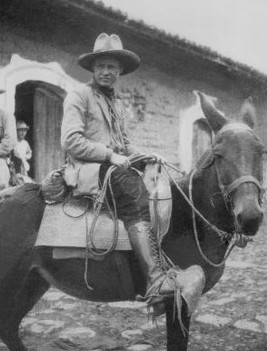
sandino

Today marks the 119th anniversary of the birthday of Augusto Sandino, national hero of Nicaragua and inspiration for the Sandinista movement. To learn a little more about his life in the context of Nicaraguan politics and history, read this overview written shortly after returning from my trip to Nicaragua.

Other birthdays this week:

The great modern American revolutionary and central figure in the civil rights movement Malcolm X was born on May 19 1925.

On May 20 1959, Israel “Iz” Kamakawiwoʻole was born. He was a talented musician and outspoken supporter of the Hawaiian sovereignty movement making him in a sense the Bob Marley of Hawaii.

May 21 marks the birthday of French Primitivist painter Henri Rousseau (1844) and Beat poet Robert Creeley (1926).

Composer, poet, philosopher and pioneer of afro-futurism Sun Ra was born on May 22 1914.

May 23 is the birthday of Transcendentalist and early feminist writer Margaret Fuller (1810) and San Francisco gay rights activist and political leader Harvey Milk (1930).

Lastly, May 24 1941 is the birthday of influential musician and poet Bob Dylan.
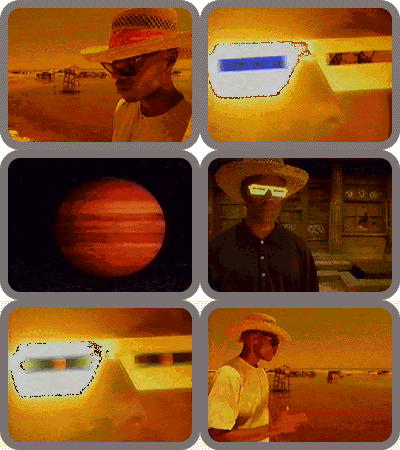
Saturday Matinee: The Last Angel of History

moth89

Notes from Icarus Films:

John Akomfrah, director of Seven Songs of Malcolm X, returns with an engaging and searing examination of the hitherto unexplored relationships between Pan-African culture, science fiction, intergalactic travel, and rapidly progressing computer technology.

This cinematic essay posits science fiction (with tropes such as alien abduction, estrangement, and genetic engineering) as a metaphor for the Pan-African experience of forced displacement, cultural alienation, and otherness.

Akomfrah’s analysis is rooted in an exploration of the cultural works of Pan-African artists, such as funkmaster George Clinton and his Mothership Connection, Sun Ra’s use of extraterrestrial iconography, and the very explicit connection drawn between these issues in the writings of black science fiction authors Samuel R. Delaney and Octavia Butler.

Included are interviews with black cultural figures, from musicians DJ Spooky, Goldie, and Derek May, who discuss the importance of George Clinton to their own music, to George Clinton himself. Astronaut Dr. Bernard A. Harris Jr. describes his experiences as one of the first African-Americans in space, while Star Trek actress Nichelle Nichols tells of her campaign for a greater role for African-Americans in NASA. Novelist Ishmael Reed and cultural critics Greg Tate and Kodwo Eshun tease out the parallels between black life and science fiction, while Delaney and Butler discuss the motivations behind their choice of the genre to express ideas about the black experience.

In keeping with the futuristic tenor of the film, the interviews are intercut with images of Pan-African life from different periods of history, jumping between time and space from the past to the future to the present, not unlike the mode of many rock videos or surfing the Internet.