In 2021, there is no denying that the United States is a full-on surveillance state. The Biden Administration attempts to remove all pretense of privacy with its new consideration to use outside firms to track “extremist” chatter by American citizens online. But what exactly is an “extremist?” According to Tulsi Gabbard, recent efforts essentially criminalize half the country:
“It’s so dangerous as you guys have been talking about, this is an issue that all Democrats, Republicans, independents, Libertarians should be extremely concerned about, especially because we don’t have to guess about where this goes or how this ends,” Gabbard said.
She continued: “When you have people like former CIA Director John Brennan openly talking about how he’s spoken with or heard from appointees and nominees in the Biden administration who are already starting to look across our country for these types of movements similar to the insurgencies they’ve seen overseas, that in his words, he says make up this unholy alliance of religious extremists, racists, bigots, he lists a few others and at the end, even libertarians.” (source)
(So basically, if you’re reading this website, you’re probably an “extremist” in someone’s point of view.)
New efforts to spy on Americans
Their effort would expand the ability of intelligence agencies to gather information (spy) on American citizens.
Currently, the Department of Homeland Security (DHS) is limited on how it can monitor citizens online. For example, it is banned from assuming false identities to gain access to private messaging apps used by citizens without justification.
Instead, according to the law (but not necessarily in practice), federal agencies can only browse through unprotected information on social media sites. A source familiar with Biden’s effort said it is not about decrypting data. Instead, it is about using outside entities to access these private groups legally to gather large amounts of information that would help DHS identify “key narratives as they emerge.”
Note: Some of these outside entities are used by what the administration considers “extremists.” (Such as the Oath Keepers and Proud Boys.)
The Department of Homeland Security claims they are doing no such thing
According to multiple sources cited by CNN, the plan would allow the DHS to make an end-run around those limits. In response to CNN, DHS said it “is not partnering with private firms to surveil suspected domestic terrorists online” and “it is blatantly false” to suggest that it would do so.
“All of our work to address the threat of domestic terrorism is done consistent with the Constitution and other applicable law, and in close coordination with our privacy and civil liberties experts,” the DHS statement added.
But the department has considered partnering with research firms that have more visibility and reach in this area. However, it has not done so yet, according to the sources. And do recall that they recently wanted to outlaw encrypted apps.
Suppose that does happen (and we have every reason to suspect it already has). In that case, DHS could produce information that would be helpful to it and the FBI, CIA, and NSA in its ability to spy on American citizens not committing any crimes.
“Narratives” that might lead to violence justify domestic spying?
CNN unintentionally explains the reason for the Biden Admin’s new focus on these messaging platforms when it writes:
Much of the planning for the Capitol Hill riot appeared out in the open on social media platforms and encrypted apps available to anyone with an internet connection. The DHS is trying to get a better sense of “narratives” that might lead to violence as they emerge across those channels, according to two DHS officials.
But tracking those narratives, particularly in the wake of January 6, increasingly requires access to private groups on encrypted apps as extremist groups migrate from more forward-facing sites like Facebook.
By the time narratives appear on Facebook, it is usually too late, one DHS official told CNN.
“Domestic violent extremists are adaptive and innovative. We see them not only moving to encrypted platforms but obviously couching their language so they don’t trigger any kind of red flag on any platforms,” the official added.
Outsourcing some information gathering to outside firms would give DHS the benefit of tactics that it isn’t legally able to do in-house, such as using false personas to gain access to private groups used by suspected extremists, sources say. Of course, China is already spying on millions of Americans.
Isn’t domestic spying a violation of our Constitutional Rights?
CNN continues by writing:
The department is also working on expanding its ability to collect information from public-facing social media sites where users’ posts offered clear warning signs about potential violence ahead of the January 6 attack, but were either ignored or underestimated by security officials prior to that date.
But any effort by the intelligence community to wade into the murky area of domestic spying is fraught with political risks, current and former officials say.
Gathering information on US citizens — no matter how abhorrent their beliefs — raises instant constitutional and legal challenges. Civil liberties advocates and privacy hawks have long criticized any efforts to collect even publicly available information on Americans in bulk as a violation of Americans’ First and Fourth Amendment rights.
The growing surveillance state and expanding government spying is the ultimate issue
In the hands of the radical left, the US government is moving once again against one side in the American culture war, empowering the opposing side. (The same side that terrorized innocent Americans.)
For those on the left who support the crackdown on the right-wing and what they see as white supremacy, they need only wait until they have outlived their usefulness. Or until a right-wing administration takes over. When one gets purged it leads the way for others to be purged. Then they will come to realize why government overreach is a danger to everyone and not a force to be wielded lightly.
How much more intense do you expect the spying to become?
Do you think we’re just at the tip of the iceberg for government surveillance? What do you think they’re doing that we don’t yet know about? Are you taking any steps to protect yourself from being spied upon? Let’s talk about it in the comments.
Hostile to peace, stability and the rule of law, militantly racist/fantasy democracy Israel is an apartheid police state.
Waging preemptive war on Palestinians without declaring it — again — state terror is its favorite tactic against defenseless civilians.
What’s been going on since mid-April — especially since terror-bombing of Gaza began days earlier — threatens the lives, well-being and rights of millions of long-suffering Palestinians.
According to the Times of Israel, the IDF will present a Gaza ground invasion plan for the Netanyahu regime to consider on Thursday.
Israeli forces are mobilized along Gaza’s border for invasion if ordered, no go-ahead given so far.
If initiated, it’ll be the fourth Israeli full-scale ground war of aggression on Gaza since December 2008.
Civilian casualties are already mounting in the Strip in defiance of international law.
The Laws of War: Laws and Customs of War on Land (1907 Hague IV Convention) states:
Article 25: “The attack or bombardment, by whatever means, of towns, villages, dwellings, or buildings which are undefended is prohibited.”
Article 26: “The officer in command of an attacking force must, before commencing a bombardment, except in cases of assault, do all in his power to warn the authorities.”
Article 27: “In sieges and bombardments, all necessary steps must be taken to spare, as far as possible, buildings dedicated to religion, art, science, or charitable purposes, historic monuments, hospitals, and places where the sick and wounded are collected, provided they are not being used at the time for military purposes.”
Fourth Geneva prohibits violence against civilians in times of war. Collective punishment is banned.
According to Article 33, “(n)o protected person may be punished for an offense he or she has not personally committed.”
“Collective penalties and likewise all measures of intimidation or of terrorism are prohibited.”
Pillage is prohibited. Reprisals against protected persons and their property are prohibited.
In 1938, a unanimously adopted League of Nations resolution — the UN’s precursor — prohibited the “bombardment of cities, towns, villages, dwellings or buildings not in the immediate neighborhood of the operations of land forces.”
The 1945 Nuremberg Principles prohibit “crimes against peace, war crimes and crimes against humanity.”
Included are “inhumane acts committed against any civilian populations, before or during the war.”
Indiscriminate killing and “wanton destruction of cities, towns, or villages, or devastation not justified by military necessity” are absolutely prohibited.
In 1968, a UN General Assembly Resolution on Human Rights prohibited launching of attacks against civilian populations.
Terror-bombing Gaza by Israel — now and earlier — resembles Nazi Germany’s aerial terror against Guernica, Spain in April 1937.
Nazi Wehrmacht warplanes destroyed the city, massacred over 1,600 people, injuring hundreds more.
According to air commander Herman Goring at the time, the attack was an “opportunity to test under fire whether (munitions) had been adequately developed.”
An aftermath eyewitness said “(t)he only things left standing were a church and a sacred tree, the symbol of the Basque people.”
“There hadn’t been a single anti-aircraft gun in the town. It (was) mainly a fire raid.”
“A sight that haunted me for weeks was the charred bodies of several women and children huddled together in what had been the cellar of a house.”
Civilian sites were fair game. Guernica had no military significance.
It was prelude for how both sides operated viciously throughout WW II on a much larger scale.
In his book titled “The Good War: An Oral History of World War II,” the late Studs Terkel explained the “warped…view of how we look at things today (seeing them) in terms of war,” adding:
This “twisted memory…encourages (people) to be willing, almost eager, to use military force” as a way to solve problems — what Terkel called “lunatic” actions.
Examples are endless pre-during-and-post-WW II.
Gazans are again enduring the barbarity of preemptive Israeli terror-bombing, notably against civilians in harm’s way.
Is an end of it near or does the Netanyahu regime have much more mass slaughter and destruction in mind — for political reasons as a way to try holding onto to power?
For time immemorial, long-suffering Palestinians have been victimized by Israeli viciousness because the world community largely looks the other way — while feigning concern for their lives, welfare and rights.
A “new” proposal by the Biden administration to create a health-focused federal agency modeled after DARPA is not what it appears to be. Promoted as a way to “end cancer,” this resuscitated “health DARPA” conceals a dangerous agenda.
Last Wednesday, President Biden was widely praised in mainstream and health-care–focused media for his call to create a “new biomedical research agency” modeled after the US military’s “high-risk, high-reward” Defense Advanced Research Projects Agency, or DARPA. As touted by the president, the agency would seek to develop “innovative” and “breakthrough” treatments for cancer, Alzheimer’s disease, and diabetes, with a call to “end cancer as we know it.”
Far from “ending cancer” in the way most Americans might envision it, the proposed agency would merge “national security” with “health security” in such as way as to use both physical and mental health “warning signs” to prevent outbreaks of disease or violence before they occur. Such a system is a recipe for a technocratic “pre-crime” organization with the potential to criminalize both mental and physical illness as well as “wrongthink.”
The Biden administration has asked Congress for $6.5 billion to fund the agency, which would be largely guided by Biden’s recently confirmed top science adviser, Eric Lander. Lander, formerly the head of the Silicon Valley–dominated Broad Institute, has been controversial for his ties to eugenicist and child sex trafficker Jeffrey Epstein and his relatively recent praise for James Watson, an overtly racist eugenicist. Despite that, Lander is set to be confirmed by the Senate and Congress and is reportedly significantly enthusiastic about the proposed new “health DARPA.”
This new agency, set to be called ARPA-H or HARPA, would be housed within the National Institutes of Health (NIH) and would raise the NIH budget to over $51 billion. Unlike other agencies at NIH, ARPA-H would differ in that the projects it funds would not be peer reviewed prior to approval; instead hand-picked program managers would make all funding decisions. Funding would also take the form of milestone-driven payments instead of the more traditional multiyear grants.
ARPA-H will likely heavily fund and promote mRNA vaccines as one of the “breakthroughs” that will cure cancer. Some of the mRNA vaccine manufacturers that have produced some of the most widely used COVID-19 vaccines, such as the Pfizer/BioNTech vaccine, stated just last month that “cancer is the next problem to tackle with mRNA tech” post-COVID. BioNTech has been developing mRNA gene therapies for cancer for years and is collaborating with the Bill & Melinda Gates Foundation to create mRNA-based treatments for tuberculosis and HIV.
Other “innovative” technologies that will be a focus of this agency are less well known to the public and arguably more concerning.
The Long Road to ARPA-H
ARPA-H is not a new and exclusive Biden administration idea; there was a previous attempt to create a “health DARPA” during the Trump administration in late 2019. Biden began to promote the idea during his presidential campaign as early as June 2019, albeit using a very different justification for the agency than what had been pitched by its advocates to Trump. In 2019, the same foundation and individuals currently backing Biden’s ARPA-H had urged then president Trump to create “HARPA,” not for the main purpose of researching treatments for cancer and Alzheimer’s, but to stop mass shootings before they happen through the monitoring of Americans for “neuropsychiatric” warning signs.
For the last few years, one man has been the driving force behind HARPA—former vice chair of General Electric and former president of NBCUniversal, Robert Wright. Through the Suzanne Wright Foundation (named for his late wife), Wright has spent years lobbying for an agency that “would develop biomedical capabilities—detection tools, treatments, medical devices, cures, etc.—for the millions of Americans who are not benefitting from the current system.” While he, like Biden, has cloaked the agency’s actual purpose by claiming it will be mainly focused on treating cancer, Wright’s 2019 proposal to his personal friend Donald Trump revealed its underlying ambitions.
As first proposed by Wright in 2019, the flagship program of HARPA would be SAFE HOME, short for Stopping Aberrant Fatal Events by Helping Overcome Mental Extremes. SAFE HOME would suck up masses of private data from “Apple Watches, Fitbits, Amazon Echo, and Google Home” and other consumer electronic devices, as well as information from health-care providers to determine if an individual might be likely to commit a crime. The data would be analyzed by artificial intelligence (AI) algorithms “for early diagnosis of neuropsychiatric violence.”
The Department of Justice’s pre-crime approach known as DEEP was activated just months before Trump left office; it was also justified as a way to “stop mass shootings before they happen.” Soon after Biden’s inauguration, the new administration began using information from social media to make pre-crime arrests as part of its approach toward combatting “domestic terror.” Given the history of Silicon Valley companies collaborating with the government on matters of warrantless surveillance, it appears that aspects of SAFE HOME may already be covertly active under Biden, only waiting for the formalization of ARPA-H/HARPA to be legitimized as public policy.
The national-security applications of Robert Wright’s HARPA are also illustrated by the man who was its lead scientific adviser—former head of DARPA’s Biological Technologies Office Geoffrey Ling. Not only is Ling the main scientific adviser of HARPA, but the original proposal by Wright would have Ling both personally design HARPA and lead it once it was established. Ling’s work at DARPA can be summarized by BTO’s stated mission, which is to work toward merging “biology, engineering, and computer science to harness the power of natural systems for national security.” BTO-favored technologies are also poised to be the mainstays of HARPA, which plans to specifically use “advancements in biotechnology, supercomputing, big data, and artificial intelligence” to accomplish its goals.
The direct DARPA connection to HARPA underscores that the agenda behind this coming agency dates back to the failed Bio-Surveillance project of DARPA’s Total Information Awareness program, which was launched after the events of September 11, 2001. TIA’s Bio-Surveillance project sought to develop the “necessary information technologies and resulting prototype capable of detecting the covert release of a biological pathogen automatically, and significantly earlier than traditional approaches,” accomplishing this “by monitoring non-traditional data sources” including “pre-diagnostic medical data” and “behavioral indicators.”
While nominally focused on “bioterrorist attacks,” TIA’s Bio-Surveillance project also sought to acquire early detection capabilities for “normal” disease outbreaks. Bio-Surveillance and related DARPA projects at the time, such as LifeLog, sought to harvest data through the mass use of some sort of wearable or handheld technology. These DARPA programs were ultimately shut down due to the controversy over claims they would be used to profile domestic dissidents and eliminate privacy for all Americans in the US.
That DARPA’s past total surveillance dragnet is coming back to life under a supposedly separate health-focused agency, and one that emulates its organizational model no less, confirms that many TIA-related programs were merely distanced from the Department of Defense when officially shut down. By separating the military from the public image of such technologies and programs, it made them more palatable to the masses, despite the military remaining heavily involved behind the scenes. As Unlimited Hangout has recently reported, major aspects of TIA were merely privatized, giving rise to companies such as Facebook and Palantir, which resulted in such DARPA projects being widely used and accepted. Now, under the guise of the proposed ARPA-H, DARPA’s original TIA would essentially be making a comeback for all intents and purposes as its own spin-off.
Silicon Valley, the Military and the Wearable “Revolution”
This most recent effort to create ARPA-H/HARPA combines well with the coordinated push of Silicon Valley companies into the field of health care, specifically Silicon Valley companies that double as contractors to US intelligence and/or the military (e.g., Microsoft, Google, and Amazon). During the COVID-19 crisis, this trend toward Silicon Valley dominance of the health-care sector has accelerated considerably due to a top-down push toward digitalization with telemedicine, remote monitoring, and the like.
One interesting example is Amazon, which launched a wearable last year that purports to not only use biometrics to monitor people’s physical health and fitness but to track their emotional state as well. The previous year, Amazon acquired the online pharmacy PillPack, and it is not hard to imagine a scenario in which data from Amazon’s Halo wellness band is used to offer treatment recommendations that are then supplied by Amazon-owned PillPack.
Companies such as Amazon, Palantir, and Google are set to be intimately involved in ARPA-H’s activities. In particular, Google, which launched numerous health-tech initiatives in 2020, is set to have a major role in this new agency due to its long-standing ties to the Obama administration when Biden was vice president and to President Biden’s top science adviser, Eric Lander.
As mentioned, Lander is poised to play a major role in ARPA-H/HARPA if and when it materializes. Before becoming the top scientist in the country, Lander was president and founding director of the Broad Institute. While advertised as a partnership between MIT and Harvard, the Broad Institute is heavily influenced by Silicon Valley, with two former Google executives on its board, a partner of Silicon Valley venture capital firm Greylock Partners, and the former CEO of IBM, as well as some of its top endowments coming from prominent tech executives.
Former Google CEO Eric Schmidt, who was intimately involved with Obama’s 2012 reelection campaign and who is close to the Democratic Party in general, chairs the Broad Institute as of this April. In March, Schmidt gave the institute $150 million to “connect biology and machine learning for understanding programs of life.” During his time on the Broad Institute board, Schmidt also chaired the National Security Commission on Artificial Intelligence, a group of mostly Silicon Valley, intelligence, and military operatives who have now charted the direction of the US government’s policies on emerging tech and AI. Schmidt was also pitched as potential head of a tech-industry task force by the Biden administration.
Earlier, in January, the Broad Institute announced that its health-research platform, Terra, which was built with Google subsidiary Verily, would partner with Microsoft. As a result, Terra now allows Google and Microsoft to access a vast trove of genomic data that is poured into the platform by academics and research institutions from around the world.
In addition, last September, Google teamed up with the Department of Defense as part of a new AI-driven “predictive health” program that also has links to the US intelligence community. While initially focused on predicting cancer cases, this initiative clearly plans to expand to predicting the onset of other diseases before symptoms appear, including COVID-19. As noted by Unlimited Hangout at the time, one of the ulterior motives for the program, from Google’s perspective, was for Google to gain access to “the largest repository of disease- and cancer-related medical data in the world,” which is held by the Defense Health Agency. Having exclusive access to this data is a huge boon for Google in its effort to develop and expand its growing suite of AI health-care products.
The military is currently being used to pilot COVID-19–related biometric wearables for “returning to work safely.” Last December, it was announced that Hill Air Force Base in Utah would make biometric wearables a mandatory part of the uniform for some squadrons. For example, the airmen of the Air Force’s 649th Munitions Squadron must now wear a smart watch made by Garmin and a smart ring made by Oura as part of their uniform.
According to the Air Force, these devices detect biometric indicators that are then analyzed for 165 different biomarkers by the Defense Threat Reduction Agency/Philips Healthcare AI algorithm that “attempts to recognize an infection or virus around 48 hours before the onset of symptoms.” The development of that algorithm began well before the COVID-19 crisis and is a recent iteration of a series of military research projects that appear to have begun under the 2007 DARPA Predicting Health and Disease (PHD) project.
While of interest to the military, these wearables are primarily intended for mass use—a big step toward the infrastructure needed for the resurrection of a bio-surveillance program to be run by the national-security state. Starting first with the military makes sense from the national-security apparatus’s perspective, as the ability to monitor biometric data, including emotions, has obvious appeal for those managing the recently expanded “insider threat” programs in the military and the Department of Homeland Security.
One indicator of the push for mass use is that the same Oura smart ring being used by the Air Force was also recently utilized by the NBA to prevent COVID-19 outbreaks among basketball players. Prior to COVID-19, it was promoted for consumer use by members of the British Royal family and Twitter CEO Jack Dorsey for improving sleep. As recently as last Monday, Oura’s CEO, Harpeet Rai, said that the entire future of wearable health tech will soon be “proactive rather than reactive” because it will focus on predicting disease based on biometric data obtained from wearables in real time.
Another wearable tied to the military that is creeping into mass use is the BioButton and its predecessor the BioSticker. Produced by the company BioIntelliSense, the sleek new BioButton is advertised as a wearable system that is “a scalable and cost-effective solution for COVID-19 symptom monitoring at school, home and work.” BioIntelliSense received $2.8 million from the Pentagon last December to develop the BioButton and BioSticker wearables for COVID-19.
BioIntelliSense, cofounded and led by former Microsoft HealthVault developer James Mault, now has its wearable sensors being rolled out for widespread use on some college campuses and at some US hospitals. In some of those instances, the company’s wearables are being used to specifically monitor the side effects of the COVID-19 vaccine as opposed to symptoms of COVID-19 itself. BioIntelliSense is currently running a study, partnered with Philips Healthcare and the University of Colorado, on the use of its wearables for early COVID-19 detection, which is entirely funded by the US military.
While the use of these wearables is currently “encouraged but optional” at these pilot locations, could there come a time when they are mandated in a workplace or by a government? It would not be unheard of, as several countries have already required foreign arrivals to be monitored through use of a wearable during a mandatory quarantine period. Saint Lucia is currently using BioButton for this purpose. Singapore, which seeks to be among the first “smart nations” in the world, has given every single one of its residents a wearable called a “TraceTogether token” for its contact-tracing program. Either the wearable token or the TraceTogether smartphone app is mandatory for all workplaces, shopping malls, hotels, schools, health-care facilities, grocery stores, and hair salons. Those without access to a smartphone are expected to use the “free” government-issued wearable token.
The Era of Digital Dictatorships Is Nearly Here
Making mandatory wearables the new normal not just for COVID-19 prevention but for monitoring health in general would institutionalize quarantining people who have no symptoms of an illness but only an opaque algorithm’s determination that vital signs indicate “abnormal” activity.
Given that no AI is 100 percent accurate and that AI is only as good as the data it is trained on, such a system would be guaranteed to make regular errors: the question is how many. One AI algorithm being used to “predict COVID-19 outbreaks” in Israel and some US states is marketed by Diagnostic Robotics; the (likely inflated) accuracy rate the company provides for its product is only 73 percent. That means, by the company’s own admission, their AI is wrong 27 percent of the time. Probably, it is even less accurate, as the 73 percent figure has never been independently verified.
Adoption of these technologies has benefitted from the COVID-19 crisis, as supporters are seizing the opportunity to accelerate their introduction. As a result, their use will soon become ubiquitous if this advancing agenda continues unimpeded.
Though this push for wearables is obvious now, signs of this agenda were visible several years ago. In 2018, for instance, insurer John Hancock announced that it would replace its life insurance offerings with “interactive policies” that involve individuals having their health monitored by commercial health wearables. Prior to that announcement, John Hancock and other insurers such as Aetna, Cigna, and UnitedHealthcare offered various rewards for policyholders who wore a fitness wearable and shared that data with their insurance company.
In another pre-COVID example, the Journal of the American Medical Associationpublished an article in August 2019 that claimed that wearables “encourage healthy behaviors and empower individuals to participate in their health.” The authors of the article, who are affiliated with Harvard, further claimed that “incentivizing use of these devices [wearables] by integrating them in insurance policies” may be an “attractive” policy approach. The use of wearables for policyholders has since been heavily promoted by the insurance industry, both prior to and after COVID-19, and some speculate that health insurers could soon mandate their use in certain cases or as a broader policy.
These biometric “fitness” devices—such as Amazon’s Halo—can monitor more than your physical vital signs, however, as they can also monitor your emotional state. ARPA-H/HARPA’s flagship SAFE HOME program reveals that the ability to monitor thoughts and feelings is an already existing goal of those seeking to establish this new agency.
According to World Economic Forum luminary and historian Yuval Noah Harari, the transition to “digital dictatorships” will have a “big watershed” moment once governments “start monitoring and surveying what is happening inside your body and inside your brain.” He says that the mass adoption of such technology would make human beings “hackable animals,” while those who abstain from having this technology on or in their bodies would become part of a new “useless” class. Harari has also asserted that biometric wearables will someday be used by governments to target individuals who have the “wrong” emotional reactions to government leaders.
Unsurprisingly, one of Harari’s biggest fans, Facebook’s Mark Zuckerberg, has recently led his company into the development of a comprehensive biometric and “neural” wearable based on technology from a “neural interface” start-up that Facebook acquired in 2019. Per Facebook, the wearable “will integrate with AR [augmented reality], VR [virtual reality], and human neural signals” and is set to become commercially available soon. Facebook also notably owns the VR company Oculus Rift, whose founder, Palmer Luckey, now runs the US military AI contractor Anduril.
As recently reported, Facebook was shaped in its early days to be a private-sector replacement for DARPA’s controversial LifeLog program, which sought to both “humanize” AI and build profiles on domestic dissidents and terror suspects. LifeLog was also promoted by DARPA as “supporting medical research and the early detection of an emerging pandemic.”
It appears that current trends and events show that DARPA’s decades-long effort to merge “health security” and “national security” have now advanced further than ever before. This may partially be because Bill Gates, who has wielded significant influence over health policy globally in the last year, is a long-time advocate of fusing health security and national security to thwart both pandemics and “bioterrorists” before they can strike, as can be heard in his 2017 speech delivered at that year’s Munich Security Conference. That same year, Gates also publicly urged the US military to “focus more training on preparing to fight a global pandemic or bioterror attack.”
In the merging of “national security” and “health security,” any decision or mandate promulgated as a public health measure could be justified as necessary for “national security,” much in the same way that the mass abuses and war crimes that occurred during the post-9/11 “war on terror” were similarly justified by “national security” with little to no oversight. Yet, in this case, instead of only losing our civil liberties and control over our external lives, we stand to lose sovereignty over our individual bodies.
The NIH, which would house this new ARPA-H/HARPA, has spent hundreds of millions of dollars experimenting with the use of wearables since 2015, not only for detecting disease symptoms but also for monitoring individuals’ diets and illegal drug consumption. Biden played a key part in that project, known as the Precision Medicine initiative, and separately highlighted the use of wearables in cancer patients as part of the Obama administration’s related Cancer Moonshot program. The third Obama-era health-research project was the NIH’s BRAIN initiative, which was launched, among other things, to “develop tools to record, mark, and manipulate precisely defined neurons in the living brain” that are determined to be linked to an “abnormal” function or a neurological disease. These initiatives took place at a time when Eric Lander was the cochair of Obama’s Council of Advisors on Science and Technology while still leading the Broad Institute. It is hardly a coincidence that Eric Lander is now Biden’s top science adviser, elevated to a new cabinet-level position and set to guide the course of ARPA-H/HARPA.
Thus, Biden’s newly announced agency, if approved by Congress, would integrate those past Obama-era initiatives with Orwellian applications under one roof, but with even less oversight than before. It would also seek to expand and mainstream the uses of these technologies and potentially move toward developing policies that would mandate their use.
If ARPA-H/HARPA is approved by Congress and ultimately established, it will be used to resurrect dangerous and long-standing agendas of the national-security state and its Silicon Valley contractors, creating a “digital dictatorship” that threatens human freedom, human society, and potentially the very definition of what it means to be human.
“The remedy is worse than the disease.”—Francis Bacon
One way or another, the majority of Americans will survive COVID-19.
It remains to be seen, however, whether our freedoms will survive the tyranny of the government’s heavy-handed response to the COVID-19 pandemic.
Indeed, now that the government has gotten a taste for flexing its police state powers by way of a bevy of lockdowns, mandates, restrictions, contact tracing programs, heightened surveillance, censorship, overcriminalization, etc., we may all be long-haulers, suffering under the weight of long-term COVID-19 afflictions.
Instead of dealing with the headaches, fatigue and neurological aftereffects of the virus, however, “we the people” may well find ourselves burdened with a Nanny State inclined to use its draconian pandemic powers to protect us from ourselves.
Therein lies the danger of the government’s growing addiction to power.
What started out a year ago as an apparent effort to prevent a novel coronavirus from sickening the nation (and the world) has become yet another means by which world governments (including our own) can expand their powers, abuse their authority, and further oppress their constituents.
Until recently, the police state had been more circumspect in its power grabs, but this latest state of emergency has brought the beast out of the shadows.
It’s a given that you can always count on the government to take advantage of a crisis, legitimate or manufactured. Emboldened by the citizenry’s inattention and willingness to tolerate its abuses, the government has weaponized one national crisis after another in order to expand its powers.
The war on terror, the war on drugs, the war on illegal immigration, asset forfeiture schemes, road safety schemes, school safety schemes, eminent domain: all of these programs started out as legitimate responses to pressing concerns and have since become weapons of compliance and control in the police state’s hands.
It doesn’t even matter what the nature of the crisis might be—civil unrest, the national emergencies, “unforeseen economic collapse, loss of functioning political and legal order, purposeful domestic resistance or insurgency, pervasive public health emergencies, and catastrophic natural and human disasters”—as long as it allows the government to justify all manner of government tyranny in the name of so-called national security.
This coronavirus pandemic has been no exception.
Not only have the federal and state governments unraveled the constitutional fabric of the nation with lockdown mandates that sent the economy into a tailspin and wrought havoc with our liberties, but they have almost persuaded the citizenry to depend on the government for financial handouts, medical intervention, protection and sustenance.
This past year under lockdown was a lesson in many things, but most of all, it was a lesson in how to indoctrinate a populace to love and obey Big Brother.
What started off as an experiment in social distancing in order to flatten the curve of this virus, and not overwhelm the nation’s hospitals or expose the most vulnerable to unavoidable loss of life scenarios quickly became strongly worded suggestions for citizens to voluntarily stay at home and strong-armed house arrest orders with penalties in place for non-compliance.
Every day brought a drastic new set of restrictions by government bodies (most have been delivered by way of executive orders) at the local, state and federal level that were eager to flex their muscles for the so-called “good” of the populace.
There was talk of mass testing for COVID-19 antibodies, screening checkpoints, mass surveillance in order to carry out contact tracing, immunity passports to allow those who have recovered from the virus to move around more freely, snitch tip lines for reporting “rule breakers” to the authorities, and heavy fines and jail time for those who dare to venture out without a mask, congregate in worship without the government’s blessing, or re-open their businesses without the government’s say-so.
To some, these may seem like small, necessary steps in the war against the COVID-19 virus, but they’re only necessary to the Deep State in its efforts to further undermine the Constitution, extend its control over the populace, and feed its insatiable appetite for ever-greater powers.
After all, whatever dangerous practices you allow the government to carry out now—whether it’s in the name of national security or protecting America’s borders or making America healthy again—rest assured, these same practices can and will be used against you when the government decides to set its sights on you.
The war on drugs turned out to be a war on the American people, waged with SWAT teams and militarized police. The war on terror turned out to be a war on the American people, waged with warrantless surveillance and indefinite detention. The war on immigration turned out to be a war on the American people, waged with roving government agents demanding “papers, please.”
This war on COVID-19 could usher in yet another war on the American people, waged with all of the surveillance weaponry at the government’s disposal: thermal imaging cameras, drones, contact tracing, biometric databases, etc.
Unless we find some way to rein in the government’s power grabs, the fall-out will be epic.
Everything I have warned about for years—government overreach, invasive surveillance, martial law, abuse of powers, militarized police, weaponized technology used to track and control the citizenry, and so on—has coalesced into this present moment.
The government’s shameless exploitation of past national emergencies for its own nefarious purposes pales in comparison to what is presently unfolding.
It’s downright Machiavellian.
Deploying the same strategy it used with 9/11 to acquire greater powers under the USA Patriot Act, the police state—a.k.a. the shadow government, a.k.a. the Deep State—has been anticipating this moment for years, quietly assembling a wish list of lockdown powers that could be trotted out and approved at a moment’s notice.
It should surprise no one, then, that the Trump Administration asked Congress to allow it to suspend parts of the Constitution whenever it deems it necessary during this coronavirus pandemic and “other” emergencies. It’s that “other” emergencies part that should particularly give you pause, if not spur you to immediate action (by action, I mean a loud and vocal, apolitical, nonpartisan outcry and sustained, apolitical, nonpartisan resistance).
In fact, the Department of Justice (DOJ) started to quietly trot out and test a long laundry list of terrifying powers that override the Constitution.
We’re talking about lockdown powers (at both the federal and state level): the ability to suspend the Constitution, indefinitely detain American citizens, bypass the courts, quarantine whole communities or segments of the population, override the First Amendment by outlawing religious gatherings and assemblies of more than a few people, shut down entire industries and manipulate the economy, muzzle dissidents, “stop and seize any plane, train or automobile to stymie the spread of contagious disease,” reshape financial markets, create a digital currency (and thus further restrict the use of cash), determine who should live or die.
These are powers the police state would desperately like to make permanent.
Don’t make the mistake of assuming that anything will change for the better under the Biden administration. That’s not how totalitarian regimes operate.
Bear in mind, however, that the powers the government officially asked Congress to recognize and authorize barely scratch the surface of the far-reaching powers the government has already unilaterally claimed for itself.
Unofficially, the police state has been riding roughshod over the rule of law for years now without any pretense of being reined in or restricted in its power grabs by Congress, the courts or the citizenry.
As David C. Unger, observes in The Emergency State: America’s Pursuit of Absolute Security at All Costs:
“For seven decades we have been yielding our most basic liberties to a secretive, unaccountable emergency state – a vast but increasingly misdirected complex of national security institutions, reflexes, and beliefs that so define our present world that we forget that there was ever a different America. … Life, liberty, and the pursuit of happiness have given way to permanent crisis management: to policing the planet and fighting preventative wars of ideological containment, usually on terrain chosen by, and favorable to, our enemies. Limited government and constitutional accountability have been shouldered aside by the kind of imperial presidency our constitutional system was explicitly designed to prevent.”
This rise of an “emergency state” that justifies all manner of government tyranny in the name of so-called national security is all happening according to schedule.
The civil unrest, the national emergencies, “unforeseen economic collapse, loss of functioning political and legal order, purposeful domestic resistance or insurgency, pervasive public health emergencies, and catastrophic natural and human disasters,” the government’s reliance on the armed forces to solve domestic political and social problems, the implicit declaration of martial law packaged as a well-meaning and overriding concern for the nation’s security: the powers-that-be have been planning and preparing for such a crisis for years now, not just with active shooter drills and lockdowns and checkpoints and heightened danger alerts, but with a sensory overload of militarized, battlefield images—in video games, in movies, on the news—that acclimate us to life in a totalitarian regime.
Whether or not this particular crisis is of the government’s own making is not the point: to those for whom power and profit are everything, the end always justifies the means.
The seeds of this present madness were sown several decades ago when George W. Bush stealthily issued two presidential directives that granted the president the power to unilaterally declare a national emergency, which is loosely defined as “any incident, regardless of location, that results in extraordinary levels of mass casualties, damage, or disruption severely affecting the U.S. population, infrastructure, environment, economy, or government functions.
Comprising the country’s Continuity of Government (COG) plan, these directives, which do not need congressional approval, provide a skeletal outline of the actions the president will take in the event of a “national emergency.”
Mind you, that national emergency can take any form, can be manipulated for any purpose, and can be used to justify any end goal—all on the say so of the president.
Just what sort of actions the president will take once he declares a national emergency can barely be discerned from the barebones directives. However, one thing is clear: in the event of a national emergency, the COG directives give unchecked executive, legislative and judicial power to the executive branch and its unelected minions.
The country would then be subjected to martial law by default, and the Constitution and the Bill of Rights would be suspended.
The emergency state is now out in the open for all to see.
Unfortunately, “we the people” refuse to see what’s before us.
This is how freedom dies.
We erect our own prison walls, and as our rights dwindle away, we forge our own chains of servitude to the police state.
Be warned, however: once you surrender your freedoms to the government—no matter how compelling the reason might be for doing so—you can never get them back.
No government willingly relinquishes power. If we continue down this road, there can be no surprise about what awaits us at the end.
That said, we still have rights. Technically, at least.
We should not voluntarily relinquish every shred of our humanity, our common sense, or our freedoms to a nanny state that thinks it can do a better job of keeping us safe.
The government may act as if its police state powers trump individual liberties during this COVID-19 pandemic, but for all intents and purposes, the Constitution—especially the battered, besieged Bill of Rights—still stands in theory, if not in practice.
The decisions we make right now—about freedom, commerce, free will, how we care for the least of these in our communities, what it means to provide individuals and businesses with a safety net, how far we allow the government to go in “protecting” us against this virus, etc.—will haunt us for a long time to come.
At times like these, when emotions are heightened, fear dominates, common sense is in short supply, liberty takes a backseat to public safety, and democratic societies approach the tipping point towards mob rule, there is a tendency to cast those who exercise their individual freedoms (to freely speak, associate, assemble, protest, pursue a living, engage in commerce, etc.) as foolishly reckless, criminally selfish, outright villains or so-called “extremists.”
Sometimes that is true, but not always.
There is always a balancing test between individual freedoms and the communal good.
What we must figure out is how to strike a balance that allows us to protect those who need protecting without leaving us chained and in bondage to the police state.
Blindly following the path of least resistance—acquiescing without question to whatever the government dictates—can only lead to more misery, suffering and the erection of a totalitarian regime in which there is no balance.
Whatever we give up willingly now—whether it’s basic human decency, the ability to manage our private affairs, the right to have a say in how the government navigates this crisis, or the few rights still left to us that haven’t been disemboweled in recent years by a power-hungry police state—we won’t get back so easily once this crisis is past.
A year ago, I warned that this was a test to see whether the Constitution—and our commitment to the principles enshrined in the Bill of Rights—can survive a national crisis and true state of emergency.
Nothing has changed on that front.
James Madison, the “father” of the U.S. Constitution and the Bill of Rights and the fourth president of the United States, once advised that we should “take alarm at the first experiment upon our liberties.”
These COVID-19 restrictions are far from the first experiment on our liberties. Yet if “we the people” continue to allow the government to trample our rights in the name of so-called national security, we can be assured that things will get worse, not better.
“The church must be reminded that it is not the master or the servant of the state, but rather the conscience of the state. It must be the guide and the critic of the state, and never its tool. If the church does not recapture its prophetic zeal, it will become an irrelevant social club without moral or spiritual authority.”—Martin Luther King Jr. (A Knock at Midnight, June 11, 1967)
In every age, we find ourselves wrestling with the question of how Jesus Christ—the itinerant preacher and revolutionary activist who died challenging the police state of his time, namely, the Roman Empire—would respond to the moral questions of our day.
For instance, would Jesus advocate, as so many evangelical Christian leaders have done in recent years, for congregants to “submit to your leaders and those in authority,” which in the American police state translates to complying, conforming, submitting, obeying orders, deferring to authority and generally doing whatever a government official tells you to do?
What would Jesus do?
Study the life and teachings of Jesus, and you may be surprised at how relevant he is to our modern age.
A radical nonconformist who challenged authority at every turn, Jesus spent his adult life speaking truth to power, challenging the status quo of his day, pushing back against the abuses of the Roman Empire, and providing a blueprint for standing up to tyranny that would be followed by those, religious and otherwise, who came after him.
Those living through this present age of government lockdowns, immunity passports, militarized police, SWAT team raids, police shootings of unarmed citizens, roadside strip searches, invasive surveillance and the like might feel as if these events are unprecedented. However, the characteristics of a police state and its reasons for being are no different today than they were in Jesus’ lifetime: control, power and money.
Much like the American Empire today, the Roman Empire of Jesus’ day was characterized by secrecy, surveillance, a widespread police presence, a citizenry treated like suspects with little recourse against the police state, perpetual wars, a military empire, martial law, and political retribution against those who dared to challenge the power of the state.
Indeed, the police state in which Jesus lived (and died) and its striking similarities to modern-day America are beyond troubling.
Secrecy, surveillance and rule by the elite. As the chasm between the wealthy and poor grew wider in the Roman Empire, the ruling class and the wealthy class became synonymous, while the lower classes, increasingly deprived of their political freedoms, grew disinterested in the government and easily distracted by “bread and circuses.” Much like America today, with its lack of government transparency, overt domestic surveillance, and rule by the rich, the inner workings of the Roman Empire were shrouded in secrecy, while its leaders were constantly on the watch for any potential threats to its power. The resulting state-wide surveillance was primarily carried out by the military, which acted as investigators, enforcers, torturers, policemen, executioners and jailers. Today that role is fulfilled by the NSA, the FBI, the Department of Homeland Security and the increasingly militarized police forces across the country.
Widespread police presence. The Roman Empire used its military forces to maintain the “peace,” thereby establishing a police state that reached into all aspects of a citizen’s life. In this way, these military officers, used to address a broad range of routine problems and conflicts, enforced the will of the state. Today SWAT teams, comprised of local police and federal agents, are employed to carry out routine search warrants for minor crimes such as marijuana possession and credit card fraud.
Citizenry with little recourse against the police state. As the Roman Empire expanded, personal freedom and independence nearly vanished, as did any real sense of local governance and national consciousness. Similarly, in America today, citizens largely feel powerless, voiceless and unrepresented in the face of a power-hungry federal government. As states and localities are brought under direct control by federal agencies and regulations, a sense of learned helplessness grips the nation.
Martial law. Eventually, Rome established a permanent military dictatorship that left the citizens at the mercy of an unreachable and oppressive totalitarian regime. In the absence of resources to establish civic police forces, the Romans relied increasingly on the military to intervene in all matters of conflict or upheaval in provinces, from small-scale scuffles to large-scale revolts. Not unlike police forces today, with their martial law training drills on American soil, militarized weapons and “shoot first, ask questions later” mindset, the Roman soldier had “the exercise of lethal force at his fingertips” with the potential of wreaking havoc on normal citizens’ lives.
A nation of suspects. Just as the American Empire looks upon its citizens as suspects to be tracked, surveilled and controlled, the Roman Empire looked upon all potential insubordinates, from the common thief to a full-fledged insurrectionist, as threats to its power. The insurrectionist was seen as directly challenging the Emperor. A “bandit,” or revolutionist, was seen as capable of overturning the empire, was always considered guilty and deserving of the most savage penalties, including capital punishment. Bandits were usually punished publicly and cruelly as a means of deterring others from challenging the power of the state. Jesus’ execution was one such public punishment.
Acts of civil disobedience by insurrectionists. Starting with his act of civil disobedience at the Jewish temple, the site of the administrative headquarters of the Sanhedrin, the supreme Jewish council, Jesus branded himself a political revolutionary. When Jesus “with the help of his disciples, blocks the entrance to the courtyard” and forbids “anyone carrying goods for sale or trade from entering the Temple,” he committed a blatantly criminal and seditious act, an act “that undoubtedly precipitated his arrest and execution.” Because the commercial events were sponsored by the religious hierarchy, which in turn was operated by consent of the Roman government, Jesus’ attack on the money chargers and traders can be seen as an attack on Rome itself, an unmistakable declaration of political and social independence from the Roman oppression.
Military-style arrests in the dead of night. Jesus’ arrest account testifies to the fact that the Romans perceived Him as a revolutionary. Eerily similar to today’s SWAT team raids, Jesus was arrested in the middle of the night, in secret, by a large, heavily armed fleet of soldiers. Rather than merely asking for Jesus when they came to arrest him, his pursuers collaborated beforehand with Judas. Acting as a government informant, Judas concocted a kiss as a secret identification marker, hinting that a level of deception and trickery must be used to obtain this seemingly “dangerous revolutionist’s” cooperation.
Torture and capital punishment. In Jesus’ day, religious preachers, self-proclaimed prophets and nonviolent protesters were not summarily arrested and executed. Indeed, the high priests and Roman governors normally allowed a protest, particularly a small-scale one, to run its course. However, government authorities were quick to dispose of leaders and movements that appeared to threaten the Roman Empire. The charges leveled against Jesus—that he was a threat to the stability of the nation, opposed paying Roman taxes and claimed to be the rightful King—were purely political, not religious. To the Romans, any one of these charges was enough to merit death by crucifixion, which was usually reserved for slaves, non-Romans, radicals, revolutionaries and the worst criminals.
Jesus was presented to Pontius Pilate “as a disturber of the political peace,” a leader of a rebellion, a political threat, and most gravely—a claimant to kingship, a “king of the revolutionary type.” After Jesus is formally condemned by Pilate, he is sentenced to death by crucifixion, “the Roman means of executing criminals convicted of high treason.” The purpose of crucifixion was not so much to kill the criminal, as it was an immensely public statement intended to visually warn all those who would challenge the power of the Roman Empire. Hence, it was reserved solely for the most extreme political crimes: treason, rebellion, sedition, and banditry. After being ruthlessly whipped and mocked, Jesus was nailed to a cross.
As Professor Mark Lewis Taylor observed:
The cross within Roman politics and culture was a marker of shame, of being a criminal. If you were put to the cross, you were marked as shameful, as criminal, but especially as subversive. And there were thousands of people put to the cross. The cross was actually positioned at many crossroads, and, as New Testament scholar Paula Fredricksen has reminded us, it served as kind of a public service announcement that said, “Act like this person did, and this is how you will end up.”
Jesus—the revolutionary, the political dissident, and the nonviolent activist—lived and died in a police state. Any reflection on Jesus’ life and death within a police state must take into account several factors: Jesus spoke out strongly against such things as empires, controlling people, state violence and power politics. Jesus challenged the political and religious belief systems of his day. And worldly powers feared Jesus, not because he challenged them for control of thrones or government but because he undercut their claims of supremacy, and he dared to speak truth to power in a time when doing so could—and often did—cost a person his life.
Unfortunately, the radical Jesus, the political dissident who took aim at injustice and oppression, has been largely forgotten today, replaced by a congenial, smiling Jesus trotted out for religious holidays but otherwise rendered mute when it comes to matters of war, power and politics.
Yet for those who truly study the life and teachings of Jesus, the resounding theme is one of outright resistance to war, materialism and empire.
Ultimately, as I point out in my book Battlefield America: The War on the American People, this is the contradiction that must be resolved if the radical Jesus—the one who stood up to the Roman Empire and was crucified as a warning to others not to challenge the powers-that-be—is to be an example for our modern age.
After all, there is so much suffering and injustice in the world, and so much good that can be done by those who truly aspire to follow Jesus Christ’s example.
We must decide whether we will follow the path of least resistance—willing to turn a blind eye to what Martin Luther King Jr. referred to as the “evils of segregation and the crippling effects of discrimination, to the moral degeneracy of religious bigotry and the corroding effects of narrow sectarianism, to economic conditions that deprive men of work and food, and to the insanities of militarism and the self-defeating effects of physical violence”—or whether we will be transformed nonconformists “dedicated to justice, peace, and brotherhood.”
As King explained in a powerful sermon delivered in 1954, “This command not to conform comes … [from] Jesus Christ, the world’s most dedicated nonconformist, whose ethical nonconformity still challenges the conscience of mankind.”
Furthermore:
We need to recapture the gospel glow of the early Christians, who were nonconformists in the truest sense of the word and refused to shape their witness according to the mundane patterns of the world. Willingly they sacrificed fame, fortune, and life itself in behalf of a cause they knew to be right. Quantitatively small, they were qualitatively giants. Their powerful gospel put an end to such barbaric evils as infanticide and bloody gladiatorial contests. Finally, they captured the Roman Empire for Jesus Christ… The hope of a secure and livable world lies with disciplined nonconformists, who are dedicated to justice, peace, and brotherhood. The trailblazers in human, academic, scientific, and religious freedom have always been nonconformists. In any cause that concerns the progress of mankind, put your faith in the nonconformist!
…Honesty impels me to admit that transformed nonconformity, which is always costly and never altogether comfortable, may mean walking through the valley of the shadow of suffering, losing a job, or having a six-year-old daughter ask, “Daddy, why do you have to go to jail so much?” But we are gravely mistaken to think that Christianity protects us from the pain and agony of mortal existence. Christianity has always insisted that the cross we bear precedes the crown we wear. To be a Christian, one must take up his cross, with all of its difficulties and agonizing and tragedy-packed content, and carry it until that very cross leaves its marks upon us and redeems us to that more excellent way that comes only through suffering.
In these days of worldwide confusion, there is a dire need for men and women who will courageously do battle for truth. We must make a choice. Will we continue to march to the drumbeat of conformity and respectability, or will we, listening to the beat of a more distant drum, move to its echoing sounds? Will we march only to the music of time, or will we, risking criticism and abuse, march to the soul saving music of eternity?
“If freedom of speech is taken away, then dumb and silent we may be led, like sheep to the slaughter.”— George Washington
It’s a given that the government is corrupt, unaccountable, and has exceeded its authority.
So what can we do about it?
The first remedy involves speech (protest, assembly, speech, prayer, and publicity), and lots of it, in order to speak truth to power.
The First Amendment, which is the cornerstone of the Bill of Rights, affirms the right of “we the people” to pray freely about our grievances regarding the government. We can gather together peacefully to protest those grievances. We can publicize those grievances. And we can express our displeasure (peacefully) in word and deed.
Unfortunately, tyrants don’t like people who speak truth to power.
The American Police State has shown itself to be particularly intolerant of free speech activities that challenge its authority, stand up to its power grabs, and force it to operate according to the rules of the Constitution.
Cue the rise of protest laws, the police state’s go-to methods for muzzling discontent.
These protest laws, some of which appear to encourage violence against peaceful protesters by providing immunity to individuals who drive their car into protesters impeding traffic and use preemptive deadly force against protesters who might be involved in a riot, take intolerance for speech with which one might disagree to a whole new level.
Ever since the Capitol protests on Jan. 6, 2021, state legislatures have introduced a broad array of these laws aimed at criminalizing protest activities. Yet while the growing numbers of protest laws cropping up across the country are being marketed as necessary to protect private property, public roads or national security, they are a wolf in sheep’s clothing, a thinly disguised plot to discourage anyone from challenging government authority at the expense of our First Amendment rights.
It doesn’t matter what the source of that discontent might be (police brutality, election outcomes, COVID-19 mandates, the environment, etc.): protest laws, free speech zones, bubble zones, trespass zones, anti-bullying legislation, zero tolerance policies, hate crime laws, etc., aim to muzzle every last one of us.
However, as Human Rights Watch points out, these assaults on free speech are nothing new. “Various states have long-tried to curtail the right to protest. They do so by legislating wide definitions of what constitutes an ‘unlawful assembly’ or a ‘riot’ as well as increasing punishments. They also allow police to use catch-all public offenses, such as trespassing, obstructing traffic, or disrupting the peace, as a pretext for ordering dispersals, using force, and making arrests. Finally, they make it easier for corporations and others to bring lawsuits against protest organizers.”
Make no mistake: while many of these laws claim to be in the interest of “public safety and limiting economic damage,” these legislative attempts to redefine and criminalize speech are a backdoor attempt to rewrite the Constitution and render the First Amendment’s robust safeguards null and void.
No matter how you package these laws, no matter how well-meaning they may sound, no matter how much you may disagree with the protesters or sympathize with the objects of the protest, these proposed laws are aimed at one thing only: discouraging dissent.
In Alabama, lawmakers are pushing to allow individuals to use deadly force near a riot. Kentucky, Missouri and New Hampshire are also considering similar stand your ground laws to justify the use of lethal force in relation to riots.
In Arkansas, peaceful protesters who engage in civil disobedience by occupying any government property after being told to leave could face six months in jail and a $1000 fine.
Oregon lawmakers wanted to “require public community colleges and universities to expel any student convicted of participating in a violent riot.” In Illinois, students who twice infringe the rights of others to engage in expressive activities could be suspended for at least a year.
Responding to protests over the Keystone Pipeline, South Dakota enabled its governor and sheriffs to prohibit gatherings of 20 or more people on public land if the gathering might damage the land. At least 15 other states have also adopted or are considering legislation that would levy harsher penalties for environmental protests near oil and gas pipelines.
In Iowa, all it takes is for one person in a group of three of more people to use force or cause property damage, and the whole group can be punished with up to 5 years in prison and a $7,500 fine.
Obstruct access to critical infrastructure in Mississippi and you could be facing a $10,000 fine and a seven-year prison sentence.
A North Carolina law would have made it a crime to heckle state officials. Under this law, shouting at a former governor would constitute a crime.
In Connecticut, you could be sentenced to five years behind bars and a $5,000 fine for disrupting the state legislature by making noise or using disturbing language.
Indiana lawmakers wanted to authorize police to use “any means necessary” to breakup mass gatherings that block traffic. Lawmakers have since focused their efforts on expanding the definition of a “riot” and punishing anyone who wears a mask to a peaceful protest, even a medical mask, with 2.5 years in prison and a $10,000 fine.
Georgia wants to ban all spontaneous, First Amendment-protected assemblies and deny anyone convicted of violating the ban from receiving state or local employment benefits.
Virginia wants to subject protesters who engage in an “unlawful assembly” after “having been lawfully warned to disperse” with up to a year of jail time and a fine of up to $2,500.
Missouri made it illegal for public employees to take part in strikes and picketing, only to have the law ruled unconstitutional in its entirety.
Oklahoma created a sliding scale for protesters whose actions impact or impede critical infrastructure (including a telephone pole). The penalties range from $1,000 and six months in a county jail to $100,000 and up to 10 years in prison. And if you’re part of an organization, that fine goes as high as $1,000,000.
Talk about intimidation tactics.
Ask yourself: if there are already laws on the books in all of the states that address criminal or illegal behavior such as blocking public roadways, trespassing on private property or vandalizing property—because such laws are already on the books—then why does the government need to pass laws criminalizing activities that are already outlawed?
What’s really going on here?
No matter what the politicians might say, the government doesn’t care about our rights, our welfare or our safety.
Every despotic measure used to control us and make us cower and comply with the government’s dictates has been packaged as being for our benefit, while in truth benefiting only those who stand to profit, financially or otherwise, from the government’s transformation of the citizenry into a criminal class.
In this way, the government conspires to corrode our core freedoms purportedly for our own good but really for its own benefit.
Remember, the USA Patriot Act didn’t make us safer. It simply turned American citizens into suspects and, in the process, gave rise to an entire industry—private and governmental—whose profit depends on its ability to undermine our Fourth Amendment rights.
In much the same way that the Patriot Act was used as a front to advance the surveillance state, allowing the government to establish a far-reaching domestic spying program that turned every American citizen into a criminal suspect, the government’s anti-extremism program criminalizes otherwise lawful, nonviolent activities such as peaceful protesting.
Clearly, freedom no longer means what it once did.
This holds true whether you’re talking about the right to criticize the government in word or deed, the right to be free from government surveillance, the right to not have your person or your property subjected to warrantless searches by government agents, the right to due process, the right to be safe from soldiers invading your home, the right to be innocent until proven guilty and every other right that once reinforced the founders’ belief that this would be “a government of the people, by the people and for the people.”
Not only do we no longer have dominion over our bodies, our families, our property and our lives, but the government continues to chip away at what few rights we still have to speak freely and think for ourselves.
Yet the unspoken freedom enshrined in the First Amendment is the right to think freely and openly debate issues without being muzzled or treated like a criminal.
In other words, if we no longer have the right to voice concerns about COVID-19 mandates, if we no longer have the right to tell a Census Worker to get off our property, if we no longer have the right to tell a police officer to get a search warrant before they dare to walk through our door, if we no longer have the right to stand in front of the Supreme Court wearing a protest sign or approach an elected representative to share our views, if we no longer have the right to protest unjust laws or government policies by voicing our opinions in public or on social media or before a legislative body—no matter how politically incorrect or socially unacceptable those views might be—then we do not have free speech.
What we have instead is regulated, controlled speech, and that’s what those who founded America called tyranny.
On paper, we may be technically free.
In reality, however, we are only as free as a government official may allow.
As the great George Carlin rightly observed: “Rights aren’t rights if someone can take them away. They’re privileges. That’s all we’ve ever had in this country, is a bill of temporary privileges. And if you read the news even badly, you know that every year the list gets shorter and shorter. Sooner or later, the people in this country are gonna realize the government … doesn’t care about you, or your children, or your rights, or your welfare or your safety… It’s interested in its own power. That’s the only thing. Keeping it and expanding it wherever possible.”
In other words, we only think we live in a constitutional republic, governed by just laws created for our benefit.
As I make clear in my book Battlefield America: The War on the American People, we live in a dictatorship disguised as a democracy where all that we own, all that we earn, all that we say and do—our very lives—depends on the benevolence of government agents and corporate shareholders for whom profit and power will always trump principle. And now the government is litigating and legislating its way into a new framework where the dictates of petty bureaucrats carry greater weight than the inalienable rights of the citizenry.
Remember: if the government can control speech, it can control thought and, in turn, it can control the minds of the citizenry.
What makes the current state of war against “terrorism” so dangerous is that the national security apparatus has been politicized, Phil Giraldi writes.
President Joe Biden has already made it clear that legislation that will be used to combat what he refers to as “domestic terrorism” will be a top priority. That means that his inaugural speech pledge to be the president for “all Americans” appears to apply except for those who don’t agree with him. Former Barack Obama CIA Chief John Brennan, who is clearly in the loop on developments, puts it this way in a tweet where he describes how the new Administration’s spooks “are moving in laser-like fashion to try to uncover as much as they can about [the] insurgency” [that includes] “religious extremists, authoritarians, fascists, bigots, racists, nativists, even libertarians.”
The United States Constitution’s Bill of Rights, which includes freedom of speech and association, has been under siege for some time now. Government has always used its assumed powers conferred by a claimed state of emergency to deprive citizens of their rights. During the American Civil War Abraham Lincoln imprisoned critics of the conflict. Woodrow Wilson’s First World War administration brought in the Espionage Act, which has since been used to convict whistleblowers without having to present the level of evidence that would be required in a normal civil trial. During the Second World War, Franklin D. Roosevelt erected concentration camps that imprisoned Japanese Americans whose only crime consisted of being Japanese.
But perhaps the greatest attack on the Bill of Rights is more recent, the Patriot and Military Commissions Acts that were passed into law as a consequence of the “Global War on Terror” launched by President George W. Bush in the wake of 9/11. Together with the secretive Foreign Intelligence Surveillance Act (FISA), which includes a court designed to speed up the warrant approval process, ordinary citizens found themselves on the receiving end of surveillance for which there was little or no justification in terms of probable cause. The FISA process was even notoriously abused in the national security apparatus attempt to derail the campaign of Donald Trump. The tools are in place for ever more government mischief and no one should doubt that the Democrats are just as capable of ignoring constitutional safeguards as the Republicans have been.
What makes the current state of war against “terrorism” so dangerous is that the national security apparatus has been politicized while the government has learned that labeling someone or some entity terrorist or even a “material supporter of terrorism” is infinitely elastic. That is precisely why Secretary of State Mike Pompeo has frequently called out opponents and attached to them the terrorist label, since it then permits other steps that might otherwise be challenged.
And there is also the fact that the playing field has changed since the First and Second World Wars. The government has technical capabilities that were never dreamed of in most of the twentieth century. Edward Snowden and other whistleblowers have demonstrated how the government routinely ignores constitutional limits on its ability to interfere in the lives of ordinary citizens. Not only that, it can monitor the lives of millions of Americans simultaneously, giving the police and intelligence agencies the power to mount “fishing expeditions” that literally invade the phones, computers and conversations of people who have not been guilty of any crime.
The authorizations that already exist will be further weaponized to go after dissidents as identified by the new regime. A bill introduced by House intelligence committee chair Adam Schiff “would take existing War on Terror legislation and simply amend it to say we can now do that within the U.S.” It would be combined with previous legislation, including former president Barack Obama’s infamous 2012 National Defense Authorization Act, which allows the military to indefinitely detain American citizens suspected of terrorism without a trial. Obama and Brennan also assumed an illegal and unconstitutional right to act as judge, jury and executioner-by-drone of American citizens overseas. Given those precedents, a bill like Schiff’s would free the national security community’s hands even more.
The new body of legislation would mean increased secret legal surveillance, suppression of free speech, indefinite incarceration without charges, torture, and even perhaps assassination. If it sounds like totalitarianism it should. There ought to be particular concern that the plan of the Biden Administration to go after so-called domestic terrorists will be this generation’s version of either Pearl Harbor or 9/11. The incident that took place at the Capitol Building on January 6th (already being referred to as 1/6 in some circles) has been exaggerated beyond all recognition and is now being regularly referred to as an “insurrection,” which it was not, by both politicians and the mainstream media. The language used to vilify what are alleged to be “right wing” and “white supremacist” enemies of the state is astonishing and the technology is keeping pace to turn the United States and other countries into police states to ensure that citizens will do the bidding of government.
To cite only one example of how technology can drive the process, Biden has several times threatened to initiate and enforce something like a nationwide lockdown to defeat the coronavirus. Can he do it? Yes, the tools are already in place. Facial recognition technology is highly developed and deployable in the numerous surveillance cameras that are being installed. Wrist bands are being developed overseas that are designed to compel compliance with government dictates on pandemic measures enforcement. If you have been told to stay home and are instead walking the dog your wrist band will tell the police and they will find and arrest you.
And, as the old saying goes, the Revolution is already beginning to devour its own children. Universities and schools are insisting that teachers actively support both publicly and privately the new “equity and diversity” order while police departments are purging themselves of officers suspected of being associated with conservative groups, meaning that something like a loyalty test might soon become common. Recently the Defense Department has begun intensive monitoring of the social media of military personnel to identify dissenters, as is already done in some large companies with their employees. The new Director of National Intelligence hardliner Avril Haines has already confirmed that her agency will participate in a public threat assessment of QAnon, which she has described as America’s Greatest Threat.
Haines has also suggested that intelligence agencies will “look at connections between folks in the U.S. and externally and foreign” while Biden on his first full day in office has pledged to thoroughly investigate claims about Russian hacking of U.S. infrastructure and government sites, the poisoning of Putin critic Alexei Navalny, and the story that Russia offered the Taliban bounties to kill U.S. troops in Afghanistan. It could be Russiagate all over again, with a claimed foreign threat being used to conceal civil rights violations being committed by the federal government at home.
And, of course, the new policies will reflect the biases of the new rulers. Right wing “terror” will be targeted even though the list of actual right-wing driven outrages is embarassingly short. Groups like Black Lives Matter will be untouchable in spite of their major role in last year’s rioting, arson, looting and violence that caused $2 billion damage and killed as many as thirty because they are in all but name part of the Democratic Party. Antifa, which rioted in Portland last week, will also get a pass – the media routinely describes leftist violence as “mainly peaceful” and only sometimes concedes that some “property damage” occurred.
It is Trump supporters and conservatives in general who are being shown the exit door, to include calls for “deprogramming them”. The Washington Post’s Zionist harpy Jennifer Rubin recently declared that “We have to collectively, in essence, burn down the Republican Party. We have to level them because if there are survivors, if there are people who weather this storm, they will do it again.” She also echoed calls for making them unemployable, “I think it’s absolutely abhorrent that any institution of higher learning, any news organization, or any entertainment organization that has a news outlet would hire these people.”
As the notably clueless Secretary of State Condoleezza Rice said in 2006 while Lebanon was getting bombed and shelled by Israel, “We are seeing the birth pangs of a new Middle East…” so too are we Americans seeing something new and strange emerging from the ruins of Trumpdom. It will not be pretty and after it is over Americans will enjoy a lot fewer liberties, that is for sure.
We are moving fast down that slippery slope to an authoritarian society in which the only opinions, ideas and speech expressed are the ones permitted by the government and its corporate cohorts.
In the wake of the Jan. 6 riots at the Capitol, “domestic terrorism” has become the new poster child for expanding the government’s powers at the expense of civil liberties.
Of course, “domestic terrorist” is just the latest bull’s eye phrase, to be used interchangeably with “anti-government,” “extremist” and “terrorist,” to describe anyone who might fall somewhere on a very broad spectrum of viewpoints that could be considered “dangerous.”
Watch and see: we are all about to become enemies of the state.
If this is a test of Joe Biden’s worthiness to head up the American police state, he seems ready.
As part of his inaugural address, President Biden pledged to confront and defeat “a rise of political extremism, white supremacy, domestic terrorism.” Biden has also asked the Director of National Intelligence to work with the FBI and the Department of Homeland Security in carrying out a “comprehensive threat assessment” of domestic terrorism. And then to keep the parallels going, there is the proposed Domestic Terrorism Prevention Act of 2021, introduced after the Jan. 6 riots, which aims to equip the government with “the tools to identify, monitor and thwart” those who could become radicalized to violence.
Don’t blink or you’ll miss the sleight of hand.
This is the tricky part of the Deep State’s con game that keeps you focused on the shell game in front of you while your wallet is being picked clean by ruffians in your midst.
It follows the same pattern as every other convenient “crisis” used by the government as an excuse to expand its powers at the citizenry’s expense and at the expense of our freedoms.
As investigative journalist Glenn Greenwald warns:
“The last two weeks have ushered in a wave of new domestic police powers and rhetoric in the name of fighting ‘terrorism’ that are carbon copies of many of the worst excesses of the first War on Terror that began nearly twenty years ago. This New War on Terror—one that is domestic in name from the start and carries the explicit purpose of fighting ‘extremists’ and ‘domestic terrorists’ among American citizens on U.S. soil—presents the whole slew of historically familiar dangers when governments, exploiting media-generated fear and dangers, arm themselves with the power to control information, debate, opinion, activism and protests.”
Greenwald is referring to the USA Patriot Act, passed almost 20 years ago, which paved the way for the eradication of every vital safeguard against government overreach, corruption and abuse.
Free speech, the right to protest, the right to challenge government wrongdoing, due process, a presumption of innocence, the right to self-defense, accountability and transparency in government, privacy, press, sovereignty, assembly, bodily integrity, representative government: all of these and more have become casualties in the government’s war on the American people, a war that has grown more pronounced since Sept. 11, 2001.
Some members of Congress get it.
In a letter opposing expansion of national security powers, a handful congressional representatives urged their colleagues not to repeat the mistakes of the past:
“While many may find comfort in increased national security powers in the wake of this attack, we must emphasize that we have been here before and we have seen where that road leads. Our history is littered with examples of initiatives sold as being necessary to fight extremism that quickly devolve into tools used for the mass violation of the human and civil rights of the American people… To expand the government’s national security powers once again at the expense of the human and civil rights of the American people would only serve to further undermine our democracy, not protect it.”
Cue the Emergency State, the government’s Machiavellian version of crisis management that justifies all manner of government tyranny in the so-called name of national security.
So you see, the issue is not whether Donald Trump or Roger Stone or MyPillow CEO Mike Lindell deserve to be banned from Twitter, even if they’re believed to be spouting misinformation, hateful ideas, or fomenting discontent.
This unilateral power to muzzle free speech represents a far greater danger than any so-called right- or left-wing extremist might pose.
The ramifications are so far-reaching as to render almost every American an extremist in word, deed, thought or by association.
Yet where many go wrong is in assuming that you have to be doing something illegal or challenging the government’s authority in order to be flagged as a suspicious character, labeled an enemy of the state and locked up like a dangerous criminal.
Eventually, all you will really need to do is use certain trigger words, surf the internet, communicate using a cell phone, drive a car, stay at a hotel, purchase materials at a hardware store, take flying or boating lessons, appear suspicious, question government authority, or generally live in the United States.
The groundwork has already been laid.
The trap is set.
All that is needed is the right bait.
With the help of automated eyes and ears, a growing arsenal of high-tech software, hardware and techniques, government propaganda urging Americans to turn into spies and snitches, as well as social media and behavior sensing software, government agents have been busily spinning a sticky spider-web of threat assessments, behavioral sensing warnings, flagged “words,” and “suspicious” activity reports aimed at snaring potential enemies of the state.
It’s the American police state’s take on the dystopian terrors foreshadowed by George Orwell, Aldous Huxley and Phillip K. Dick all rolled up into one oppressive pre-crime and pre-thought crime package.
What’s more, the technocrats who run the surveillance state don’t even have to break a sweat while monitoring what you say, what you read, what you write, where you go, how much you spend, whom you support, and with whom you communicate. Computers by way of AI (artificial intelligence) now do the tedious work of trolling social media, the internet, text messages and phone calls for potentially anti-government remarks, all of which is carefully recorded, documented, and stored to be used against you someday at a time and place of the government’s choosing.
In other words, the burden of proof is reversed: you are guilty before you are given any chance to prove you are innocent.
Dig beneath the surface of this kind of surveillance/police state, however, and you will find that the real purpose of pre-crime is not safety but control.
Red flag gun laws merely push us that much closer towards a suspect society where everyone is potentially guilty of some crime or another and must be preemptively rendered harmless.
This is the same government that has a growing list—shared with fusion centers and law enforcement agencies—of ideologies, behaviors, affiliations and other characteristics that could flag someone as suspicious and result in their being labeled potential enemies of the state.
For instance, if you believe in and exercise your rights under the Constitution (namely, your right to speak freely, worship freely, associate with like-minded individuals who share your political views, criticize the government, own a weapon, demand a warrant before being questioned or searched, or any other activity viewed as potentially anti-government, racist, bigoted, anarchic or sovereign), you could be at the top of the government’s terrorism watch list.
In other words, if you dare to subscribe to any views that are contrary to the government’s, you may well be suspected of being a domestic terrorist and treated accordingly.
Again, where many Americans go wrong is in naively assuming that you have to be doing something illegal or harmful in order to be flagged and targeted for some form of intervention or detention.
In fact, U.S. police agencies have been working to identify and manage potential extremist “threats,” violent or otherwise, before they can become actual threats for some time now.
In much the same way that the USA Patriot Act was used as a front to advance the surveillance state, allowing the government to establish a far-reaching domestic spying program that turned every American citizen into a criminal suspect, the government’s anti-extremism program renders otherwise lawful, nonviolent activities as potentially extremist.
Be warned: once you get on such a government watch list—whether it’s a terrorist watch list, a mental health watch list, a dissident watch list, or a red flag gun watch list—there’s no clear-cut way to get off, whether or not you should actually be on there.
You will be tracked wherever you go.
You will be flagged as a potential threat and dealt with accordingly.
This is pre-crime on an ideological scale and it’s been a long time coming.
The government has been building its pre-crime, surveillance network in concert with fusion centers (of which there are 78 nationwide, with partners in the corporate sector and globally), data collection agencies, behavioral scientists, corporations, social media, and community organizers and by relying on cutting-edge technology for surveillance, facial recognition, predictive policing, biometrics, and behavioral epigenetics (in which life experiences alter one’s genetic makeup).
If you’re not scared yet, you should be.
Connect the dots.
Start with the powers amassed by the government under the USA Patriot Act, note the government’s ever-broadening definition of what it considers to be an “extremist,” then add in the government’s detention powers under NDAA, the National Security Agency’s far-reaching surveillance networks, and fusion centers that collect and share surveillance data between local, state and federal police agencies.
To that, add tens of thousands of armed, surveillance drones and balloons that are beginning to blanket American skies, facial recognition technology that will identify and track you wherever you go and whatever you do. And then to complete the picture, toss in the real-time crime centers being deployed in cities across the country, which will be attempting to “predict” crimes and identify so-called criminals before they happen based on widespread surveillance, complex mathematical algorithms and prognostication programs.
Hopefully you’re starting to understand how easy we’ve made it for the government to identify, label, target, defuse and detain anyone it views as a potential threat for a variety of reasons that run the gamut from mental illness to having a military background to challenging its authority to just being on the government’s list of persona non grata.
There’s always a price to pay for standing up to the powers-that-be.

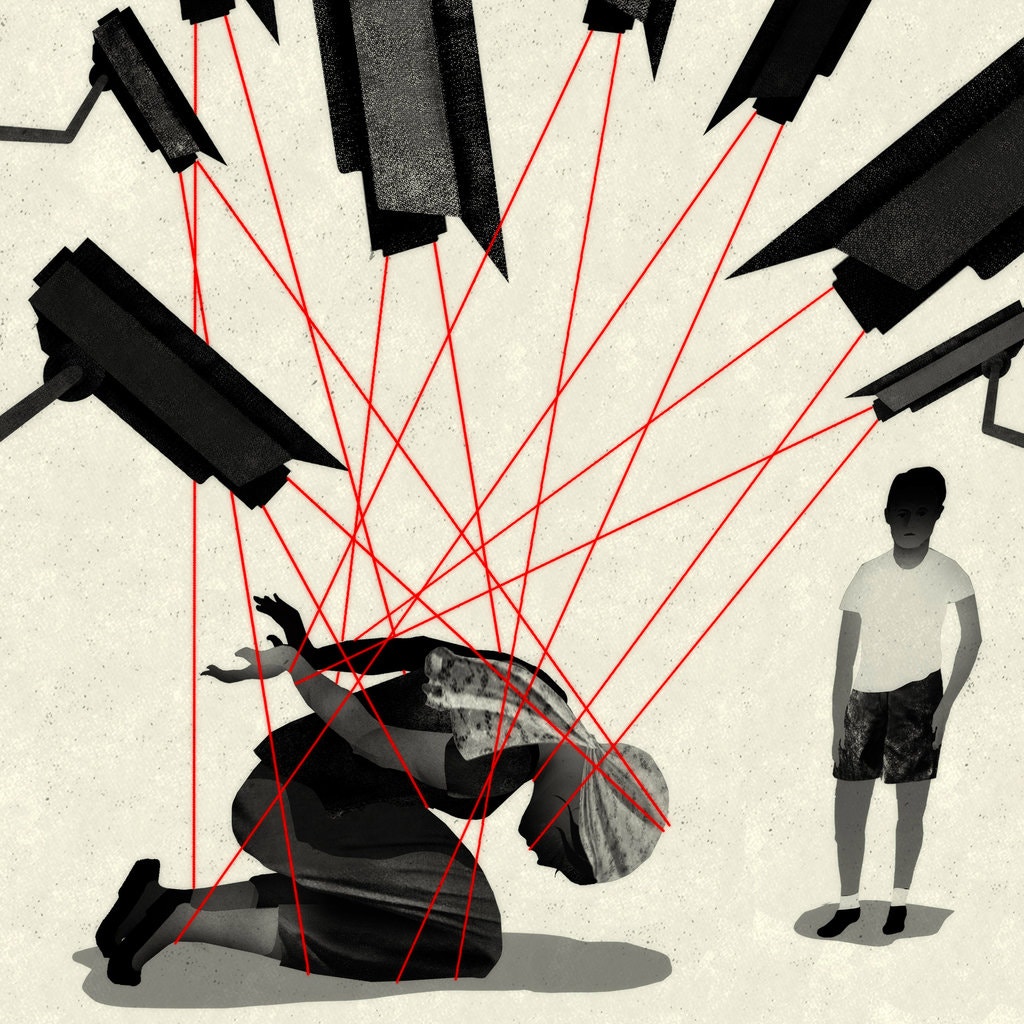

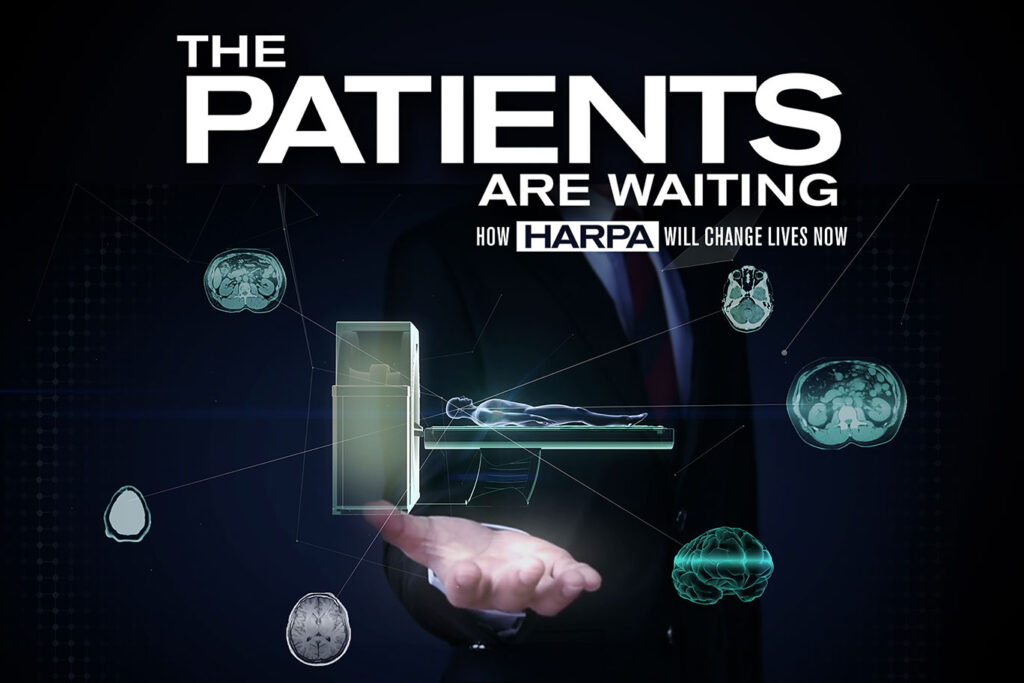
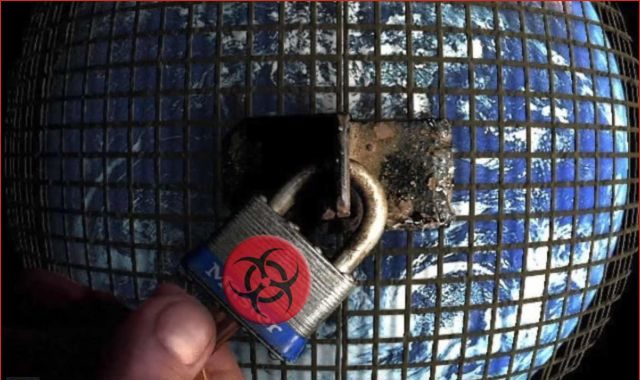
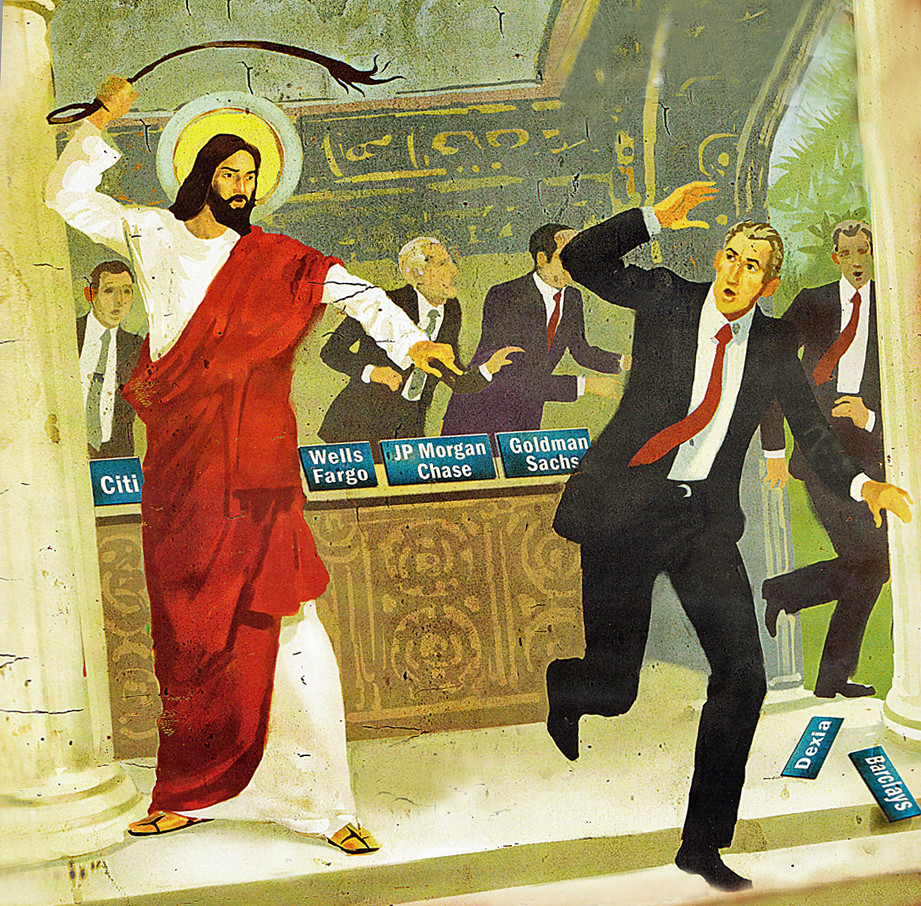
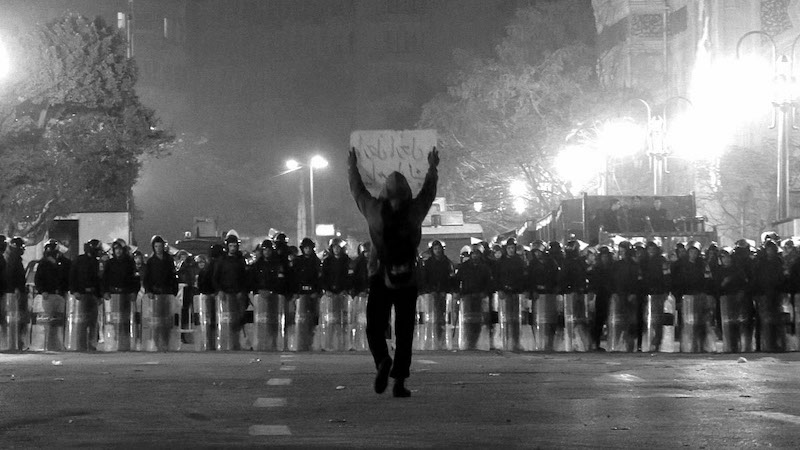
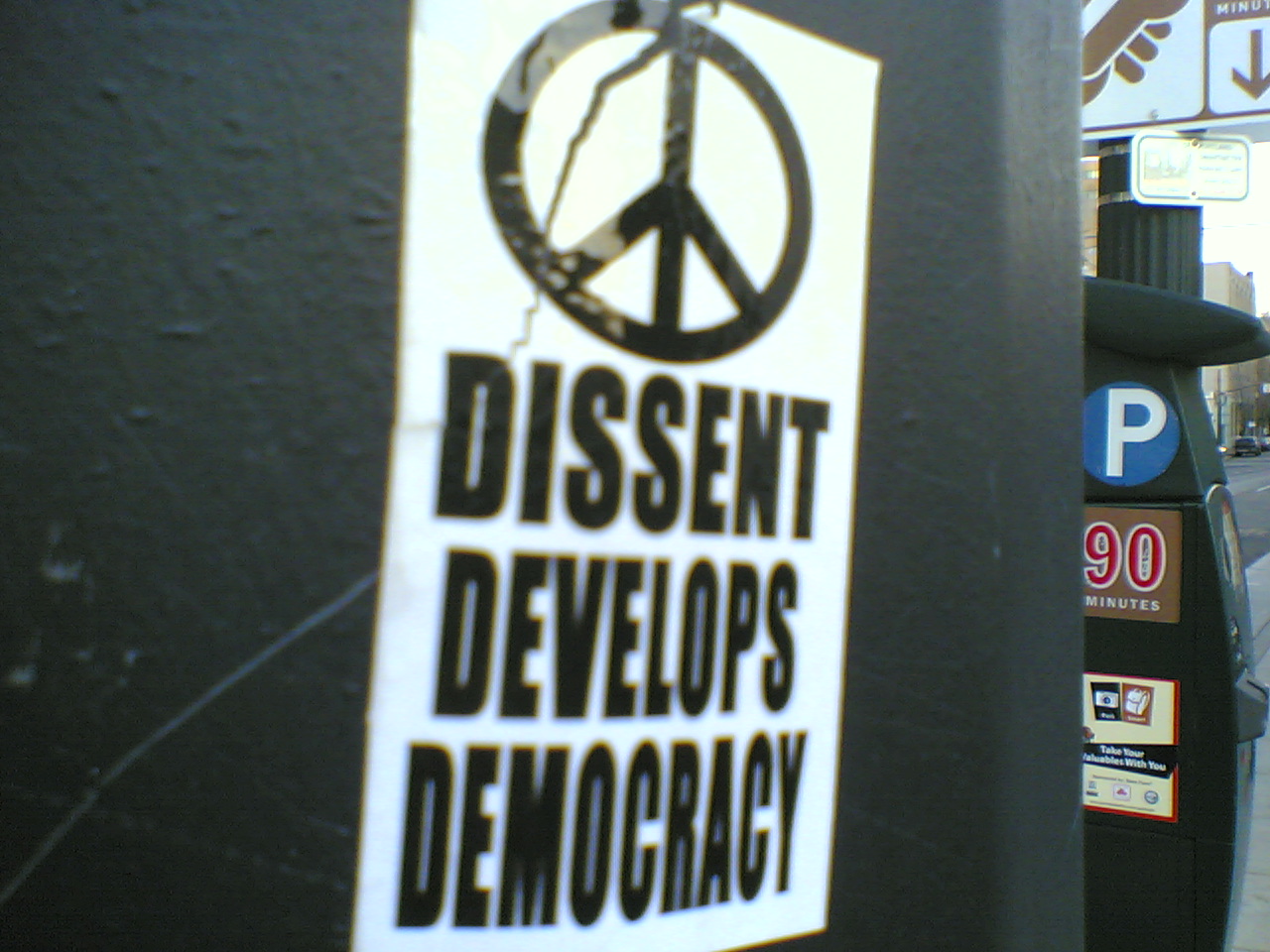
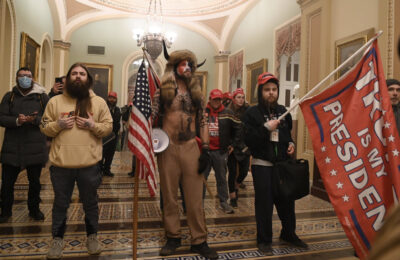
 After the Crash