
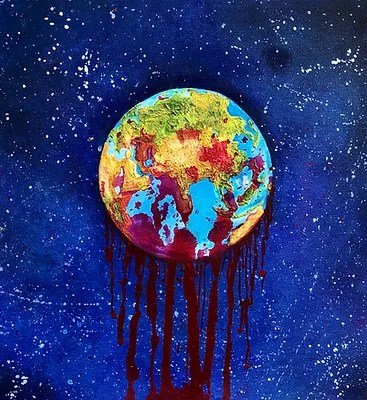
Humanity Under Assault by the Elites – When Will We Have Had Enough?

By Phil Butler

Source: New Eastern Outlook

“I speak of peace, therefore, as the necessary rational end of rational men. I realize that the pursuit of peace is not as dramatic as the pursuit of war–and frequently the words of the pursuer fall on deaf ears. But we have no more urgent task.” – John F. Kennedy

For most people, it’s difficult to imagine much of what’s happening today. And this is why so many seem in the dark about what we should do to alleviate our problems. Looking at the situation in which a proxy is being waged on Russia from Ukraine, nothing seems to add up. The same is true for the genocide now going on in Gaza. And when we superimpose problems like curing cancer and other diseases, environmental problems, and failing economies, the only thing we can see is that our leaders have failed miserably at prioritising. It’s also obvious that we, the people, are the farthest thing from their minds.

Regarding visualisation, there’s no bigger confusion than grasping just how much money the Western powers are shovelling into the war against Russia. So far, something like $233 billion has been donated to Ukraine. The top donors are the EU($90B) and the United States ($73B). Interestingly, most of the EU funding has been aimed at financial aid, while the US donates are mostly military aid. Neither the EU nor the US spent much on humanitarian aid, at least not by comparison. But then, humanitarian money does not go into the pockets of the elites, now does it? The arms companies and financial institutions seem to be leveraging this Ukraine mess for a return on assets. But that’s another story. Now, I’d like to compare spending on Ukrainian and Israeli wars against efforts that do help human beings.

Let’s look at one of humanity’s most dreaded killers: cancer. In total, global oncology spending in 2022 was $193 billion. The numbers are far more telling in key research, where funding often comes from philanthropy. The Lancet reported recently that some 66,388 awards with a total investment of about $24.5 funded research for 2016–20. And now these figures have nosedived. In 2020, there were 19.3 million cases and 10 million deaths from the dreaded disease.

If we look at how many people are starving on our planet, it’s appalling to think of billions thrown away on unwinnable wars for the sake of selling weapons. In 2021, U.N. World Food Programme Executive Director David Beasley said it would take an estimated $40 billion annually to end world hunger by 2030. Let’s think about that for a moment. Each day, 25,000 people, including more than 10,000 children, die from hunger and related causes. Envision the lost potential of all those children perishing, if you can. Beasley went on to etch the situation in stone with this statement:

“There is 400 trillion dollars’ worth of wealth on the earth today, and the fact that 9 million people die from hunger every year… Shame on us. In the height of COVID, billionaires’ net worth increase was $5.2 billion per day. At the same time, 24,000 people die per day from hunger. Shame on us. Every hour, the net worth of billionaires during the height of COVID was a substantial $216 million per hour. Yet 1000 people per hour were dying from hunger… Shame on us.”

Two-hundred-sixteen million dollars per hour! I’ll wager the vast majority of that wealth had nothing whatsoever to do with helping human beings, curing disease, or stopping the endless wars. Moving on, let’s look at the homeless/poverty situation worldwide. In 2021, there were 150 million homeless people worldwide. While so many people here in Greece and other countries in Europe strive to go live in the United States, few realise that over 18% of the people living in my country live below the poverty line. And no one wanting to become American realises that the overwhelming solution to poverty in my country is to punish and imprison the poor (Homelessness World Cup). Using only what’s been spent on Ukraine so far, the U.S. Government could have issued a check for $1,825 to each of the 40 million homeless people in the country. That’s two or even three months’ rent for all homeless people in the USA.

Even in highly developed countries like Germany, more than 14.8% of the people are living beneath the national poverty line. Interestingly, some Latin American countries equal or better poverty rate than North American or some European countries. Take Argentina as an example. The situation there is no worse than it is in the United States. In Chile, only 9% of the population lives in dire circumstances. Unbelievably, there are countries like Bangladesh, traditionally thought of as the world’s poorest countries, where less than 13% of the population lives below the poverty line. In Romania, 26% of the people live in extreme poverty, and in neighbouring Bulgaria, the rate is almost 24%.

Turning to more practical matters that bear on quality of life and efficiency, we find the United States of America ranks 13th out of 141 countries in overall infrastructure. What a stunning achievement for the richest (supposedly) country in the world! After all, how do we balance what a country’s wealth is? What is the negative value of a dangerous, rusty bridge or a pothole in a road so deep you can hear Chinese being spoken from its depths? How bad is 13th place? Well, the American Society of Civil Engineers estimated that it would take 50 years to complete only the necessary repairs on more than 46,000 deteriorated bridges in the country. Both the Trump and Biden administrations promised to pour more money into the problem, but so far the US of A is still crumbling. So that you understand, Spain, Singapore, South Korea, Japan, and eight other countries have better quality infrastructures than the US. Remember I mentioned at the beginning, prioritisation? Is it possible that the Spaniards are doing more to care for their own people than America? Does Spain start proxy wars on Russia’s borders? I do not see Spanish ships in the South China Sea provoking war.

Since we landed in Spain, let’s take a look at some interesting facts about their quality of life. For instance, the Spanish Constitution includes a right to housing. The reality of homelessness there is that less than 8.5% of the population is homeless, and most of those live in shelters. Spain ranked 27th out of OF 189 countries in the Human Development Index Rankings.  Romania was 49th, the USA was 17th, Chile 43rd, and South Korea was 23rd. For me at least, what is significant in these numbers is the wide disparity in position in a world that was supposed to be some globalisation miracle a couple of decades ago. Despite all the PR and belly-rubbing the people of Earth have received, things in most countries are just not getting better. And trillions are being spent on wars and corporate machinations that steal from our prosperity.

Returning to my thesis, we must add the humongous waste of money that has gone to the state of Israel, Saudi deals, and the new monies soon to flow in that direction simply to eradicate or force migrate the Palestinians. Before the current crisis, the Biden administration had pledged $14.3 billion in aid to Israel since the October 7th Hamas campaign against the Israelis began. But this figure is a bit misleading if we want to see just how massive the American sacrifice for Israel has been. Since World War II, the United States has given Israel more aid than any other nation, currently more than $260 billion. To wrap things up for this report, the U.N. says the conflict in Yemen is one of the world’s worst humanitarian crises. Saudi Arabia does not receive American aid through loans, grants, or gifts pegged for killing Yemenis. However, the US Accounting Office reported that between 2015 and 2021, the US Department of Defense supplied more than $54.6 billion in military support for the Saudis and the United Arab Emirates. Now, imagine what human strife could be alleviated with these hundreds of billions combined with the trillions spent on failed US wars across the globe.

For those who enjoy simple examples of what could be. There are over 33,000 homeless veterans who fought these wars for the United States. The billions in military support only for Saudi Arabia would be enough to gift each one of those vets $1.7 million. You do the math. What is being spent to kill millions of us, could save the millions being killed PLUS millions of others starving, wasting away, or swept away by disasters. Now you tell me when the time will be right to get out the torches and pitchforks.
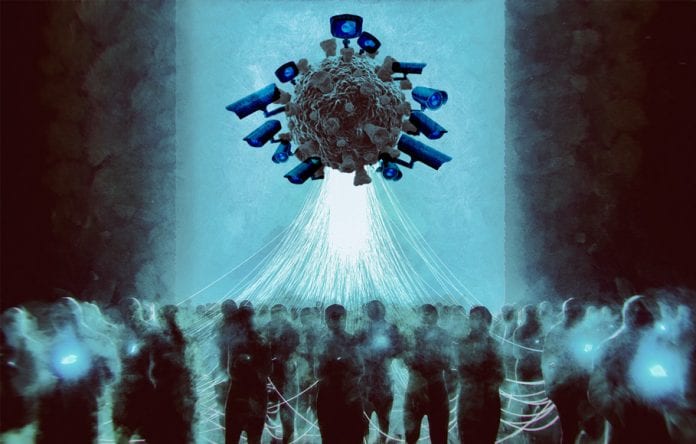
Situational Awareness

By James Howard Kunstler

Source: Kunstler.com

“All across the board, illness, disability, cancer, heart, autism, fertility…WeFkdUp !!!” —The Ethical Skeptic on Twitter

What if Dr. Geert Vanden Bossche is correct? The Dutch virologist said at the outset of the Covid-19 episode in 2020 that vaccinating the world in the midst of an epidemic was insane because it would train the virus to evolve more dangerously while disabling human immune systems.

     Last week he issued a warning that the world was within weeks of just such a new and deadly immune escape variant outbreak that would bring on a shocking wave of sickness and death among people who received multiple Covid-19 vaccinations. This would happen on top of an already accelerating rise in latent vaccine adverse reactions manifesting as aggressive cancers, blood disorders, cardiac injury, neurological disease, and much, much more.

     To this point in the Covid-19 story, Western Civ in general, and the USA in particular, have descended into an epic group psychosis as a result of the managed mind-fuckery induced by their own governments in collusion with a pharmaceutical industry metastasizing on money the way an aggressive cancer feeds on sugar in a human body. Fearful citizens swallowed all manner of unreality foisted on them by means of propaganda and censorship.

     We still don’t know for sure how, who, and why, exactly, Covid-19 was set loose on the world, and the public health agencies don’t want you to know. Perhaps the worst and most baldly dishonest act was the official suppression of effective treatments with common, safe, anti-virals that could have saved millions of lives. And all just to preserve the vaccine companies’ liability shield from the Emergency Use Authorization. In fact, governments are still militating against the sale and use of ivermectin and hydroxychloroquine, which could be taken prophylactically in anticipation of a new outbreak.

     So, if these populations were driven crazy by authorities ginning up their fear and preying on it, what will happen if that fear turns to anger instead? Because that’s exactly what will happen when Americans, and perhaps even Europeans, realize they’ve been subject to history’s biggest homicidal fraud. That anger is going to seek targets, and they are going to find them very easily in their own government officials and also — get this — in the medical establishment that has betrayed its patients so unconscionably.

     It’s just impossible to say exactly how that will play out on-the-ground. Governments are already falling — Spain, the Netherlands — but these were parliamentary downfalls according to regular political procedure. Our country has no such procedures for changing authority in a time of crisis. Instead, we have a president up to his neck in bribery scandal and executive agency thuggery, and political parties sunk in corruption, and no way to get rid of them except elections many months away — elections which at least half the people don’t believe are honest.

    This crisis of bad faith and sickness is happening at the same time that Western Civ enters an equally vicious crisis of economy and finance. America and Europe are broke. All are playing games with their conjoined banking systems and their currencies. All are de-industrializing economies strictly based on industrial production of goods no longer being produced, and pretending to replace them with economies of computer vapor-ware. That can’t work and can only end badly in collapsing standards of living.

     The past few years, an apparent coalition of global elites, functioning in orgs such as the WEF, the WHO, the EU, the IMF, the central banks, and countless NGOs, along with shadowy intel units and what remains of the old news media, have promoted ever more desperate top-down control programs to prevent a breakdown into wholesale economic and political disorder. Their efforts increasingly tilt into pretense.

     Try to impose digital currencies and health passports? Fuggeddabowdit. You will only get a chaos of work-arounds, non-compliance, and probably violent opposition. Keep that stupid, dishonorable, perfidious, and unnecessary war going in Ukraine and you run the risk of turning Western Civ into a matched set of ashtrays.

     As you can see, there has already been enough official mischief, crime, and malfeasance to severely piss-off the population. If Dr. Vanden Bossche is correct, we are perhaps heading into the conclusive shock of an evil era. Some kind of monumental correction will be in order. The people will need some way to regain credible self-governance, either through personnel change in every locus of power, or some revision in structure and procedure. For now, there is little faith that our institutions can manage either of those options. Better maintain situational awareness as we creep into the unknown.

If the “Market” Never Goes Down, The System Is Doomed

By Charles Hugh Smith

Source: Of Two Minds

The reliance on “good news” narratives dooms our financial system and economy to a death spiral once reality breaks through the induced euphoria.

“Markets” that never go down aren’t markets, they’re signaling mechanisms of the Powers That Be. Markets are fundamentally clearing houses of information on price, demand, sentiment, expectations and so on–factual data on supply and demand, shipping costs, cost of credit, etc.–and reflections of trader and consumer emotions and psychology.

If markets are never allowed to go down, the information clearing house has been effectively shut down. Whatever information leaks out has been edited to fit the prevailing narrative, which in this moment is “central banks will never let markets go down ever again, so jump in and ride the guaranteed Bull to easy gains.”

The past 12 years offer ample evidence for this narrative: every dip draws a near-instantaneous monetary-policy response that reverse the dip and gooses markets higher.

That permanent monetary intervention distorts markets doesn’t matter to participants. Who cares if markets have become “markets,” simulacra of real markets that are now nothing but signaling mechanisms that all is well so buy, buy, buy? If gains are essentially guaranteed, who cares that markets are not longer information clearing houses?

Indeed. There’s no reason to care until the fatal spiral downward surprises us all. Here’s an analogy of what happens when real information gets edited to fit a convenient narrative.

Unfortunately, the patient has cancer which is starting to metastasize, i.e. spread to other organs in the body. But unbeknownst to the patient, this accurate information is considered “bad news,” so the test results and other information is carefully edited to show the cancer is actually shrinking–the exact opposite of what the actual facts reflect.

The patient is naturally delighted with this false data because it appears he’s on the mend and doesn’t need any surgery or other drastic treatments.

If participants don’t have information that reflects actual conditions, they cannot help but make disastrous decisions. Falsified or heavily edited information is misleading, and so all decisions made on the assumption this information is accurate will be fatally skewed.

Symptoms of the fatal spread of the disease are masked by stimulants that not only mask the spread but give the patient a sense of euphoric power and supreme confidence.

Imagine the patient’s terrible dismay when symptoms break through the euphoria and he learns his cancer is now terminal. Increasing the tragedy is his awareness that had the authorities in charge of his care given him the real-world data instead of the carefully edited “happy story” version, treatments could have been undertaken that might have extended his life. Now those options have been lost forever.

That’s the situation in our economy and financial system. The information cleared in markets has been suppressed, distorted and edited for 12 long years of permanent and ever-increasing monetary interventions, as the “doses” of intervention required to maintain the cocaine-like euphoria and supreme confidence in central bank manipulation of “markets” so they always signal the “good news” of guaranteed gains ratchets higher on every intrusion of reality.

The reliance on “good news” narratives dooms our financial system and economy to a death spiral once reality breaks through the induced euphoria. Our last chances to clear the financial cancers eating away at our economy are slipping away forever, masked by the “market’s” cocaine-like euphoria and supreme confidence in central-bank guaranteed gains.

If the stock market is never allowed to go down, this is the equivalent of telling the cancer-riddled patient that their cancer has disappeared, even as the disease is leading inexorably to the patient’s needless demise.

Agrochemicals and Institutional Corruption: Pleading with the Slave Master Will Not Set You Free

By Colin Todhunter

Source: CounterPunch

Environmental campaigner Dr Rosemary Mason has just written to President of the European Commission Jean-Claude Juncker, Vice President of the European Commission Frans Timmermans and Health Commissioner Vytenis Andruikaitis. As set out below, she asks these top officials some very pertinent questions about the EU’s collusion with the agrochemical corporations.

1) In authorising glyphosate on behalf of the Glyphosate Task Force led by Monsanto, why did President Juncker fail to state the European Chemicals Agency’ (ECHA) risk assessment in full?

2) Why did the EU collude with corporations that made nerve gases in WW2 for chemical warfare and for use in the Nazi concentration camps? These firms continued to use similar chemicals in agriculture to poison ‘pests’, beneficial insects, birds and people.

3) Could it be that is it is because biocides regulations in the EU are merely designed to make corporations money and are ultimately controlled by the agrochemical industry?

4) Why did Monsanto, the European Food Safety Authority (EFSA), the ECHA and the industry-funded UK Science Media Centre suppress the paper by Gilles-Eric Seralini of the two-year rat feeding study of GM crops and Roundup that produced organ damage and tumours at four months?

5) Do the commissioners know that Cancer Research UK was hijacked by the Agrochemical Industry in 2010 with the full knowledge of the UK government? Michael Pragnell, former Chairman of Cancer Research UK (CRUK), was founder of Syngenta and former chairman of industry lobby group CropLife International. The CRUK website says that there is no convincing evidence that pesticides cause cancer. Instead, CRUK links cancer to life style choices and individual behaviour and blames alcohol use, obesity and smoking.

6) Why did the EU regulators and David Cameron, on behalf of the British government, ignore the Letter from America in 2014 from nearly 60 million citizens, warning you not to authorise GM crops and Roundup because of their toxicity to human health and the environment?

7) Where have all the insects and birds gone as a result of intensive chemical agriculture? The UK, Germany, France, Denmark and Canada are rapidly losing biodiversity. US farmland growing GM Roundup Ready crops has become a biological desert.

8) Did Monsanto and President Juncker conceal the ECHA harmonised classification of glyphosate as “toxic to aquatic life with long-lasting effects” because it would explain the accelerating deterioration of coral in the Great Barrier Reef?

Mason concludes her letter by reiterating the damning advisory opinion of the International Monsanto Tribunal delivered in 2017. She also sent the commissioners a recent letter signed by 23 prominent organisations criticising the EU’s decision to renew the license for glyphosate and outlining Monsanto’s undue influence over decision making.

Along with her letter, Mason sent a 22-page document containing detailed information on:

* The European Commission’s flawed renewal of the license for glyphosate

* The causes of decline in coral cover on the Great Barrier Reef

* European legislation existing for the benefit of the agrochemical industry

* Contamination by glyphosate and neonicotinoid insecticides causing dramatic declines in insects and birds

* Glyphosate being present everywhere

* The International Monsanto Tribunal and various alarming reports on pesticides, their use and impacts

To date, there has been no response from the commissioners to Mason.

In 2003, the World Wide Fund for Nature (UK) concluded that every person it tested across the UK was contaminated by a cocktail of highly toxic chemicals, which were banned from use during the 1970s. Over the years, Mason has cited a range of sources to show the harmful impact of pesticides and that the amount and range of pesticide residues on British food is increasing annually. She also notes a massive rise in the use of glyphosate between 2012 and 2014 alone.

In her many detailed documents and letters (which contains her own views on all the questions she poses above to the commissioners) she has sent to officials over the years, Mason offers sufficient evidence to show that the financial and political clout of a group of powerful agrochemical/agribusiness corporations ensure that its interests are privileged ahead of public health and the environment to the detriment of both. Mason has gone to great lengths to describe the political links between industry and various government departments, regulatory agencies and key committees that have effectively ensured that ‘business as usual’ prevails.

The corporations which promote industrial agriculture and the agrochemicals Mason campaigns against have embedded themselves deeply within the policy-making machinery at both national and international levels. From the flawed narrative that industrial agriculture is necessary to feed the world to providing lavish research grants and the capture of important policy-making institutions, global agribusiness has secured a bogus ‘thick legitimacy’ within policymakers’ mindsets and mainstream discourse.

By referring to the Monsanto Tribunal, Mason implies that governments, individuals and civil groups that collude with corporations to facilitate ecocide and human rights abuses resulting from the actions of global agribusiness corporations should be hauled into court. Perhaps it is only when officials and company executives are given lengthy jail sentences for destroying health and the environment that some change will begin to happen.

From Rachel Carson onward, the attempt to roll back the power of these corporations and their massively funded lobby groups has had limited success. Some 34,000 agrochemicals remain on the market in the US, many of which are there due to weak regulatory standards or outright fraud, and from Argentina to Indonesia, the devastating impact of the industrial chemical-dependent model of food and agriculture on health and the environment has been documented by various reports and writers at length.

What is worrying is that these corporations are being facilitated by the World Bank’s ‘enabling the business of agriculture’, duplicitous trade deals like the US-India Knowledge Initiative on Agriculture, the Gates Foundation’s ‘opening up’ of African agriculture and the bypassing of democratic procedures at sovereign state levels to impose seed monopolies and proprietary inputs on farmers and to incorporate them into a global supply chain dominated by these powerful companies.

For the reasons set out in my previous piece, pleading with public officials to roll back the actions and influence of agrochemical/agribusiness corporations may have no more impact than appealing to a slave master to set you free.

Ultimately, the solution relies on people coming together to challenge a system of neoliberal capitalism that by design facilitates the institutionalised corruption that we see along with the destruction of self-sufficiency and traditional food systems. At the same time, alternatives must be promoted based on localisation, the principles of a politically-oriented model of agroecology (outlined here, here and here) and a food system that serves the public good not private greed.


Colin Todhunter is an extensively published independent writer and former social policy researcher based in the UK and India.

The Globalisation of Bad Food and Poor Health: Sustainable Development or Sustainable Profits?

gmo_crops_genfood_735_350-400x190

By Colin Todhunter

Source: RINF

The proportion of deaths due to cancer around the world increased from 12 percent in 1990 to 15 percent in 2013. Globally, cancer is already the second-leading cause of death after cardiovascular diseases.

In India, government data indicates that cancer showed a 5 percent increase in prevalence between 2012 and 2014 with the number of new cases doubling between 1990 and 2013. The incidence of cancer for some major organs in India is the highest in the world. Reports have also drawn attention to rising rates of breast cancer in urban areas, and, in 2009, there was a reported increase in cancer rates in Tamil Nadu’s textile belt, possibly due to chemically contaminated water.

The increase in prevalence of diabetes is also worrying. By 2030, the number of diabetes patients in India is likely to rise to 101 million (World Health Organisation estimate). The number doubled to 63 million in 2013 from 32 million in 2000. Almost 8.2 percent of the adult male population in India has diabetes. The figure is 6.8 percent for women.

In India, almost 76,000 men and 52,000 women in the 30-69 age group died due to diabetes in 2015, according to the WHO. The organisation reports South-East Asia had a diabetic population of around 47 million, which is expected to reach 119 million by 2030.

new study in The Lancet has found that India and China continue to have the largest number of underweight people in the world; however, both countries have broken into the top five in terms of obesity.

India leads the world in terms of underweight people. Some 102 million men and 101 million women are underweight, which makes the country home to over 40 percent of the global underweight population.

Contrast this with India’s surge in obesity. In 1975, the country had 0.4 million obese men or 1.3 percent of the global obese men’s population. In 2014, it was in fifth position globally with 9.8 million obese men or 3.7 percent of the global obese men’s population. Among women, India is globally ranked third, with 20 million obese women or 5.3 percent of global population.

Although almost half the nation’s under-5s are underweight, the prevalence of underweight children in India is among the highest in the world; at the same time, the country is fast becoming the diabetes and heart disease capital of the world.

Many social and economic factors, including environmental pollution, poor working and living conditions, tobacco smoking, lack of income and economic distress, lack of access to healthcare and poverty, contribute to ill health and disease. However, conditions like cardiovascular disease and obesity have among other things been linked to sedentary lifestyles and/or certain types of diet, not least modern Western-style convenience food (discussed later).

Western junk food aside, it will be shown that even when we have access to sufficient calorific intake or seemingly nutritious and wholesome traditional diets, there is little doubt that due to the processes involved in growing and processing the food we eat, diet can be a (major) contributory factor in causing certain conditions and illnesses.

The junk food revolution, ‘free’ trade and poor health

The impact of the North American Free Trade Agreement on Mexico and the subsequent flood of cheap US processed food into the country has adversely affected the health of ordinary people. Western ‘convenience’ (junk) food has displaced more traditional-based diets and is now readily available in every neighbourhood. Increasing rates of diabetes, obesity and other health issues have followed. This report by GRAIN describes how US agribusiness and retailers have captured the market south of the border and outlines the subsequent impact on the health of Mexican people.

In Europe, due to the ‘harmonisation’ of food regulatory standards, the Transatlantic Trade and Investment Partnership (TTIP) could seriously impact the health of Europeans. Washington wants Europe to eliminate all restrictions on imports of food from the US and to adopt a US-style food supply regulatory regime, stripped of the precautionary principle. US corporations want to make it difficult for European consumers to identify whether what they’re eating is food that was produced using health-damaging practices that EU consumers are against, like GMOs, chlorine-washed chicken and meat from animals treated with growth hormone.

These types of trade agreements represent little more than economic plunder by transnational corporations. They use their massive political clout to author the texts of these agreements with the aim of eradicating all restrictions and regulations that would impede greater profits.

Western agribusiness, food processing companies and retail concerns are gaining wider entry into India and through various strategic trade deals are looking to gain a more significant footprint within the country. The Knowledge Initiative on Agriculture and the ongoing India-EU free trade agreement (like TTIP, both are secretive and largely authored by powerful corporations above the heads of ordinary people) talks have raised serious concerns about the stranglehold that transnational corporations could have on the agriculture and food sectors, including the subsequent impact on the livelihoods of hundreds of millions and not least the health of the public.

Western style fast-food outlets have already been soaring in number throughout the country. Pizza Hut now operates in 46 Indian cities with 181 restaurants and 132 home delivery locations, a 67 percent increase in the last five years). KFC is now in 73 cities with 296 restaurants, a 770 percent increase. McDonalds is in 61 Indian cities with 242 restaurants as compared to 126 restaurants five years back, a 92 percent increase). According to a study published in the Indian Journal of Applied Research, the Indian fast food market is growing at the rate of 30-35 percent per annum (see this).

Heart disease, liver damage, stroke, obesity and diabetes are just some of the diseases linked to diets revolving around fast-food. Frequent consumption of fast food has been associated with increased body mass index as well as higher intakes of fat, sodium, added sugars and sugar-sweetened beverages and lower intakes of fruits, vegetables, fibre and milk in children, adolescents and adults. Fast food also tends to have higher energy densities and poorer nutritional quality than foods prepared at home and in comparison with dietary recommendations (see this).

To further appreciate just how unhealthy even seemingly healthy food can be in well-stocked supermarkets, this report in The Guardian reveals the cocktails of additives, colourants and preservatives that the modern food industry adds to our food.

Moreover, in many regions across the globe industrialised factory farming has replaced traditional livestock agriculture. Animals are thrown together in cramped conditions to scale up production and maximise output at minimum cost. For example, just 40 years ago the Philippines’ entire population was fed on native eggs and chickens produced by family farmers. Now, most of those farmers are out of business. And because world trade rules encourage nations from imposing tariffs on subsidised imported products, they are forced to allow cheap, factory-farmed US meat into the country. These products are then sold at lower prices than domestic meat. There is therefore pressure for local producers to scale up and industrialise to compete.

Factory farms increase the risk of pathogens like E coli and salmonella that cause food-borne illness in people. Overuse of antibiotics can fuel the growth of antibiotic-resistant bacteria, the use of arsenic and growth hormones can increase the risk of cancer in people and crowded conditions can be a breeding ground for disease. And genetically modified animal feed is also a serious issue, leading to concerns about the impact on both animal and human health.

The green revolution, micronutrient deficient soil and human health

We often hear unsubstantiated claims about the green revolution having saved hundreds of millions of lives, but any short-term gains have been offset. This high-input petro-chemical paradigm helped the drive towards greater monocropping and has resulted in less diverse diets and less nutritious foods. Its long-term impact has led to soil degradation and mineral imbalances, which in turn have adversely affected human health (see this report on India by botanist Stuart Newton – p 9 onward).

Adding weight to this argument, the authors of this paper from the International Journal of Environmental and Rural Development state:

“Cropping systems promoted by the green revolution have increased the food production but also resulted in reduced food-crop diversity and decreased availability of micronutrients (Welch, 2002; Stein et al., 2007). Micronutrient malnutrition is causing increased rates of chronic diseases (cancer, heart diseases, stroke, diabetes and osteoporosis) in many developing nations; more than 3 billion people are directly affected by the micronutrient deficiencies (Cakmak et al., 1999; Welch, 2002; WHO, 2002; Welch and Graham, 2004). Unbalanced use of mineral fertilizers and a decrease in the use of organic manure are the main causes of the nutrient deficiency in the regions where the cropping intensity is high (Prasad, 1984; Welch, 1993, 2005).”

The authors imply that the link between micronutrient deficiency in soil and human nutrition is now regarded as crucial:

“Moreover, agricultural intensification requires an increased nutrient flow towards and greater uptake of nutrients by crops. Until now, micronutrient deficiency has mostly been addressed as a soil and, to a smaller extent, plant problem. Currently, it is being addressed as a human nutrition problem as well. Increasingly, soils and food systems are affected by micronutrients disorders, leading to reduced crop production and malnutrition and diseases in humans and plants (Welch et al., 1982; Welch and Graham, 2004). Conventionally, agriculture is taken as a food-production discipline and was considered a source of human nutrition; hence, in recent years many efforts (Rengel and Graham, 1995a, b; Cakmak et al., 1999; Frossard et al., 2000; Welch and Graham, 2005; Stein et al., 2007) have been made to improve the quality of food for the growing world population, particularly in the developing nations.”

Pesticides, the environment, food and health

Hand in hand with the practices outlined above has been the growth of the intensive use of chemical pesticides. There are currently 34,000 pesticides registered for use in the US. Drinking water is often contaminated by pesticides and more babies are being born with preventable birth defects due to pesticide exposure. Illnesses are on the rise too, including asthma, autism and learning disabilities, birth defects and reproductive dysfunction, diabetes, Parkinson’s and Alzheimer’s diseases and several types of cancer. The association with pesticide exposure is becoming stronger with each new study.

In Punjab, pesticide run-offs into water sources have turned the state into a ‘cancer epicentre‘, and Indian soils are being depleted as a result of the application of green revolution ideology and chemical inputs. India is losing 5,334 million tonnes of soil every year due to soil erosion because of the indiscreet and excessive use of fertilisers, insecticides and pesticides. The Indian Council of Agricultural Research reports that soil is become deficient in nutrients and fertility.

India is one of the world’s largest users of pesticides and a profitable market for the corporations that manufacture them. Ladyfinger, cabbage, tomato and cauliflower in particular may contain dangerously high levels because farmers tend to harvest them almost immediately after spraying. Fruit and vegetables are sprayed and tampered with to make them more colourful, and harmful fungicides are sprayed on fruit to ripen them in order to rush them off to market.

Consider that if you live in India, the next time you serve up a good old ‘wholesome’ meal of rice and various vegetables, you could be taking in half a milligram of pesticide also. That would be much more than what an average North American person would consume.

Research by the School of Natural Sciences and Engineering (SNSE) at the National Institute of Advanced Studies in Bangalore has indicated disturbing trends in the increased use of pesticide. In 2008, it reported that many crops for export had been rejected internationally due to high pesticide residues. Moreover, India is one of the largest users of World Health Organization (WHO) class 1A pesticides, including phorate, phosphorus, phosphamidon and fenthion that are extremely hazardous.

Kasargod in Kerala is notorious for the indiscriminate spraying of endosulfan. The government-owned Plantation Corporation of Kerala aerially sprayed the harmful pesticide on cashews for a period of over 20 years. Consequently, it got into rivers, streams and drinking water. Families and their children have been living with physical deformities, cancers and disorders of the central nervous system ever since.

Officials and the pesticide companies benefited from the spraying. At the time, cashew was grown without pesticides throughout Kerala, but the government-run plantation invested millions of rupees of public money in spraying the deadly pesticide. Endosulfen poisoning cases also emerged elsewhere, including Karnataka.

The SNSE notes that pesticide use across India has greatly increased over the years. This not only impacts the health of consumers but also the health of agricultural workers who are subject to pesticide drift and spaying, especially as they tend to wear little or no protection. Research by SNSE shows farmers use a cocktail of pesticides and often use three to four times the recommended amounts (see this).

Forced-fed development: who benefits?

If there are any beneficiaries in all of this, it is the pesticide manufacturers, the healthcare sector, especially private clinics and drug companies, and the transnational food and agribusiness companies, which now see their main growth markets in Asia, Africa and South America, where traditionally people have tended to eat food from their own farms or markets that sell locally-produced foods.

Of course, the commodification and privatisation of seeds by corporate entities, the manufacturing and selling of more and more chemicals to spray on them, the opening up fast food outlets and the selling of pharmaceuticals or the expansion of private hospitals to address the health impacts of the modern junk food system (in India, the healthcare sector is projected to grow by 16 percent a year) all amounts to the holy grail of neoliberal capitalism, GDP growth; which increasingly means a system defined by jobless growth, greater personal and public debt and massive profits for large corporations and banks.

While there are calls for taxes on unhealthy food and emphasis is placed on encouraging individual ‘lifestyle changes’ and ‘healthy eating’, it would be better to call to account the corporations which profit from the growing and production of health-damaging food in the first place and to get agriculture off the chemical treadmill.

Part of the solution entails restoring degraded soils. It also includes moving towards healthier and more nutritious organic agriculture, encouraging localised rural and urban food economies that are shielded from the effects of rigged trade and international markets and shying away from the need for unhealthy food-processing practices, unnatural preservatives and harmful additives.

In India, it also involves calling a halt to the programmed dismantling of local rural economies and indigenous agriculture under the guise of ‘globalisation’ for the benefit of transnational agribusiness and food retail corporations. And it entails placing less emphasis on a headlong rush towards urbanisation (and the subsequent distortion of agricultural production), while putting greater emphasis on localisation.


Related Article:

8 Critical Factors Behind Every Food Crisis


Bayer and Monsanto: A Marriage Made in Hell

146122_600

By Steven MacMillan

Source: New Eastern Outlook

In a world infected with a plethora of immoral multinational corporations, it is hard to think of two corporations who have more nefarious histories than Bayer AG and Monsanto. Considering this, it is a harrowing prospect that the two corporations could potentially strike a deal in the near future.

As Bloomberg reported earlier this month, Bayer AG – the German pharmaceutical and chemical corporation – is reportedly considering a bid for the agrochemical and biotechnology corporation, Monsanto. This comes two months after Monsanto showed some interest in acquiring Bayer Crop Sciences, a branch of Bayer AG.

Founded in 1863, Bayer may be familiar to many readers as the first company to widely sell and trademark Aspirin in the late nineteenth century. But there is a far more sinister history to this company that is often omitted. 

The Inception of Chemical Warfare

April 22nd, 1915 is widely considered to be the first successful large-scale use of poison gas in warfare, when the Germany army deployed chlorine gas against the French lines at the start of the Second Battle of Ypres. In January of that year, German forces had released gas against Russian forces, yet the cold conditions inhibited the main agents in the weapon from having the desired impact.

Even as far back as the First World War, Bayer was playing a major role in the development of Germany’s chemical weapons apparatus. Along with other German chemical giants at the time, Bayer was a key player in producing and supplying the German army with chemical weapons during WWI (it should be noted that other powers were developing and deploying chemical weapons during the Great War, not just Germany). 

Bayer and the Nazi War Machine

Fast-forward a decade or so, and Bayer was playing an integral part in amalgamating numerous chemical companies into one. The merger resulted in the creation of the most infamous chemical company in modern history – I.G. Farben. As the late Anthony C. Sutton – a former Economics Professor at California State University and Research Fellow at Stanford University’s Hoover Institution – wrote in his book, Wall Street and the Rise of Hitler:

“The Farben cartel dated from 1925, when organizing genius Hermann Schmitz (with Wall Street financial assistance) created the super-giant chemical enterprise out of six already giant German chemical companies – Badische Anilin, Bayer, Agfa, Hoechst, Weiler-ter-Meer and Griesheim-Elektron. There companies were merged to become I.G. Farben. Twenty years later the same Hermann Schmitz was put on trial at Nuremburg for war crimes committed by the I.G. cartel. Other I.G. Farben directors were placed on trial but the American affiliates of I.G. Farben and the American directors of I.G. itself were quietly forgotten; the truth was buried in the archives… Without the capital supplied by Wall Street, there would have been no I.G. Farben in the first place and almost certainly no Adolf Hitler and World War II.”

In more modern times, a division of Bayer was accused of ‘knowingly’ selling HIV-contaminated blood products to haemophiliacs, and has paid millions in damages in legal settlements.

Brothers in Death

During the Vietnam War, Monsanto was contracted to produce and supply the US government with a malevolent chemical for military application. Along with other chemical corporations at the time such as Dow Chemical, Monsanto produced the military herbicide Agent Orange which contained high quantities of the deadly chemical Dioxin. Between 1961 and 1971, the US Army sprayed between 50 and 80 million litres of Agent Orange across Vietnamese jungles, forests and strategically advantageous positions.

It was deployed in order to destroy forests and fertile lands which provided cover and food for the opposing troops. The fallout was devastating, with Vietnam estimating that 400,000 people died or were maimed due to Agent Orange, as well as 500,000 children born with birth defects and up to two million people suffered from cancer and other diseases. Millions of US veterans were also exposed and many have developed similar illnesses. The consequences are still felt today, and will continue to be felt for decades to come; with cancer rates, birth defects and other diseases still causing devastation to the victims and their families.

And today, Monsanto is still involved in producing chemical poison. Last year, the World Health Organisations (WHO) cancer agency – the International Agency for Research on Cancer (IARC) – conducted a study on glyphosate, the main ingredient in the most widely used weedkiller in the world, Monsanto’s Roundup – which is heavily sprayed on GMO crops. The IARC study revealed that glyphosate was “classified as probablycarcinogenic to humans”.

Given the history of these corporations and the atrocities they have been complicit in, the last sector they should be involved in is the agricultural industry.

Related Podcast: Radio WhoWhatWhy – Monsanto’s 50 Years of Death From Above and Below Is About to End

Terror Cells

prostate_cells2

Ain’t no cure for dystopian biology

By Barbara Ehrenreich

Source: The Baffler

At around the turn of the millennium, some disturbing findings surfaced in the biomedical literature. Macrophages—immune cells whose function is to attack and kill microbes and other threats to the body—do not gather at tumor sites to destroy cancer cells, as had been optimistically imagined. Instead, they encourage the cancer cells to continue their mad reproductive rampage. Frances Balkwill, the British cell biologist who performed some of the key studies of treasonous immune cell behavior, described her colleagues in the field as being “horrified.”

By and large, medical science continues to present a happy face to the public. Self-help books and websites go right on advising cancer patients to boost their immune systems in order to combat the disease; patients should eat right and cultivate a supposedly immune-boosting “positive attitude.” Better yet, they are urged to “visualize” the successful destruction of cancer cells by the body’s immune cells, following guidelines such as:

• Cancer cells are weak and confused, and should be imagined as something that can fall apart like ground hamburger.

• There is an army of different kinds of white blood cells that can overwhelm the cancer cells.

• White blood cells are aggressive and want to seek out and attack the cancer cells.

At a more respectable level of discourse, Harvard physician Jerome Groopman wrote an entire 2012 New Yorker article on scientific attempts to enlist the immune system against cancer—without ever once mentioning that certain types of immune cells have a tendency to go over to the other side.

But the evidence for immune cell collusion with cancer keeps piling up. Macrophages supply cancer cells with chemical growth factors and help build the new blood vessels required by a growing tumor. So intimately are they involved with the deadly progress of cancer that they can account for up to 50 percent of a tumor’s mass. Macrophages also appear to be necessary if the cancer is to progress to its deadliest phase, metastasis. When cancerous mice were treated to eliminate all their macrophages, their tumors stopped metastasizing.

A May 2014 paper in the journal Cancer Cell offers a chilling account of the macrophage–cancer cell interaction. Macrophages are among the most mobile cells in the body, capable of moving through the bloodstream or creeping, like amoebae, by extending pseudopods and pulling themselves along. When macrophages encounter breast cancer cells, they do not do what we would like them to do, which is to attack and engulf the “enemy.” Instead, the Cancer Cell article suggests, the macrophages release a growth factor that encourages the cancer cells to elongate themselves into a mobile, invasive form poised for metastasis. These elongated cancer cells, in turn, release a chemical that further activates the macrophages—leading to the release of more growth factor, and so on. A positive feedback loop is established. Or, to put it more colorfully, the macrophages and cancer cells seem to excite one another to the point where the cancer cells are pumped up and ready to set out from the breast in search of fresh lebensraum—in the lungs, for example, or the liver or brain.

You will find little of this drama in the article itself, and not only because it is a scientific paper that happens to have seventeen coauthors. Their data focuses entirely on the chemical exchange between the two types of cells—which is a little like describing a human flirtation entirely in terms of hormones and pheromones. But what goes on among the living cells in the body? How many cells (macrophages and cancer cells) are required before the positive feedback loop can take off? Do the macrophages and cancer cells actually touch one another, perhaps briefly fusing cell membranes, or do the chemical messages they exchange travel through the intercellular matrix? And then there are the deeper, perhaps unanswerable, questions, like what’s in this for the macrophages, which by enabling metastasis seal their own doom? Or for that matter, what’s in it for the cancer cells, which will die along with the organism they destroy?

Kill, Eat, Repeat

If science seems to balk at the behavior of individual cells (and small groups of cells), this is because twentieth-century biology, in its reductionist zeal, tended to zip right past cells to get to the more glamorous molecular level. Cancer research came to focus on the DNA mutations that predispose cells to a career of selfish reproduction. Immunology downplayed macrophages in favor of an obsession with antibodies—the protein molecules that can mark a “foreign” cell, like a microbe, for destruction—although it is chiefly macrophages that do the destroying. My first thesis advisor at Rockefeller University won a Nobel Prize for elucidating the structure of antibody molecules. My second thesis advisor got far less recognition, and a much smaller lab, for his work on how macrophages kill and digest their prey.

Part of the appeal of molecules over cells is that molecules can be collected in test tubes like any nonliving chemical, stored in a refrigerator, and analyzed at leisure by the usual chemical methods. Cells can be pulverized and fractionated into their constituent molecules, of course, but living cells have to be observed with the patience of an ethnologist studying chimpanzee behavior in the wild. After months of biochemical studies of macrophages, I once had a chance to see a living one under a phase contrast microscope and was surprised, in my naïveté, to find that it was moving, its surface rippling and corrugating like that of a sea anemone. The cells of our body are analogs of, and evolutionary descendants of, the unicellular creatures that preceded multicellular life and, in a sense, are tiny animals themselves.

Only very recently, new techniques in microscopy have made it possible to track the behavior of individual cells in living tissue, and the resulting images reveal striking degrees of individuality. If you calculate the bulk average of movements within a sample group of cells, most cells turn out to be going their own way, on paths far from the average. Cancer cells within a tumor exhibit “extreme diversity.” NK, or “natural killer,” cells, which, like macrophages, attack targets like microbes, do not always kill. A 2013 article reports that about half of the NK cells sit out the fight, leaving a minority of them to become what their human observers call “serial killers.”

Individual cells have no mental life—no thoughts or feelings—at least none that we can imagine, if only because they lack nervous systems. But macrophages and NK cells are capable of “memory,” or different responses to stimuli they have encountered before. Risking anthropomorphism, scientists now speak of “decision-making” by individual cells such as macrophages. The cells sniff the chemicals in their microenvironment, seem to weigh their options, and then decide whether to attack or withdraw, move forward or remain where they are. As one science news site put it:

Cells are constantly making decisions about what to do, where to go or when to divide. Many of these decisions are hard-wired in our DNA or strictly controlled by external signals and stimuli. Others, though, seem to be made autonomously by individual cells.

Just a decade ago, any talk about cellular “decision-making” would have been taken for whimsy. Cells, as we knew them then, were programmed both genetically and epigenetically (through chemical modifications to DNA occurring during development) to perform their functions in the body. Heart cells beat, intestinal cells secrete digestive enzymes, nerve cells conduct electrical signals, etc.—and those that falter at their tasks obligingly commit suicide through a process called apoptosis. Furthermore, most body cells, most of the time, are fixed in place by glue-like attachments to other cells. Individual cells have no decisions to make, we used to think, because they have no choice but to serve the organism by tirelessly carrying out their assigned roles.

But that old deterministic model of cell behavior offered little insight into cellular rebellions such as cancer. Many cells may be exposed to a carcinogen, but only some turn into cancer cells, and of those, only a fraction go on to a career of metastasis. “Decisions” are made. As for macrophages, collusion with cancer cells is only one of the ways they can undermine the organism. Overly ambitious macrophages play a central role in autoimmune diseases and the many inflammatory ailments, like arthritis, that plague the elderly. In coronary artery disease, macrophages pile up on the arterial walls, where they fatten themselves on lipids until there is no space in the artery for blood to flow through. The macrophages are doing what comes naturally to them: eating. Unfortunately, there is no central authority to tell them to desist lest the whole multicellular contraption that is the body come to grief.

As an analogy to the erratic immune system (which includes macrophages, NK cells, and a host of other cell types, including antibody-producing lymphocytes), biology teachers often invoke the military. Any human society within a spear’s throw of potential enemies needs some kind of defensive force—minimally, an armed group who can defend against invaders. But there are risks to maintaining a garrison: the warriors may get greedy and turn against their own people, demanding ever more food and other resources. Similarly, in the case of the body, without immune cells we would be helpless in the face of invading microbes. With them, we face the possibility of insurrection and self-inflicted death.

Dystopian Biology

It is disconcerting to think of the biological self, or body, as a collection of tiny selves. The image that comes to mind is the grotesque portrait of a super-sized king in the frontispiece of Hobbes’s Leviathan: on close inspection, the king turns out to be composed of hundreds of little people crowded into his arms and torso. Hobbes’s point was that human societies need autocratic leaders; otherwise they risk degenerating into a “war of all against all.” But no “king” rules the body. Despite, or sometimes because of, all the communications—chemical and electrical—that connect the tissues and cells of the body, chaos can always break out.

It would be nice to think that the brain, with which we do our thinking, is a more tightly disciplined place, set off as it is from the turmoil of the body by the blood–brain barrier, like a computer kept in a dust-free, air-conditioned room. But living brain cells are not entirely predictable. The glial cells that support and nourish neurons can become cancerous (as, more rarely, can neurons themselves). Then too, the brain has its own army of macrophages, or microglia as they are called, and overactive microglia can, like macrophages in other parts of the body, create damaging inflammations, leading to neurodegenerative diseases. Bizarrely enough, new research this year shows that breast cancer cells sometimes “disguise” themselves as neurons, penetrate the blood–brain barrier, and start fresh tumors in the brain. If individual cells have functions, they do not always seem to know it.

It took science until 2012 to officially acknowledge that nonhuman animals possess feelings and consciousness. It may take a bit longer for biology to admit that the cells in our bodies are not simply automata, that they possess, if not consciousness, at least some sort of agency. As recently as 2008, an article on the confusing taxonomy of macrophages proposed that a new, “more informative” classification “should be based on the fundamental macrophage functions,” which are defined as “host defence, wound healing and immune regulation.” What about macrophages’ role in abetting cancer—or in instigating life-threatening inflammatory diseases? What “functions” do these activities represent? The “wisdom of the body,” which supposedly keeps the body unified as a single sustainable organism, does not always apply at the microscopic level, where an individual cell can sabotage the entire operation.

Natural selection should weed out cellular traitors, you might think, since people who are vulnerable to cancer, autoimmune diseases, and pathological inflammation—at least at early ages—are less likely to reproduce. The truth is, though, that we do not know for sure what natural selection means at the cellular level. Often, when a person with cancer is subjected to chemotherapy, some of the cancer cells survive through what can only be called natural selection. A victory at the cellular level may mean defeat for the organism.

This is madness, of course. But then, who are we, as human beings, to be appalled by the irresponsible “decisions” of our body’s cells? We too are biological organisms, supposedly doing our best to survive and promote the survival of our kin. And we too, like rogue cells in our bodies, can be murderous, suicidal, and systematically destructive of our physical habitats. We, of all creatures, should appreciate the perversity, as well as the clockwork precision, of biology.

Another “Gift” From Monsanto: Cancer-Causing Astroturf

images

Could artificial turf cause cancer?

Source: La Opinion

Artificial turf has always been seen as practical; not only are old tires being put to good use, athletic facilities are spared the expense and maintenance costs of keeping up with real grass. There appears to be a huge potential down-side to this common athletic tool, however–it may be giving people cancer.

Artificial turf is made of synthetic grass fibers, filled in with black or green pieces of re-purposed rubber, typically gained from old tires. It was first introduced to the public in 1965 by Donald L. Elbert, James M. Faria, and Robert T. Wright, employees of Monsanto Company, a company now best-known for its genetically modified crop products. The University of Connecticut Health Center indicates in 1967, Indiana State built the first stadium with outdoor artificial turf, a product called Astroturf.

Since then, many debates have surfaced as to the health risks of artificial turf exposure. Concerns have ranged from an increase in athletic injuries to cancer, with parents, teachers and other officials worried what prolonged exposure to tire particles might mean for children. The rubber in artificial turf heats up on hot days, causing the rubber particles to release small amounts of chemicals. The question is: Are these chemicals being released in enough quantity to actually cause someone harm?

What the research says about artificial turf and cancer

First and foremost, there are no studies linking artificial turf to cancer, and the Synthetic Turf Council, an industry group, says that the evidence collected so far by scientists and state and federal agencies proves that artificial turf is safe.

“We’ve got 14 studies on our website that says we can find no negative health effects,” said to NBC News, Dr. Davis Lee, a Turf Council board member. While those studies aren’t “absolutely conclusive,” he added, “There’s certainly a preponderance of evidence to this point that says, in fact, it is safe.”

Other research and a number of case studies suggest otherwise, though, like the inconclusive evidence saying artificial turf is safe, these studies and individual accounts also don’t prove the turf causes cancer. What has been proven is that, in its natural setting, artificial turf does leech out potentially dangerous substances.

Environment and Human Health, Inc. (EHHI) notes artificial turf was examined in the Connecticut Agricultural Experiment Station report, and found to leech more than two dozen chemicals into the environment, some of which have been linked to cancer in other studies, with four compounds conclusively identified with confirmatory tests: benzothiazole; butylated hydroxyanisole; n-hexadecane; and 4-(t-octyl) phenol.

“Those chemicals identified with confirmatory analytical studies at the Connecticut Agricultural Experiment Station study have the following reported actions:

  • Benzothiazole: Skin and eye irritation, harmful if swallowed. There is no available data on cancer, mutagenic toxicity, teratogenic toxicity, or developmental toxicity.
  • Butylated hydroxyanisole: Recognized carcinogen, suspected endocrine, gastrointestinal toxicant, immunotoxicant, neurotoxicant, skin and sense-organ toxicant. There is no available data on cancer, mutagenic toxicity, teratogenic toxicity, or developmental toxicity.
  • n-hexadecane: severe irritant based on human and animal studies. There is no available data on cancer, mutagenic toxicity, teratogenic toxicity, or developmental toxicity.
  • 4-(t-octyl) phenol: corrosive and destructive to mucous membranes. There is no available data on cancer, mutagenic toxicity, teratogenic toxicity, or developmental toxicity.

The study also detected metals that were leached from the tire crumbs. Zinc was the predominant metal, but selenium, lead and cadmium were also identified,” states EHHI.

In addition to the substances found in the Connecticut Agricultural Experiment Station study, in 2013, the Centers for Disease Control (CDC) updated their artificial turf data, stating another concern for individuals in close contact with this athletic product was exposure to lead.

“The risk for harmful lead exposure is low from new fields with elevated lead levels in their turf fibers because the turf fibers are still intact and the lead is unlikely to be available for harmful exposures to occur,” stated the CDC. “As the turf ages and weathers, lead is released in dust that could then be ingested or inhaled, and the risk for harmful exposure increases. If exposures do occur, CDC currently does not know how much lead the body will absorb; however, if enough lead is absorbed, it can cause neurological development symptoms (e.g., deficits in IQ). Additional tests are being performed by NJDHSS to help us better understand the absorption of lead from these products.”

While no link between these risks and actual cancer cases have been established, some experts believe the individual reports speak for themselves.

In the NBC News report, soccer coach Amy Griffin said she was visiting athletes in the hospital during 2009, two of which were goalkeepers diagnosed with non-Hodgkin lymphoma. She hadn’t thought much about the correlation between the illness and artificial turf until a nurse made the comment, “Don’t tell me you guys are goalkeepers. You’re the fourth goalkeeper I’ve hooked up this week.”

Since then, Griffin has compiled a list of 38 American soccer players who have been diagnosed with cancer. Thirty-four of those players are goalies, individuals who have the most contact with the turf compared to other players.

The case reports suggest athletes and those spending time on artificial turf may be putting themselves at-risk in a manner similar for people who work in rubber and tire plants.

“Use of recycled tire shreds or crumbs in athletic fields, gardening and playgrounds involves repeated and direct exposures for both children and adults to tire dust and some chemicals similar to those in tire plants,” stated EHHI. “A comprehensive assessment of the information known about the health risks to the public is necessary to assess safety.”