
How Tommy Chong Beat Cancer with Homegrown Cannabis Medicine

tommy

By Alex Pietrowski

Source: Waking Times

As the movement for the liberation of cannabis gains momentum, and attitudes toward this relaxing and healing plant evolve, we are witnessing an explosion in innovation around how cannabis is used, both as a medicine and for recreational purposes. Finally overcoming its reputation as a mind-bending, psychoactive drug that makes you stoned, lazy and useless, cannabis is being celebrated for its healing benefits.

Pioneers in the field of medical marijuana are discovering that much of the medicinal value of cannabis is packed away in its non-psychoactive cannabinoids.

“The Cannabis plant contains over 60 cannabinoids, which are carbon-containing terpenophenolic compounds concentrated in the viscous resin of the glandular trichomes on the cannabis plant bud. There are psychoactive cannabinoids, such as Delta-9-Tetrahydrocannabinol (THC), while others, such as cannabidiol (CBD), have no psychoactive effects while offering profound healing properties.” (Source)

Due to the Schedule I criminal status of the cannabis plant, for many decades it has been difficult for marijuana researchers to understand the relationship between the therapeutic benefits of the cannabis plant and its psychoactive effects. Yet, today, you don’t have to “get high” to benefit from the healing power of cannabis, because, over the last decade many CBD-rich strains are being grown for and by medicinal marijuana users. The CBD compound in cannabis can actually counter the psychoactive effects of THC.

“Knowledge about the therapeutic potential of cannabis products has been greatly improved by a large number of clinical trials in recent years. … There is now clear evidence that cannabinoids are useful for the treatment of various medical conditions.” ~ Investigators from the nova-Institute and the Hannover Medical School in Germany (Source)

Although most medical establishments and professionals would not dare to admit it, many people believe that cannabis, particularly organic CBD oil, can be used to treat, and perhaps even heal, cancer.

Additionally, hundreds of research studies have shown that cannabis-based medications, such medical marijuana, cannabis oil and marijuana edibles, can be used to relieve symptoms of chronic pain, muscle spasms, nausea and vomiting as a result of chemotherapy, loss of appetite in HIV/Aids, Gilles de la Tourette syndrome, multiple sclerosis and neuropathic pain (nerve pain).

“Cannabidiol offers hope of a non-toxic therapy that could treat aggressive forms of cancer without any of the painful side effects of chemotherapy” – Dr. Sean McAllister (source: The Daily Beast)

“CBDs hold the most promise for the use of cannabis in the treatment of serious medical conditions. CBDs have been tested in the treatment of cancer cells and are found to significantly inhibit cancer cell growth. They also assist in the uptake of other cancer drugs, increasing their effectiveness.” (Source)

In a high profile case of the healing power of CBD’s, famous actor, comedian, and marijuana advocate, Tommy Chong shocked his fans in 2011 when he announced that he had been diagnosed with prostate cancer. As a challenge to the world at that time, he stated his determination to cure his cancer with medical cannabis, and began a journey to do just that. By changing his diet and consuming, CBD rich cannabis oil Tommy beat cancer, which he announced in 2013.

In a recent interview in 2014, Tommy talked in greater detail about how he came to the decision to try hemp oil, and how the process worked for him. Remarkably, he mentions that he had his CBD oil made from plants that he legally grew on his own rooftop, bred to have a high CBD count.

While non-psychoactive CBD rich hemp oil is gaining in renown as a natural medicine, Tommy Chong believes that the high potent sedative and calming effects of the oil, the psychoactive component, is also a very beneficial part of the healing process.  He talks about the nature and benefits of cannabis and why so many of the major cancer treatment centers are ignoring the evidence that cannabis is an effective treatment.

While much of this is certainly good news for the public and for those in search of healing from cannabis, the US federal law (as well as law in many countries) continues to categorize cannabis as a Schedule I drug.

Numerous medical research studies and real life examples of the plant’s healing power continue to surface, yet politics have been slow and bureaucratic in responding, likely swayed by heavy lobbing dollars of the pharmaceutical industry, to the quickly evolving landscape of new discoveries when it comes to natural plant medicines.

About the Author

Alex Pietrowski is an artist and writer concerned with preserving good health and the basic freedom to enjoy a healthy lifestyle. He is a staff writer for WakingTimes.com and an avid student of Yoga and life.

Related Podcast: Rick Simpson: The Cannabis Conspiracy, Hemp Oil Healing and Rockefeller Medicine (The Higherside Chats)

http://thehighersidechats.com/wp-content/uploads/2015/04/THC-Rick-Simpson-Free.mp3
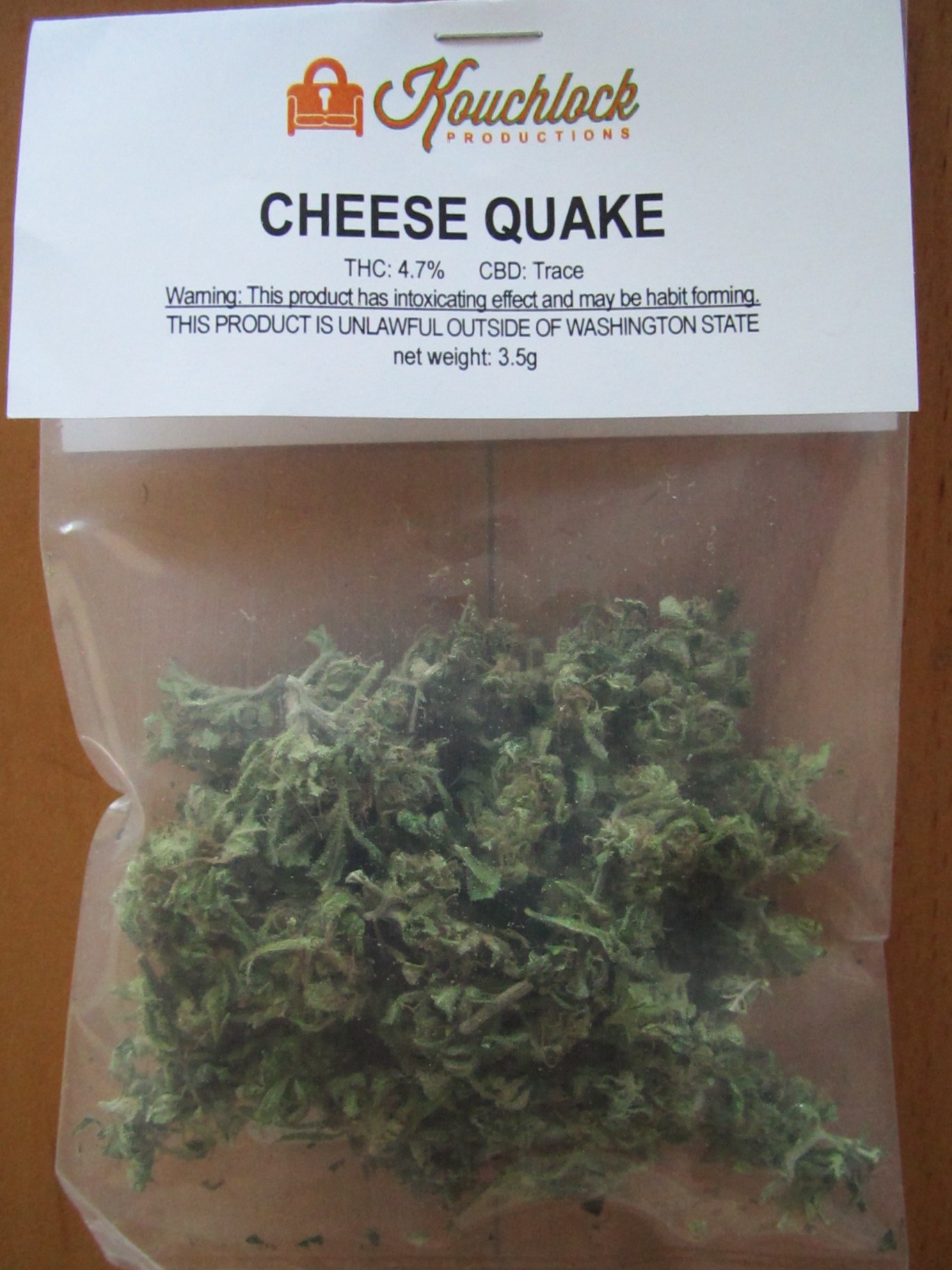
6 Things You Should Know When Buying and Consuming Legal Marijuana

IMG_5168

Whether you haven’t toked since the 70’s, or you’re entirely new to the experience — here’s the starting place.

By Jeremy Daw

Source: Alternet

I distinctly remember the first time I bought weed. Nervous out of my mind, I dialed the beeper (this was 2003 in New York City – every step required discretion). Two minutes later, someone called me back. I gave them my address, then waited two hours (I didn’t yet have the experience necessary to appreciate how fast that was). Then I answered the knock on the door and opened up my home to a complete stranger who never gave his name. He opened up a briefcase full of five different strains, ranging, he explained, from $50 to $80 per eighth. “What’s an eighth?” I asked. He rolled his eyes. Noob.

Determined that the God-knows-how-many curious tourists flocking to Colorado to purchase legal cannabis today should never suffer the same indignities as I did over a decade ago, I present here the sum total of my experience as a pot smoker, distilled into 6 easy maxims. You can thank me later.

1. Stay on the grass.

New tokers, or anyone who hasn’t lit up since the 70’s, will likely find the dizzying array of pot products for sale at the package store a little confusing. BHO (butane hash oil), ice water, something called ‘shatter’ – the wide selection of products on offer stand testament to just how far the industry has come in 40 years. If you have no tolerance built up already, take my advice and steer well clear of all of these. Just the grass – dried flowers – by itself will be plenty potent enough to get you high, believe me. The main exceptions to this principle, however, are the edibles. Today’s edible products have evolved far beyond mere brownies; many chocolate infusers mold their products to break off easily into precisely measured ‘doses’, so the newbie who doesn’t want to irritate her throat can break off a small square and feel a moderate effect. Just be careful – sugar can trick your brain into thinking it needs more sugar, so you must stalwartly resist the urge to take that extra bite until you’ve given the first dose time to work – up to 1.5 hours for most people.

2. Vaping is healthier.

Another development which has taken the cannabis industry by storm lately is the proliferation of portable vaporizers. While the reliable Volcano still remains the equipment of choice for the home-bound aficionado, new portable models have opened up possibilities to take one’s vape on the go. These handy devices can drastically reduce any potentially harmful chemicals in marijuana smoke and can avoid irritating the throat (they still will make you cough, however, because of the expectorant properties of cannabinoids). But make sure you pair the right vape with the right product. Some are designed to handle ‘shake’ (dried flowers, ground up), some only work with hashish and some only work with the highest-grade extracts. Perhaps the best choice for the new marijuana user is the O.pen or similar model, because they come with pre-mixed extracts in glycerin, providing an experience familiar to anyone who has tried an e-cigarette. In any case, remember to take just 1-2 puffs at first, then wait at least five minutes to measure the effects before vaping again. It’s easy to get too high on this stuff.

3. Train your brain.

As strange as this may sound, everyone has to learn how to get high before they can experience it; this is why many marijuana newbies report feeling no effects the first time they smoke pot. Marijuana intoxication is unlike any other feeling in the world, and until your brain knows what to expect it can be difficult to get there. If, after taking a couple hits, you don’t feel any different, try this meditation to deepen the experience. First, relax; close your eyes. Listen to the sounds to your left. Listen to the sounds to your right. Pay attention to how your body feels – is there tightness anywhere? If so, don’t judge – just breathe into the parts of your body which hold the tension, and allow your breath to exhale out. Let go of all judgmental thoughts, all questions of “am I doing it right?” Just float downstream instead.

After a few minutes of mindful breathing, don’t be surprised to suddenly feel noticeably different. Your body may feel lighter; colors may appear more fascinating. Music will open up with more depth than you have ever felt before. And pretty soon, you may start to feel pretty hungry.

4. Come down with CBD.

There are many wonderful reasons why marijuana intoxication is more pleasant than, say, alcohol (no hangover, for one). Even so, the experience isn’t enjoyable for everyone. If you find yourself feeling paranoid, anxious or nauseous – first of all, relax. Remind yourself that no one in history has ever had a fatal overdose of marijuana, and that everything will pass. Breathe deeply.

Just in case that isn’t enough, make sure to keep some special marijuana handy, called “high-CBD.” Such bud is so called because it contains unusually high levels of cannabidiol, or CBD for short, a non-psychoactive cannabinoid which has been shown to mitigate the effects of THC. Many first-time users who found they accidentally took too much have found relief by smoking (or vaping) a few hits of high-CBD bud; within minutes, the CBD will “bring them back down.” If you’re new to cannabis, or you haven’t ever had anything truly high-grade, asking your vendor for a gram of high-CBD bud can be a good idea, just in case.

5. Savor the flavors.

For everyone who has never tried it, or anyone who has relied on the same bud from the same dealer for years, the myriad diversity of scents and flavors on selection in Denver will be a revelation. Some taste like pine; others, mango; still others, lavender. Take the time to sample the scents on offer before making your selection.

When you’re ready to consume, use practices which preserve the flavor. Vape, if possible; the low-temp sublimation process preserves the maximum amount of terpenes – the organic chemicals which provide the pot’s flavors. If you’re smoking instead, use a hemp wick. These beeswax-coated twines are wound with hemp fiber, so they neither add to nor take away from the bud’s exotic flavors. Lighters cover up too much with the taste of butane.

6. Get a grinder.

Regardless of whether you’re rolling joints, packing bowls or loading vapes, a good grinder makes everything easier. Even many experienced tokers often forget to grind up their cannabis before consuming; stuffing whole nugs in pipes can lead to a frustrating experience. But when the bud is ground up ahead of time, it allows smooth airflow which in turn leads to smoother, more flavorful hits.

This is not an exhaustive list, but it will get you started. Apply these principles, and the new year will bring more than just new laws – it will also deliver a healthier way to recreationally relax.


Jeremy Daw is the editor of TheLeafOnline.com and Cannabis Now Magazine, and the author of Weed the People: From Founding Fiber to Forbidden Fruit (2012).

CBD Protective Against Ebola Virus

med-marijuana

by David B. Allen M.D.

Source: Cannabis Digest

There is good scientific evidence that cannabinoids, and in particular Cannabidiol (CBD), may offer control of the immune system and in turn provide protection from viral infections (4). Cannabis has already been recognized to inhibit fungus and bacteria and can be considered a new class of antimicrobial because of the different mechanism of action from other antimicrobials. (1)

Ebola is a complex RNA viral organism that causes the cell to engulf it by pinocytosis, and then the virus hijacks the cell to replicate itself. This replication can involve many mutations in the RNA code that make it difficult to impossible to create an effective vaccine. There are U.S. Patents showing evidence that Cannabinoids have significant anti-viral activity. (3) (4)

Normally any virus infected cells will produce surface proteins that are identified as foreign. The Immune system attacks these cells when the surface protein is identified as foreign.  The Ebola virus infection causes the cell to produce proteins that hide the virus from the immune system. The viral proteins are sterically shielded, i.e. “hidden” from view, thereby hindering cellular (and thus viral) destruction by the immune system.  This mechanism allows the RNA virus to hide the infected cell by shielding it from view from the immune system.

The cause of death by this virus is the body’s own immune response to the viral infection. This is what causes the mortality and morbidity of this infection.  Subsequently, the virus triggers the immune killer cells to release the enzymes (cytokines) they hold. This release of enzymes causes other lymphocyte to release even more Cytokines in a Storm of release. This is properly termed a Cytokine Storm.

Causes small blood clots to form in all arterioles, called; DIC or Disseminated Intravascular Coagulation.
Causes a massive Coagulopathy where the blood will not to clot properly simultaneously with the DIC (Bleeding and clotting occur at the same time.) Toxic Shock Syndrome occurs when the cytokines release causes the blood vessels to dilate to such an extent that a shock state exists.

Cannabinoids are proven to reduce and prevent Toxic Shock and DIC (2)

The Ebola virus also attacks the adhesions between cells caused by the immune Killer cells to release of VEGF (Vascular Endothelial Growth Factor) which result in the destruction of the Tight Junction between cells and causes a fluid leakage between cells until bleeding occurs. The inhibition of VEGF by cannabinoids prevent the cellular junctions from haemorrhage.

Cannabinoids Inhibit VEGF and inhibit Glioma brain tumors growth by this mechanism. (6) It is reasonable to predict that inhibition of VEGF and other Cytokines by Cannabinoids during an Ebola infection will help the survival of this deadly disease.  (6 and 7) Stopping the release of Cytokines will be a key feature of treatment of this deadly disease.

The discovery and application of the Endocannabinoid Signalling System is proving to be the control of virtually all diseases of mankind. Cannabinoids are emerging as a new class of drugs that treat infections of bacteria, fungi and virus by different mechanisms of action not found in any other class of drug. (1)

Cannabinoids are proving to have significant cidal (killer) activity to many viruses, including hepatitis C and the HIV virus. Cannabinoids down-regulate (inhibit) the immune response to the infection (2) (3). The cited U.S. Patents (3 and 4) are proof that cannabinoids inhibit many different virus strains from replicating. These patents also prove cannabinoids decreases the body’s immune over stimulated response to the viral infection.  Claims that are made in these U.S. Patents include the following:

(refer to patent for exact quote.)

  • A method of treating HIV disease by the direct inhibition of viral replication using a cannabinol derivative of claim 2. (see patent)
  • The cannabinol derivatives of claim 10 wherein the cannabinol derivative of claim  is used to treat HIV disease by the direct inhibition of viral replication. (see patent)
  • A method of treating diseases of immune dysfunction which are the result of infectious origin such as Simian Immunodeficiency Virus, Feline Immunodeficiency Virus, Herpes Simplex virus, Epstein-Barr virus, Cytomegalovirus, hepatitis B and C, influenza virus, rhinovirus and mycobacterial infections using the cannabinol derivatives of claim 2. (see patent)
  • This United States Patent, proves cannabinoids treats this immune dysfunction that becomes what is known as a Cytokine Storm caused by different viral infections. (4)

In Summation; The US Patents prove down regulation of the immune system by cannabinoids may be a key in survival of HIV and may indeed translate into survival for Ebola patients. The direct Killing or Cidal effect of Cannabinoids is proven in HIV infections,(4) but not yet in Ebola. Inhibition of VEGF is crucial to prevent endothelial leakage and haemorrhage.

Because cannabis is so very safe especially under doctor supervision, I believe it is crucial for the medical community to start human trials on survivability of Ebola infected patients regardless of the political restraints.


David B. Allen M.D.
retired Cardiothoracic and Vascular Surgeon
Medical Director, Cannabis Sativa, Inc. (Cali215doc@gmail.com)


References

1)   Antibacterial Cannabinoids from Cannabis sativa: A Structure−Activity Study Antibacterial Cannabinoids from Cannabis sativa: A Structure−Activity Study; Giovanni Appendino et al. The School of Pharmacy, University of London

2)   Protection Against Septic Shock and Suppression of Tumor Necrosis Factor α and Nitric Oxide Production by Dexanabinol (HU-211), a Nonpsychotropic Cannabinoid Ruth Gallily1,
Aviva Yamin1, Departments of Immunology The Hebrew University, Faculty of Medicine, Jerusalem,  Rehovot, Israel.

3)    Cannabinoid derivatives US patent 20070179135 A1

4)    Treatment of HIV and diseases of immune dysregulation US 20080108647 A1

5)    Curr Pharm Des. 2006;12(24):3135-46. Cannabinoids, immune system and cytokine network. Massi PVaccani AParolaro D, University of Insubria, Via A. da Giussano 10, 21052 Busto Arsizio (VA), Italy

6)    Cancer Res August 15, 2004 64; 5617 Cannabinoids Inhibit the Vascular Endothelial Growth Factor Pathway in Gliomas Cristina Blázquez HYPERLINK “http://cancerres.aacrjournals.org/content/64/16/5617.full”1,

7)    How Cannabis Might Keep Coronary Stents Open Longer
http://www.cbds.com/…/how-cannabis-might-keep-coronary-stents-open-longer
Jun 10, 2014 David Allen M.D.