

By Chrichton
Source: Chrichton’s World
If the majority of the Peking Opera School brothers are involved then you just know it is going to be good. Next to usual suspects Jackie Chan, Sammo Hung and Yuen Biao Yuen Wah (on screen) and Corey Yuen (off screen) are brought into the mix to deliver this martial arts gem. The combination of action and comedy is nothing new to these guys. But romance? That one surprised me because that is not something they do often. And even when it borders to the more sentimental and cheesy kind I could appreciate it since most of it seemed sincere and convincing.
But there are other little surprises that makes Dragons Forever a lot of fun. The first one that sticks out is Yuen Biao’s character Timothy Tung. Timothy is not quite right in the head. No real explanation is given other than that even friend Jackie Lung is surprised by his insanity. When Jackie visits his friend he is met with a lot of hostility. At first he thinks it’s because he doesn’t recognize him. But even when saying who he is and showing his face up close Timothy still has trouble recognizing him. It’s so weirdly disturbing that it becomes hilarious. Especially since throughout the film he seems to be living in his own little world and his friend Jackie just leaves him be. Dismissing his behaviour as quirky and lovable. For example his Goldfish don’t live in aquariums but in tubes placed all over in his home. Actually it looked really cool. It did look like the fish were enjoying themselves. The other surprise is Jackie as a ladies man. I remember him playing a character like this in City Hunter but prior to this I had never actually seen him coming on to women in this fashion. Because usually he plays the straight and righteous guy who rarely crosses the line and in this film he has no trouble being unethical or hiring his friends to do some spying on the plaintiff. Even going so far in allowing friend Luke Wong (Sammo Hung) to seduce the plaintiff and he himself to become more than amicable with the plaintiff’s niece who also is a witness in the court case. This is where the romantic elements come in. Surprisingly these elements gave this film an edge. That and the tone change in the third act. Up until that time Dragons Forever is pretty light and comedic. But then things become real serious and super dark. In most films tone changes like this don’t work. But here they do since in the first two acts you have gotten to know the main characters and that despite their silly antics they do have their hearts in the right place.
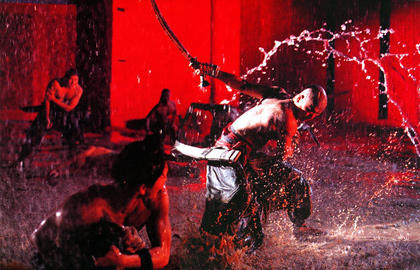
On top of that the action is top notch. Mostly combat based and the kind I really like and enjoy. It’s beautifully choreographed and exciting. The fights between the three dragons also are delightful since they seemed to be having a lot of fun beating each other up. What I really liked was how this action was blended with the comedy and romantic elements. The film flowed incredibly well and not once did I think that any of the elements fell out of place. Even when it became super dark at the end. But I think we got Sammo Hung and Corey Yuen to thank for that since they both directed this film.
I don’t think I am the type who uses this term very quickly but when I do you can be sure that I mean it wholeheartedly. Dragons Forever is a masterpiece. If you never have seen this film you owe it to yourself to do so. It is easily one of the best films in the genre.

 After the Crash